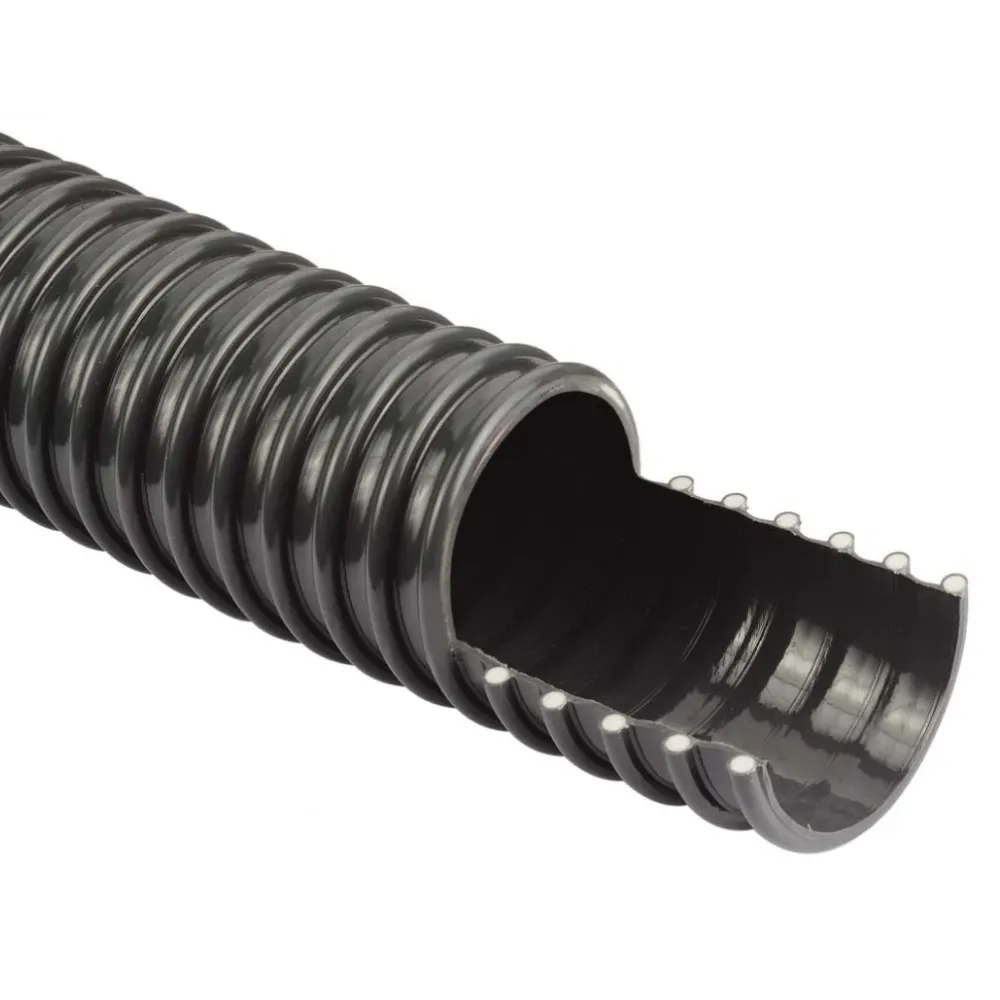
High Temperature Silicone Fire Sleeve for Hydraulic Hose OEM
When managing fluid power systems in high-temperature industrial environments, the vulnerability of lines to molten splashes and extreme heat can lead to catastrophic system failures. The silicone fire sleeve provides a critical layer of defense, engineered specifically to insulate hoses, wires, and cables from hazards like welding splatter, electrical sparks, and constant thermal exposure. By integrating high-purity thickened non-alkali fiberglass with a specialized silicone resin coating, this protective barrier ensures operational continuity in the most demanding settings. For procurement managers and engineers seeking high-performance thermal protection, understanding the intersection of material science and application-specific requirements is essential to maintaining safety and reducing downtime in heavy-duty machinery.

Technical Construction and Material Composition of Thermal Protection Sleeves
The efficacy of the silicone fire sleeve lies in its composite architecture. The core consists of a braided structure made from high-purity thickened non-alkali fiberglass. This base material is chosen for its exceptional structural stability and inherent resistance to melting. To enhance its protective properties, the fiberglass braid is meticulously coated with a silicone resin, which creates a non-permeable barrier against contamination and moisture while significantly improving the sleeve's flexibility.
This dual-layer approach allows the sleeve to function as both a thermal insulator and a physical shield. The silicone coating ensures that the sleeve remains resistant to aging and environmental degradation, while the fiberglass core maintains the integrity of the wrap even when exposed to extreme heat. This combination is particularly effective against molten metals and slag, providing a critical safety margin for hydraulic systems and automotive wiring harnesses operating near heat sources.

Performance Capabilities Under Extreme Thermal Stress
In industrial applications, thermal protection is categorized by continuous exposure and peak event resistance. This sleeve is engineered to provide continuous protection up to 260°C (500°F), making it suitable for permanent installation in high-heat zones. However, its most critical capability is its ability to withstand momentary "molten splashes" at temperatures as high as 1300°C, preventing the underlying hose or cable from rupturing during accidental contact with molten metal or sparks.
Beyond temperature, the material properties provide several key operational advantages:
- Flame Retardancy: Actively resists ignition and prevents the spread of fire along cable runs.
- Mechanical Resistance: Offers robust protection against abrasion, cuts, and crushing forces.
- Environmental Shielding: Provides UV resistance and prevents the ingress of industrial contaminants.
- Electrical Insulation: Acts as a secondary insulator for electrical voltage equipment.
Critical Industrial Applications and Deployment Scenarios
The deployment of fire sleeves is essential in sectors where heat is a byproduct of the primary process. In steel mills and rolling mills, fluid pipeline cables are frequently exposed to slag and grinding sparks; here, the sleeve prevents the degradation of the outer jacket of the hydraulic lines. Similarly, in generator sets and electrical voltage equipment, the sleeves ensure that wiring remains intact despite the heat generated by high-load electrical components.
In the automotive and heavy machinery sectors, these sleeves are integrated into wiring harnesses to protect against engine heat and exhaust manifold proximity. They are also widely utilized in large-scale building infrastructure and sawing perimeter cables, where physical abrasion and occasional heat spikes are common. By shielding the core components, companies can significantly extend the service life of their hydraulic and electrical installations.
Thermal Protection Selection and Application Matrix
| Application Environment | Primary Hazard | Required Property | Recommended Guard |
|---|---|---|---|
| Steel Foundry | Molten Metal/Slag | 1300°C Splash Resistance | Silicone Fire Sleeve |
| Engine Bay | Radiated Heat/UV | 260°C Continuous Temp | Silicone Fire Sleeve |
| Industrial Cabling | Mechanical Abrasion | Cut & Crush Resistance | Rubber Spiral Guard |
| General Piping | Low-Heat Friction | Basic Wear Protection | PP Spiral Guard |
| Power Plants | Electrical Sparks | Flame Retardancy | Silicone Fire Sleeve |
Procurement Considerations for Industrial Hose Protection
When sourcing protective sleeves, buyers must evaluate the specific nature of the heat threat. If the primary concern is constant ambient heat, a standard thermal wrap may suffice. However, if the environment involves welding splatter or molten splashes, a silicone-coated fiberglass sleeve is non-negotiable. It is also important to consider the diameter of the underlying hose to ensure a snug fit that prevents the sleeve from sliding, which could expose unprotected segments of the line.
Furthermore, sourcing from a manufacturer with an integrated supply chain, such as Guangrao Juyuan, ensures that the raw materials—like non-alkali fiberglass—are procured at a cost-effective rate without sacrificing quality. The ability to customize special-shaped rubber and plastic components allows for a more precise fit in complex machinery, reducing the need for makeshift installations that often fail under pressure.
Future Trends in High-Temperature Fluid System Shielding
The industry is moving toward more specialized composite materials that offer even higher thermal thresholds and improved chemical resistance. We are seeing an increase in the demand for integrated protection systems where the fire sleeve is combined with spiral guards for dual-action protection against both heat and heavy mechanical impact. This hybrid approach is becoming standard in autonomous mining and heavy construction equipment.
Additionally, there is a growing emphasis on environmental compliance in the manufacturing of silicone resins. The shift toward non-alkali fiberglass not only improves the technical performance in terms of heat resistance but also aligns with stricter global safety standards. For enterprises looking to upgrade their hydraulic hose oem capabilities, integrating these advanced shielding solutions during the design phase is the most effective way to ensure long-term reliability.
Technical Questions on Silicone Fire Sleeves
What is the difference between a fire sleeve and a standard heat wrap?
A standard heat wrap typically manages radiated heat, whereas a fire sleeve is specifically designed to resist direct flames and molten splashes up to 1300°C using a silicone-coated fiberglass construction.
Can these sleeves be used in outdoor environments?
Yes, the silicone resin coating provides inherent UV resistance and protection against various weather-related hazards, making them suitable for both indoor and outdoor industrial use.
How does the non-alkali fiberglass contribute to the sleeve's performance?
Non-alkali fiberglass offers superior thermal stability and a higher melting point compared to standard glass fibers, ensuring the sleeve maintains its structure under extreme stress.
Are these sleeves compatible with all types of hydraulic hoses?
They are designed as universal protectors for hoses, wires, and cables. Compatibility depends on the diameter of the hose, and custom sizes are often required for specialized equipment.
What is the typical lifespan of a silicone fire sleeve in a steel mill?
Lifespan varies by the frequency of molten splashes and abrasion levels, but the anti-aging properties of silicone resin significantly extend durability compared to uncoated fiberglass.
Can I use a PP spiral guard instead of a fire sleeve?
PP spiral guards are for mechanical abrasion and organization. They do not provide thermal insulation or fire resistance and should not be used in high-heat areas.
Technical Industry References
- National Fire Protection Association (NFPA) Standards
- ISO Standards for Industrial Rubber and Plastic Hoses
- National Institute of Standards and Technology (NIST) Thermal Research
- SAE International Technical Standards for Automotive Wiring
Ensuring the longevity of your hydraulic and electrical systems requires a proactive approach to thermal management. By implementing high-grade silicone fire sleeves, you protect your critical infrastructure from the unpredictable hazards of high-heat industrial environments.
Related Industrial Hose Solutions