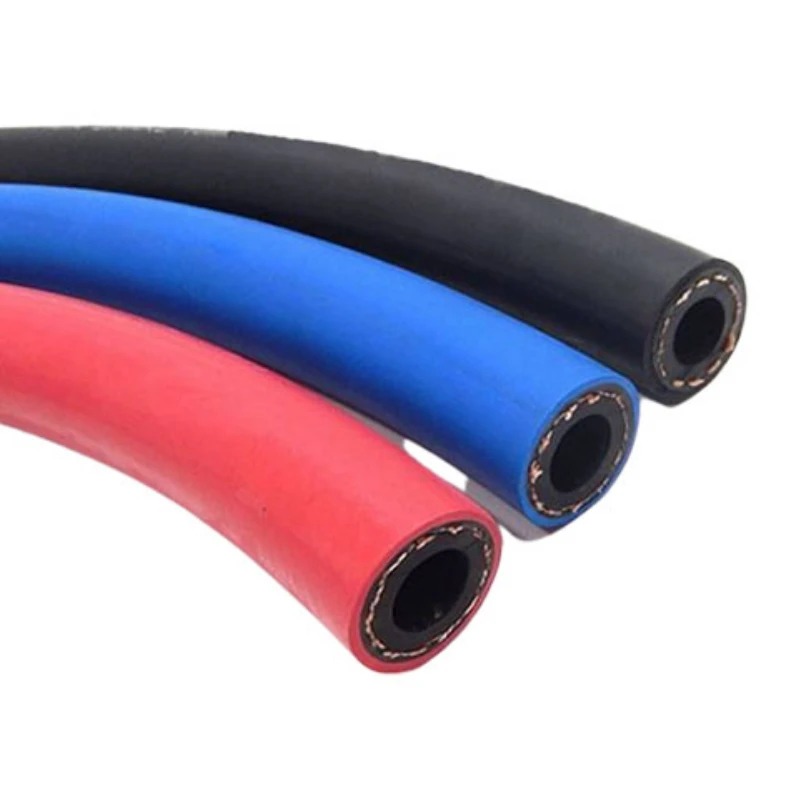
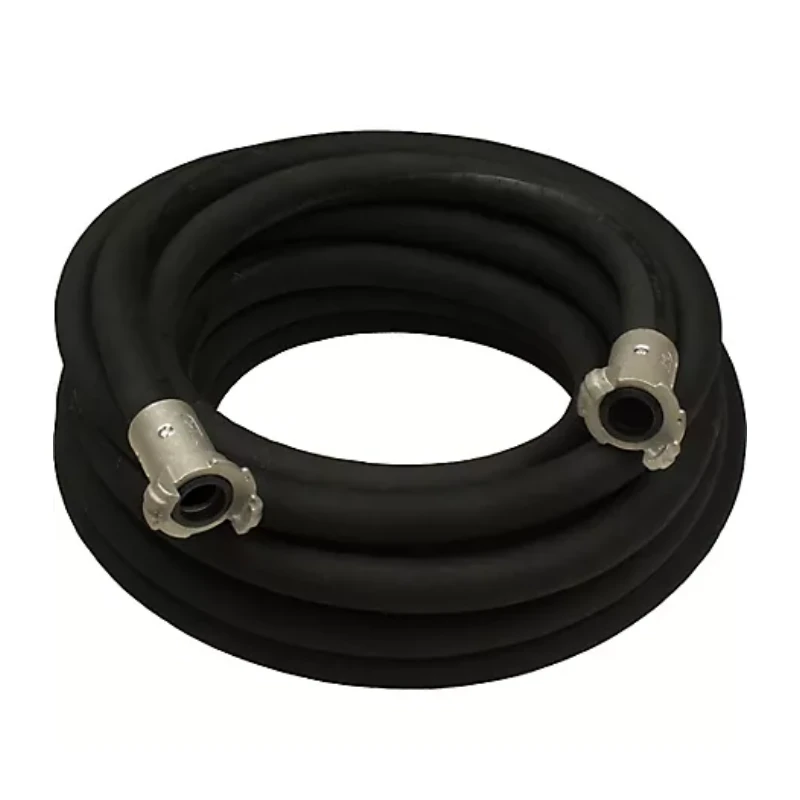
High-Performance hydraulic hose Solutions for Bolivia

Engineered for extreme altitudes and rugged terrains, providing industrial-grade fluid transmission for Bolivian mining and agriculture.

High-Performance hydraulic hose Solutions for Bolivia

Optimizing industrial productivity in the Andes and Amazonian regions through precision-engineered tubing and flexible piping systems.

Industrial Fluid Transmission Landscape in Bolivia

Addressing the unique challenges of high-altitude pressure and diverse climatic zones.

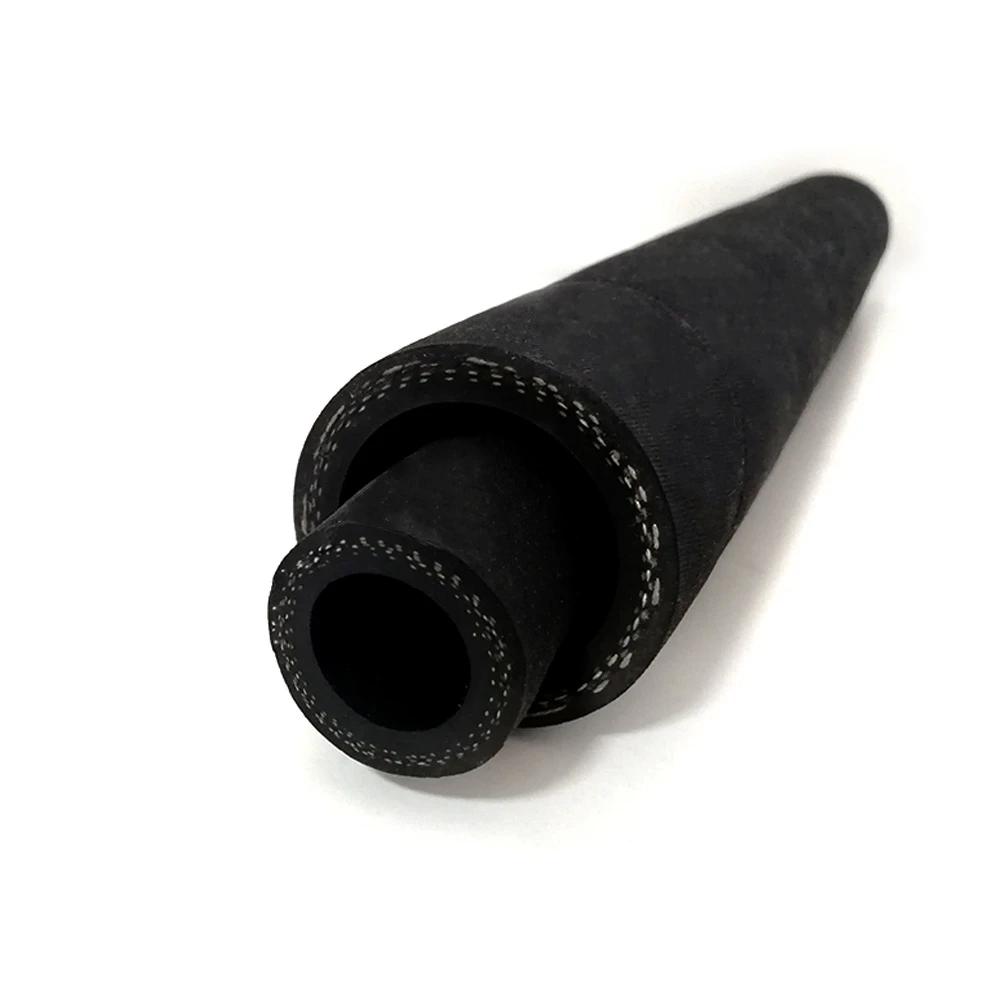
Bolivia's industrial sector, particularly in the Altiplano region, faces severe environmental challenges. The extreme altitude and fluctuating temperatures put immense stress on rubber hoses, leading to premature cracking and pressure loss in heavy machinery used for lithium and tin mining.

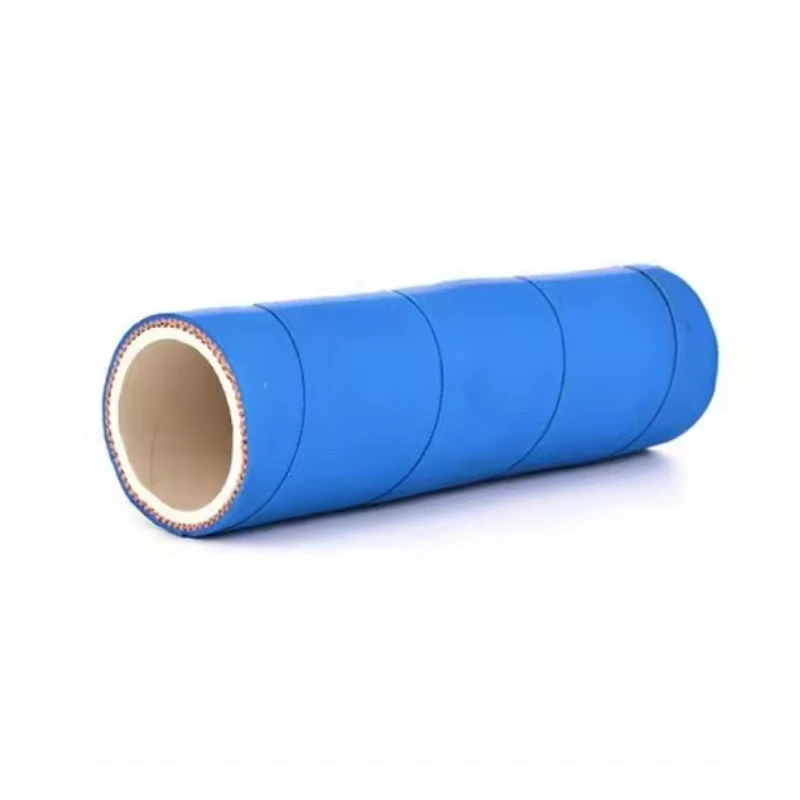
In the lowland tropical zones, high humidity and corrosive soil conditions accelerate the degradation of standard materials. This creates a critical demand for high-grade hose pvc and specialty reinforced tubes that can withstand UV exposure and chemical erosion without compromising structural integrity.

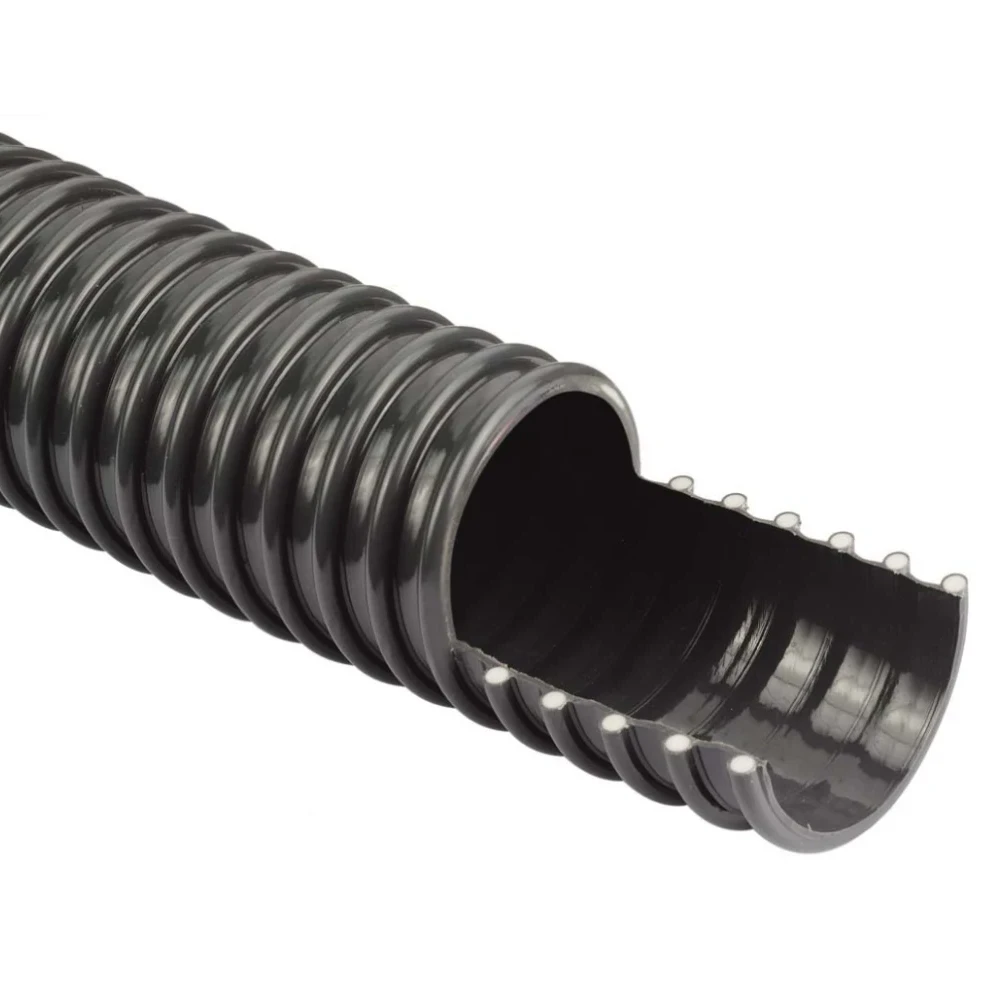
Currently, the Bolivian market is shifting from generic imports to specialized components. Local operators are increasingly seeking helix hose designs to prevent kinking and collapse in suction applications, ensuring consistent flow rates for the nation's expanding agricultural irrigation projects.
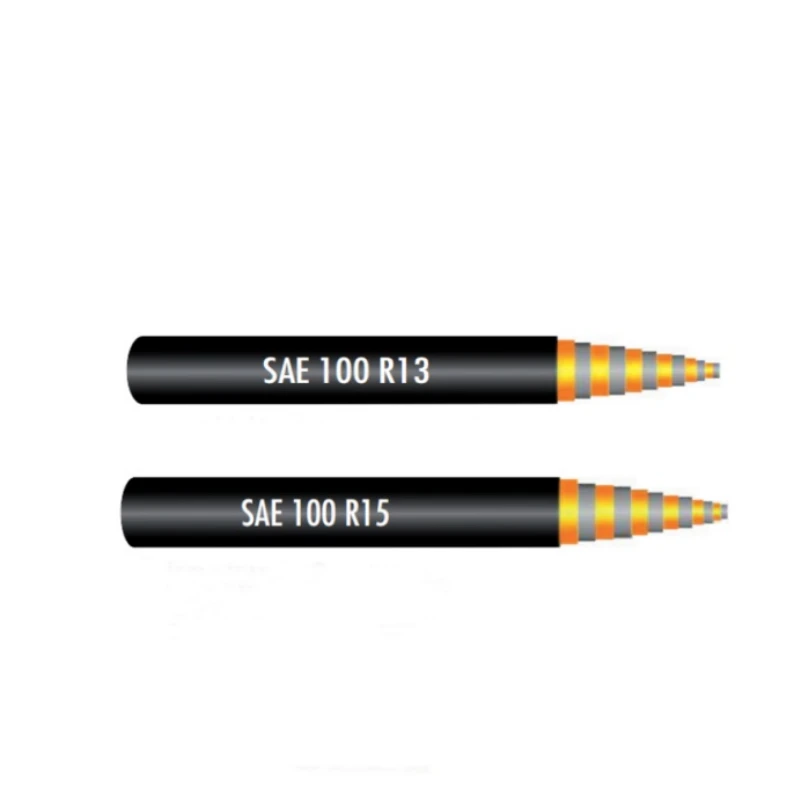
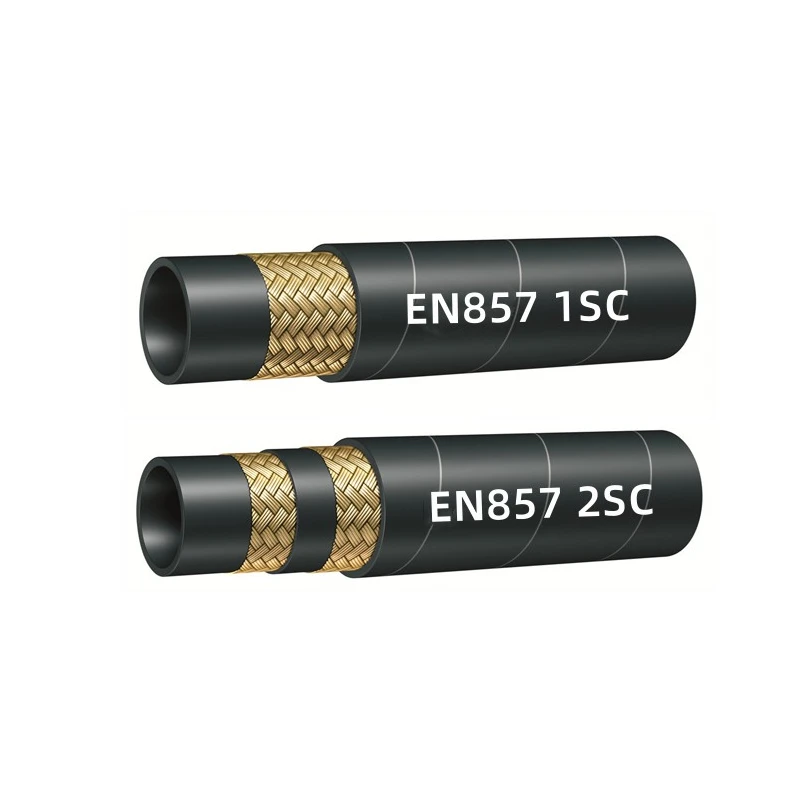
Evolution of Tubing Technology in Bolivia

From basic rubber conduits to advanced synthetic polymers.

Market Development History

Between 1990 and 2005, the Bolivian market relied heavily on basic natural rubber products. These early iterations lacked the reinforcement needed for high-pressure mining hydraulics, resulting in frequent downtime and high maintenance costs for machinery in Potosí and Oruro.

From 2006 to 2018, a technological shift occurred with the introduction of synthetic elastomers and braided steel reinforcements. This era saw the rise of professional automotive silicone hoses, which provided the thermal stability required for engines operating in thin, high-altitude air where cooling is less efficient.

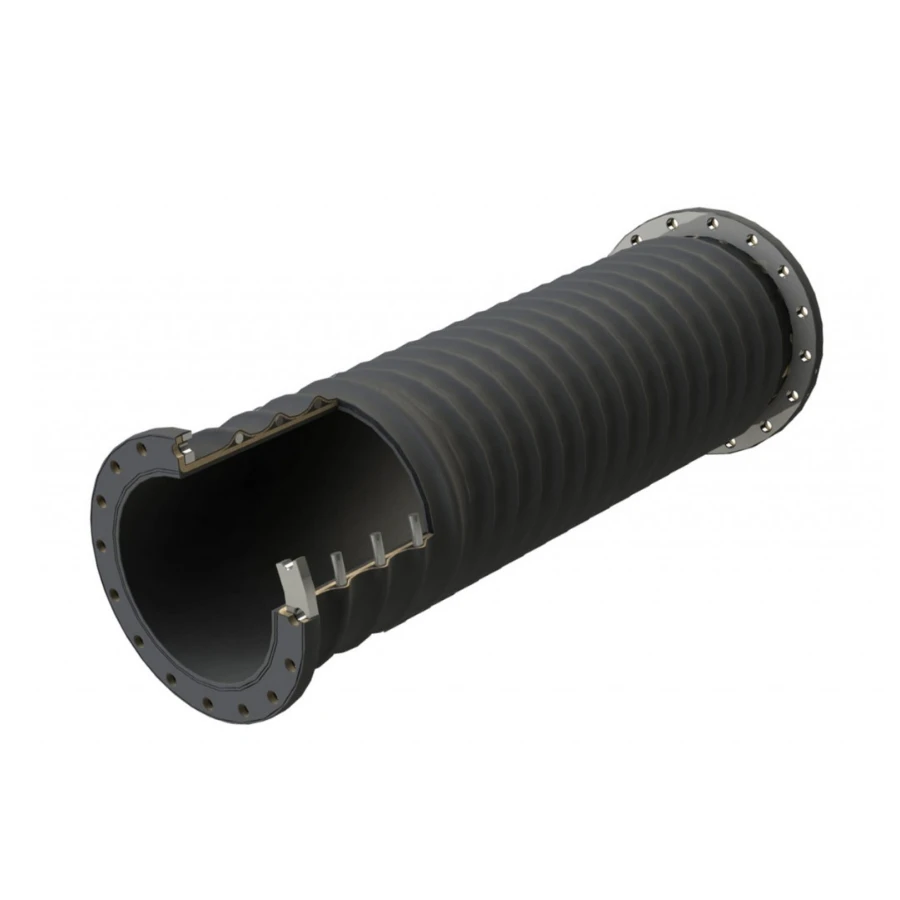
Since 2019, the focus has shifted toward "Smart Piping." The integration of multi-layer polymers and specialized winding techniques has allowed for hoses that are lighter yet capable of handling significantly higher impulse pressures in hydraulic systems.

Future Development Trends

Biodegradable Polymer Integration

Driven by environmental regulations in the Amazon basin, there is a growing trend toward eco-friendly materials that reduce the carbon footprint of industrial waste.

Extreme Pressure Specialization

As mining operations dive deeper, the demand for ultra-high-pressure reinforced tubing is expected to grow by 15% annually over the next 3 years.

IoT-Enabled Leak Detection

The integration of sensor-compatible hose walls to monitor real-time pressure drops is becoming a priority for large-scale Bolivian industrial plants.

Industry Trends and Future Outlook

Strategic foresight for the rubber and plastic piping sector in the Andean region.

Thermal Stability Optimization
Developing materials that maintain flexibility from -20°C in the mountains to 40°C in the tropics.
Advanced UV Resistance
Implementing nano-coatings to prevent polymer degradation under high-altitude solar radiation.
High-Impulse Reinforcement
Enhancing wire-braiding density to withstand extreme pressure spikes in heavy mining equipment.
Customized Fitting Integration
Shift toward precision-matched end-connectors to eliminate leakage in critical fluid systems.

Industry Outlook

Looking ahead, the Bolivian market is expected to integrate more "industry 4.0" standards. Search data indicates a rising trend in "high-pressure durability" and "chemical resistant tubing," suggesting that the market is moving away from low-cost options toward value-driven, long-lifecycle products.

We predict that within 5 years, the adoption of hybrid-composite hoses will replace traditional rubber in 30% of the mining sector, offering superior weight-to-strength ratios and enhanced resistance to the abrasive minerals found in Bolivian soil.

Localized Applications in Bolivia

Practical implementations of our tubing solutions across various Bolivian sectors.

1. Lithium Brine Extraction in Salar de Uyuni

Utilizing specialized corrosion-resistant hoses to transport brine under high-salinity conditions, preventing tube degradation and ensuring purity during the extraction process.

2. High-Altitude Heavy Mining Equipment

Implementation of reinforced hydraulic hose systems for excavators operating at 4,000+ meters, where low temperatures typically cause rubber embrittlement.

3. Tropical Agricultural Irrigation Systems

Deploying large-diameter helix hose in the Santa Cruz region to ensure kink-free water delivery for soy and corn plantations.

4. Automotive Cooling Systems in Urban Centers

Replacing standard rubber with automotive silicone hoses in La Paz transport fleets to handle the extreme thermal cycles of mountain driving.

5. Industrial Chemical Transport in Manufacturing

Using high-grade hose pvc for the safe transfer of industrial solvents and cleaners in the growing manufacturing hubs of Cochabamba.

Brand Story

Global Development Journey of Hebei Shengdafei Rubber and Plastic Products Co., Ltd.

Foundational Engineering

Established with a mission to solve the core failure points of industrial tubing, focusing on material purity and structural reinforcement.

Technical Breakthroughs

Developed proprietary vulcanization processes that increased the lifespan of high-pressure hoses by 40% compared to industry standards.

Global Expansion

Expanded reach into South American markets, tailoring product specifications to meet the extreme environmental demands of the Andes.

Quality Standardization

Achieved international certifications ensuring every meter of hose produced meets strict global safety and pressure ratings.

Sustainable Innovation

Investing in recyclable polymers to lead the transition toward a greener manufacturing future in the rubber and plastics industry.

Common Technical Questions in Bolivia

Expert answers to regional challenges in hose selection and maintenance.

How do I choose the right hydraulic hose for high-altitude mining in Bolivia?

For high-altitude environments, you must select hoses with a specific "Low-Temperature Flexibility" rating to prevent the rubber from becoming brittle and cracking under the extreme cold of the Altiplano.

Can automotive silicone hoses handle the thermal stress of La Paz traffic?

Yes, silicone hoses are ideal for this region as they maintain their shape and seal under the higher operating temperatures often seen in engines struggling with low oxygen levels at high altitudes.

What is the advantage of helix hose for agricultural use in Santa Cruz?

The helix reinforcement prevents the hose from collapsing during suction, which is critical when pumping water from irregular sources in tropical agricultural settings.

Is hose pvc suitable for chemical transport in Cochabamba's industries?

Our industrial-grade PVC hoses are formulated with chemical stabilizers that resist common solvents and acids used in regional manufacturing, ensuring a leak-proof transfer.

How often should rubber hoses be inspected in mining environments?

Due to the abrasive nature of mineral dust and extreme UV exposure in Bolivia, we recommend a comprehensive visual and pressure test every 3 to 6 months.

What causes premature failure of hydraulic hoses in the Andean region?

The primary causes are ozone degradation due to high-altitude UV radiation and thermal shock from rapid temperature swings between day and night.

Request a Technical Consultation

Our engineers are ready to help you optimize your fluid systems throughout Bolivia. Get the right specifications for your specific environmental challenges.

Contact Us Now

If you are interested in our products, you can choose to leave your information here, and we will be in touch with you shortly.