In the demanding landscape of industrial fluid transport, the 2 inch flex pipe stands as a critical component for balancing flow efficiency with operational flexibility. Whether utilized in chemical processing, water management, or heavy-duty manufacturing, the ability to maneuver high-volume liquids through tight spaces without compromising pressure integrity is paramount. Understanding the technical nuances of these conduits is essential for engineers aiming to reduce downtime and enhance system safety.
Globally, the demand for flexible piping solutions has surged as industries move toward modular plant designs and rapid-deployment infrastructure. The 2 inch flex pipe provides a versatile middle-ground diameter, capable of handling significant throughput while remaining lightweight enough for manual installation. This balance makes it an indispensable asset in sectors ranging from agricultural irrigation to sophisticated oil and gas extraction.
Selecting the right material and specification for your 2 inch flex pipe can lead to substantial long-term savings in maintenance and energy costs. By integrating advanced polymers and reinforced braiding, modern flexible pipes mitigate the risks of vibration-induced fatigue and thermal expansion, ensuring that industrial workflows remain uninterrupted and environmentally secure.
Global Relevance of 2 inch flex pipe
The global industrial infrastructure relies heavily on the standardization of components to ensure interoperability and safety. The 2 inch flex pipe has emerged as a worldwide benchmark for medium-scale fluid transfer, adhering to ISO and ASTM standards that allow for seamless integration across different continents. From the expanding manufacturing hubs in Southeast Asia to the established petrochemical plants in North America, this specific sizing optimizes the trade-off between flow rate and installation flexibility.
Current market data suggests a steady increase in the adoption of reinforced flexible conduits over rigid piping in volatile environments. The primary challenge addressed by the 2 inch flex pipe is the mitigation of mechanical stress caused by thermal expansion and seismic vibrations, which often lead to catastrophic failures in rigid steel systems. By providing a resilient bridge between fixed points, these pipes safeguard millions of dollars in equipment and prevent hazardous leaks.
Defining the 2 inch flex pipe Standard
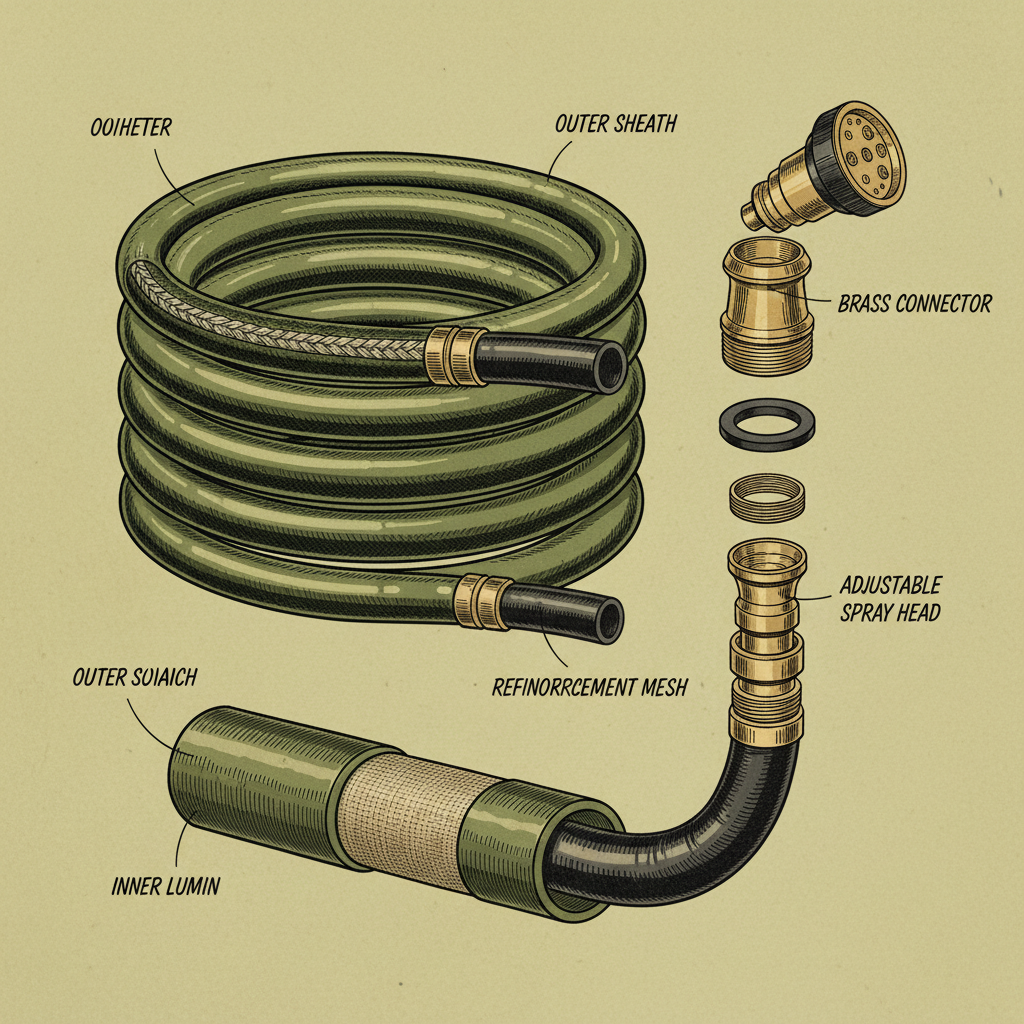
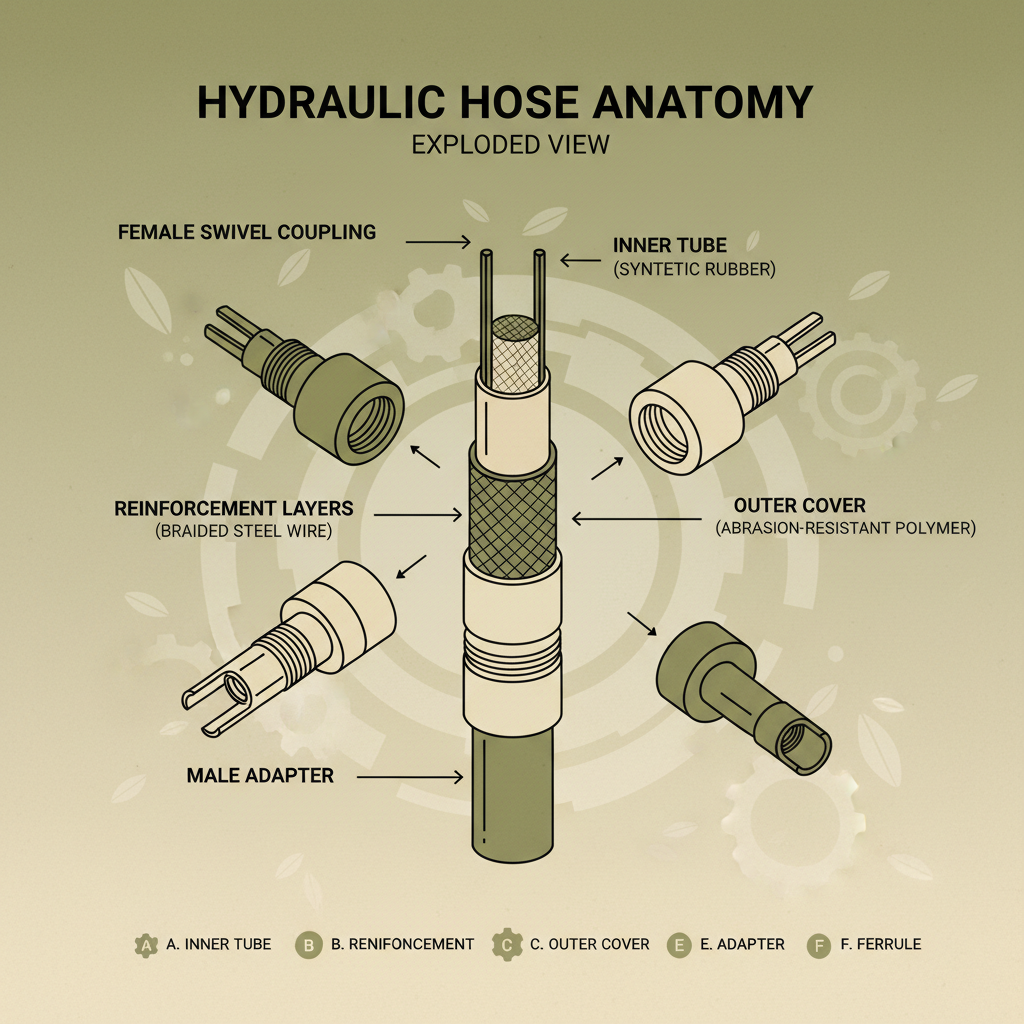
In simple technical terms, a 2 inch flex pipe is a reinforced conduit with a nominal internal diameter of two inches, engineered from flexible elastomers or thermoplastics. Unlike rigid PVC or steel pipes, these components are designed to bend, twist, and absorb movement without collapsing or bursting. This flexibility is usually achieved through a combination of a smooth inner liner for low friction and an outer braided reinforcement layer.
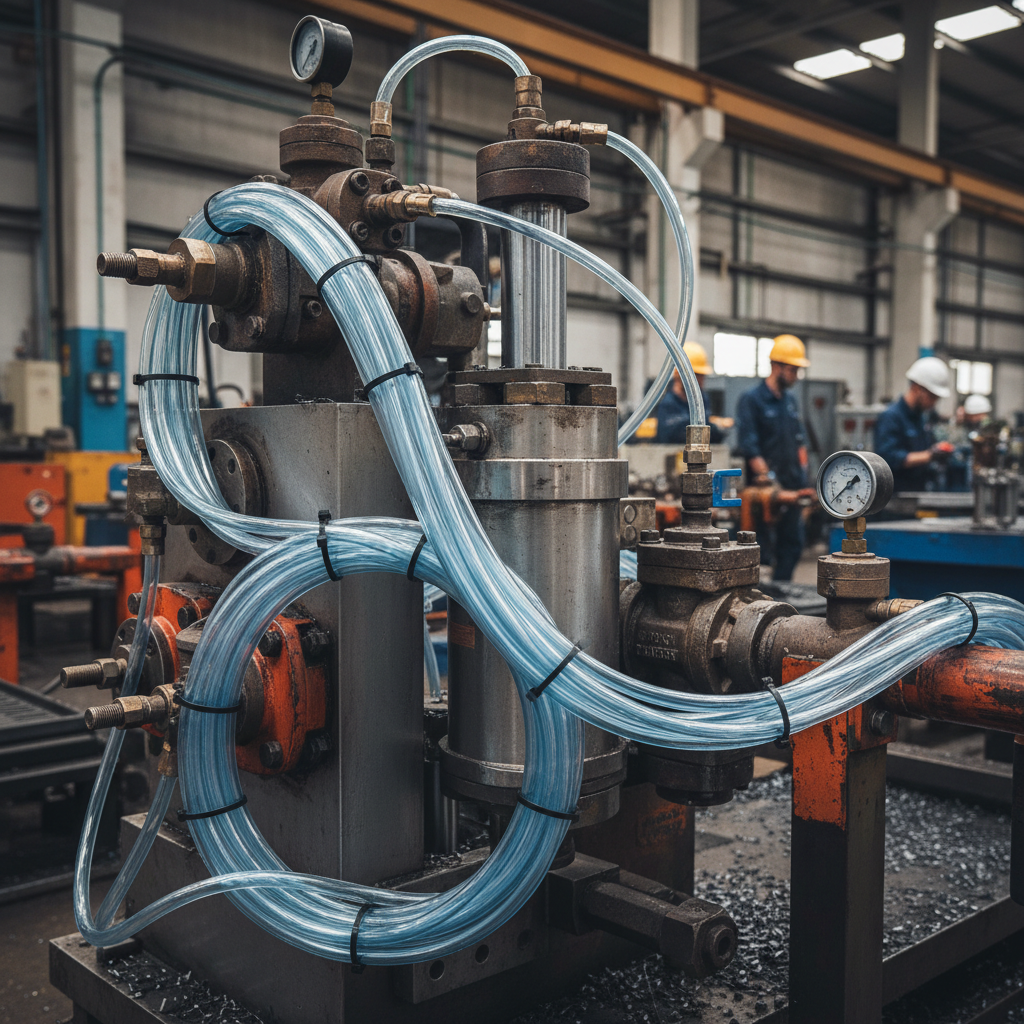
The connection to modern industry lies in its ability to solve the "last mile" problem of fluid delivery. In complex industrial layouts, it is rarely possible to run a perfectly straight line from a pump to a vessel. The 2 inch flex pipe allows for precise routing around obstacles, reducing the need for expensive and leak-prone elbow joints and rigid couplings.
Beyond industrial utility, these pipes serve critical humanitarian needs, particularly in rapid-response water purification and emergency sanitation projects. When NGOs deploy temporary clinics or shelters, the speed of installation is vital. The 2 inch flex pipe enables the quick setup of water distribution networks that can be rolled up and transported easily, providing dignity and health to displaced populations.
Core Components of High-Performance Piping
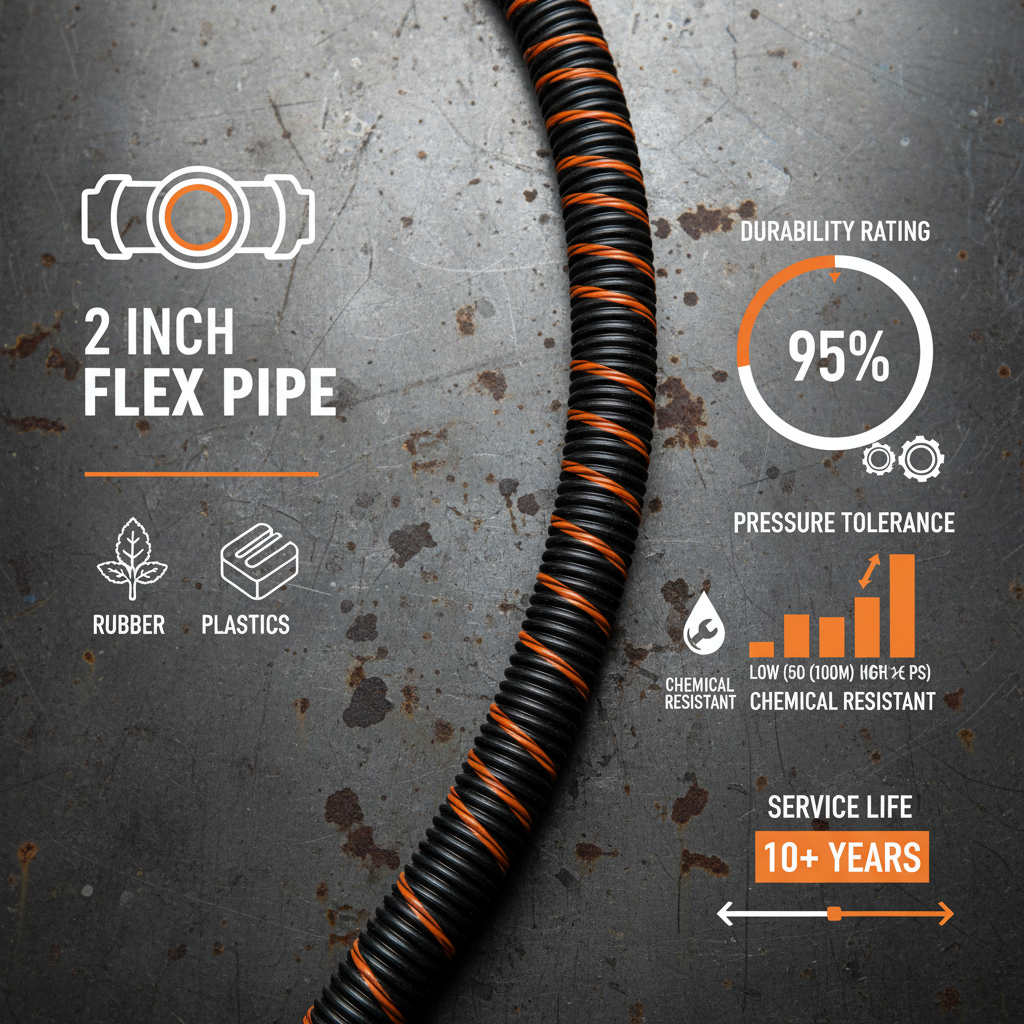
Durability is the cornerstone of any 2 inch flex pipe. To achieve this, manufacturers employ multi-layered construction, often featuring a high-grade PVC or Nitrile rubber core. This inner layer must be chemically compatible with the transported medium to prevent degradation, ensuring that the pipe does not leach materials into the fluid or succumb to internal corrosion over years of service.
Scalability and adaptability are enhanced by the reinforcement layer of the 2 inch flex pipe. Whether using high-tensile polyester yarn or stainless steel wire braiding, this layer determines the maximum working pressure (MWP). By adjusting the density of the braid, the pipe can be tailored for low-pressure suction or high-pressure discharge, making it a scalable solution for various industrial intensities.
Cost efficiency is realized not just in the initial purchase price of the 2 inch flex pipe, but in its lifecycle value. Because these pipes reduce the number of required fittings and are faster to install, labor costs are significantly lowered. Furthermore, their ability to absorb vibration reduces the wear and tear on connected pumps and valves, extending the operational lifespan of the entire system.
Practical Application and Performance Metrics
The real-world application of the 2 inch flex pipe spans across diverse sectors. In the mining industry, these pipes are used for slurry transport where the mixture of water and solids would erode rigid pipes quickly. In the food and beverage sector, food-grade versions of the 2 inch flex pipe ensure hygienic transfer of liquids while meeting strict FDA standards for non-toxicity and ease of cleaning.
When analyzing performance, engineers look at the bend radius and pressure drop. A high-quality 2 inch flex pipe maintains its internal diameter even when bent, preventing flow restrictions that could lead to pump cavitation or overheating. The following data represents the comparative efficiency of different material compositions.
Comparative Efficiency of 2 inch flex pipe Materials
Global Use Cases and Regional Impact
In remote industrial zones, such as the oil fields of Western Texas or the mining sites in the Australian Outback, the 2 inch flex pipe is a lifeline for fluid management. Its ease of transport means that large-scale piping networks can be deployed without the need for heavy welding equipment on-site, which is often a logistical nightmare in underdeveloped regions.
Furthermore, in post-disaster relief operations, organizations like the Red Cross use 2 inch flex pipe to establish temporary water main systems. The ability to route around rubble and navigate uneven terrain allows for the rapid delivery of potable water to thousands of people, demonstrating that the value of this industrial product extends far beyond profit—it is a tool for survival and stability.
Long-Term Value and Sustainability
The transition to sustainable manufacturing has placed a spotlight on the materials used in the 2 inch flex pipe. Modern iterations are now utilizing recyclable thermoplastics and bio-based polymers, reducing the environmental footprint of the production process. By extending the service life of the pipe through UV stabilization and abrasion-resistant coatings, companies can reduce the frequency of replacements, thereby lowering plastic waste.
From a logical standpoint, the reliability of a high-quality 2 inch flex pipe translates directly into safety. In chemical plants, a single burst joint can lead to toxic exposure or explosive accidents. The inherent flexibility of these pipes absorbs the shock of "water hammer" effects, protecting the entire infrastructure and providing peace of mind to the operators.
Emotionally, the trust a facility manager places in their equipment is invaluable. Knowing that the 2 inch flex pipe is rated for the specific pressure and temperature of the operation allows for a focus on productivity rather than fear of failure. Innovation in this field is not just about strength, but about the confidence it instills in the human workforce.
Future Trends in Flexible Pipe Technology
The future of the 2 inch flex pipe is inextricably linked to the digital transformation of industry, often referred to as Industry 4.0. We are seeing the emergence of "smart pipes" where sensors are embedded within the walls of the 2 inch flex pipe to monitor flow rates, pressure spikes, and wall thinning in real-time. This allows for predictive maintenance, where a pipe is replaced based on actual wear data rather than a generic schedule.
Green energy transitions are also driving innovation. As hydrogen economy grows, there is a pressing need for 2 inch flex pipe variants that are impermeable to the tiny molecules of hydrogen gas. New nanocomposite liners are being developed to prevent gas leakage, ensuring that the next generation of energy transport is as safe as it is clean.
Automation and 3D printing are also beginning to influence the production of customized fittings for the 2 inch flex pipe. Instead of standard couplings, facilities can now order precision-engineered connectors that perfectly match their specific pump geometry, further reducing the risk of leaks and improving overall system efficiency.
Technical Specifications and Performance Analysis of 2 inch flex pipe Variants
| Material Type |
Pressure Rating (PSI) |
Flexibility Score (1-10) |
Typical Application |
| PVC Reinforced |
150 - 300 |
7 |
General Water Transfer |
| Nitrile Rubber |
400 - 800 |
8 |
Oil & Fuel Transport |
| TPU Composite |
1000+ |
6 |
High-Pressure Hydraulics |
| Silicone Grade |
100 - 200 |
10 |
Medical & Food Grade |
| Stainless Braided |
1500+ |
5 |
Steam & Chemical Heat |
| EPDM Rubber |
300 - 600 |
9 |
Weather-Exposed Drainage |
FAQS
The primary advantage is the ability to absorb vibration and thermal expansion, which prevents joint fatigue and leaks. Additionally, a 2 inch flex pipe is significantly easier to install in tight or irregular spaces, reducing the need for multiple rigid fittings and lowering overall labor costs.
You should identify the maximum surge pressure of your system, not just the average operating pressure. Check the reinforcement type of the 2 inch flex pipe; for example, steel braiding offers much higher PSI ratings than textile reinforcement. Always apply a safety factor of at least 2:1 for critical industrial applications.
Yes, provided you select a specific food-grade version. These 2 inch flex pipe models are manufactured from non-toxic materials like platinum-cured silicone or specialized PVC that comply with FDA or EU food contact regulations, ensuring no chemical migration into the food product.
Lifespan varies by environment. In controlled indoor settings, a high-quality 2 inch flex pipe can last 5-10 years. However, in outdoor environments with high UV exposure or abrasive chemicals, the lifespan may decrease to 2-3 years unless UV-resistant coatings are applied.
To avoid kinking, always ensure the installation radius exceeds the manufacturer's minimum bend radius. Using external support guides or spring guards at high-stress points can also help the 2 inch flex pipe maintain its circular cross-section and optimal flow.
Most are compatible, but the type of clamp depends on the pressure. For low-pressure 2 inch flex pipe, worm-gear clamps suffice. For high-pressure or vacuum applications, heavy-duty T-bolt clamps or crimped ferrules are required to ensure a leak-proof seal.
Conclusion
The 2 inch flex pipe is more than just a conduit; it is a versatile engineering solution that bridges the gap between rigid stability and operational agility. By combining material science with precise standardization, these pipes ensure that fluids move efficiently and safely across a myriad of global industries, from emergency relief to high-tech manufacturing. The integration of durability, scalability, and cost-effectiveness makes it a cornerstone of modern fluid management.
As we look toward a future defined by smarter infrastructure and greener energy, the evolution of the 2 inch flex pipe will continue to play a pivotal role. Investing in high-specification, sustainable flexible piping today not only mitigates immediate operational risks but also prepares your facility for the technological shifts of tomorrow. To explore the best options for your specific industrial needs, visit our website: www.jyhose.com