The 2 inch discharge hose is a critical component across a vast range of industries, from agriculture and construction to emergency response and industrial fluid transfer. Its ability to reliably move large volumes of liquids and slurries makes it an indispensable tool for efficient operations and safety. Understanding the nuances of 2 inch discharge hose – its materials, construction, and application-specific features – is essential for ensuring optimal performance and longevity, preventing costly downtime, and maintaining stringent safety standards. This guide provides a comprehensive overview of this vital product.
Globally, the demand for robust and reliable discharge hoses is consistently high, driven by infrastructure development, growing industrial sectors, and increasing focus on disaster preparedness. According to market research, the industrial hose market is projected to experience substantial growth in the coming years, with specialized hoses like the 2 inch discharge hose playing a pivotal role. This demand isn't limited to developed nations; developing economies are also rapidly increasing their need for efficient fluid handling solutions. This surge in demand emphasizes the importance of understanding and selecting the appropriate 2 inch discharge hose for specific applications.
The 2 inch discharge hose is a flexible tube designed to convey fluids, often under pressure, away from a source. The “2 inch” designation refers to the inner diameter of the hose, impacting flow rate and compatibility with various fittings and equipment. It's more than just a pipe; it’s a carefully engineered solution critical for countless industrial processes, disaster relief efforts, and everyday applications. Selecting the right 2 inch discharge hose can significantly impact efficiency, safety, and cost-effectiveness.
The Global Significance of 2 inch discharge hose
The 2 inch discharge hose isn’t confined to a single industry or geographic location; it’s a globally utilized component. From agricultural irrigation in arid regions to emergency flood control in coastal areas, and construction site dewatering around the world, its versatility is undeniable. The consistent demand reflects a fundamental need for efficient and reliable fluid management. 2 inch discharge hose is therefore critical to maintaining operations across diverse environments.
The need for robust discharge hoses is particularly pronounced in disaster relief scenarios. Following natural disasters like floods or hurricanes, the ability to quickly pump out water and deliver essential resources relies heavily on dependable 2 inch discharge hose solutions. The efficiency and durability of these hoses can directly impact the speed and effectiveness of rescue and recovery efforts, making them a vital component of humanitarian aid logistics.
Defining 2 inch discharge hose
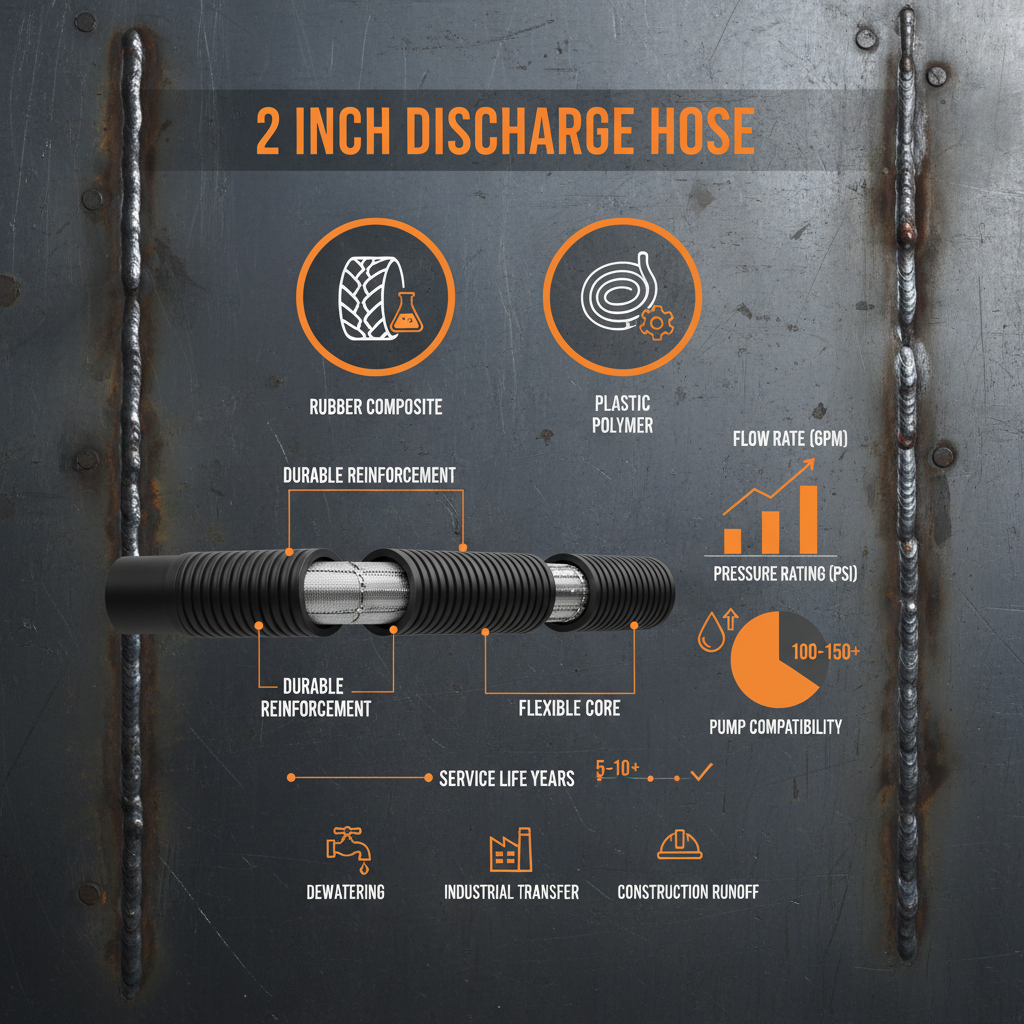
At its core, a 2 inch discharge hose is a flexible conduit designed to transport liquids or semi-solids away from a designated source. The “discharge” aspect signifies its role in removing material, differentiating it from supply hoses that deliver fluids. The 2-inch dimension refers to the internal diameter, dictating the volume of flow and influencing the hose's suitability for specific applications. A well-defined 2 inch discharge hose meets stringent industry standards for pressure resistance, abrasion resistance, and chemical compatibility.
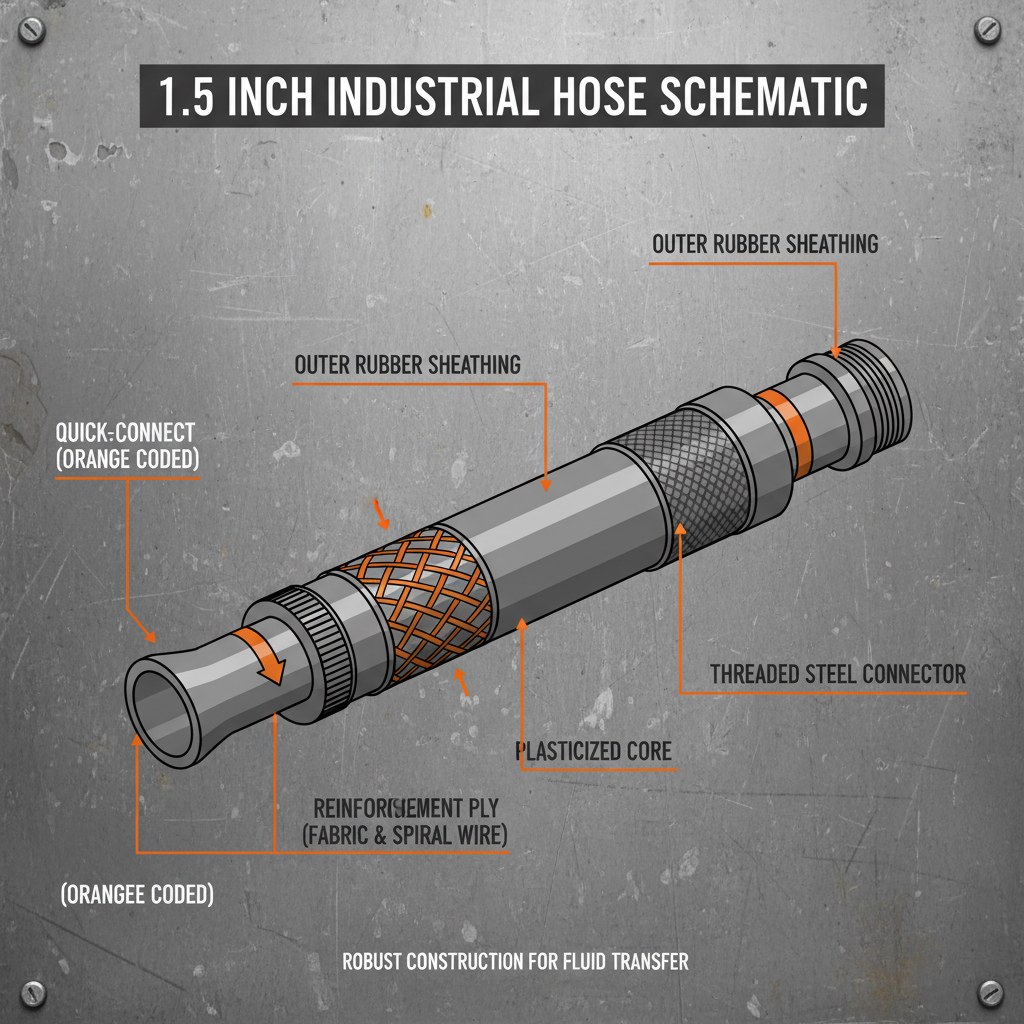
The modern 2 inch discharge hose has evolved significantly from simple rubber tubing. Today’s hoses incorporate advanced materials like reinforced PVC, synthetic rubbers, and thermoplastic polymers, engineered for specific performance characteristics. These materials enhance durability, flexibility, and resistance to environmental factors. This evolution has expanded the applicability of 2 inch discharge hose, allowing it to tackle increasingly challenging fluid transfer requirements.
Understanding the connection between the hose's construction and its intended use is paramount. For example, a 2 inch discharge hose designed for agricultural irrigation will differ significantly from one used in heavy-duty industrial pumping, particularly in terms of material composition and reinforcement layers. This nuanced understanding ensures optimal performance and minimizes the risk of failure.
Key Characteristics of Effective 2 inch discharge hose
Durability: A high-quality 2 inch discharge hose must withstand repeated use, exposure to harsh environmental conditions, and the abrasive nature of the fluids it carries. This is achieved through robust materials and reinforced construction, preventing premature wear and tear and ensuring a long service life.
Flexibility: The ability to bend and conform to various configurations without kinking or cracking is crucial for ease of handling and installation. A flexible 2 inch discharge hose simplifies setup, reduces strain on connections, and allows for efficient fluid transfer in complex environments.
Chemical Compatibility: Different fluids have different chemical compositions. A 2 inch discharge hose must be constructed from materials that are resistant to the specific chemicals being transported, preventing degradation, leaks, and potential hazards. Choosing the correct material is key to safe and efficient operation.
Pressure Resistance: The hose needs to reliably handle the maximum pressure of the system it’s connected to, without bursting or leaking. Pressure ratings are crucial specifications, and selecting a hose with an adequate safety margin is essential for preventing accidents.
Abrasion Resistance: Especially important in applications involving slurries or abrasive particles, abrasion resistance protects the hose from wear and tear, extending its lifespan and minimizing the risk of failure.
Lightweight Construction: While durability is paramount, a lighter hose is easier to handle and maneuver, especially in situations requiring frequent setup and relocation. Modern materials allow for achieving both strength and reduced weight.
Practical Applications of 2 inch discharge hose
The applications of a 2 inch discharge hose are incredibly diverse. In the agricultural sector, they’re used for irrigation, pumping water from wells, and transferring liquid fertilizers. Construction sites rely on them for dewatering excavations, pumping concrete, and managing wastewater. Emergency responders utilize them for flood control, firefighting, and transferring water to affected areas.
Industrially, 2 inch discharge hoses play a vital role in various processes, including chemical transfer, waste management, and oil and gas operations. They’re also essential in mining for slurry transport and dust control. The versatility of these hoses makes them an invaluable asset across a broad spectrum of industries.
Performance Characteristics of Common 2 inch discharge hose Materials
Global Applications & Use Cases of 2 inch discharge hose
In post-disaster relief operations, particularly in areas prone to flooding, the rapid deployment of 2 inch discharge hose is crucial for removing excess water and preventing further damage. Organizations like the Red Cross and FEMA rely on these hoses as a fundamental component of their emergency response kits.
Across the agricultural industry, particularly in large-scale irrigation projects in arid regions like California's Central Valley and parts of Australia, 2 inch discharge hose facilitates efficient water delivery to crops, maximizing yields and conserving precious resources. Similarly, in remote industrial zones in regions like the Canadian oil sands or the Australian mining sector, these hoses are essential for transferring fluids and managing waste materials in challenging environments.
Advantages and Long-Term Value of 2 inch discharge hose
Investing in high-quality 2 inch discharge hose translates to significant cost savings in the long run. Reduced downtime due to fewer failures, decreased maintenance requirements, and extended service life all contribute to a lower total cost of ownership. Furthermore, using appropriate hoses minimizes the risk of environmental damage and associated penalties.
Beyond the economic benefits, selecting the right 2 inch discharge hose enhances safety and reliability. A dependable hose prevents unexpected leaks or bursts, protecting personnel and the environment. This peace of mind is invaluable and builds trust in your operations.
Future Trends & Innovations in 2 inch discharge hose
The future of 2 inch discharge hose is driven by the demand for sustainable and efficient solutions. We're seeing increasing development of bio-based and recycled materials, reducing the environmental footprint of hose manufacturing. Smart hoses incorporating sensors for pressure monitoring and leak detection are also emerging, providing real-time data for proactive maintenance.
Furthermore, advancements in thermoplastic polyurethane (TPU) technology are leading to lighter, more durable, and more flexible hoses. These innovations, coupled with the growing integration of Industry 4.0 principles, are poised to transform the way 2 inch discharge hose is designed, manufactured, and utilized.
The trend toward automation and remote monitoring will also likely influence the design of 2 inch discharge hose, with features tailored for seamless integration into automated fluid management systems.
Challenges & Solutions
One of the primary challenges with 2 inch discharge hose is selecting the appropriate material for a specific application, given the vast range of fluids and environmental conditions. Incorrect material selection can lead to premature failure and costly downtime. Thorough chemical compatibility assessments and consultation with hose specialists are crucial solutions.
Another common issue is dealing with kinking and collapsing, particularly with longer hoses or those subjected to suction. Utilizing hoses with reinforced construction, internal support structures, and proper hose handling techniques can mitigate these problems. Investing in quality fittings and ensuring correct installation are also essential.
Finally, ensuring consistent quality control during manufacturing is vital. Adhering to rigorous industry standards, employing robust testing procedures, and partnering with reputable manufacturers help guarantee the reliability and performance of 2 inch discharge hose.
Summary of Core Challenges and Solutions for 2 inch discharge hose
| Challenge |
Impact |
Solution |
Implementation Cost (1-10) |
| Incorrect Material Selection |
Premature failure, leaks, safety hazards |
Detailed chemical compatibility analysis |
4 |
| Kinking & Collapsing |
Reduced flow, system inefficiency |
Reinforced hose construction, support structures |
6 |
| Abrasion & Wear |
Reduced hose lifespan, potential for failure |
Abrasion-resistant materials, protective sleeves |
5 |
| Pressure Exceedance |
Hose burst, safety risks, downtime |
Hose with adequate pressure rating & safety factor |
3 |
| Poor Installation |
Leaks, reduced efficiency, premature wear |
Proper fitting selection, secure connections |
2 |
| Inconsistent Quality Control |
Unreliable performance, increased failure rates |
Partner with reputable manufacturers & rigorous testing |
7 |
FAQS
The lifespan of a 2 inch discharge hose varies significantly based on its material, usage conditions, and maintenance. Generally, a well-maintained hose made from high-quality materials can last between 3 to 7 years. However, factors like exposure to UV light, extreme temperatures, and abrasive materials can shorten its lifespan. Regular inspection and proper storage are vital for maximizing longevity.
Determining the correct pressure rating is crucial for safety. You must identify the maximum pressure your system will generate, including any pressure spikes. Then, select a hose with a working pressure rating that exceeds this maximum pressure by a significant margin—typically 2 to 3 times higher—to provide a safety factor. Consulting a hose specialist is highly recommended.
Common materials include PVC, rubber (EPDM, NBR), and TPU. PVC offers good abrasion resistance and affordability. Rubber provides excellent flexibility and chemical resistance. TPU combines strength, flexibility, and resistance to oils and fuels. The best material depends on the specific application and the fluids being handled.
Proper storage is essential for extending the life of your hose. Store it coiled loosely in a cool, dry, and dark place, away from direct sunlight and extreme temperatures. Avoid bending the hose sharply or placing heavy objects on top of it. Drain any remaining fluids before storage to prevent mold and mildew growth.
Look for visible signs of wear and tear, such as cracks, cuts, bulges, or abrasions. Check for leaks, reduced flexibility, and signs of chemical degradation. If you notice any of these issues, it's time to replace the hose to prevent a potential failure and ensure safety.
Yes, there's a significant difference. Suction hoses are designed to withstand the vacuum pressure created when drawing fluids, while discharge hoses handle positive pressure. Using a discharge hose for suction can cause it to collapse, creating a dangerous situation. Specifically engineered suction hoses have reinforcement to prevent this collapse.
Conclusion
In conclusion, the 2 inch discharge hose is a versatile and critical component across numerous industries. Its effective performance hinges on understanding its key characteristics—durability, flexibility, chemical compatibility, and pressure resistance—and selecting the right materials for specific applications. Investing in quality hoses, practicing proper maintenance, and staying abreast of emerging innovations will ensure long-term reliability, safety, and cost-effectiveness.
Looking ahead, the development of sustainable materials, smart hose technologies, and improved manufacturing processes will continue to drive innovation in the 2 inch discharge hose market. By embracing these advancements and prioritizing best practices, we can optimize fluid handling operations, minimize environmental impact, and enhance safety across a wide range of applications. Visit our website at www.jyhose.com to explore our comprehensive range of 2 inch discharge hose solutions.