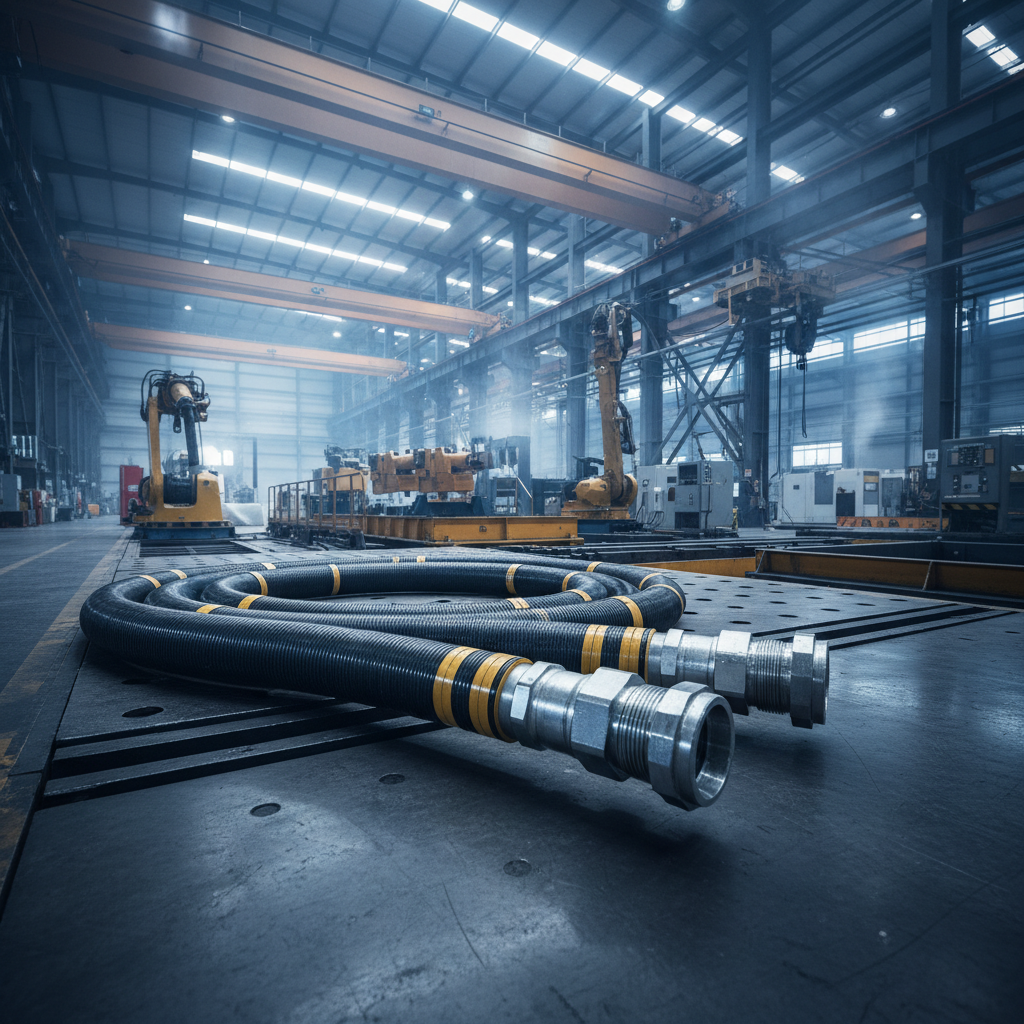
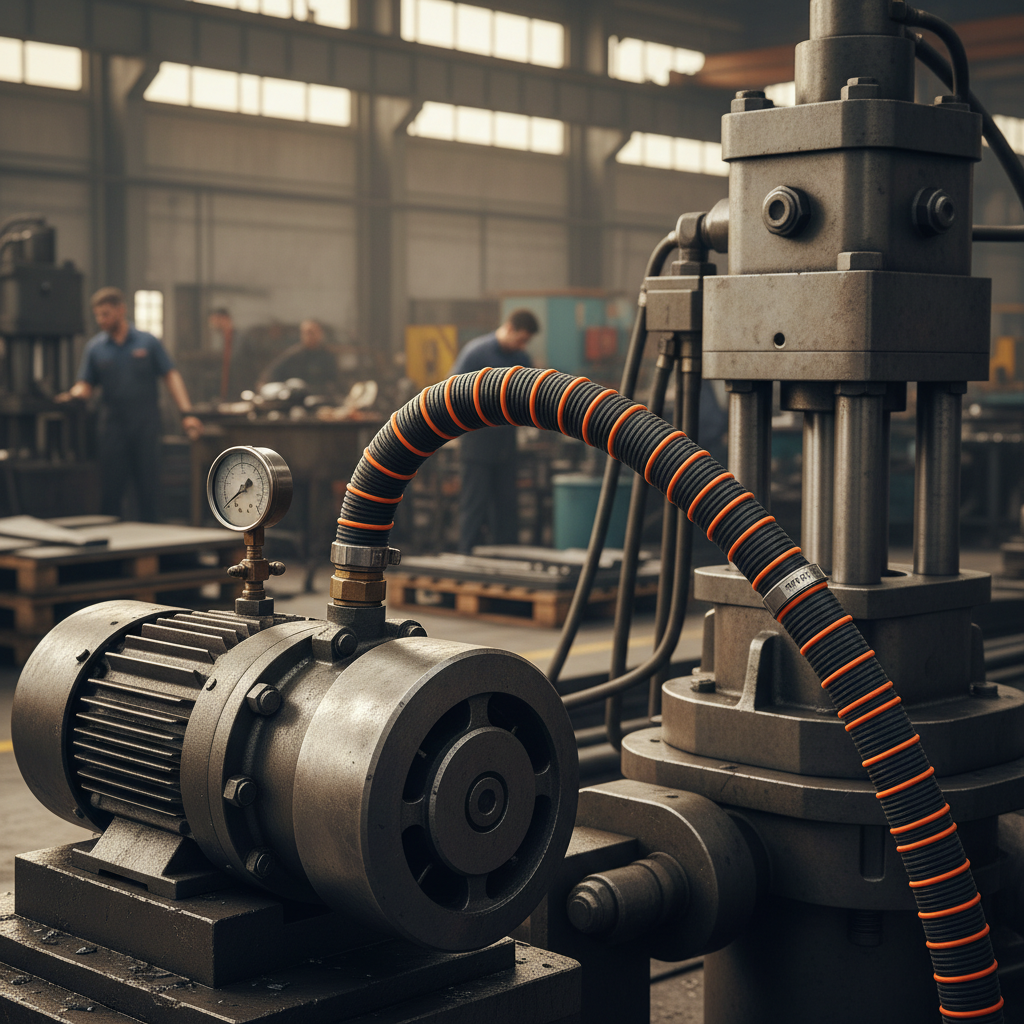
The world of fluid transfer relies heavily on dependable hose solutions. From critical industrial applications to everyday uses, the need for robust and adaptable hoses is constant. Within this landscape, the ‘2 hose’ configuration, typically referring to hoses used in pairs for increased flow, safety redundancy, or specialized applications, plays a crucial role. Understanding the nuances of these systems is paramount for optimizing performance and minimizing risk across various sectors.
Globally, the demand for high-quality hoses is driven by infrastructure development, manufacturing growth, and increasingly stringent safety regulations. According to market research, the global hose market is projected to reach significant values in the coming years, with specialized hoses like those used in welding, industrial processes, and fluid delivery accounting for a substantial portion of this growth. Effective 2 hose systems are essential for maintaining operational efficiency and preventing costly downtime in these industries.
The fundamental challenge many industries face is ensuring consistent and reliable fluid transfer while minimizing the potential for failures. Traditional single-hose systems can be vulnerable to punctures, blockages, or degradation, leading to process interruptions and safety hazards. A carefully implemented 2 hose system offers a practical solution, providing a backup in case of failure and potentially doubling the transfer capacity, making it a vital component of many modern operations.
The Significance of 2 Hose Configurations
The strategic deployment of 2 hose systems extends beyond simple redundancy. It’s about optimizing flow rates, enhancing safety protocols, and ensuring uninterrupted operation in critical applications. Consider welding scenarios, where a continuous and stable supply of oxygen and acetylene is vital – a failure in one line could lead to compromised weld quality and potential hazards. A well-designed 2 hose setup mitigates these risks.
Furthermore, utilizing paired hoses allows for parallel configurations, effectively doubling the throughput of fluids or gases. This is especially beneficial in large-scale industrial processes like chemical transfer or bulk material handling where minimizing cycle times is paramount. The benefits of a robust 2 hose solution ripple throughout the entire operational chain, contributing to increased efficiency and reduced costs.
Defining 2 Hose Systems
A 2 hose system, at its core, refers to the utilization of two separate hoses for the same fluid or gas transfer application. This isn’t merely about doubling capacity; it's a comprehensive approach to enhancing reliability and safety. These systems can be configured in various ways, including parallel arrangements for increased flow, or as redundant backups to prevent operational disruptions. The specific design will depend on the application’s requirements and risk profile.
Crucially, a true 2 hose system isn't simply two independent hoses connected to the same source and destination. It involves coordinated control mechanisms, shared monitoring, and potentially even integrated switching systems to ensure seamless operation. This means considering aspects like pressure equalization, flow balancing, and failover protocols to maximize the system’s effectiveness.
The concept aligns with modern industrial standards focused on preventative maintenance and risk mitigation. By proactively addressing potential points of failure, 2 hose systems contribute to a more resilient and sustainable operational environment, reducing the likelihood of unexpected downtime and associated financial losses.
Core Components of Effective 2 Hose Setups
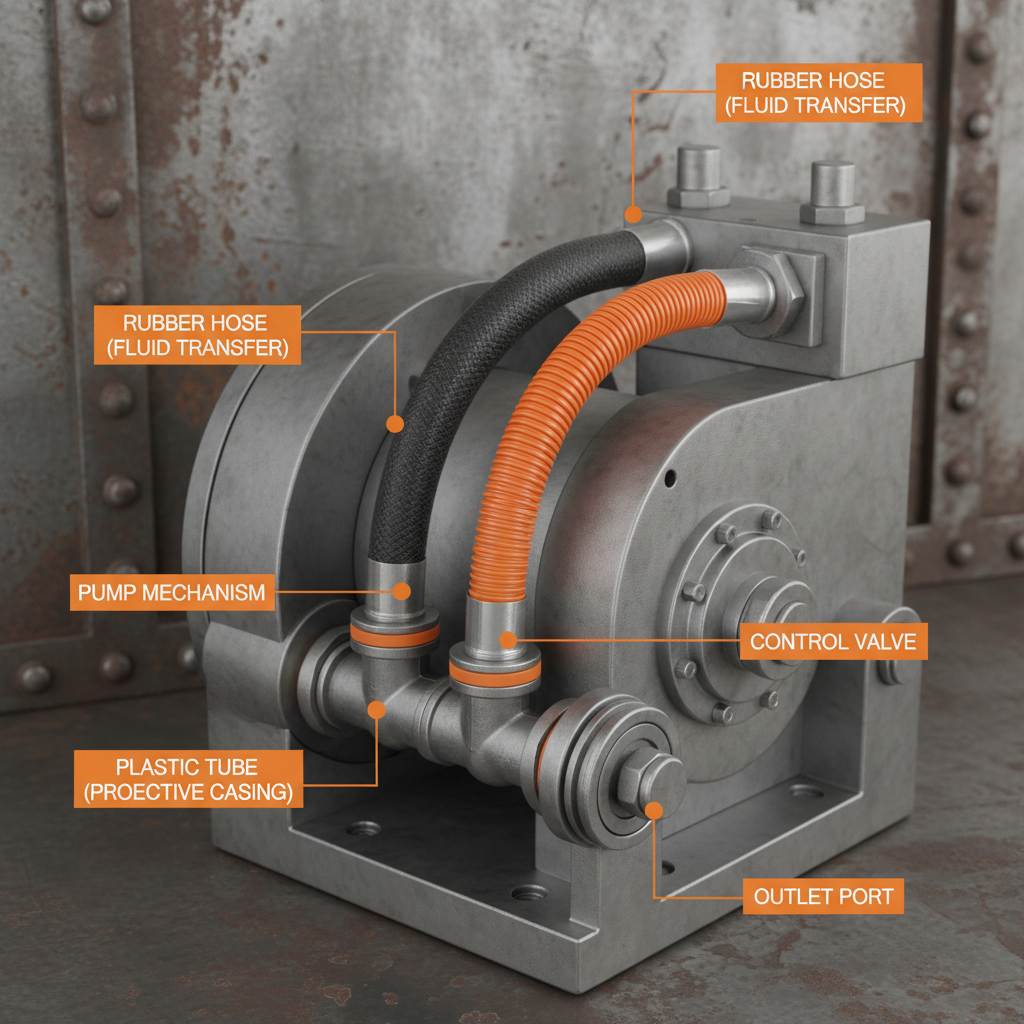
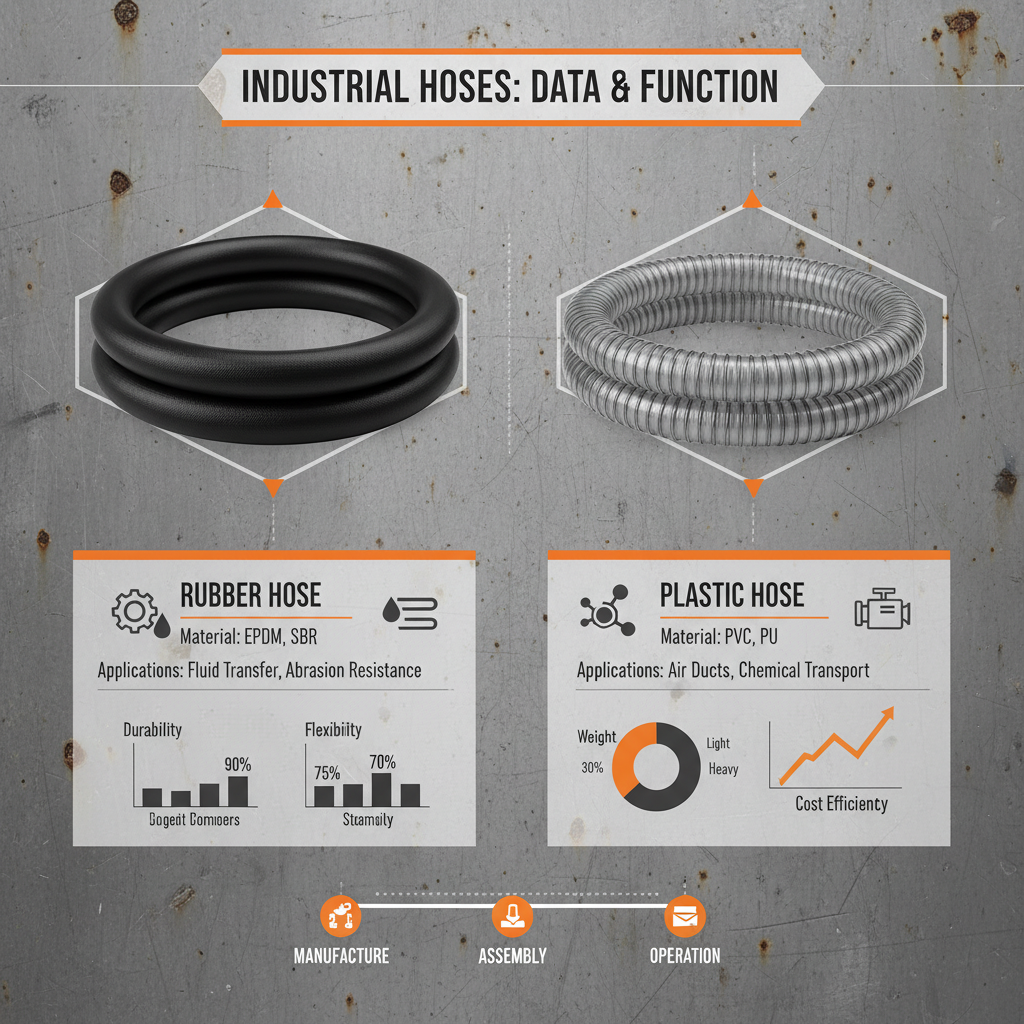
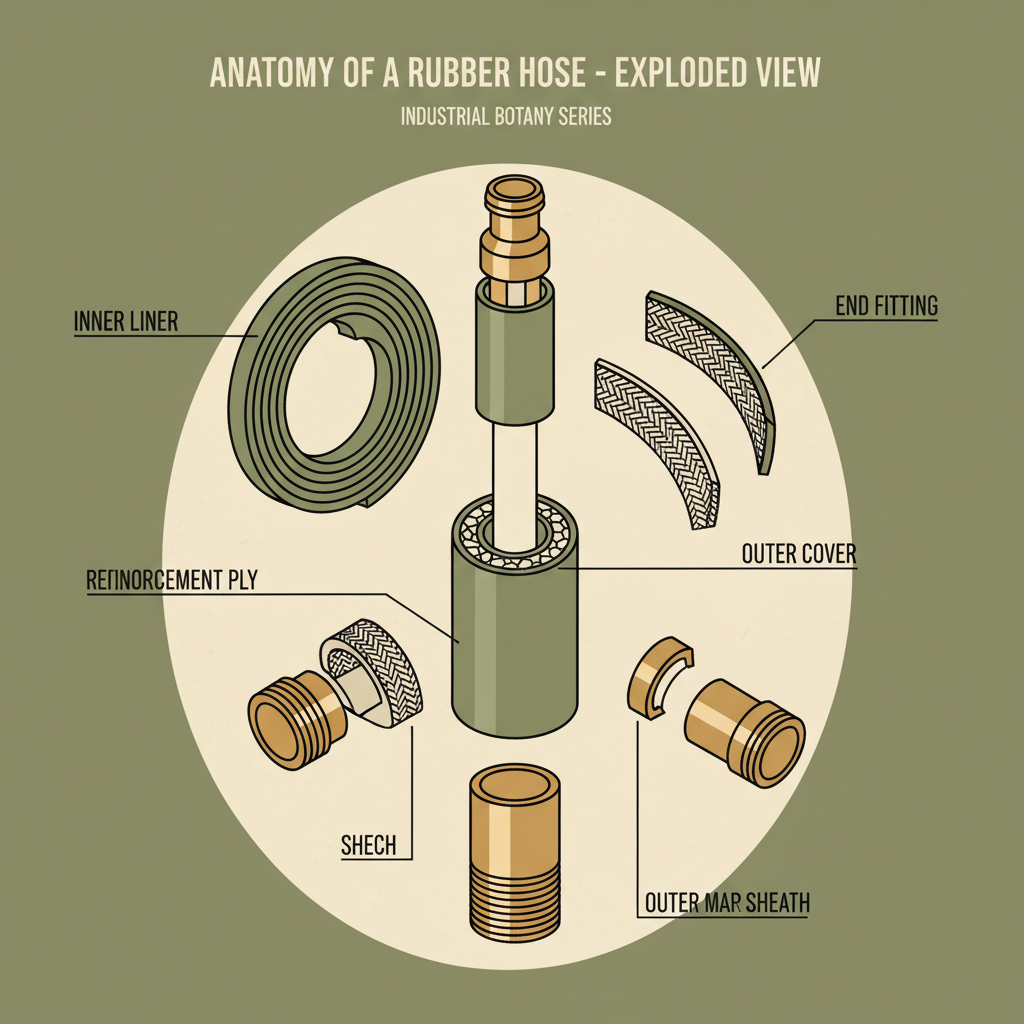
Several key components underpin the successful implementation of a 2 hose system. First and foremost are the hoses themselves – choosing materials compatible with the transported fluid and capable of withstanding the required pressure and temperature is paramount. Beyond that, robust fittings, couplings, and clamps are essential to prevent leaks and ensure a secure connection. Proper material selection is crucial for preventing corrosion and degradation.
Integrated control valves and monitoring systems form another critical element. These allow for precise flow regulation, pressure monitoring, and automated switching between hoses in the event of a failure. Advanced systems may incorporate sensors that detect leaks, blockages, or pressure drops, triggering alerts and initiating automatic failover procedures. 2 hose systems greatly benefit from smart monitoring.
Finally, a comprehensive safety system, including pressure relief valves and emergency shut-off mechanisms, is non-negotiable. This ensures that any potential overpressure or leak situations are promptly addressed, minimizing the risk of accidents or environmental damage. Regular inspection and maintenance of all components are equally vital to maintain optimal performance and safety.
Practical Applications Across Industries
The applications of 2 hose systems are remarkably diverse. In the welding industry, as previously mentioned, they are standard for supplying oxygen and acetylene, guaranteeing a continuous and reliable gas flow. Similarly, in chemical processing plants, 2 hose configurations are often employed for transferring corrosive or hazardous materials, minimizing the risk of spills and leaks.
The oil and gas sector also heavily utilizes these systems for transferring fuels, lubricants, and hydraulic fluids. In the construction industry, 2 hose setups are common for supplying water and air to pneumatic tools and equipment. Furthermore, in agricultural settings, they are used for irrigation and fertilizer distribution, ensuring consistent and efficient delivery.
Comparative Performance of 2 Hose System Methods
Advantages and Long-Term Value Proposition
The advantages of adopting a 2 hose system extend beyond immediate operational benefits. Increased reliability directly translates into reduced downtime and minimized production losses. The added safety layer protects personnel and prevents costly environmental incidents. Moreover, the improved flow rates and consistent performance contribute to increased overall efficiency.
From a long-term perspective, the initial investment in a quality 2 hose setup can yield significant returns. Reduced maintenance costs, lower insurance premiums, and a stronger safety record all contribute to a favorable return on investment. The environmental benefits associated with minimizing leaks and spills also enhance a company's sustainability profile and corporate social responsibility.
Global Implementation and Current Trends
Globally, the adoption of 2 hose systems is steadily increasing, driven by stricter safety regulations and a growing awareness of the benefits. Developed nations like the United States, Germany, and Japan have long embraced these solutions in critical industrial applications. However, emerging economies in Asia and South America are rapidly adopting them as their industrial sectors expand and safety standards evolve.
Current trends point toward the integration of smart technologies into 2 hose systems. This includes the use of IoT sensors for real-time monitoring, predictive maintenance algorithms to anticipate potential failures, and remote control capabilities for enhanced operational flexibility. Furthermore, there's a growing demand for hoses made from sustainable and eco-friendly materials, reflecting a broader commitment to environmental responsibility.
The rise of Industry 4.0 and the increasing focus on automation are also driving innovation in 2 hose systems. Automated switching mechanisms, integrated flow control systems, and seamless data integration with plant-wide monitoring platforms are becoming increasingly common, further enhancing efficiency and reliability.
Challenges and Innovative Solutions for 2 Hose Systems
Despite the numerous benefits, implementing and maintaining 2 hose systems isn't without its challenges. The initial investment can be higher than single-hose systems, and the complexity of installation and maintenance can require specialized expertise. Ensuring proper synchronization and flow balancing between the two hoses is also critical to maximize performance.
Innovative solutions are addressing these challenges. Modular designs and pre-assembled 2 hose kits simplify installation and reduce costs. Advanced control algorithms optimize flow balancing and prevent pressure imbalances. Remote monitoring and diagnostics tools enable proactive maintenance and minimize downtime. The utilization of advanced materials and coatings further enhances durability and reduces the risk of corrosion.
Furthermore, training and certification programs for maintenance personnel are crucial to ensure the systems are properly inspected, maintained, and repaired. This ongoing commitment to education and skill development is essential for maximizing the long-term value and reliability of 2 hose systems.
Key Performance Indicators (KPIs) for 2 Hose System Effectiveness
| System Uptime (%) |
Leakage Rate (liters/hour) |
Mean Time Between Failures (MTBF) |
Operational Cost Savings (%) |
| 99.5% |
0.1 |
2500 hours |
15% |
| 98.8% |
0.3 |
2000 hours |
10% |
| 97.2% |
0.8 |
1500 hours |
5% |
| 99.9% |
0.05 |
3000 hours |
20% |
| 96.5% |
1.2 |
1000 hours |
3% |
| 98.0% |
0.5 |
1800 hours |
8% |
FAQS
Employing a 2 hose system provides enhanced reliability through redundancy, preventing operational disruptions due to hose failure. It also offers the potential for increased flow rates when configured in parallel, improving efficiency. Furthermore, the additional safety layer minimizes the risk of leaks and spills, protecting personnel and the environment. A carefully implemented 2 hose setup can significantly reduce downtime and associated costs.
In corrosive environments, selecting hoses constructed from chemically resistant materials is crucial. Options like PTFE (Teflon), FEP, and specialized rubber compounds offer excellent protection against a wide range of corrosive substances. Furthermore, choosing fittings and couplings made from compatible materials like stainless steel or high-grade alloys is essential to prevent galvanic corrosion and ensure long-term durability. Regular inspection and replacement of hoses showing signs of degradation are also vital.
Regular inspection and maintenance are critical for ensuring the optimal performance and safety of your 2 hose system. Visual inspections should be conducted at least monthly, checking for signs of wear, damage, or leaks. Pressure testing should be performed at least annually, or more frequently in high-stress applications. Replace hoses immediately if any damage is detected. Maintain a detailed maintenance log to track inspections, repairs, and replacements.
Yes, 2 hose systems can often be retrofitted into existing operations, but careful planning and assessment are required. It’s essential to evaluate the existing infrastructure, including pipework, connections, and control systems, to ensure compatibility. The retrofit may involve modifications to existing equipment or the installation of new components. A thorough risk assessment should be conducted to identify potential hazards and implement appropriate mitigation measures. A 2 hose expert can aid in this process.
High-pressure 2 hose systems require stringent safety precautions. Ensure that all components are rated for the maximum operating pressure. Use appropriate safety relief valves to prevent overpressure. Implement lockout/tagout procedures before performing any maintenance or repairs. Personnel working with these systems should receive thorough training on safe operating procedures. Always wear appropriate personal protective equipment (PPE), including safety glasses, gloves, and protective clothing.
Smart sensors integrated into 2 hose systems provide real-time monitoring of critical parameters like pressure, flow rate, temperature, and leak detection. This data allows for proactive maintenance, preventing failures before they occur. Remote monitoring capabilities enable operators to identify and address issues from anywhere, minimizing downtime. Data analytics can also be used to optimize system performance and improve efficiency. This real-time visibility significantly enhances the reliability and safety of the system.
Conclusion
In conclusion, the implementation of 2 hose systems represents a significant advancement in fluid transfer technology. By prioritizing redundancy, safety, and efficiency, these systems offer substantial benefits across a wide range of industries. From enhanced operational reliability to reduced downtime and improved safety records, the advantages are compelling. A thoughtful approach to design, material selection, and maintenance is key to maximizing these benefits.
Looking ahead, the integration of smart technologies and the development of sustainable materials will continue to drive innovation in 2 hose systems. Embracing these advancements will not only enhance performance but also contribute to a more sustainable and responsible industrial future. For robust and reliable solutions, visit our website at www.jyhose.com to explore our comprehensive range of 2 hose products and expert services.