Look, I've been wrestling with materials on construction sites for over fifteen years. And let me tell you, a good hose – a reliable hose – can make or break your day. It’s not glamorous, but a dependable 12mm hose is the unsung hero of just about every job. We're talking water transfer, air lines, even chemical delivery. If it’s gotta flow, you need a hose you can trust. Over the years, I’ve seen everything from cheap imports that burst under pressure to overly rigid lines that were a nightmare to maneuver. Finding that sweet spot – durability, flexibility, and a price that doesn’t break the bank – well, that’s been the goal.
What I’ve learned is that it’s not just about the diameter, although 12mm hose is a really versatile size for a lot of applications. It’s the material, the construction, and how it’s been tested. You need something that can handle constant bending, abrasion from concrete and steel, and the occasional accidental run-over by a forklift. Believe me, it happens! A failed hose isn't just an inconvenience; it’s lost productivity, potential safety hazards, and a whole lot of frustration.
And it’s a surprisingly global issue. I've worked on projects from the dusty plains of Australia to the humid jungles of Southeast Asia, and the need for dependable fluid transfer is universal. The demand for quality, affordable 12mm hose is huge. It’s a key component in everything from large-scale infrastructure projects to small residential builds, and getting it wrong can have serious consequences.
The Importance of 12mm Hose in Modern Construction
We're not talking about a luxury item here. A 12mm hose is fundamentally important for getting work done efficiently and safely. Think about it – concrete pumping, dust suppression, water supply for cutting and grinding, even waste water removal. It's everywhere. The sheer volume of fluid transfer happening on a typical jobsite is staggering, and a reliable hose is crucial to keeping things moving.
The demand is only growing, too. With increased urbanization and infrastructure development globally, the need for robust and dependable hosing solutions, especially in the 12mm hose size range, is steadily climbing. We’re talking about a multi-billion dollar industry, and the quality of the components directly impacts project timelines and overall costs.
Defining the 12mm Hose Standard
Okay, let's get technical for a second. A 12mm hose refers to its internal diameter – roughly half an inch. This size strikes a good balance between flow rate and manageability. It's not so large that it’s cumbersome to handle, but it’s big enough to deliver a decent volume of fluid for most common applications. It’s a pretty widely adopted standard across different industries, not just construction.
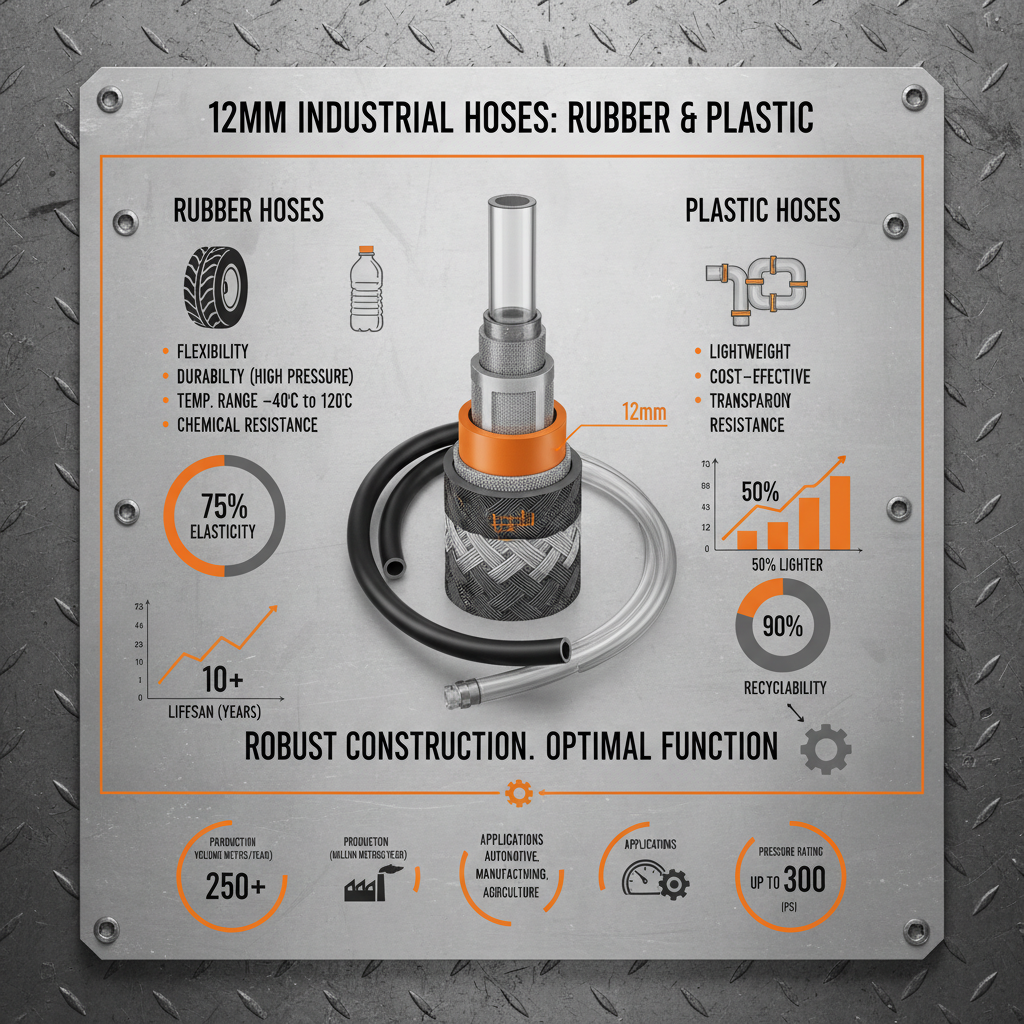
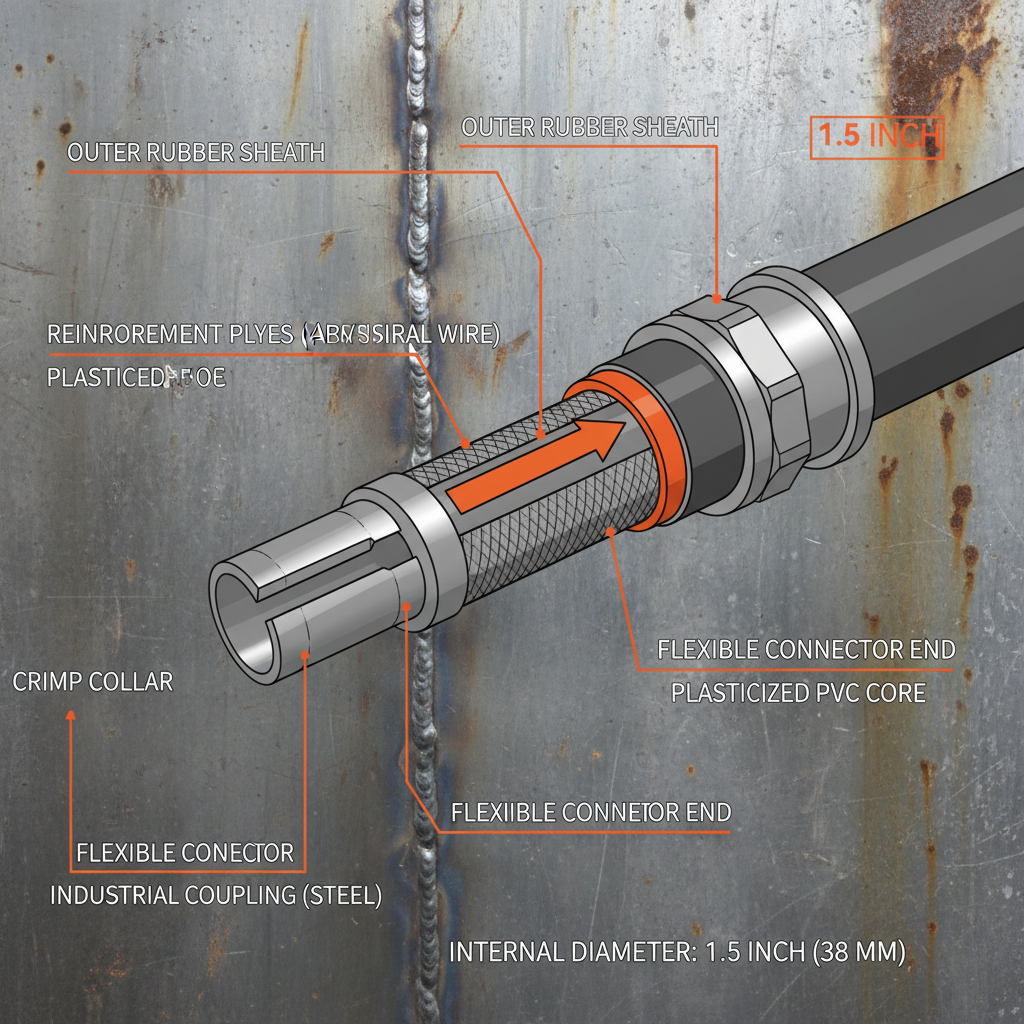
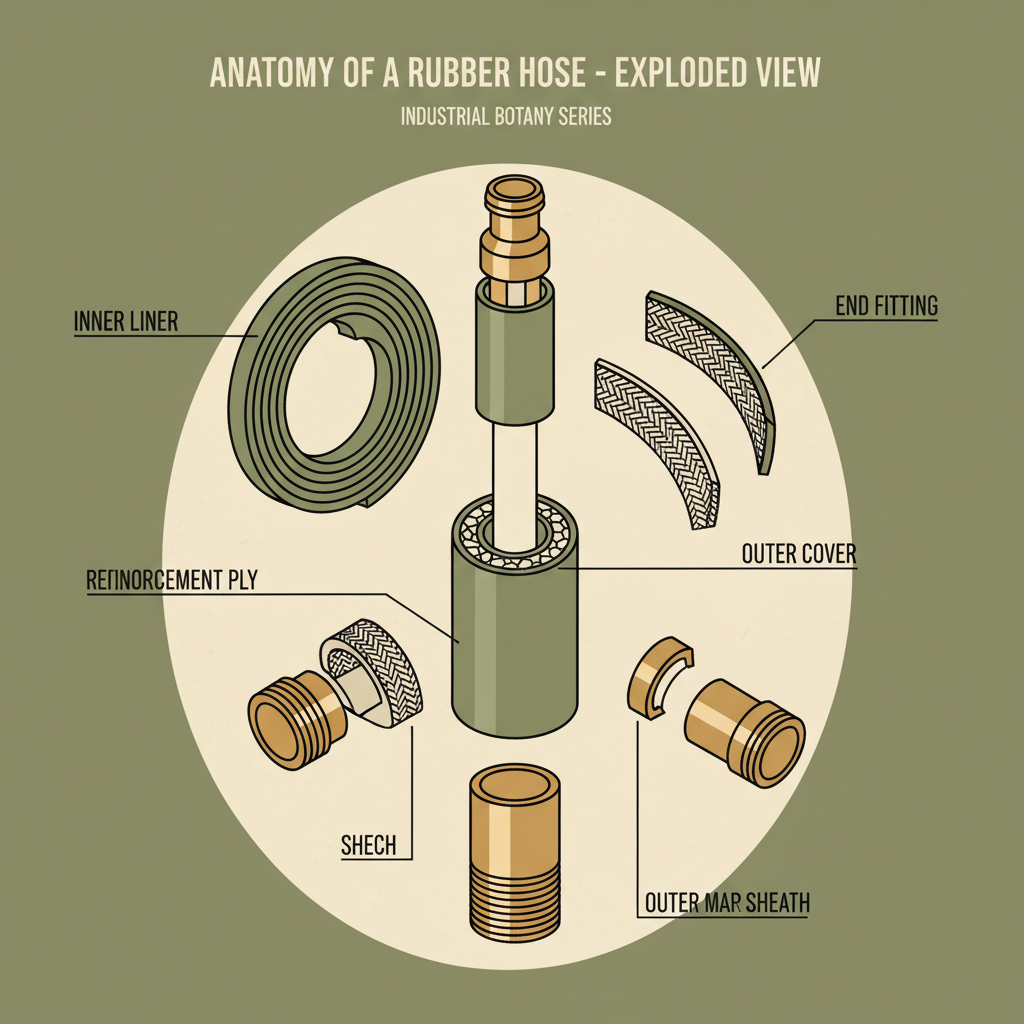
However, the diameter is only one part of the equation. The real definition comes down to the materials used – PVC, rubber, thermoplastic – and the reinforcement layers. A simple PVC hose is fine for low-pressure applications, but you need something with braided reinforcement for higher pressures and more demanding environments. Look for hoses that meet industry standards like ISO, because that shows a level of quality control.
It directly ties into modern industrial needs and humanitarian efforts. Reliable water and fluid transport is essential for everything from disaster relief – providing clean water to affected communities – to large-scale agricultural projects. A good 12mm hose can literally be a lifeline.
Key Factors for a Reliable 12mm Hose
Durability is king. You need a hose that can withstand abrasion, kinking, and exposure to harsh chemicals. Look for abrasion-resistant outer covers and reinforcement layers that prevent bursting. I’ve seen too many hoses fail simply because they couldn’t handle the everyday wear and tear of a construction site.
Flexibility is also critical. A stiff, unyielding hose is a pain to work with. It's harder to maneuver around obstacles, and it's more prone to kinking. A good hose should be easy to coil and uncoil, even in cold weather. Believe me, trying to wrestle with a frozen hose in January is not how you want to spend your morning.
Pressure rating matters. Make sure the hose is rated for the maximum pressure you'll be using it for, with a healthy margin of safety. Don't skimp on this – a burst hose can cause serious injuries. And finally, connection quality is huge. Fittings need to be secure and leak-proof, otherwise you’re wasting time and resources.
Global Applications of 12mm Hose
I’ve used 12mm hose for everything from supplying water to concrete mixers in Australia to delivering irrigation to farms in Vietnam. In post-disaster relief operations, they're essential for distributing clean water to affected populations. They’re used in remote mining operations, delivering compressed air for tools.
Here in the US, you’ll find them on just about every construction site, landscaping project, and even in residential settings for garden watering. They're a staple in the agricultural industry for irrigation and pesticide application. I’ve seen them used in everything from small vineyards to massive commercial farms.
The versatility of the 12mm hose makes it a crucial component across a wide range of industries and geographies. It’s a truly global solution to a fundamental need: reliable fluid transfer.
Performance Comparison of 12mm Hose Types
Advantages and Long-Term Value of Quality 12mm Hose
Investing in a higher-quality 12mm hose upfront saves you money in the long run. You’re less likely to have to replace it frequently, reducing downtime and labor costs. Plus, a reliable hose minimizes the risk of leaks and spills, which can lead to environmental damage and potential fines.
It's not just about the money, though. A dependable hose contributes to a safer work environment. No one wants to be caught in the path of a burst hose under pressure. It’s about protecting your crew and ensuring they can do their jobs safely and efficiently.
Future Trends in 12mm Hose Technology
We’re starting to see more innovation in hose materials. Things like bio-based plastics and reinforced composites are becoming increasingly common. These materials offer improved durability, reduced weight, and a smaller environmental footprint. I’m particularly interested in the development of self-repairing hoses – imagine a hose that can automatically seal small punctures.
Another trend is the integration of smart technology. Hoses equipped with sensors can monitor pressure, flow rate, and temperature, providing valuable data for optimizing performance and preventing failures. This data can be linked to predictive maintenance systems, alerting you to potential issues before they become major problems.
These advancements in 12mm hose technology are driven by the increasing demands for efficiency, sustainability, and safety in the construction and industrial sectors.
Common Challenges and Innovative Solutions for 12mm Hose
One of the biggest challenges is abrasion. Construction sites are tough on hoses. New abrasion-resistant coatings and reinforced materials are helping to address this issue. Another problem is kinking, especially with smaller diameter hoses. Improved hose construction and the use of anti-kink coils can help prevent this.
Also, connecting hoses can be a pain. Quick-connect fittings are becoming more popular, but they need to be durable and reliable. We’re seeing the development of new fitting designs that offer improved sealing and ease of use. The old clamp style is going by the wayside!
And finally, traceability is becoming increasingly important. Being able to track the origin and manufacturing date of a hose can help ensure quality control and identify potential issues. Implementing a robust tracking system can help mitigate risks and improve overall reliability.
Key Performance Indicators for 12mm Hose Selection
| Material Composition |
Burst Pressure (PSI) |
Abrasion Resistance (1-10) |
Flexibility Rating (1-10) |
| PVC |
200 |
4 |
7 |
| Rubber |
300 |
6 |
8 |
| Thermoplastic |
250 |
5 |
7 |
| Reinforced PVC |
400 |
7 |
6 |
| Braided Rubber |
500 |
8 |
9 |
| Composite Material |
600 |
9 |
7 |
FAQS
It really depends on how it’s treated, but a good quality, reinforced 12mm hose should last at least 6-12 months with regular use. A cheaper PVC hose might only last a few weeks. Proper storage when not in use – coiled and protected from the elements – will significantly extend its lifespan. And regular inspections for cuts, abrasions, and kinks are key.
Always check the maximum pressure output of the equipment you’ll be connecting the hose to. Then, choose a hose with a working pressure rating that exceeds that value. It's better to be safe than sorry. A burst hose can be extremely dangerous. Look for markings on the hose itself indicating the working and burst pressure.
Single-layer hoses are generally less expensive but also less durable. They're suitable for low-pressure applications. Multi-layer hoses, with reinforcement layers like braiding or spiraling, offer significantly higher burst strength and abrasion resistance. These are the ones you want for demanding jobsites. The more layers, the tougher the hose.
Absolutely. Certain fluids require specialized hoses made from materials that are resistant to chemical degradation. For example, a hose used for oil transfer needs to be oil-resistant. Using the wrong hose can lead to leaks, material failure, and even hazardous situations. Always check the hose's specifications to ensure it's compatible with the fluid you're using.
Coil the hose loosely, avoiding tight bends that can cause kinking. Store it in a dry, shaded area away from direct sunlight and extreme temperatures. If possible, hang it up to prevent it from being crushed. And always drain the hose completely before storing it to prevent mildew and corrosion.
Look for high-quality, corrosion-resistant fittings that are specifically designed for 12mm hose. Clamps are okay for temporary connections, but for a secure, long-lasting connection, I recommend using crimp fittings or quick-connect fittings. Make sure the fittings are properly sized and tightened to prevent leaks.
Conclusion
So, there you have it. The humble 12mm hose might not be the most glamorous piece of equipment on a jobsite, but it’s undeniably essential. Choosing the right hose – one that’s durable, flexible, and properly rated for your application – can save you time, money, and a whole lot of headaches. Don’t skimp on quality, and always prioritize safety.
Looking ahead, we're going to see even more innovation in hose technology, with advancements in materials, smart sensors, and sustainable manufacturing processes. The future of 12mm hose is bright, and I’m excited to see how these developments will continue to improve efficiency, safety, and reliability on construction sites and beyond. For quality hoses you can depend on, visit our website today: www.jyhose.com.