Look, I've been in the trenches with these hoses for over fifteen years. Seen 'em fail in the worst possible moments – flood control where every second counts, massive dewatering projects, even just trying to move slurry on a tight schedule. A good 2 discharge hose isn’t just about moving liquid; it’s about keeping a job on schedule, keeping people safe, and frankly, avoiding a whole lot of headaches. We need reliability, plain and simple. And these days, you can't just grab anything off the shelf; you need to understand the specifics.
What I’ve learned is that the devil is in the details. It’s not just about the diameter or the pressure rating. It's about the construction, the materials, how it handles being dragged across concrete, and whether it’s going to kink up when you least expect it. These aren't theoretical concerns; they’re real-world problems that cost time and money. A failing 2 discharge hose can shut down an entire operation, and that's before you even factor in the potential for environmental damage or safety hazards.
And it’s getting tougher out there. Regulations are tightening, project demands are increasing, and the need for more durable, sustainable solutions is growing. We're constantly looking for ways to improve efficiency and reduce downtime, and the right 2 discharge hose plays a critical role in all of that. That’s why understanding the nuances of these hoses isn’t just a “nice-to-have” – it’s essential for any serious construction or industrial operation.
The Critical Role of 2 discharge hose
Honestly, people don’t think about hoses until they fail. But on a major site, it’s a constant flow – literally. From pumping out excavations to supplying water for concrete mixing, a reliable 2 discharge hose is the backbone of a lot of operations. The impact of a substandard hose isn't just about replacement cost; it’s about potential delays, safety risks, and even environmental liabilities. We’re talking about significant financial and logistical disruptions.
You see a lot of companies trying to cut corners here, buying the cheapest option. That almost always backfires. A burst hose during peak hours can bring everything to a standstill. The cost of emergency repairs, downtime, and potential fines quickly outweigh any initial savings. That’s why I always advocate for investing in quality – it’s a proactive approach that protects your bottom line in the long run.
Defining 2 discharge hose for Practical Application
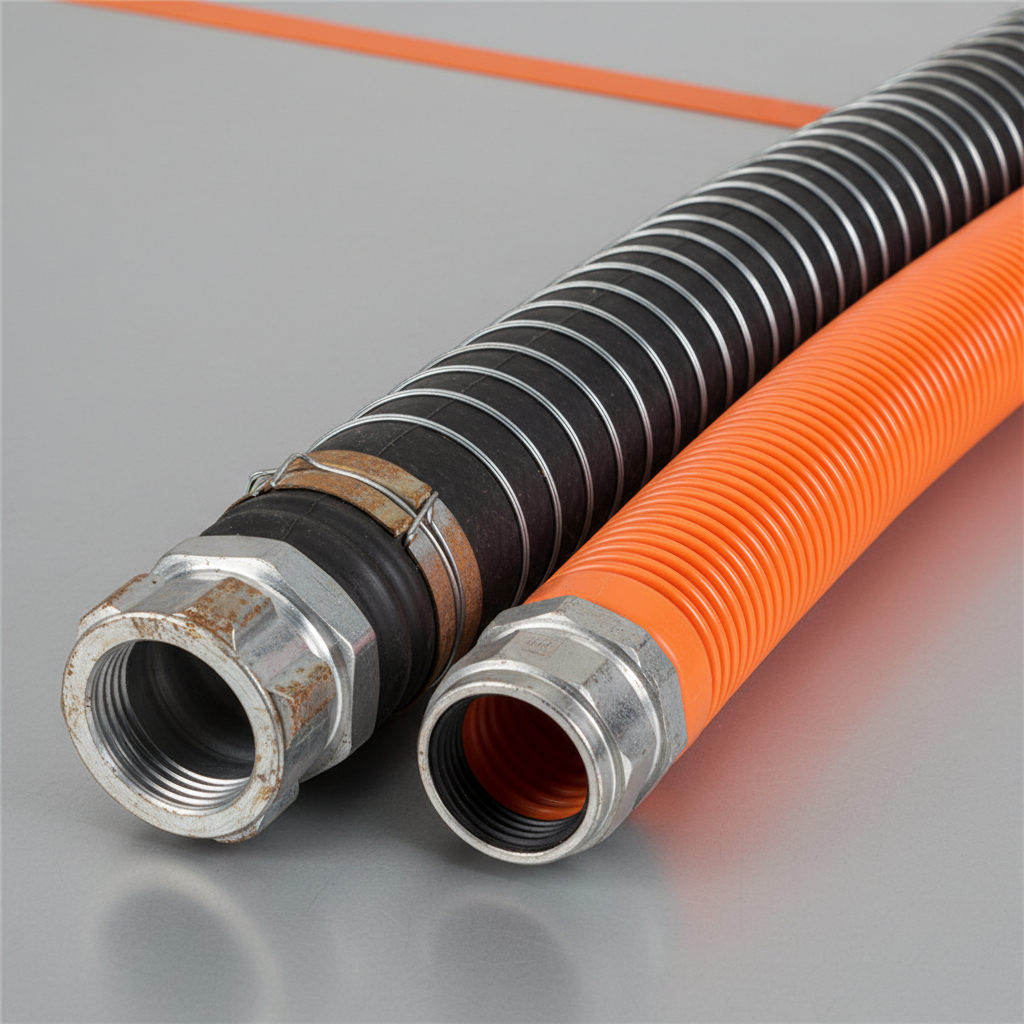
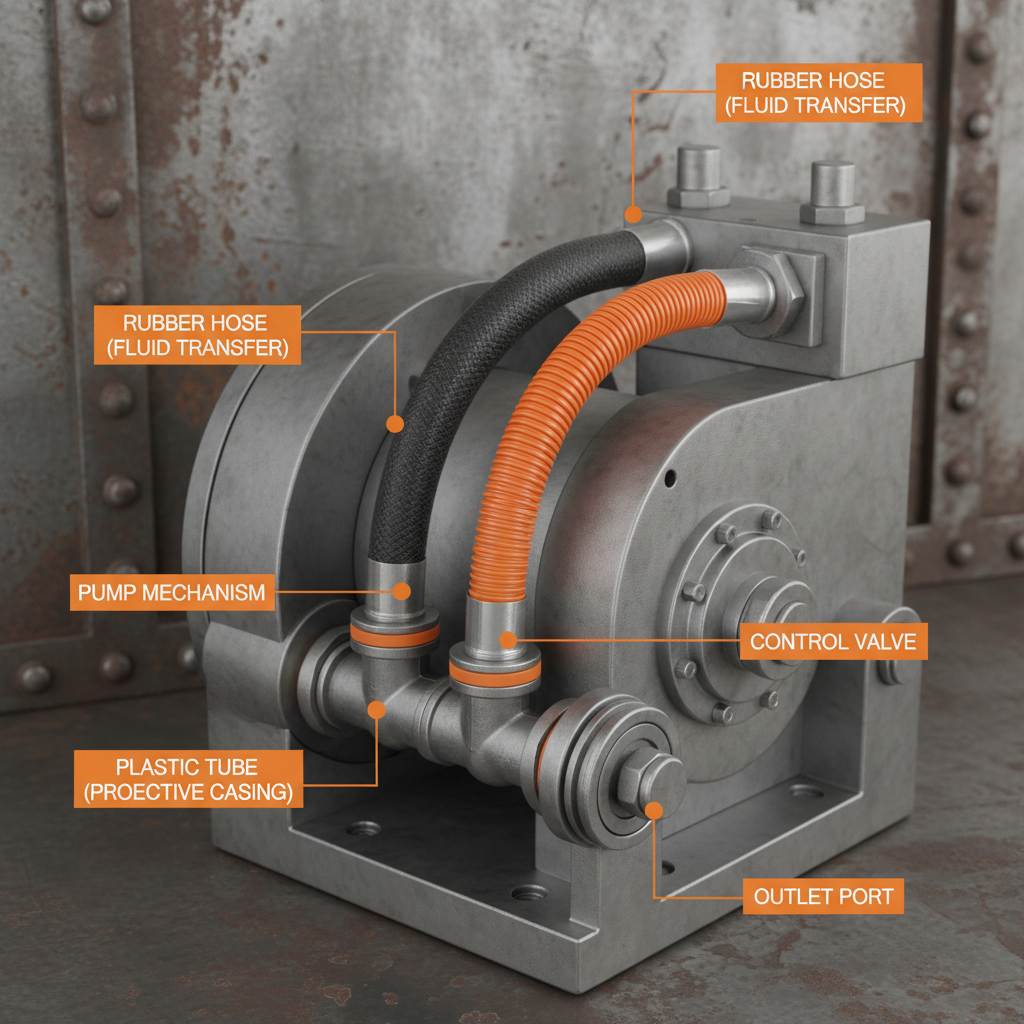
Simply put, a 2 discharge hose is a flexible conduit designed to transfer fluids – water, slurry, chemicals, you name it – from one point to another. But it’s more nuanced than that. The “2 discharge” part usually refers to a specific coupling or discharge configuration, often involving two separate outlets. That makes them ideal for splitting flows or simultaneous operations.
In modern industry, these hoses are essential for everything from large-scale construction and mining to agriculture and emergency response. They bridge the gap between pumps and the point of use, offering a critical link in numerous processes. It’s a surprisingly fundamental component of much of what we do.
Think about flood control efforts: 2 discharge hoses are used to quickly pump water away from vulnerable areas. In agriculture, they deliver irrigation water to crops. And on a construction site, they handle everything from concrete pumping to dewatering trenches. They’re a ubiquitous and vital tool in many industries.
Key Components for Superior Performance
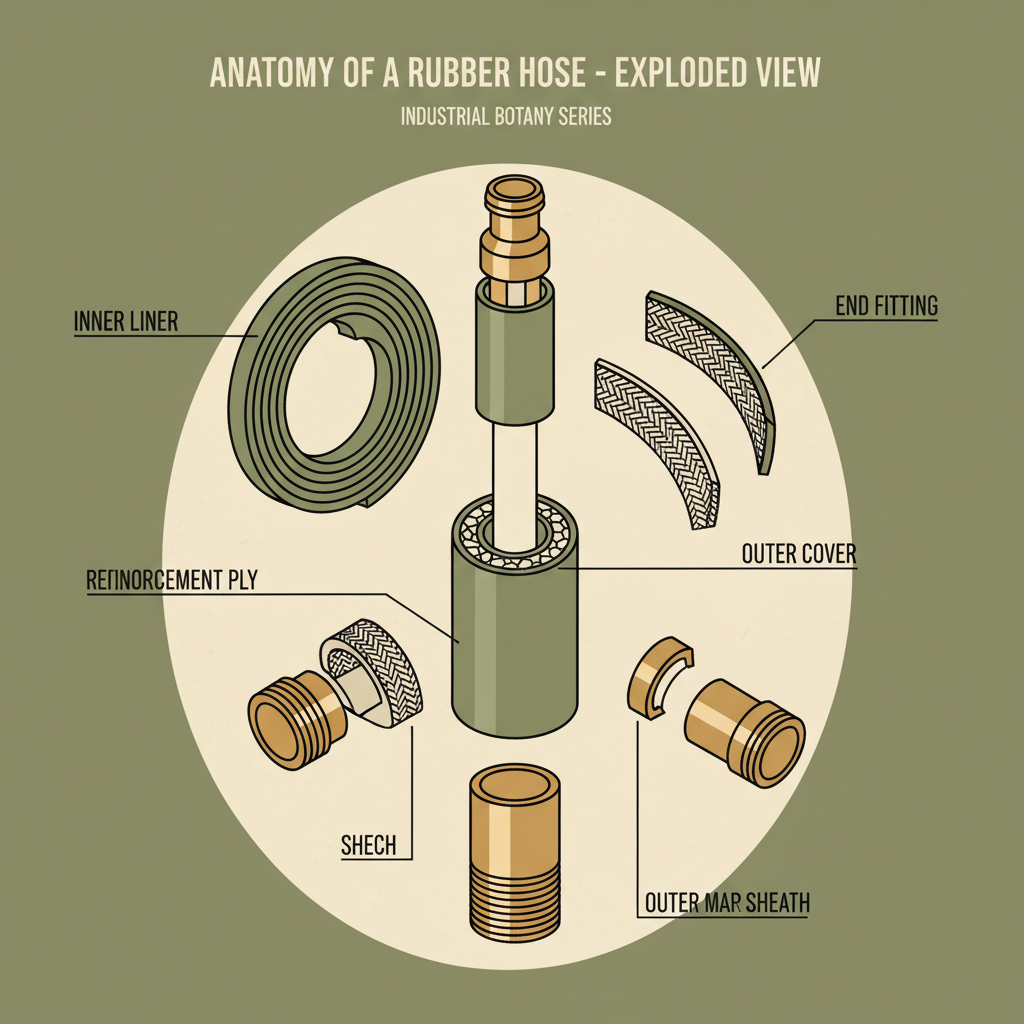
Durability is king. You want a hose built to withstand abrasion, punctures, and constant flexing. That means looking at the materials used in the liner and the cover. A good liner will resist chemical attack and erosion, while a robust cover will protect against external damage. Reinforced construction, like spiral wire reinforcement, adds significant strength and prevents kinking.
Pressure rating is another critical factor. You need a hose that can handle the maximum pressure generated by your pump without bursting. Under-rating a hose is a recipe for disaster. Don't just look at the PSI rating; consider the safety factor and the operating conditions. Temperature is also huge; some materials become brittle in cold weather, or weaken with excessive heat.
Finally, the couplings matter. Cheap, poorly made couplings are often the first point of failure. Look for couplings that are securely attached to the hose and are compatible with your pumping system. Cam-and-groove couplings are common and reliable, but you need to ensure they’re properly sized and maintained.
Real-World Applications of 2 discharge hose
I've used 2 discharge hoses in countless scenarios. Dewatering construction sites is a big one; you need to get water out quickly and efficiently to maintain a dry working environment. Mining operations rely on them for slurry transfer and tailings management. They're indispensable for large-scale agricultural irrigation, delivering water to fields over long distances.
In emergency situations, these hoses are crucial for flood control and firefighting. The ability to quickly deploy and move large volumes of water can be a lifesaver. And even in industrial cleaning applications – think tank cleaning or pipeline flushing – a 2 discharge hose is a vital piece of equipment.
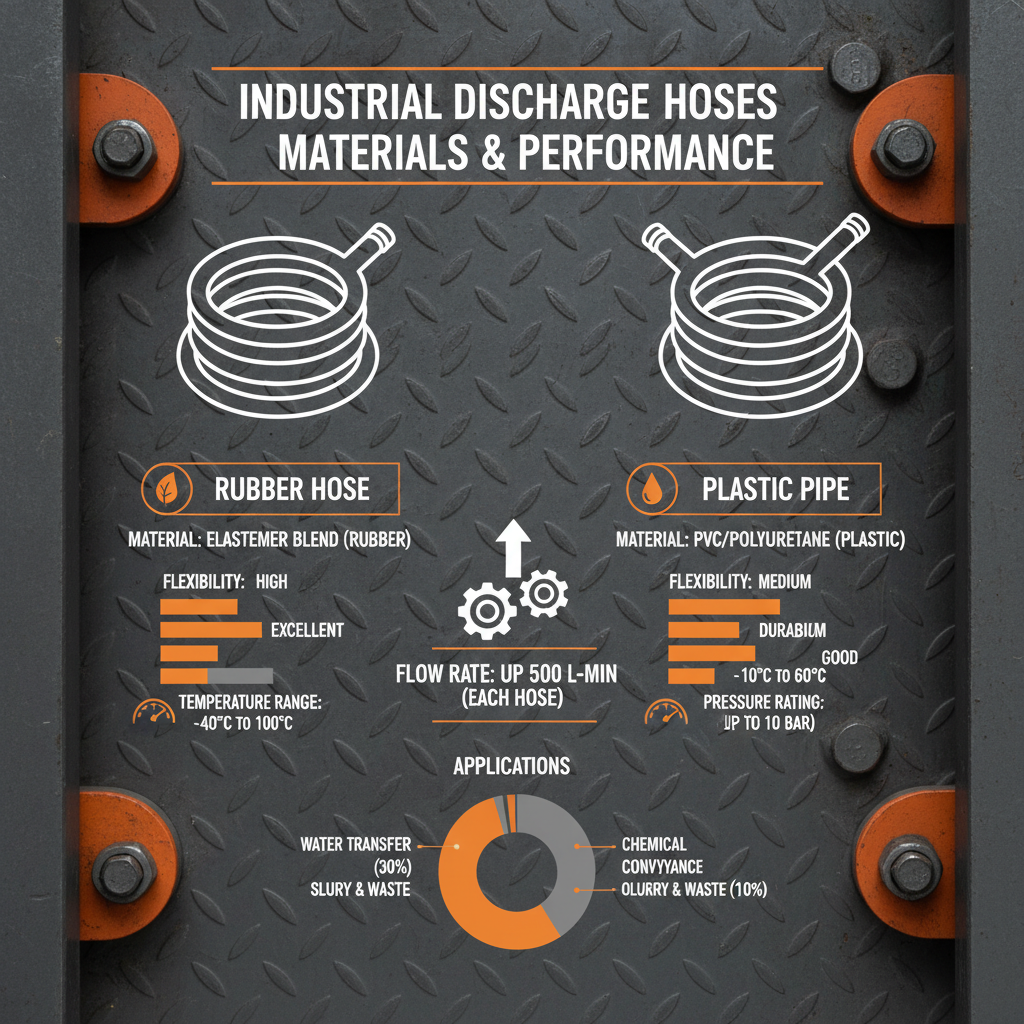
Comparative Performance of 2 discharge hose Materials
The Long-Term Value of Investing in Quality
Look, cheap hoses might save you money upfront, but they almost always cost more in the long run. You're constantly replacing them, dealing with downtime, and potentially facing safety risks. A higher-quality 2 discharge hose will last longer, require less maintenance, and perform more reliably.
That translates to significant cost savings over the lifespan of the hose. It also means increased productivity and reduced risk. And let's not forget the environmental impact – fewer hoses ending up in landfills is a good thing for everyone. Investing in quality is simply the smart business decision.
Future Trends & Innovations in Hose Technology
We're starting to see some really exciting developments in hose technology. New materials, like advanced polymers and composites, are offering increased durability, flexibility, and chemical resistance. Smart hoses, with integrated sensors that monitor pressure, temperature, and flow rate, are also on the horizon.
Sustainability is another big driver of innovation. Manufacturers are exploring recycled materials and developing more eco-friendly manufacturing processes. The goal is to create hoses that are not only high-performing but also environmentally responsible. This is not just a trend; it’s becoming a necessity.
Automation is playing a role too. Automated hose handling systems are streamlining operations and reducing the risk of manual handling injuries. These advancements are all focused on making our jobs safer, more efficient, and more sustainable.
Common Challenges and Practical Solutions
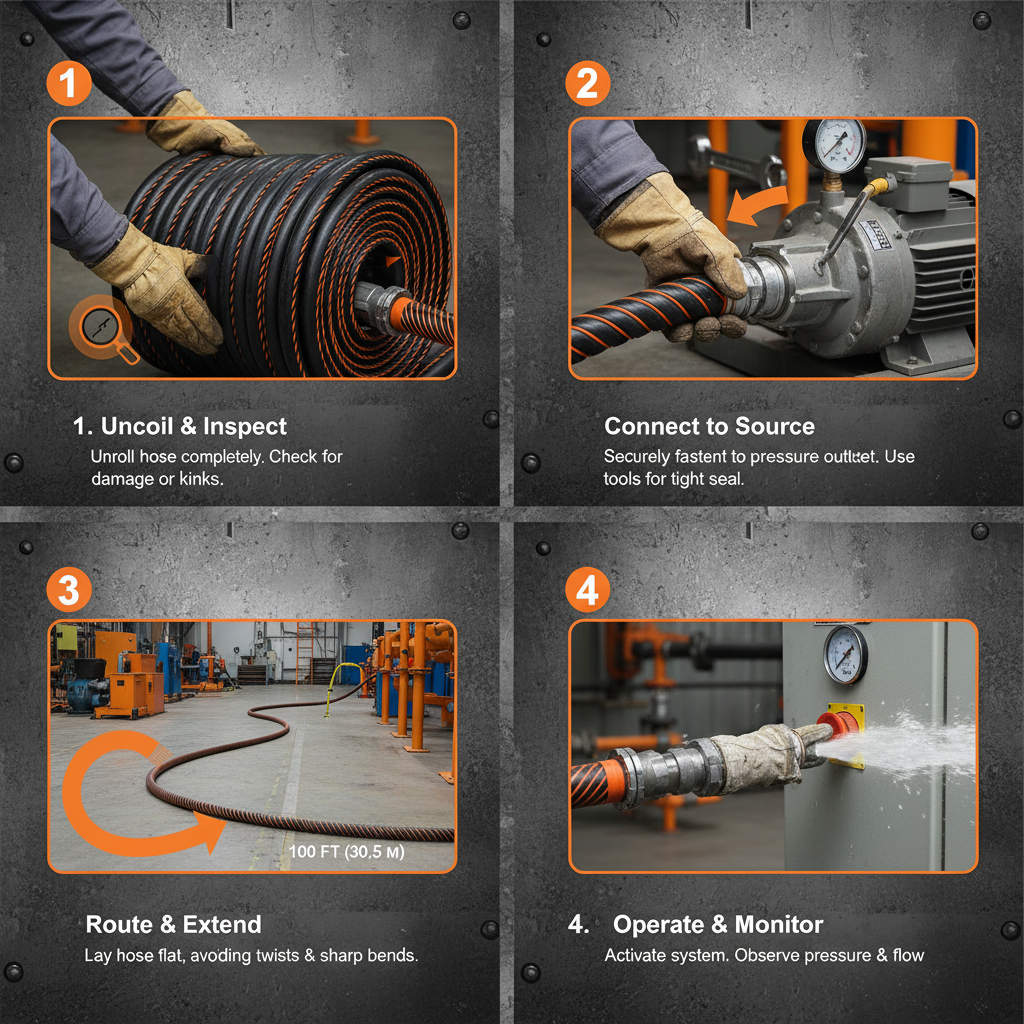
Kinking is a perennial problem, especially with longer hoses. Proper hose handling and storage are key. Avoid sharp bends and ensure the hose is properly supported. Using a hose reel can help prevent kinking and extend the hose's lifespan.
Abrasion and punctures are also common issues, particularly on construction sites. Protecting the hose with abrasion sleeves or using a more durable hose material can help mitigate these risks. Regular inspections are essential to identify and address any damage before it becomes a major problem.
Finally, chemical compatibility is critical. Always check the hose's chemical resistance chart to ensure it's compatible with the fluid you're pumping. Using the wrong hose can lead to rapid degradation and catastrophic failure.
Summary of 2 discharge hose Failure Modes and Mitigation Strategies
| Failure Mode |
Root Cause |
Severity (1-10) |
Mitigation Strategy |
| Kinking |
Sharp Bends, Insufficient Support |
6 |
Hose Reel, Proper Support |
| Abrasion |
Rough Surfaces, Dragging |
7 |
Abrasion Sleeves, Durable Materials |
| Punctures |
Sharp Objects, Impact |
8 |
Protective Barriers, Robust Hose Construction |
| Chemical Degradation |
Incompatible Fluids |
9 |
Chemical Resistance Charts, Compatible Materials |
| Coupling Failure |
Corrosion, Improper Installation |
7 |
High-Quality Couplings, Regular Inspection |
| Pressure Burst |
Exceeding Pressure Rating |
10 |
Correct Pressure Rating, Pressure Relief Valves |
FAQS
For abrasive slurries, you really want a hose with a highly abrasion-resistant liner. Rubber with a high durometer rating, or specially formulated polyurethane are good choices. Avoid PVC – it won’t hold up. Reinforced construction is also essential. Remember, a little extra upfront cost here will save you a lot of downtime and replacement costs down the line.
Always factor in a safety margin. Determine the maximum pressure your pump can generate and add at least a 2:1 safety factor. Also, consider any pressure surges or spikes that might occur during operation. It’s better to err on the side of caution. Using a hose with an inadequate pressure rating is a serious safety hazard.
Store hoses in a cool, dry, and well-ventilated area, away from direct sunlight and extreme temperatures. Avoid sharp bends or kinks. Coiling the hose loosely on a reel is ideal. Never store hoses on the ground where they can be damaged by debris or vehicles.
Regular inspections are key. Before each use, visually inspect the hose for cuts, abrasions, bulges, or cracks. Pay close attention to the couplings. If you notice any damage, remove the hose from service immediately. A proactive approach to maintenance will significantly extend the hose's lifespan.
Minor abrasions can sometimes be repaired with specialized patching materials, but significant damage – cuts, punctures, or coupling failures – usually requires hose replacement. Attempting to repair a severely damaged hose can compromise its integrity and create a safety hazard. It's generally best to replace it.
Look for hoses made from recycled materials or that are designed for long-term durability to reduce waste. Consider the potential for leaks and spills and choose a hose that minimizes the risk of environmental contamination. Properly dispose of old hoses according to local regulations.
Conclusion
Ultimately, selecting the right 2 discharge hose is a critical decision that impacts safety, efficiency, and your bottom line. It's not just about moving fluid; it's about ensuring reliable performance, minimizing downtime, and protecting your investment. Understanding the key components, materials, and applications is essential for making an informed choice.
Don’t skimp on quality. Invest in a hose that’s built to withstand the rigors of your specific application. Regularly inspect and maintain your hoses to extend their lifespan and prevent costly failures. And remember, staying ahead of the curve with the latest innovations in hose technology can give you a competitive edge. For expert advice and a wide range of high-quality 2 discharge hoses, visit our website: www.jyhose.com.