Look, I've spent the last fifteen years tracking materials, solving problems on-site, and getting my hands dirty. When it comes to quick deployment solutions, especially in situations where you need reliable fluid transfer, there's a reason folks are starting to talk about 2 flex pipe. It’s not hype; it’s about getting the job done efficiently and safely. We’re not talking about some lab experiment here—we’re talking about real-world applications, from emergency water delivery to industrial dewatering, where a failure isn't an option. The demand is rising because traditional methods are often slow, costly, and frankly, not always up to the task.
What’s changed is the need for adaptability. Projects are tighter, timelines are shorter, and the challenges are more complex. You need systems that can handle varying terrains, unpredictable conditions, and rapid mobilization. 2 flex pipe isn’t just a pipe; it’s a component of a flexible, responsive infrastructure. It solves a fundamental problem: quickly and reliably moving fluids where they need to be, when they need to be there. I've seen firsthand how this capability can be the difference between a project staying on schedule and a costly delay.
Frankly, the old ways of doing things are just becoming unsustainable. Think about the logistics of laying rigid piping systems – the excavation, the welding, the specialized equipment. It all adds up. 2 flex pipe offers a simpler, faster, and often more cost-effective alternative, especially when you factor in the reduced labor and maintenance. It’s about smart solutions for a world that’s moving faster and demanding more.
The Core Principles of 2 flex pipe
The beauty of 2 flex pipe lies in its simplicity and adaptability. It's about using flexible materials to create fluid transfer solutions that can handle a wide range of pressures, temperatures, and flow rates. We're not talking about a one-size-fits-all approach; it’s about being able to configure the system to meet the specific needs of the project. I’ve seen these systems used in everything from temporary bypass pumping during pipeline repairs to providing potable water in remote construction camps.
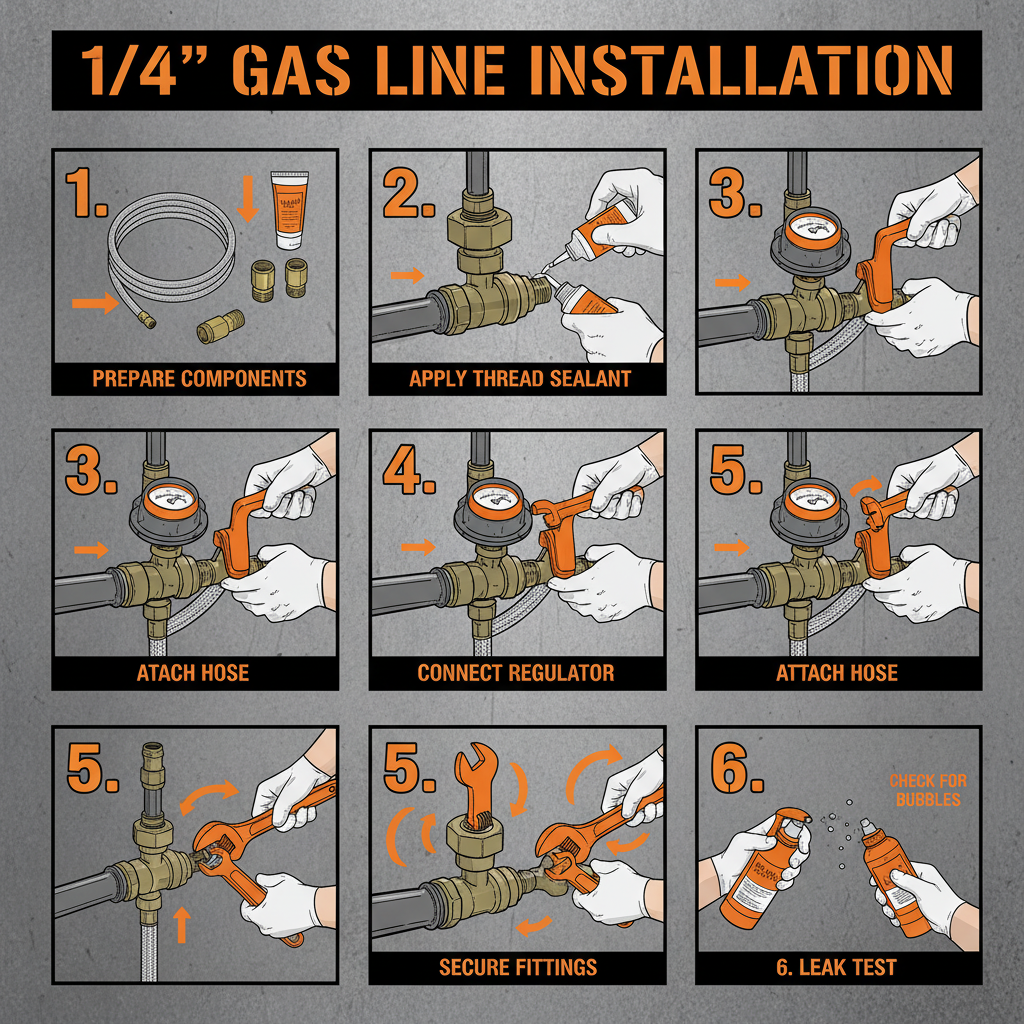
And it’s not just about the pipe itself. It's the whole system – the couplings, the fittings, the deployment techniques. That’s where the expertise comes in. You need to understand how to properly assemble and secure the system to ensure a leak-free and reliable connection. It requires training, careful planning, and a commitment to quality, but the payoff in terms of time and cost savings is significant.
The Global Relevance of 2 flex pipe Systems
Look around the world. From disaster relief efforts to large-scale infrastructure projects, the need for rapid and reliable fluid transfer is constant. The UN often deals with providing clean water to refugee camps, and these types of flexible piping solutions are crucial for rapid deployment. Organizations like the World Bank are investing heavily in water infrastructure in developing countries, and 2 flex pipe can play a vital role in those projects. It's a cost-effective and efficient way to deliver water, manage wastewater, and support industrial processes.
What's driving this demand is the increasing frequency of extreme weather events and the growing need for resilient infrastructure. Traditional systems can be vulnerable to earthquakes, floods, and other natural disasters. 2 flex pipe, with its flexibility and durability, can withstand these challenges and minimize downtime. It's not just about responding to emergencies; it's about building infrastructure that can adapt to a changing climate.
The ISO standards for fluid handling are getting stricter, and rightfully so. Safety and environmental protection are paramount. 2 flex pipe, when manufactured to meet these standards, offers a safe and reliable solution for a wide range of applications. It's about ensuring that the fluids are contained, the environment is protected, and the workers are safe.
Understanding 2 flex pipe: A Detailed Definition
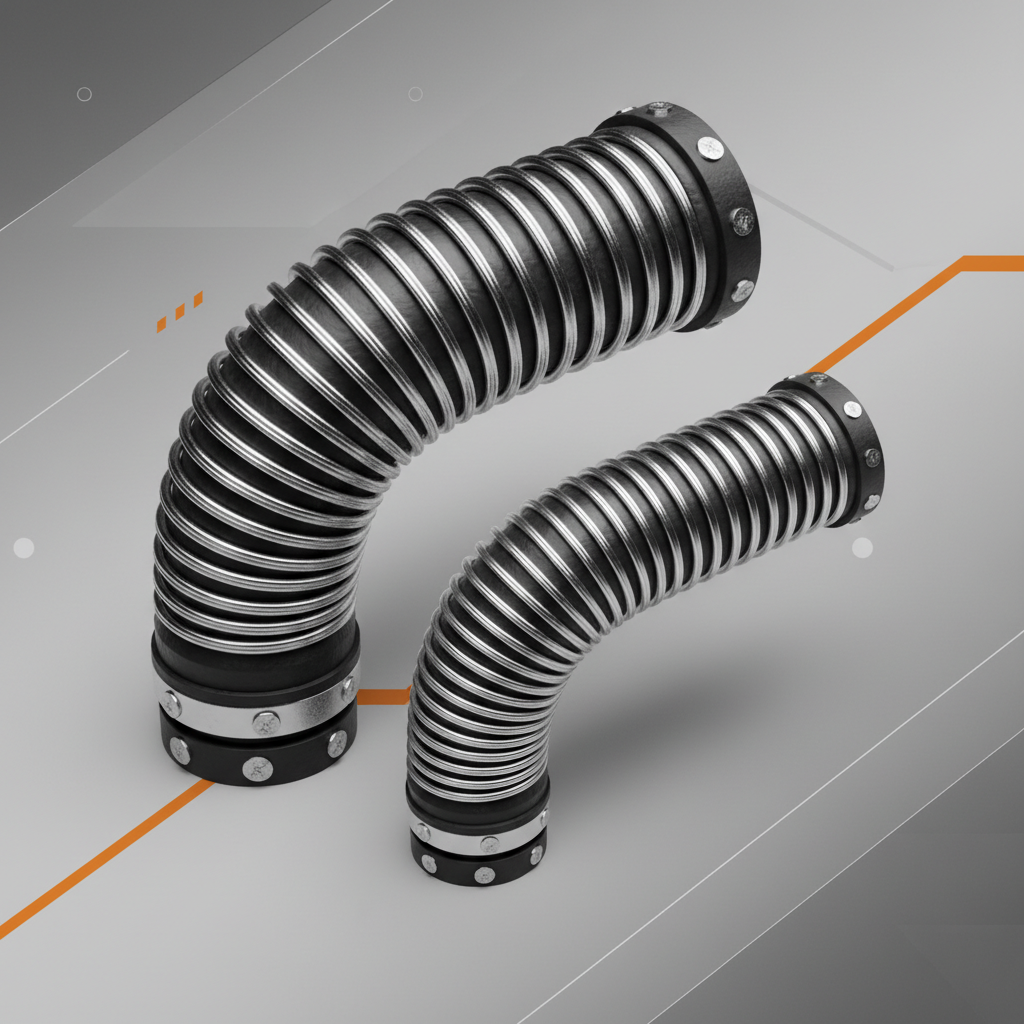
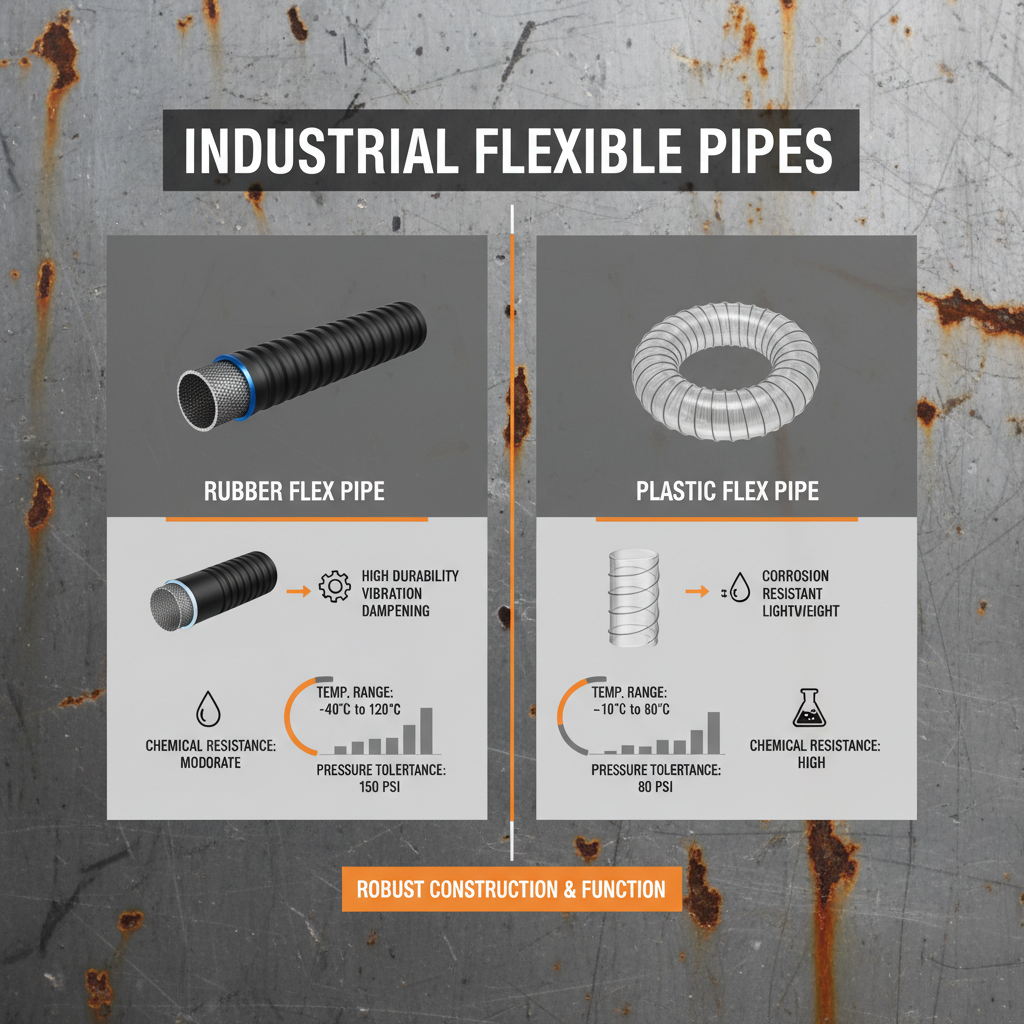
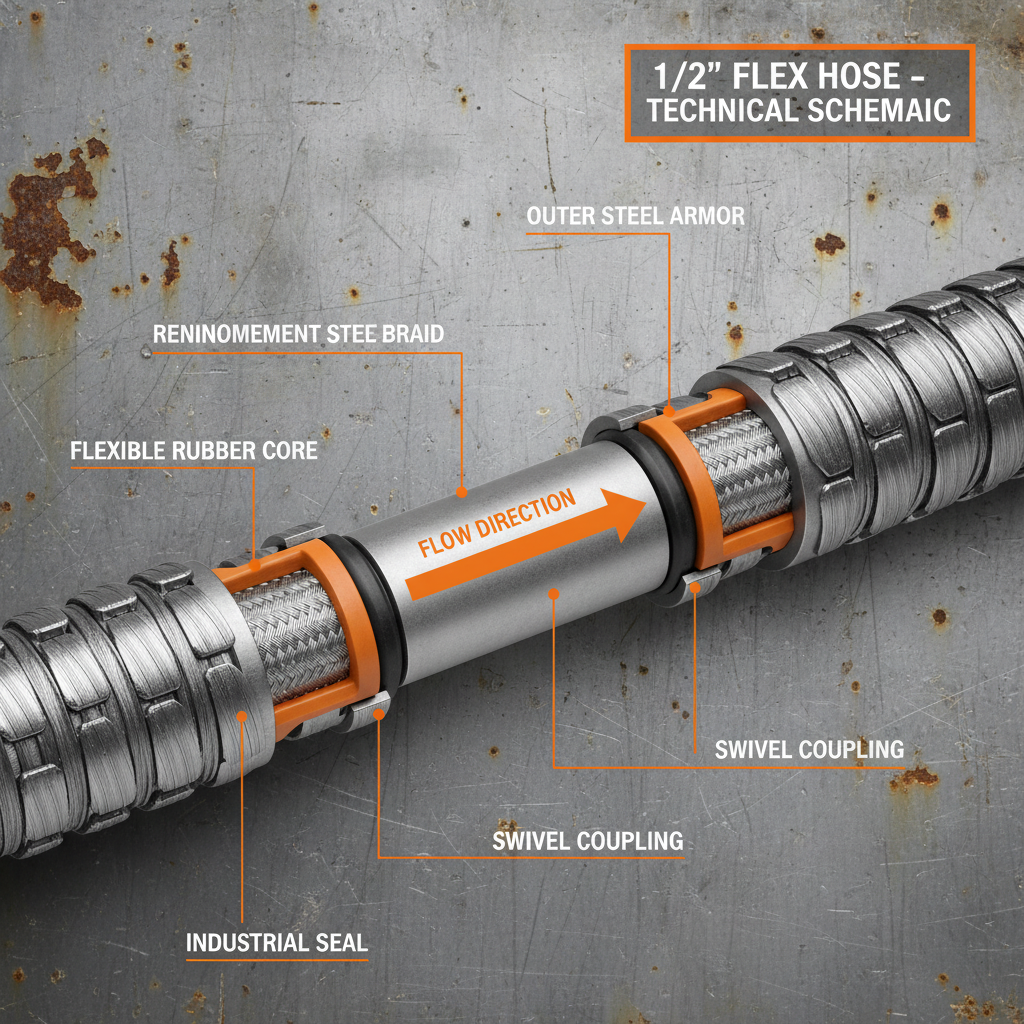
Simply put, 2 flex pipe refers to a flexible, typically rubber or thermoplastic, hose reinforced with multiple layers of high-tensile fabric or wire. This construction allows it to withstand high pressures and maintain its shape under various conditions. It's designed for applications where rigidity isn't practical or desirable – think of situations where you need to navigate around obstacles, connect to moving equipment, or handle vibrations.
What sets it apart from standard hoses is its engineered design and the quality of materials used. It's not just about being flexible; it's about being durable, chemical-resistant, and able to perform reliably over an extended period. Different grades of 2 flex pipe are available, each tailored to specific applications and fluid types. Choosing the right one is crucial for ensuring optimal performance and safety.
Its connection to modern industry and humanitarian needs is direct. Industries rely on it for transferring a wide range of fluids – water, oil, chemicals, slurries – in applications like mining, construction, agriculture, and manufacturing. In humanitarian crises, it's a lifeline for delivering clean water to affected communities and providing sanitation facilities. It's a versatile tool that can make a real difference in a variety of situations.
Key Performance Indicators of 2 flex pipe
When I’m evaluating a fluid transfer solution, I don’t get caught up in marketing hype. I look at the numbers. One of the most important factors is burst pressure – how much pressure the pipe can withstand before failing. Then there’s temperature resistance – can it handle the extreme heat or cold of the environment? Chemical compatibility is another key consideration – will the fluid being transferred degrade the pipe material?
But it's not just about those individual metrics. It's about the overall system performance – how easily it can be deployed, how reliably it operates, and how long it will last. That's where durability, flexibility, and ease of maintenance come into play. A system that's quick to set up and requires minimal maintenance will save you time and money in the long run.
2 flex pipe Performance Comparison
Real-World Applications of 2 flex pipe
I've seen 2 flex pipe used in some pretty challenging environments. In post-disaster relief operations, it’s often the fastest way to get clean water to people who need it. I worked on a project after a major hurricane where we used it to quickly establish a temporary water distribution system, bypassing damaged infrastructure. It was a lifesaver.
In remote industrial zones, like mining operations or oil and gas fields, it’s used for everything from dewatering excavation sites to transferring chemicals and fuels. It’s a durable and reliable solution that can withstand the harsh conditions and demanding requirements of those industries. The ability to rapidly deploy and reconfigure the system is a huge advantage.
The Long-Term Value Proposition of 2 flex pipe
Look, initial cost is always a consideration, but you have to look at the total cost of ownership. 2 flex pipe often comes out ahead because it reduces labor costs, minimizes downtime, and extends the lifespan of the system. It’s more sustainable in the long run, reducing the need for frequent replacements.
The social impact is also significant. By providing access to clean water and sanitation, it improves public health and reduces the risk of disease. The reliability of the system builds trust and confidence in the infrastructure, which is essential for community development. It's about more than just moving fluids; it's about improving people's lives.
And let’s not forget the safety aspect. A properly installed and maintained 2 flex pipe system reduces the risk of leaks, spills, and other accidents that could harm workers and the environment. It's a proactive approach to safety that pays dividends in the long run.
Future Trends and Innovations in 2 flex pipe Technology
We’re seeing a lot of innovation in materials science, with new polymers and composites being developed that offer even greater durability, chemical resistance, and temperature tolerance. Smart sensors are being integrated into 2 flex pipe systems to monitor pressure, flow rate, and leaks in real-time, allowing for proactive maintenance and preventing costly failures.
The integration of digital technologies, like remote monitoring and control systems, is also transforming the industry. Operators can now remotely monitor the performance of the system, adjust flow rates, and diagnose problems from anywhere in the world. This is especially valuable in remote or hazardous environments.
There’s also a growing focus on sustainability, with manufacturers developing more eco-friendly materials and reducing the environmental impact of their production processes. The future of 2 flex pipe is about smarter, more sustainable, and more reliable solutions.
Summarizing the Core Challenges and Solutions in 2 flex pipe Application
| Challenge |
Impact on 2 flex pipe Performance |
Proposed Solution |
Implementation Details |
| Extreme Temperature Fluctuations |
Material degradation, reduced flexibility |
Utilize temperature-resistant polymers |
Employing specialized rubber compounds capable of withstanding both high and low temperatures. |
| Chemical Exposure |
Corrosion, weakening of pipe structure |
Employ chemical-resistant linings |
Applying an inner layer of fluoropolymer or other resistant material. |
| High Pressure Applications |
Risk of bursting or leakage |
Reinforce pipe with multiple layers |
Using high-tensile fabrics and wire braiding for increased strength. |
| Rough Terrain Deployment |
Damage during transport and installation |
Implement protective casings and handling procedures |
Using durable reels or containers for transport and careful handling during installation. |
| Leak Detection |
Difficulty identifying and locating leaks promptly |
Integrate leak detection sensors |
Deploying sensors along the pipe length to monitor pressure changes and identify potential leaks. |
| UV Exposure |
Material breakdown, embrittlement |
Apply UV-resistant coatings |
Coating the exterior of the pipe with UV inhibitors to protect against sun damage. |
FAQS
The lifespan really depends on the specific application, the fluids being handled, and the environmental conditions. However, a well-maintained 2 flex pipe system, using quality materials, can easily last 5-10 years, and often longer. Regular inspections and preventative maintenance – checking for wear and tear, leaks, and damage – are crucial for maximizing its lifespan.
Typically, 2 flex pipe is significantly faster and cheaper to install. You eliminate the need for welding, threading, and extensive excavation. It requires less specialized labor and equipment. For temporary applications or emergency repairs, the savings can be dramatic. Even for permanent installations, the reduced labor cost often outweighs the higher material cost.
Look for certifications like ISO 9001 for quality management, and specific certifications relevant to the fluids being handled (e.g., NSF for potable water). Make sure the pipe meets relevant industry standards for pressure rating, temperature resistance, and chemical compatibility. A reputable supplier will be able to provide documentation proving compliance with these standards.
Yes, but it's crucial to select the right type of 2 flex pipe designed specifically for high-pressure applications. These pipes typically have multiple layers of reinforcement, such as steel wire braiding, to withstand the extreme pressures. Always check the manufacturer's specifications to ensure the pipe is rated for the intended pressure level.
Repairing 2 flex pipe is generally much easier than repairing rigid piping. Minor leaks can often be patched with specialized repair tapes or clamps. For more significant damage, sections of the pipe can be cut out and replaced with new sections and couplings. It’s a relatively simple process that can be done on-site with minimal disruption.
Store 2 flex pipe in a cool, dry place away from direct sunlight and extreme temperatures. Avoid storing it near chemicals or other contaminants that could cause damage. It’s best to store it coiled or on a reel to prevent kinking or twisting. Proper storage will significantly extend its lifespan.
Conclusion
Ultimately, 2 flex pipe isn’t just about a product; it’s about a pragmatic solution to real-world challenges. It offers a combination of flexibility, durability, and cost-effectiveness that makes it a valuable asset for a wide range of industries and applications. From emergency response to long-term infrastructure projects, it’s a tool that can help you get the job done safely, efficiently, and reliably.
Looking ahead, I expect to see continued innovation in materials and design, with a focus on sustainability and integration with digital technologies. As the demand for resilient and adaptable infrastructure grows, 2 flex pipe will play an increasingly important role in building a more sustainable and secure future. To learn more about how 2 flex pipe can benefit your project, visit our website: www.jyhose.com.