

Dec . 22, 2025 11:30 Back to list
6 Hydraulic Hose – Durable, Reliable & Ready for Heavy Duty
Everything You Need to Know About 6 Hydraulic Hose
Having worked over a decade in the industrial equipment sector, I’ve come to appreciate that 6 hydraulic hose isn’t just a part number or a bland component to grab off a shelf. Oddly enough, it feels like the unsung hero in so many hydraulic systems, silently taking pressure and heat while keeping machines humming. Frankly, understanding its specs and applications makes a world of difference when it comes to maintenance and system reliability.
When I first got involved with hydraulic hose selections, it was clear that a 6 hydraulic hose typically refers to hose with a 6mm inner diameter — often used in medium-pressure applications across construction, agriculture, and manufacturing sectors. But the real story is in the details: the materials, construction, and testing that ensure the hose can endure years of harsh conditions.
Material and Design Considerations
The majority of quality 6 hydraulic hoses are constructed with synthetic rubber tubes reinforced by one or multiple layers of braided steel wire — sometimes textile, depending on the pressure rating. It’s this layered build that imparts both flexibility and strength. I remember one site visit where a worn-out hose failed unexpectedly; it turned out the replacement lacked the proper reinforcement layers, causing premature fatigue. That’s a lesson in making sure specs match real-world demands.
Temperature resistance usually ranges from -40°C up to 100°C or more, depending on the cover material. And the abrasion resistance? Vital. In outdoor or mobile machine setups, that outer layer takes quite a beating. Manufacturers often use a nitrile or EPDM rubber cover — choosing the latter for its superior ozone and weather resistance.
Common Applications and Performance
In real terms, a 6 hydraulic hose can serve in forklifts, backhoes, or even smaller industrial presses. Many engineers smile when they talk about the balance it strikes: small enough for tight routing yet capable of handling 2000+ PSI. Customization is also quite popular — for example, resale shops might want hoses with bespoke length or extra connectors.
It’s worth noting that credible vendors conduct rigorous testing — burst pressure tests, impulse tests, and sometimes even flame-retardant certifications for certain sectors. This verification impacts downtime and safety, something no one wants to overlook.
| Parameter | Spec | Unit |
|---|---|---|
| Inner Diameter | 6 mm | mm |
| Working Pressure | 210 bar (approx. 3000 psi) | bar / psi |
| Burst Pressure | 630 bar (approx. 9000 psi) | bar / psi |
| Temperature Range | -40 to 100 | °C |
| Cover Material | Nitrile or EPDM Rubber | - |
| Reinforcement | One or Two Steel Wire Braids | - |
Vendor Comparison: What to Look For
When sourcing 6 hydraulic hoses, I usually recommend comparing vendors on several factors. Reliability and certifications come first. Then the availability of custom options — no one wants to be left waiting weeks for a simple length adjustment. Prices can vary, but frankly, quality should never take a back seat. Here’s a comparison table I often use when briefing colleagues or clients:
| Vendor | Pressure Ratings | Customization | Certifications | Typical Lead Time |
|---|---|---|---|---|
| JY Hose | Up to 250 bar | Yes (length, ends) | ISO 9001, SAE J517 | 5-7 days |
| Vendor B | Up to 210 bar | Limited | ISO 9001 | 10-14 days |
| Vendor C | Up to 300 bar | Yes (custom ends) | SAE J517, ISO 1436 | 7-9 days |
A Quick Story from the Field
One memorable experience was working with a client whose fleet had recurring hose failures. The culprit? Using hoses rated for lower pressures and poor abrasion resistance in muddy, abrasive terrain. After switching to a robust 6 hydraulic hose with EPDM outer covers and double wire braid reinforcement, their downtime dropped significantly. It’s those real-world lessons — where specs meet usage — that drive me to keep sharing detailed insights.
So, whether you’re retrofitting a machine or specifying hoses for new equipment, always consider not just the nominal size but the full package: pressure ratings, materials, and certifications. The 6 hydraulic hose might be small in size, but it’s a big player in system reliability.
In short: choose wisely, and your hydraulic systems will thank you.
References:
- SAE International, “Hydraulic Hose Standards and Testing,” 2023.
- JY Hose Official Technical Specification Sheets, 2024.
- Industry Field Reports, Hydraulic Hose Durability Studies, 2022.
Latest News
Steel Wire Reinforced Hydraulic Hose SAE 100 R1 / EN853 1SN S
NewsOct.17,2024
Two Layers Steel Wire Reinforced Hydraulic Hose SAE 100 R2 / EN853 2SN
NewsSep.03,2024
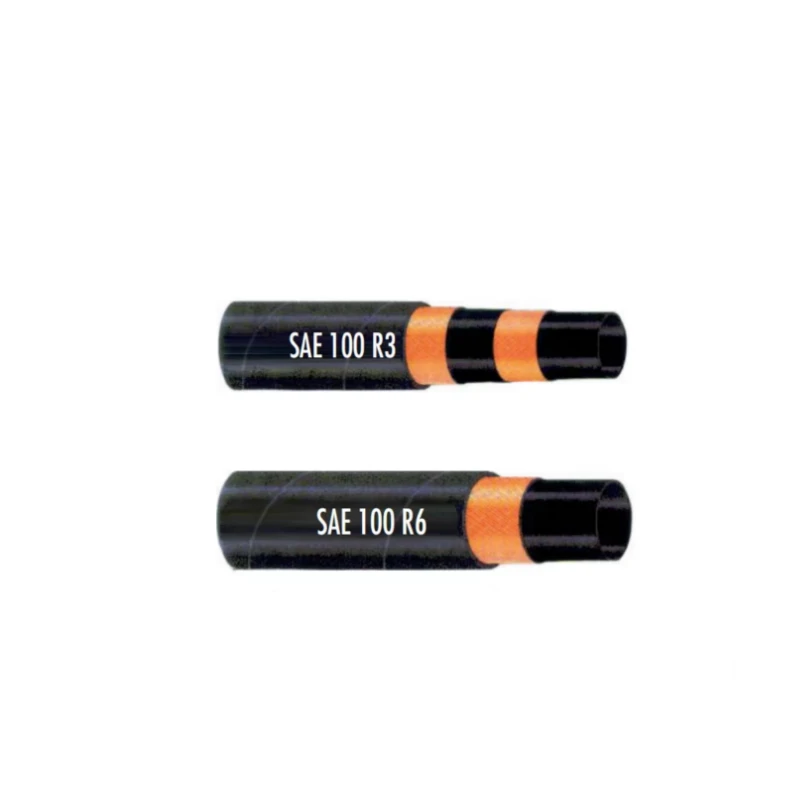
Textile Braid Reinforced Hydraulic Hose SAE100 R3+R6
NewsSep.03,2024
Textile Reinforced Hydraulic oil Suction Hose with embedded Steel Wire SAE 100 R4
NewsSep.03,2024
Single Wire Braid and Textile Covered Hydraulic Hose SAE 100 R5
NewsSep.03,2024
High Pressure Thermoplastic Hydraulic Hose SAE 100 R7 / EN855 R7 - SAE 100 R8 / EN855 R8
NewsSep.03,2024
Heavy Duty Four-layer Steel Wire Spiral Reinforced Hydraulic Hose SAE100R9+R10+R12
NewsSep.03,2024
Heavy Duty Multi-layer Steel Wire Reinforced Hydraulic Hose SAE100R13 SAE100R15
NewsSep.03,2024
Latest Products
-
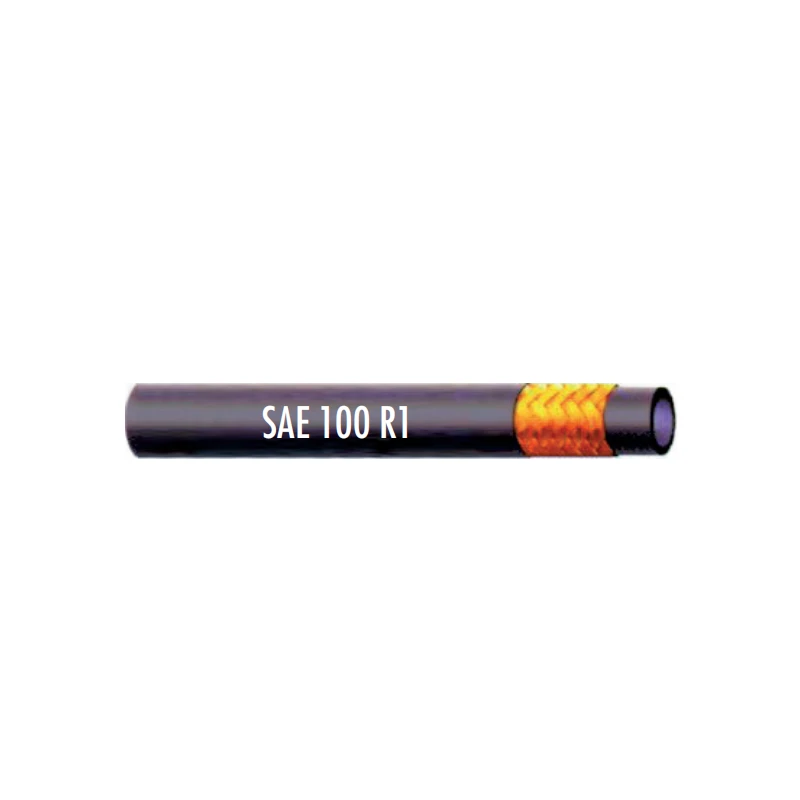
Steel Wire Reinforced Hydraulic Hose SAE 100 R1 / EN853 1SN S
-
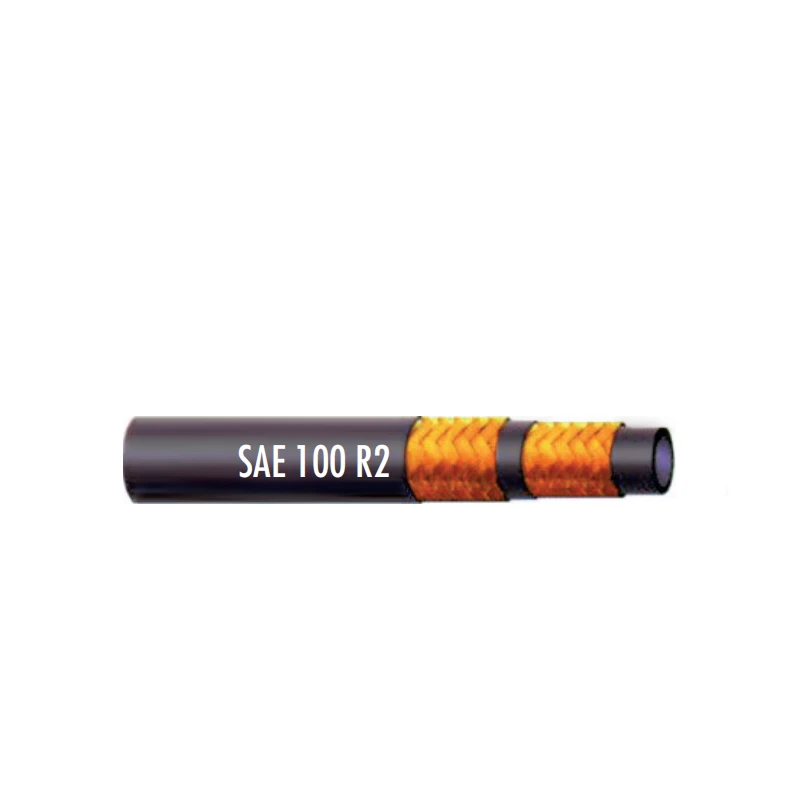
Two Layers Steel Wire Reinforced Hydraulic Hose SAE 100 R2 / EN853 2SN
-
-
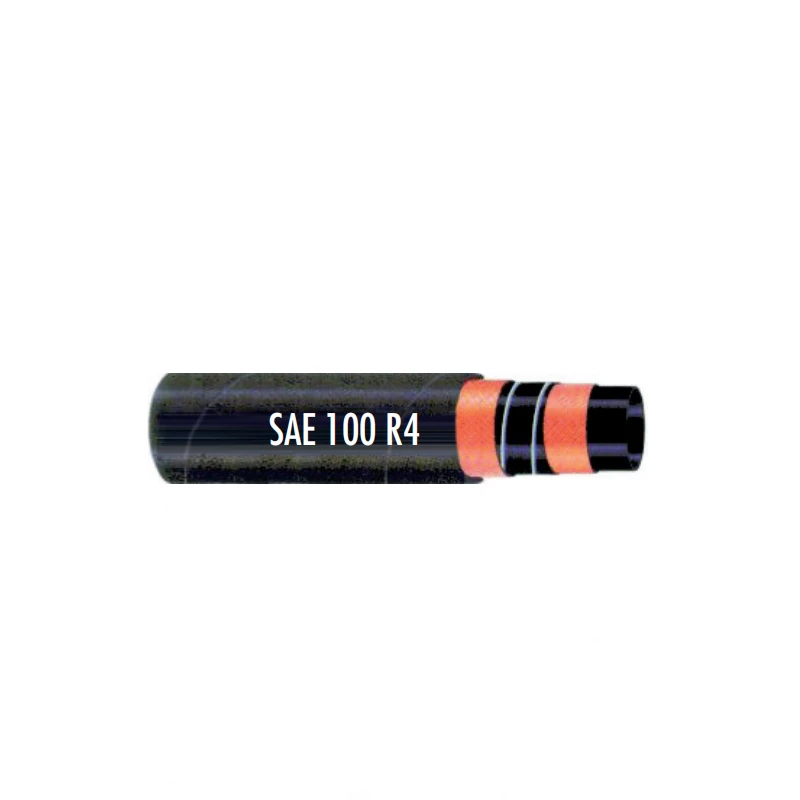
Textile Reinforced Hydraulic oil Suction Hose with embedded Steel Wire SAE 100 R4
-
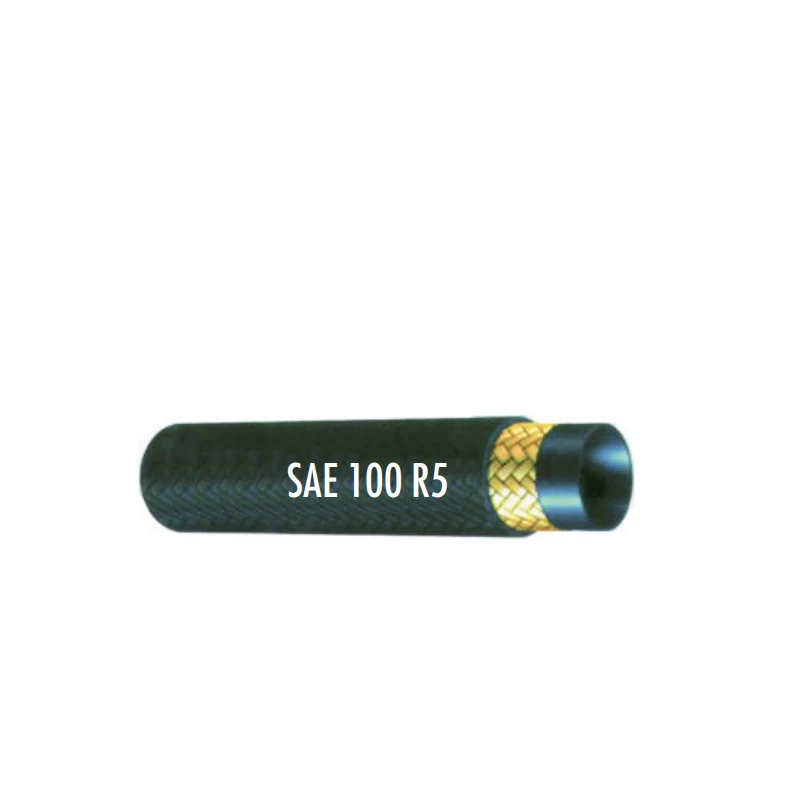
Single Wire Braid and Textile Covered Hydraulic Hose SAE 100 R5
-
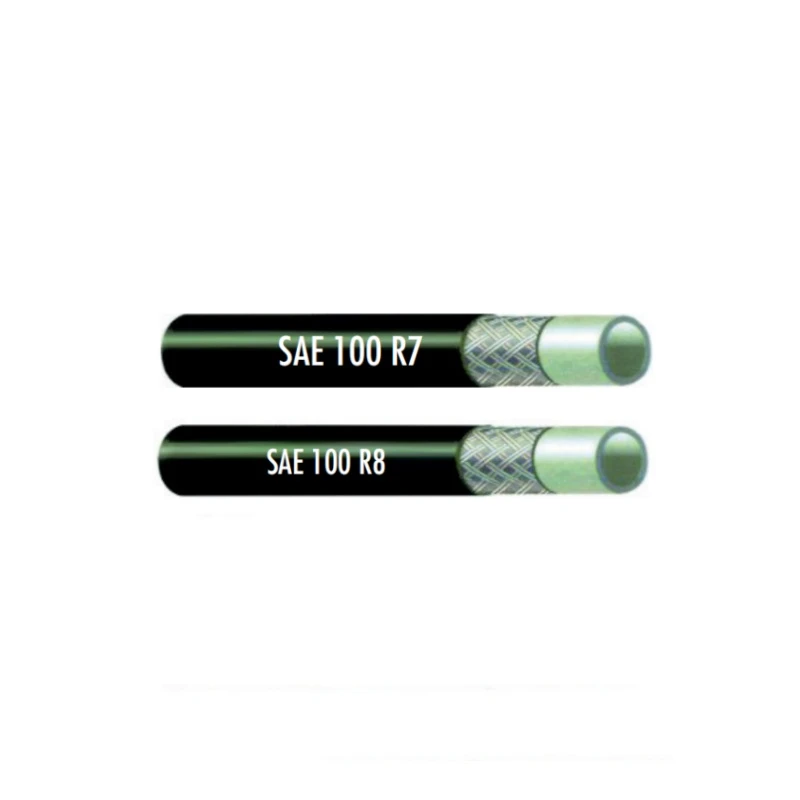
High Pressure Thermoplastic Hydraulic Hose SAE 100 R7 / EN855 R7 - SAE 100 R8 / EN855 R8
-
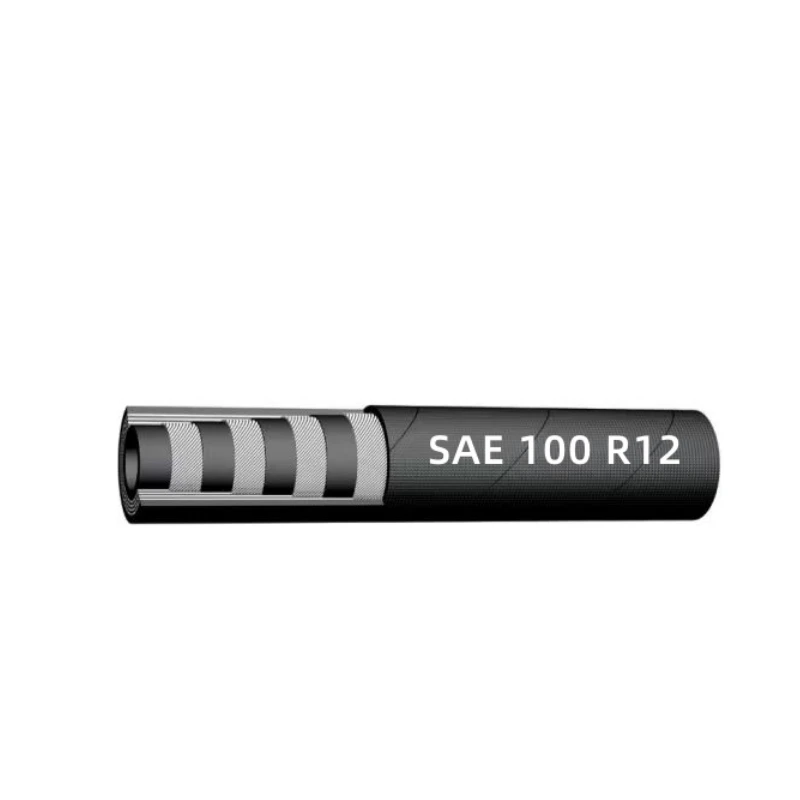
Heavy Duty Four-layer Steel Wire Spiral Reinforced Hydraulic Hose SAE100R9+R10+R12
-
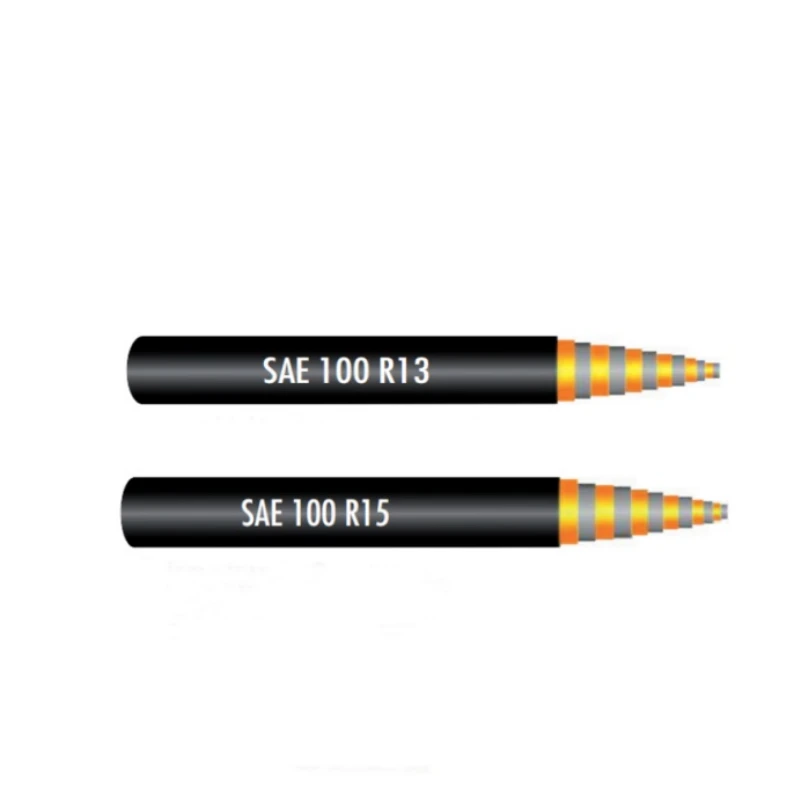
Heavy Duty Multi-layer Steel Wire Reinforced Hydraulic Hose SAE100R13 SAE100R15


