

Oct . 13, 2025 14:20 Back to list
Changing a Hydraulic Hose | Durable, Flexible, High-Pressure
Field Notes on Changing a Hydraulic Hose (and Why EN854 1TE/2TE/3TE Still Wins)
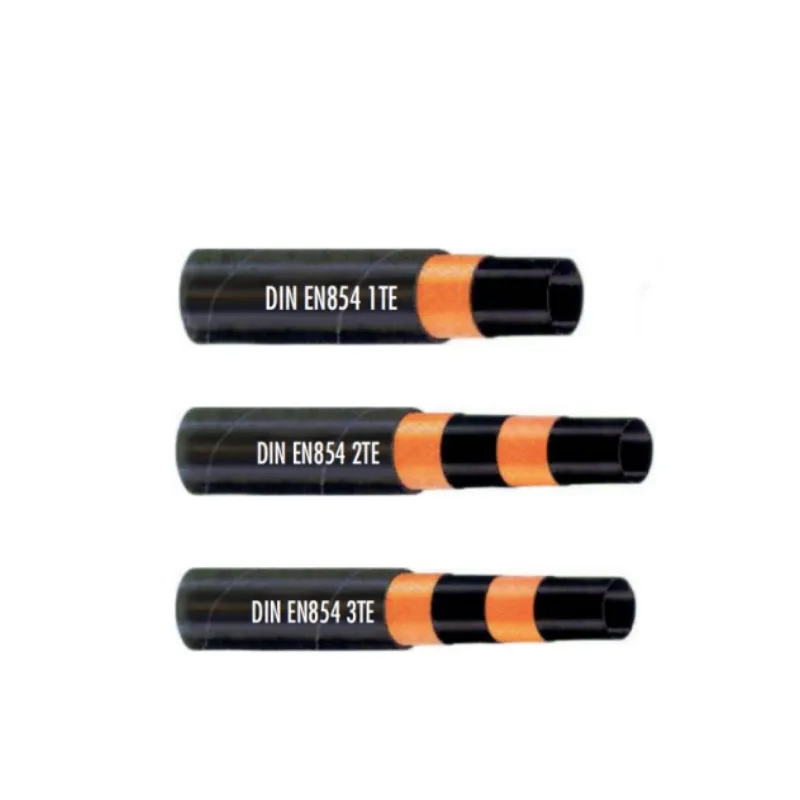
If you’ve ever wrestled with changing a hydraulic hose in the rain, on a jobsite, with a machine down and the clock screaming—well, you know why good hose matters. For low- to medium-pressure return, lube, and line routing where weight and bend radius are real-world constraints, the Textile Yarn Braid Reinforced Hydraulic Hose EN854 1TE/2TE/3TE is, frankly, a workhorse.
What’s going on in the industry, actually?
We’re seeing a steady shift toward textile-braid hoses for return and low-pressure circuits where wire-braid is overkill. Lighter assemblies, easier routing, and simpler field installs—especially when you’re changing a hydraulic hose in tight compartments—are driving this. Meanwhile, specs tighten: REACH-compliant compounds, ozone resistance, and documented impulse testing are becoming table stakes. It seems that buyers aren’t just asking “how much?” anymore; they’re asking “how long will it last?” and “do you have test data?”
Quick Spec Snapshot: EN854 1TE/2TE/3TE
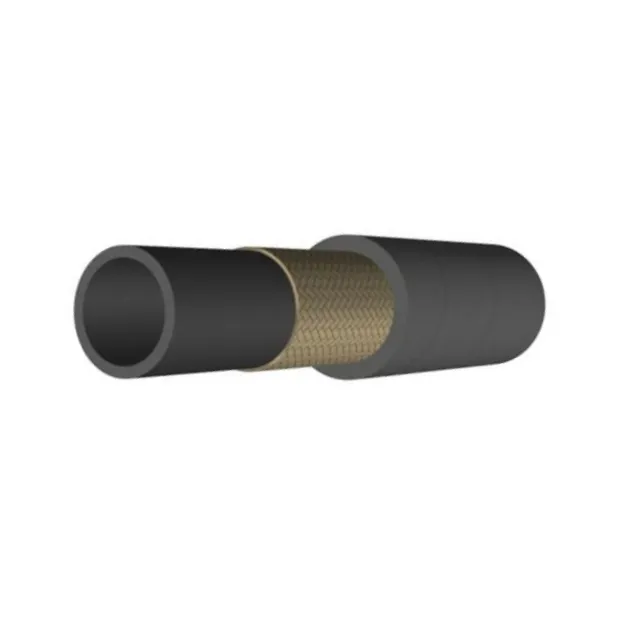
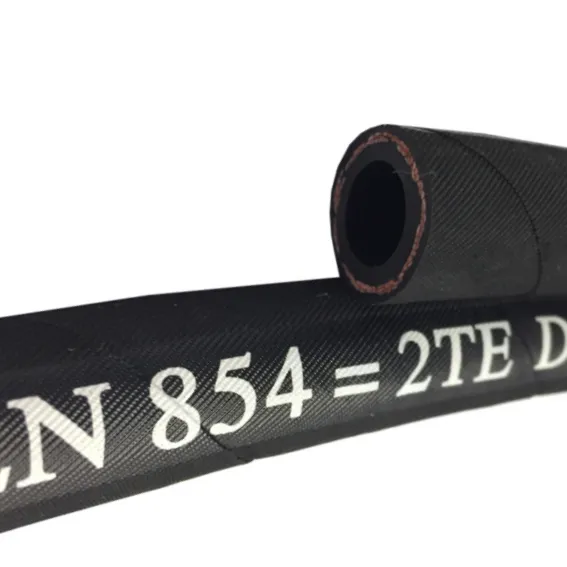
Built in Daowang Town, Guangrao County, Dongying City, Shandong Province 257335, these hoses use a synthetic rubber tube (typically NBR-based), textile yarn braid reinforcement (1, 2, or 3 layers), and a weather/ozone-resistant cover. In practice, they’re flexible, durable, and kind to installers’ wrists.
| Type | Reinforcement | Working Pressure (≈) | Temp Range | Bend Radius (≈) | Safety Factor |
|---|---|---|---|---|---|
| EN854 1TE | 1 textile braid | 2–5 MPa (real-world varies by size) | -40°C to +100°C (oil) | ≈ 50–150 mm | ≥ 3:1 per EN 854 |
| EN854 2TE | 2 textile braids | 4–8 MPa | -40°C to +100°C (oil) | ≈ 60–180 mm | ≥ 3:1 |
| EN854 3TE | 3 textile braids | 6–10 MPa | -40°C to +100°C (oil) | ≈ 70–200 mm | ≥ 3:1 |
How it’s made and proven (short version)
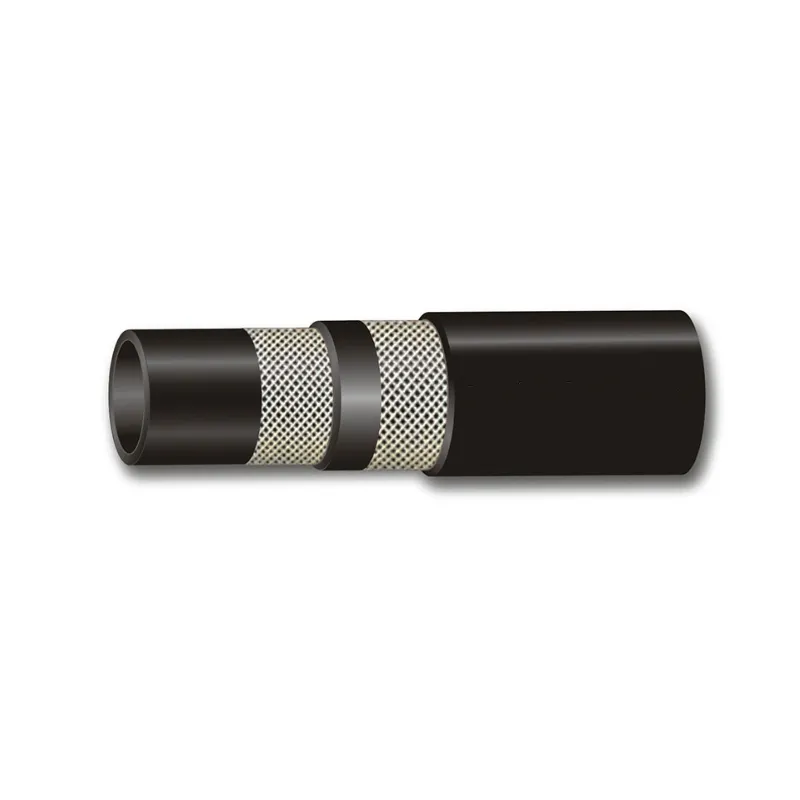
- Materials: NBR tube for oil resistance; high-tenacity textile yarn; ozone-stable cover compound.
- Methods: Mandrel-built layering, precise braid angle control, steam vulcanization, post-cure trimming.
- Testing: Hydrostatic proof and burst per EN 854; impulse per ISO 6803; dimensional checks per ISO 4671; leakage per ISO 1402; ozone rig 96 h/40°C no cracks (typical lab data).
- Service life: Around 2–5 years in mixed fleets; more with clean oil, proper clamping, and correct bend radius.
- Certifications: EN 854 conformity; RoHS/REACH material declarations on request.

Where it shines (and what customers say)
Applications: return lines, suction/lube lines (check spec), machine tools, forklifts, compact construction equipment, agricultural sprayers, light industrial power packs. One forklift fleet in Ningbo cut downtime 23% after standardizing 2TE return lines—installer noted the softer bend radius made changing a hydraulic hose “a five‑minute job, not a fight.” Another case: a quarry crew swapped wire-braid returns for 3TE on a loader; fewer cover scuffs, same day payback in labor.
Vendor snapshot (because price isn’t everything)
| Vendor | Lead Time | Cert/Test | Customization | Typical Price Index |
|---|---|---|---|---|
| JYhose (EN854 1TE/2TE/3TE) | ≈ 10–20 days | EN 854; ISO 6803 impulse; material REACH | Colors, branding, cut lengths, kits | 100 |
| Vendor A | ≈ 15–30 days | EN 854 basic | Limited colors | 95–110 |
| Vendor B | Stock-dependent | EN 854; partial impulse | Custom wrap only | 90–105 |
Customization and logistics
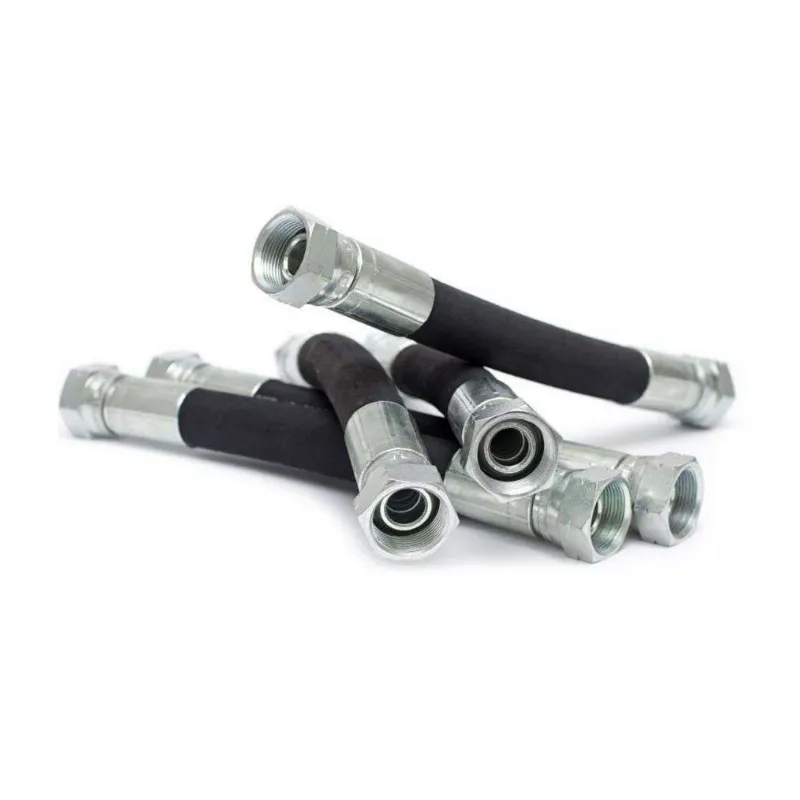
Color-coded covers for line ID, anti-abrasion options, private logos, matched fittings/kitting for service trucks—handy when changing a hydraulic hose offsite. Export docs, pressure test certificates, and batch traceability are available. Origin is clearly labeled: Daowang Town, Guangrao County, Dongying City, Shandong Province 257335.
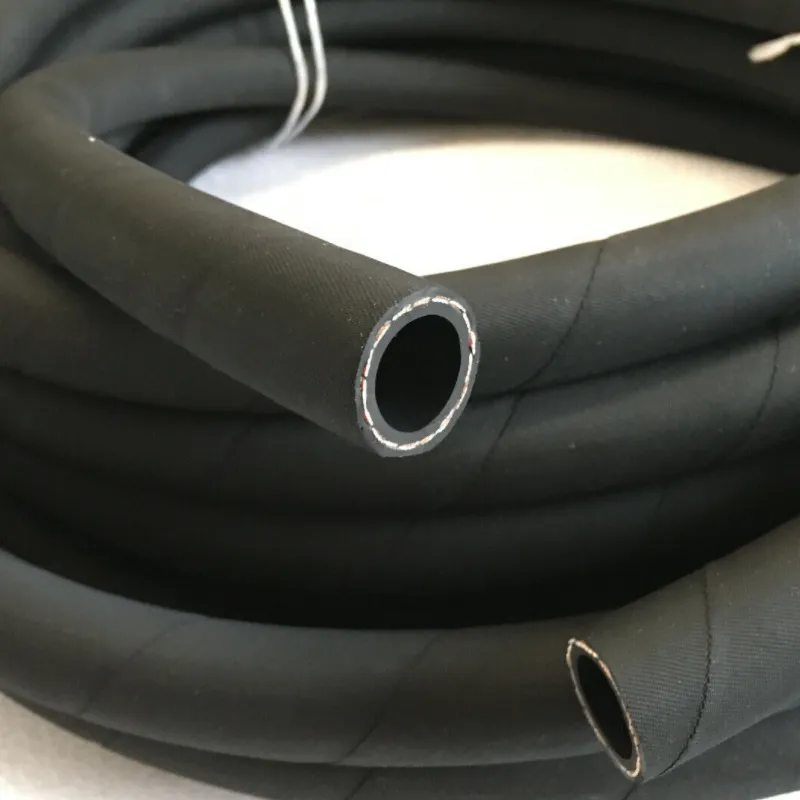
Five-minute field guide: changing a hydraulic hose
- Depressurize the system; lockout/tagout. Clean the area.
- Match spec: type (1TE/2TE/3TE), ID, pressure, temp, fluid compatibility.
- Measure routing; respect minimum bend radius; avoid torsion.
- Use compatible fittings; crimp to spec; gauge crimp diameter.
- Flush assembly; install with proper clamp spacing; avoid rub points.
- Pressure test at proof; check for sweat/leaks; document the swap.
To be honest, half of failures we see come from bend radius abuse and contamination. The hose is rarely the villain.
Citations
- EN 854: Rubber hoses and hose assemblies — Textile-reinforced hydraulic types.
- ISO 6803: Rubber or plastics hoses and hose assemblies — Hydraulic pressure impulse test.
- ISO 1402: Rubber and plastics hoses — Hydrostatic testing.
- ISO 4079: Rubber hoses and hose assemblies — Textile-reinforced hydraulic-type — Specification.
- SAE J517: Hydraulic Hose.
Latest News
Steel Wire Reinforced Hydraulic Hose SAE 100 R1 / EN853 1SN S
NewsOct.17,2024
Two Layers Steel Wire Reinforced Hydraulic Hose SAE 100 R2 / EN853 2SN
NewsSep.03,2024
Textile Braid Reinforced Hydraulic Hose SAE100 R3+R6
NewsSep.03,2024
Textile Reinforced Hydraulic oil Suction Hose with embedded Steel Wire SAE 100 R4
NewsSep.03,2024
Single Wire Braid and Textile Covered Hydraulic Hose SAE 100 R5
NewsSep.03,2024
High Pressure Thermoplastic Hydraulic Hose SAE 100 R7 / EN855 R7 - SAE 100 R8 / EN855 R8
NewsSep.03,2024
Heavy Duty Four-layer Steel Wire Spiral Reinforced Hydraulic Hose SAE100R9+R10+R12
NewsSep.03,2024
Heavy Duty Multi-layer Steel Wire Reinforced Hydraulic Hose SAE100R13 SAE100R15
NewsSep.03,2024
Latest Products
-
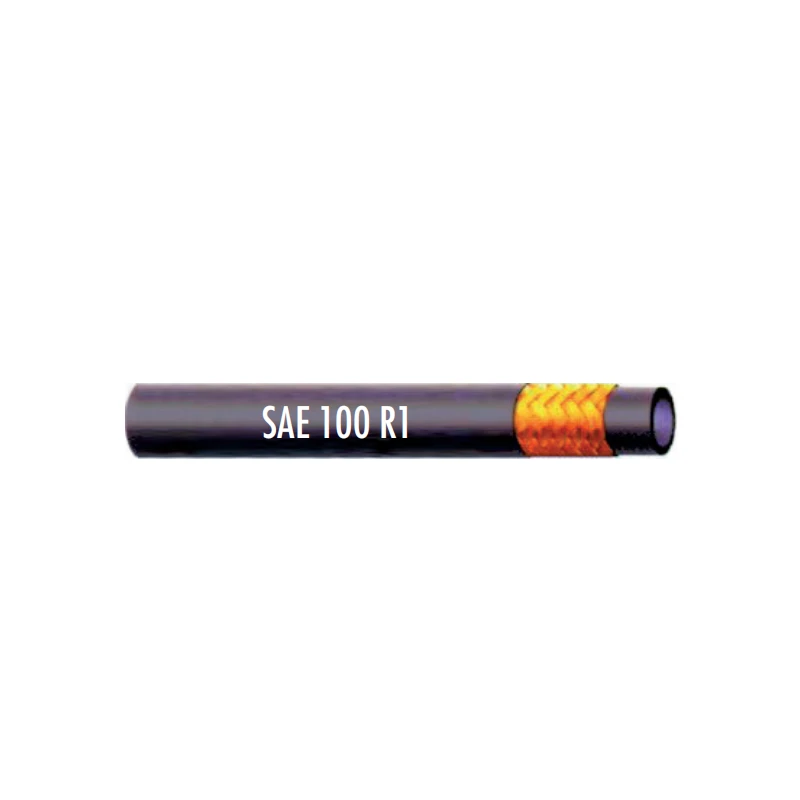
Steel Wire Reinforced Hydraulic Hose SAE 100 R1 / EN853 1SN S
-
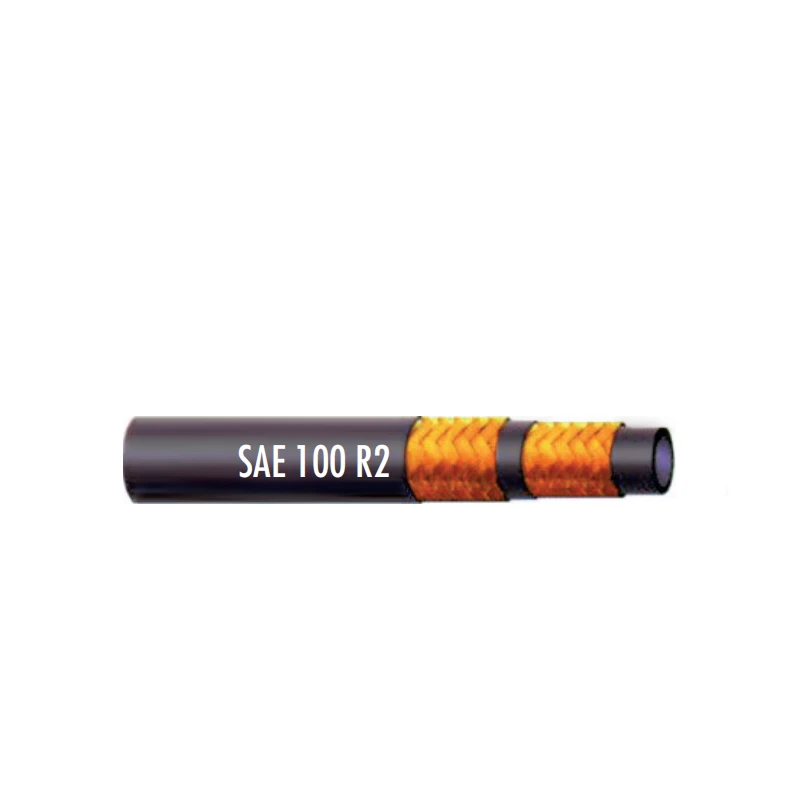
Two Layers Steel Wire Reinforced Hydraulic Hose SAE 100 R2 / EN853 2SN
-
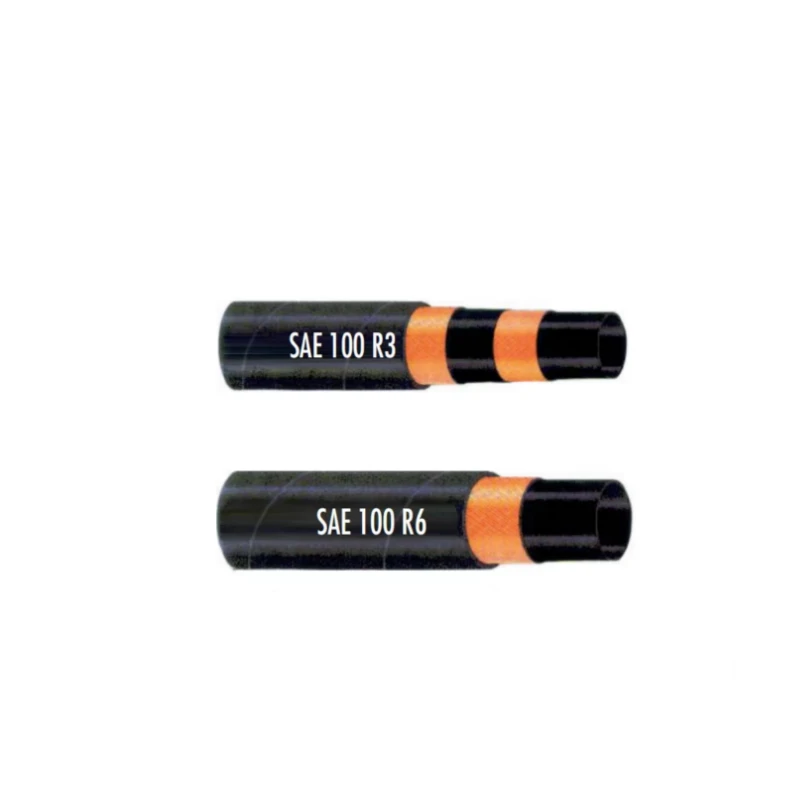
-
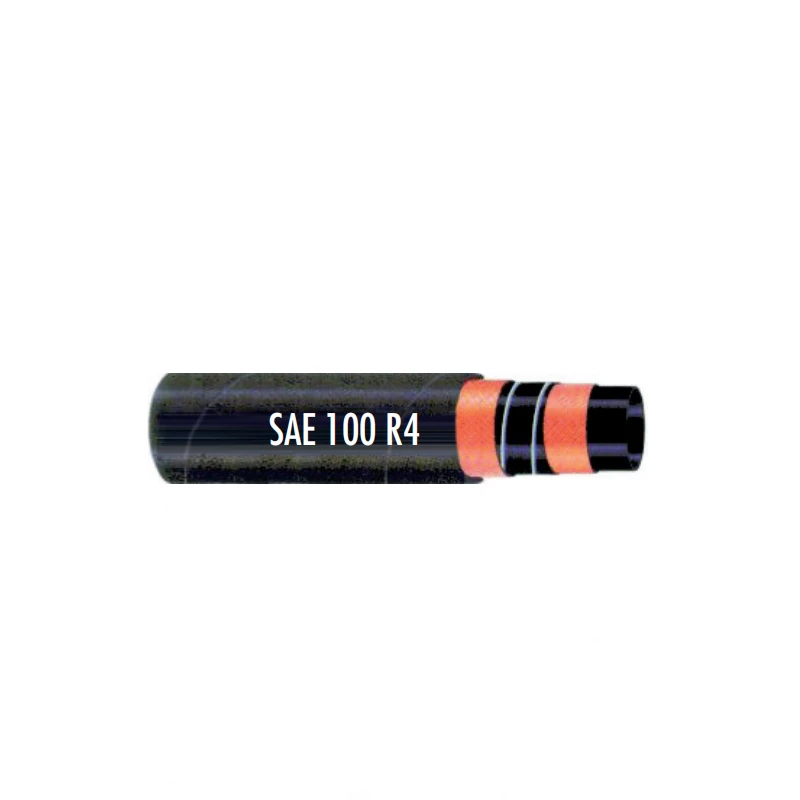
Textile Reinforced Hydraulic oil Suction Hose with embedded Steel Wire SAE 100 R4
-
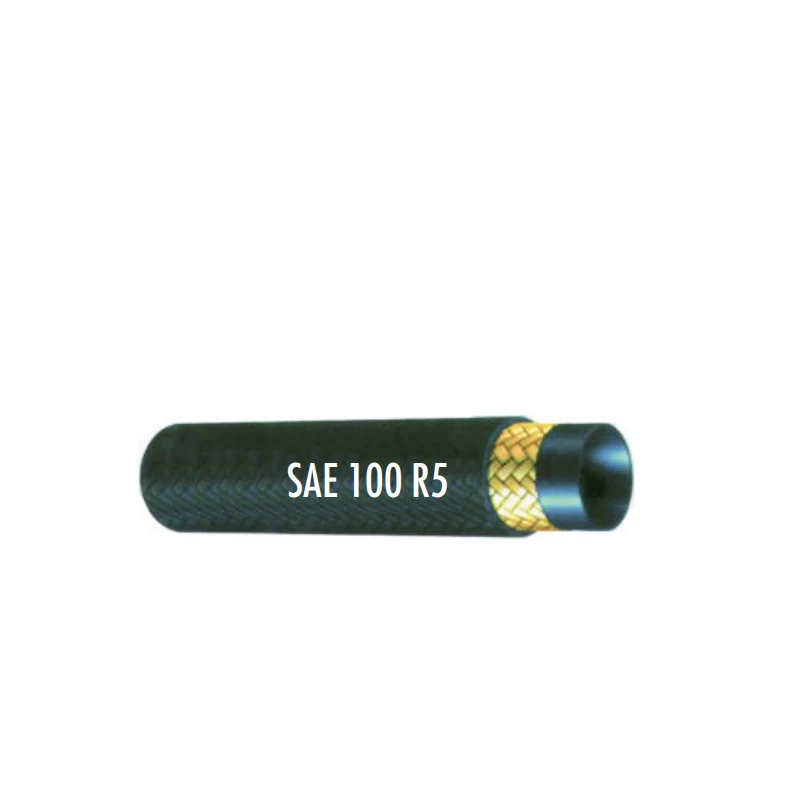
Single Wire Braid and Textile Covered Hydraulic Hose SAE 100 R5
-
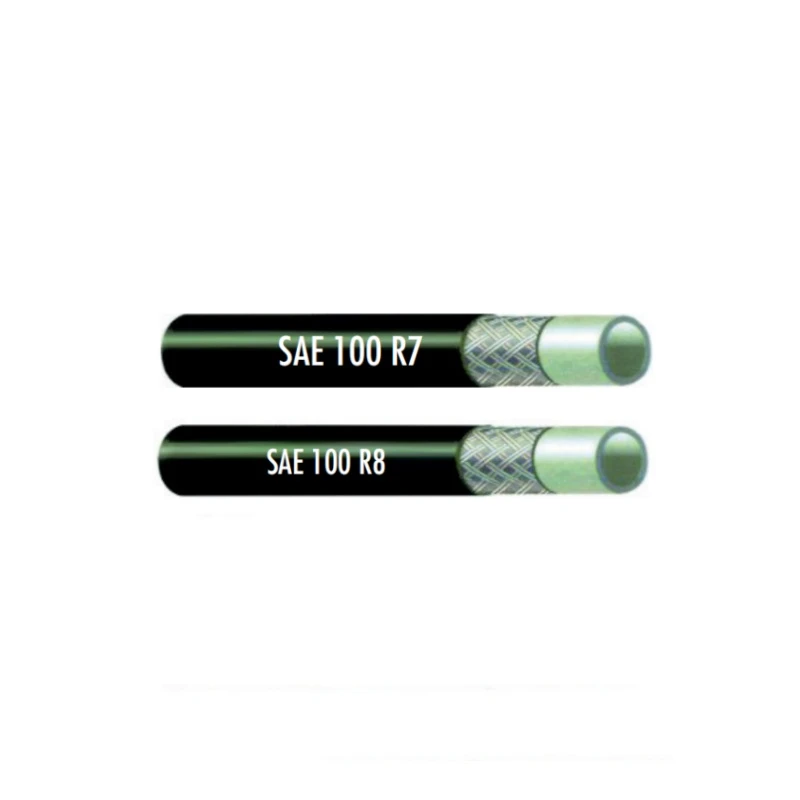
High Pressure Thermoplastic Hydraulic Hose SAE 100 R7 / EN855 R7 - SAE 100 R8 / EN855 R8
-
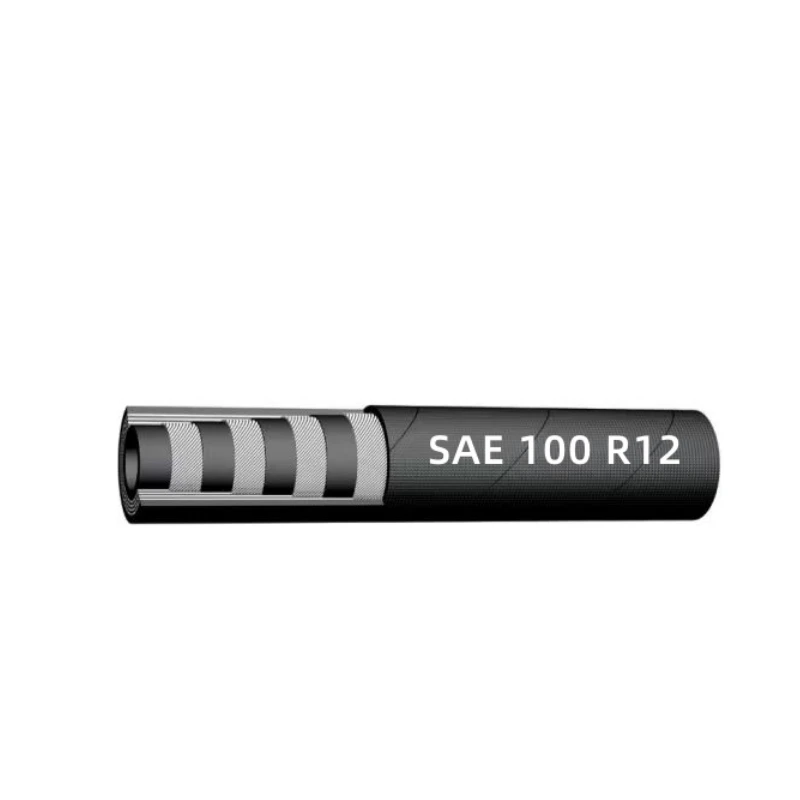
Heavy Duty Four-layer Steel Wire Spiral Reinforced Hydraulic Hose SAE100R9+R10+R12
-
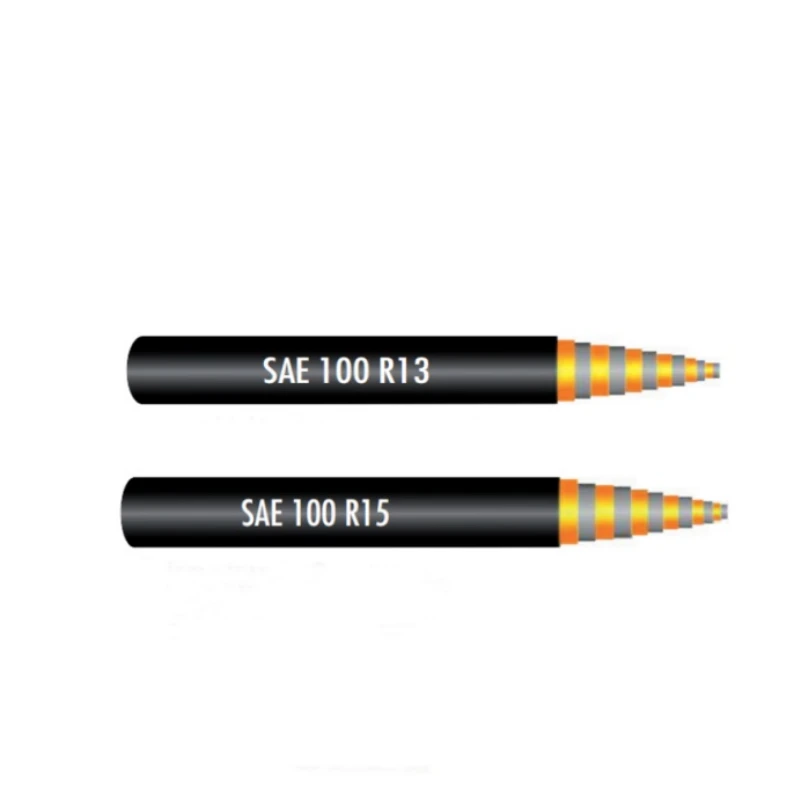
Heavy Duty Multi-layer Steel Wire Reinforced Hydraulic Hose SAE100R13 SAE100R15


