

Sep . 23, 2025 02:05 Back to list
China Flexible Hydraulic Hose: Durable, Flexible, Flame Resistant
Understanding the Modern china flexible hydraulic hose Landscape
The global industrial landscape demands robust and reliable hydraulic solutions, with the china flexible hydraulic hose sector playing a pivotal role. As industries evolve, the need for components that can withstand extreme conditions, offer superior flexibility, and ensure long-term operational integrity becomes paramount. From heavy machinery to chemical processing, the performance of hydraulic systems is directly tied to the quality of their hoses.
This comprehensive guide delves into the intricacies of hydraulic hose technology, focusing on the Polytetrafluoroethylene (PTFE) Lined Hydraulic Hose SAE 100 R14, a prime example of advanced engineering. We will explore industry trends, technical specifications, application scenarios, manufacturing processes, and the factors that contribute to a truly authoritative and trustworthy vendor in this critical market.
Industry Trends and Market Dynamics
The hydraulic hose market is experiencing significant growth driven by infrastructure development, increasing automation in manufacturing, and the rising demand for efficient fluid power systems. Key trends include:
- Adoption of High-Performance Materials: There's a clear shift towards materials like PTFE for enhanced chemical resistance, wider temperature ranges, and longer service life, particularly in demanding environments where a china flame resistant hydraulic hose is crucial.
- Miniaturization and Lightweighting: Industries are seeking compact and lighter hydraulic components to improve fuel efficiency and design flexibility without compromising strength.
- Environmental Regulations: Stricter environmental standards are pushing manufacturers to develop hoses with better leak prevention and compatibility with eco-friendly hydraulic fluids.
- Smart Hoses and IoT Integration: The emergence of "smart" hydraulic hoses with integrated sensors for real-time monitoring of pressure, temperature, and wear is transforming predictive maintenance strategies.
The market for china flexible hydraulic hose is characterized by intense competition, with manufacturers constantly innovating to meet specialized industry needs, including those looking for cheap hydraulic hoses that still maintain a high standard of quality.
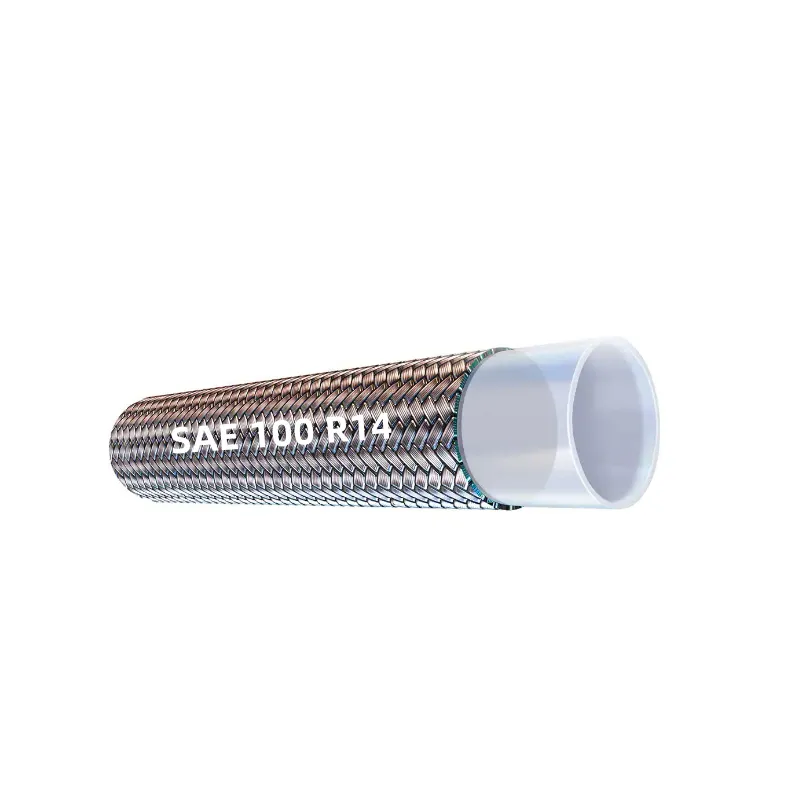
Detailed Manufacturing Process of a china flexible hydraulic hose
The production of a high-quality china flexible hydraulic hose like the PTFE Lined Hydraulic Hose SAE 100 R14 involves a meticulous multi-stage manufacturing process designed to ensure durability, flexibility, and adherence to stringent international standards. Here's a detailed breakdown:
- Material Selection and Preparation:
- Liner (PTFE): High-grade Polytetrafluoroethylene resin is selected for its exceptional chemical inertness, high temperature resistance, and low friction coefficient. It's often processed into a fine powder for extrusion.
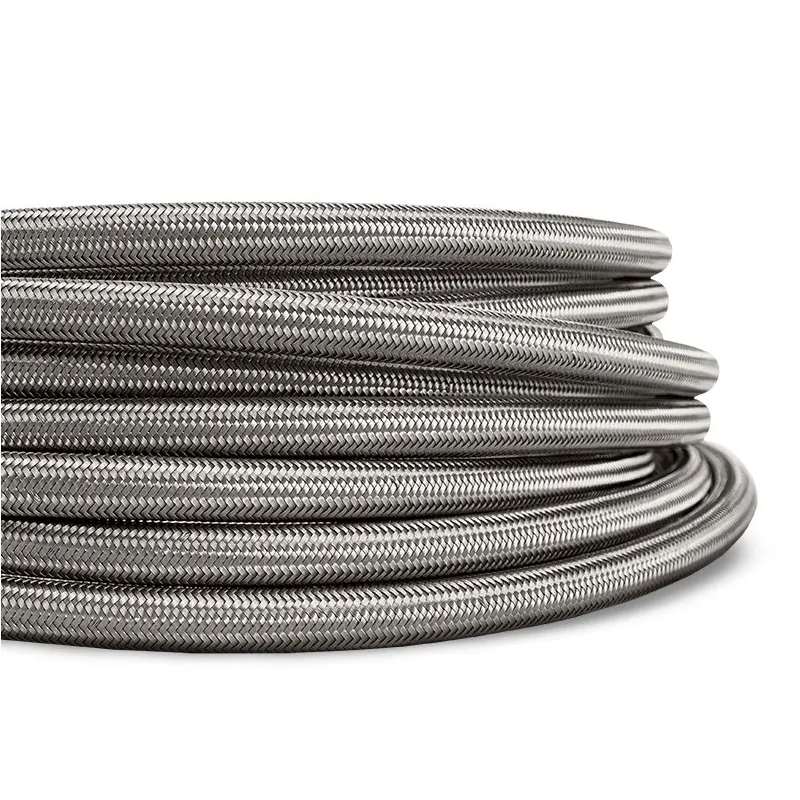
- Reinforcement (Stainless Steel Braid): High-tensile strength 304 or 316 stainless steel wire is chosen for its corrosion resistance and mechanical strength, crucial for pressure containment.
- Outer Cover (Optional, e.g., PVC or Silicone): For applications requiring additional abrasion resistance or specific color coding, suitable polymer compounds are prepared.
- PTFE Liner Extrusion:
The PTFE powder is fed into an extruder, where it's heated and forced through a die to form a continuous, seamless tube. This process requires precise temperature and pressure control to achieve a uniform wall thickness and smooth internal surface. The "paste extrusion" method is commonly used for PTFE, followed by sintering.
- Sintering (for PTFE):
The extruded PTFE tube is then subjected to a high-temperature sintering process. This heat treatment melts and fuses the PTFE particles, creating a solid, non-porous, and chemically resistant liner. Cooling is controlled to prevent internal stress.
- Braiding (Reinforcement Layer):
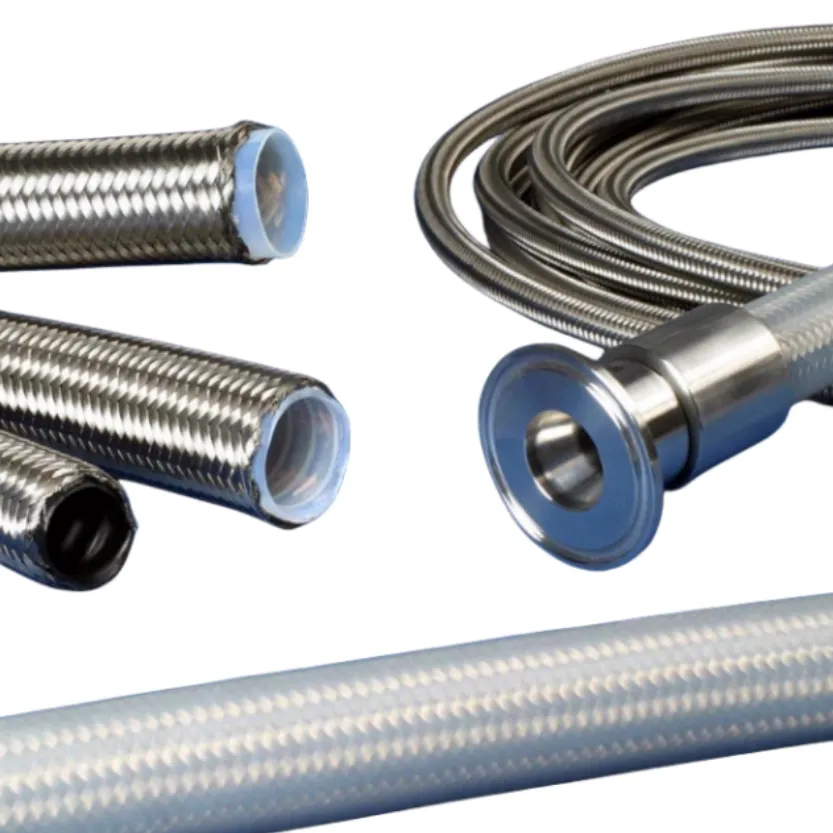
The PTFE liner is moved to a braiding machine. Multiple spools of stainless steel wire are woven helically around the liner, forming a high-strength braid. The braiding angle and tension are critical to determining the hose's pressure rating and flexibility. Single or double braids are common for SAE 100 R14 specifications.
- Outer Cover Application (if applicable):
If an outer cover is required, it is typically extruded over the braided assembly. This layer provides additional protection against abrasion, UV radiation, and environmental factors, further enhancing the hose's service life.
- Curing/Vulcanization (for rubber-based covers):
For hoses with rubber or thermoplastic outer covers, a curing process (vulcanization) might be applied to enhance material properties and bond layers together.
- Cutting and End Fitting Assembly:
The continuous hose is cut to specified lengths. CNC machining is often used to produce precision end fittings. These fittings are then crimped or swaged onto the hose ends using specialized equipment, ensuring a leak-proof and secure connection. Proper technique is vital for preventing issues when changing hydraulic hose or performing maintenance.
- Testing and Quality Control:
Each finished hose assembly undergoes rigorous testing:
- Hydrostatic Proof Test: Hoses are subjected to pressures significantly higher than their rated working pressure to verify integrity (e.g., typically 2x working pressure as per SAE J517).
- Burst Pressure Test: Samples are tested to destruction to confirm burst pressure ratings meet or exceed ISO 1402 standards.
- Impulse Test: Simulates rapid pressure cycling to evaluate fatigue resistance and service life.
- Dimensional Checks: Inner diameter, outer diameter, and length are measured for conformity.
- Leakage Test: Ensures no fluid leakage at fittings or through the hose wall.
- Electrical Conductivity Test: Critical for certain applications where static charge dissipation is required.
- Marking and Packaging:
Hoses are permanently marked with manufacturer identification, hose type, size, pressure rating, and date of manufacture. They are then packaged appropriately for transport, often coiling larger quantities or individually protecting assemblies.
The target industries for such hoses include petrochemical, chemical processing, automotive, pharmaceutical, food and beverage, and general industrial applications where corrosion resistance and temperature extremes are common. Advantages in these scenarios include energy saving through reduced friction loss, and superior corrosion resistance against aggressive media.
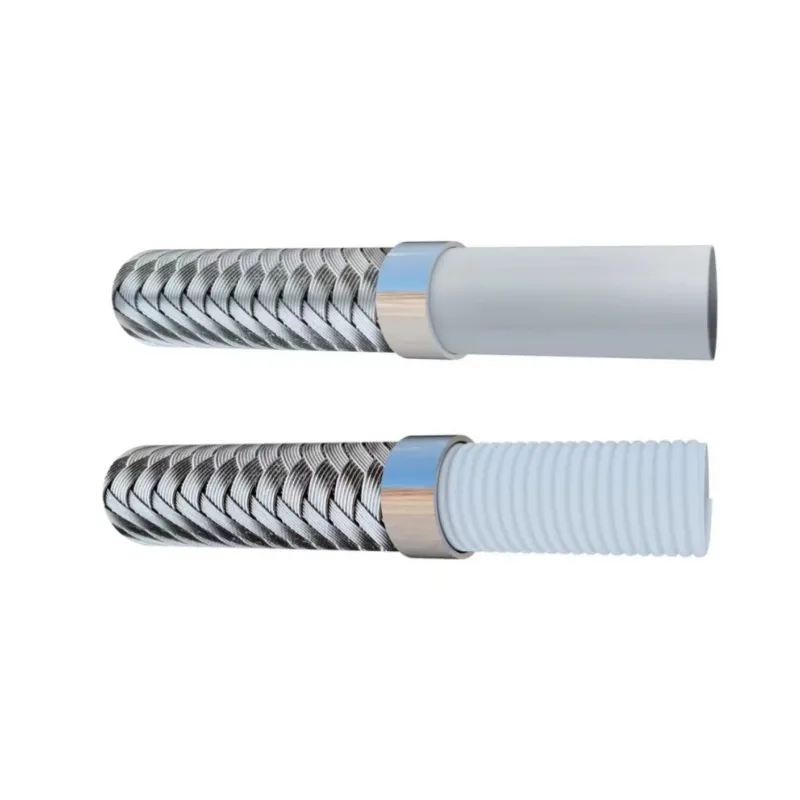
Technical Specifications: PTFE Lined Hydraulic Hose SAE 100 R14
The SAE 100 R14 specification is a benchmark for PTFE-lined hydraulic hoses, known for their exceptional chemical compatibility and temperature range. The core component of a china flexible hydraulic hose meeting this standard is its PTFE inner tube, reinforced by a stainless steel wire braid.
Product Specification Table: PTFE Lined Hydraulic Hose SAE 100 R14
| Parameter | Description/Value |
|---|---|
| Hose Standard | SAE 100 R14 |
| Inner Tube Material | Extruded Polytetrafluoroethylene (PTFE) |
| Reinforcement | Single Braided AISI 304/316 Stainless Steel Wire |
| Temperature Range | -60°C to +260°C (-76°F to +500°F) (Fluid dependent) |
| Max Working Pressure (DN6 / 1/4") | 27.5 MPa (4000 psi) |
| Min Burst Pressure (DN6 / 1/4") | 110 MPa (16000 psi) |
| Min Bend Radius (DN6 / 1/4") | 75 mm (3.0 inches) |
| Typical Applications | Hydraulic systems, chemicals, steam, hot oils, corrosive fluids |
| Fluid Compatibility | Almost all industrial fluids, including acids, bases, solvents, steam, hydraulic oils (refer to specific chemical resistance chart for details) |
These specifications highlight the robust design and material science behind a high-performance china flexible hydraulic hose, ensuring reliable operation even in the most aggressive environments.
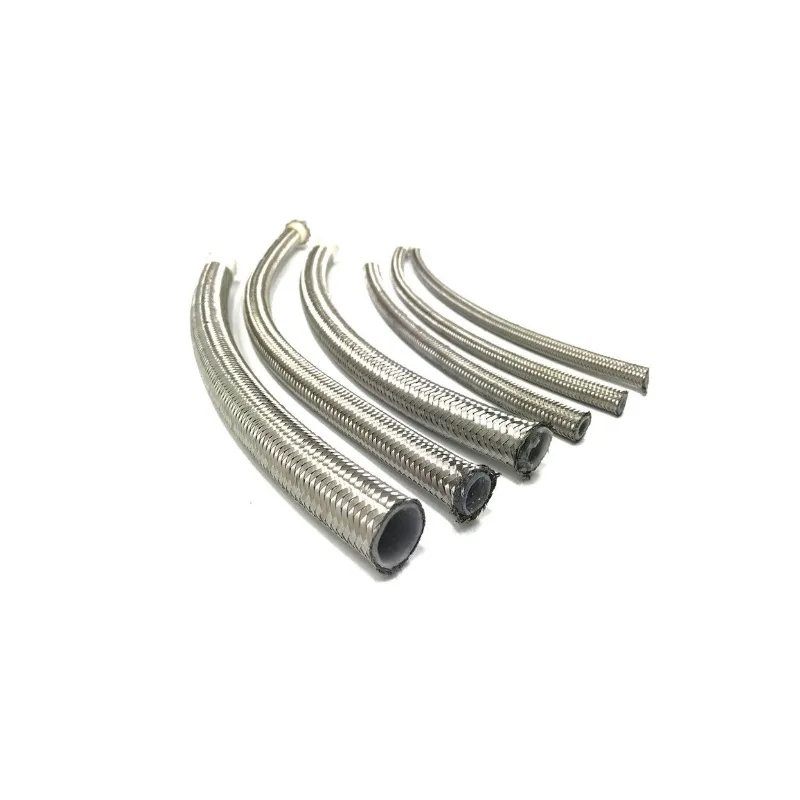
Application Scenarios and Technical Advantages
The versatility of PTFE Lined Hydraulic Hoses makes them indispensable across a wide array of industries. Their unique properties address specific challenges where conventional rubber hoses would fail. These include situations where a china flame resistant hydraulic hose is a mandatory safety requirement.
- Chemical Processing Plants: Transporting highly corrosive acids, bases, and solvents at elevated temperatures. The PTFE liner's inertness prevents degradation and contamination, ensuring process purity and worker safety.
- Petrochemical Industry: Handling aggressive hydrocarbons, steam, and high-temperature fluids in refining and exploration. The wide temperature range and chemical resistance are critical for operational continuity.
- Automotive and Motorsports: Used for brake lines (e.g., china hydraulic brake hose), fuel lines, and power steering systems due to their resistance to brake fluid, gasoline, and high-pressure capabilities, offering superior performance compared to traditional rubber hoses.
- Food and Beverage Industry: Conveying hot oils, steam, and various food-grade liquids. PTFE is FDA-compliant, non-contaminating, and easy to clean, making it ideal for hygienic applications.
- Pharmaceutical Sector: Transferring high-purity chemicals and solvents in sterile environments. The non-leaching and smooth bore of PTFE minimize particle entrapment and ensure product integrity.
- General Industrial Hydraulics: Where extreme temperatures, chemical exposure, or superior abrasion resistance are required, extending the service life and reducing the frequency of changing hydraulic hose.
Technical Advantages:
- Exceptional Chemical Compatibility: PTFE is virtually inert to almost all industrial chemicals, making it suitable for aggressive media where other materials fail.
- Wide Temperature Range: Operates efficiently from cryogenic temperatures up to +260°C, accommodating diverse process conditions.
- Low Coefficient of Friction: The smooth, non-stick inner bore minimizes pressure drops and prevents residue buildup, leading to energy savings and efficient fluid transfer.
- Superior Flexibility: Despite its robustness, the braided design allows for significant flexibility, simplifying installation and routing in complex systems, reducing the effort involved in changing a hydraulic hose.
- Longer Service Life: Resistance to degradation from chemicals, temperature, and UV radiation results in extended operational life, reducing downtime and maintenance costs.
- Non-Aging and Non-Contaminating: PTFE does not degrade over time or leach materials into the fluid, preserving fluid purity.
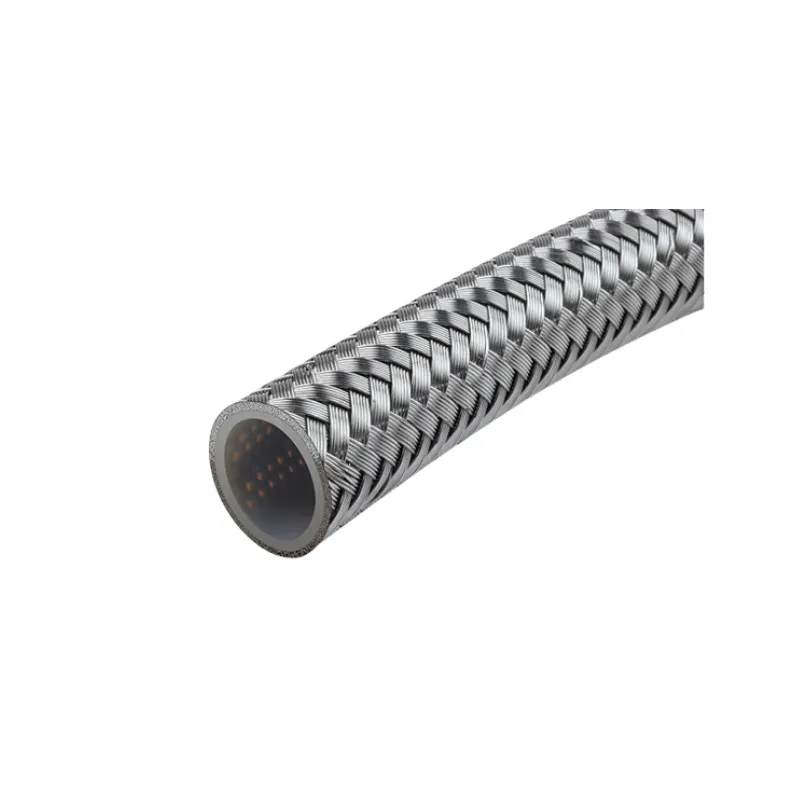
Vendor Comparison and Authoritativeness
Selecting the right vendor for a china flexible hydraulic hose is critical for ensuring product quality, reliability, and long-term cost-effectiveness. A truly authoritative vendor distinguishes itself through rigorous adherence to international standards, transparent data, and demonstrable client satisfaction.
Key Differentiators for Top-Tier Vendors:
- Certifications: Compliance with ISO 9001 (Quality Management), ISO 14001 (Environmental Management), and specific product certifications like SAE J517, ASTM, and FDA for food-grade applications.
- Experience & Expertise: Demonstrated years of service (e.g., 20+ years in hydraulic hose manufacturing) and specialized technical knowledge in PTFE extrusion and braiding.
- Test Data & Validation: Provision of comprehensive test reports (hydrostatic, burst, impulse, chemical compatibility) for each product batch, ensuring verifiable performance.
- Partner Clientele: A strong portfolio of long-term partnerships with leading companies in petrochemical, pharmaceutical, and heavy industries.
- R&D Investment: Commitment to continuous innovation in material science and manufacturing processes to meet evolving industry demands, including developing more durable or cheap hydraulic hose options without sacrificing safety.
Comparative Performance Data (Illustrative):
| Feature | PTFE (SAE 100 R14) | Standard Rubber (SAE 100 R1) |
|---|---|---|
| Temperature Range | -60°C to +260°C | -40°C to +100°C |
| Chemical Resistance | Excellent (acids, bases, solvents) | Good (hydraulic oils), Limited (chemicals) |
| Flexibility (Min. Bend Radius) | Very Good | Good |
| Friction Coefficient | Very Low (0.05-0.10) | Higher (0.2-0.4) |
| Service Life (under harsh conditions) | Extended (3-5x rubber) | Standard |
| Permeability | Extremely Low | Moderate |
This comparison underscores the superior performance characteristics of PTFE hoses, justifying their investment in specialized applications and reducing the frequency of changing hydraulic hoses.
Customized Solutions and Application Case Studies
Recognizing that off-the-shelf solutions may not always suffice, leading manufacturers of china flexible hydraulic hose offer extensive customization options. This includes specific bore sizes, unique braiding patterns for optimized flexibility or pressure, specialized outer covers (e.g., anti-static, colored, high-abrasion resistant), and custom end fittings.
- Bore Size and Length: Tailored to specific flow rates and system layouts.
- Reinforcement Layers: Single, double, or even triple braiding for specific pressure requirements and enhanced durability.
- Outer Jacketing: Options like silicone, PVC, or polyurethane for enhanced environmental protection, UV resistance, or thermal insulation.
- End Fitting Materials and Types: Custom fittings in various materials (e.g., stainless steel, brass) and configurations (JIC, NPT, Metric, Flange) to ensure seamless integration with existing systems.
Case Study 1: Petrochemical Refinery Upgrade
A major petrochemical refinery in the Middle East faced recurring failures with conventional rubber hydraulic hoses in their high-temperature steam and caustic soda lines. The corrosive environment and constant heat were leading to frequent hose replacements and operational downtime. Our solution involved supplying custom-length PTFE Lined Hydraulic Hoses (SAE 100 R14 equivalent) with a specialized anti-static PTFE liner and double stainless steel braiding. The new hoses demonstrated superior resistance to the aggressive chemicals and sustained temperatures up to 220°C. This resulted in a 75% reduction in hose replacement frequency over 2 years, significant cost savings, and improved safety by eliminating potential leaks from degraded rubber.
Case Study 2: Pharmaceutical Cleanroom Application
A leading pharmaceutical manufacturer required flexible connections for transferring high-purity solvents in a sterile cleanroom environment. Traditional hoses posed a risk of contamination and particulate shedding. We provided custom-fabricated china flexible hydraulic hose assemblies with virgin PTFE liners, polished stainless steel braids, and crimped FDA-compliant hygienic fittings. The non-stick, inert PTFE inner bore ensured zero contamination of sensitive pharmaceutical products and facilitated easy sanitization, meeting stringent regulatory requirements and improving process yield.
Trustworthiness: FAQ, Lead Time, Warranty & Support
Frequently Asked Questions (FAQ)
- Q: What makes PTFE hoses superior to rubber hoses for certain applications?
- A: PTFE hoses offer superior chemical resistance, wider operating temperature ranges, lower friction coefficients, and longer service life, particularly in environments with aggressive fluids, high heat, or where a china flame resistant hydraulic hose is necessary. While the initial cost may be higher, the total cost of ownership is often lower due to reduced maintenance and replacement needs.
- Q: How do I select the correct hydraulic hose size and type?
- A: Proper selection involves considering STAMPED criteria: Size (ID, OD, length), Temperature (fluid and ambient), Application (type of equipment, environment), Media (fluid compatibility), Pressure (working and burst), End fittings (type and material), and Delivery (flow rate). Consulting with our technical team is recommended for complex applications.
- Q: Is it difficult to perform changing hydraulic hoses or fittings?
- A: While the physical process of changing a hydraulic hose can be straightforward with the right tools, it is crucial to follow safety protocols, depressurize the system, and ensure correct fitting selection and torque. Improper installation can lead to leaks and system failure. Professional guidance or training is advised.
Lead Time and Fulfillment Details
We maintain a robust inventory of standard PTFE Lined Hydraulic Hoses and components to ensure prompt fulfillment. For custom orders, lead times typically range from 2 to 4 weeks, depending on the complexity and volume. Expedited manufacturing and shipping options are available upon request to meet urgent project deadlines. Our logistics team works diligently to ensure timely and secure global delivery, reducing project delays.
Warranty Commitments
All our china flexible hydraulic hose products, including the PTFE Lined Hydraulic Hose SAE 100 R14, come with a comprehensive 12-month warranty against manufacturing defects from the date of purchase. This commitment reflects our confidence in the quality and durability of our products, backed by rigorous quality control and adherence to international standards like ISO 9001. Extended warranty options are available for specific projects or long-term partnerships.
Customer Support Information
Our dedicated customer support team and technical engineers are available to assist with product selection, technical inquiries, installation guidance, and troubleshooting. We offer:
- 24/7 Online Technical Support
- On-site Consultation and Training
- Comprehensive After-Sales Service and Maintenance Guides
- Global Network of Service Partners
References
- SAE International. "SAE J517: Hydraulic Hose." SAE Standards, 2023.
- ISO 1402: Rubber and plastics hoses and hose assemblies — Hydrostatic testing. International Organization for Standardization, 2018.
- ASM International. "Materials Properties Handbook: Polymeric Materials." ASM Handbook, Volume 21, 2000.
- U.S. Food and Drug Administration. "Title 21 CFR Part 177: Indirect Food Additives: Polymers." FDA Regulations, 2023.
- Hydraulic Institute. "Hydraulic System Efficiency: Best Practices and Optimization." Hydraulic Institute Standards, 2021.
Latest News
Steel Wire Reinforced Hydraulic Hose SAE 100 R1 / EN853 1SN S
NewsOct.17,2024
Two Layers Steel Wire Reinforced Hydraulic Hose SAE 100 R2 / EN853 2SN
NewsSep.03,2024
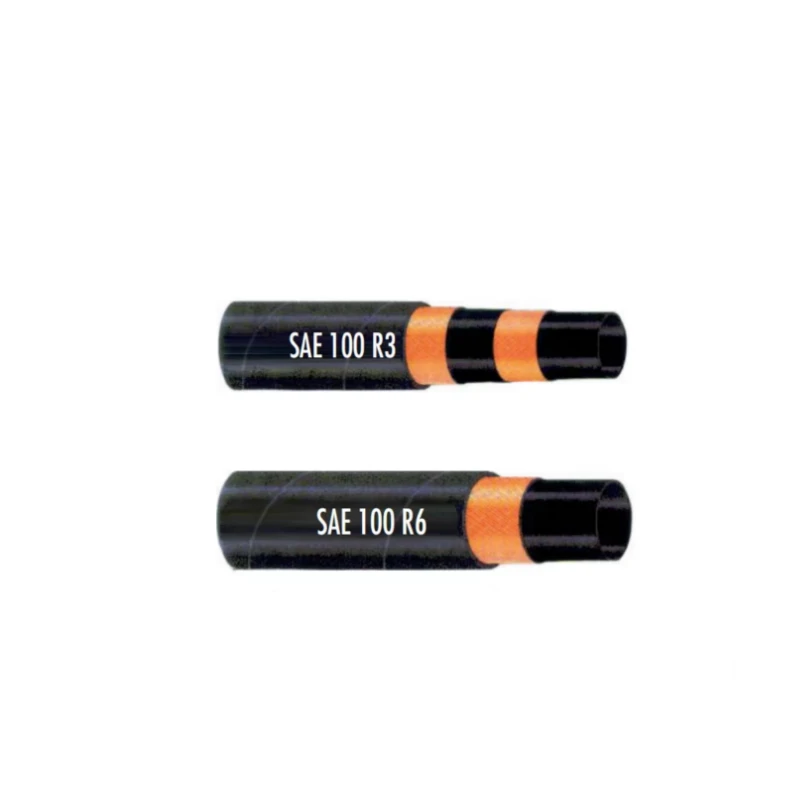
Textile Braid Reinforced Hydraulic Hose SAE100 R3+R6
NewsSep.03,2024
Textile Reinforced Hydraulic oil Suction Hose with embedded Steel Wire SAE 100 R4
NewsSep.03,2024
Single Wire Braid and Textile Covered Hydraulic Hose SAE 100 R5
NewsSep.03,2024
High Pressure Thermoplastic Hydraulic Hose SAE 100 R7 / EN855 R7 - SAE 100 R8 / EN855 R8
NewsSep.03,2024
Heavy Duty Four-layer Steel Wire Spiral Reinforced Hydraulic Hose SAE100R9+R10+R12
NewsSep.03,2024
Heavy Duty Multi-layer Steel Wire Reinforced Hydraulic Hose SAE100R13 SAE100R15
NewsSep.03,2024
Latest Products
-
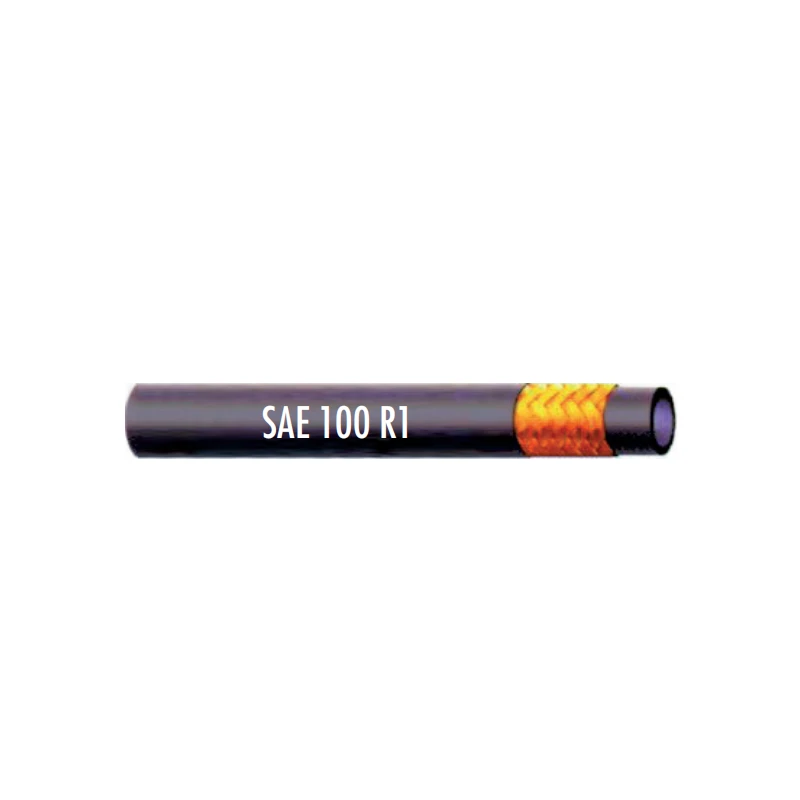
Steel Wire Reinforced Hydraulic Hose SAE 100 R1 / EN853 1SN S
-
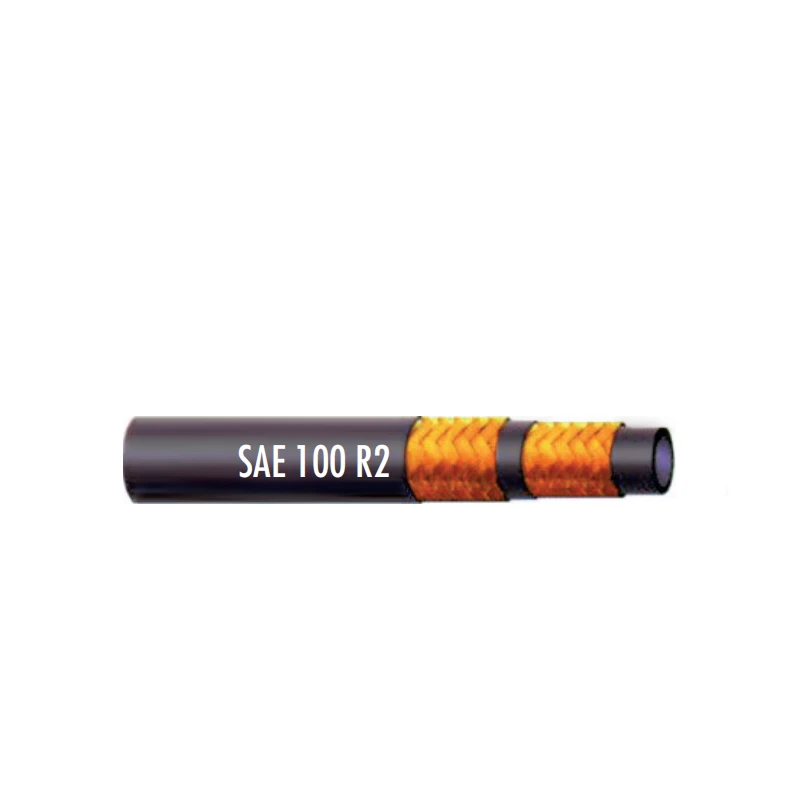
Two Layers Steel Wire Reinforced Hydraulic Hose SAE 100 R2 / EN853 2SN
-
-
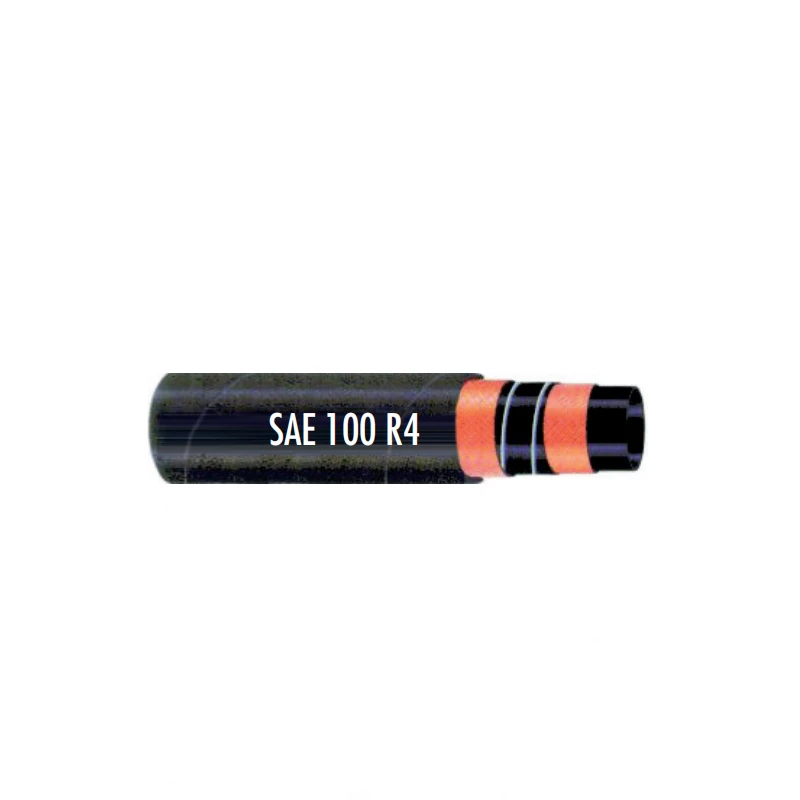
Textile Reinforced Hydraulic oil Suction Hose with embedded Steel Wire SAE 100 R4
-
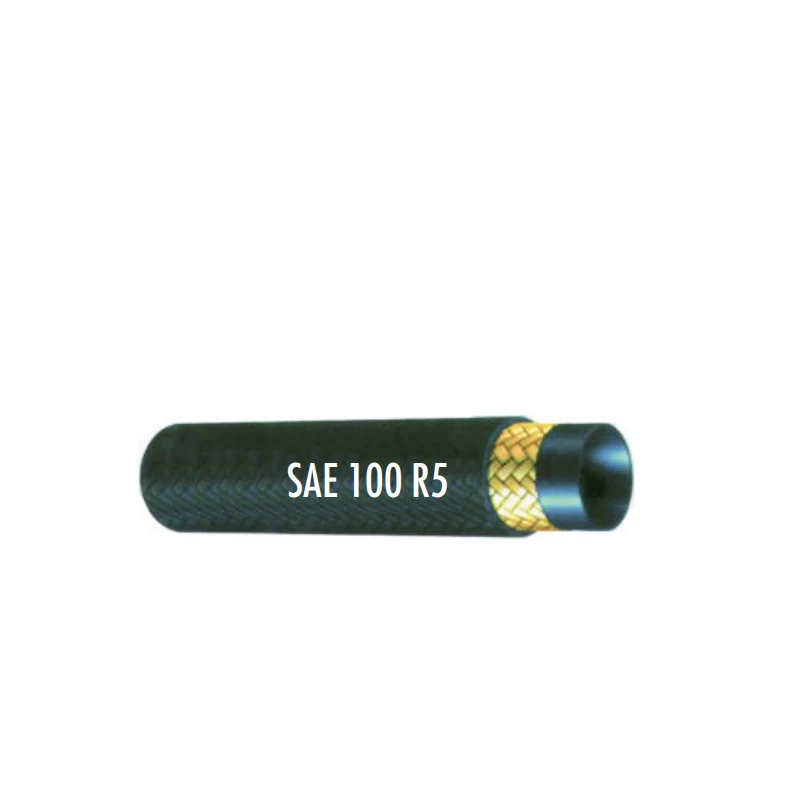
Single Wire Braid and Textile Covered Hydraulic Hose SAE 100 R5
-
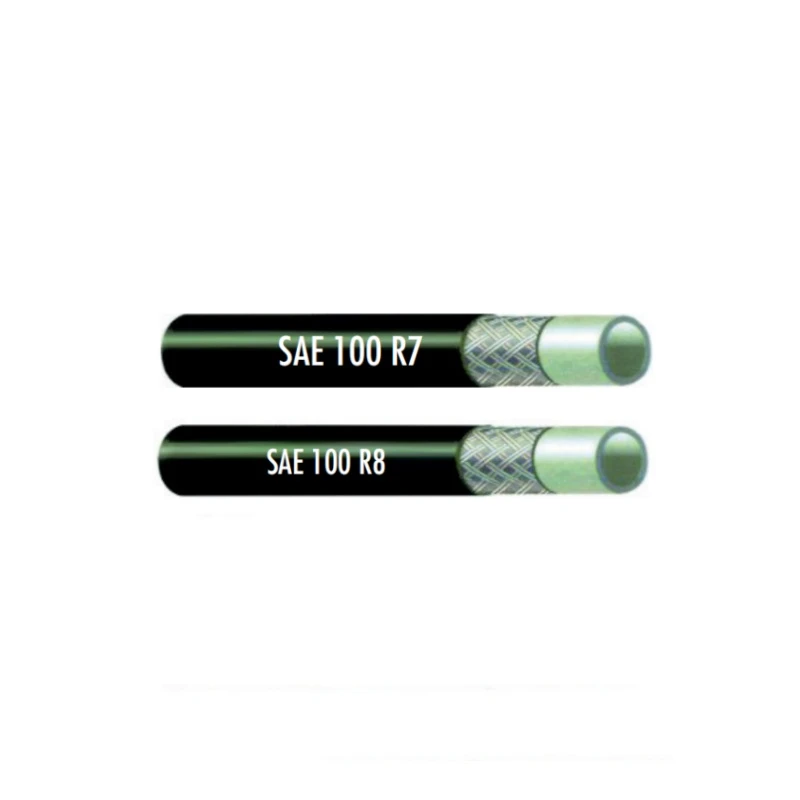
High Pressure Thermoplastic Hydraulic Hose SAE 100 R7 / EN855 R7 - SAE 100 R8 / EN855 R8
-
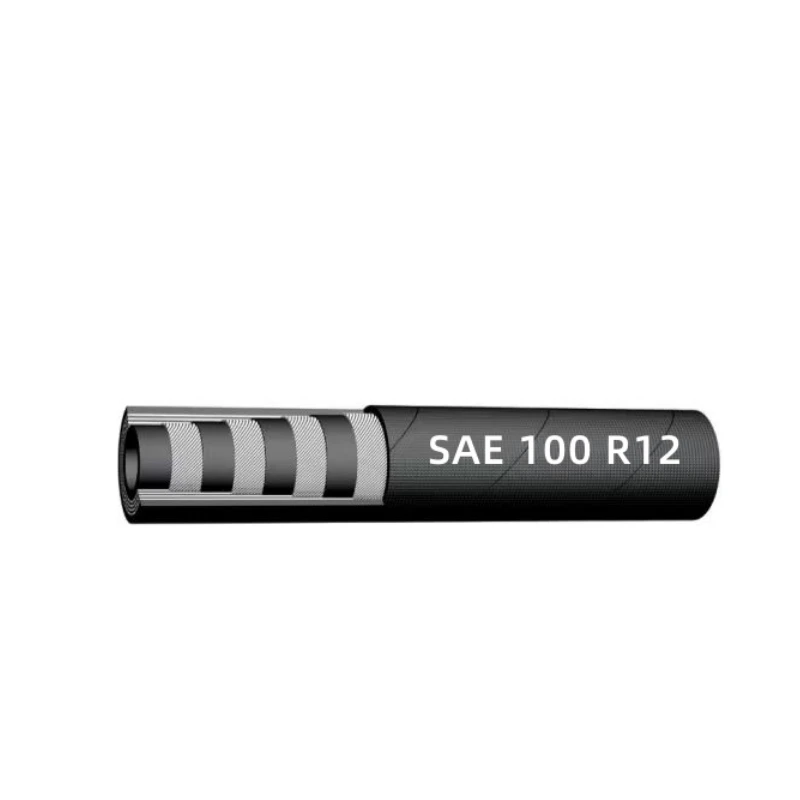
Heavy Duty Four-layer Steel Wire Spiral Reinforced Hydraulic Hose SAE100R9+R10+R12
-
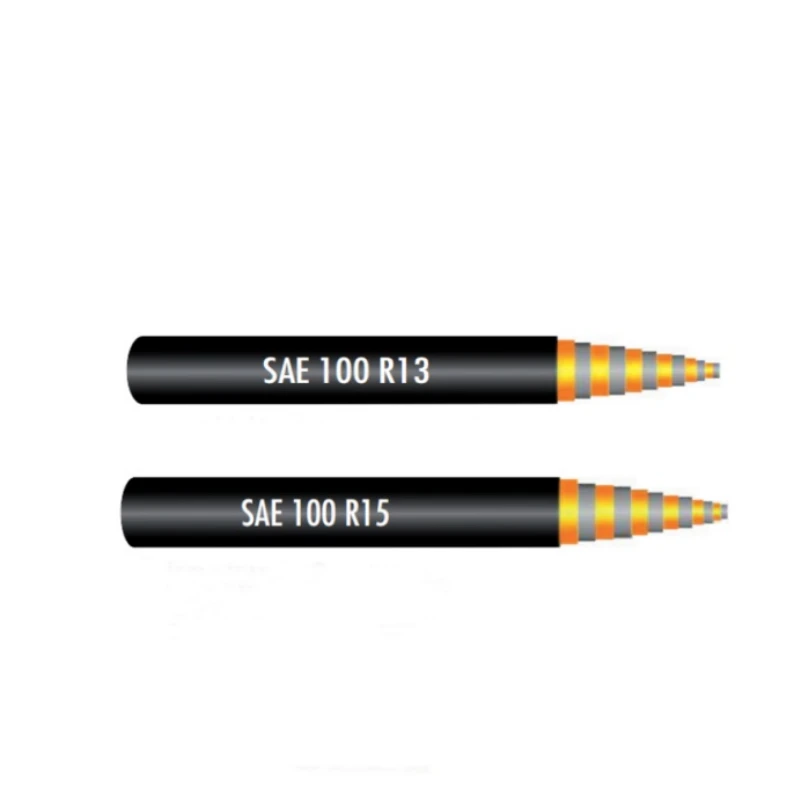
Heavy Duty Multi-layer Steel Wire Reinforced Hydraulic Hose SAE100R13 SAE100R15
Sep . 08, 2025 16:39 Back to list
China Flexible Hydraulic Hose: Durable, Flexible, Flame Resistant
Understanding the Modern china flexible hydraulic hose Landscape
The global industrial landscape demands robust and reliable hydraulic solutions, with the china flexible hydraulic hose sector playing a pivotal role. As industries evolve, the need for components that can withstand extreme conditions, offer superior flexibility, and ensure long-term operational integrity becomes paramount. From heavy machinery to chemical processing, the performance of hydraulic systems is directly tied to the quality of their hoses.
This comprehensive guide delves into the intricacies of hydraulic hose technology, focusing on the Polytetrafluoroethylene (PTFE) Lined Hydraulic Hose SAE 100 R14, a prime example of advanced engineering. We will explore industry trends, technical specifications, application scenarios, manufacturing processes, and the factors that contribute to a truly authoritative and trustworthy vendor in this critical market.
Industry Trends and Market Dynamics
The hydraulic hose market is experiencing significant growth driven by infrastructure development, increasing automation in manufacturing, and the rising demand for efficient fluid power systems. Key trends include:
- Adoption of High-Performance Materials: There's a clear shift towards materials like PTFE for enhanced chemical resistance, wider temperature ranges, and longer service life, particularly in demanding environments where a china flame resistant hydraulic hose is crucial.
- Miniaturization and Lightweighting: Industries are seeking compact and lighter hydraulic components to improve fuel efficiency and design flexibility without compromising strength.
- Environmental Regulations: Stricter environmental standards are pushing manufacturers to develop hoses with better leak prevention and compatibility with eco-friendly hydraulic fluids.
- Smart Hoses and IoT Integration: The emergence of "smart" hydraulic hoses with integrated sensors for real-time monitoring of pressure, temperature, and wear is transforming predictive maintenance strategies.
The market for china flexible hydraulic hose is characterized by intense competition, with manufacturers constantly innovating to meet specialized industry needs, including those looking for cheap hydraulic hoses that still maintain a high standard of quality.
Detailed Manufacturing Process of a china flexible hydraulic hose
The production of a high-quality china flexible hydraulic hose like the PTFE Lined Hydraulic Hose SAE 100 R14 involves a meticulous multi-stage manufacturing process designed to ensure durability, flexibility, and adherence to stringent international standards. Here's a detailed breakdown:
- Material Selection and Preparation:
- Liner (PTFE): High-grade Polytetrafluoroethylene resin is selected for its exceptional chemical inertness, high temperature resistance, and low friction coefficient. It's often processed into a fine powder for extrusion.
- Reinforcement (Stainless Steel Braid): High-tensile strength 304 or 316 stainless steel wire is chosen for its corrosion resistance and mechanical strength, crucial for pressure containment.
- Outer Cover (Optional, e.g., PVC or Silicone): For applications requiring additional abrasion resistance or specific color coding, suitable polymer compounds are prepared.
- PTFE Liner Extrusion:
The PTFE powder is fed into an extruder, where it's heated and forced through a die to form a continuous, seamless tube. This process requires precise temperature and pressure control to achieve a uniform wall thickness and smooth internal surface. The "paste extrusion" method is commonly used for PTFE, followed by sintering.
- Sintering (for PTFE):
The extruded PTFE tube is then subjected to a high-temperature sintering process. This heat treatment melts and fuses the PTFE particles, creating a solid, non-porous, and chemically resistant liner. Cooling is controlled to prevent internal stress.
- Braiding (Reinforcement Layer):
The PTFE liner is moved to a braiding machine. Multiple spools of stainless steel wire are woven helically around the liner, forming a high-strength braid. The braiding angle and tension are critical to determining the hose's pressure rating and flexibility. Single or double braids are common for SAE 100 R14 specifications.
- Outer Cover Application (if applicable):
If an outer cover is required, it is typically extruded over the braided assembly. This layer provides additional protection against abrasion, UV radiation, and environmental factors, further enhancing the hose's service life.
- Curing/Vulcanization (for rubber-based covers):
For hoses with rubber or thermoplastic outer covers, a curing process (vulcanization) might be applied to enhance material properties and bond layers together.
- Cutting and End Fitting Assembly:
The continuous hose is cut to specified lengths. CNC machining is often used to produce precision end fittings. These fittings are then crimped or swaged onto the hose ends using specialized equipment, ensuring a leak-proof and secure connection. Proper technique is vital for preventing issues when changing hydraulic hose or performing maintenance.
- Testing and Quality Control:
Each finished hose assembly undergoes rigorous testing:
- Hydrostatic Proof Test: Hoses are subjected to pressures significantly higher than their rated working pressure to verify integrity (e.g., typically 2x working pressure as per SAE J517).
- Burst Pressure Test: Samples are tested to destruction to confirm burst pressure ratings meet or exceed ISO 1402 standards.
- Impulse Test: Simulates rapid pressure cycling to evaluate fatigue resistance and service life.
- Dimensional Checks: Inner diameter, outer diameter, and length are measured for conformity.
- Leakage Test: Ensures no fluid leakage at fittings or through the hose wall.
- Electrical Conductivity Test: Critical for certain applications where static charge dissipation is required.
- Marking and Packaging:
Hoses are permanently marked with manufacturer identification, hose type, size, pressure rating, and date of manufacture. They are then packaged appropriately for transport, often coiling larger quantities or individually protecting assemblies.
The target industries for such hoses include petrochemical, chemical processing, automotive, pharmaceutical, food and beverage, and general industrial applications where corrosion resistance and temperature extremes are common. Advantages in these scenarios include energy saving through reduced friction loss, and superior corrosion resistance against aggressive media.
Technical Specifications: PTFE Lined Hydraulic Hose SAE 100 R14
The SAE 100 R14 specification is a benchmark for PTFE-lined hydraulic hoses, known for their exceptional chemical compatibility and temperature range. The core component of a china flexible hydraulic hose meeting this standard is its PTFE inner tube, reinforced by a stainless steel wire braid.
Product Specification Table: PTFE Lined Hydraulic Hose SAE 100 R14
| Parameter | Description/Value |
|---|---|
| Hose Standard | SAE 100 R14 |
| Inner Tube Material | Extruded Polytetrafluoroethylene (PTFE) |
| Reinforcement | Single Braided AISI 304/316 Stainless Steel Wire |
| Temperature Range | -60°C to +260°C (-76°F to +500°F) (Fluid dependent) |
| Max Working Pressure (DN6 / 1/4") | 27.5 MPa (4000 psi) |
| Min Burst Pressure (DN6 / 1/4") | 110 MPa (16000 psi) |
| Min Bend Radius (DN6 / 1/4") | 75 mm (3.0 inches) |
| Typical Applications | Hydraulic systems, chemicals, steam, hot oils, corrosive fluids |
| Fluid Compatibility | Almost all industrial fluids, including acids, bases, solvents, steam, hydraulic oils (refer to specific chemical resistance chart for details) |
These specifications highlight the robust design and material science behind a high-performance china flexible hydraulic hose, ensuring reliable operation even in the most aggressive environments.
Application Scenarios and Technical Advantages
The versatility of PTFE Lined Hydraulic Hoses makes them indispensable across a wide array of industries. Their unique properties address specific challenges where conventional rubber hoses would fail. These include situations where a china flame resistant hydraulic hose is a mandatory safety requirement.
- Chemical Processing Plants: Transporting highly corrosive acids, bases, and solvents at elevated temperatures. The PTFE liner's inertness prevents degradation and contamination, ensuring process purity and worker safety.
- Petrochemical Industry: Handling aggressive hydrocarbons, steam, and high-temperature fluids in refining and exploration. The wide temperature range and chemical resistance are critical for operational continuity.
- Automotive and Motorsports: Used for brake lines (e.g., china hydraulic brake hose), fuel lines, and power steering systems due to their resistance to brake fluid, gasoline, and high-pressure capabilities, offering superior performance compared to traditional rubber hoses.
- Food and Beverage Industry: Conveying hot oils, steam, and various food-grade liquids. PTFE is FDA-compliant, non-contaminating, and easy to clean, making it ideal for hygienic applications.
- Pharmaceutical Sector: Transferring high-purity chemicals and solvents in sterile environments. The non-leaching and smooth bore of PTFE minimize particle entrapment and ensure product integrity.
- General Industrial Hydraulics: Where extreme temperatures, chemical exposure, or superior abrasion resistance are required, extending the service life and reducing the frequency of changing hydraulic hose.
Technical Advantages:
- Exceptional Chemical Compatibility: PTFE is virtually inert to almost all industrial chemicals, making it suitable for aggressive media where other materials fail.
- Wide Temperature Range: Operates efficiently from cryogenic temperatures up to +260°C, accommodating diverse process conditions.
- Low Coefficient of Friction: The smooth, non-stick inner bore minimizes pressure drops and prevents residue buildup, leading to energy savings and efficient fluid transfer.
- Superior Flexibility: Despite its robustness, the braided design allows for significant flexibility, simplifying installation and routing in complex systems, reducing the effort involved in changing a hydraulic hose.
- Longer Service Life: Resistance to degradation from chemicals, temperature, and UV radiation results in extended operational life, reducing downtime and maintenance costs.
- Non-Aging and Non-Contaminating: PTFE does not degrade over time or leach materials into the fluid, preserving fluid purity.
Vendor Comparison and Authoritativeness
Selecting the right vendor for a china flexible hydraulic hose is critical for ensuring product quality, reliability, and long-term cost-effectiveness. A truly authoritative vendor distinguishes itself through rigorous adherence to international standards, transparent data, and demonstrable client satisfaction.
Key Differentiators for Top-Tier Vendors:
- Certifications: Compliance with ISO 9001 (Quality Management), ISO 14001 (Environmental Management), and specific product certifications like SAE J517, ASTM, and FDA for food-grade applications.
- Experience & Expertise: Demonstrated years of service (e.g., 20+ years in hydraulic hose manufacturing) and specialized technical knowledge in PTFE extrusion and braiding.
- Test Data & Validation: Provision of comprehensive test reports (hydrostatic, burst, impulse, chemical compatibility) for each product batch, ensuring verifiable performance.
- Partner Clientele: A strong portfolio of long-term partnerships with leading companies in petrochemical, pharmaceutical, and heavy industries.
- R&D Investment: Commitment to continuous innovation in material science and manufacturing processes to meet evolving industry demands, including developing more durable or cheap hydraulic hose options without sacrificing safety.
Comparative Performance Data (Illustrative):
| Feature | PTFE (SAE 100 R14) | Standard Rubber (SAE 100 R1) |
|---|---|---|
| Temperature Range | -60°C to +260°C | -40°C to +100°C |
| Chemical Resistance | Excellent (acids, bases, solvents) | Good (hydraulic oils), Limited (chemicals) |
| Flexibility (Min. Bend Radius) | Very Good | Good |
| Friction Coefficient | Very Low (0.05-0.10) | Higher (0.2-0.4) |
| Service Life (under harsh conditions) | Extended (3-5x rubber) | Standard |
| Permeability | Extremely Low | Moderate |
This comparison underscores the superior performance characteristics of PTFE hoses, justifying their investment in specialized applications and reducing the frequency of changing hydraulic hoses.
Customized Solutions and Application Case Studies
Recognizing that off-the-shelf solutions may not always suffice, leading manufacturers of china flexible hydraulic hose offer extensive customization options. This includes specific bore sizes, unique braiding patterns for optimized flexibility or pressure, specialized outer covers (e.g., anti-static, colored, high-abrasion resistant), and custom end fittings.
- Bore Size and Length: Tailored to specific flow rates and system layouts.
- Reinforcement Layers: Single, double, or even triple braiding for specific pressure requirements and enhanced durability.
- Outer Jacketing: Options like silicone, PVC, or polyurethane for enhanced environmental protection, UV resistance, or thermal insulation.
- End Fitting Materials and Types: Custom fittings in various materials (e.g., stainless steel, brass) and configurations (JIC, NPT, Metric, Flange) to ensure seamless integration with existing systems.
Case Study 1: Petrochemical Refinery Upgrade
A major petrochemical refinery in the Middle East faced recurring failures with conventional rubber hydraulic hoses in their high-temperature steam and caustic soda lines. The corrosive environment and constant heat were leading to frequent hose replacements and operational downtime. Our solution involved supplying custom-length PTFE Lined Hydraulic Hoses (SAE 100 R14 equivalent) with a specialized anti-static PTFE liner and double stainless steel braiding. The new hoses demonstrated superior resistance to the aggressive chemicals and sustained temperatures up to 220°C. This resulted in a 75% reduction in hose replacement frequency over 2 years, significant cost savings, and improved safety by eliminating potential leaks from degraded rubber.
Case Study 2: Pharmaceutical Cleanroom Application
A leading pharmaceutical manufacturer required flexible connections for transferring high-purity solvents in a sterile cleanroom environment. Traditional hoses posed a risk of contamination and particulate shedding. We provided custom-fabricated china flexible hydraulic hose assemblies with virgin PTFE liners, polished stainless steel braids, and crimped FDA-compliant hygienic fittings. The non-stick, inert PTFE inner bore ensured zero contamination of sensitive pharmaceutical products and facilitated easy sanitization, meeting stringent regulatory requirements and improving process yield.
Trustworthiness: FAQ, Lead Time, Warranty & Support
Frequently Asked Questions (FAQ)
- Q: What makes PTFE hoses superior to rubber hoses for certain applications?
- A: PTFE hoses offer superior chemical resistance, wider operating temperature ranges, lower friction coefficients, and longer service life, particularly in environments with aggressive fluids, high heat, or where a china flame resistant hydraulic hose is necessary. While the initial cost may be higher, the total cost of ownership is often lower due to reduced maintenance and replacement needs.
- Q: How do I select the correct hydraulic hose size and type?
- A: Proper selection involves considering STAMPED criteria: Size (ID, OD, length), Temperature (fluid and ambient), Application (type of equipment, environment), Media (fluid compatibility), Pressure (working and burst), End fittings (type and material), and Delivery (flow rate). Consulting with our technical team is recommended for complex applications.
- Q: Is it difficult to perform changing hydraulic hoses or fittings?
- A: While the physical process of changing a hydraulic hose can be straightforward with the right tools, it is crucial to follow safety protocols, depressurize the system, and ensure correct fitting selection and torque. Improper installation can lead to leaks and system failure. Professional guidance or training is advised.
Lead Time and Fulfillment Details
We maintain a robust inventory of standard PTFE Lined Hydraulic Hoses and components to ensure prompt fulfillment. For custom orders, lead times typically range from 2 to 4 weeks, depending on the complexity and volume. Expedited manufacturing and shipping options are available upon request to meet urgent project deadlines. Our logistics team works diligently to ensure timely and secure global delivery, reducing project delays.
Warranty Commitments
All our china flexible hydraulic hose products, including the PTFE Lined Hydraulic Hose SAE 100 R14, come with a comprehensive 12-month warranty against manufacturing defects from the date of purchase. This commitment reflects our confidence in the quality and durability of our products, backed by rigorous quality control and adherence to international standards like ISO 9001. Extended warranty options are available for specific projects or long-term partnerships.
Customer Support Information
Our dedicated customer support team and technical engineers are available to assist with product selection, technical inquiries, installation guidance, and troubleshooting. We offer:
- 24/7 Online Technical Support
- On-site Consultation and Training
- Comprehensive After-Sales Service and Maintenance Guides
- Global Network of Service Partners
References
- SAE International. "SAE J517: Hydraulic Hose." SAE Standards, 2023.
- ISO 1402: Rubber and plastics hoses and hose assemblies — Hydrostatic testing. International Organization for Standardization, 2018.
- ASM International. "Materials Properties Handbook: Polymeric Materials." ASM Handbook, Volume 21, 2000.
- U.S. Food and Drug Administration. "Title 21 CFR Part 177: Indirect Food Additives: Polymers." FDA Regulations, 2023.
- Hydraulic Institute. "Hydraulic System Efficiency: Best Practices and Optimization." Hydraulic Institute Standards, 2021.
Latest News
Steel Wire Reinforced Hydraulic Hose SAE 100 R1 / EN853 1SN S
NewsOct.17,2024
Two Layers Steel Wire Reinforced Hydraulic Hose SAE 100 R2 / EN853 2SN
NewsSep.03,2024
Textile Braid Reinforced Hydraulic Hose SAE100 R3+R6
NewsSep.03,2024
Textile Reinforced Hydraulic oil Suction Hose with embedded Steel Wire SAE 100 R4
NewsSep.03,2024
Single Wire Braid and Textile Covered Hydraulic Hose SAE 100 R5
NewsSep.03,2024
High Pressure Thermoplastic Hydraulic Hose SAE 100 R7 / EN855 R7 - SAE 100 R8 / EN855 R8
NewsSep.03,2024
Heavy Duty Four-layer Steel Wire Spiral Reinforced Hydraulic Hose SAE100R9+R10+R12
NewsSep.03,2024
Heavy Duty Multi-layer Steel Wire Reinforced Hydraulic Hose SAE100R13 SAE100R15
NewsSep.03,2024
Latest Products
-
Steel Wire Reinforced Hydraulic Hose SAE 100 R1 / EN853 1SN S
-
Two Layers Steel Wire Reinforced Hydraulic Hose SAE 100 R2 / EN853 2SN
-
-
Textile Reinforced Hydraulic oil Suction Hose with embedded Steel Wire SAE 100 R4
-
Single Wire Braid and Textile Covered Hydraulic Hose SAE 100 R5
-
High Pressure Thermoplastic Hydraulic Hose SAE 100 R7 / EN855 R7 - SAE 100 R8 / EN855 R8
-
Heavy Duty Four-layer Steel Wire Spiral Reinforced Hydraulic Hose SAE100R9+R10+R12
-
Heavy Duty Multi-layer Steel Wire Reinforced Hydraulic Hose SAE100R13 SAE100R15


