

Sep . 22, 2025 16:00 Back to list
Composite Hose | Flexible, Safe & Durable Fluid Transfer Solutions
The Advanced Engineering of composite hose for Industrial Applications
In the demanding world of industrial fluid transfer, the selection of appropriate conveyance solutions is paramount to operational safety, efficiency, and environmental compliance. Among the various options, the composite hose stands out as a highly engineered solution designed to meet the complex requirements of transferring aggressive chemicals, hydrocarbons, and other challenging media. Unlike traditional rubber or metallic hoses, its multi-layer construction offers a superior combination of flexibility, chemical resistance, and static dissipation, making it indispensable across numerous sectors.
This article delves into the intricate world of composite flexible hose technology, exploring its manufacturing process, technical advantages, diverse applications, and critical factors for selection. We will examine industry trends, provide detailed technical specifications, and offer insights into customization, quality assurance, and ongoing support, all to inform B2B decision-makers and engineers seeking optimal fluid transfer solutions.
Industry Trends and Market Dynamics for Composite Hoses
The market for composite chemical hose solutions is experiencing steady growth, driven by increasing regulatory scrutiny, the expansion of petrochemical and chemical industries, and a persistent demand for safer, more efficient material transfer methods. Key trends include:
- Enhanced Safety Standards: Stricter international regulations (e.g., ATEX, IMO) are pushing for hoses with improved static dissipation, burst pressure resistance, and fire safety characteristics. This directly benefits the adoption of advanced composite flexible hose designs.
- Material Innovations: Continuous research into new polymer films (e.g., advanced PTFE, specialized polypropylenes) and wire materials (e.g., stainless steel, galvanized steel, aluminum) allows for hoses with broader chemical compatibility and extended service life under extreme conditions.
- Lightweighting: The demand for lighter, easier-to-handle hoses, especially in marine and road tanker applications, favors composite constructions over traditional heavy rubber or metallic alternatives. This enhances operational efficiency and reduces operator fatigue.
- Customization and Specialization: The market is moving towards highly customized solutions, where hoses are tailored for specific chemicals, temperatures, pressures, and environmental conditions. This includes specialized anti-abrasion layers and specific end-fitting configurations.
- Digital Integration: While still nascent, the integration of RFID tags for tracking and maintenance, and sensor technologies for real-time monitoring of hose integrity, represents a future growth area for composite hose pipe applications.
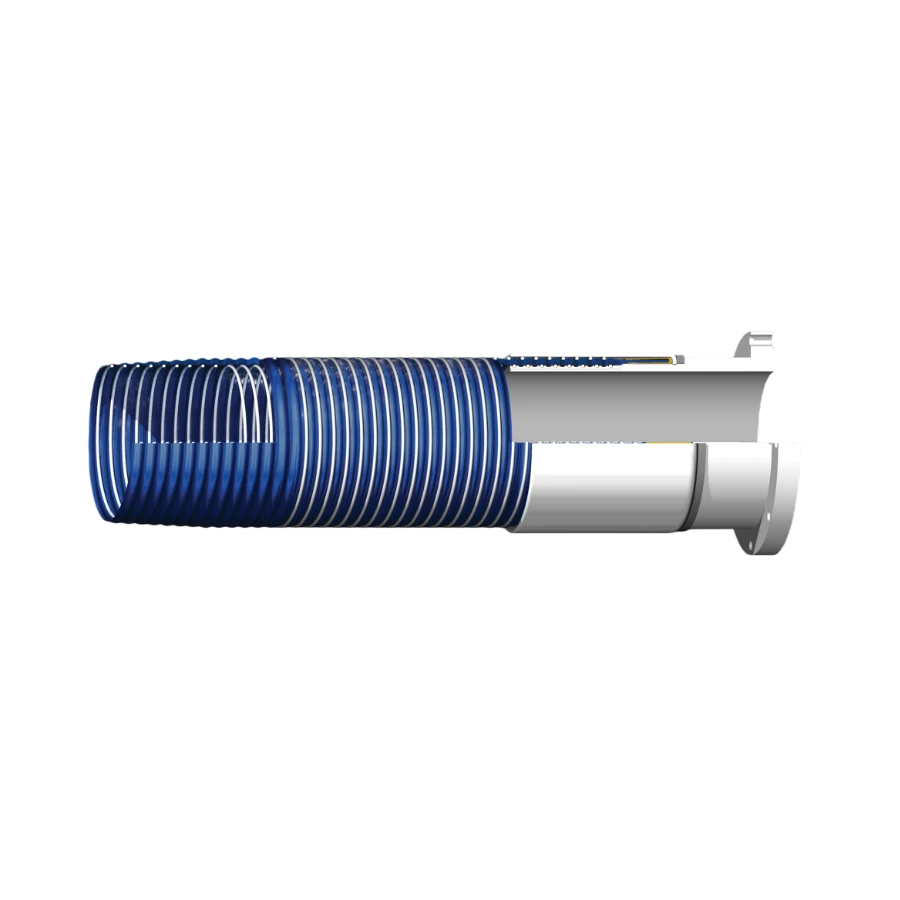
Figure 1: Cross-section illustrating the multi-layer design of a typical composite hose.
Understanding Composite Hose: Technical Specifications
The superior performance of a composite hose stems from its unique multi-layer structure, which is designed to prevent catastrophic failure and ensure long-term reliability. A typical composite hose comprises:
- Inner Wire Helix: Provides structural integrity, crush resistance, and ensures a smooth bore. Materials commonly include galvanized steel, stainless steel (304/316), or aluminum.
- Multiple Film Layers: Comprising various thermoplastic films (e.g., polypropylene, PTFE, polyamide) wound spirally. These layers provide chemical resistance, impermeability, and serve as the primary containment for the transferred fluid. The specific combination of films determines the hose's chemical compatibility and temperature range.
- Fabric Layers: Woven fabric plies, often polyester, provide additional strength and support to the film layers.
- Outer Wire Helix: Similar to the inner wire, this helix provides additional structural support, crush resistance, and protects the external layers. It can be made from the same materials as the inner wire or coated steel for external corrosion resistance.
- Outer Cover: Typically a PVC-impregnated fabric or an abrasion-resistant thermoplastic, offering protection against environmental factors, abrasion, and UV radiation.
Key Performance Parameters:
- Pressure Rating: Ranges typically from 10 bar (150 psi) to 25 bar (375 psi), with specialized versions exceeding 40 bar (600 psi). Burst pressure is usually 4-5 times the working pressure.
- Temperature Range: Dependent on polymer layers, common ranges are -30°C to +100°C (-22°F to +212°F), with specific materials like PTFE allowing for -60°C to +200°C (-76°F to +392°F).
- Chemical Compatibility: Varies significantly based on the internal film layers. Solutions are available for strong acids, alkalis, solvents, petroleum products, and cryogenic gases.
- Electrical Continuity: Many composite hoses are designed with full electrical continuity between end fittings to dissipate static electricity, critical for flammable fluid transfer, meeting standards like EN 13765 Type 3.
- Bending Radius: Significantly tighter than rubber or metallic hoses of similar diameter, enhancing maneuverability and reducing stress during operation.
Table 1: General Product Specifications for a Standard Composite Hose
| Parameter | Typical Range/Value | Notes |
|---|---|---|
| Internal Diameter (ID) | 1" (25mm) to 10" (250mm) | Larger IDs available for specialized applications. |
| Working Pressure (WP) | 10 - 25 bar (150 - 375 psi) | Specific models for higher pressures. |
| Burst Pressure (BP) | ≥ 4x WP | Safety factor as per EN 13765. |
| Temperature Range | -30°C to +100°C (standard) | Up to +200°C for PTFE-lined versions. |
| Vacuum Rating | Full Vacuum (0.9 bar / 27 inHg) | Internal wire helix prevents collapse. |
| Weight (per meter, 4" ID) | Approx. 2.5 - 4.5 kg/m | Significantly lighter than rubber or steel. |
| Standards Compliance | EN 13765, ISO 10380, BS 3492 | Ensures performance and safety. |
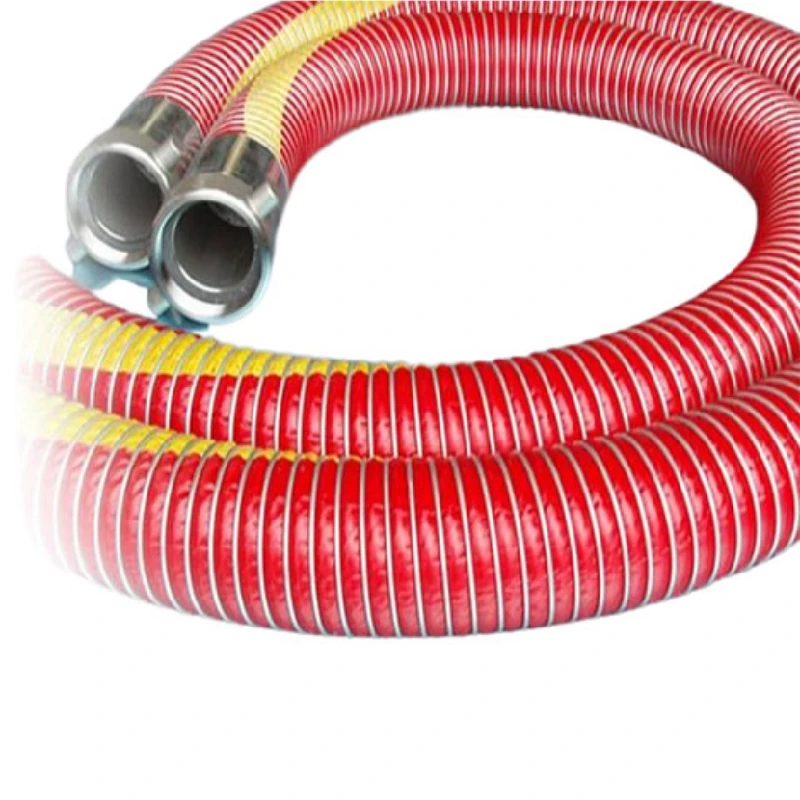
Figure 2: A technician inspecting a newly manufactured composite hose for quality assurance.
Manufacturing Process of Composite Hoses
The production of a high-quality compotec hose is a precise, multi-stage process that emphasizes material selection, controlled winding techniques, and rigorous testing. This intricate manufacturing ensures the hose's ability to withstand harsh industrial conditions. The general process flow is as follows:
- Material Preparation: High-grade thermoplastic films (e.g., polypropylene, polyethylene, PTFE, polyamide) are selected based on the intended chemical compatibility and temperature range. Wire helices (galvanized steel, stainless steel, aluminum) are prepared to specific diameters and tensile strengths. Outer cover fabrics are also prepped.
- Inner Wire Helix Forming: The chosen inner wire is spirally wound around a mandrel to form a rigid, continuous helix. This forms the foundational structure of the composite hose and provides its resistance to vacuum and kinking.
- Multi-Layer Winding: A series of thermoplastic film layers and fabric plies are carefully wound around the inner wire helix in opposing directions. This counter-wound construction is critical for containing the fluid, providing burst strength, and ensuring flexibility. The specific number and type of layers depend on the application (e.g., more PTFE for aggressive chemicals, thicker polypropylene for hydrocarbons). This is a highly specialized process, often involving automated winding machines to ensure uniform tension and overlap.
- Outer Wire Helix Application: The outer wire helix is then spirally wound over the film and fabric layers. This helix provides external protection, additional crush resistance, and contributes to the hose's overall structural integrity. In many designs, it also serves as part of the electrical continuity path.
- Outer Cover Application: An abrasion-resistant and weather-resistant outer cover, typically a PVC-impregnated fabric or a robust thermoplastic, is applied to protect the internal layers from environmental damage, UV radiation, and external abrasion.
- End Fitting Crimping: Once the hose barrel is complete, appropriate end fittings (e.g., camlock, flange, threaded) are attached using specialized crimping machines. This process creates a secure, leak-proof connection that maintains the integrity of the hose assembly. All crimping is done according to established standards to ensure secure mechanical and electrical connections.
- Testing and Quality Assurance: Every composite hose undergoes rigorous testing before dispatch. This typically includes hydraulic pressure testing (proof pressure test to 1.5 times WP), vacuum testing, electrical continuity testing (as per EN 13765 Type 3), and visual inspection for defects. Compliance with international standards such as ISO 10380, EN 13765, and relevant ANSI standards is verified. Service life can extend to 5-10 years or more with proper maintenance, depending on fluid, temperature, and usage frequency.
Target industries benefiting from this robust manufacturing include petrochemical (transferring crude oil, refined products), metallurgy (acid transfer in processing), and chemical manufacturing (diverse chemical fluid handling). The inherent advantages demonstrated in typical application scenarios include superior corrosion resistance due to the diverse polymer linings, and significant energy saving due to lower pumping friction compared to some rigid pipe alternatives for temporary transfer.
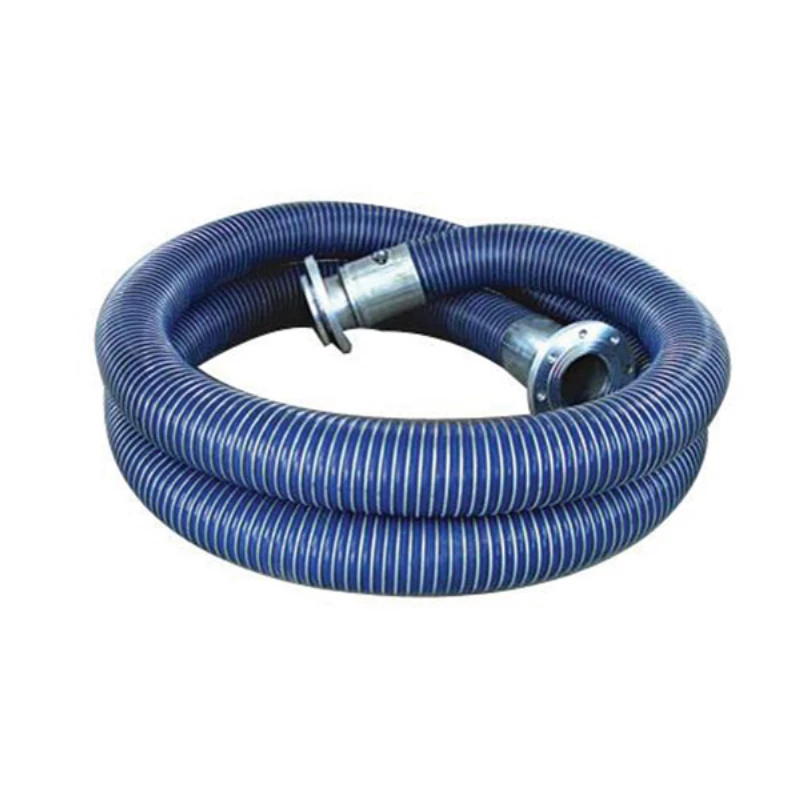
Figure 3: Detailed view of a composite hose end-fitting securely crimped for leak-proof performance.
Key Technical Advantages of Composite Hoses
The sophisticated design and manufacturing of a hose composite confer several distinct advantages over other hose types, making it the preferred choice for critical industrial applications:
- Superior Chemical Resistance: The multi-layer structure allows for the combination of different polymer films, each offering resistance to specific chemical groups. For instance, PTFE layers provide near-universal chemical compatibility, while polypropylene layers are excellent for hydrocarbons. This prevents material degradation and ensures media purity.
- Excellent Flexibility and Lightweight Nature: The spiral-wound construction enables a significantly tighter bending radius compared to rubber or metallic hoses of similar diameter, reducing stress on the hose and increasing ease of handling, particularly in tight spaces. Its lighter weight contributes to reduced operator fatigue and safer manual operations.
- High Pressure and Vacuum Resistance: The robust inner and outer wire helices, combined with the multiple film and fabric layers, provide exceptional resistance to both positive pressure and full vacuum, preventing kinking, collapse, or bursting under various operating conditions.
- Static Dissipation Capabilities: Crucial for transferring flammable liquids and gases, many compotec composite hose variants are designed with full electrical continuity between end fittings. This safely dissipates static charges that can build up during fluid transfer, preventing dangerous sparks.
- Wide Temperature Range: By selecting appropriate polymer films and wire materials, composite hoses can operate reliably across a broad spectrum of temperatures, from cryogenic applications to those involving hot fluids.
- Enhanced Safety: In the event of damage, a composite hose tends to leak rather than rupture catastrophically, providing a warning sign and allowing for controlled shutdown, significantly enhancing operational safety.
- Long Service Life: With proper selection and maintenance, the inherent resistance to fatigue, kinking, and environmental degradation results in an extended operational lifespan, reducing replacement costs and downtime.
Application Scenarios and Case Studies
The versatility and robust performance of the composite hose make it ideal for a vast array of industrial applications where safety, chemical resistance, and flexibility are paramount. Key application areas include:
- Petrochemical Industry: Transfer of crude oil, refined petroleum products (gasoline, diesel, jet fuel), and various hydrocarbons in refineries, tank farms, and bunkering operations.
- Chemical Processing: Safe handling of aggressive acids (sulfuric acid, hydrochloric acid), alkalis, solvents (ketones, aromatics), and other corrosive or hazardous chemicals during loading, unloading, and in-plant transfers.
- Marine and Offshore: Ship-to-shore and ship-to-ship transfer of oil, chemicals, and bunker fuels, where flexibility and resistance to harsh marine environments are crucial.
- Road and Rail Tankers: Efficient and safe loading and unloading of chemical and petroleum products from tanker trucks and rail cars.
- Pharmaceutical and Food & Beverage (Specialized Grades): Ultra-clean composite hoses with FDA-compliant materials are used for transferring sensitive media, ensuring product purity and hygiene.
- Defense and Aviation: Fuel transfer for military applications and aircraft refueling, often requiring specific anti-static and fire-resistant properties.
Application Case Study: Chemical Plant Acid Transfer Enhancement
A leading chemical manufacturer faced recurring issues with premature failure and kinking of traditional rubber hoses used for concentrated sulfuric acid transfer between storage tanks and reaction vessels. The hoses required frequent replacement, leading to costly downtime and increased safety risks due to potential leaks.
After consulting with a specialist supplier, the plant transitioned to a 4-inch chemical composite hose with an advanced PTFE inner lining and stainless steel helices. The results were significant:
- Extended Service Life: The new composite hoses demonstrated exceptional resistance to the concentrated acid, showing no signs of degradation after 24 months, compared to the previous 6-month lifespan of rubber hoses.
- Improved Safety: The inherent "leak-before-break" characteristic of the composite design provided an added layer of safety, preventing sudden ruptures and allowing operators to address issues proactively.
- Enhanced Flexibility: The lightweight and flexible nature of the composite chemical hose significantly improved handling during connection and disconnection, reducing operator strain and the risk of accidental damage.
- Cost Savings: Reduced replacement frequency and minimized downtime translated into substantial operational cost savings for the plant.
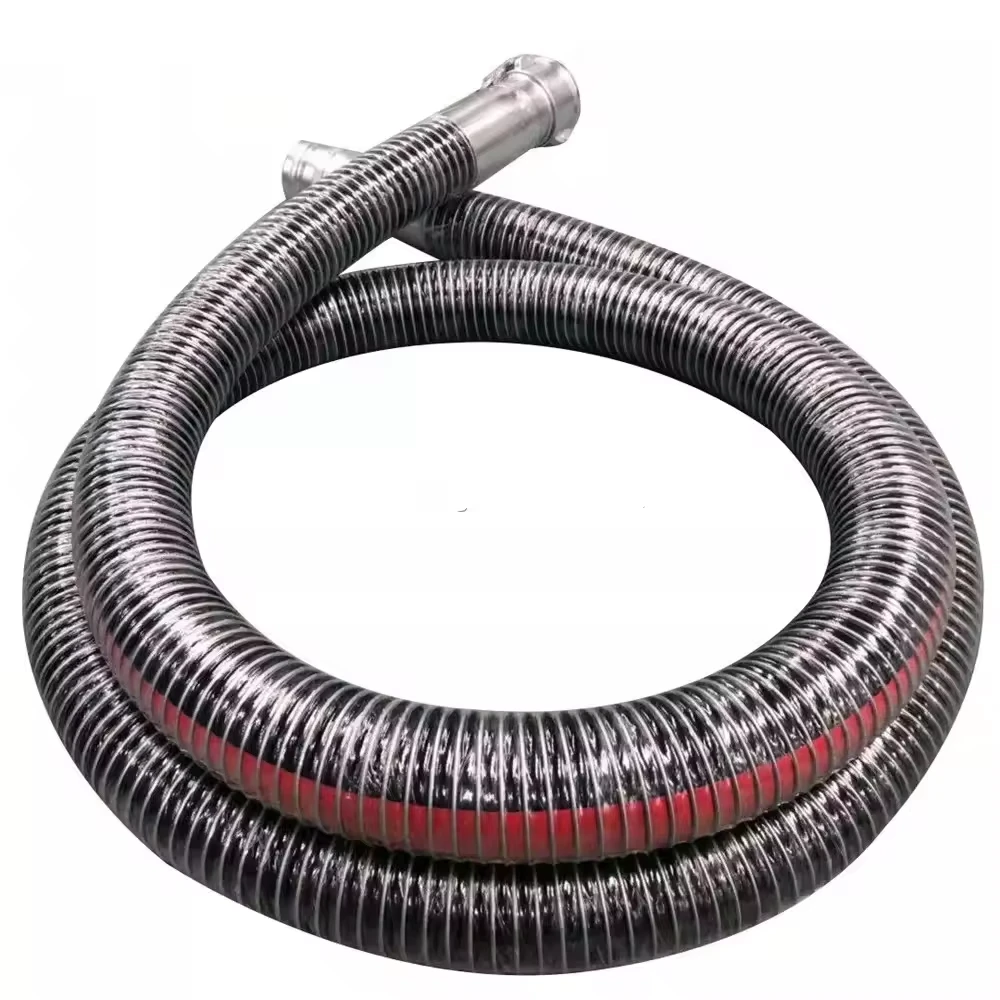
Figure 4: Composite hoses in action during a tanker truck loading operation.
Vendor Comparison and Selection Criteria for Composite Hoses
Choosing the right supplier for composite hoses is as critical as selecting the hose itself. B2B decision-makers must evaluate vendors based on several key criteria to ensure product quality, reliability, and long-term support.
- Certifications and Compliance: Verify adherence to international standards (EN 13765, ISO 10380, BS 3492, ATEX for hazardous environments). Certifications demonstrate commitment to quality and safety.
- Material Expertise: A reputable vendor will have deep knowledge of various polymer films (Polypropylene, PTFE, Polyamide) and wire materials, ensuring optimal chemical compatibility and temperature range for your specific application.
- Manufacturing Quality Control: Inquire about their quality control processes, testing procedures (hydrostatic, vacuum, electrical continuity), and traceability of materials.
- Customization Capabilities: The ability to provide bespoke solutions (specific lengths, diameters, end fittings, and specialized internal liners) is crucial for unique industrial needs.
- Technical Support and Engineering Assistance: A strong vendor offers expert advice on hose selection, installation best practices, and troubleshooting. This support is invaluable throughout the product lifecycle.
- Industry Experience and Reputation: Look for vendors with a proven track record, positive customer feedback, and a long history of serving similar industries. Years of service often correlate with reliability and expertise.
- After-Sales Service and Warranty: Comprehensive warranty policies and readily available spare parts (e.g., end fittings) ensure peace of mind and minimize operational disruptions.
Table 2: Comparative Analysis of Composite Hose Offerings (Illustrative)
| Feature/Vendor | Vendor A (Specialist) | Vendor B (Generalist) | JYHose (Example) |
|---|---|---|---|
| Core Product Focus | High-end chemical/cryogenic hoses | General industrial hoses | Diverse composite hose applications |
| Available Diameters | 2" - 8" | 1" - 6" | 1" - 10"+ (extensive range) |
| Max. Temp Range (PTFE) | -60°C to +200°C | -30°C to +150°C | -60°C to +200°C (with appropriate liners) |
| Certifications | EN 13765, IMO, ATEX | ISO 9001, basic EN 13765 | EN 13765, ISO 10380, BS 3492, ATEX, Type 3 Elec. Continuity |
| Customization | High (specific liners/fittings) | Limited (standard lengths/fittings) | Extensive (full bespoke solutions) |
| Technical Support | Excellent, application-specific | Standard product support | Dedicated engineering, on-site consultation |
| Warranty Period | 18-24 months | 12 months | 18-24 months standard (extended options) |
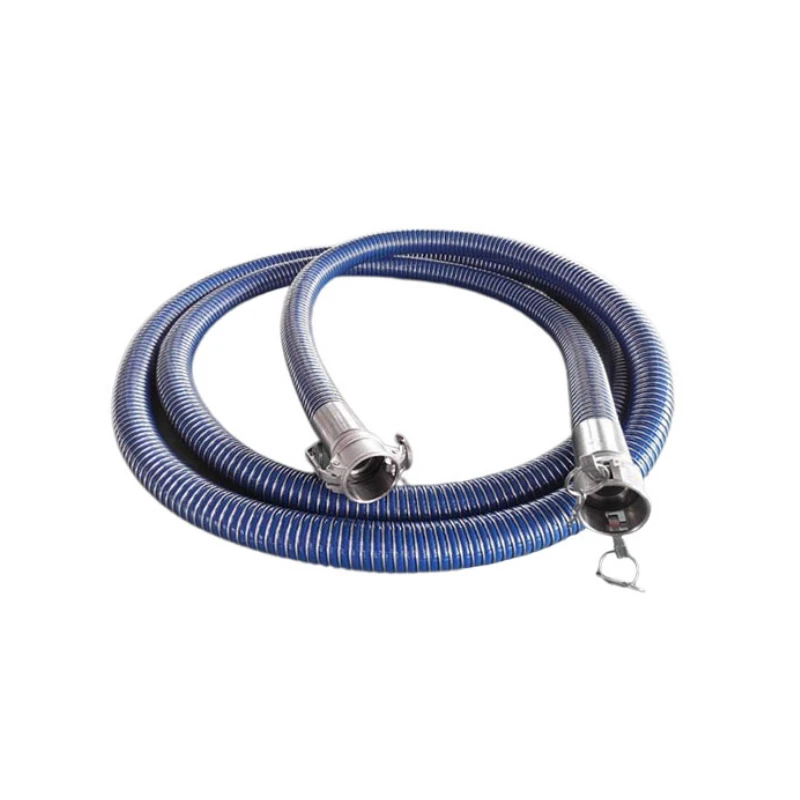
Figure 5: A selection of composite hoses with various end fittings, showcasing customization options.
Customized Composite Hose Solutions
Recognizing that no two industrial applications are exactly alike, leading manufacturers offer extensive customization options for their composite hose range. This bespoke approach ensures optimal performance, safety, and cost-effectiveness for highly specific requirements. Customization can include:
- Specific Liner Materials: Tailoring the internal polymer film layers (e.g., specific grades of polypropylene, PTFE, ECTFE, or polyamide) to perfectly match the chemical compatibility requirements of unique fluids, including highly aggressive acids, solvents, or cryogenic gases.
- Specialized Wire Helices: Selection of inner and outer wire materials (e.g., Stainless Steel 316L for enhanced corrosion resistance, galvanized steel for cost-effectiveness, aluminum for lightweight requirements) and profiles for varying pressure ratings and environmental conditions.
- Diverse End Fittings: Integration of a wide array of end connections, including various flange types (ANSI, DIN, JIS), cam and groove couplers, threaded fittings (NPT, BSP), quick-disconnect couplings, and dry-break couplings, all in materials compatible with the conveyed medium and external environment.
- Length and Diameter Variation: Production of hoses in non-standard lengths (from very short jumper hoses to long transfer lines) and diameters to precisely fit existing infrastructure and operational needs.
- External Protection: Addition of abrasion-resistant external covers, anti-kink sleeves, or insulated jackets for applications in harsh environments or extreme temperatures.
- Color Coding and Branding: Custom outer cover colors for easy identification of different product lines or safety zones, along with company branding and specific labeling.
Collaborating closely with an experienced manufacturer allows clients to develop a compotec hose solution that precisely addresses their operational challenges, optimizes performance, and extends the service life of their fluid transfer systems.
Frequently Asked Questions (FAQ) about Composite Hoses
- Q1: What is a composite hose and how does it differ from other hose types?
A: A composite hose is a multi-layer hose constructed from several spirally wound thermoplastic films and fabric plies, reinforced by internal and external wire helices. Unlike rubber hoses, it offers superior chemical resistance and lighter weight. Unlike metallic hoses, it is highly flexible and resistant to fatigue from bending and vibration. - Q2: What types of chemicals can a composite hose handle?
A: With appropriate internal liner materials (e.g., polypropylene for hydrocarbons, PTFE for aggressive acids and solvents), composite hoses can handle a vast range of chemicals, including petroleum products, strong acids, alkalis, alcohols, and cryogenic liquids. Specific chemical compatibility charts should always be consulted. - Q3: How long do composite hoses typically last?
A: The service life of a composite flexible hose depends heavily on the application (fluid, temperature, pressure cycles, bending frequency), proper handling, and maintenance. Under normal operating conditions and with regular inspection, they can last from 5 to 10 years or more. - Q4: Are composite hoses suitable for static dissipative applications?
A: Yes, many composite hose pipe designs, particularly those conforming to EN 13765 Type 3, are engineered with full electrical continuity between end fittings. This ensures that static electricity generated during fluid transfer is safely dissipated, making them ideal for flammable and explosive media. - Q5: How do I choose the correct composite hose for my application?
A: Selection requires careful consideration of the STAMPED criteria: Size, Temperature, Application, Media, Pressure, End Fittings, and Delivery (or safety). It is highly recommended to consult with experienced technical specialists to ensure the correct hose type, materials, and specifications are chosen for optimal performance and safety.
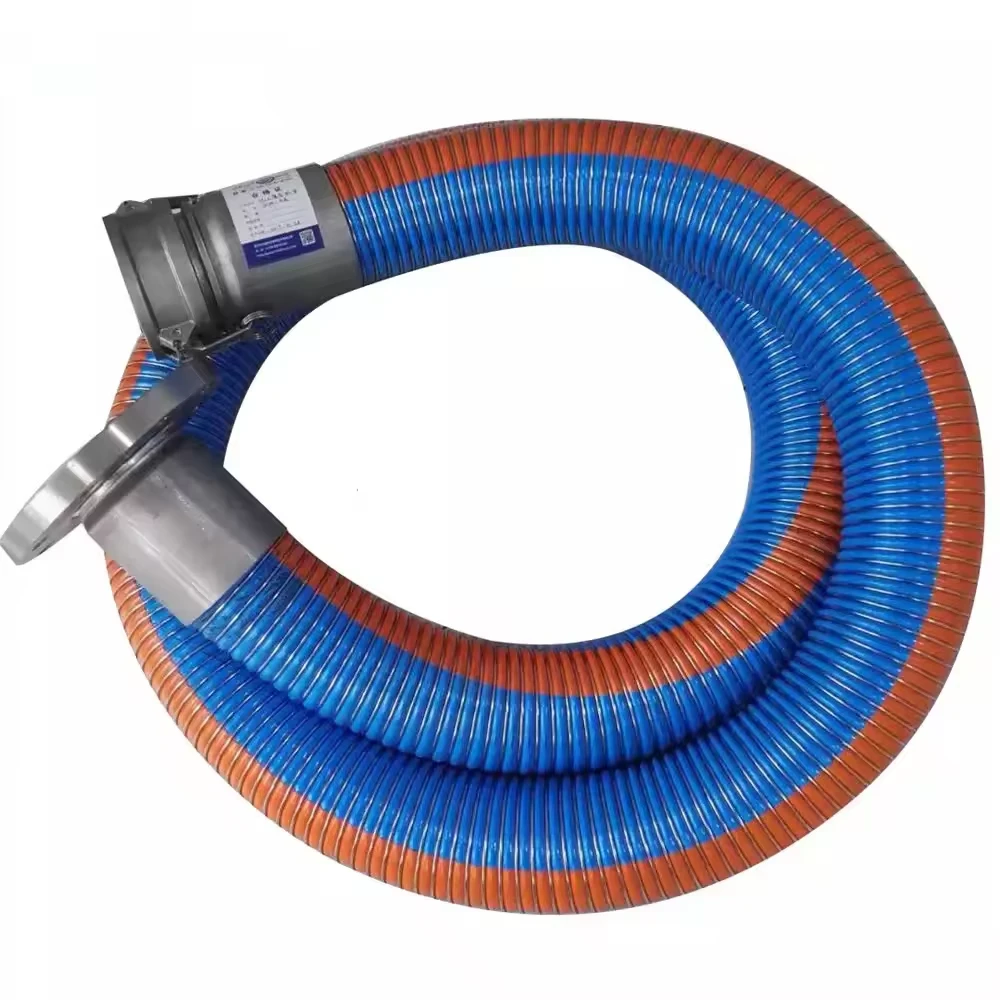
Figure 6: A quality control check on a composite hose, part of the rigorous testing process.
Logistics, Warranty, and Customer Support
Beyond the product itself, the reliability of a supplier's logistical capabilities and their commitment to customer satisfaction are crucial for B2B operations. For critical components like the composite hose, comprehensive support ensures seamless integration and ongoing performance.
Lead Time and Fulfillment:
Standard composite hoses typically have a lead time of 2-4 weeks, depending on diameter, length, and current production schedules. Custom-engineered solutions may require slightly longer, usually 4-8 weeks, to account for specialized material sourcing and unique manufacturing processes. Expedited options are often available for urgent requirements, leveraging agile manufacturing and efficient supply chain management to minimize downtime for clients.
Warranty Commitments:
A standard warranty of 18 to 24 months from the date of shipment or installation (whichever comes first) is typically provided against manufacturing defects and material failures under normal operating conditions. This commitment reflects the manufacturer's confidence in the quality and durability of their compotec hose products, ensuring peace of mind for clients. Specific terms and conditions, including guidelines for proper storage, installation, and maintenance, are always outlined to ensure warranty validity.
Comprehensive Customer Support:
Dedicated customer support is a cornerstone of reliable partnerships. This includes access to technical specialists for hose selection, compatibility checks, and system integration advice. After-sales service covers assistance with installation queries, operational best practices, and troubleshooting. Furthermore, availability of detailed product documentation, maintenance guides, and ongoing training resources empowers clients to maximize the lifespan and performance of their composite hose assets. Responsive support channels, including phone, email, and online portals, ensure that assistance is readily available when needed.
Conclusion: The Future of Fluid Transfer with Composite Hoses
The composite hose represents a pinnacle of engineering in fluid transfer technology, offering an unparalleled combination of safety, flexibility, chemical resistance, and longevity. As industries continue to evolve, demanding more robust, reliable, and environmentally compliant solutions, the role of advanced composite hoses will only become more critical. From the intricate multi-layer manufacturing process to rigorous testing and customizable solutions, every aspect is designed to meet the highest performance and safety standards for B2B applications.
Investing in high-quality composite hose solutions from reputable manufacturers ensures not only operational efficiency but also enhanced safety for personnel and protection against environmental incidents, securing long-term value for diverse industrial operations.
References
- European Standard EN 13765:2018. Thermoplastic multi-layer (non-vulcanized) hoses for the transfer of hydrocarbons, solvents, and chemicals - Specification for assemblies.
- International Organization for Standardization ISO 10380:2019. Pipework – Corrugated metal hoses and hose assemblies. (While not directly composite, this standard often informs general hose assembly testing and safety principles).
- British Standard BS 3492:1987. Specification for thermoplastic hoses for the conveyance of petroleum products.
- ATEX Directive 2014/34/EU. Equipment and protective systems intended for use in potentially explosive atmospheres. (Relevant for static dissipative composite hoses).
- Marine Hose Guide: Guidelines for the handling, storage, inspection, and testing of hoses. OCIMF (Oil Companies International Marine Forum).
Latest News
Steel Wire Reinforced Hydraulic Hose SAE 100 R1 / EN853 1SN S
NewsOct.17,2024
Two Layers Steel Wire Reinforced Hydraulic Hose SAE 100 R2 / EN853 2SN
NewsSep.03,2024
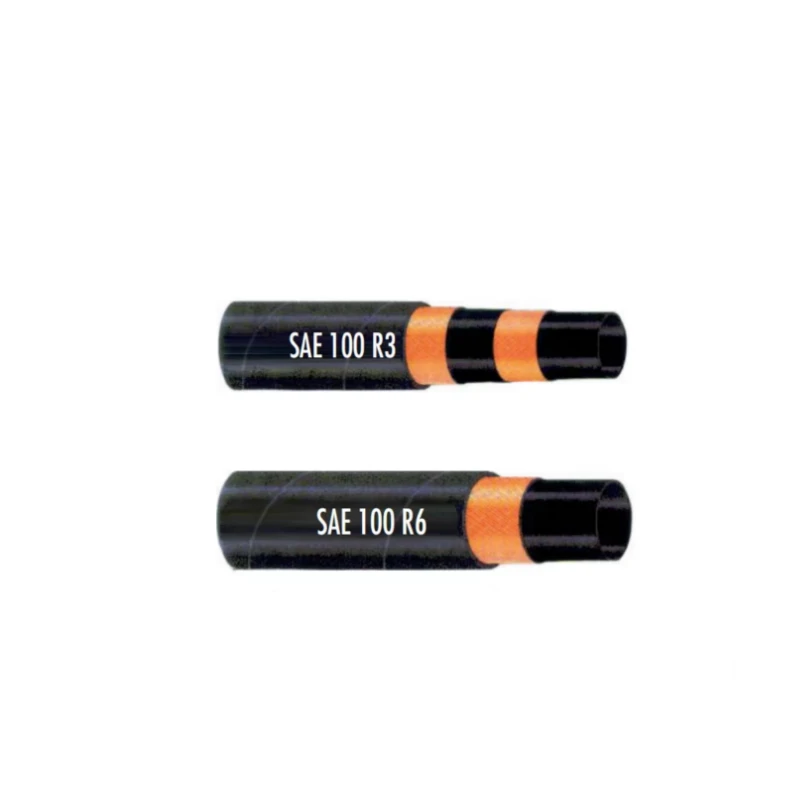
Textile Braid Reinforced Hydraulic Hose SAE100 R3+R6
NewsSep.03,2024
Textile Reinforced Hydraulic oil Suction Hose with embedded Steel Wire SAE 100 R4
NewsSep.03,2024
Single Wire Braid and Textile Covered Hydraulic Hose SAE 100 R5
NewsSep.03,2024
High Pressure Thermoplastic Hydraulic Hose SAE 100 R7 / EN855 R7 - SAE 100 R8 / EN855 R8
NewsSep.03,2024
Heavy Duty Four-layer Steel Wire Spiral Reinforced Hydraulic Hose SAE100R9+R10+R12
NewsSep.03,2024
Heavy Duty Multi-layer Steel Wire Reinforced Hydraulic Hose SAE100R13 SAE100R15
NewsSep.03,2024
Latest Products
-
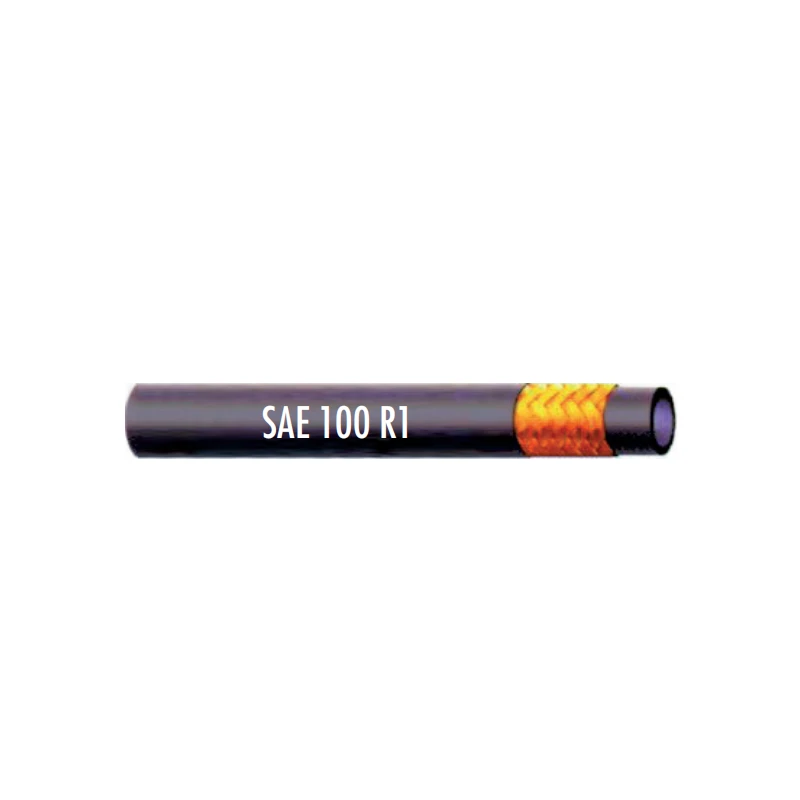
Steel Wire Reinforced Hydraulic Hose SAE 100 R1 / EN853 1SN S
-
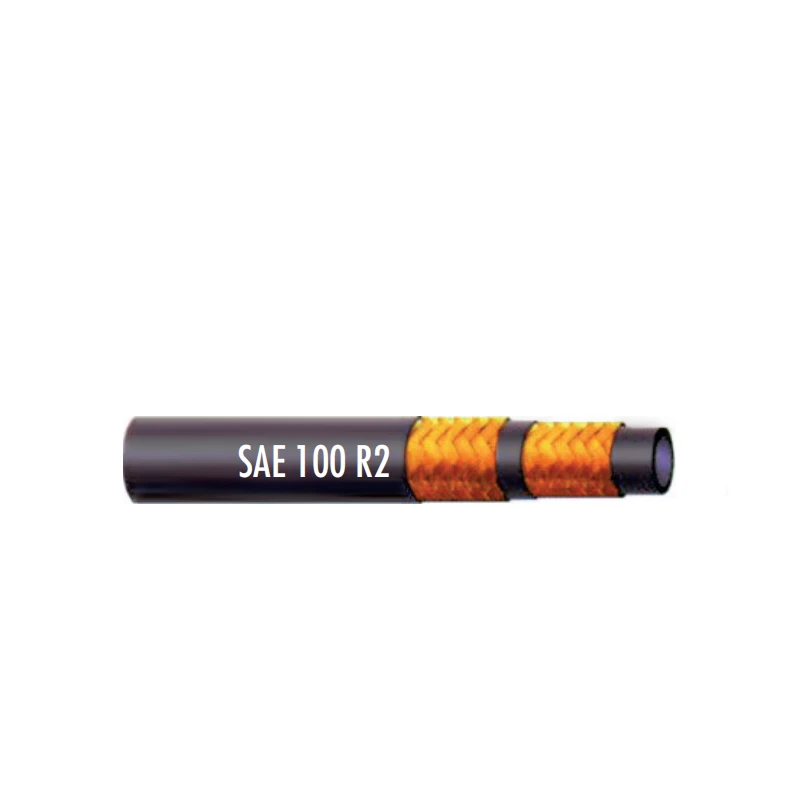
Two Layers Steel Wire Reinforced Hydraulic Hose SAE 100 R2 / EN853 2SN
-
-
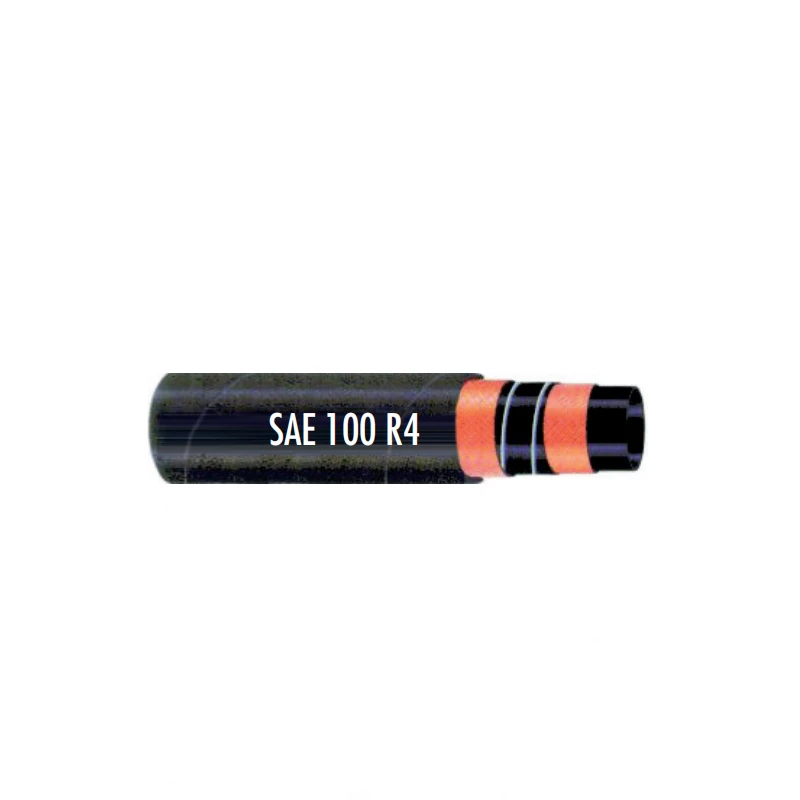
Textile Reinforced Hydraulic oil Suction Hose with embedded Steel Wire SAE 100 R4
-
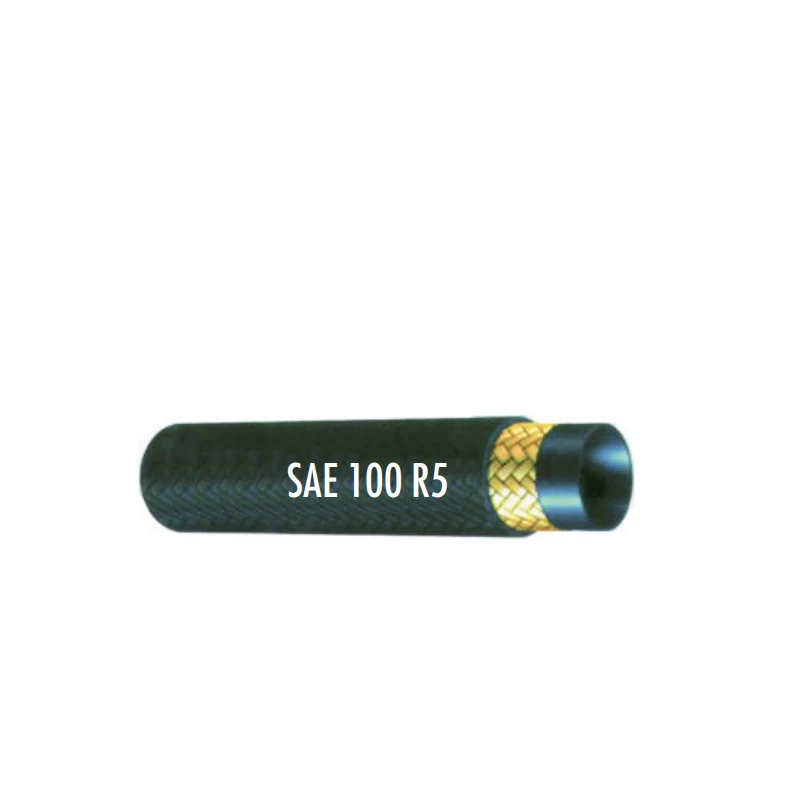
Single Wire Braid and Textile Covered Hydraulic Hose SAE 100 R5
-
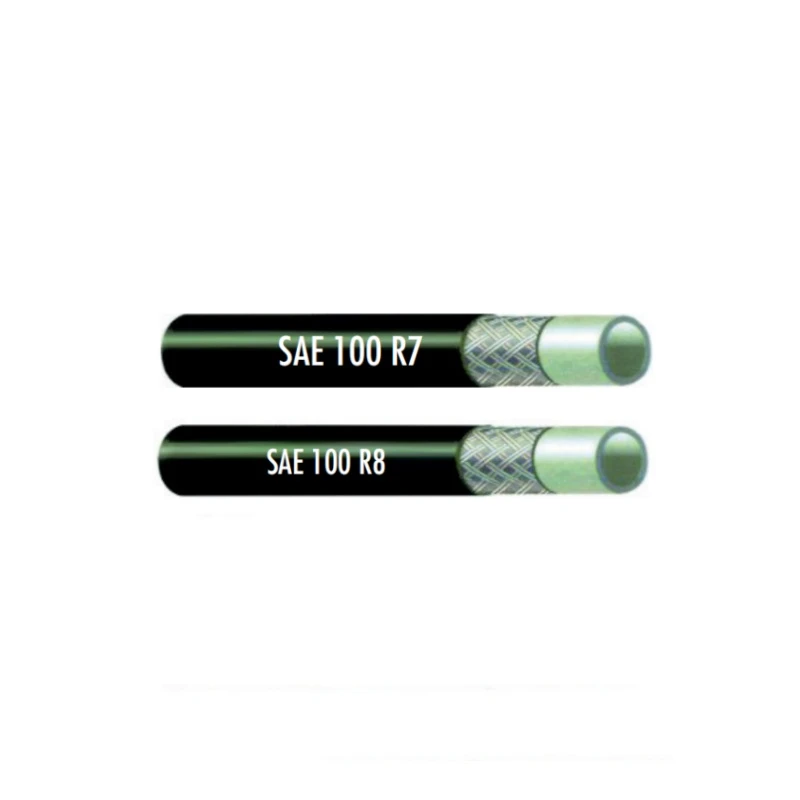
High Pressure Thermoplastic Hydraulic Hose SAE 100 R7 / EN855 R7 - SAE 100 R8 / EN855 R8
-
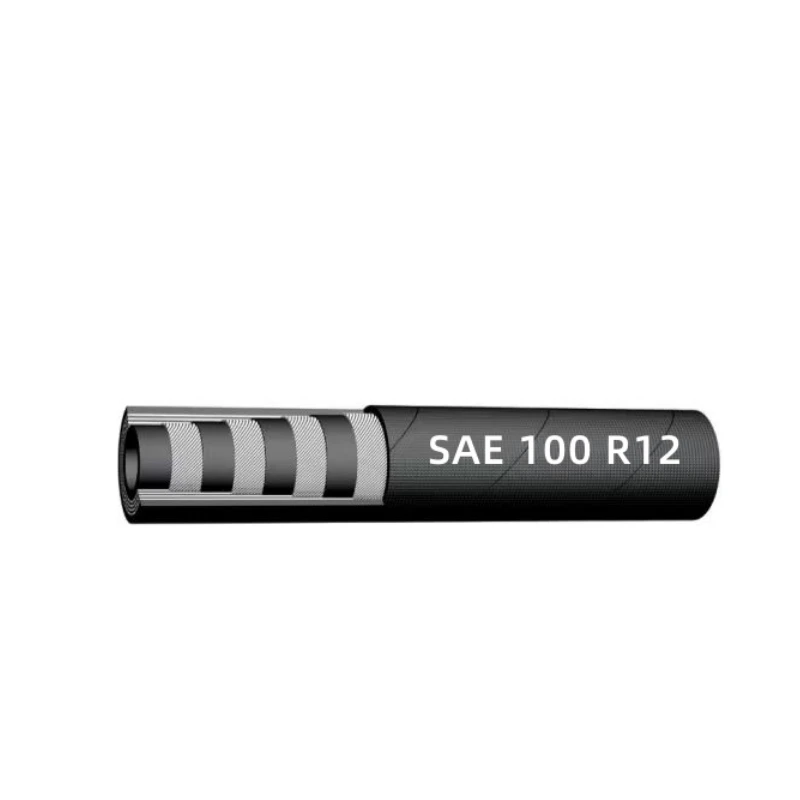
Heavy Duty Four-layer Steel Wire Spiral Reinforced Hydraulic Hose SAE100R9+R10+R12
-
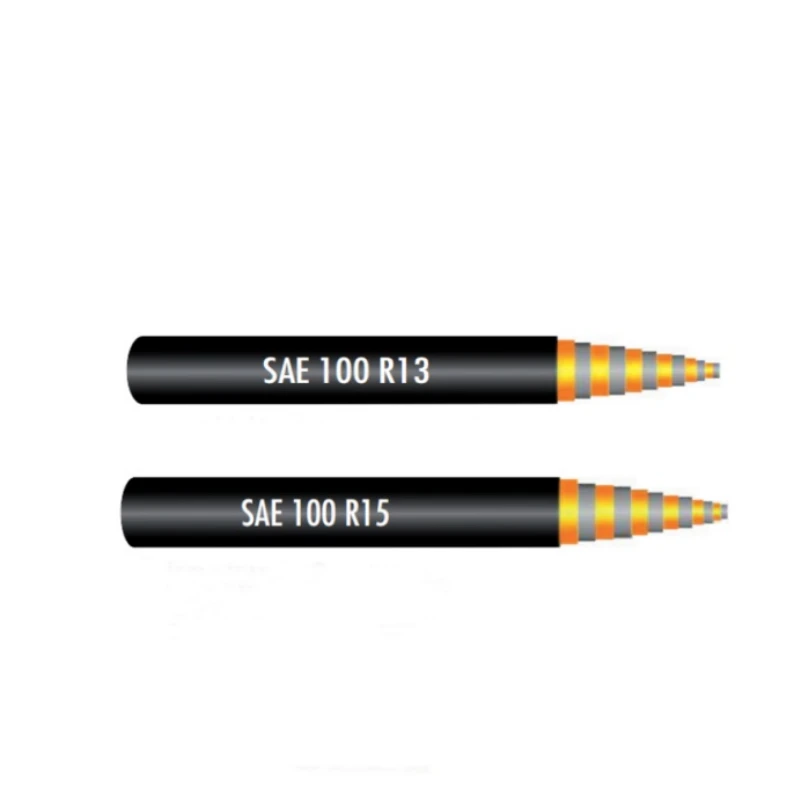
Heavy Duty Multi-layer Steel Wire Reinforced Hydraulic Hose SAE100R13 SAE100R15
Sep . 08, 2025 16:38 Back to list
Composite Hose | Flexible, Safe & Durable Fluid Transfer Solutions
The Advanced Engineering of composite hose for Industrial Applications
In the demanding world of industrial fluid transfer, the selection of appropriate conveyance solutions is paramount to operational safety, efficiency, and environmental compliance. Among the various options, the composite hose stands out as a highly engineered solution designed to meet the complex requirements of transferring aggressive chemicals, hydrocarbons, and other challenging media. Unlike traditional rubber or metallic hoses, its multi-layer construction offers a superior combination of flexibility, chemical resistance, and static dissipation, making it indispensable across numerous sectors.
This article delves into the intricate world of composite flexible hose technology, exploring its manufacturing process, technical advantages, diverse applications, and critical factors for selection. We will examine industry trends, provide detailed technical specifications, and offer insights into customization, quality assurance, and ongoing support, all to inform B2B decision-makers and engineers seeking optimal fluid transfer solutions.
Industry Trends and Market Dynamics for Composite Hoses
The market for composite chemical hose solutions is experiencing steady growth, driven by increasing regulatory scrutiny, the expansion of petrochemical and chemical industries, and a persistent demand for safer, more efficient material transfer methods. Key trends include:
- Enhanced Safety Standards: Stricter international regulations (e.g., ATEX, IMO) are pushing for hoses with improved static dissipation, burst pressure resistance, and fire safety characteristics. This directly benefits the adoption of advanced composite flexible hose designs.
- Material Innovations: Continuous research into new polymer films (e.g., advanced PTFE, specialized polypropylenes) and wire materials (e.g., stainless steel, galvanized steel, aluminum) allows for hoses with broader chemical compatibility and extended service life under extreme conditions.
- Lightweighting: The demand for lighter, easier-to-handle hoses, especially in marine and road tanker applications, favors composite constructions over traditional heavy rubber or metallic alternatives. This enhances operational efficiency and reduces operator fatigue.
- Customization and Specialization: The market is moving towards highly customized solutions, where hoses are tailored for specific chemicals, temperatures, pressures, and environmental conditions. This includes specialized anti-abrasion layers and specific end-fitting configurations.
- Digital Integration: While still nascent, the integration of RFID tags for tracking and maintenance, and sensor technologies for real-time monitoring of hose integrity, represents a future growth area for composite hose pipe applications.
Figure 1: Cross-section illustrating the multi-layer design of a typical composite hose.
Understanding Composite Hose: Technical Specifications
The superior performance of a composite hose stems from its unique multi-layer structure, which is designed to prevent catastrophic failure and ensure long-term reliability. A typical composite hose comprises:
- Inner Wire Helix: Provides structural integrity, crush resistance, and ensures a smooth bore. Materials commonly include galvanized steel, stainless steel (304/316), or aluminum.
- Multiple Film Layers: Comprising various thermoplastic films (e.g., polypropylene, PTFE, polyamide) wound spirally. These layers provide chemical resistance, impermeability, and serve as the primary containment for the transferred fluid. The specific combination of films determines the hose's chemical compatibility and temperature range.
- Fabric Layers: Woven fabric plies, often polyester, provide additional strength and support to the film layers.
- Outer Wire Helix: Similar to the inner wire, this helix provides additional structural support, crush resistance, and protects the external layers. It can be made from the same materials as the inner wire or coated steel for external corrosion resistance.
- Outer Cover: Typically a PVC-impregnated fabric or an abrasion-resistant thermoplastic, offering protection against environmental factors, abrasion, and UV radiation.
Key Performance Parameters:
- Pressure Rating: Ranges typically from 10 bar (150 psi) to 25 bar (375 psi), with specialized versions exceeding 40 bar (600 psi). Burst pressure is usually 4-5 times the working pressure.
- Temperature Range: Dependent on polymer layers, common ranges are -30°C to +100°C (-22°F to +212°F), with specific materials like PTFE allowing for -60°C to +200°C (-76°F to +392°F).
- Chemical Compatibility: Varies significantly based on the internal film layers. Solutions are available for strong acids, alkalis, solvents, petroleum products, and cryogenic gases.
- Electrical Continuity: Many composite hoses are designed with full electrical continuity between end fittings to dissipate static electricity, critical for flammable fluid transfer, meeting standards like EN 13765 Type 3.
- Bending Radius: Significantly tighter than rubber or metallic hoses of similar diameter, enhancing maneuverability and reducing stress during operation.
Table 1: General Product Specifications for a Standard Composite Hose
| Parameter | Typical Range/Value | Notes |
|---|---|---|
| Internal Diameter (ID) | 1" (25mm) to 10" (250mm) | Larger IDs available for specialized applications. |
| Working Pressure (WP) | 10 - 25 bar (150 - 375 psi) | Specific models for higher pressures. |
| Burst Pressure (BP) | ≥ 4x WP | Safety factor as per EN 13765. |
| Temperature Range | -30°C to +100°C (standard) | Up to +200°C for PTFE-lined versions. |
| Vacuum Rating | Full Vacuum (0.9 bar / 27 inHg) | Internal wire helix prevents collapse. |
| Weight (per meter, 4" ID) | Approx. 2.5 - 4.5 kg/m | Significantly lighter than rubber or steel. |
| Standards Compliance | EN 13765, ISO 10380, BS 3492 | Ensures performance and safety. |
Figure 2: A technician inspecting a newly manufactured composite hose for quality assurance.
Manufacturing Process of Composite Hoses
The production of a high-quality compotec hose is a precise, multi-stage process that emphasizes material selection, controlled winding techniques, and rigorous testing. This intricate manufacturing ensures the hose's ability to withstand harsh industrial conditions. The general process flow is as follows:
- Material Preparation: High-grade thermoplastic films (e.g., polypropylene, polyethylene, PTFE, polyamide) are selected based on the intended chemical compatibility and temperature range. Wire helices (galvanized steel, stainless steel, aluminum) are prepared to specific diameters and tensile strengths. Outer cover fabrics are also prepped.
- Inner Wire Helix Forming: The chosen inner wire is spirally wound around a mandrel to form a rigid, continuous helix. This forms the foundational structure of the composite hose and provides its resistance to vacuum and kinking.
- Multi-Layer Winding: A series of thermoplastic film layers and fabric plies are carefully wound around the inner wire helix in opposing directions. This counter-wound construction is critical for containing the fluid, providing burst strength, and ensuring flexibility. The specific number and type of layers depend on the application (e.g., more PTFE for aggressive chemicals, thicker polypropylene for hydrocarbons). This is a highly specialized process, often involving automated winding machines to ensure uniform tension and overlap.
- Outer Wire Helix Application: The outer wire helix is then spirally wound over the film and fabric layers. This helix provides external protection, additional crush resistance, and contributes to the hose's overall structural integrity. In many designs, it also serves as part of the electrical continuity path.
- Outer Cover Application: An abrasion-resistant and weather-resistant outer cover, typically a PVC-impregnated fabric or a robust thermoplastic, is applied to protect the internal layers from environmental damage, UV radiation, and external abrasion.
- End Fitting Crimping: Once the hose barrel is complete, appropriate end fittings (e.g., camlock, flange, threaded) are attached using specialized crimping machines. This process creates a secure, leak-proof connection that maintains the integrity of the hose assembly. All crimping is done according to established standards to ensure secure mechanical and electrical connections.
- Testing and Quality Assurance: Every composite hose undergoes rigorous testing before dispatch. This typically includes hydraulic pressure testing (proof pressure test to 1.5 times WP), vacuum testing, electrical continuity testing (as per EN 13765 Type 3), and visual inspection for defects. Compliance with international standards such as ISO 10380, EN 13765, and relevant ANSI standards is verified. Service life can extend to 5-10 years or more with proper maintenance, depending on fluid, temperature, and usage frequency.
Target industries benefiting from this robust manufacturing include petrochemical (transferring crude oil, refined products), metallurgy (acid transfer in processing), and chemical manufacturing (diverse chemical fluid handling). The inherent advantages demonstrated in typical application scenarios include superior corrosion resistance due to the diverse polymer linings, and significant energy saving due to lower pumping friction compared to some rigid pipe alternatives for temporary transfer.
Figure 3: Detailed view of a composite hose end-fitting securely crimped for leak-proof performance.
Key Technical Advantages of Composite Hoses
The sophisticated design and manufacturing of a hose composite confer several distinct advantages over other hose types, making it the preferred choice for critical industrial applications:
- Superior Chemical Resistance: The multi-layer structure allows for the combination of different polymer films, each offering resistance to specific chemical groups. For instance, PTFE layers provide near-universal chemical compatibility, while polypropylene layers are excellent for hydrocarbons. This prevents material degradation and ensures media purity.
- Excellent Flexibility and Lightweight Nature: The spiral-wound construction enables a significantly tighter bending radius compared to rubber or metallic hoses of similar diameter, reducing stress on the hose and increasing ease of handling, particularly in tight spaces. Its lighter weight contributes to reduced operator fatigue and safer manual operations.
- High Pressure and Vacuum Resistance: The robust inner and outer wire helices, combined with the multiple film and fabric layers, provide exceptional resistance to both positive pressure and full vacuum, preventing kinking, collapse, or bursting under various operating conditions.
- Static Dissipation Capabilities: Crucial for transferring flammable liquids and gases, many compotec composite hose variants are designed with full electrical continuity between end fittings. This safely dissipates static charges that can build up during fluid transfer, preventing dangerous sparks.
- Wide Temperature Range: By selecting appropriate polymer films and wire materials, composite hoses can operate reliably across a broad spectrum of temperatures, from cryogenic applications to those involving hot fluids.
- Enhanced Safety: In the event of damage, a composite hose tends to leak rather than rupture catastrophically, providing a warning sign and allowing for controlled shutdown, significantly enhancing operational safety.
- Long Service Life: With proper selection and maintenance, the inherent resistance to fatigue, kinking, and environmental degradation results in an extended operational lifespan, reducing replacement costs and downtime.
Application Scenarios and Case Studies
The versatility and robust performance of the composite hose make it ideal for a vast array of industrial applications where safety, chemical resistance, and flexibility are paramount. Key application areas include:
- Petrochemical Industry: Transfer of crude oil, refined petroleum products (gasoline, diesel, jet fuel), and various hydrocarbons in refineries, tank farms, and bunkering operations.
- Chemical Processing: Safe handling of aggressive acids (sulfuric acid, hydrochloric acid), alkalis, solvents (ketones, aromatics), and other corrosive or hazardous chemicals during loading, unloading, and in-plant transfers.
- Marine and Offshore: Ship-to-shore and ship-to-ship transfer of oil, chemicals, and bunker fuels, where flexibility and resistance to harsh marine environments are crucial.
- Road and Rail Tankers: Efficient and safe loading and unloading of chemical and petroleum products from tanker trucks and rail cars.
- Pharmaceutical and Food & Beverage (Specialized Grades): Ultra-clean composite hoses with FDA-compliant materials are used for transferring sensitive media, ensuring product purity and hygiene.
- Defense and Aviation: Fuel transfer for military applications and aircraft refueling, often requiring specific anti-static and fire-resistant properties.
Application Case Study: Chemical Plant Acid Transfer Enhancement
A leading chemical manufacturer faced recurring issues with premature failure and kinking of traditional rubber hoses used for concentrated sulfuric acid transfer between storage tanks and reaction vessels. The hoses required frequent replacement, leading to costly downtime and increased safety risks due to potential leaks.
After consulting with a specialist supplier, the plant transitioned to a 4-inch chemical composite hose with an advanced PTFE inner lining and stainless steel helices. The results were significant:
- Extended Service Life: The new composite hoses demonstrated exceptional resistance to the concentrated acid, showing no signs of degradation after 24 months, compared to the previous 6-month lifespan of rubber hoses.
- Improved Safety: The inherent "leak-before-break" characteristic of the composite design provided an added layer of safety, preventing sudden ruptures and allowing operators to address issues proactively.
- Enhanced Flexibility: The lightweight and flexible nature of the composite chemical hose significantly improved handling during connection and disconnection, reducing operator strain and the risk of accidental damage.
- Cost Savings: Reduced replacement frequency and minimized downtime translated into substantial operational cost savings for the plant.
Figure 4: Composite hoses in action during a tanker truck loading operation.
Vendor Comparison and Selection Criteria for Composite Hoses
Choosing the right supplier for composite hoses is as critical as selecting the hose itself. B2B decision-makers must evaluate vendors based on several key criteria to ensure product quality, reliability, and long-term support.
- Certifications and Compliance: Verify adherence to international standards (EN 13765, ISO 10380, BS 3492, ATEX for hazardous environments). Certifications demonstrate commitment to quality and safety.
- Material Expertise: A reputable vendor will have deep knowledge of various polymer films (Polypropylene, PTFE, Polyamide) and wire materials, ensuring optimal chemical compatibility and temperature range for your specific application.
- Manufacturing Quality Control: Inquire about their quality control processes, testing procedures (hydrostatic, vacuum, electrical continuity), and traceability of materials.
- Customization Capabilities: The ability to provide bespoke solutions (specific lengths, diameters, end fittings, and specialized internal liners) is crucial for unique industrial needs.
- Technical Support and Engineering Assistance: A strong vendor offers expert advice on hose selection, installation best practices, and troubleshooting. This support is invaluable throughout the product lifecycle.
- Industry Experience and Reputation: Look for vendors with a proven track record, positive customer feedback, and a long history of serving similar industries. Years of service often correlate with reliability and expertise.
- After-Sales Service and Warranty: Comprehensive warranty policies and readily available spare parts (e.g., end fittings) ensure peace of mind and minimize operational disruptions.
Table 2: Comparative Analysis of Composite Hose Offerings (Illustrative)
| Feature/Vendor | Vendor A (Specialist) | Vendor B (Generalist) | JYHose (Example) |
|---|---|---|---|
| Core Product Focus | High-end chemical/cryogenic hoses | General industrial hoses | Diverse composite hose applications |
| Available Diameters | 2" - 8" | 1" - 6" | 1" - 10"+ (extensive range) |
| Max. Temp Range (PTFE) | -60°C to +200°C | -30°C to +150°C | -60°C to +200°C (with appropriate liners) |
| Certifications | EN 13765, IMO, ATEX | ISO 9001, basic EN 13765 | EN 13765, ISO 10380, BS 3492, ATEX, Type 3 Elec. Continuity |
| Customization | High (specific liners/fittings) | Limited (standard lengths/fittings) | Extensive (full bespoke solutions) |
| Technical Support | Excellent, application-specific | Standard product support | Dedicated engineering, on-site consultation |
| Warranty Period | 18-24 months | 12 months | 18-24 months standard (extended options) |
Figure 5: A selection of composite hoses with various end fittings, showcasing customization options.
Customized Composite Hose Solutions
Recognizing that no two industrial applications are exactly alike, leading manufacturers offer extensive customization options for their composite hose range. This bespoke approach ensures optimal performance, safety, and cost-effectiveness for highly specific requirements. Customization can include:
- Specific Liner Materials: Tailoring the internal polymer film layers (e.g., specific grades of polypropylene, PTFE, ECTFE, or polyamide) to perfectly match the chemical compatibility requirements of unique fluids, including highly aggressive acids, solvents, or cryogenic gases.
- Specialized Wire Helices: Selection of inner and outer wire materials (e.g., Stainless Steel 316L for enhanced corrosion resistance, galvanized steel for cost-effectiveness, aluminum for lightweight requirements) and profiles for varying pressure ratings and environmental conditions.
- Diverse End Fittings: Integration of a wide array of end connections, including various flange types (ANSI, DIN, JIS), cam and groove couplers, threaded fittings (NPT, BSP), quick-disconnect couplings, and dry-break couplings, all in materials compatible with the conveyed medium and external environment.
- Length and Diameter Variation: Production of hoses in non-standard lengths (from very short jumper hoses to long transfer lines) and diameters to precisely fit existing infrastructure and operational needs.
- External Protection: Addition of abrasion-resistant external covers, anti-kink sleeves, or insulated jackets for applications in harsh environments or extreme temperatures.
- Color Coding and Branding: Custom outer cover colors for easy identification of different product lines or safety zones, along with company branding and specific labeling.
Collaborating closely with an experienced manufacturer allows clients to develop a compotec hose solution that precisely addresses their operational challenges, optimizes performance, and extends the service life of their fluid transfer systems.
Frequently Asked Questions (FAQ) about Composite Hoses
-
Q1: What is a composite hose and how does it differ from other hose types?
A: A composite hose is a multi-layer hose constructed from several spirally wound thermoplastic films and fabric plies, reinforced by internal and external wire helices. Unlike rubber hoses, it offers superior chemical resistance and lighter weight. Unlike metallic hoses, it is highly flexible and resistant to fatigue from bending and vibration. -
Q2: What types of chemicals can a composite hose handle?
A: With appropriate internal liner materials (e.g., polypropylene for hydrocarbons, PTFE for aggressive acids and solvents), composite hoses can handle a vast range of chemicals, including petroleum products, strong acids, alkalis, alcohols, and cryogenic liquids. Specific chemical compatibility charts should always be consulted. -
Q3: How long do composite hoses typically last?
A: The service life of a composite flexible hose depends heavily on the application (fluid, temperature, pressure cycles, bending frequency), proper handling, and maintenance. Under normal operating conditions and with regular inspection, they can last from 5 to 10 years or more. -
Q4: Are composite hoses suitable for static dissipative applications?
A: Yes, many composite hose pipe designs, particularly those conforming to EN 13765 Type 3, are engineered with full electrical continuity between end fittings. This ensures that static electricity generated during fluid transfer is safely dissipated, making them ideal for flammable and explosive media. -
Q5: How do I choose the correct composite hose for my application?
A: Selection requires careful consideration of the STAMPED criteria: Size, Temperature, Application, Media, Pressure, End Fittings, and Delivery (or safety). It is highly recommended to consult with experienced technical specialists to ensure the correct hose type, materials, and specifications are chosen for optimal performance and safety.
Figure 6: A quality control check on a composite hose, part of the rigorous testing process.
Logistics, Warranty, and Customer Support
Beyond the product itself, the reliability of a supplier's logistical capabilities and their commitment to customer satisfaction are crucial for B2B operations. For critical components like the composite hose, comprehensive support ensures seamless integration and ongoing performance.
Lead Time and Fulfillment:
Standard composite hoses typically have a lead time of 2-4 weeks, depending on diameter, length, and current production schedules. Custom-engineered solutions may require slightly longer, usually 4-8 weeks, to account for specialized material sourcing and unique manufacturing processes. Expedited options are often available for urgent requirements, leveraging agile manufacturing and efficient supply chain management to minimize downtime for clients.
Warranty Commitments:
A standard warranty of 18 to 24 months from the date of shipment or installation (whichever comes first) is typically provided against manufacturing defects and material failures under normal operating conditions. This commitment reflects the manufacturer's confidence in the quality and durability of their compotec hose products, ensuring peace of mind for clients. Specific terms and conditions, including guidelines for proper storage, installation, and maintenance, are always outlined to ensure warranty validity.
Comprehensive Customer Support:
Dedicated customer support is a cornerstone of reliable partnerships. This includes access to technical specialists for hose selection, compatibility checks, and system integration advice. After-sales service covers assistance with installation queries, operational best practices, and troubleshooting. Furthermore, availability of detailed product documentation, maintenance guides, and ongoing training resources empowers clients to maximize the lifespan and performance of their composite hose assets. Responsive support channels, including phone, email, and online portals, ensure that assistance is readily available when needed.
Conclusion: The Future of Fluid Transfer with Composite Hoses
The composite hose represents a pinnacle of engineering in fluid transfer technology, offering an unparalleled combination of safety, flexibility, chemical resistance, and longevity. As industries continue to evolve, demanding more robust, reliable, and environmentally compliant solutions, the role of advanced composite hoses will only become more critical. From the intricate multi-layer manufacturing process to rigorous testing and customizable solutions, every aspect is designed to meet the highest performance and safety standards for B2B applications.
Investing in high-quality composite hose solutions from reputable manufacturers ensures not only operational efficiency but also enhanced safety for personnel and protection against environmental incidents, securing long-term value for diverse industrial operations.
References
- European Standard EN 13765:2018. Thermoplastic multi-layer (non-vulcanized) hoses for the transfer of hydrocarbons, solvents, and chemicals - Specification for assemblies.
- International Organization for Standardization ISO 10380:2019. Pipework – Corrugated metal hoses and hose assemblies. (While not directly composite, this standard often informs general hose assembly testing and safety principles).
- British Standard BS 3492:1987. Specification for thermoplastic hoses for the conveyance of petroleum products.
- ATEX Directive 2014/34/EU. Equipment and protective systems intended for use in potentially explosive atmospheres. (Relevant for static dissipative composite hoses).
- Marine Hose Guide: Guidelines for the handling, storage, inspection, and testing of hoses. OCIMF (Oil Companies International Marine Forum).
Latest News
Steel Wire Reinforced Hydraulic Hose SAE 100 R1 / EN853 1SN S
NewsOct.17,2024
Two Layers Steel Wire Reinforced Hydraulic Hose SAE 100 R2 / EN853 2SN
NewsSep.03,2024
Textile Braid Reinforced Hydraulic Hose SAE100 R3+R6
NewsSep.03,2024
Textile Reinforced Hydraulic oil Suction Hose with embedded Steel Wire SAE 100 R4
NewsSep.03,2024
Single Wire Braid and Textile Covered Hydraulic Hose SAE 100 R5
NewsSep.03,2024
High Pressure Thermoplastic Hydraulic Hose SAE 100 R7 / EN855 R7 - SAE 100 R8 / EN855 R8
NewsSep.03,2024
Heavy Duty Four-layer Steel Wire Spiral Reinforced Hydraulic Hose SAE100R9+R10+R12
NewsSep.03,2024
Heavy Duty Multi-layer Steel Wire Reinforced Hydraulic Hose SAE100R13 SAE100R15
NewsSep.03,2024
Latest Products
-
Steel Wire Reinforced Hydraulic Hose SAE 100 R1 / EN853 1SN S
-
Two Layers Steel Wire Reinforced Hydraulic Hose SAE 100 R2 / EN853 2SN
-
-
Textile Reinforced Hydraulic oil Suction Hose with embedded Steel Wire SAE 100 R4
-
Single Wire Braid and Textile Covered Hydraulic Hose SAE 100 R5
-
High Pressure Thermoplastic Hydraulic Hose SAE 100 R7 / EN855 R7 - SAE 100 R8 / EN855 R8
-
Heavy Duty Four-layer Steel Wire Spiral Reinforced Hydraulic Hose SAE100R9+R10+R12
-
Heavy Duty Multi-layer Steel Wire Reinforced Hydraulic Hose SAE100R13 SAE100R15


