

Dec . 15, 2025 11:10 Back to list
Comprehensive Guide to 300 psi Hydraulic Hose: Specifications, Applications & Future Trends
Understanding the 300 psi Hydraulic Hose: Essential Insights and Applications
When it comes to fluid power systems, the humble yet crucial 300 psi hydraulic hose plays a substantial role worldwide. You might wonder, why focus on this particular rating? Well, 300 psi hydraulic hoses strike a balance between durability and versatility, powering machinery from agricultural equipment in remote villages to large-scale industrial operations across continents. Understanding this technology is key—whether you’re an engineer, a procurement manager, or simply curious about the backbone of many mechanical systems.
Introduction: The Global Importance of 300 psi Hydraulic Hose
Globally, industries dependent on hydraulic systems are booming, especially in developing economies where mechanization helps boost productivity and infrastructure development. According to the International Organization for Standardization (ISO), hydraulic hoses rated around 300 psi are among the most commonly used pressure classes in light- to medium-duty equipment worldwide. These hoses enable fluid conveyance in construction machinery, agricultural tools, and even disaster relief pumps, where reliable hydraulic performance is non-negotiable.
Yet, the challenge is that many regions face issues with hose reliability, supply chain limitations, and environmental fitness, which 300 psi hoses help address through their versatile and robust design.
What is a 300 psi Hydraulic Hose?
In simple terms, a 300 psi hydraulic hose is a flexible tube designed to withstand internal pressures up to 300 psi (pounds per square inch), transporting hydraulic fluid to and from components in a system. It connects pumps, valves, motors, and other equipment, ensuring efficient fluid power transfer.
The 300 psi rating situates it perfectly between low-pressure and high-pressure applications, offering a practical solution where extreme pressures aren’t needed but where durability and leak resistance remain crucial. It's widely used in modern industry and even humanitarian efforts, such as water distribution and powering machinery in disaster-stricken zones.
Key Features and Core Components of 300 psi Hydraulic Hoses
1. Durability
These hoses commonly feature synthetic rubber or thermoplastic tubes reinforced with braided or spiral metal wire or textile layers. This gives them excellent physical resistance to abrasion, weather, and chemical exposure, which is vital in tough outdoor environments.
2. Flexibility
Flexibility allows for easier installation in confined spaces, especially on mobile equipment. Unlike rigid pipes, these hoses can bend or twist somewhat without damage, making maintenance less of a hassle.
3. Compatibility
The inner liner is designed to be compatible with the fluids pumped, whether mineral oil, water-glycol solutions, or synthetic fluids. This ensures longevity and prevents contamination.
4. Pressure Rating and Safety Margin
While rated for 300 psi, hoses are typically tested to higher pressures to ensure a safety margin, reducing the risk of catastrophic failure under normal or slightly abnormal conditions.
5. Temperature Resistance
Depending on the materials, many 300 psi hoses work efficiently in temperature ranges from -40°C to +100°C, suitable for outdoor and industrial use.
300 psi Hydraulic Hose Specifications
| Specification | Typical Value | Details |
|---|---|---|
| Nominal Pressure | 300 psi (2.07 MPa) | Maximum working pressure for continuous operation |
| Inner Diameter Range | 1/4" to 1" | Varies by application, affects flow rate |
| Temperature Range | -40°C to +100°C | Material-dependent limits |
| Construction | Synthetic rubber tube, textile/steel braid reinforcement, synthetic rubber cover | Ensures pressure and abrasion resistance |
| End Fittings | Various (NPT, BSP, ORFS, JIC) | Customizable for equipment compatibility |
Global Applications & Use Cases
Several industries depend on 300 psi rated hydraulic hoses for fluid conveyance:
- Agriculture: Tractors and irrigation systems in regions like Sub-Saharan Africa rely on hoses that balance cost-efficiency and durability.
- Construction: Machinery in Asia’s rapidly urbanizing cities use these hoses in cranes, excavators, and bulldozers.
- Humanitarian Relief: Post-disaster water pump systems often use 300 psi hoses because they’re reliable, locally repairable, and flexible.
- Manufacturing: Conveying hydraulic fluids in assembly lines across North America requires hoses that sustain continuous pressure without failure.
Oddly enough, the same type of 300 psi hydraulic hoses used in luxury factory robots may be found on a portable hydraulic press in remote industrial zones. It’s that versatility which makes this grade special.
Comparing Leading Vendors of 300 psi Hydraulic Hose
| Feature | Vendor A | Vendor B | Vendor C |
|---|---|---|---|
| Material Quality | High-grade synthetic rubber | Thermoplastic reinforced | Natural rubber blend |
| Pressure Test Margin | 450 psi | 400 psi | 350 psi |
| Temperature Range | -40°C to 120°C | -30°C to 100°C | -40°C to 90°C |
| Warranty | 5 years | 3 years | 2 years |
| Custom Fittings | Available | Limited options | Available |
Advantages and Long-Term Value of 300 psi Hydraulic Hoses
So why choose hoses rated for 300 psi? Well, they provide a great cost-to-performance ratio that fits most hydraulic systems requiring moderate pressures. Their durability means reduced downtime, which translates directly into financial savings and enhanced worker safety. It also means less frequent replacements, which is a win for sustainability—fewer discarded hoses ending up in landfills.
On a more human level, the reliability of these hoses improves operational trust. Operators feel confident the equipment won’t fail unexpectedly, which can mean the difference between smooth workflows and costly delays or accidents. Frankly, in high-stakes environments—say, emergency water pumping or road construction—this confidence is priceless.
Future Trends & Innovations in Hydraulic Hose Technology
Looking ahead, manufacturers are exploring new materials like bio-based rubbers and ultra-polymer composites to reduce environmental impact. Digital sensors embedded in hose assemblies hint at smart monitoring—allowing real-time pressure and leak detection, which could save companies millions by preempting failures.
Additionally, as automation spreads through manufacturing and agriculture, hydraulic hoses need to integrate seamlessly into robotic systems, which requires miniaturization and higher precision in manufacturing. Sustainability initiatives that adopt greener energy convertors also require hoses that can handle bio-compatible fluids or more extreme temperatures.
Challenges & Solutions with 300 psi Hydraulic Hose Usage
Despite their many strengths, these hoses face challenges like degradation from UV exposure, accidental cuts or kinks, and mismatched fittings causing leaks. Many operators overlook the importance of proper installation and maintenance, which can shorten hose life drastically.
Experts suggest regular inspections, using protective covers, and ensuring compatibility with hydraulic fluids as practical solutions. Some companies even provide training and certification programs for technicians to reduce user-induced failures. Ultimately, integrating smart sensor technology could automate maintenance schedules and extend hose service life.
FAQ: Frequently Asked Questions About 300 psi Hydraulic Hose
- Q: What factors should I consider when selecting a 300 psi hydraulic hose?
A: Look at compatibility with the hydraulic fluid, temperature range, flexibility requirements, and the quality of reinforcement material to ensure safety and performance. - Q: How often should 300 psi hydraulic hoses be inspected or replaced?
A: It depends on usage and environment, but generally, hoses should be inspected monthly and replaced every 5 years or sooner if wear signs appear. - Q: Are 300 psi hoses suitable for both petroleum and water-based fluids?
A: Many hoses are rated for both, but always verify chemical compatibility to prevent degradation of the inner liner. - Q: Can I use a 300 psi hydraulic hose in cold climates?
A: Yes, many hoses function well down to -40°C, but it's wise to confirm temperature tolerances with the supplier. - Q: Is customization available for fittings with these hoses?
A: Most reputable vendors offer a variety of end fittings or custom adaptors to suit your machinery requirements.
Conclusion
To sum up, the 300 psi hydraulic hose is a cornerstone of hydraulic systems worldwide—balancing strength, flexibility, and cost-effectiveness. Whether in developing nations or high-tech industrial settings, these hoses virtually power countless machines, livelihoods, and emergency operations. Embracing newer materials and smarter technologies promises to make them more sustainable and safer in the near future. If you’re sourcing reliable hoses or seeking technical advice, do visit https://www.jyhose.com for detailed specs, expert support, and top-notch products.
It’s kind of fascinating how something as straightforward as a hose can influence global workstreams so profoundly, isn’t it?
References
Latest News
Steel Wire Reinforced Hydraulic Hose SAE 100 R1 / EN853 1SN S
NewsOct.17,2024
Two Layers Steel Wire Reinforced Hydraulic Hose SAE 100 R2 / EN853 2SN
NewsSep.03,2024
Textile Braid Reinforced Hydraulic Hose SAE100 R3+R6
NewsSep.03,2024
Textile Reinforced Hydraulic oil Suction Hose with embedded Steel Wire SAE 100 R4
NewsSep.03,2024
Single Wire Braid and Textile Covered Hydraulic Hose SAE 100 R5
NewsSep.03,2024
High Pressure Thermoplastic Hydraulic Hose SAE 100 R7 / EN855 R7 - SAE 100 R8 / EN855 R8
NewsSep.03,2024
Heavy Duty Four-layer Steel Wire Spiral Reinforced Hydraulic Hose SAE100R9+R10+R12
NewsSep.03,2024
Heavy Duty Multi-layer Steel Wire Reinforced Hydraulic Hose SAE100R13 SAE100R15
NewsSep.03,2024
Latest Products
-
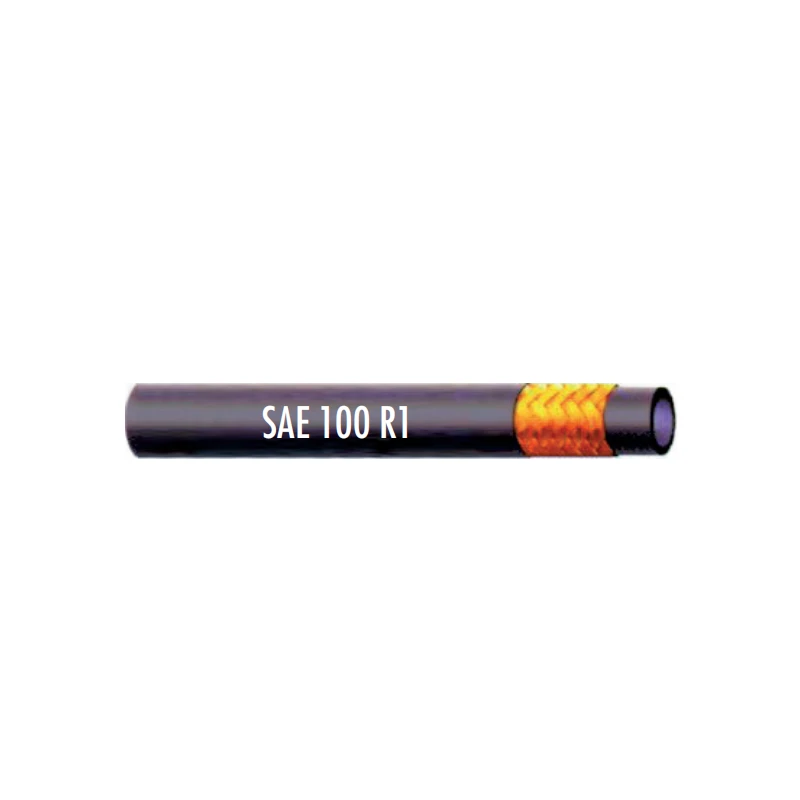
Steel Wire Reinforced Hydraulic Hose SAE 100 R1 / EN853 1SN S
-
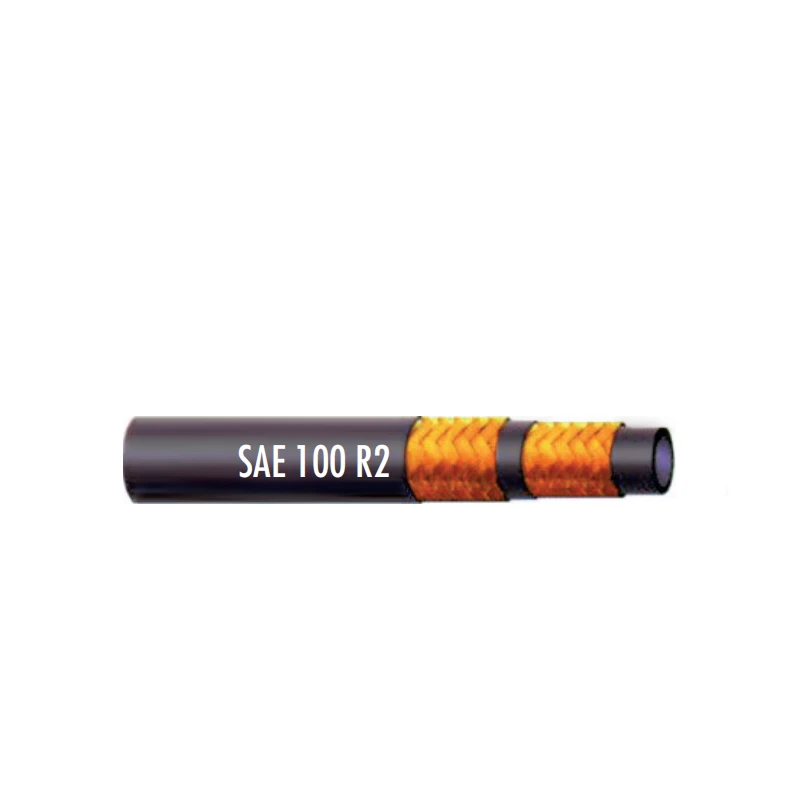
Two Layers Steel Wire Reinforced Hydraulic Hose SAE 100 R2 / EN853 2SN
-
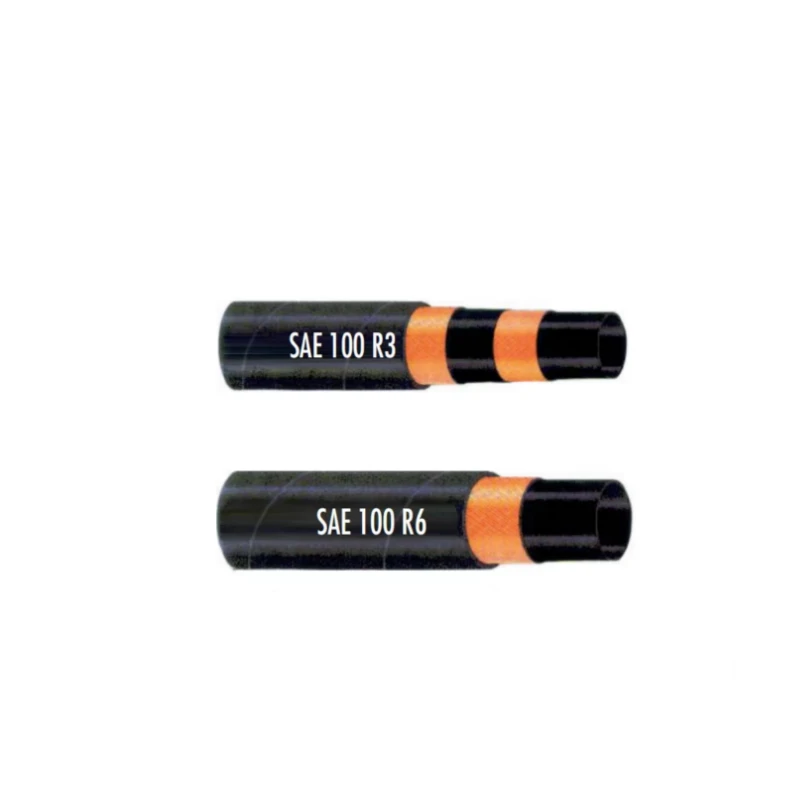
-
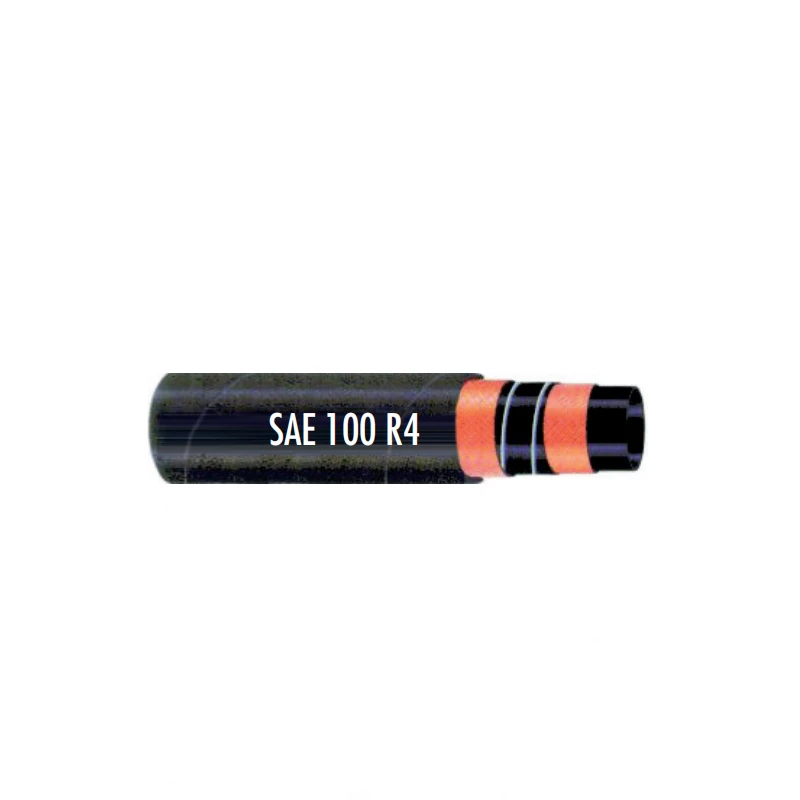
Textile Reinforced Hydraulic oil Suction Hose with embedded Steel Wire SAE 100 R4
-
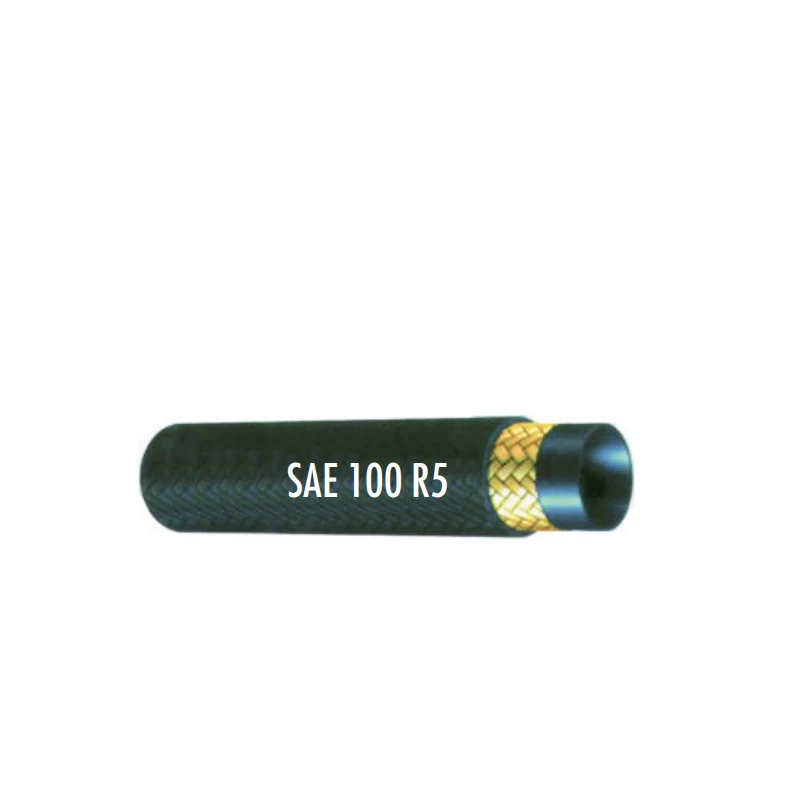
Single Wire Braid and Textile Covered Hydraulic Hose SAE 100 R5
-
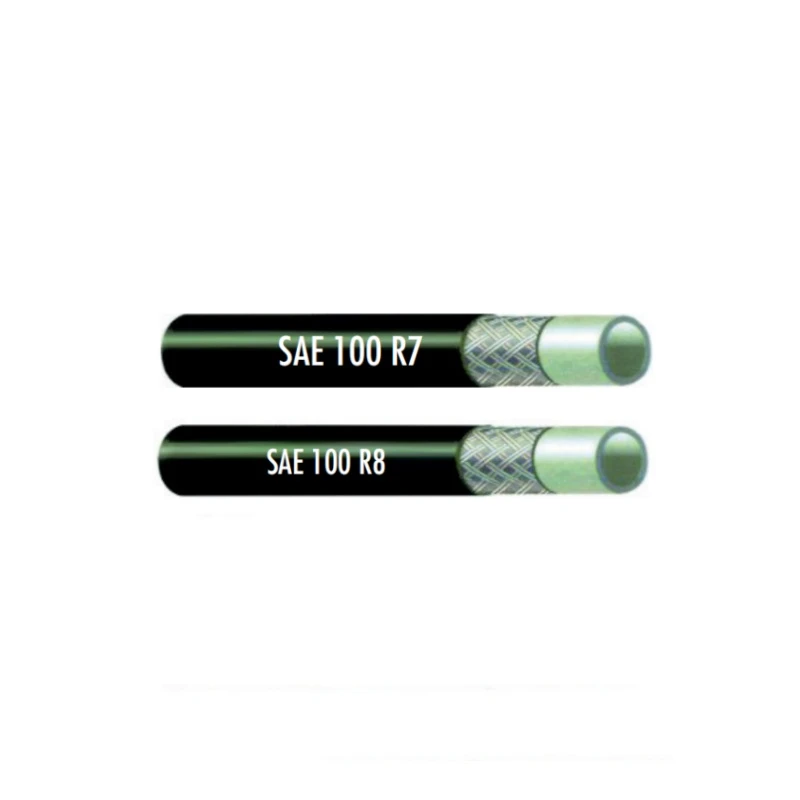
High Pressure Thermoplastic Hydraulic Hose SAE 100 R7 / EN855 R7 - SAE 100 R8 / EN855 R8
-
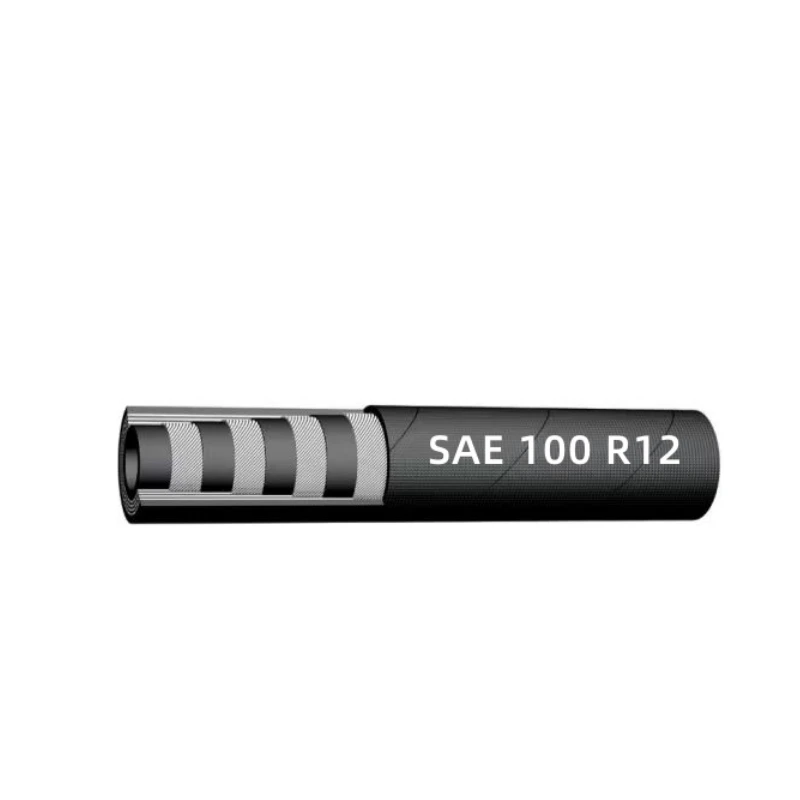
Heavy Duty Four-layer Steel Wire Spiral Reinforced Hydraulic Hose SAE100R9+R10+R12
-
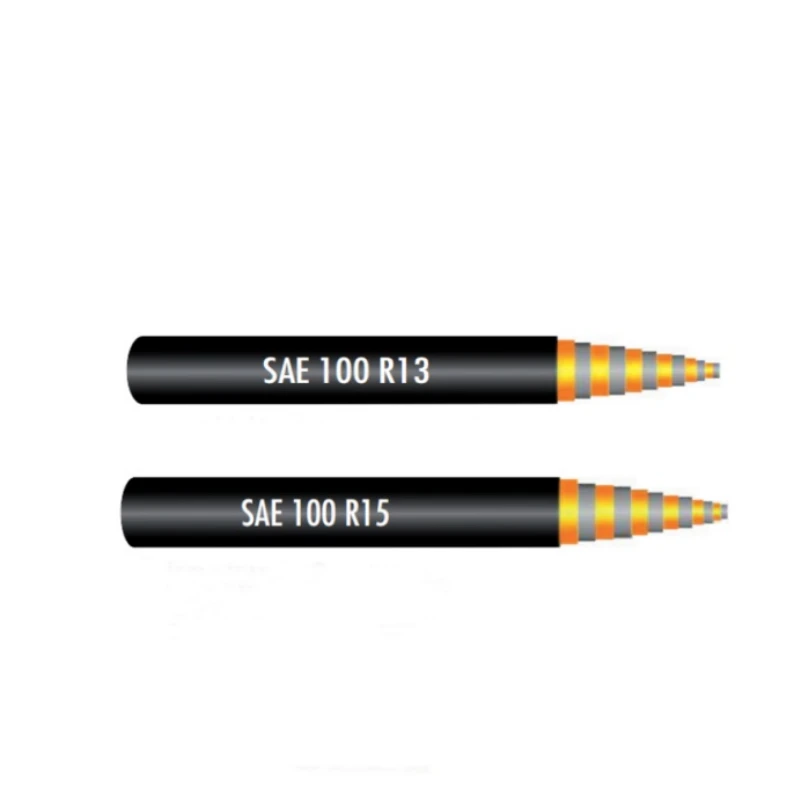
Heavy Duty Multi-layer Steel Wire Reinforced Hydraulic Hose SAE100R13 SAE100R15


