

Jan . 30, 2026 14:45 Back to list
Comprehensive Guide to SAE 100R8 Non Conductive Hydraulic Hoses
Understanding SAE 100R8: A Comprehensive Guide
SAE 100R8 is a critical standard for non-conductive hose used in hydraulic applications, particularly those involving flammable fluids. This standard ensures the hose can safely transfer fluids without the risk of static electricity build-up, which could ignite hazardous materials. Understanding the nuances of SAE 100R8 hoses is vital for anyone involved in industries like agriculture, construction, mining, and oil & gas. Choosing the correct hose for the application protects equipment and, more importantly, personnel. This article will provide an in-depth look at the standard, its applications, key features, and how to select the right hose for your needs.
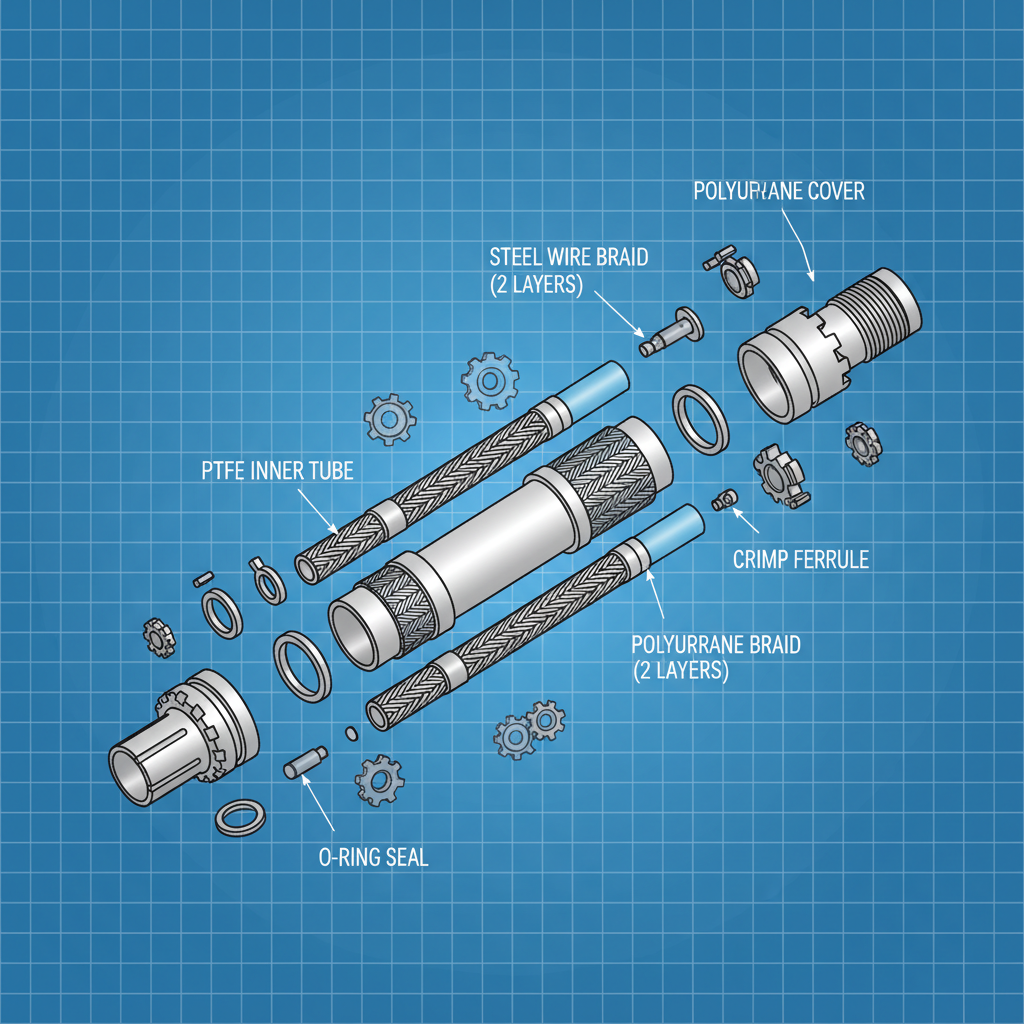
What is SAE 100R8 and Why is it Important?
SAE 100R8 defines the requirements for non-conductive hydraulic hoses designed for use with petroleum-based fluids. The primary goal of this standard is to prevent static electricity from accumulating on the hose during fluid transfer. This accumulation can create sparks, which in the presence of flammable vapors or liquids, can lead to fires or explosions. Hoses meeting the SAE 100R8 standard are constructed with materials that inhibit static charge generation and dissipation. This makes them essential in applications where the risk of fire is present. JY Hose specializes in manufacturing high-quality SAE 100R8 hoses, designed to meet and exceed industry safety standards.
Key Takeaway: SAE 100R8 hoses are specifically designed to minimize the risk of fire and explosion in hydraulic systems handling flammable fluids by preventing static electricity build-up.
SAE 100R8 Hose Construction and Materials
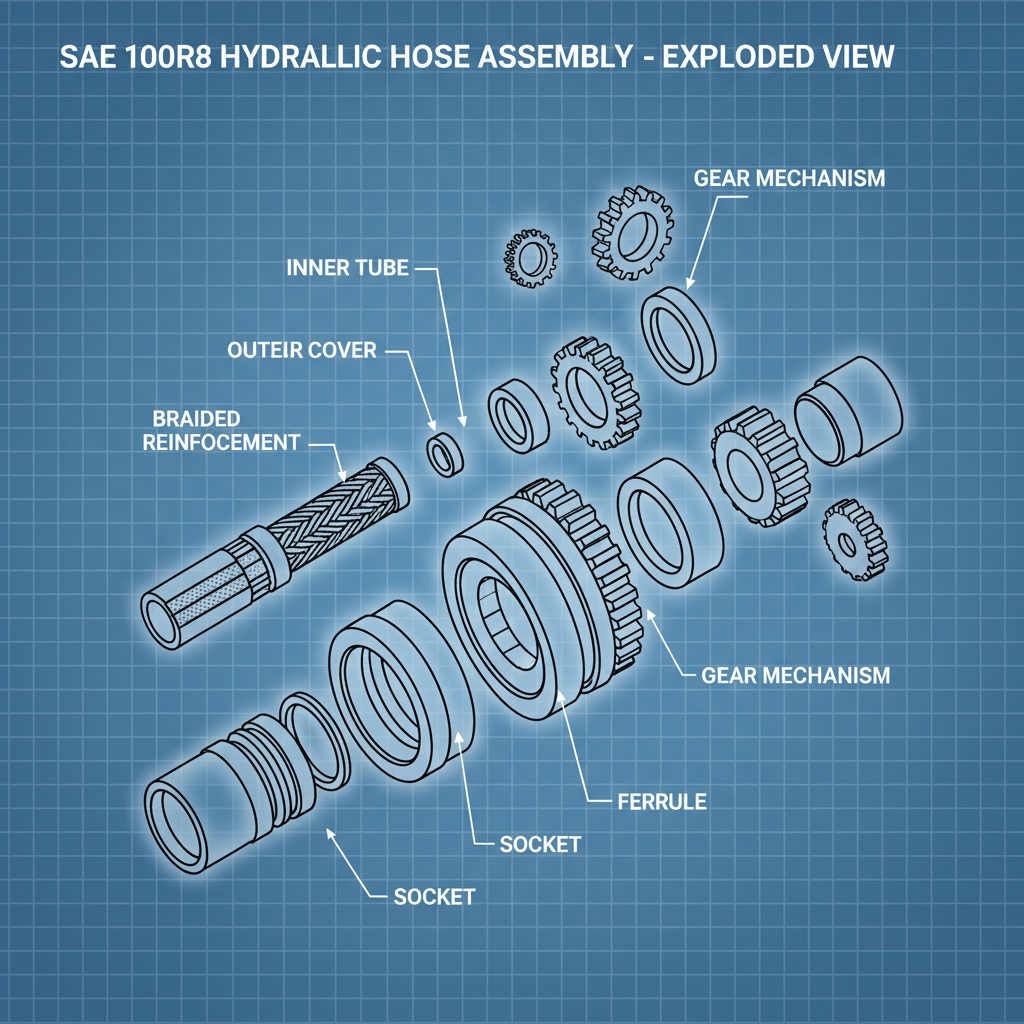
SAE 100R8 hoses typically consist of several layers. The inner tube must be compatible with the fluid being transferred, often made of a synthetic rubber like nitrile (NBR). The reinforcement layer is usually a spiral-wound synthetic fiber, providing strength and flexibility. The cover is constructed of a synthetic rubber compound that provides abrasion, oil, and weather resistance. Critically, all materials used must have a high electrical resistance to prevent static charge accumulation. The hose must also withstand the specified working pressure and temperature ranges dictated by the application.
Typical SAE 100R8 Hose Layers:
• Inner Tube: NBR or other compatible synthetic rubber
• Reinforcement: Spiral-wound synthetic fiber
• Cover: Synthetic rubber (e.g., CR, SBR)
SAE 100R8 vs. Other Hydraulic Hose Standards
While several SAE standards govern hydraulic hoses, SAE 100R8 is unique in its focus on non-conductivity. Standards like SAE 100R1AT and SAE 100R2AT prioritize pressure ratings and physical durability, but do not specifically address static electricity. Therefore, they are not suitable for applications involving flammable fluids. Choosing the incorrect hose type can have severe consequences. JY Hose provides expert guidance to help you select the appropriate hose for your specific needs.
Common Applications of SAE 100R8 Hose
SAE 100R8 hoses find widespread use in several industries. Agriculture relies on them for fueling farm equipment. Construction utilizes them in hydraulic machinery operating with diesel fuel. Mining employs them in fuel transfer for heavy machinery. Oil and gas industries depend on them for transferring fuels and oils in potentially hazardous environments. Proper hose selection and maintenance are essential for ensuring safety and operational efficiency in these demanding applications. JY Hose offers a range of SAE 100R8 hoses tailored to these specific industrial needs.
Selecting the Right SAE 100R8 Hose
When choosing an SAE 100R8 hose, consider the following factors: working pressure, temperature range, fluid compatibility, and hose length. Ensure the hose's pressure rating exceeds the maximum system pressure. Verify that the hose materials are compatible with the fluid being transferred. Select a hose length that allows for sufficient flexibility and avoids strain. Regular inspection for wear and tear is crucial for maintaining hose integrity.
Conclusion: Prioritizing Safety with SAE 100R8 Hoses
Investing in high-quality SAE 100R8 hoses from a reputable manufacturer like JY Hose is a critical step in ensuring workplace safety and preventing costly incidents. By understanding the standard's requirements and selecting the appropriate hose for your application, you can minimize the risk of fire and protect your equipment and personnel.
Frequently Asked Questions (FAQs)
What fluids are compatible with SAE 100R8 hoses?
SAE 100R8 hoses are designed for use with petroleum-based fluids, including diesel fuel, gasoline, lubricating oils, and hydraulic oils. However, it’s crucial to check the specific hose's chemical compatibility chart to ensure it’s suitable for the exact fluid being transferred. Incompatibility can lead to hose degradation and failure. Contact JY Hose for detailed compatibility information.
How often should I inspect an SAE 100R8 hose?
Regular inspection is crucial. It's recommended to visually inspect the hose before each use for signs of wear, damage, or leaks. A more thorough inspection should be conducted at least monthly, checking for cracks, abrasions, blistering, and proper fitting connections. Replace the hose immediately if any damage is detected.
What is the maximum working pressure for SAE 100R8 hoses?
The maximum working pressure varies depending on the hose construction and manufacturer. SAE 100R8 hoses are typically rated for working pressures ranging from 100 to 300 bar (1450 to 4350 psi). Always check the hose's label or specification sheet for the specific pressure rating. Never exceed the rated pressure.
Latest News
Steel Wire Reinforced Hydraulic Hose SAE 100 R1 / EN853 1SN S
NewsOct.17,2024
Two Layers Steel Wire Reinforced Hydraulic Hose SAE 100 R2 / EN853 2SN
NewsSep.03,2024
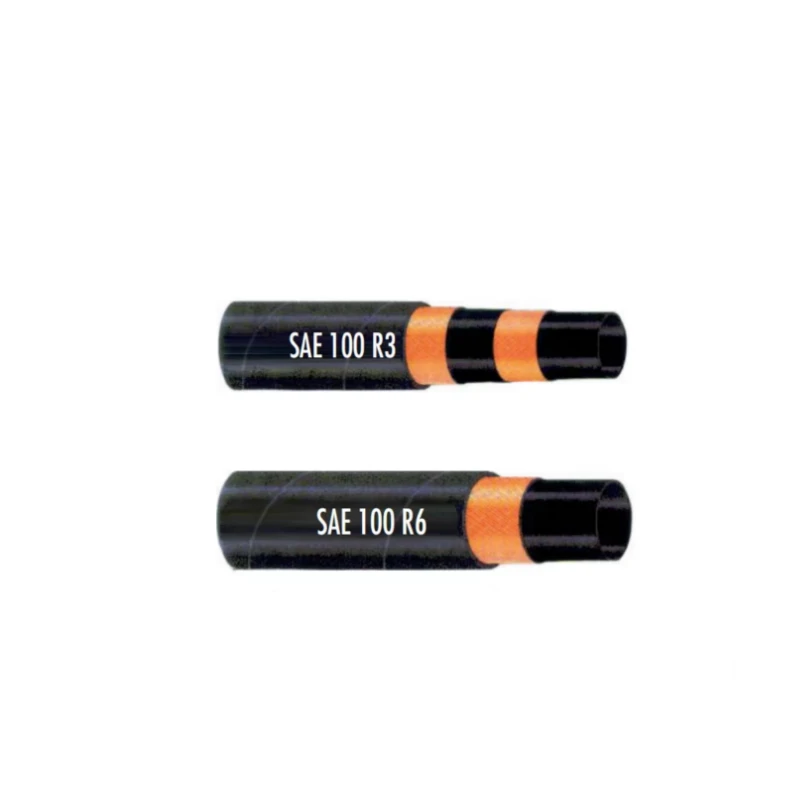
Textile Braid Reinforced Hydraulic Hose SAE100 R3+R6
NewsSep.03,2024
Textile Reinforced Hydraulic oil Suction Hose with embedded Steel Wire SAE 100 R4
NewsSep.03,2024
Single Wire Braid and Textile Covered Hydraulic Hose SAE 100 R5
NewsSep.03,2024
High Pressure Thermoplastic Hydraulic Hose SAE 100 R7 / EN855 R7 - SAE 100 R8 / EN855 R8
NewsSep.03,2024
Heavy Duty Four-layer Steel Wire Spiral Reinforced Hydraulic Hose SAE100R9+R10+R12
NewsSep.03,2024
Heavy Duty Multi-layer Steel Wire Reinforced Hydraulic Hose SAE100R13 SAE100R15
NewsSep.03,2024
Latest Products
-
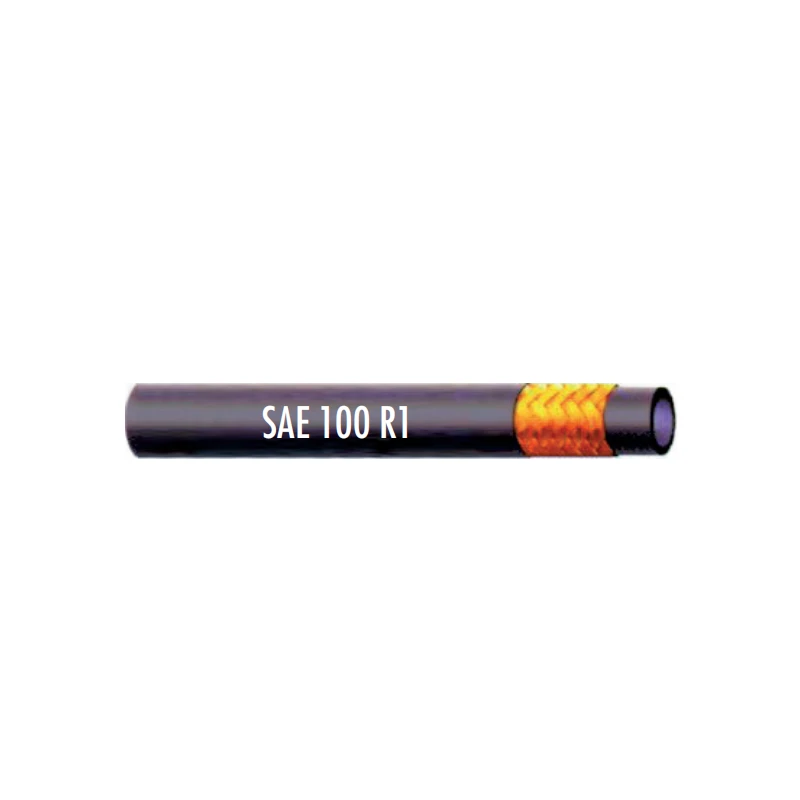
Steel Wire Reinforced Hydraulic Hose SAE 100 R1 / EN853 1SN S
-
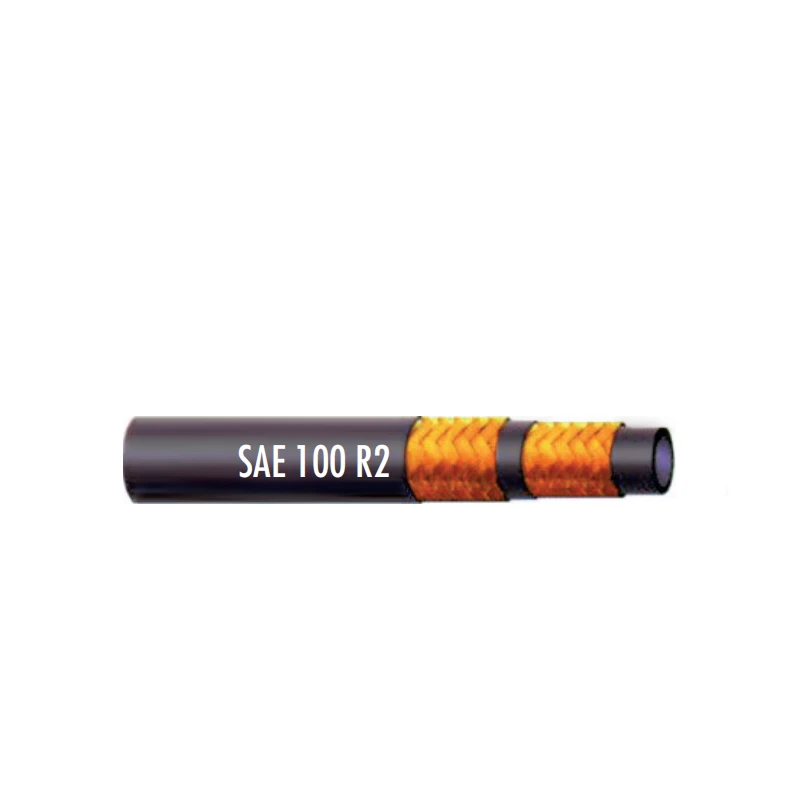
Two Layers Steel Wire Reinforced Hydraulic Hose SAE 100 R2 / EN853 2SN
-
-
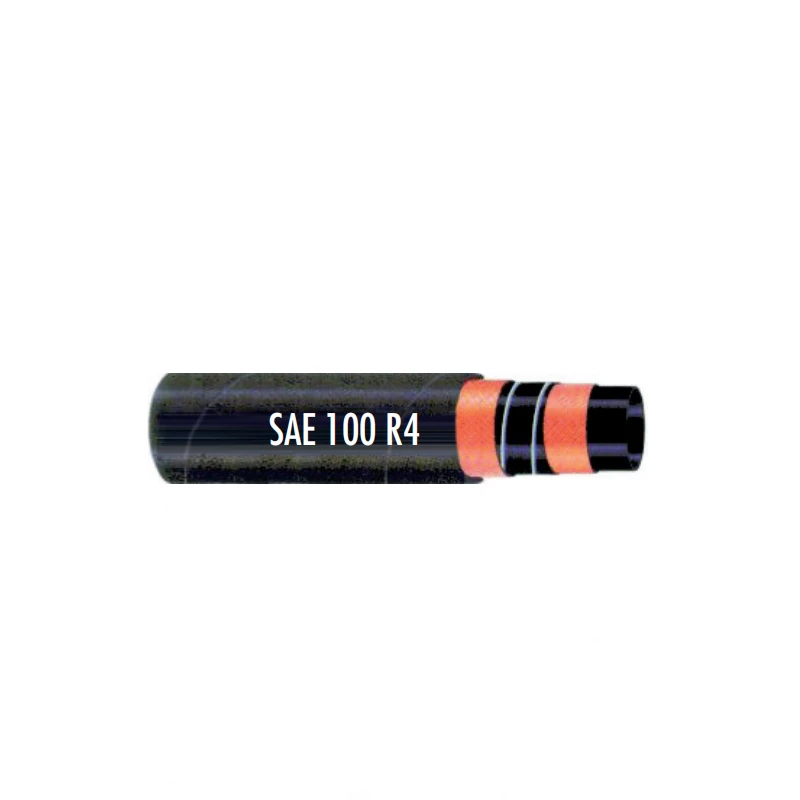
Textile Reinforced Hydraulic oil Suction Hose with embedded Steel Wire SAE 100 R4
-
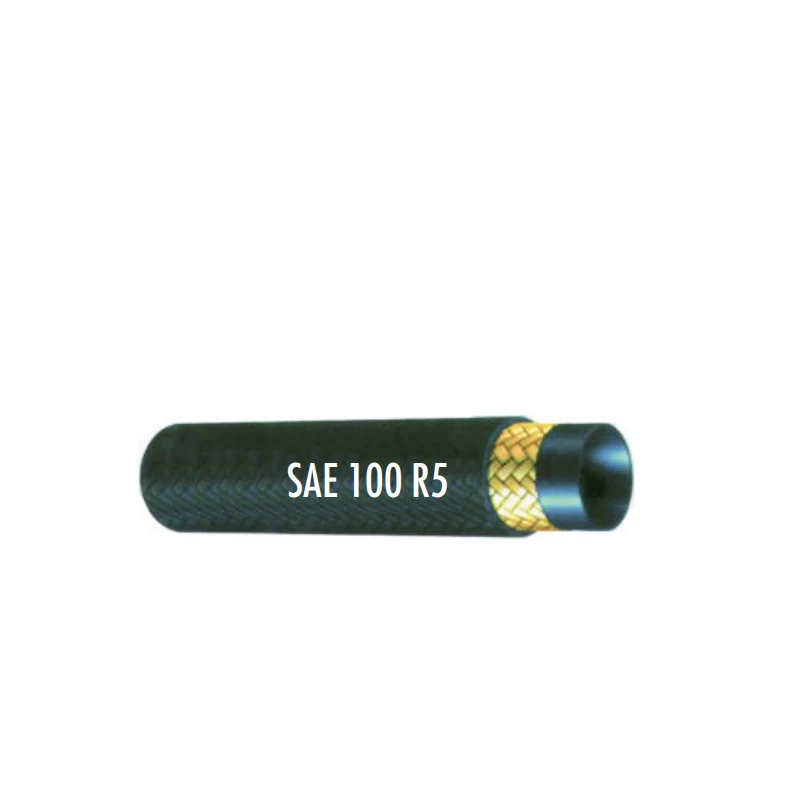
Single Wire Braid and Textile Covered Hydraulic Hose SAE 100 R5
-
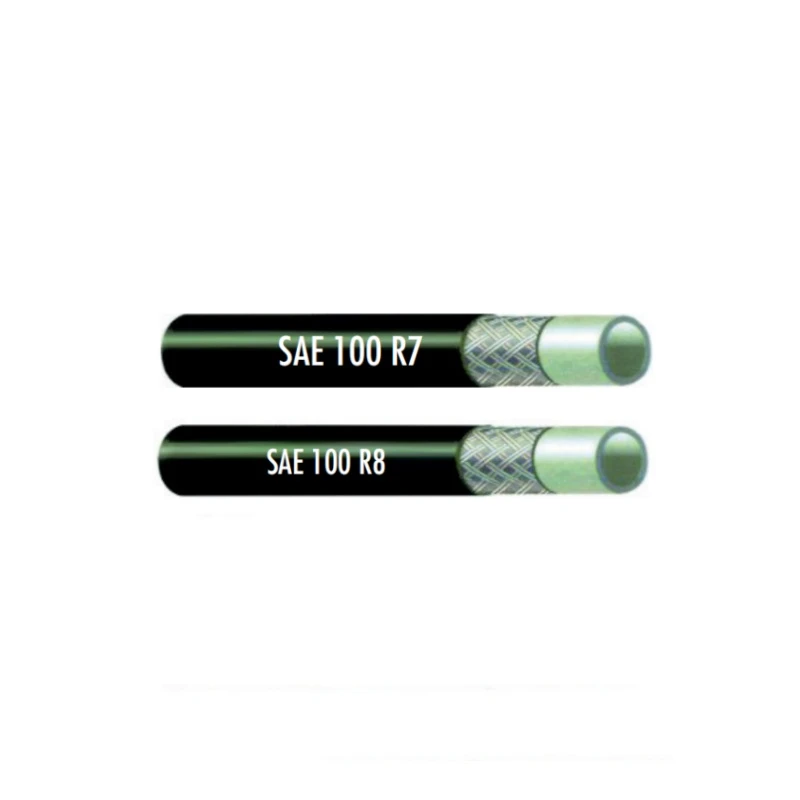
High Pressure Thermoplastic Hydraulic Hose SAE 100 R7 / EN855 R7 - SAE 100 R8 / EN855 R8
-
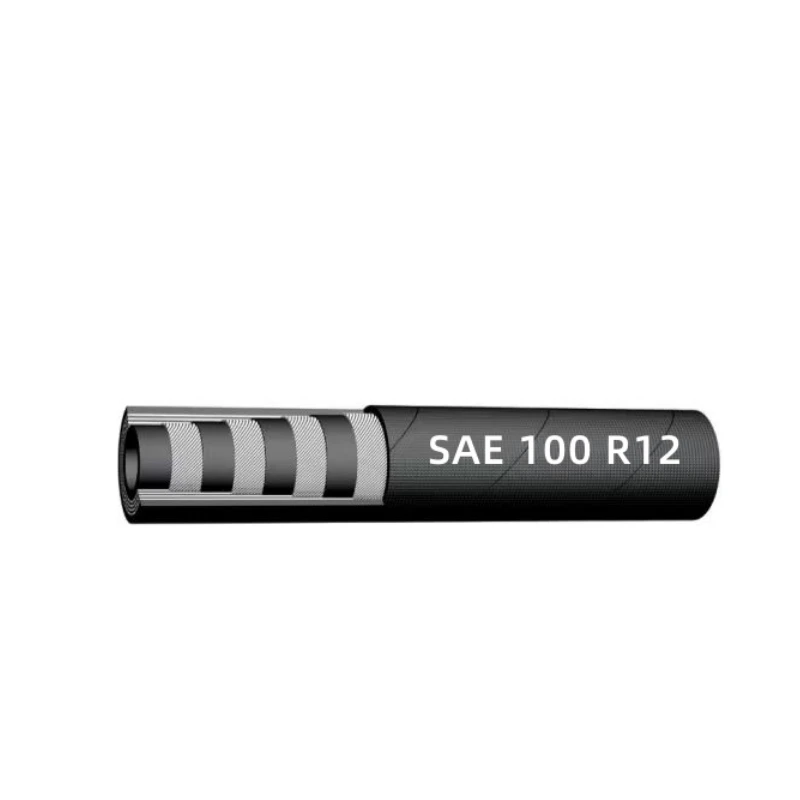
Heavy Duty Four-layer Steel Wire Spiral Reinforced Hydraulic Hose SAE100R9+R10+R12
-
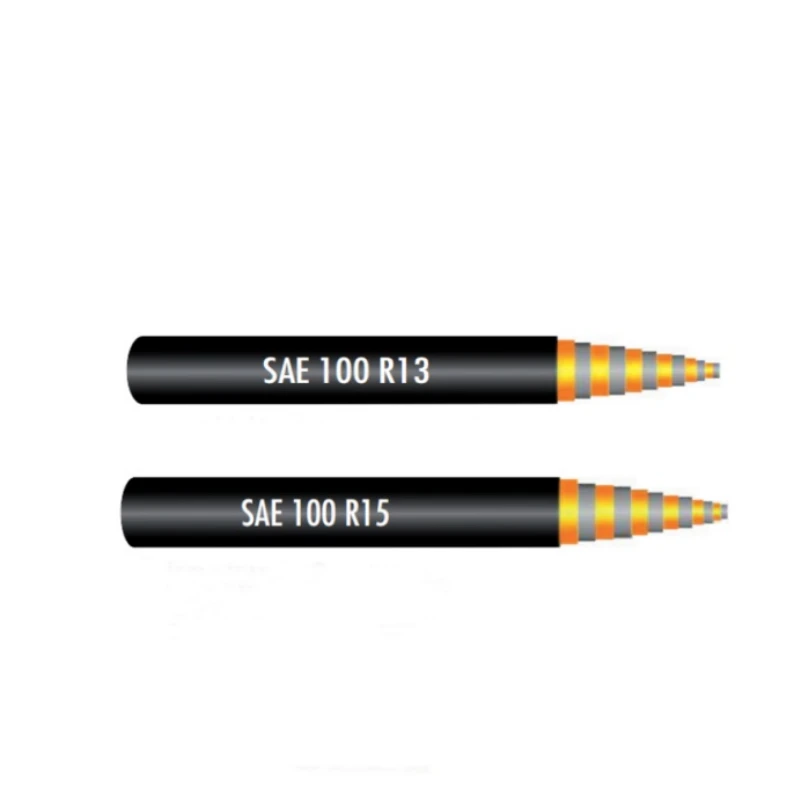
Heavy Duty Multi-layer Steel Wire Reinforced Hydraulic Hose SAE100R13 SAE100R15


