

Feb . 11, 2026 02:15 Back to list
Comprehensive Guide to SAE100R8 Hydraulic Hose Selection and Maintenance
Understanding SAE100R8 Hose: A Comprehensive Guide
SAE 100R8 hose is a critical component in hydraulic systems across various industries, from construction and agriculture to manufacturing and beyond. Known for its durability and reliability, this hose type is designed to withstand high pressures and challenging environments. This article provides a comprehensive overview of SAE 100R8 hose, covering its construction, applications, specifications, and best practices for selection and maintenance. Understanding the nuances of this hose will help ensure optimal performance and safety in your hydraulic systems. Learn why choosing the right hose, like those available at JY Hose, is paramount for operational efficiency.
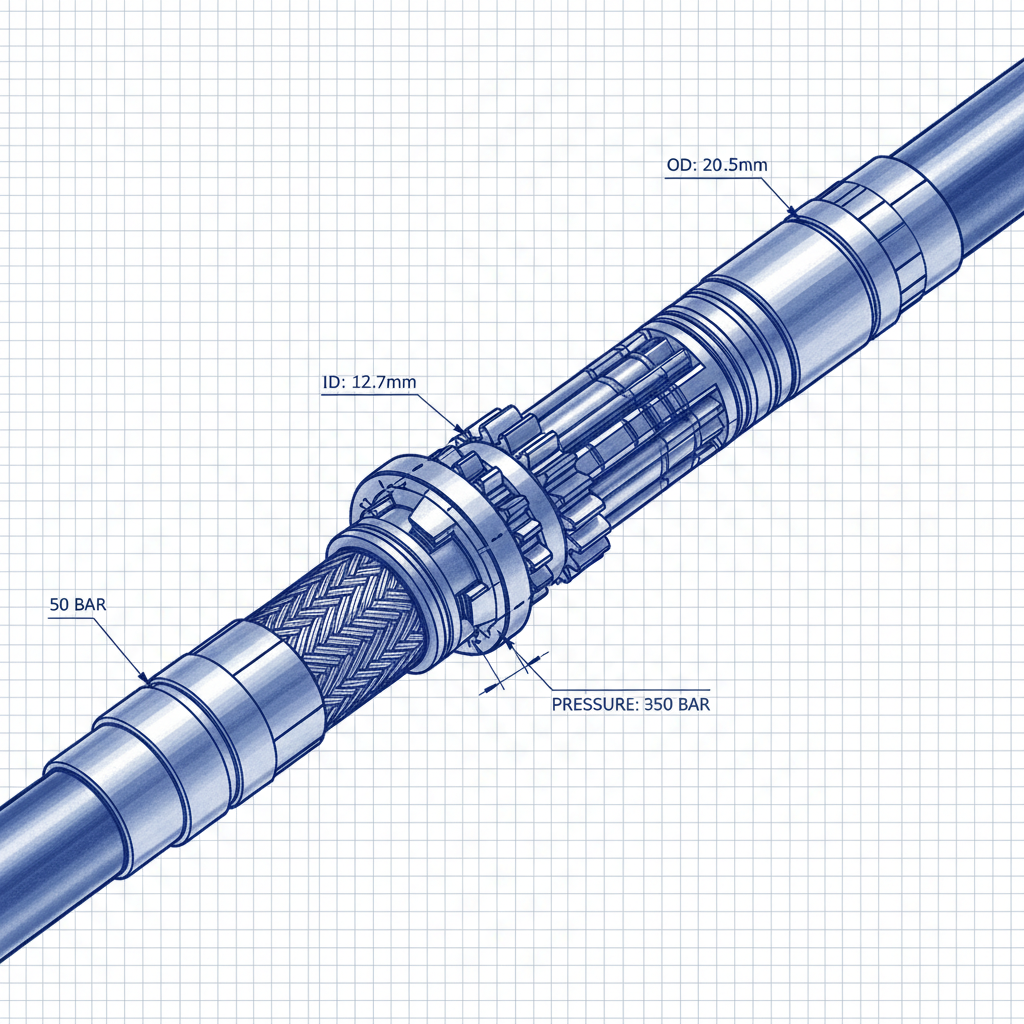
The Construction of SAE 100R8 Hose
SAE 100R8 hose is typically constructed with multiple layers designed to provide strength, flexibility, and resistance to abrasion and chemicals. The core, usually made of synthetic rubber, provides a fluid-resistant barrier. This is surrounded by layers of high-tensile strength steel wire reinforcement, typically arranged in a spiral or braided configuration. An outer cover, often made of synthetic rubber like polyurethane, protects the hose from external factors like ozone, UV exposure, and oil. The combination of these materials results in a hose capable of handling extremely high pressures and providing long-lasting performance.
Key Highlights: Multi-layered construction utilizing synthetic rubber core, high-tensile steel wire reinforcement, and a durable synthetic rubber outer cover. Designed to provide exceptional strength and resistance to a variety of harsh conditions.
Applications of SAE 100R8 Hose
SAE 100R8 hose finds widespread use in demanding hydraulic applications. Common examples include hydraulic machinery in construction equipment (excavators, bulldozers), agricultural machinery (tractors, harvesters), and industrial manufacturing (presses, injection molding machines). Its ability to withstand high pressures makes it ideal for delivering power to hydraulic cylinders, motors, and other components. Furthermore, it's often used in mobile hydraulic systems, where flexibility and resistance to vibration are crucial. You can explore a comprehensive range of SAE 100R8 hose options suited to your specific application at JY Hose.
Application Areas:
• Construction Equipment
• Agricultural Machinery
• Industrial Hydraulics
• Mobile Hydraulic Systems
SAE 100R8 Hose: Key Specifications & Performance
Understanding the specifications of SAE 100R8 hose is vital for selecting the right product for your application. Key parameters include working pressure, burst pressure, temperature range, and fluid compatibility. Working pressure indicates the maximum pressure the hose can handle continuously during operation. Burst pressure represents the pressure at which the hose will fail. Temperature range defines the operating limits of the hose, and fluid compatibility ensures the hose material won’t degrade when exposed to the hydraulic fluid being used.
SAE 100R8 vs. Other Hydraulic Hose Types
While various hydraulic hose types exist, SAE 100R8 stands out due to its robust construction and high-pressure capabilities. Compared to SAE 100R2 hose, 100R8 offers significantly higher working pressures, making it suitable for more demanding applications. SAE 100R6 hose, while more flexible, typically has a lower pressure rating. Choosing the appropriate hose depends on the specific pressure requirements, temperature range, and environmental conditions of the application.
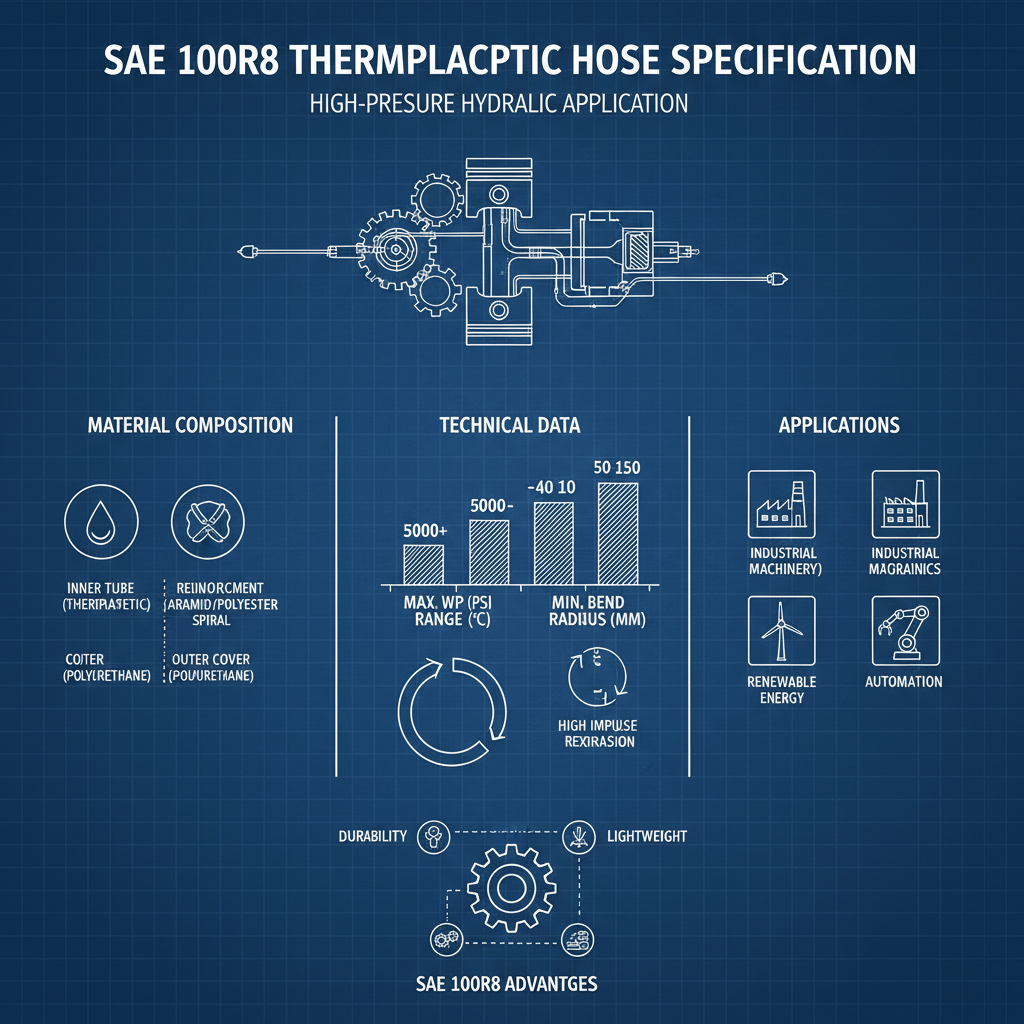
Maintenance and Best Practices for SAE 100R8 Hose
Proper maintenance is crucial for maximizing the lifespan and reliability of SAE 100R8 hose. Regular inspection for signs of wear, such as cracks, abrasions, or leaks, is essential. Avoid sharp bends or kinks, as these can damage the reinforcement layers. Ensure proper hose routing to prevent rubbing against other components. When replacing a hose, always use fittings that are specifically designed for SAE 100R8 and are properly crimped. Consider the expertise offered by JY Hose for selecting the right fittings and ensuring proper installation.
Conclusion: Investing in Quality & Proper Maintenance
SAE 100R8 hose is a vital component in numerous hydraulic systems, offering reliability and durability. Choosing high-quality hoses, like those offered by JY Hose, and implementing a consistent maintenance program are essential for maximizing performance and ensuring safety. By prioritizing quality and proactive maintenance, you can minimize downtime and optimize the efficiency of your hydraulic operations.
Frequently Asked Questions (FAQs)
What is the difference between SAE 100R8 and SAE 100R1 AT hose?
While both are high-pressure hydraulic hoses, SAE 100R1 AT offers enhanced abrasion resistance compared to SAE 100R8. The "AT" designation indicates a special abrasion-resistant cover. SAE 100R1 AT is commonly used in applications where the hose is exposed to harsh environments and potential abrasion. SAE 100R8 is a more general-purpose high-pressure hose, sufficient for many applications without extreme abrasion concerns.
How often should I replace my SAE 100R8 hose?
The replacement frequency depends on operating conditions and usage. A general guideline is to replace the hose every 3-5 years, or sooner if visible damage (cracks, abrasions, leaks) is detected. Regular inspections are crucial. Hoses used in harsh environments or subjected to frequent flexing may require more frequent replacement. Follow the manufacturer's recommendations.
What type of fittings should I use with SAE 100R8 hose?
Always use fittings specifically designed for SAE 100R8 hose. These fittings are engineered to provide a secure and leak-proof connection. Incorrectly sized or incompatible fittings can lead to premature failure. Proper crimping of the fittings onto the hose is essential. Consulting with a hose specialist, like those at JY Hose, can ensure you select and install the correct fittings.
Can SAE 100R8 hose be used with corrosive fluids?
SAE 100R8 hose is typically suitable for petroleum-based hydraulic fluids. However, it's important to verify the hose's compatibility with specific fluids, especially those with corrosive properties. Using the hose with incompatible fluids can lead to degradation of the hose material and potential failure. Always consult the hose manufacturer's specifications or a fluid compatibility chart before use.
Latest News
Steel Wire Reinforced Hydraulic Hose SAE 100 R1 / EN853 1SN S
NewsOct.17,2024
Two Layers Steel Wire Reinforced Hydraulic Hose SAE 100 R2 / EN853 2SN
NewsSep.03,2024
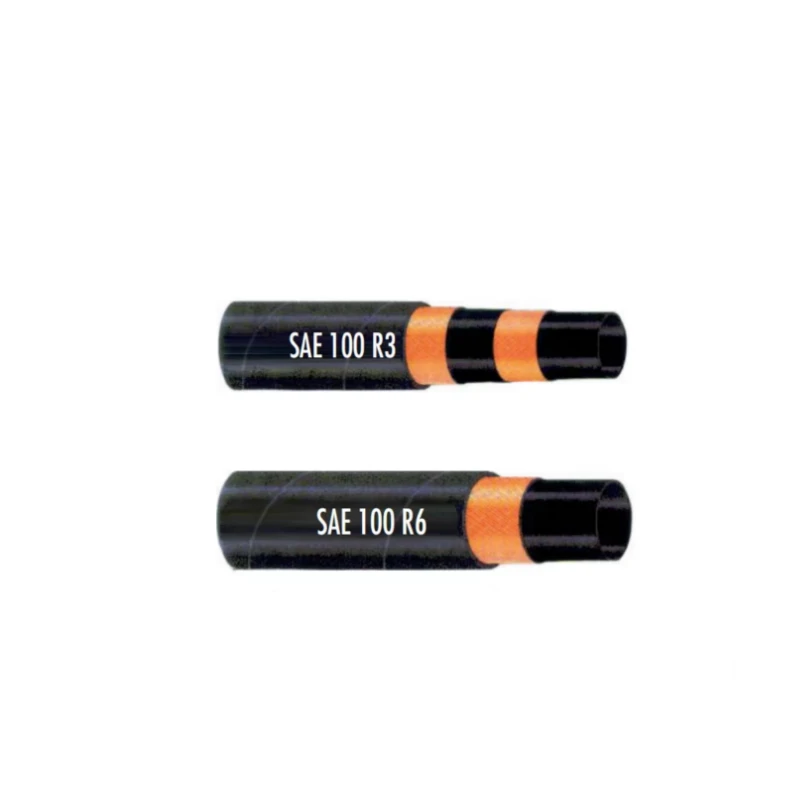
Textile Braid Reinforced Hydraulic Hose SAE100 R3+R6
NewsSep.03,2024
Textile Reinforced Hydraulic oil Suction Hose with embedded Steel Wire SAE 100 R4
NewsSep.03,2024
Single Wire Braid and Textile Covered Hydraulic Hose SAE 100 R5
NewsSep.03,2024
High Pressure Thermoplastic Hydraulic Hose SAE 100 R7 / EN855 R7 - SAE 100 R8 / EN855 R8
NewsSep.03,2024
Heavy Duty Four-layer Steel Wire Spiral Reinforced Hydraulic Hose SAE100R9+R10+R12
NewsSep.03,2024
Heavy Duty Multi-layer Steel Wire Reinforced Hydraulic Hose SAE100R13 SAE100R15
NewsSep.03,2024
Latest Products
-
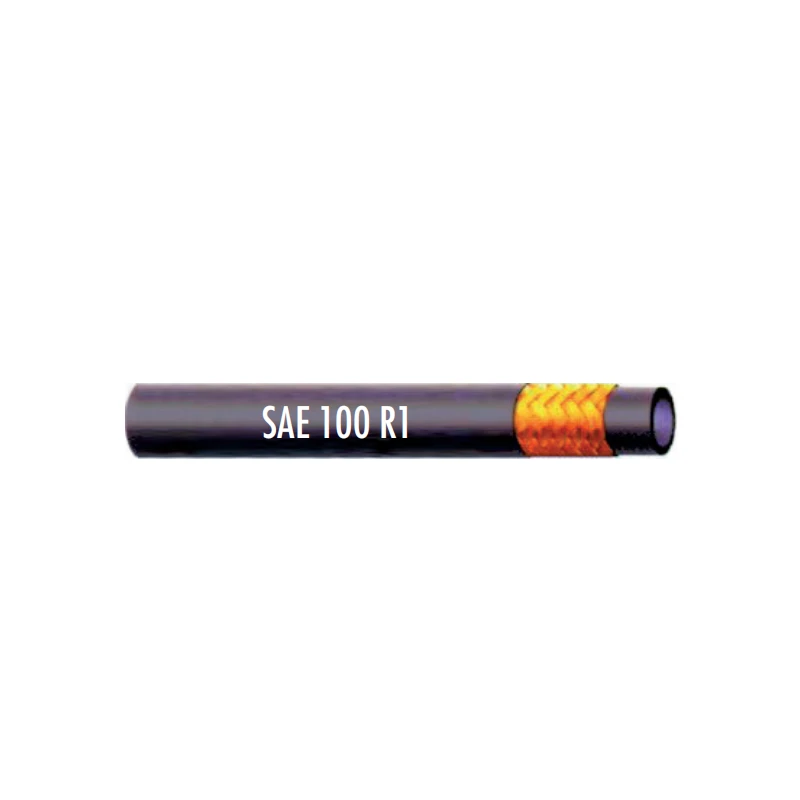
Steel Wire Reinforced Hydraulic Hose SAE 100 R1 / EN853 1SN S
-
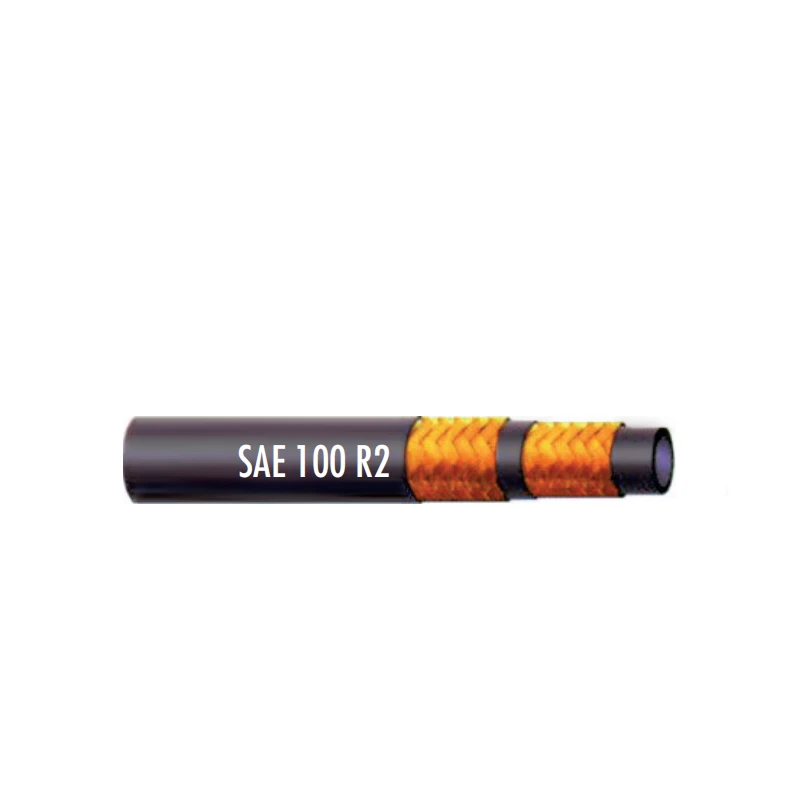
Two Layers Steel Wire Reinforced Hydraulic Hose SAE 100 R2 / EN853 2SN
-
-
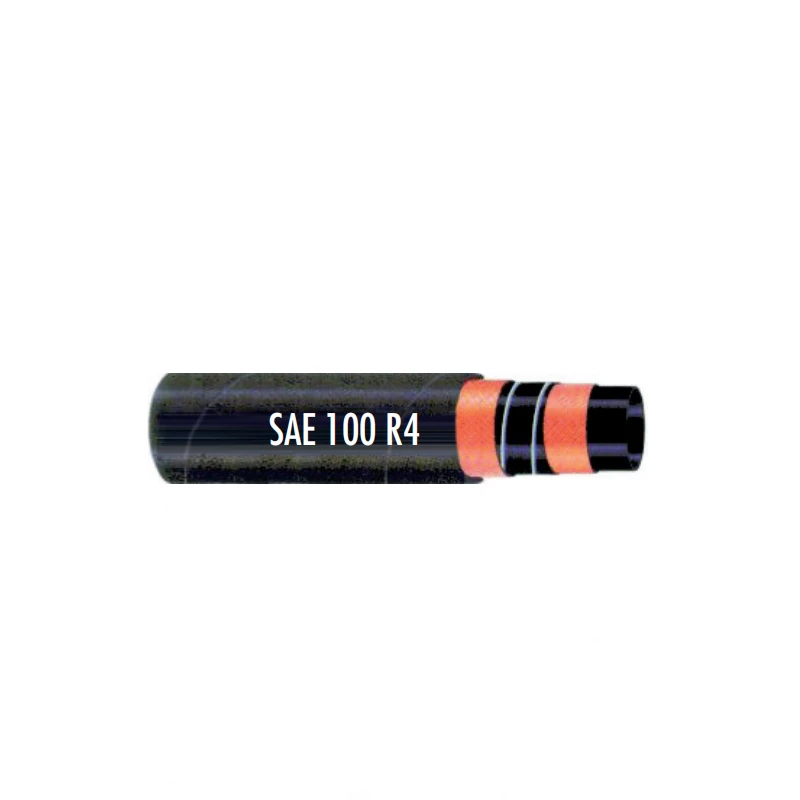
Textile Reinforced Hydraulic oil Suction Hose with embedded Steel Wire SAE 100 R4
-
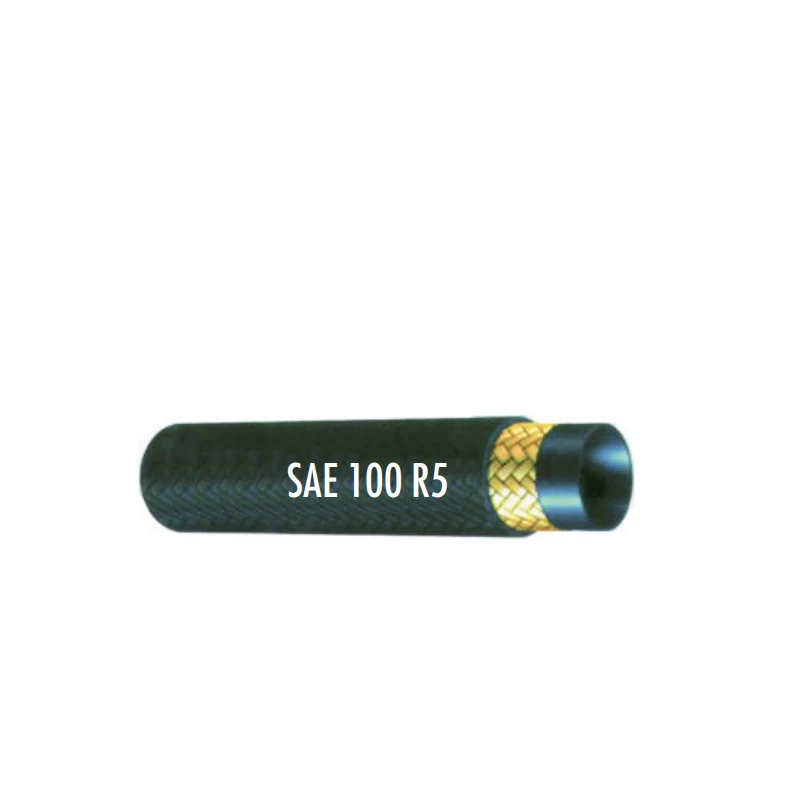
Single Wire Braid and Textile Covered Hydraulic Hose SAE 100 R5
-
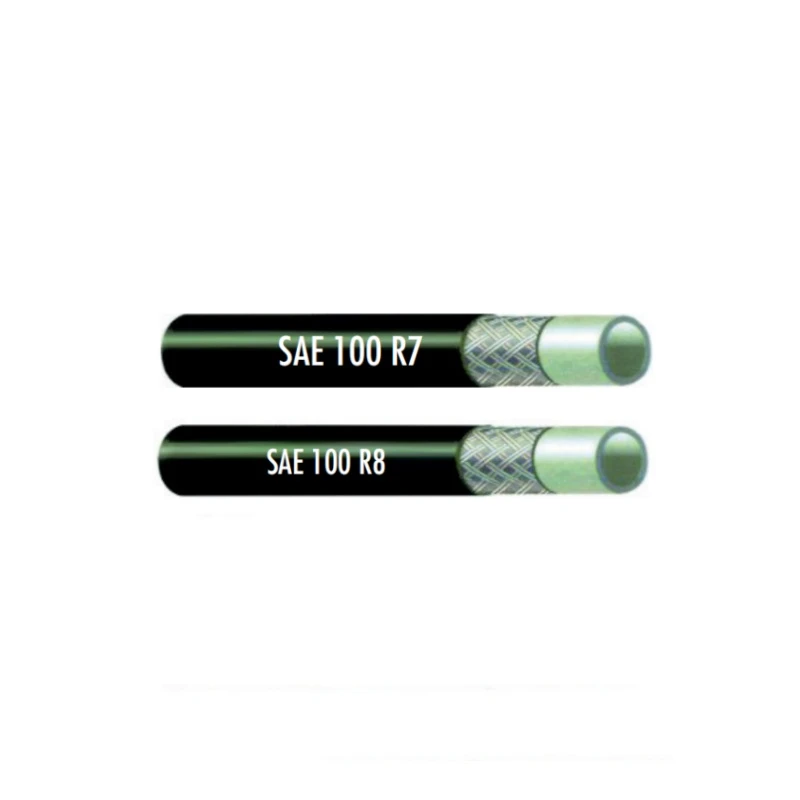
High Pressure Thermoplastic Hydraulic Hose SAE 100 R7 / EN855 R7 - SAE 100 R8 / EN855 R8
-
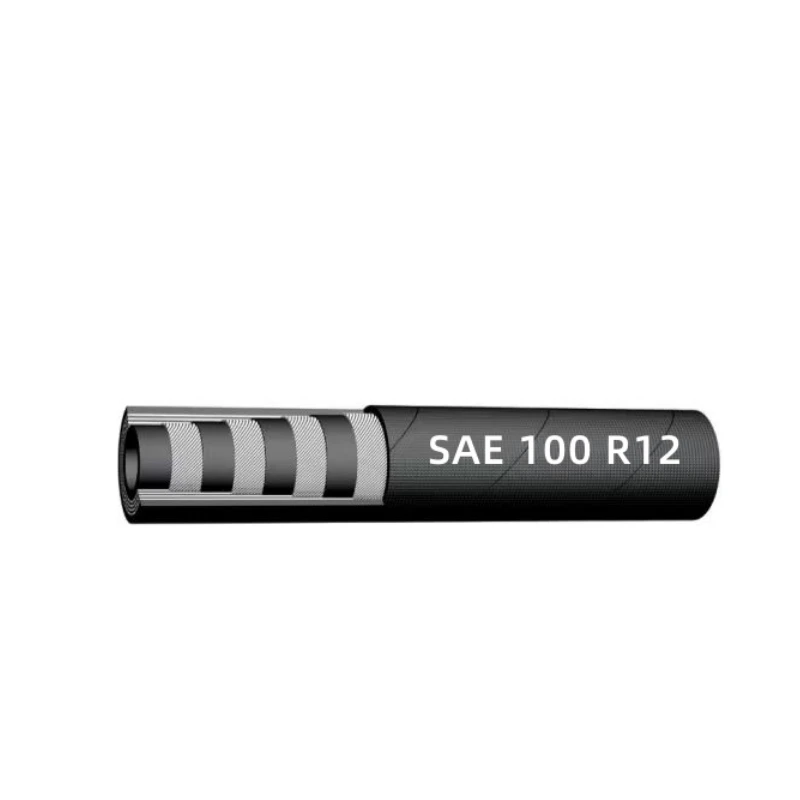
Heavy Duty Four-layer Steel Wire Spiral Reinforced Hydraulic Hose SAE100R9+R10+R12
-
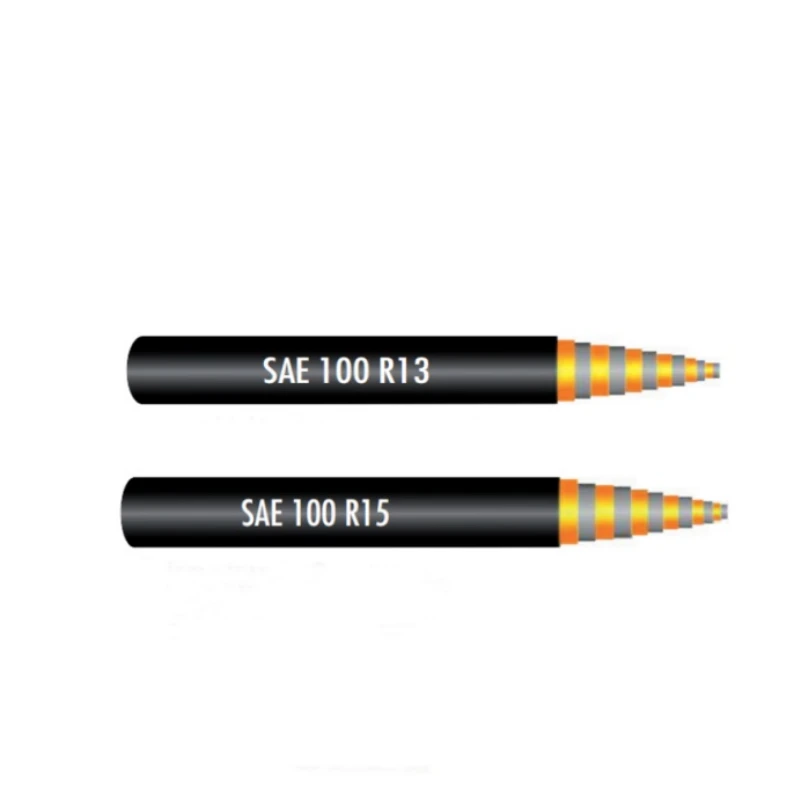
Heavy Duty Multi-layer Steel Wire Reinforced Hydraulic Hose SAE100R13 SAE100R15


