

Dec . 14, 2025 04:00 Back to list
Durable Trash Pump Hose Solutions for Industrial & Emergency Use
The Essential Role of Trash Pump Hose in Modern Industry
Understanding trash pump hose technology isn’t just a niche subject for engineers—it’s a global matter tied deeply to water management, disaster response, and sustainable industry. With increasing urbanization and climate challenges worldwide, the ability to move large volumes of wastewater or debris-laden fluids efficiently and safely has become critical. This article unpacks why these hoses matter, how they work, and what companies and communities stand to gain by deploying proper trash pump hose solutions.
Why Trash Pump Hose Is a Critical Issue Globally
Across the globe, the demand for resilient and efficient pumping systems is soaring. According to a 2022 report by the International Organization for Standardization (ISO), global wastewater treatment capacity must increase by nearly 60% over the next decade to meet urban growth and protect freshwater resources. The challenge? Pumping highly viscous, debris-filled, or abrasive fluids without failure.
In contexts ranging from large-scale mining operations in Australia to emergency flood relief in South Asia, trash pump hoses provide a vital link. They prevent costly downtime, reduce environmental hazards, and improve safety for operators working with hazardous slurries or waste materials.
Mini takeaway: Trash pump hoses are not just industrial extras—they are frontline tools in managing water and waste where failure is simply unacceptable.
What Exactly Is a Trash Pump Hose?
In its simplest form, a trash pump hose is a flexible piping specifically designed to connect to trash pumps—robust equipment that moves fluids containing solids, such as sewage, stormwater, or slurry. These hoses must handle abrasive solids, resist chemical degradation, and stay flexible under pressure. Think of them as the unsung hero tubing enabling pumps to suck and discharge thick, debris-laden liquids without clogging or bursting.
Modern industries and humanitarian efforts rely on these hoses for quick deployment and reliable transport. Whether clearing sediment-filled canals or handling waste during disaster relief, such hoses make a world of difference.
Core Components Defining a Quality Trash Pump Hose
Durability and Abrasion Resistance
Wastewater and sludge often contain sharp, abrasive particles that wear down ordinary hoses quickly. Leading hoses use multiple layers of heavy-duty synthetic rubber and embedded textile reinforcements to extend lifespan even under harsh conditions.
Flexibility and Handling
Despite their toughness, trash pump hoses need flexibility for easy maneuvering on uneven terrain or confined spaces. Lightweight, pliable hoses reduce operator fatigue and adapt to variable discharge angles.
Pressure Tolerance
Operating pressures can reach several bars depending on pump power. Robust hoses maintain structural integrity under both suction and discharge forces without bulging or collapsing.
Chemical and Temperature Resistance
Industrial fluids vary widely in pH and temperature. A good trash pump hose resists chemical degradation and performs well in hot or cold conditions.
Ease of Connection
Standardized flanges or quick-connect couplings reduce downtime during hose installation or replacement, essential when speed is of the essence (think emergency flood pumping).
Global Uses and Real-World Examples
- Disaster relief: In 2023, after unprecedented flooding in Southeast Asia, NGOs used trash pump hoses to quickly clear debris-choked waterways, restoring access and sanitation.
- Mining operations: Australian mines handle abrasive slurry via long hoses connected to high-capacity pumps, preventing shutdowns that could cost millions.
- Municipal wastewater: European cities implement trash pump hoses in aging sewage systems to maintain flow and reduce backups.
- Construction sites: Dewatering muddy excavation pits requires trash pump hose systems that adapt quickly to site conditions.
Mini takeaway: From emergency relief to heavy industry, trash pump hoses enable systems to keep flowing when it really matters.
What Are the Advantages and Long-Term Value?
Choosing the right trash pump hose saves operational costs thanks to less maintenance and downtime. It also boosts sustainability by preventing leaks and contamination, aligning well with ISO 14001 environmental standards. There’s the human side, too: reliability in pumps means safer working environments and upholding community health during crises.
From my chats with engineers, what sticks is the confidence well-built hoses bring. When you’re working with expensive equipment and tight schedules, a failure mid-job isn’t just inconvenient—it’s costly and stressful. Trustworthy hoses build trust across entire project teams.
Looking Ahead: Trends in Trash Pump Hose
Innovation continues, especially with polymers resistant to ever more aggressive chemicals and higher temperatures. There's buzz around eco-friendly materials reducing environmental footprints. Coupling that with sensors embedded in hoses (for pressure, wear, and flow monitoring) promises a digital revolution—smart trash pump hoses that help prevent failures before they happen.
Energy-efficient pumps paired with durable hoses also contribute to lowering carbon emissions, aligning with global commitments under frameworks like the UNFCCC. It feels like trash pump hoses, often overlooked, are quietly becoming smarter, greener, and more integral.
Challenges and How Experts are Addressing Them
Common issues include abrasion wear, hose collapse under suction, and connection leaks—especially in makeshift or rapidly deployed systems. Experts emphasize ongoing material R&D and stress rigorous testing per ISO 3994 standards.
Moreover, modular hose designs enable easier repairs onsite, reducing need to ship entire hose sections. Training operators on proper handling and storage also mitigates premature failure. Finally, investing in quality hoses upfront proves far cheaper long-term than scrimping on specs.
Quick FAQs on Trash Pump Hose
- How do trash pump hoses differ from standard water hoses?
- Trash pump hoses are specifically designed to handle solids and abrasive materials, featuring thicker walls, reinforced layers, and chemical resistance that ordinary water hoses lack.
- Can a trash pump hose be used in cold climates?
- Yes, many models are built to withstand sub-zero temperatures without becoming brittle, thanks to specialized rubber compounds and construction.
- What factors affect the hose life the most?
- Abrasion from solids, chemical exposure, and incorrect pressure handling reduce hose lifespan. Proper selection and maintenance can significantly increase useful life.
- Are quick-connect couplings important?
- Absolutely. They allow fast hose changes and reduce downtime, critical in emergency or project-based applications.
- Where can I find certified trash pump hoses?
- Look for hoses tested according to ISO and ASTM standards, offered by reputable suppliers with clear material and performance specs.
How Trash Pump Hose Specifications Stack Up
| Specification | Typical Value | Unit |
|---|---|---|
| Inner Diameter | 80 - 300 | mm |
| Working Pressure | 6 - 15 | bar |
| Temperature Range | -30 to 80 | °C |
| Abrasion Resistance | ISO 4649 - Class 2 | / |
| Material | Synthetic Rubber / Textile Reinforcement | / |
Comparing Leading Trash Pump Hose Vendors
| Vendor | Product Range | Key Feature | Typical Lead Time | Warranty |
|---|---|---|---|---|
| JY Hose | Sizes 50-350 mm, chemical resistant | High abrasion resistance, flexible | 2-4 weeks | 12 months |
| Vendor B | Sizes 75-300 mm, heat resistant | Integrated sensor options | 4-6 weeks | 18 months |
| Vendor C | Sizes 100-400 mm, cold resistant | Lightweight with quick couplings | 3-5 weeks | 12 months |
Wrapping It Up
In real terms, the humble trash pump hose quietly underpins vital industries and humanitarian efforts alike. They deliver toughness, flexibility, and dependability that operators swear by. As climate pressures increase and infrastructure ages, their role will only grow.
If you’re considering upgrading or deploying trash pump hoses, check out the robust selections at JY Hose. Their blend of performance and reliability reflects years of technical refinement—something every operator can appreciate.
Mini takeaway: Good trash pump hoses aren’t a luxury; they’re a necessity for sustainable, safe liquid handling solutions worldwide.
References
Latest News
Steel Wire Reinforced Hydraulic Hose SAE 100 R1 / EN853 1SN S
NewsOct.17,2024
Two Layers Steel Wire Reinforced Hydraulic Hose SAE 100 R2 / EN853 2SN
NewsSep.03,2024
Textile Braid Reinforced Hydraulic Hose SAE100 R3+R6
NewsSep.03,2024
Textile Reinforced Hydraulic oil Suction Hose with embedded Steel Wire SAE 100 R4
NewsSep.03,2024
Single Wire Braid and Textile Covered Hydraulic Hose SAE 100 R5
NewsSep.03,2024
High Pressure Thermoplastic Hydraulic Hose SAE 100 R7 / EN855 R7 - SAE 100 R8 / EN855 R8
NewsSep.03,2024
Heavy Duty Four-layer Steel Wire Spiral Reinforced Hydraulic Hose SAE100R9+R10+R12
NewsSep.03,2024
Heavy Duty Multi-layer Steel Wire Reinforced Hydraulic Hose SAE100R13 SAE100R15
NewsSep.03,2024
Latest Products
-
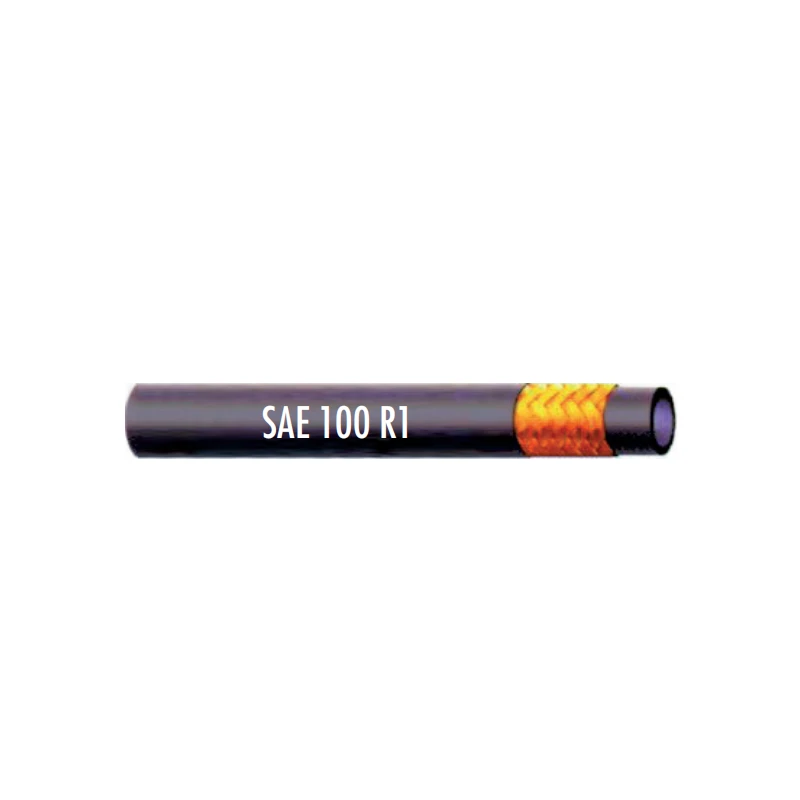
Steel Wire Reinforced Hydraulic Hose SAE 100 R1 / EN853 1SN S
-
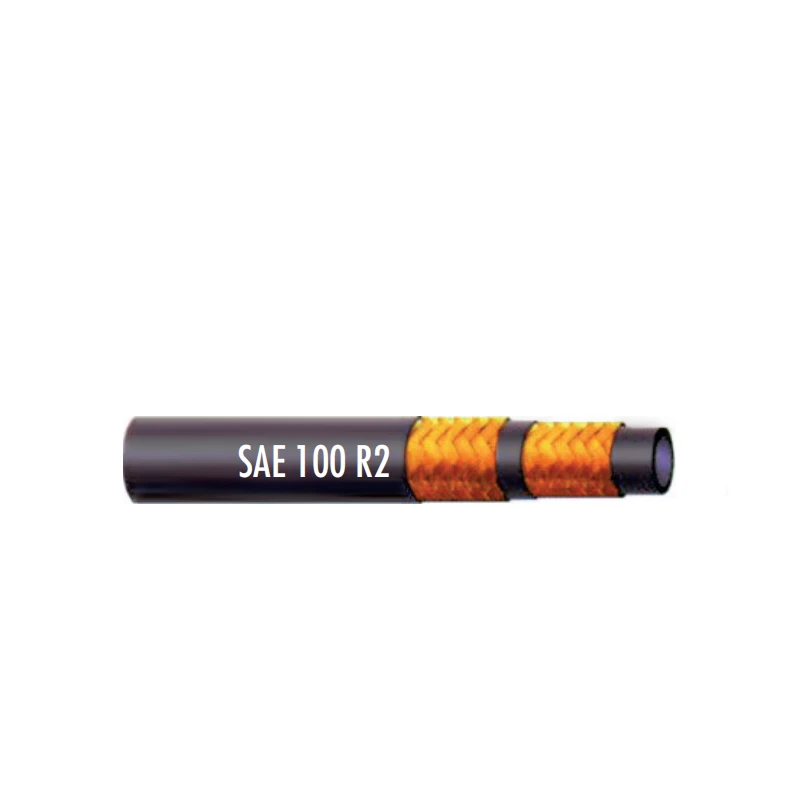
Two Layers Steel Wire Reinforced Hydraulic Hose SAE 100 R2 / EN853 2SN
-
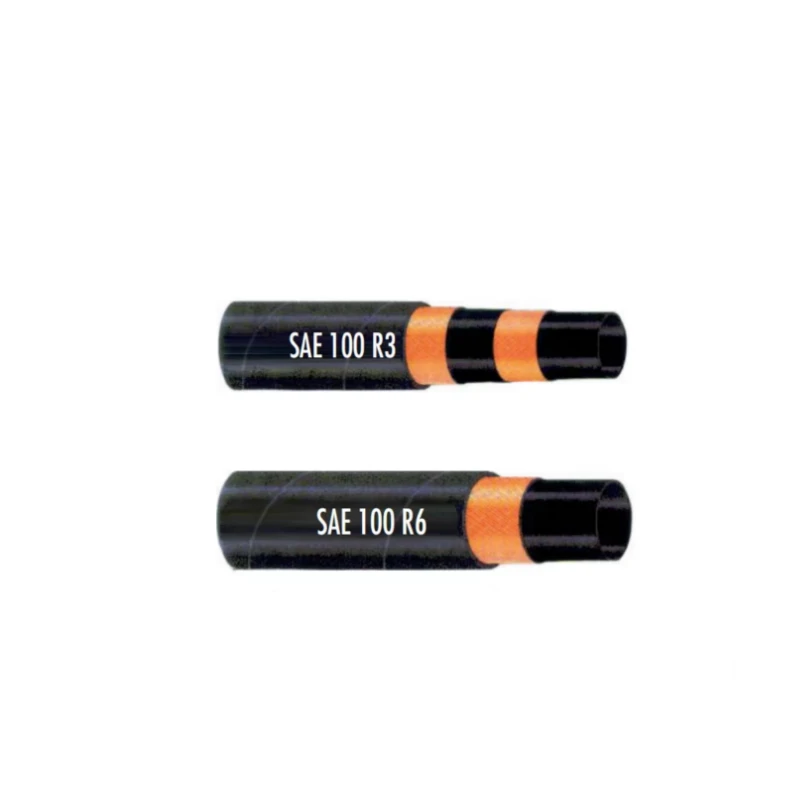
-
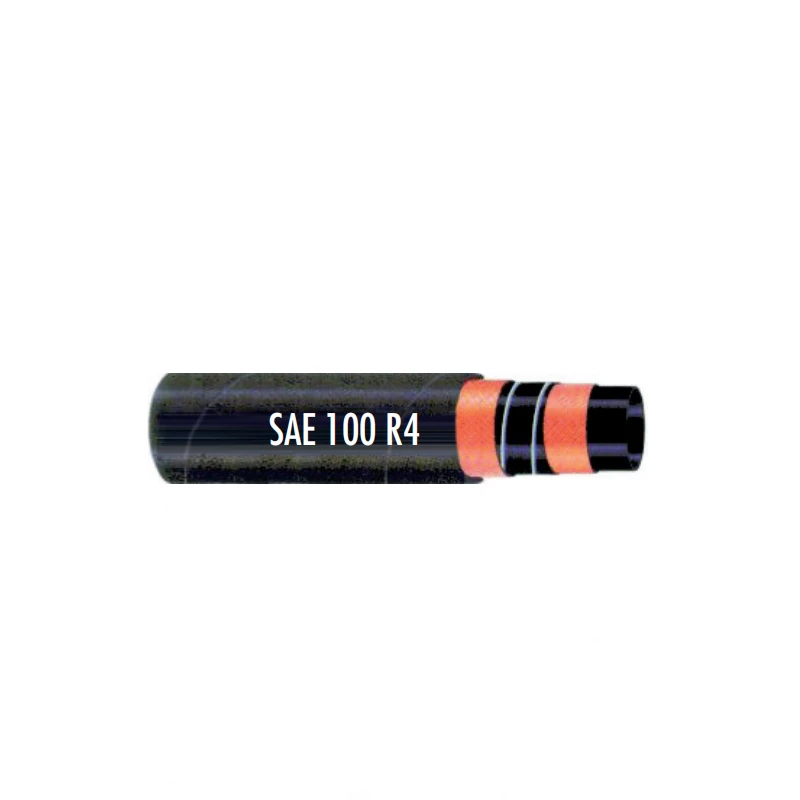
Textile Reinforced Hydraulic oil Suction Hose with embedded Steel Wire SAE 100 R4
-
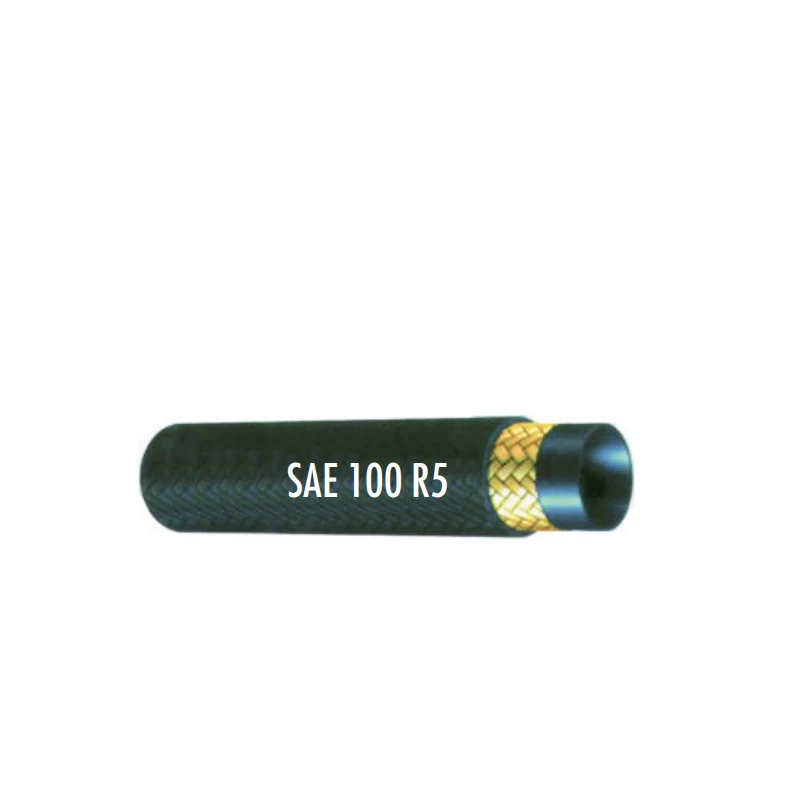
Single Wire Braid and Textile Covered Hydraulic Hose SAE 100 R5
-
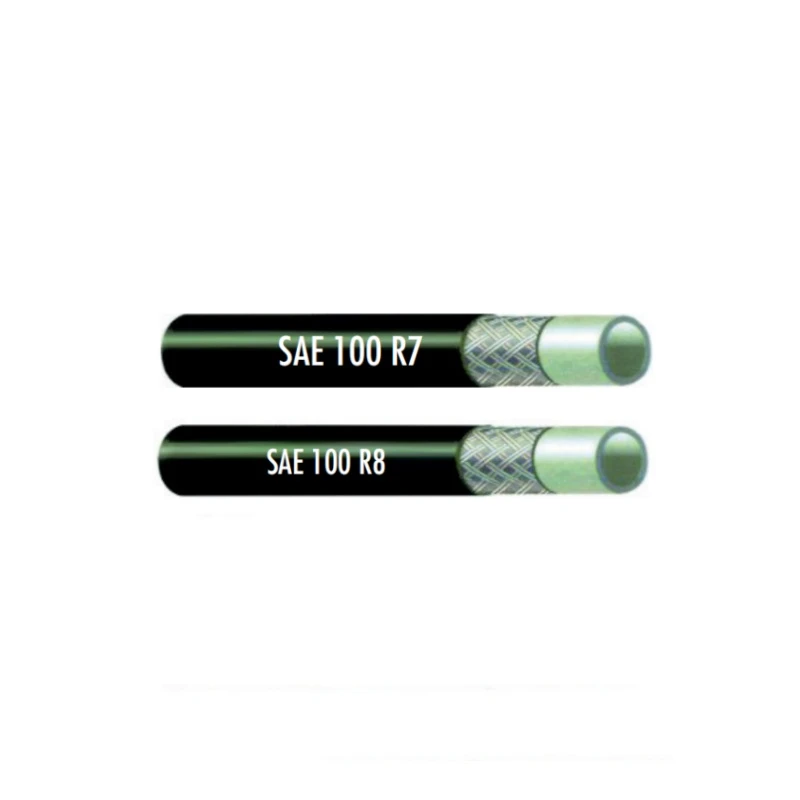
High Pressure Thermoplastic Hydraulic Hose SAE 100 R7 / EN855 R7 - SAE 100 R8 / EN855 R8
-
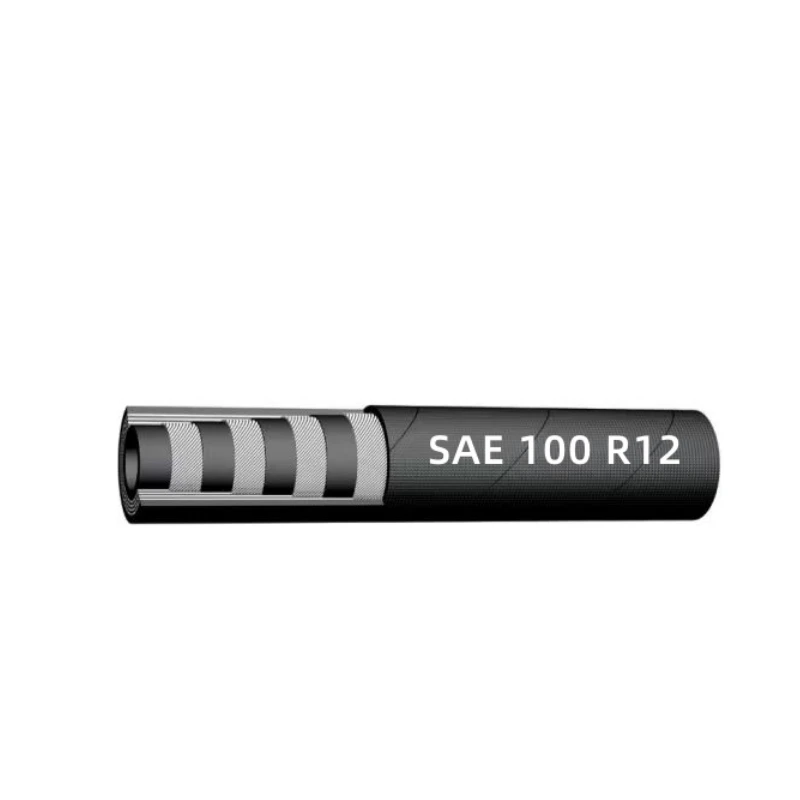
Heavy Duty Four-layer Steel Wire Spiral Reinforced Hydraulic Hose SAE100R9+R10+R12
-
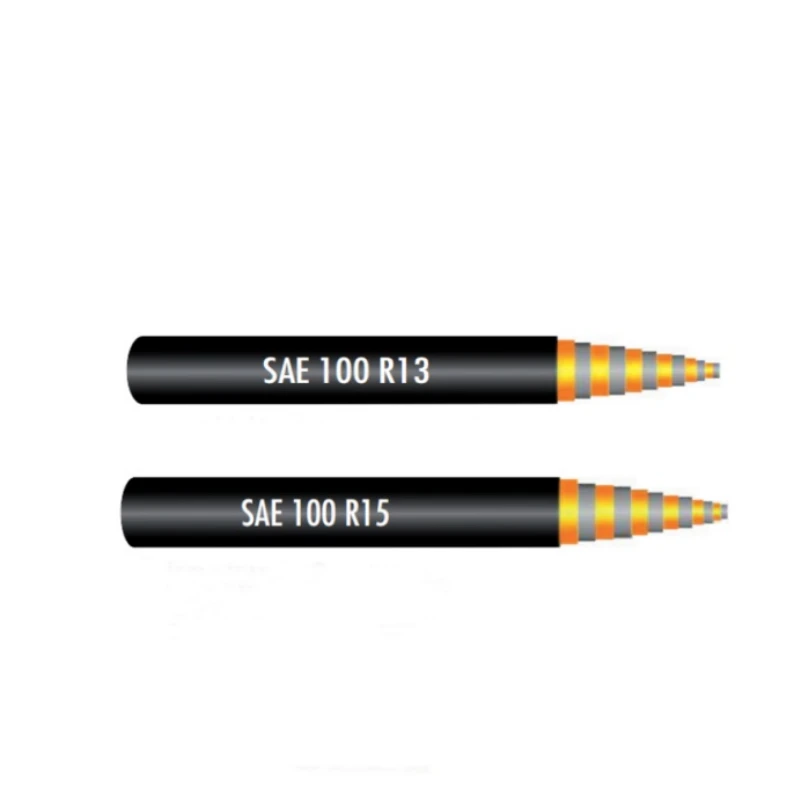
Heavy Duty Multi-layer Steel Wire Reinforced Hydraulic Hose SAE100R13 SAE100R15


