

Sep . 09, 2025 22:00 Back to list
EN857 1SC Hydraulic Hose: High-Performance & Durable
Navigating the Landscape of Compact Hydraulic Hoses: An Overview of en857 1sc
In the rapidly evolving world of hydraulic systems, the demand for more compact, efficient, and robust components continues to grow. Hydraulic hoses, as critical conduits for power transmission, are no exception. The en857 1sc standard represents a significant advancement in this domain, offering a compact, single-steel-wire-braid hydraulic hose solution that meets rigorous performance demands within a smaller envelope. This article delves into the technical intricacies, application advantages, and market relevance of this essential component, providing B2B decision-makers and engineers with a comprehensive understanding.
The EN 857 series, encompassing both en857 1sc and en857 2sc, is specifically designed for systems requiring a smaller bend radius and reduced outer diameter compared to traditional EN 853 hose types, without compromising on pressure rating. This makes them indispensable in modern machinery where space is at a premium and operational efficiency is paramount.
Current Industry Trends in Hydraulic Hose Technology
The hydraulic hose market is being shaped by several key trends, all pointing towards increased performance, durability, and operational flexibility. These include:
- Compactness and Lightweight Design: Equipment manufacturers are striving for smaller footprints and reduced overall weight to improve fuel efficiency and maneuverability. This drives the demand for compact hydraulic hoses like the en857 1sc and en857 2sc, which allow for tighter routing and lighter hydraulic circuits.
- Higher Pressure and Temperature Capabilities: Modern hydraulic systems operate under increasingly severe conditions, necessitating hoses that can withstand elevated pressures and extreme temperatures, thereby ensuring reliability and safety.
- Enhanced Durability and Abrasion Resistance: Hoses are often exposed to harsh environments, requiring superior outer cover materials to resist abrasion, ozone, and weathering, extending service life and reducing maintenance costs.
- Environmental Compliance: Growing environmental regulations are pushing for materials that are more sustainable and hoses that prevent leaks, ensuring cleaner operations.
- Integration of Smart Technologies: While still nascent, the integration of sensors for real-time monitoring of hose integrity and performance is an emerging trend that promises predictive maintenance capabilities.
These trends underscore the importance of standards like EN 857, which address the need for advanced hydraulic hose solutions that meet the evolving demands of various heavy industries.
Technical Specifications of en857 1sc
The en857 1sc hose is a high-performance compact hydraulic hose engineered to deliver reliable fluid conveyance under demanding conditions. Its design is governed by the European standard EN 857 1SC, which specifies requirements for a single steel wire braid reinforced hydraulic hose with a compact construction.
Structural Composition:
- Inner Tube: Typically made from oil-resistant synthetic rubber, such as Nitrile Butadiene Rubber (NBR), designed to withstand a wide range of hydraulic fluids, including petroleum-based, water-glycol, and water-oil emulsion fluids. This ensures minimal fluid degradation and extended hose life.
- Reinforcement: A single layer of high-tensile steel wire braid. This configuration provides the necessary pressure resistance while allowing for a smaller outer diameter and improved flexibility compared to multi-layer reinforced hoses or conventional R1AT types.
- Outer Cover: Composed of abrasion, ozone, and weather-resistant synthetic rubber (e.g., SBR/EPDM blend). This layer protects the internal components from external damage, extending the hose's operational lifespan in harsh environments.
Key Technical Parameters:
The table below outlines typical technical specifications for en857 1sc, showcasing its robust performance capabilities across various sizes. These parameters are critical for proper system design and ensure operational safety and efficiency.
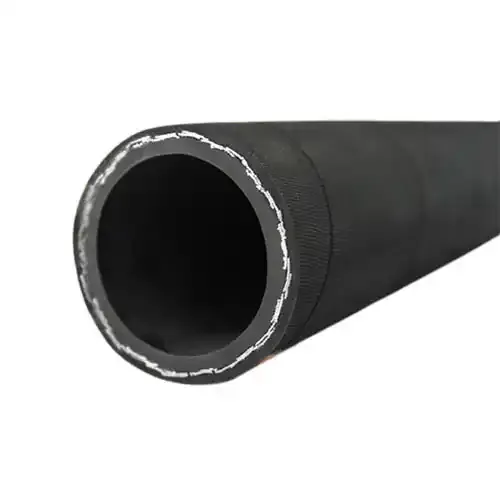
Figure 1: Cross-section of a steel wire reinforced hydraulic hose.
| Nominal Bore (DN/inch) | Outer Diameter (mm) | Working Pressure (MPa/psi) | Burst Pressure (MPa/psi) | Min. Bend Radius (mm) | Weight (kg/m) | Temperature Range (°C) |
|---|---|---|---|---|---|---|
| 6 / 1/4" | 13.0 | 22.5 / 3260 | 90 / 13050 | 90 | 0.28 | -40 to +100 |
| 10 / 3/8" | 17.2 | 18.0 / 2610 | 72 / 10440 | 115 | 0.43 | |
| 12 / 1/2" | 20.5 | 16.0 / 2320 | 64 / 9280 | 140 | 0.56 | |
| 19 / 3/4" | 28.2 | 12.5 / 1810 | 50 / 7250 | 200 | 0.89 | |
| 25 / 1" | 35.6 | 10.0 / 1450 | 40 / 5800 | 250 | 1.31 | |
| 31 / 1 1/4" | 47.0 | 8.0 / 1160 | 32 / 4640 | 300 | 2.08 |
Note: These values are typical and may vary slightly between manufacturers. Always refer to specific product datasheets for exact specifications.
Manufacturing Process of en857 1sc Hydraulic Hose
The production of a high-quality en857 1sc hydraulic hose involves a series of meticulously controlled steps, ensuring that the final product meets stringent international standards like ISO 11237-1/EN 857. The emphasis throughout the process is on precision, material integrity, and consistent performance.
Process Flow:
- Raw Material Procurement & Inspection: High-grade synthetic rubbers (e.g., NBR for the inner tube, SBR/EPDM for the cover) and high-tensile steel wire are sourced from certified suppliers. Materials undergo rigorous incoming inspection for chemical composition, physical properties, and consistency to prevent defects in the final en857 hose.
- Inner Tube Extrusion: The specified rubber compound is precisely extruded through a die to form the seamless inner tube. This critical step ensures uniform wall thickness and a smooth interior surface, essential for optimal fluid flow and minimal pressure drop.
- Steel Wire Braiding/Spiraling: The inner tube is then fed into an advanced braiding machine. For en857 1sc, a single layer of high-tensile steel wire is helically wound (braided) around the inner tube at a specific angle and tension. This reinforcement layer provides the primary pressure bearing capability and contributes significantly to the hose's structural integrity and compact design.
- Outer Cover Extrusion: An outer layer of durable synthetic rubber is extruded over the braided reinforcement. This cover is formulated to provide excellent resistance to abrasion, ozone, weathering, and various environmental factors, safeguarding the underlying steel wire and extending the hose's service life.
- Vulcanization (Curing): The assembled hose is subjected to a controlled heating process (vulcanization) under specific temperature and pressure conditions. This chemical process transforms the rubber compounds into their final elastic and durable state, bonding all layers together securely.
- Finishing & Marking: After curing, the hose is cut to specified lengths, and permanent markings (e.g., standard, manufacturer, date code, working pressure) are applied as per international standards.
- Extensive Testing & Quality Control: Every batch of en857 1sc hose undergoes a battery of tests to ensure compliance with EN 857 1SC, ISO 11237-1, and potentially other standards like ANSI.
- Dimensional Checks: Outer diameter, inner diameter, and wall thickness.
- Pressure Testing: Hydrostatic proof pressure, burst pressure, and impulse testing (simulating pressure cycles) to verify working and burst pressure ratings.
- Flexibility & Bend Radius Tests: To ensure the hose can withstand bending without kinking or damage.
- Adhesion Tests: To check the bond strength between layers.
- Fluid Compatibility: Testing with specified hydraulic fluids.
Through this rigorous process, manufacturers ensure that each en857 hose delivers consistent, high-performance, and a long service life, typically ranging from several years to a decade depending on application severity and maintenance practices.
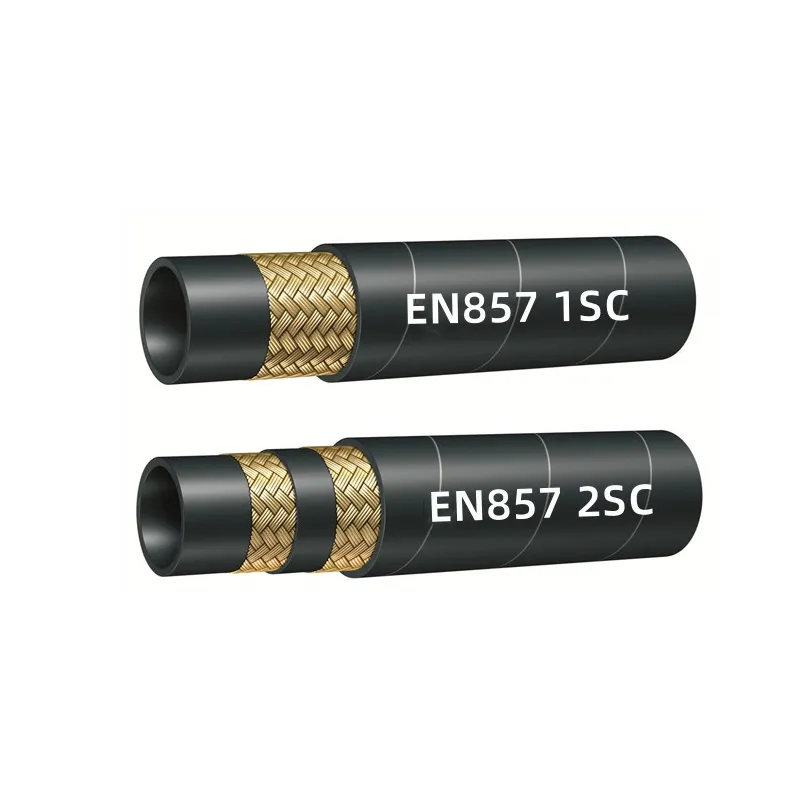
Figure 2: Hydraulic hose reinforcement braiding process.
Technical Advantages and Performance Edge of en857 1sc
The design philosophy behind the en857 1sc series prioritizes a balance of performance, durability, and a compact footprint. This results in several distinct advantages:
- Superior Compactness: Compared to conventional hoses like EN 853 1SN, the en857 1sc boasts a significantly smaller outer diameter, typically reducing the hose's bulk by 10-20%. This is critical for modern machinery with limited space for hose routing, enabling tighter installations and a cleaner machine design.
- Enhanced Flexibility and Bend Radius: The single wire braid and specific construction allow for a smaller minimum bend radius. This flexibility simplifies installation in confined spaces and reduces stress on the hose assembly, potentially increasing service life in dynamic applications.
- Optimized Weight: The compact design translates to a lighter hose per meter, contributing to overall weight reduction in equipment. For large machinery with extensive hydraulic systems, this can lead to tangible benefits in fuel efficiency and operational costs.
- High Pressure Capability: Despite its compact nature, the high-tensile steel wire reinforcement ensures that en857 1sc maintains robust working pressure ratings, making it suitable for a wide range of medium-pressure hydraulic applications.
- Durability and Longevity: With high-quality synthetic rubber compounds for the inner tube and outer cover, these hoses offer excellent resistance to hydraulic fluids, abrasion, ozone, and weathering, contributing to a longer service life and reduced downtime.
- Corrosion Resistance: The outer cover materials are specifically chosen for their ability to resist degradation from chemicals and environmental exposure, an advantage in industries like petrochemicals and water treatment where corrosion is a constant threat.
- Energy Saving Potential: Reduced hose weight and improved flexibility can indirectly contribute to energy savings by lessening the load on hydraulic pumps and improving overall system efficiency.
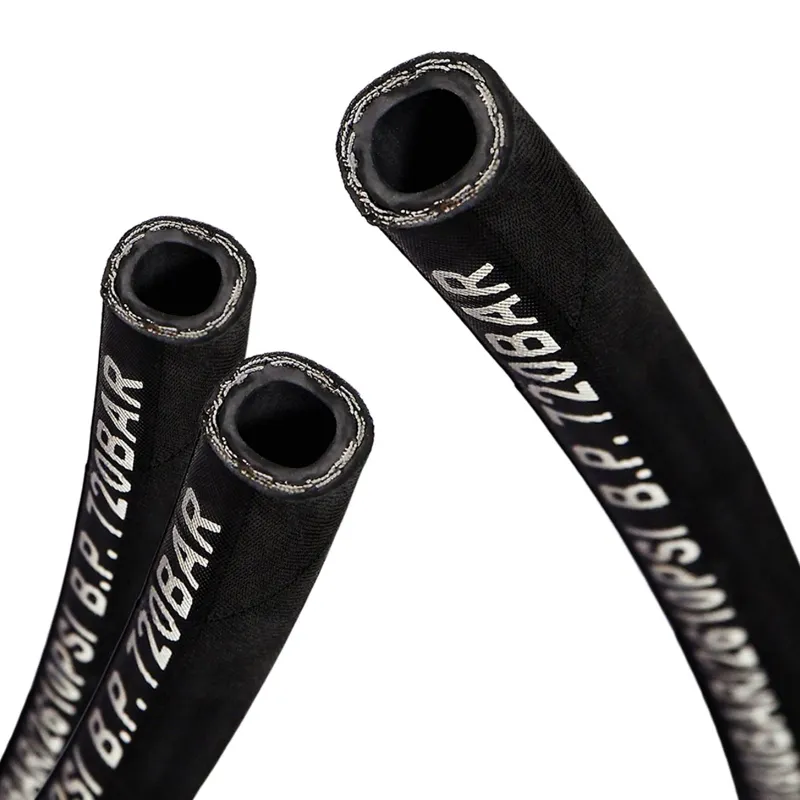
Figure 3: Compact design of an EN857 hose compared to traditional options.
Comparison with EN857 2SC:
While en857 1sc offers significant advantages, its counterpart, en857 2sc, provides even higher pressure capabilities through its double steel wire braid reinforcement. The choice between 1SC and 2SC depends directly on the specific working pressure requirements and spatial constraints of the application. 1SC is ideal for medium-pressure applications where maximum compactness and flexibility are key, while 2SC is preferred for higher pressure systems that still demand a compact form factor over conventional multi-braid hoses.
Application Scenarios and Target Industries
The versatility and performance characteristics of en857 1sc make it a preferred choice across a broad spectrum of industries, particularly where compact design, durability, and reliability are non-negotiable.
Target Industries:
- Construction Equipment: Excavators, loaders, bulldozers, and cranes benefit immensely from the compact design and flexibility of en857 hose, allowing for efficient routing in complex hydraulic circuits and reducing the risk of abrasion.
- Agricultural Machinery: Tractors, harvesters, and other farm equipment often operate in demanding conditions. en857 1sc provides the required durability against environmental exposure and the flexibility for dynamic movements of implements.
- Material Handling: Forklifts, telehandlers, and industrial conveyors where precise hydraulic control and tight space configurations are common. The reduced bend radius is a significant advantage here.
- Mining and Quarrying: In harsh, abrasive environments, the robust outer cover and high-pressure capabilities contribute to extended operational life and reduced maintenance in heavy-duty machinery.
- Petrochemical Industry: For various fluid transfer applications where resistance to specific chemicals and robust pressure performance are required, often in confined plant layouts.
- Water Supply & Drainage: While not a primary application for high-pressure hydraulics, certain specialized pumping and treatment equipment may utilize compact hydraulic systems for operational control, where the corrosion resistance and durability of the en857 hose are beneficial.
- General Industrial Hydraulics: Press machines, factory automation, and other industrial machinery where space efficiency and reliable hydraulic power are crucial.
Typical Application Scenarios:
- Hydraulic lines for boom and arm cylinders on excavators.
- Steering and braking systems in off-road vehicles.
- Power transmission for auxiliary attachments on agricultural equipment.
- Hydrostatic drive systems in compact construction machinery.
- Pressure lines in material handling lifts and platforms.
Vendor Comparison and Selection Criteria for en857 hose
Selecting the right vendor for en857 hose products is crucial for ensuring the reliability, safety, and longevity of hydraulic systems. B2B decision-makers should evaluate potential suppliers based on a comprehensive set of criteria:
- Quality Certifications: Look for vendors holding ISO 9001 certification for quality management systems. Compliance with specific product standards like EN 857, ISO 11237, and relevant regional standards (e.g., SAE) is non-negotiable.
- Manufacturing Expertise and Technology: Assess the vendor's manufacturing capabilities, including their machinery (e.g., advanced braiding equipment), quality control processes, and engineering team. Experience in producing compact hose designs like en857 1sc and en857 2sc is a strong indicator.
- Material Sourcing and Traceability: A reputable vendor will have a transparent supply chain for raw materials (rubber compounds, steel wire) and provide full traceability from raw material to finished product.
- Testing and Validation: Verify the vendor's in-house testing facilities and procedures. This includes hydrostatic, impulse, and burst pressure testing, as well as environmental and abrasion resistance tests. Third-party testing validation adds an extra layer of assurance.
- Product Range and Customization: A broad portfolio of en857 hose sizes, pressure ratings, and cover options demonstrates capability. The ability to provide customized solutions (e.g., specific lengths, fittings, private labeling) is also valuable.
- Technical Support and After-Sales Service: Evaluate the vendor's capacity for technical consultation, installation guidance, troubleshooting, and prompt resolution of issues. This includes warranty commitments and clear lead times.
- Market Reputation and Client References: Investigate the vendor's standing in the industry, their years of service, and seek references from existing clients, particularly those in similar industries.
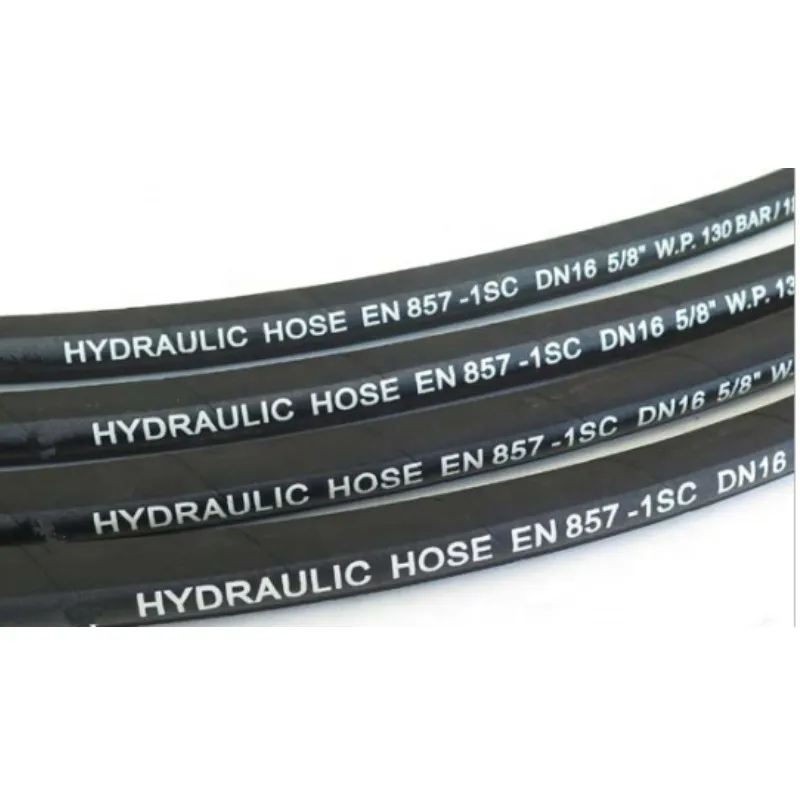
Figure 4: Quality control and testing of hydraulic hoses.
Customized Solutions for Hydraulic Hoses
While standard en857 1sc and en857 2sc hoses meet a wide range of requirements, many industrial applications necessitate tailored solutions. Leading manufacturers offer comprehensive customization services to optimize hydraulic hose assemblies for specific operational demands.
Key Customization Options:
- Specific Lengths and Tolerances: Hoses can be cut to precise lengths to fit exact machine designs, minimizing waste and ensuring optimal routing.
- End Fittings and Couplings: A vast array of end fittings (JIC, NPT, ORFS, BSP, DIN, etc.) can be crimped onto the en857 hose to meet system interface requirements, ensuring leak-free connections.
- Specialized Outer Covers: For applications demanding enhanced protection, custom covers can be provided, including:
- Fire-Resistant Covers: For environments with high heat exposure or fire hazards.
- Low-Temperature Covers: Maintaining flexibility and performance in extreme cold.
- High Abrasion-Resistant Covers: For severe wear and tear conditions, extending service life significantly.
- Private Labeling and Branding: Manufacturers can apply customer-specific branding or private labels on the hose covers, maintaining brand consistency across equipment.
- Bundled Hose Assemblies: Creating multi-hose bundles for simplified routing and protection, often including different types of en857 hose or other fluid lines.
- Color Coding: Custom colored hose covers for easy identification and maintenance in complex hydraulic systems.
Partnering with a manufacturer capable of comprehensive customization ensures that the hydraulic hose assemblies are perfectly integrated into the overall system design, leading to improved performance, reduced installation time, and enhanced safety.
Application Case Studies: en857 hose in Action
The practical deployment of en857 hose, particularly the en857 1sc and en857 2sc variants, consistently demonstrates significant operational improvements and cost efficiencies. Here are illustrative examples of their impact:
Case Study 1: Compact Excavator Hydraulic Circuit Optimization
A leading manufacturer of compact excavators was facing challenges with hydraulic hose routing in the swing and boom sections due to limited space and the need for a tight bend radius. Traditional EN 853 1SN hoses were too bulky, leading to chafing and premature wear. By transitioning to en857 1sc hoses, the manufacturer achieved:
- 20% reduction in hydraulic system footprint: Enabling a more streamlined machine design.
- 30% improvement in hose routing efficiency: Reduced installation time and eliminated interference issues.
- Extended service life by over 15%: Due to less mechanical stress and better abrasion resistance in confined spaces.
Case Study 2: Agricultural Sprayer Boom Mechanism
An agricultural equipment OEM required a durable and flexible hydraulic hose for the dynamic folding and unfolding mechanism of large sprayer booms. The hoses needed to withstand constant flexing, UV exposure, and exposure to various agricultural chemicals. Implementing en857 1sc provided:
- Enhanced Flexibility: Allowing for smoother boom articulation and reduced strain on the hydraulic lines during field operations.
- Superior Environmental Resistance: The robust outer cover offered excellent protection against ozone, UV radiation, and chemical sprays, critical for the demanding outdoor environment.
- Reduced Maintenance: Fewer hose failures meant less downtime during critical planting and harvesting seasons, leading to improved operational uptime for farmers.
Case Study 3: Industrial Forklift Lift Cylinder Circuit
A manufacturer of industrial forklifts sought to reduce the weight of their lift cylinder hydraulic circuits while maintaining high pressure and impulse resistance. The switch to en857 2sc (for higher pressure sections) and en857 1sc (for medium pressure sections) resulted in:
- Overall system weight reduction: Contributing to improved load capacity and stability.
- Reliable performance under high impulse conditions: The robust construction of en857 hose, particularly 2SC, ensured longevity in continuous cycle applications.
- Cost savings: Through optimized material usage and reduced replacement frequency.
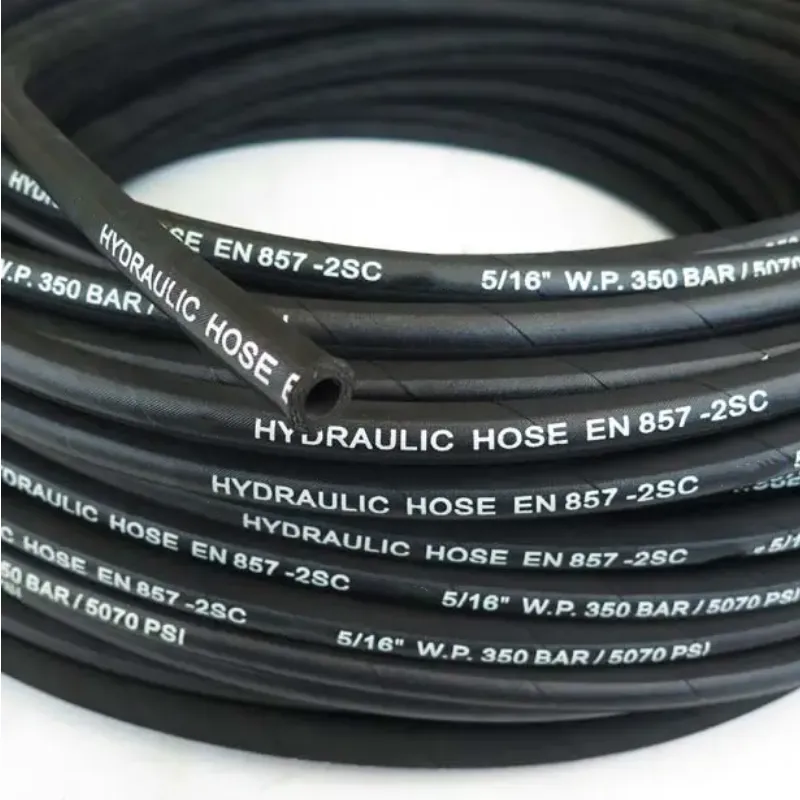
Figure 5: Industrial hydraulic system utilizing compact hoses.
Trustworthiness, Warranty, and Support
Partnering with a reliable supplier for en857 hose products extends beyond just product quality; it encompasses comprehensive support and clear commitments that build trust and ensure long-term satisfaction.
Authoritativeness and Certifications:
Reputable manufacturers adhere to international quality standards, typically evidenced by ISO 9001 certification. Products like en857 1sc are rigorously tested to meet or exceed EN 857 and ISO 11237 standards, often accompanied by CE markings. Long-standing industry presence and a portfolio of satisfied global clients further attest to a manufacturer's authority and reliability in the hydraulic hose sector.
Warranty and After-Sales Support:
A standard warranty period of 1 to 2 years against manufacturing defects is common in the industry, reflecting confidence in product quality. Comprehensive after-sales support includes technical assistance for installation and maintenance, troubleshooting, and a responsive customer service team dedicated to resolving any product-related inquiries promptly.
Lead Time and Fulfillment:
Efficient logistics and supply chain management ensure timely delivery. Standard products typically have lead times of 2-4 weeks, while customized solutions may require slightly longer. Clear communication regarding order status and shipment tracking is vital for smooth operations and minimizing project delays.
Frequently Asked Questions (FAQ):
- Q1: What is the primary difference between EN 857 1SC and EN 857 2SC?
- A1: en857 1sc features a single layer of steel wire braid reinforcement, offering excellent flexibility and compactness for medium-pressure applications. en857 2sc has two layers of steel wire braid, providing significantly higher working pressure capabilities while still maintaining a compact design compared to traditional heavy-duty hoses.
- Q2: Can en857 1sc hoses be used with all types of hydraulic fluids?
- A2: en857 1sc hoses are designed for petroleum-based hydraulic fluids, water-glycol, and water-oil emulsion fluids. However, always refer to the manufacturer's fluid compatibility chart for specific chemical resistances, especially with synthetic or specialized fluids, to ensure optimal performance and longevity.
- Q3: What are the benefits of choosing a compact en857 hose over a conventional EN 853 hose?
- A3: The primary benefits of an en857 hose include a smaller outer diameter, tighter bend radius, and reduced weight, making it ideal for applications with limited space and complex routing requirements. This often leads to easier installation, less wear and tear, and a more streamlined machine design.
- Q4: How does impulse testing ensure the reliability of hydraulic hoses?
- A4: Impulse testing simulates the rapid and repetitive pressure fluctuations experienced in real-world hydraulic systems. It evaluates the hose's fatigue resistance and ensures it can withstand millions of pressure cycles without failure, thereby validating its long-term reliability and service life under dynamic conditions.
Conclusion
The en857 1sc hydraulic hose represents a critical component in modern hydraulic systems, balancing high performance with a compact and flexible design. Its single steel wire reinforcement delivers robust pressure capabilities while enabling tighter routing and reduced system weight. As industries continue to demand greater efficiency, space optimization, and durability, the EN 857 series, including both en857 1sc and en857 2sc, will remain at the forefront of hydraulic hose technology. Understanding its technical specifications, manufacturing processes, and application advantages is key for engineers and procurement specialists aiming to optimize their hydraulic systems for peak performance and longevity.
References
- ISO 11237-1:2017. Rubber hoses and hose assemblies — Wire-braid-reinforced compact types for hydraulic applications — Specification. International Organization for Standardization.
- EN 857:2009. Hydraulic hose - Wire braid reinforced compact type - Specification. European Committee for Standardization.
- Hydraulic Fluid Power - Hoses. Parker Hannifin Corporation.
- Goodyear Engineered Products - Hydraulic Hose Handbook. Continental AG.
- D.A. Clark, "Rubber Engineering," Woodhead Publishing, 1995.
Latest News
Steel Wire Reinforced Hydraulic Hose SAE 100 R1 / EN853 1SN S
NewsOct.17,2024
Two Layers Steel Wire Reinforced Hydraulic Hose SAE 100 R2 / EN853 2SN
NewsSep.03,2024
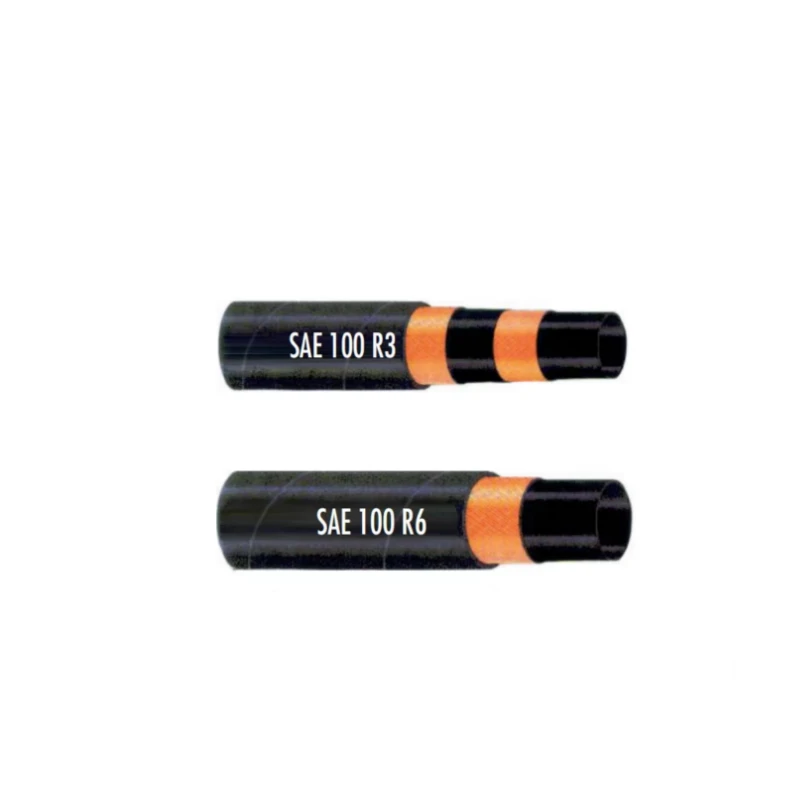
Textile Braid Reinforced Hydraulic Hose SAE100 R3+R6
NewsSep.03,2024
Textile Reinforced Hydraulic oil Suction Hose with embedded Steel Wire SAE 100 R4
NewsSep.03,2024
Single Wire Braid and Textile Covered Hydraulic Hose SAE 100 R5
NewsSep.03,2024
High Pressure Thermoplastic Hydraulic Hose SAE 100 R7 / EN855 R7 - SAE 100 R8 / EN855 R8
NewsSep.03,2024
Heavy Duty Four-layer Steel Wire Spiral Reinforced Hydraulic Hose SAE100R9+R10+R12
NewsSep.03,2024
Heavy Duty Multi-layer Steel Wire Reinforced Hydraulic Hose SAE100R13 SAE100R15
NewsSep.03,2024
Latest Products
-
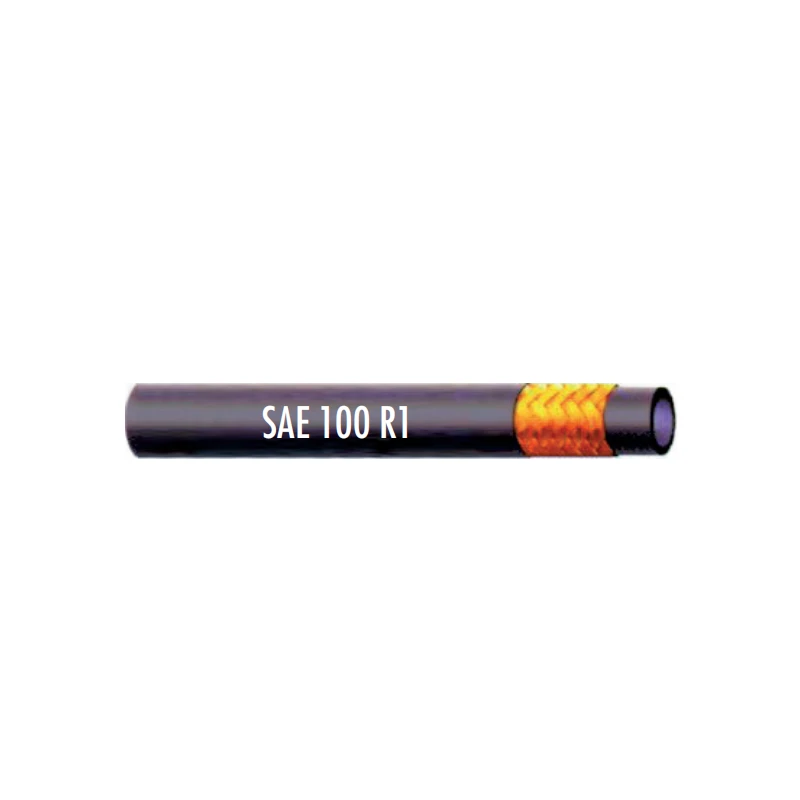
Steel Wire Reinforced Hydraulic Hose SAE 100 R1 / EN853 1SN S
-
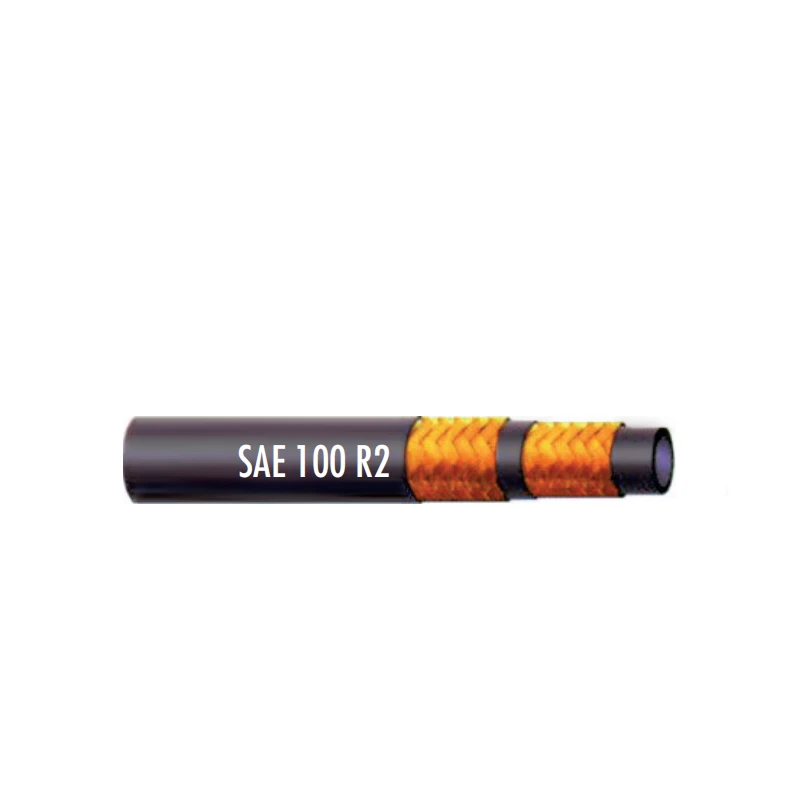
Two Layers Steel Wire Reinforced Hydraulic Hose SAE 100 R2 / EN853 2SN
-
-
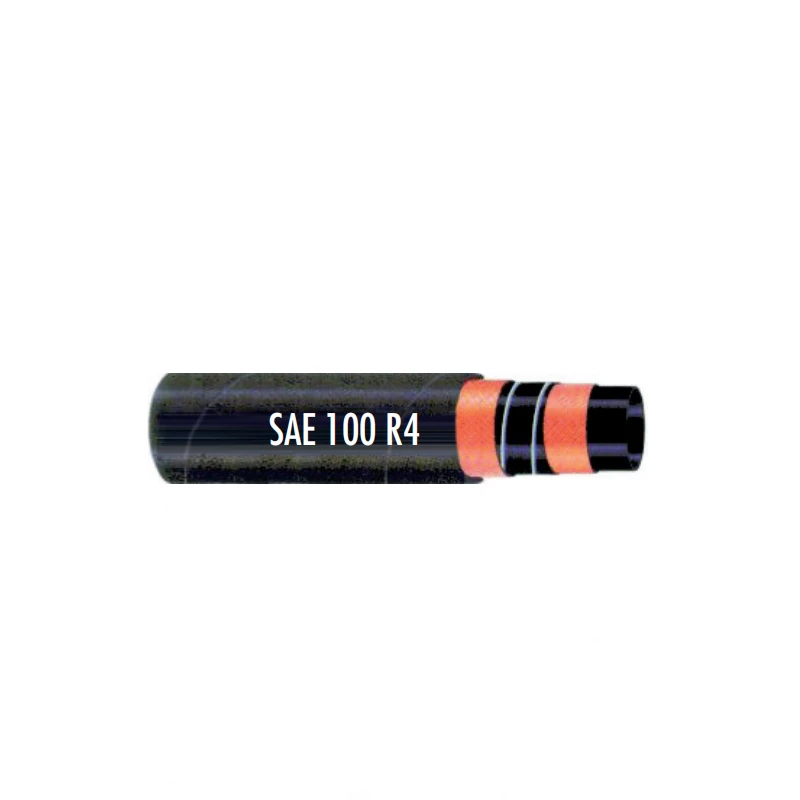
Textile Reinforced Hydraulic oil Suction Hose with embedded Steel Wire SAE 100 R4
-
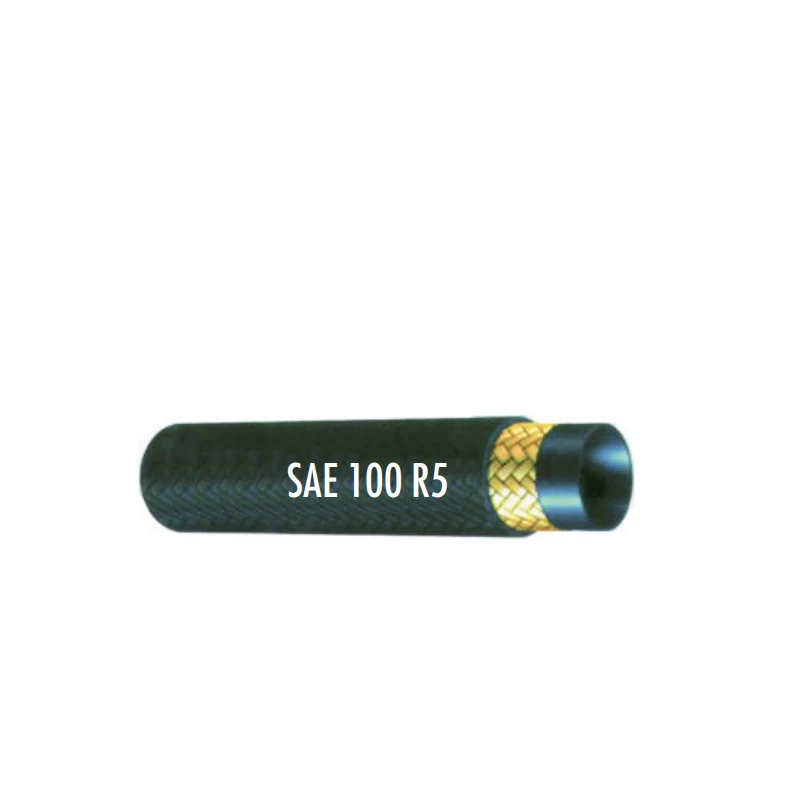
Single Wire Braid and Textile Covered Hydraulic Hose SAE 100 R5
-
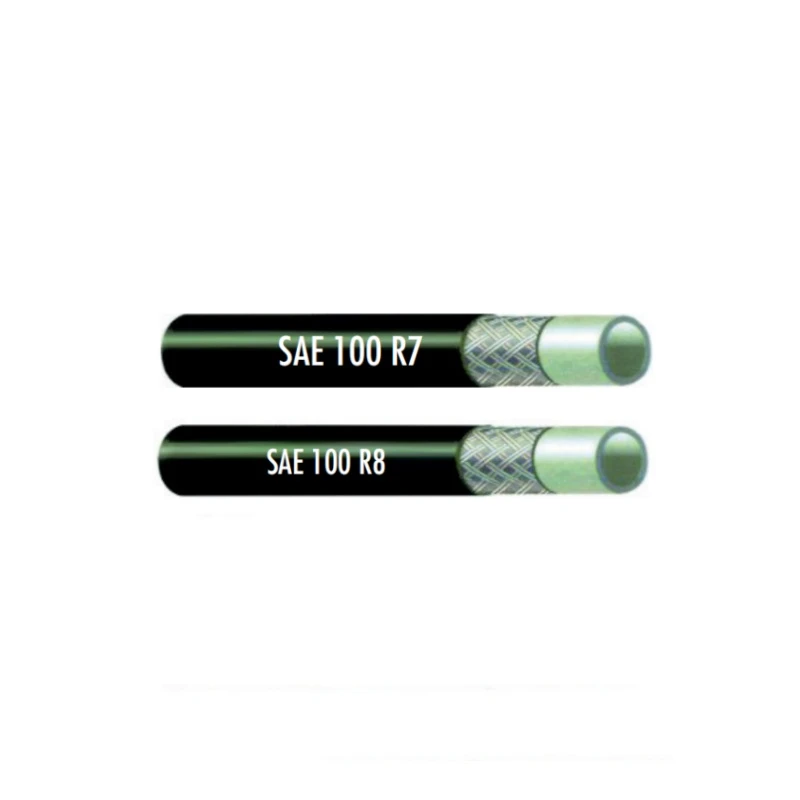
High Pressure Thermoplastic Hydraulic Hose SAE 100 R7 / EN855 R7 - SAE 100 R8 / EN855 R8
-
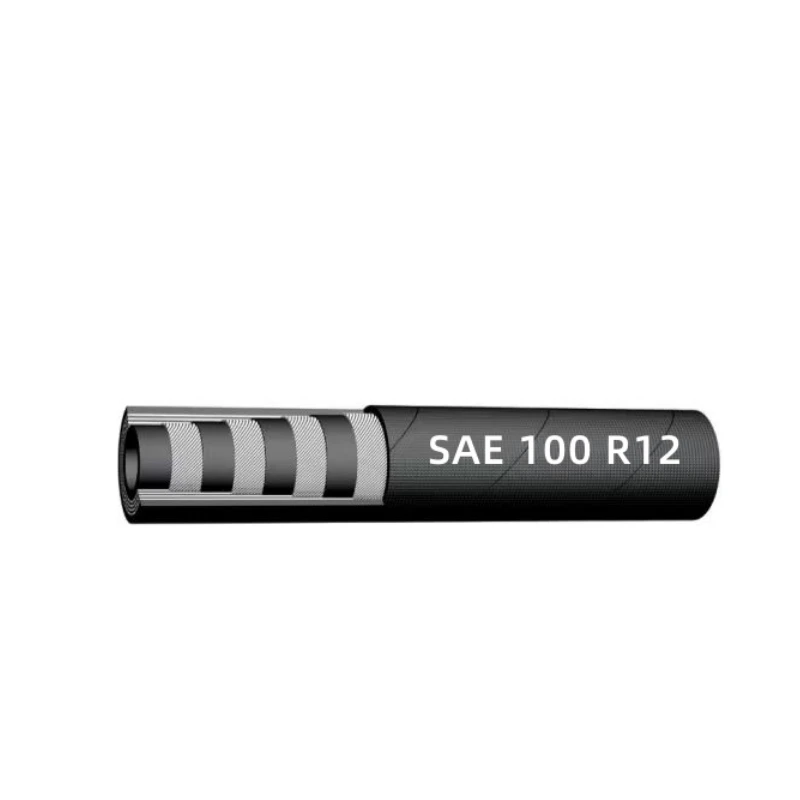
Heavy Duty Four-layer Steel Wire Spiral Reinforced Hydraulic Hose SAE100R9+R10+R12
-
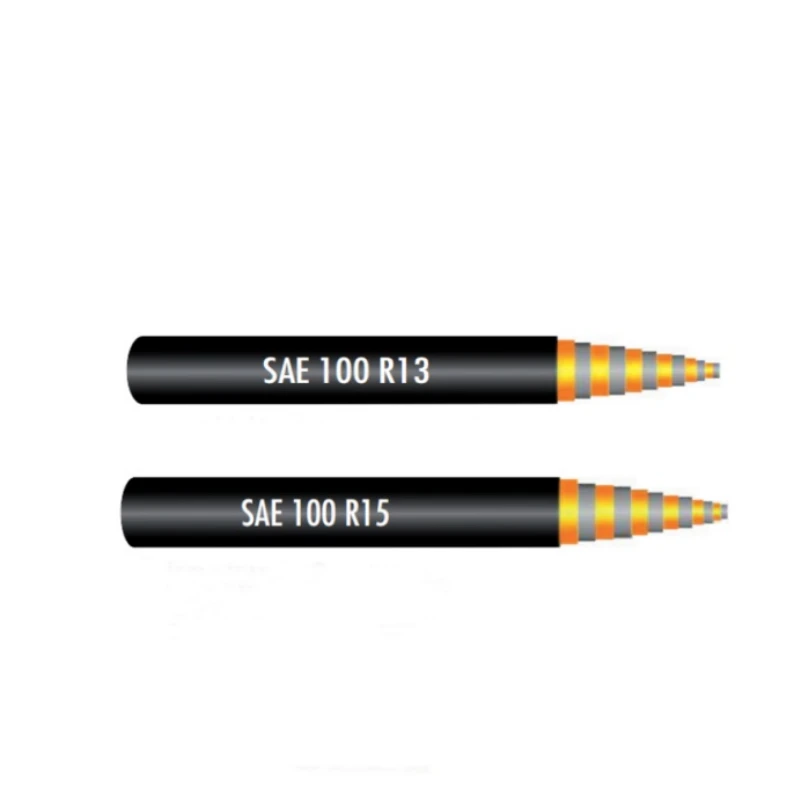
Heavy Duty Multi-layer Steel Wire Reinforced Hydraulic Hose SAE100R13 SAE100R15


