

Sep . 13, 2025 09:40 Back to list
Heavy-Duty Slurry Hose for Sale | Durable & Flexible Hoses
Optimizing Material Transport: A Deep Dive into High-Performance Slurry Hoses
In industrial operations, the efficient and reliable transport of abrasive and corrosive slurries is paramount. From mining and dredging to construction and wastewater management, the integrity of the material handling system directly impacts productivity, operational costs, and environmental compliance. Central to these systems are specialized flexible conduits designed to withstand the harsh conditions of slurry transfer. When considering a slurry hose for sale, it is critical to evaluate its technical specifications, material composition, and application suitability to ensure optimal performance and longevity. This comprehensive guide delves into the nuances of slurry hose technology, providing B2B decision-makers and technical personnel with essential insights for informed procurement.
Industry Trends and Market Dynamics in Slurry Management
The global market for industrial hoses, particularly those designed for slurry applications, is experiencing sustained growth, driven by expansion in mining, infrastructure development, and increased demand for efficient waste management solutions. Industry projections indicate a compound annual growth rate (CAGR) of approximately 4.5% for the industrial rubber hose market through 2028, with slurry applications being a significant segment. Key trends shaping the market include:
- Enhanced Material Science: Continuous innovation in polymer and rubber compounds leads to superior abrasion and chemical resistance, extending service life in extreme conditions.
- Sustainability Focus: Demand for hoses with longer lifespans and lower environmental impact, including options for recycling or less toxic manufacturing processes.
- Smart Solutions: Integration of sensor technology for real-time monitoring of hose integrity, pressure, and flow, improving predictive maintenance and operational safety.
- Customization: Increasing need for tailor-made solutions to meet specific project requirements, including unique bore sizes, pressure ratings, and end connections for slurry hose pipe systems.
These trends underscore the importance of selecting a high-quality slurry hose for sale that not only meets current operational demands but also aligns with future industry advancements and regulatory standards.
Technical Specifications of High-Performance Slurry Hoses
A thorough understanding of technical specifications is crucial when evaluating a slurry hose for sale. These parameters dictate the hose's suitability for various applications, its operational limits, and its expected service life.
Component Breakdown:
- Lining (Inner Tube): The most critical component, directly exposed to the slurry. Materials typically include high-grade natural rubber (NR), SBR (Styrene Butadiene Rubber), EPDM (Ethylene Propylene Diene Monomer), or specialized synthetic compounds engineered for extreme abrasion resistance and chemical compatibility. The thickness of the lining is directly proportional to its abrasion resistance and service life. For instance, a dredging application involving sharp aggregates requires a significantly thicker and more robust lining than a municipal wastewater transfer.
- Reinforcement: Provides structural integrity and pressure retention. Common reinforcements include high-tensile textile plies (e.g., polyester or synthetic fabrics) for flexibility, and steel wire helices for full vacuum resistance and kink prevention. The number and type of plies dictate the working pressure and burst pressure ratings. A 6 inch slurry suction hose, for example, often incorporates multiple textile plies with a steel wire helix to handle both suction and discharge pressures.
- Cover: The outer layer protects the reinforcement from external damage, UV radiation, ozone, abrasion, and weathering. Typically made from weather-resistant synthetic rubber compounds (e.g., SBR/EPDM blend) or specialized polymers for enhanced durability.
Key Operating Parameters:
- Bore Size (ID): Ranging from 4 inch slurry pipe to large diameter hoses exceeding 24 inches, selected based on desired flow rates and particle size.
- Working Pressure (WP): The maximum continuous pressure the hose can safely handle, often expressed in PSI or Bar. A common specification for a robust slurry suction hose might be 150-300 PSI.
- Burst Pressure (BP): The pressure at which the hose is expected to fail, typically 3-4 times the working pressure, providing a safety margin.
- Vacuum Rating: Essential for suction applications, indicating the maximum vacuum (in Hg) the hose can withstand without collapsing.
- Temperature Range: The minimum and maximum temperatures at which the hose can operate without material degradation.
- Abrasion Resistance: Quantified using specific tests (e.g., DIN abrasion, ASTM D3389) for the inner lining, indicating its ability to withstand wear from abrasive solids.
Example Product Specification Table: Slurry Suction & Discharge Hose
| Parameter | Specification (Example for 6 inch slurry hose) |
|---|---|
| Product Type | Heavy-Duty Slurry Suction & Discharge Hose |
| Inner Diameter (ID) | 6 inches (152 mm) |
| Working Pressure (WP) | 150 PSI (10 Bar) |
| Burst Pressure (BP) | 450 PSI (30 Bar) |
| Vacuum Rating | 28 inHg |
| Lining Material | High-Abrasion Resistant Natural Rubber (NR), 6.5 mm thickness |
| Reinforcement | Multiple high-tensile synthetic fabric plies with steel wire helix |
| Cover Material | Black SBR/EPDM blend, abrasion and weather-resistant |
| Temperature Range | -20°C to +80°C (-4°F to +176°F) |
| Bend Radius (Min) | 600 mm (24 inches) |
Selecting the appropriate slurry hose based on these technical specifications is paramount for ensuring operational safety, system efficiency, and cost-effectiveness.
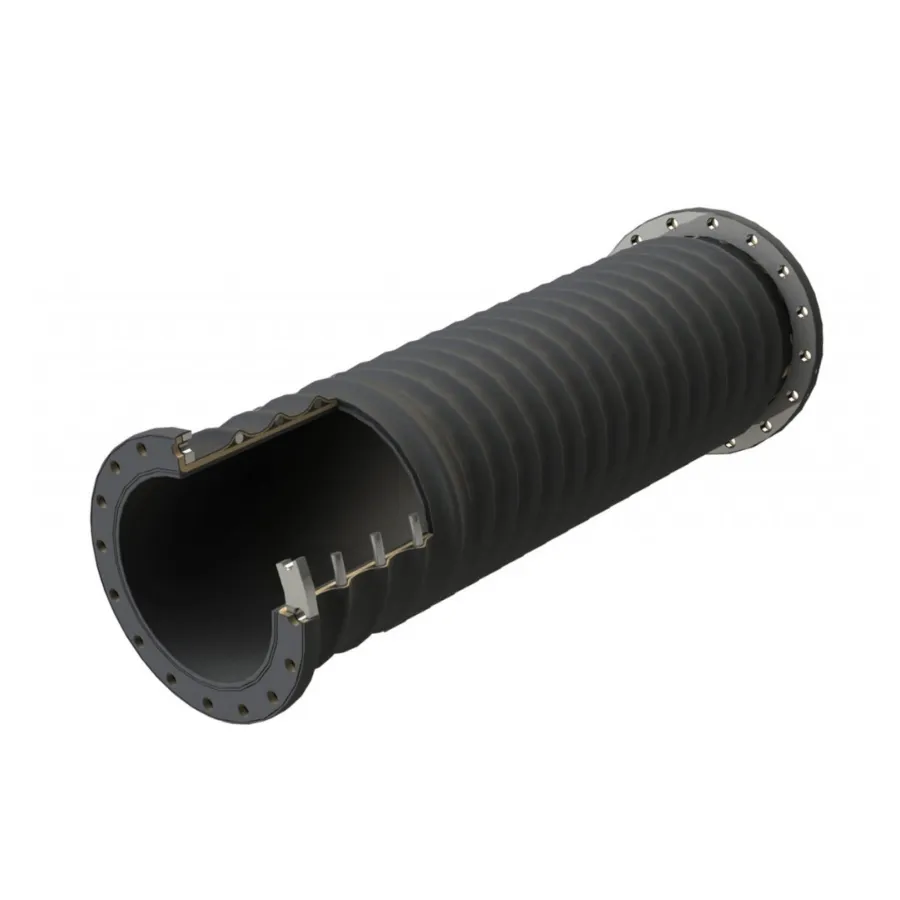
Figure 1: Cross-section illustrating the robust construction of a heavy-duty slurry hose.
The Advanced Manufacturing Process of a Slurry Hose
The production of a durable and high-performing slurry hose for sale involves a meticulous multi-stage process, integrating material science with precision engineering. Adherence to international standards like ISO 1307 ensures product consistency and reliability.
Process Flow Overview:
Material Preparation & Compounding
Careful selection and blending of raw rubbers (NR, SBR, EPDM) with additives to achieve specific properties for abrasion, chemical, and temperature resistance for the inner lining and outer cover. Textile fabrics and steel wires are pre-treated for optimal adhesion.
Lining Extrusion / Building
The pre-compounded rubber for the inner tube is extruded onto a mandrel (for straight hoses) or hand-built for larger diameters and specific shapes. This forms the wear-resistant interior that comes into contact with the slurry. Precision in thickness and concentricity is crucial here.
Reinforcement Application
Multiple layers of high-strength textile plies are wound helically over the inner lining. For suction hoses or those requiring kink resistance, a steel wire helix is incorporated between layers. This provides the necessary pressure rating and structural integrity, crucial for a 6 slurry hose designed for heavy use.
Cover Extrusion / Wrapping
The outer rubber cover is applied over the reinforcement layers, either through extrusion or by wrapping. This layer protects the internal structure from environmental factors and external damage.
Vulcanization (Curing)
The assembled hose is subjected to heat and pressure in an autoclave. This chemical process permanently transforms the rubber compounds into a highly elastic and durable material, imparting its final mechanical properties and ensuring all layers are bonded securely.
Finishing & Testing
After cooling, the hose is removed from the mandrel, cut to specified lengths, and fitted with appropriate end connections (flanges, couplings). Each slurry hose undergoes rigorous hydrostatic pressure testing (e.g., to ISO 1402 standards) to verify burst pressure and leakage, visual inspections, and dimensional checks before dispatch.
This meticulous process, often combined with advanced techniques like CNC machining for precise end-fitting integration, ensures that each slurry hose offers superior service life and optimal performance in its intended application.
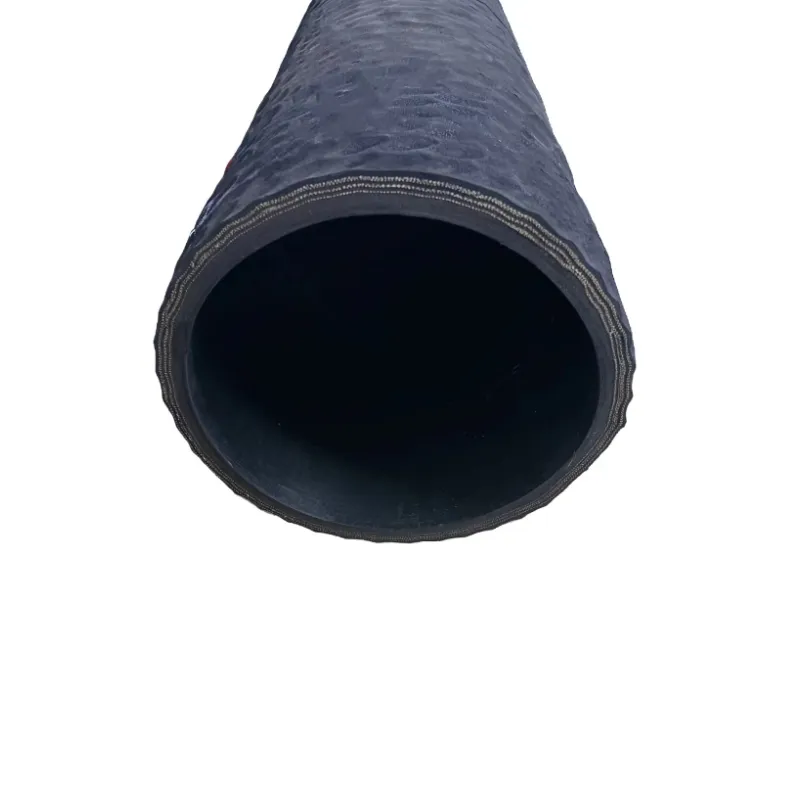
Figure 2: Workers performing quality control on a newly manufactured slurry hose.
Technical Advantages and Performance in Demanding Environments
The inherent design and material selection for a high-quality slurry hose confer several distinct technical advantages crucial for demanding industrial applications. These advantages directly translate into operational benefits and reduced total cost of ownership.
- Exceptional Abrasion Resistance: The specialized inner lining, typically formulated with highly resilient rubber compounds, provides superior resistance to wear from abrasive solids such as sand, gravel, rock fragments, and mineral slurries. This significantly extends the service life compared to standard industrial hoses, reducing replacement frequency and associated downtime.
- Corrosion and Chemical Resistance: Depending on the lining material, slurry hoses can be engineered to withstand a wide range of corrosive chemicals, including acids, alkalis, and hydrocarbons often present in industrial slurries or wastewater. This prevents premature degradation and ensures integrity in chemically aggressive environments.
- High Pressure and Vacuum Capability: Robust reinforcement layers (textile plies and steel wire helices) enable the hose to handle significant positive pressures for discharge and full vacuum for suction applications without collapsing or bursting. This flexibility allows for diverse operational modes, from dewatering to material transfer.
- Superior Flexibility and Kink Resistance: Despite their heavy-duty construction, slurry hoses are designed to offer a practical bend radius, facilitating easier installation and routing in confined spaces. The steel wire helix, especially in a slurry suction hose, prevents kinking under vacuum, ensuring uninterrupted flow.
- Longevity and Reduced Maintenance: The combination of durable materials and robust construction results in an extended service life. This minimizes maintenance requirements, reduces operational downtime for hose replacement, and contributes to overall energy saving by maintaining consistent flow characteristics.
These advantages make a high-quality slurry hose for sale an indispensable component in industries where reliability and resistance to extreme conditions are non-negotiable.
Diverse Application Scenarios for Slurry Hoses
The versatility of the slurry hose makes it indispensable across a multitude of heavy industrial and environmental sectors. Its ability to handle abrasive, corrosive, and high-density fluids reliably ensures critical operations continue without interruption.
Key Industries and Uses:
- Mining and Mineral Processing: Essential for transporting ore slurries, tailings, and dewatering operations. Hoses like the 6 inch slurry suction hose are commonly used in open-pit mines and processing plants for moving highly abrasive mineral suspensions.
- Dredging and Marine Applications: Critical for conveying sand, gravel, silt, and other dredged materials from underwater excavation sites to discharge points. Large-bore slurry hose pipe systems are vital for maintaining navigable waterways and land reclamation projects.
- Construction and Civil Engineering: Used for concrete pumping (though sometimes specialized concrete hoses are preferred, slurry hoses can handle certain mixes), bentonite slurry transfer for piling, and general site dewatering, especially with the use of a 4 inch slurry pipe for more localized needs.
- Wastewater Treatment and Municipal Services: Transporting sewage sludge, grit, and other abrasive waste streams in treatment plants and pumping stations. Slurry tanker hose solutions are vital for municipal and industrial waste collection and transfer.
- Agriculture: For the transfer of animal waste (manure slurry) from storage tanks to spreaders, often utilizing a slurry drag hose system for efficient field application.
- Oil and Gas (Fracking): In specific applications for transporting frac sand and chemical slurries, though typically specialized hoses are employed, the abrasion resistance of slurry hoses can be beneficial.
- Power Generation: Used in coal-fired power plants for ash and gypsum slurry transfer, where extreme abrasion and moderate temperatures are common.
Each application demands specific performance characteristics, emphasizing the need to carefully match the slurry hose for sale to its intended operational environment.
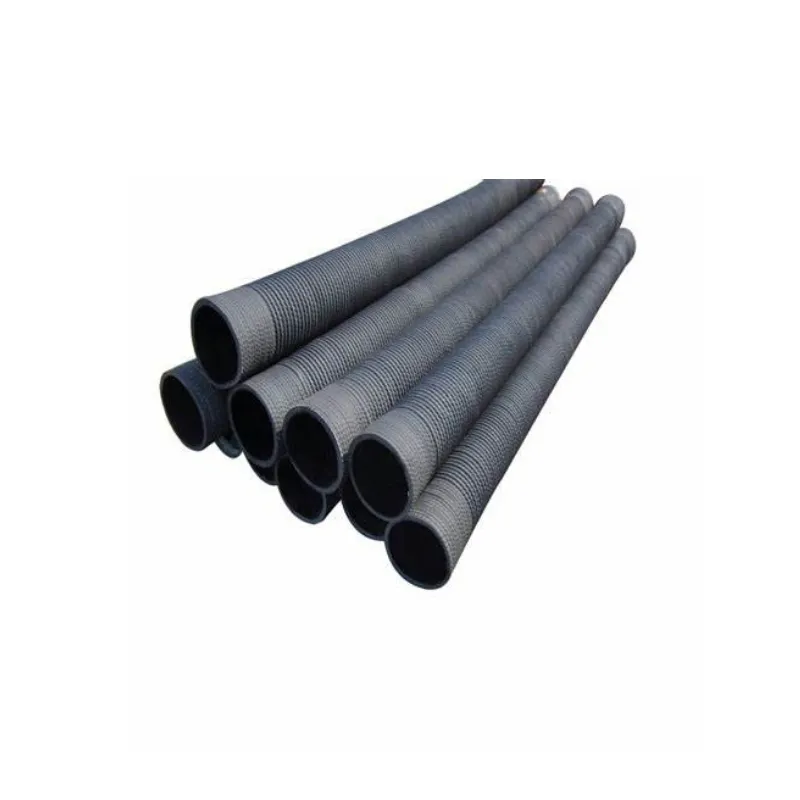
Figure 3: Slurry hose deployment in a large-scale industrial dewatering operation.
Customized Slurry Hose Solutions for Unique Demands
While standard slurry hose for sale options cover a broad range of applications, many industrial projects present unique challenges that necessitate customized solutions. Leading manufacturers offer extensive customization capabilities to ensure optimal fit and performance.
Key Customization Options:
- Specific Bore Sizes and Lengths: Tailoring internal diameters and overall lengths to integrate seamlessly with existing pipeline infrastructure or unique site layouts, optimizing flow dynamics and minimizing pressure drop.
- Specialized Lining Compounds: Developing inner tubes with enhanced resistance to specific chemicals, extreme temperatures, or ultra-abrasive materials, extending hose life in particularly harsh environments.
- Custom End Fittings and Flanges: Integrating bespoke end connections (e.g., specific flange types, threaded couplings, quick-release systems) directly into the hose during manufacturing to ensure leak-proof connections and compatibility with client equipment.
- Reinforcement Modifications: Adjusting the number and type of textile plies or steel wire helices to meet precise working pressure, burst pressure, or vacuum rating requirements beyond standard offerings.
- External Protection: Adding external wear pads, floats (for marine applications), or specialized covers to protect against external abrasion, crushing, or UV degradation.
Engaging with a manufacturer capable of delivering these tailored solutions ensures that the acquired slurry hose is perfectly matched to the application, providing superior performance and a longer operational lifespan.
Vendor Comparison and Selection Criteria
Choosing the right supplier for a slurry hose for sale is as critical as selecting the hose itself. A robust vendor comparison considers several key factors beyond just price.
Key Factors for Vendor Evaluation:
- Product Quality & Durability: Assess the manufacturer's reputation for using high-grade materials and rigorous quality control processes. Look for evidence of long-term performance in similar applications.
- Technical Expertise & Support: A knowledgeable vendor can offer critical advice on hose selection, installation, and maintenance, ensuring the correct slurry hose pipe is specified for your needs.
- Customization Capabilities: As discussed, the ability to provide bespoke solutions can be a significant advantage for unique operational requirements.
- Certifications and Compliance: Verify adherence to international standards (e.g., ISO 9001 for quality management, specific material standards like ASTM).
- Lead Times and Logistics: Timely delivery is crucial for project schedules. Inquire about standard lead times and options for expedited shipping for common items like a 6 slurry hose.
- After-Sales Service and Warranty: Comprehensive warranty policies and responsive customer support are indicators of a reliable partner.
Comparative Analysis: Standard vs. Premium Slurry Hose
| Feature | Standard Slurry Hose | Premium Slurry Hose (e.g., Water Suction Hose 300 PSI type) |
|---|---|---|
| Lining Material | SBR or basic NR compound, moderate abrasion resistance | High-grade NR, EPDM, or proprietary compound, superior abrasion/chemical resistance, thicker gauge |
| Reinforcement | Textile plies, adequate pressure for light to medium duty | Multiple high-tensile textile plies with integrated steel wire helix for full vacuum and higher pressure |
| Working Pressure | Up to 100 PSI | 150 PSI - 300 PSI (e.g., 300 PSI for Water Suction Hose variant) |
| Service Life (Typical) | 1-3 years (application dependent) | 3-7+ years (application dependent, significant ROI) |
| Flexibility/Bend Radius | Moderate | Enhanced, kink-resistant, easier installation |
| Cost | Lower initial investment | Higher initial investment, lower total cost of ownership (TCO) |
| Certifications | Basic compliance | ISO 9001, ASTM, specialized industry standards |
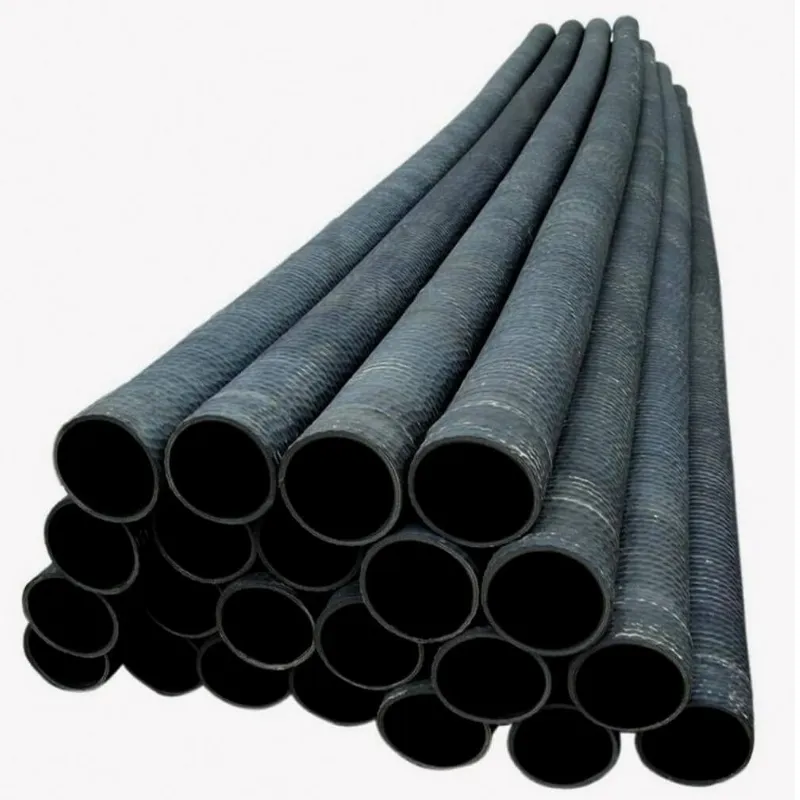
Figure 4: Different types of slurry hoses and their end connections, illustrating customization options.
While the initial cost of a premium slurry hose might be higher, the long-term benefits of reduced downtime, lower maintenance, and increased safety typically yield a significantly lower total cost of ownership (TCO).
Real-World Application Case Studies
The proven performance of high-quality slurry hose solutions is best illustrated through real-world applications.
Case Study 1: Mineral Tailings Transfer in a Gold Mine
A major gold mining operation in Western Australia faced persistent challenges with premature wear and frequent replacement of their standard hoses in tailings dam transfer lines. The abrasive nature of the gold ore tailings, combined with high flow velocities, led to hose failures every 6-8 months. After consulting with a specialist in slurry hose for sale, the mine upgraded to a custom-designed 10-inch ID slurry hose featuring an ultra-abrasion-resistant natural rubber lining and enhanced steel wire helix reinforcement. This change extended the hose service life to over 3.5 years, resulting in a 75% reduction in annual hose replacement costs and a significant decrease in unscheduled downtime, directly contributing to increased ore processing uptime.
Case Study 2: Dredging Project in a Major Port Expansion
During a critical port expansion project involving the dredging of vast quantities of sand and silt, the contractor required robust and flexible solutions for material transport from the dredge to the land-reclamation site. Standard hoses were prone to kinking and internal wear due to the fluctuating suction pressures and highly abrasive material. The deployment of custom-fabricated slurry drag hose segments, specifically designed for marine conditions with external floats and heavy-duty, corrugated covers, significantly improved operational efficiency. The hoses maintained consistent flow under full vacuum, resisted external damage from marine environments, and facilitated easier repositioning, helping the project meet its aggressive timeline and budget.
Ensuring Reliability: Certifications, Warranty, and Support
Authoritative certifications and comprehensive support infrastructure are pillars of trustworthiness for any supplier of a slurry hose for sale.
Quality Assurance and Certifications:
Reputable manufacturers adhere to stringent international quality management systems, such as ISO 9001:2015, ensuring consistent product quality from raw material sourcing to final inspection. Products often meet or exceed industry standards like ASTM D2000 for rubber properties and ISO 1402 for hydraulic proof testing. Our commitment to these standards is demonstrated through meticulous testing protocols including hydrostatic burst tests, vacuum tests, and abrasion resistance evaluations (e.g., DIN 53516). Years of service to leading industrial clients across petrochemical, metallurgy, and water supply & drainage sectors further validate our expertise and reliability.
Lead Time and Fulfillment:
Understanding the urgency of industrial projects, we maintain efficient manufacturing processes and robust supply chain management. Standard slurry hose orders typically have a lead time of 3-5 weeks, depending on volume and customization. For urgent requirements, expedited production and shipping options are available. We provide clear communication on lead times at the point of inquiry and offer tracking for all orders.
Warranty Commitments:
All our products, including every slurry hose we supply, are backed by a comprehensive warranty against manufacturing defects, typically ranging from 12 to 24 months from the date of purchase or installation. Specific warranty terms are provided with each order, underscoring our confidence in the quality and durability of our hoses.
Customer Support and Technical Assistance:
Our dedicated technical support team comprises experienced engineers and product specialists available to assist with product selection, installation guidance, troubleshooting, and post-sales inquiries. We offer comprehensive support to ensure optimal performance and longevity of your slurry hose pipe systems. Contact us via phone, email, or our online portal for prompt assistance.
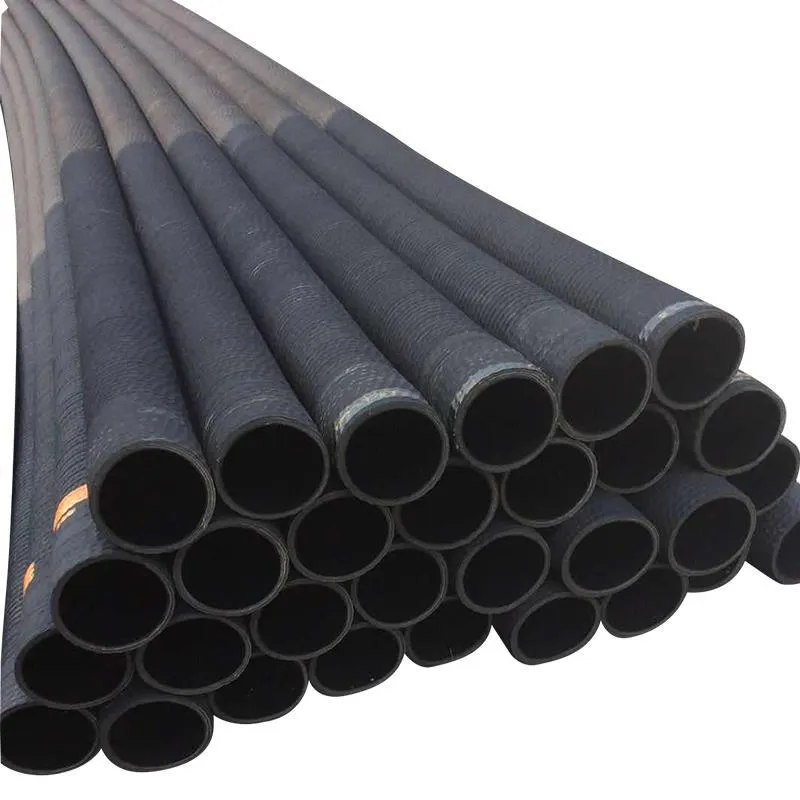
Figure 5: Rigorous testing procedures ensure the highest quality and safety of each slurry hose.
Frequently Asked Questions (FAQ) about Slurry Hoses
- Q1: How do I choose the correct slurry hose for my application?
- A1: Selection depends on several factors: the type and abrasiveness of the material, flow rate, operating pressure (working pressure and burst pressure), temperature range, desired bend radius, and the type of end connections required. Providing these details to a technical specialist will ensure the most suitable hose is recommended.
- Q2: What is the typical service life of a slurry hose?
- A2: Service life varies significantly based on the abrasiveness of the slurry, operating conditions (pressure, temperature, flow velocity), duty cycle, and the specific hose construction. High-quality slurry hoses with specialized linings can last anywhere from 3 to 7+ years, while standard hoses might last 1-3 years. Regular inspection and proper maintenance are key to maximizing longevity.
- Q3: Can slurry hoses be repaired?
- A3: Minor external damage to the cover might be repairable. However, any damage to the inner lining or reinforcement layers typically compromises the hose's integrity and safety, necessitating replacement. For critical applications, repairs are generally not recommended due to the high risks involved.
- Q4: What are the common end connections for slurry hose pipe?
- A4: Common end connections include various flange types (e.g., fixed, floating, ANSI, DIN), quick-release couplings, and specialized heavy-duty clamps designed for robust, leak-proof connections in abrasive environments. The choice depends on existing infrastructure and operational requirements.
- Q5: Is a slurry suction hose different from a discharge hose?
- A5: Yes, a dedicated suction hose typically incorporates a full-bore internal steel wire helix to prevent collapse under vacuum, while a discharge hose primarily needs to withstand positive pressure. Many modern heavy-duty slurry hoses are designed for both suction and discharge (SD) applications, offering versatility.
Conclusion
The selection of a high-performance slurry hose is a critical decision influencing the operational efficiency, safety, and profitability of heavy industrial projects. By meticulously evaluating technical specifications, understanding the manufacturing process, recognizing application-specific advantages, and partnering with an authoritative vendor offering customized solutions and robust support, businesses can secure durable, reliable, and cost-effective material transfer systems. Investing in quality slurry hoses is an investment in uninterrupted productivity and long-term operational excellence.
References
- ISO 9001:2015 - Quality management systems - Requirements. International Organization for Standardization.
- ISO 1402:2009 - Rubber and plastics hoses and hose assemblies - Hydrostatic testing. International Organization for Standardization.
- ASTM D2000 - Standard Classification System for Rubber Products in Automotive Applications. ASTM International.
- DIN 53516 - Testing of Rubber; Determination of Abrasion Resistance. Deutsches Institut für Normung.
- "Global Industrial Rubber Hose Market Outlook 2028." Market Research Report, various publishers (e.g., Grand View Research, Fortune Business Insights).
Latest News
Steel Wire Reinforced Hydraulic Hose SAE 100 R1 / EN853 1SN S
NewsOct.17,2024
Two Layers Steel Wire Reinforced Hydraulic Hose SAE 100 R2 / EN853 2SN
NewsSep.03,2024
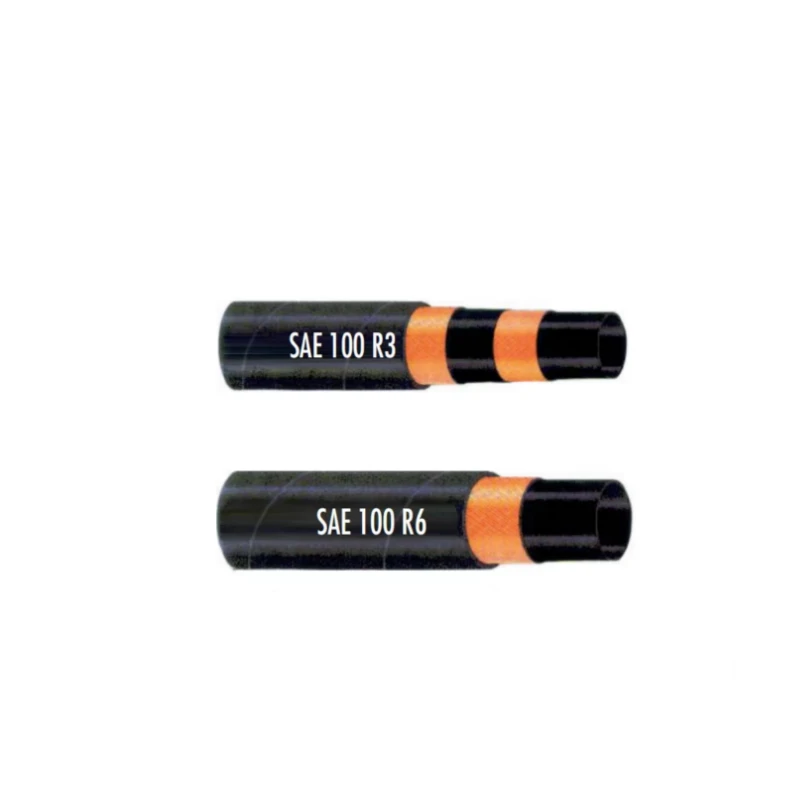
Textile Braid Reinforced Hydraulic Hose SAE100 R3+R6
NewsSep.03,2024
Textile Reinforced Hydraulic oil Suction Hose with embedded Steel Wire SAE 100 R4
NewsSep.03,2024
Single Wire Braid and Textile Covered Hydraulic Hose SAE 100 R5
NewsSep.03,2024
High Pressure Thermoplastic Hydraulic Hose SAE 100 R7 / EN855 R7 - SAE 100 R8 / EN855 R8
NewsSep.03,2024
Heavy Duty Four-layer Steel Wire Spiral Reinforced Hydraulic Hose SAE100R9+R10+R12
NewsSep.03,2024
Heavy Duty Multi-layer Steel Wire Reinforced Hydraulic Hose SAE100R13 SAE100R15
NewsSep.03,2024
Latest Products
-
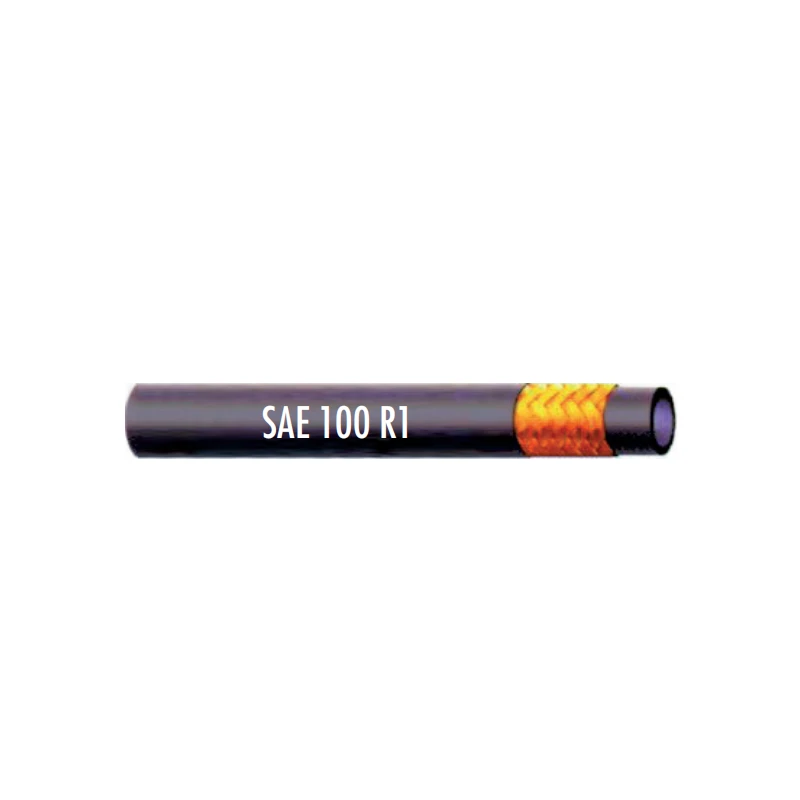
Steel Wire Reinforced Hydraulic Hose SAE 100 R1 / EN853 1SN S
-
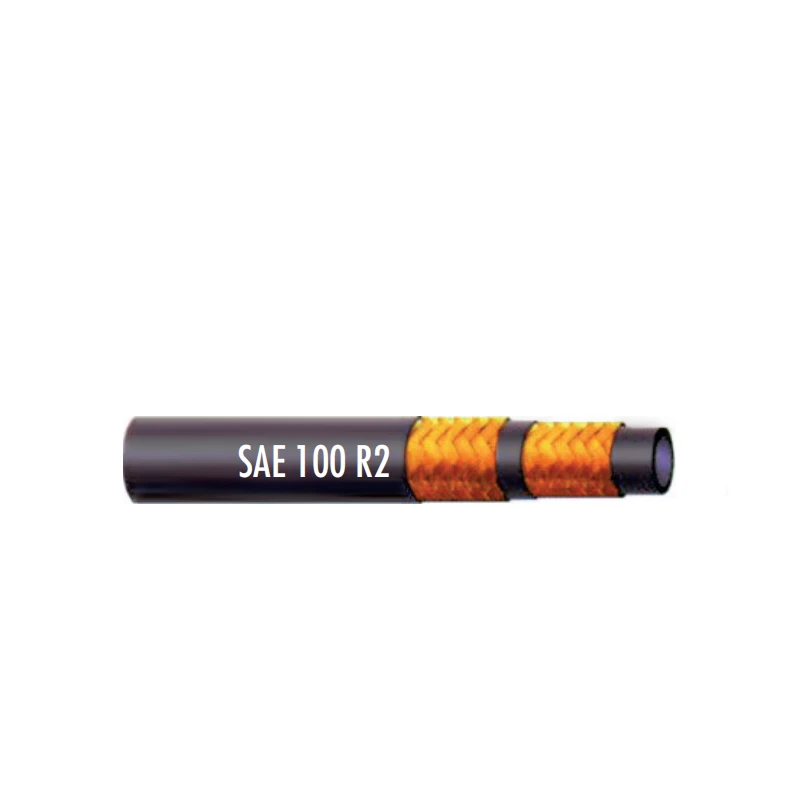
Two Layers Steel Wire Reinforced Hydraulic Hose SAE 100 R2 / EN853 2SN
-
-
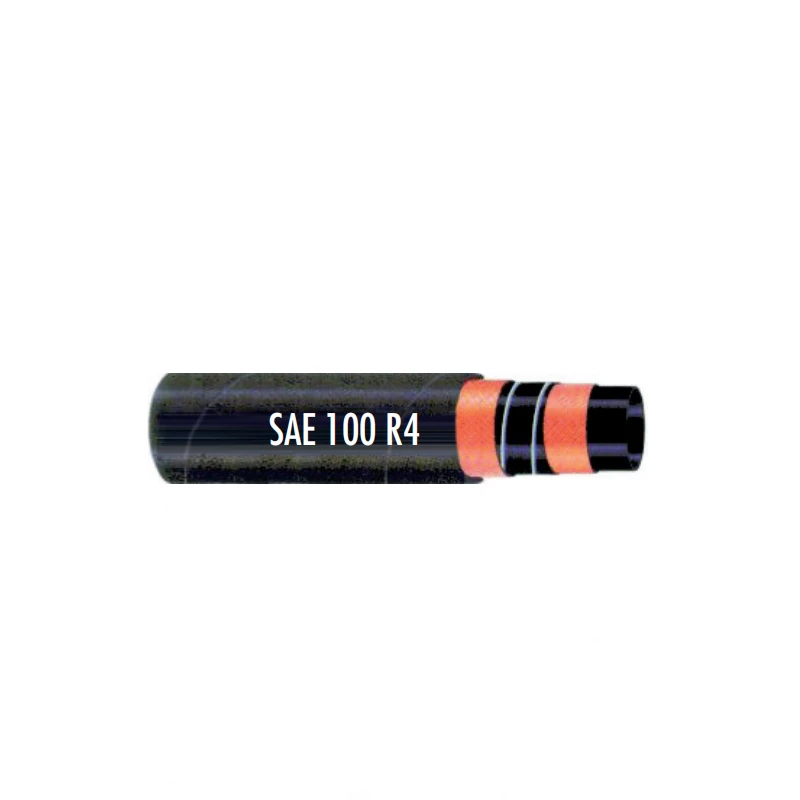
Textile Reinforced Hydraulic oil Suction Hose with embedded Steel Wire SAE 100 R4
-
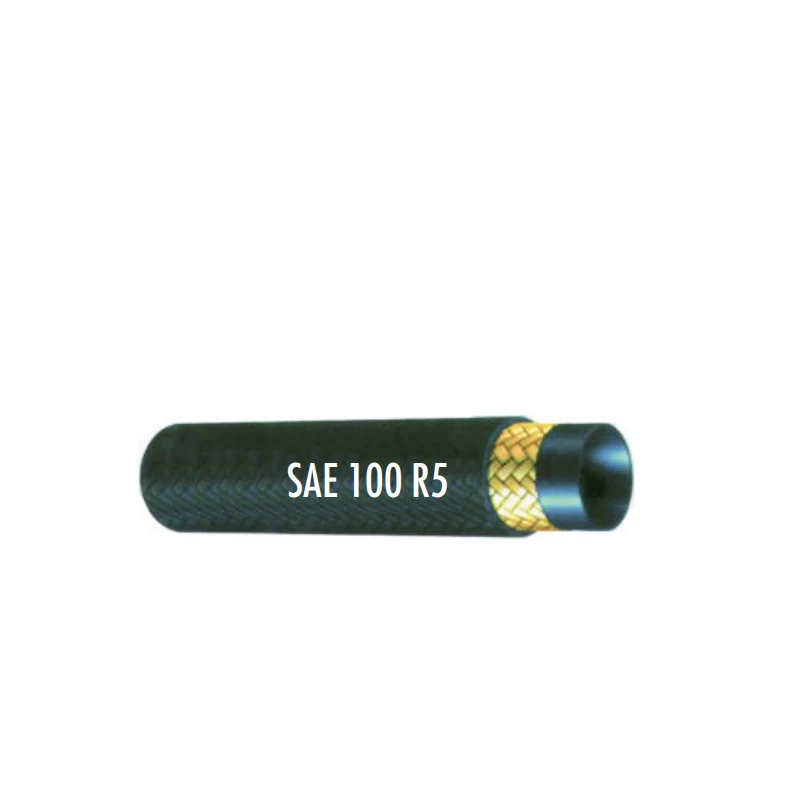
Single Wire Braid and Textile Covered Hydraulic Hose SAE 100 R5
-
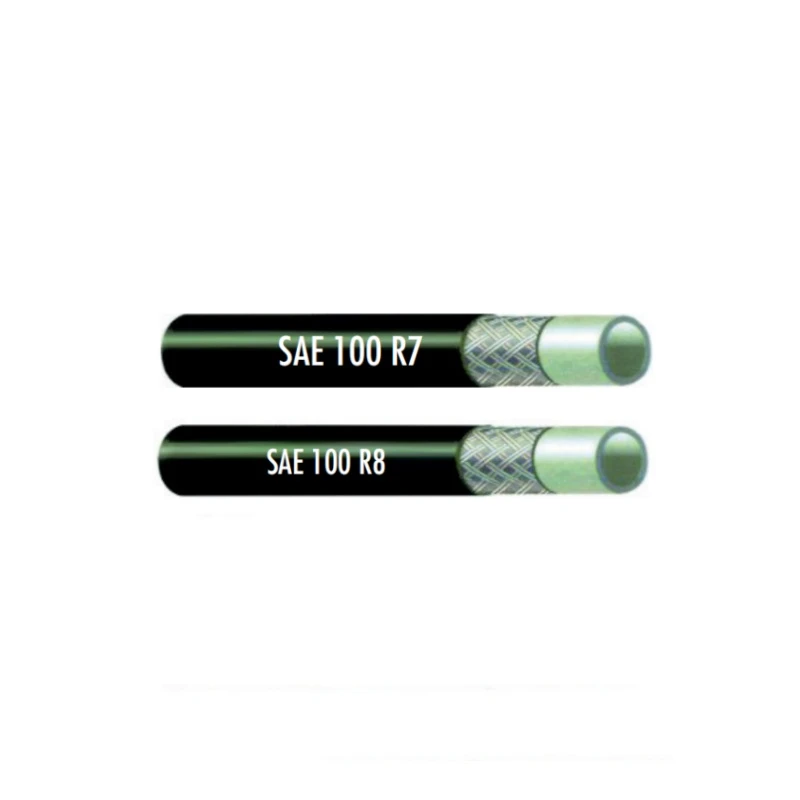
High Pressure Thermoplastic Hydraulic Hose SAE 100 R7 / EN855 R7 - SAE 100 R8 / EN855 R8
-
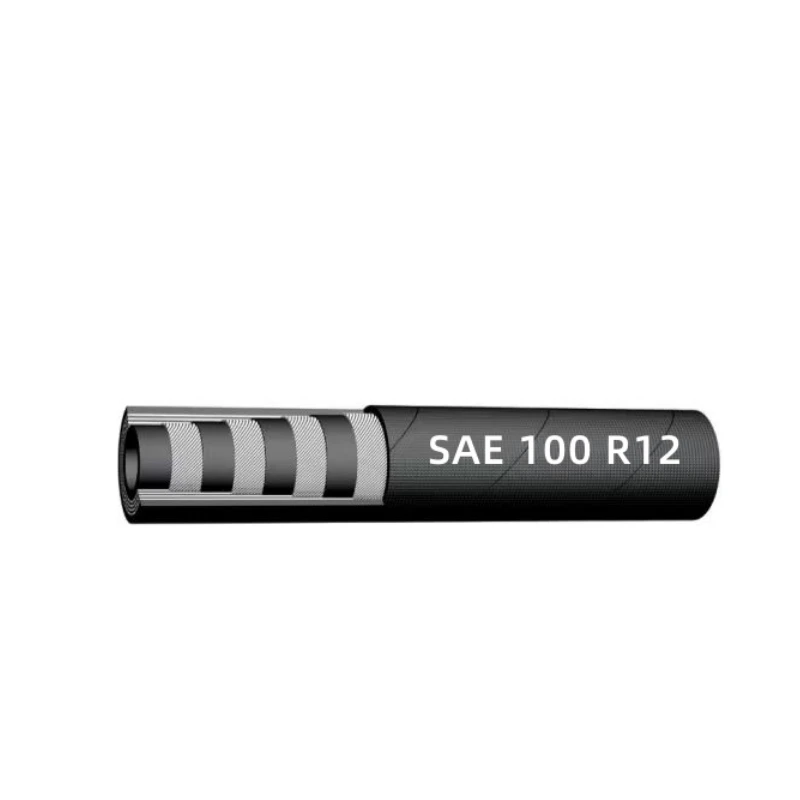
Heavy Duty Four-layer Steel Wire Spiral Reinforced Hydraulic Hose SAE100R9+R10+R12
-
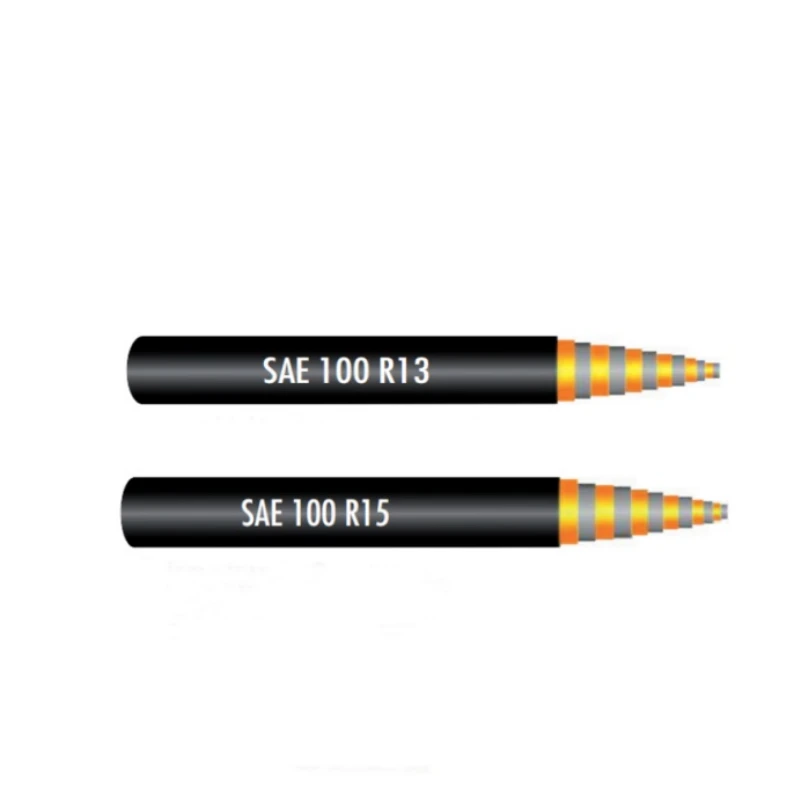
Heavy Duty Multi-layer Steel Wire Reinforced Hydraulic Hose SAE100R13 SAE100R15


