

Oct . 10, 2025 12:40 Back to list
Helix Hose: Looking for Durable, Flexible, Crush‑Proof?
PVC Helix Duct Hose: Field Notes, Specs, and Real-World Uses
Walk any woodshop or grain mill and you’ll spot it snaking along rafters and floors: the PVC Helix Duct Hose—often called a helix hose. To be honest, it’s one of those unsung industrial parts that just has to work. No drama. No downtime. And when it doesn’t, you know immediately: dust clouds, clogged lines, operators grumbling.
Origin matters here: this model is produced in Daowang Town, Guangrao County, Dongying City, Shandong Province 257335. I’ve visited similar extrusion lines—sizzling hot barrels, spiral formers humming, and QC techs mic’ing wall thickness like clockwork. That’s where reliability is baked in, not bolted on.
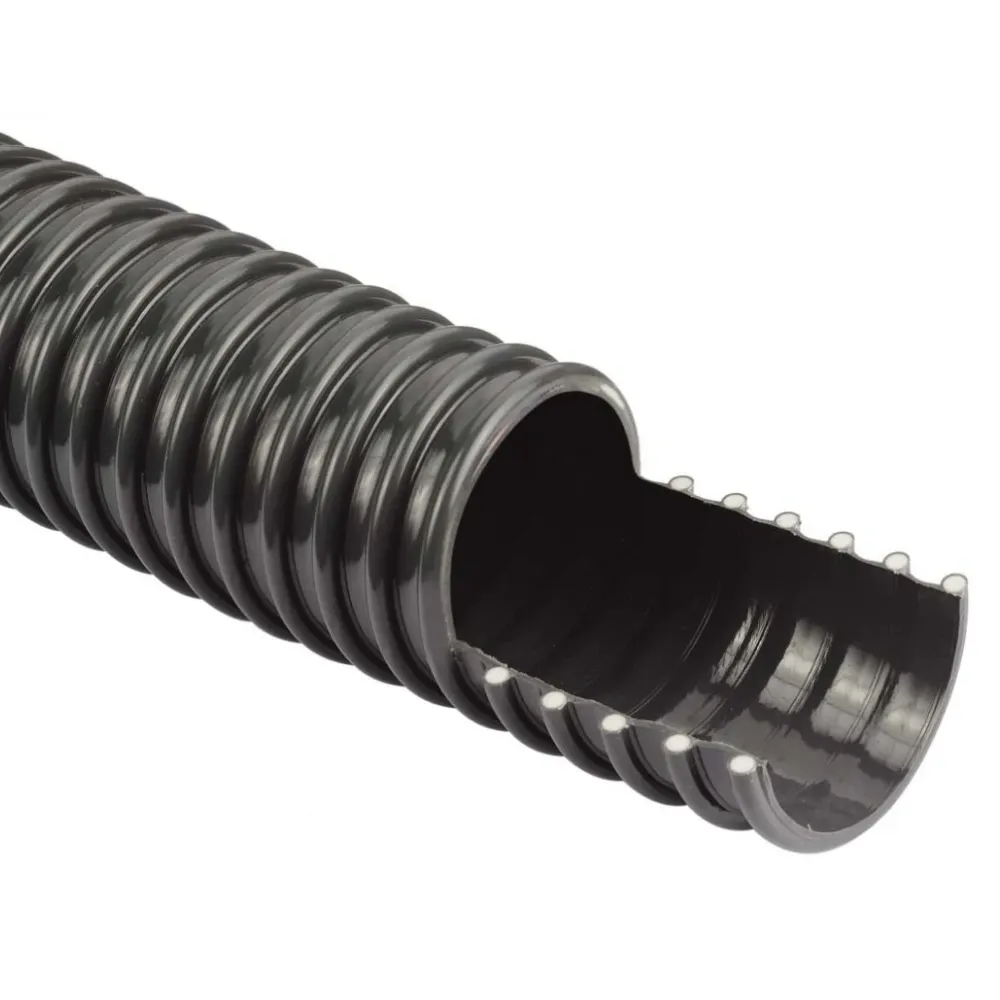
Why teams spec a helix hose for powders and dust
- Lightweight vs. rubber ducting; easier overhead installs.
- Smooth interior for better airflow and lower pressure drop.
- Rigid spiral resists crushing yet stays flexible for tight bends.
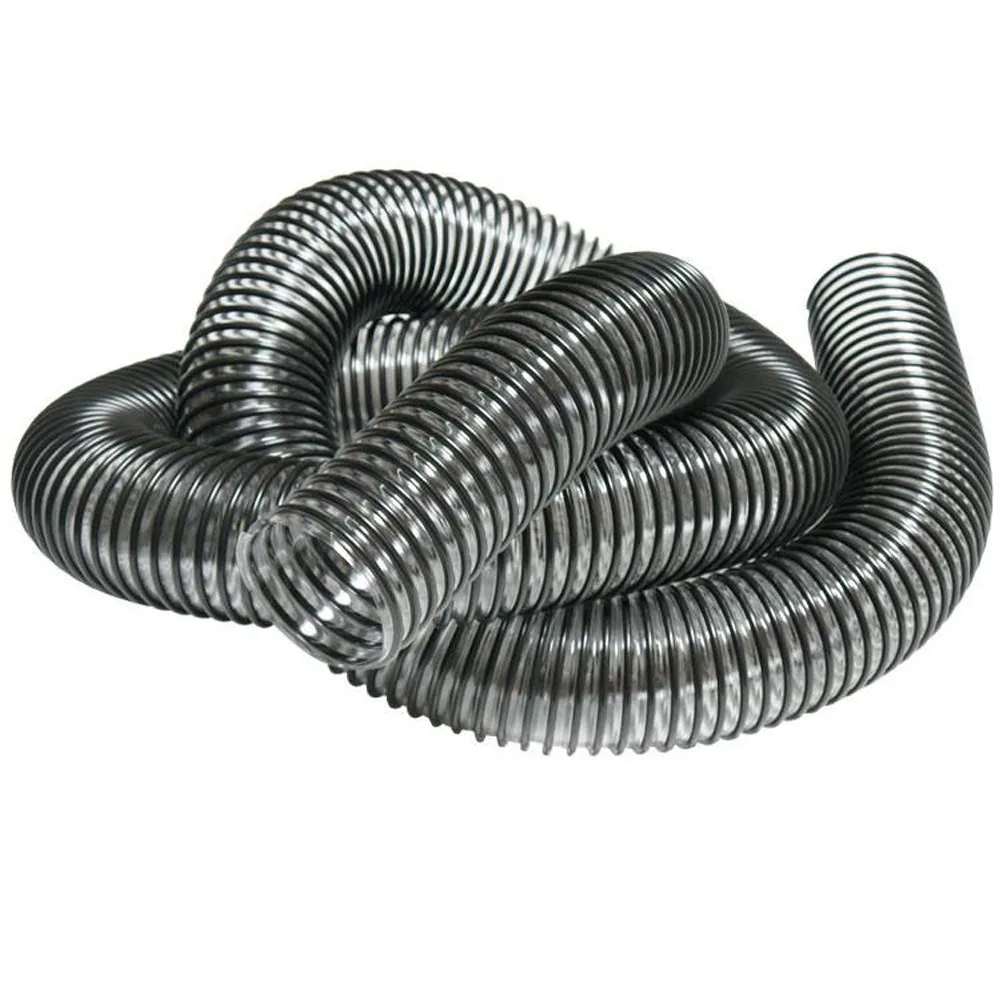
- Transparent wall helps operators spot clogs—surprisingly useful in fast changeovers.
Typical Applications
Dust collection, powder conveying, fiber capture, fume ventilation, grain/seed intake, plastics pellets, and light bulk solids. Many customers say it’s a reliable day-to-day duct in woodworking and textiles.
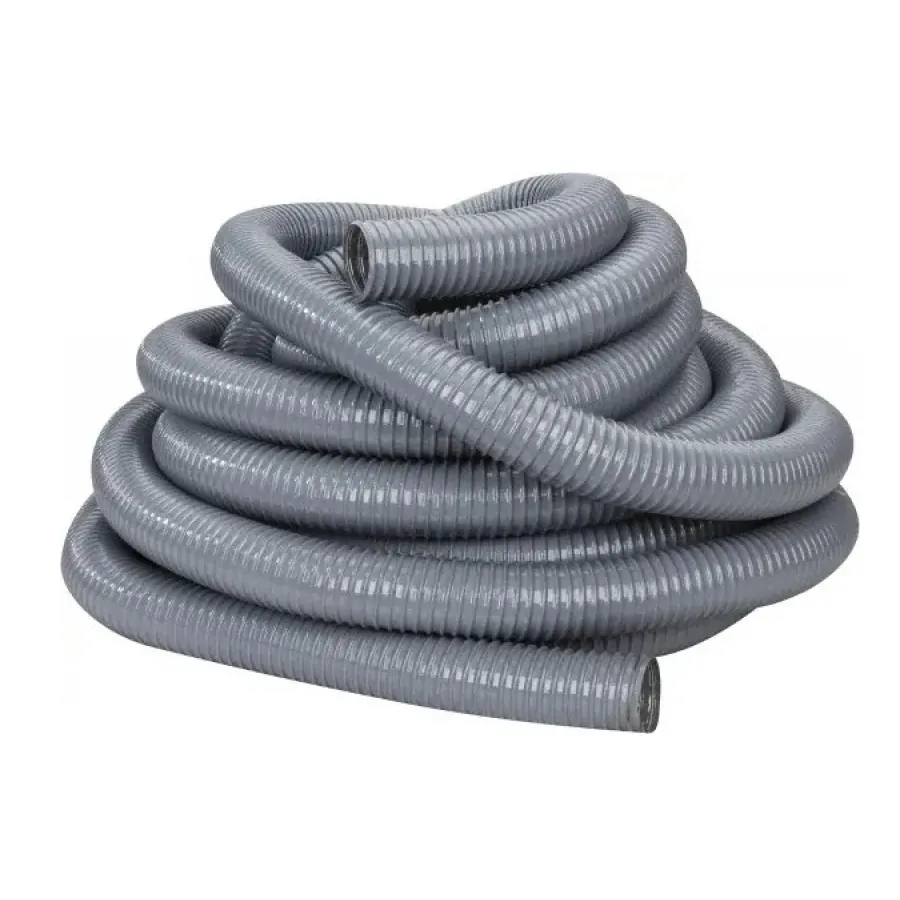
Product specifications (PVC Helix Duct Hose)
| Parameter | Typical value (≈, real-world use may vary) |
|---|---|
| Inner diameter range | 25–300 mm |
| Wall construction | Flexible PVC wall + rigid PVC spiral (smooth bore) |
| Temperature range | -10°C to +65°C (short peaks to 70°C) |
| Vacuum rating | Up to ≈ -0.6 bar depending on ID and wall |
| Bending radius | ≈ 1–3 × ID |
| Length options | 10/20/30 m coils |
| Compliance | RoHS/REACH-friendly materials available; ISO 9001 plant (on request) |
Testing notes: abrasion per ISO 4649/DIN 53516 (typical lab: ≈120–180 mm³ loss), tensile per ISO 37, vacuum collapse per in-house QC, and dimensional checks per ISO 1307 guidelines. Actual numbers vary by size and compound; always confirm spec sheets.
Process flow and QC
Materials: PVC resin + plasticizers + stabilizers for the flexible wall; rigid PVC for the spiral. Method: co-extrusion and spiral winding, cooling/sizing, cut-to-length, then pressure/vacuum spot checks. Service life is often 2–5 years in dust duty (clean air, correct bend radius, no chemical attack)—I guess longer in gentle service, shorter with abrasive minerals.
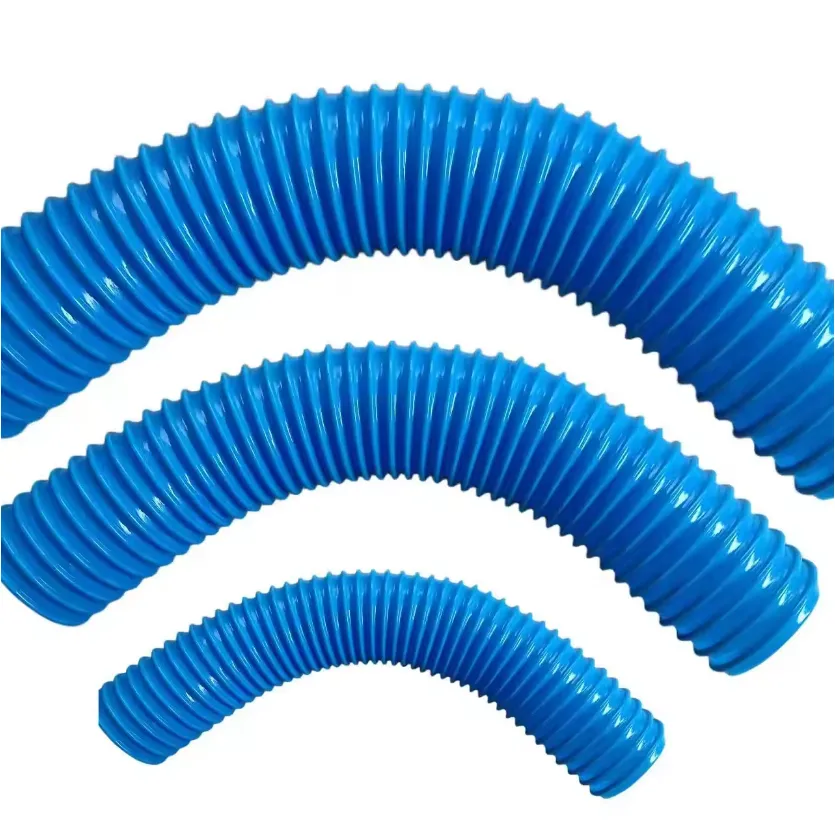
Vendor comparison (quick take)
| Vendor | Origin | Lead time (≈) | Certs/Compliance | Notes |
|---|---|---|---|---|
| JYHose PVC Helix Duct Hose | Shandong, China | 2–4 weeks | ISO 9001 site; RoHS/REACH materials on request | Good value; customization-friendly |
| Established US/EU brand | USA/EU | Stock to 3 weeks | Broad compliance portfolio | Higher price; robust distribution |
| Generic importer | Mixed | Varies | Check per lot | Budget, but QC consistency can drift |
Customization options
Diameters from small tools to main trunks, wall thickness tweaks for higher vacuum, spiral color ID, lengths, logo printing, tighter bend radius, and antistatic or food-contact compounds (verify with your compliance team). For explosive dust, pair a helix hose with proper grounding and NFPA-compliant system design.
Case snippets
Woodworking shop, Midwest: swapped mixed old ducts for a unified helix hose spec; reported ≈8–12% airflow improvement (fan amps dropped) and faster clog checks due to transparency.
Grain pre-clean line, APAC: medium ID helix hose with thicker wall reduced collapse events at high suction; operators asked for brighter spiral color for visibility, which was added in the next batch.
Industry trends
We’re seeing three clear shifts: lighter hoses to cut ergonomic strain, better abrasion compounds for mineral dust, and compliance-ready materials (RoHS/REACH). Actually, data-driven maintenance is creeping in too—teams log collapse or wear events and adjust bend radius or support spacing proactively.
Quick selection tips
- Match ID to airflow; avoid necking down at tools.
- Respect bend radius (≥ 1–3 × ID) to prevent kinks.
- Check chemical compatibility; PVC dislikes certain solvents.
- If dust is combustible, integrate bonding/grounding and follow NFPA guidance.
References and standards below are provided for engineering context; always verify the latest revisions.
- ISO 4649: Rubber, vulcanized or thermoplastic — Determination of abrasion resistance. https://www.iso.org/standard/71476.html
- ECHA guidance on REACH regulation. https://echa.europa.eu/regulations/reach
- OSHA woodworking eTool: dust collection. https://www.osha.gov/etools/woodworking/dust-collection
- Flexaust technical notes on PVC duct hoses (industry benchmark). https://www.flexaust.com
Latest News
Steel Wire Reinforced Hydraulic Hose SAE 100 R1 / EN853 1SN S
NewsOct.17,2024
Two Layers Steel Wire Reinforced Hydraulic Hose SAE 100 R2 / EN853 2SN
NewsSep.03,2024
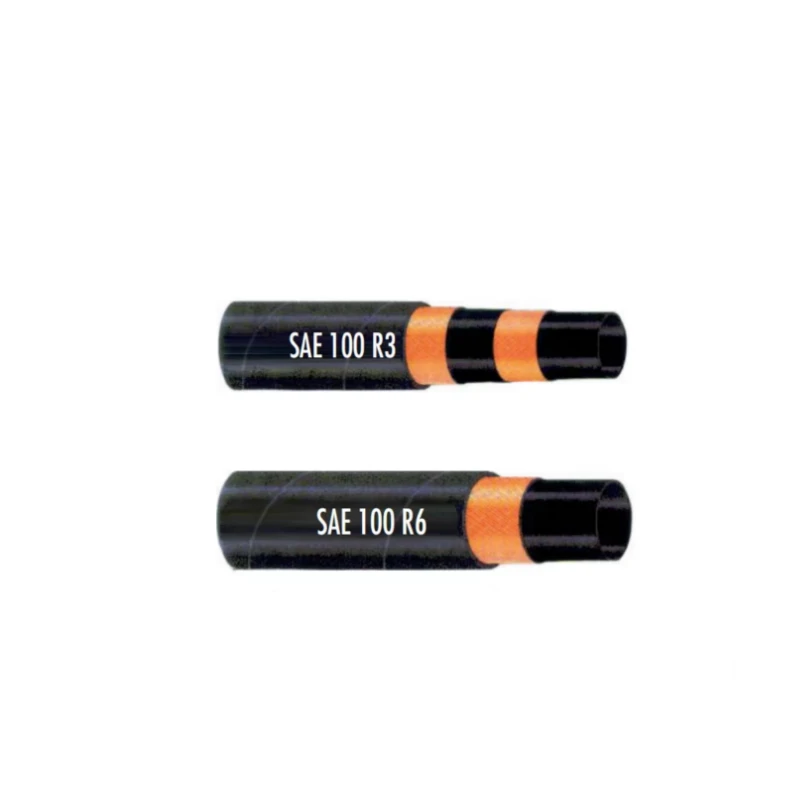
Textile Braid Reinforced Hydraulic Hose SAE100 R3+R6
NewsSep.03,2024
Textile Reinforced Hydraulic oil Suction Hose with embedded Steel Wire SAE 100 R4
NewsSep.03,2024
Single Wire Braid and Textile Covered Hydraulic Hose SAE 100 R5
NewsSep.03,2024
High Pressure Thermoplastic Hydraulic Hose SAE 100 R7 / EN855 R7 - SAE 100 R8 / EN855 R8
NewsSep.03,2024
Heavy Duty Four-layer Steel Wire Spiral Reinforced Hydraulic Hose SAE100R9+R10+R12
NewsSep.03,2024
Heavy Duty Multi-layer Steel Wire Reinforced Hydraulic Hose SAE100R13 SAE100R15
NewsSep.03,2024
Latest Products
-
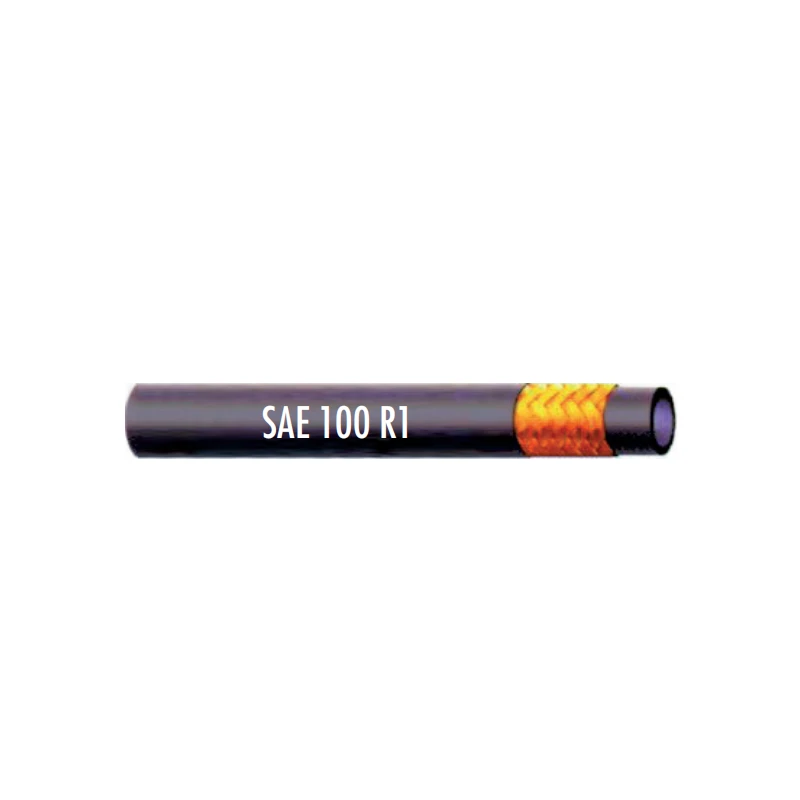
Steel Wire Reinforced Hydraulic Hose SAE 100 R1 / EN853 1SN S
-
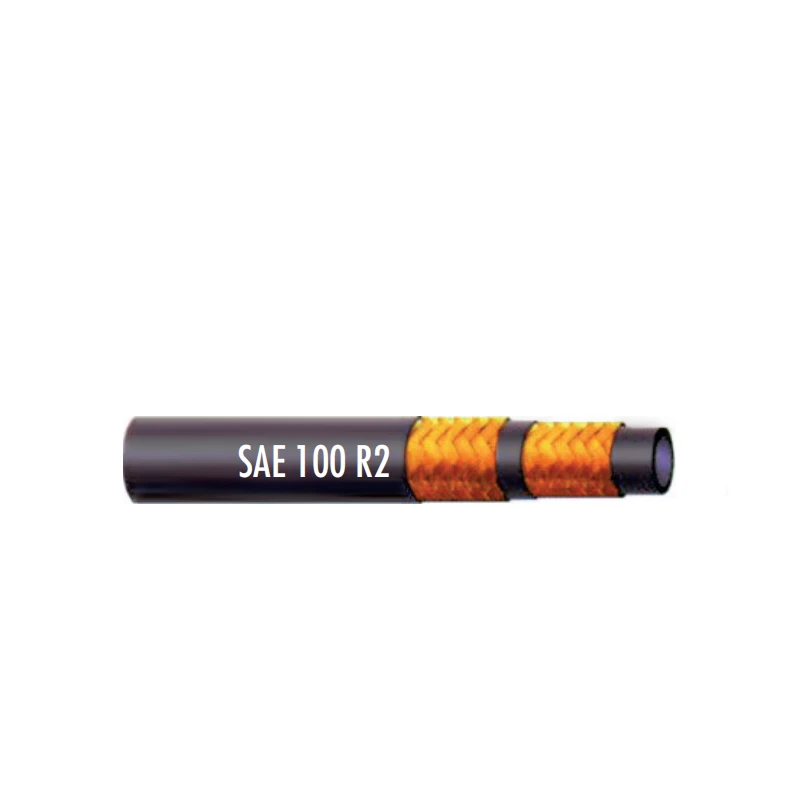
Two Layers Steel Wire Reinforced Hydraulic Hose SAE 100 R2 / EN853 2SN
-
-
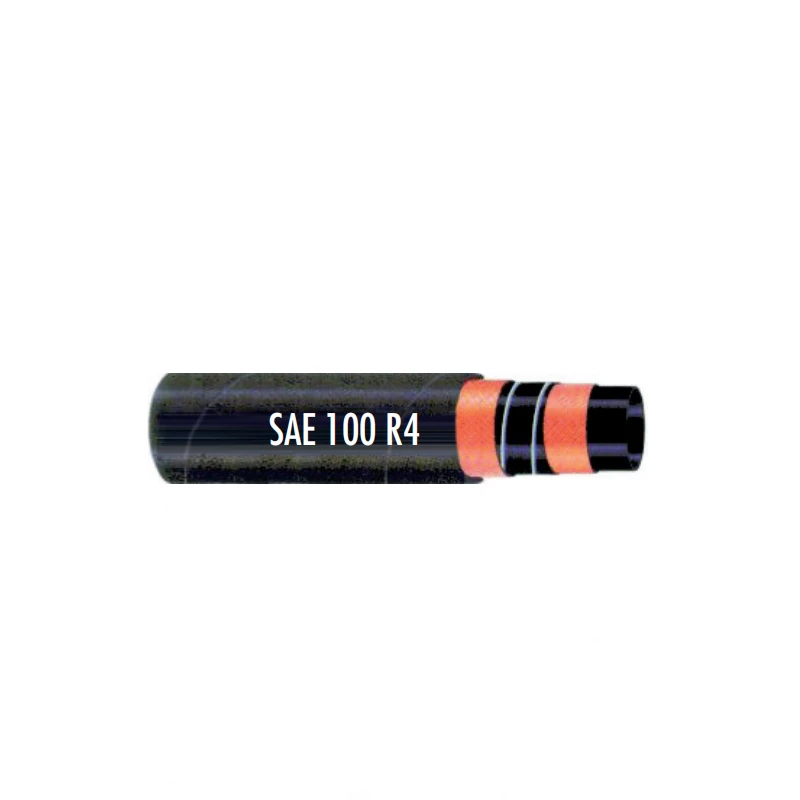
Textile Reinforced Hydraulic oil Suction Hose with embedded Steel Wire SAE 100 R4
-
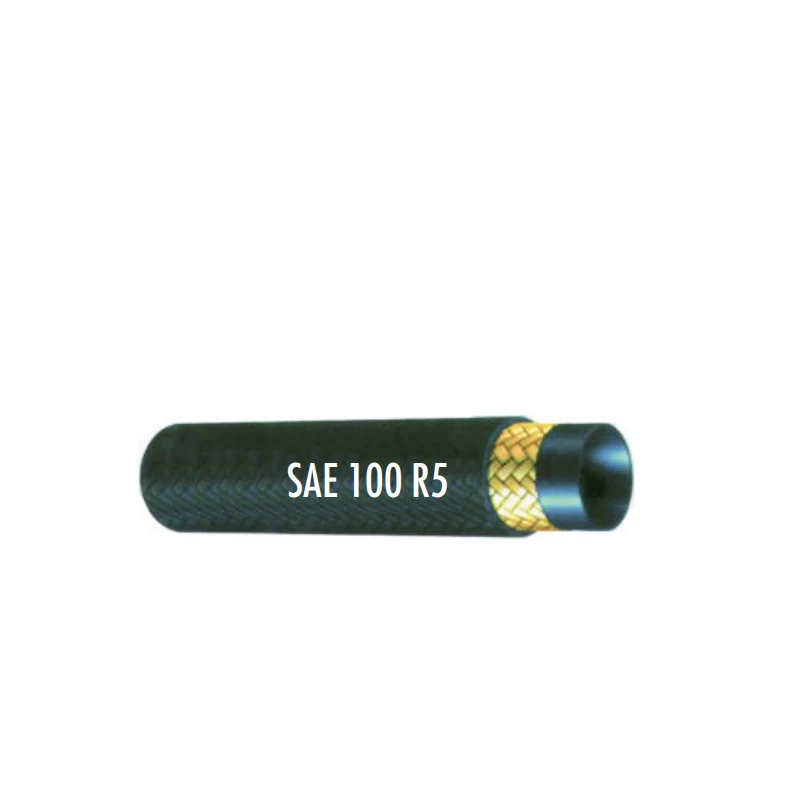
Single Wire Braid and Textile Covered Hydraulic Hose SAE 100 R5
-
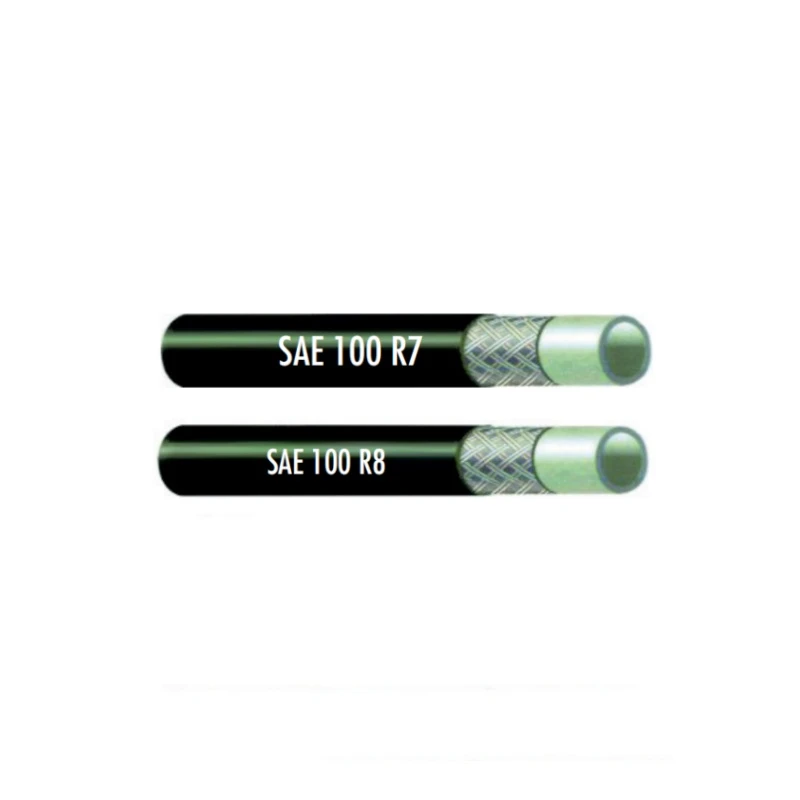
High Pressure Thermoplastic Hydraulic Hose SAE 100 R7 / EN855 R7 - SAE 100 R8 / EN855 R8
-
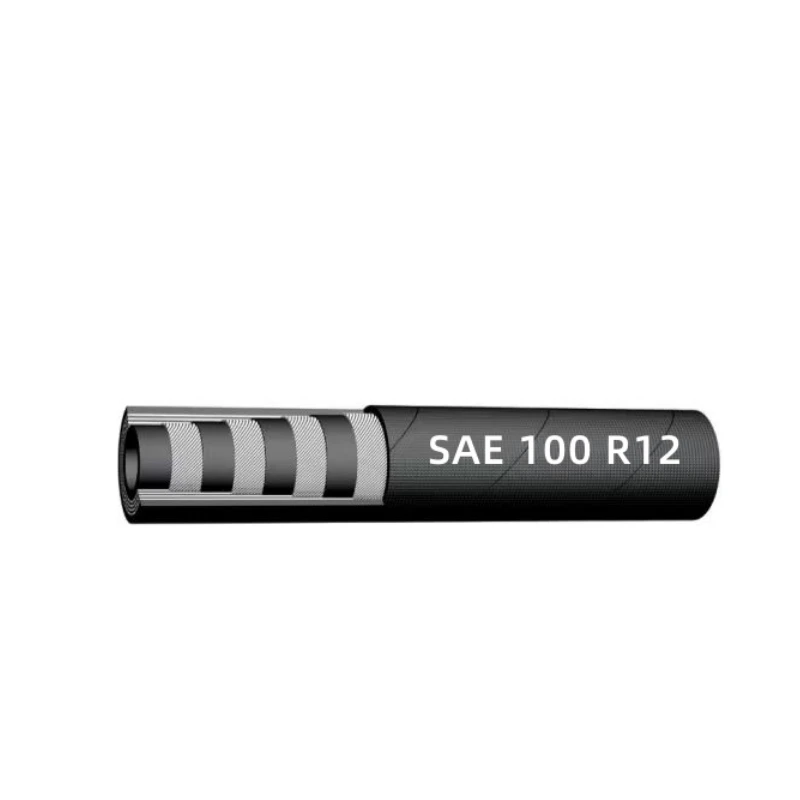
Heavy Duty Four-layer Steel Wire Spiral Reinforced Hydraulic Hose SAE100R9+R10+R12
-
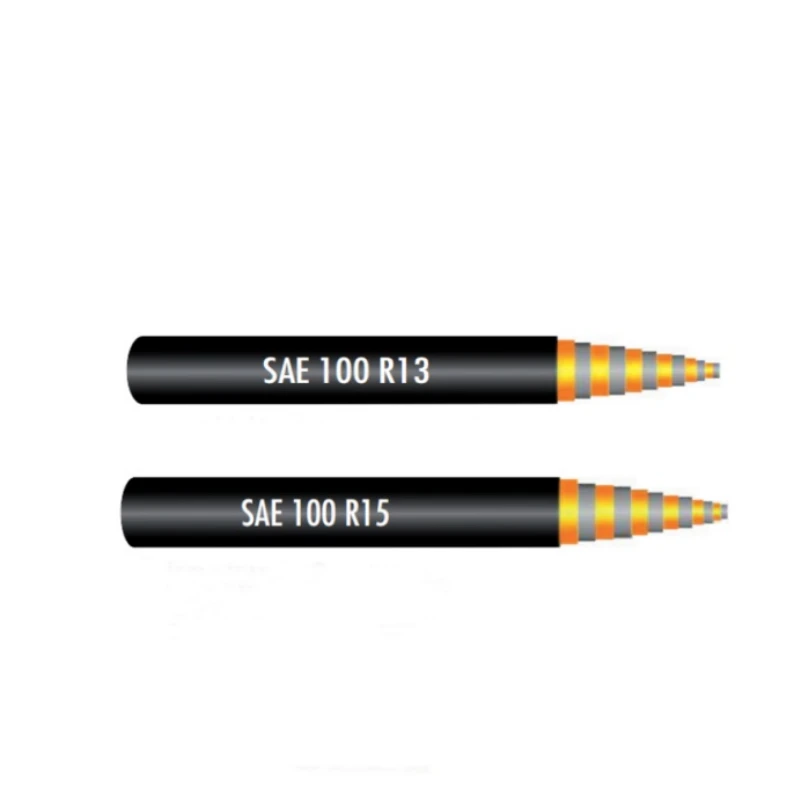
Heavy Duty Multi-layer Steel Wire Reinforced Hydraulic Hose SAE100R13 SAE100R15


