

Sep . 15, 2025 09:40 Back to list
High-Performance Slurry Hose: Abrasion, Chemical & Pressure Resistant.
Understanding Slurry Hose: Critical Infrastructure for Abrasive Transport
In industrial operations involving the transport of abrasive, corrosive, or high-viscosity media, the integrity and performance of the conveyance system are paramount. The Slurry Hose stands as a cornerstone component, engineered to withstand the most demanding conditions across a multitude of heavy industries. These specialized hoses are crucial for minimizing downtime, reducing maintenance costs, and ensuring operational efficiency in critical applications such as mining, dredging, construction, and wastewater management. Their design, material composition, and manufacturing precision directly impact their service life and the safety of operational personnel.
This comprehensive guide delves into the technical intricacies, application diversity, and strategic importance of these essential conduits, providing B2B decision-makers and engineers with the insights necessary for optimal system design and procurement.
Manufacturing Process of a High-Performance Slurry Hose
The production of a robust Slurry Hose is a sophisticated process, demanding meticulous attention to material selection, multi-layered construction, and stringent quality control. The goal is to create a product capable of enduring extreme pressures, temperatures, and abrasive wear over extended periods.
Key Materials and Their Roles:
- Inner Liner: Typically composed of highly abrasion-resistant natural rubber, synthetic rubber (e.g., SBR, EPDM, Nitrile), or specialized polymer compounds. This layer is the primary defense against wear from slurry particles. Thickness and durometer hardness are critical parameters. For extremely harsh conditions, ceramic-reinforced liners or ultra-high molecular weight polyethylene (UHMWPE) can be integrated.
- Reinforcement Layers: High-tensile textile cords (polyester, aramid fibers) or steel wire helices are embedded within rubber matrices. These layers provide the necessary burst strength and crush resistance. The number and orientation of these plies determine the hose's working pressure and flexibility. For large bore hoses, steel wire spirals are often used to prevent collapse under suction and to provide structural integrity.
- Outer Cover: Designed for environmental protection, this layer is usually made from weather-resistant, UV-stabilized synthetic rubber. It protects the reinforcement from ozone, abrasion, chemicals, and general wear from external factors. Often, covers are formulated to be flame-retardant or oil-resistant depending on the application environment.
- End Connections: Flanges (fixed or swivel), couplings (e.g., victaulic, quick-release), or specialized end fittings are vulcanized or mechanically attached to ensure a secure, leak-proof connection to piping systems. Materials typically include carbon steel, stainless steel, or specialty alloys, often coated for corrosion resistance.
Manufacturing Process Steps:
Schematic Process Flow:
- Material Preparation: Compounding of specific rubber mixtures (e.g., SBR, NR) with additives for abrasion resistance, flexibility, and longevity. Textile or steel wire reinforcement is prepped.
- Inner Liner Extrusion: The inner liner is extruded onto a mandrel, forming the initial bore of the hose. This ensures uniform thickness and a smooth internal surface.
- Reinforcement Application: Layers of textile fabric or steel wire are precisely wound or braided around the inner liner. This process, often automated, ensures consistent tension and angle for optimal strength.
- Outer Cover Application: The outer rubber cover is applied over the reinforcement layers, encapsulating the entire structure.
- End Fitting Attachment (Casting/Vulcanization): Pre-fabricated or custom-designed end fittings are integrated. For vulcanized ends, the rubber layers are molded and cured directly onto the fitting, forming a monolithic bond. This is a critical step, often involving specialized casting or forging for the metal components to ensure high structural integrity.
- Vulcanization (Curing): The entire hose assembly is placed in an autoclave where it undergoes a controlled heating process (vulcanization). This chemical process cross-links the polymer chains, transforming the raw rubber into a durable, elastic, and high-performance material.
- Finishing and Testing: After vulcanization, the hose is cooled, demoulded, and trimmed. Each hose undergoes rigorous testing, including hydrostatic pressure tests (proof pressure, burst pressure), vacuum tests, and dimensional inspections to conform to industry standards.
Testing Standards and Quality Assurance:
Adherence to international standards is crucial for guaranteeing product reliability and safety. Key standards include:
- ISO 1307: Rubber and plastics hoses – Hose sizes, minimum and maximum inside diameters, and tolerances on cut-to-length hoses.
- ANSI/AWWA C207: Flanges for Waterworks Service – Steel ring-type flanges.
- ASTM D380: Standard Test Methods for Rubber Hose.
- Various Mining Safety Standards: Depending on the region (e.g., MSHA in the US, ATEX in Europe for explosive environments).
Manufacturers often implement internal quality control systems certified to ISO 9001, ensuring traceability and consistent product quality from raw material to finished product.
Service Life and Target Industries:
A well-engineered Slurry Hose can offer a service life of several years under typical operating conditions, though this is heavily dependent on the abrasiveness of the media, operating pressure, temperature, and maintenance practices. Target industries benefiting from these hoses include:
- Mining & Mineral Processing: Transport of ore slurries (iron, copper, gold), tailings, and mine dewatering.
- Dredging: Conveying sand, gravel, silt, and other sediments from seafloor or riverbeds.
- Construction: Concrete pumping, aggregate transfer, and tunnel boring.
- Water Supply & Drainage / Wastewater Treatment: Transfer of raw sewage, sludge, and industrial wastewater.
- Power Generation: Ash handling and flue-gas desulfurization (FGD) slurries.
- Petrochemical: Specific applications involving catalyst transfer or waste byproducts that are abrasive.
In these scenarios, advantages such as superior abrasion resistance directly translate to energy savings by maintaining consistent flow rates with less friction, and exceptional corrosion resistance ensures longevity even with chemically aggressive slurries.
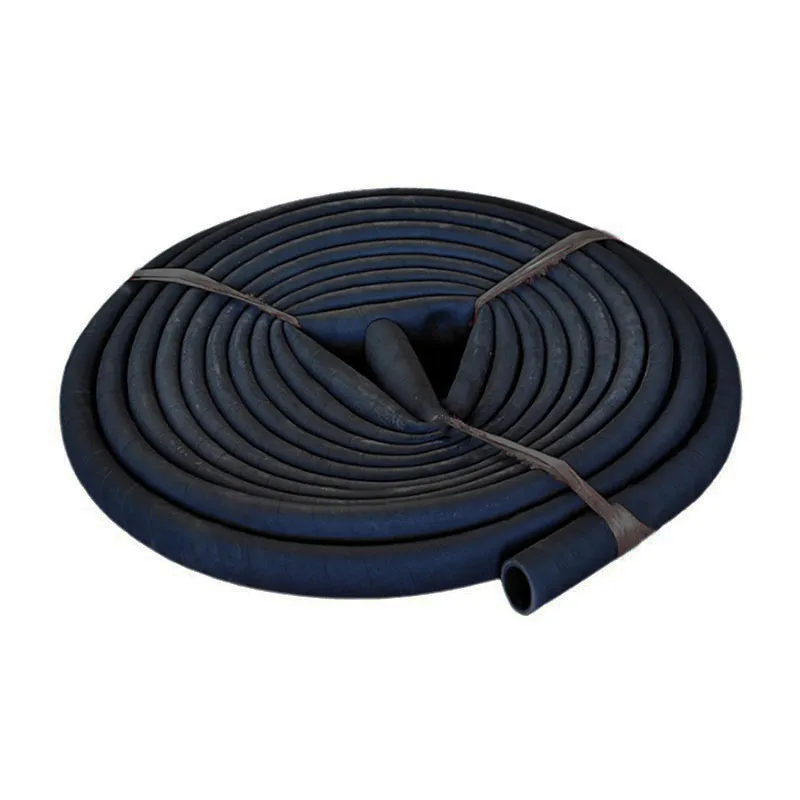
Industry Trends and Innovations in Slurry Hose Technology
The global demand for mineral resources, coupled with increasing environmental regulations and operational efficiency targets, continues to drive innovation in Slurry Hose technology. Key trends are focused on enhancing performance, extending service life, and improving sustainability.
- Advanced Material Science: Development of new polymer compounds and composite materials for liners that offer superior abrasion, chemical, and temperature resistance. This includes liners with ceramic bead reinforcement or UHMWPE for extreme wear applications, offering significantly extended lifespans (up to 3x standard rubber in some cases).
- Smart Hoses & IoT Integration: Integration of sensors within hose walls to monitor internal pressure, temperature, flow rates, and even wall thinning. This allows for predictive maintenance, preventing catastrophic failures and optimizing replacement schedules.
- Enhanced Flexibility and Lighter Weight: Innovations in reinforcement structures and rubber compounds are leading to hoses that are easier to handle and install, particularly for floating dredging applications or dynamic installations, without compromising on pressure ratings.
- Sustainability and Recyclability: Manufacturers are exploring more environmentally friendly materials and processes, including options for recycling end-of-life hoses, reducing the environmental footprint of industrial operations.
- Higher Pressure and Temperature Ratings: Continuous advancements in design and materials are pushing the boundaries for hoses operating under increasingly severe conditions, accommodating deeper mining operations and more aggressive chemical processes.
These trends underscore a commitment to improving operational safety, reducing total cost of ownership, and enhancing the environmental performance of slurry transport systems.
Technical Specifications and Performance Parameters
Selecting the correct Slurry Hose requires a thorough understanding of its technical specifications and how these parameters align with operational requirements. Expertise in material science, fluid dynamics, and stress engineering is critical for optimal selection.
Key Structural and Performance Parameters:
- Internal Diameter (ID): Ranges from 2 inches (50mm) to over 48 inches (1200mm), impacting flow rate and pressure drop.
- Working Pressure (WP): Typically expressed in bar or PSI, indicating the maximum continuous operating pressure. Reinforcement layers are designed to meet this. Standard WPs often range from 10 bar to 40 bar, with specialized hoses exceeding 80 bar.
- Burst Pressure (BP): The pressure at which the hose will catastrophically fail, usually a safety factor of 3:1 or 4:1 relative to WP.
- Vacuum Rating: Essential for suction applications, measured in kPa or mmHg, indicating resistance to collapse under negative pressure.
- Temperature Range: The minimum and maximum temperatures the hose can safely withstand, typically from -20°C to +80°C, but specialized compounds can extend this.
- Abrasion Resistance (Inner Liner): Measured using standardized tests like DIN 53516 (volume loss in mm³) or ASTM D1630 (abrasion index), indicating the liner's ability to resist wear from abrasive particles. Hardness (Shore A durometer) is also a key indicator.
- Bend Radius: The minimum radius to which a hose can be bent without kinking or damage, crucial for installation flexibility.
- End Fitting Type: Specifies the connection interface, e.g., fixed flange, swivel flange (ANSI B16.5 Class 150/300), quick coupling, threaded ends.
Typical Slurry Hose Product Specification Table:
| Parameter | Standard Range/Value | Description/Notes |
|---|---|---|
| Inner Diameter (ID) | DN50 - DN1200 (2" - 48") | Determines flow capacity. Custom IDs available. |
| Working Pressure (WP) | 10 Bar (150 PSI) - 40 Bar (600 PSI) | Higher pressures achievable with multi-ply steel cord reinforcement. |
| Burst Pressure (BP) | 30 Bar (450 PSI) - 160 Bar (2400 PSI) | Minimum 3:1 safety factor to WP. |
| Vacuum Rating | Full Vacuum (up to -0.9 Bar) | Achieved with steel helix wire reinforcement. |
| Temperature Range | -20°C to +80°C (-4°F to +176°F) | Dependent on rubber compound. Specialty compounds for wider ranges. |
| Inner Liner Material | Natural Rubber (NR), SBR, EPDM, Nitrile, UHMWPE | Selected for abrasion, chemical, and temperature resistance. |
| Reinforcement | High-tensile synthetic textile, Steel wire helix | Provides pressure resistance and non-collapse properties. |
| Outer Cover | Synthetic weather-resistant rubber | Resistant to abrasion, ozone, UV, and often oil. |
| End Connections | Fixed/Swivel Flanges (ANSI, DIN), Quick Couplings | Carbon steel, stainless steel. Matched to system requirements. |
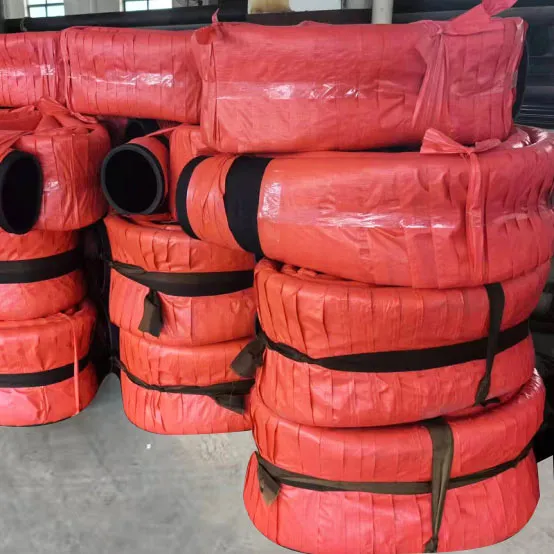
Diverse Application Scenarios and Proven Advantages
The versatility of the Slurry Hose is demonstrated across a wide spectrum of demanding industrial applications, where its inherent advantages deliver tangible operational benefits.
Typical Application Scenarios:
- Mining Tailings Management: Transporting residual ore processing waste from concentrators to tailings dams, often over long distances and varied terrain. The hose's flexibility allows for easier routing compared to rigid pipelines, reducing installation time and costs.
- Dredging Operations: Used for suction and discharge lines on dredgers, moving sand, gravel, silt, and sediment from underwater locations to shore or barges. The robust inner liner resists extreme abrasion from sharp, heavy particles, and the hose's inherent flexibility accommodates vessel movement and shifting seafloor conditions.
- Concrete Pumping: High-pressure transfer of liquid concrete and aggregates from pump trucks to pouring sites. The hose's ability to withstand high pressure and the abrasive nature of concrete ensures consistent flow without premature wear or rupture.
- Industrial Waste Sludge Transfer: Conveying thick, often corrosive, sludges in wastewater treatment plants or chemical processing facilities. Chemical-resistant liners are critical here, preventing degradation and leaks.
- Fly Ash & Bottom Ash Handling: In power plants, handling abrasive coal combustion byproducts suspended in water. Durability against constant abrasive flow is key to preventing system failures.
Core Technical Advantages:
- Exceptional Abrasion Resistance: The primary advantage. Specially formulated inner liners (e.g., natural rubber with a high rebound resilience) dissipate kinetic energy from abrasive particles, leading to significantly extended service life compared to standard hoses or rigid piping in high-wear applications. This directly reduces replacement frequency and associated labor costs.
- Superior Pressure Handling: Multi-ply synthetic textile or steel wire reinforcement ensures high working and burst pressures, providing a substantial safety margin and reliability in demanding pumping operations.
- Flexibility and Vibration Dampening: Hoses can absorb pulsation and vibration from pumps, protecting connected equipment and reducing noise. Their flexibility simplifies installation in challenging layouts and accommodates movement in dynamic systems (e.g., floating pipelines).
- Corrosion and Chemical Resistance: Depending on the liner material (e.g., EPDM for acids/bases, Nitrile for oils), the hose can effectively resist degradation from corrosive slurries, expanding its utility in chemical and wastewater industries.
- Reduced Clogging: The smooth inner bore of a well-designed slurry hose minimizes friction and particle adherence, reducing the likelihood of clogging and maintaining efficient flow.
- Lower Total Cost of Ownership (TCO): While initial investment might be higher than some alternatives, the extended service life, reduced downtime, and lower maintenance requirements often result in a significantly lower TCO over the operational lifespan.
These advantages culminate in systems that are more reliable, safer, and ultimately more economical for managing abrasive and corrosive media.
Vendor Comparison and Customized Solutions
Choosing the right vendor for a Slurry Hose is as critical as selecting the hose itself. Factors such as manufacturing expertise, material quality, customization capabilities, and after-sales support significantly influence long-term operational success.
Vendor Comparison Considerations:
| Criteria | Leading Manufacturer (e.g., JY Hose) | Standard Supplier | Impact on Operations |
|---|---|---|---|
| Material Expertise | Proprietary abrasion-resistant compounds (NR, SBR, UHMWPE), advanced reinforcement. | Standard rubber compounds, basic reinforcement. | Directly affects hose lifespan, resistance to wear and tear. Superior materials reduce frequency of replacements. |
| Customization Capability | Full range of ID/OD, lengths, WP, liner materials, end fittings. Engineering consultation. | Limited standard sizes and configurations. | Tailored solutions optimize performance, fit, and TCO for unique project requirements. |
| Quality & Certifications | ISO 9001, ASTM, ANSI, individual product test reports, high safety factors. | Basic compliance, fewer specific product certifications. | Ensures reliability, safety, and compliance with industry standards, reducing risks and liabilities. |
| Technical Support | Pre-sales engineering support, post-sales troubleshooting, field service. | Limited, often transactional support. | Expert guidance ensures correct product selection and optimal system performance, minimizing operational issues. |
| Lead Time & Fulfillment | Streamlined production, reliable supply chain, proactive communication on lead times. | Variable, often longer for non-standard items. | Predictable delivery critical for project scheduling and minimizing downtime. |
Customized Slurry Hose Solutions:
Recognizing that no two industrial applications are identical, leading manufacturers excel in providing bespoke Slurry Hose solutions. This involves a collaborative engineering approach:
- Application Analysis: Detailed assessment of the specific slurry (particle size, density, pH, temperature), flow rate, pressure requirements, installation environment (submerged, land-based, floating), and dynamic forces.
- Material Selection: Tailoring the inner liner (e.g., highly elastic natural rubber for severe abrasion, EPDM for chemical resistance), reinforcement (textile ply count, steel wire type), and outer cover for optimal performance and longevity.
- Design Optimization: Customizing hose length, diameter, and bend radius. Designing specific end fittings (e.g., integrated buoyancy collars for floating hoses, unique flange drillings) to seamlessly integrate with existing infrastructure.
- Special Features: Incorporating features like wear indicators, anti-static properties, or specialized external coatings for additional protection in extreme environments.
This tailored approach ensures that the hose is not just a component, but an integral, optimized part of the overall system, delivering maximum efficiency and minimal operational expenditure.
Real-World Application Case Studies
Empirical evidence from successful installations provides the strongest testament to the reliability and performance of high-quality Slurry Hose products.
Case Study 1: Large-Scale Mining Operation, Western Australia
A major iron ore mine faced significant downtime due to frequent failures of their conventional rigid piping in tailings lines, particularly at high-wear elbow sections. The abrasive iron ore slurry, combined with high flow rates, led to pipe thinning and ruptures every 3-6 months. Our solution involved replacing key sections with custom-engineered Slurry Hose units featuring a 25mm thick, high-rebound natural rubber inner liner and steel wire helix reinforcement for enhanced structural integrity. After 18 months of continuous operation, these hoses showed minimal wear, extending the maintenance cycle by over 300% and resulting in estimated annual savings of $1.2 million in replacement parts and labor. Customer feedback highlighted the "unprecedented durability" and "significant reduction in operational interruptions."
Case Study 2: Marine Dredging Project, Southeast Asia
A large-scale port expansion project required efficient transfer of highly abrasive seabed sand and coral fragments over several kilometers from a cutter suction dredger to a reclamation site. The dynamic marine environment demanded flexible connections resistant to constant movement and high-pressure surges. We supplied a series of floating slurry hoses (DN700, 15 bar WP) with integrated buoyancy and specially formulated UHMWPE liners. These hoses were designed to withstand extreme external abrasion from tugboats and constant internal wear. The project's director noted: "The hoses exceeded performance expectations, demonstrating superior flexibility and resistance to puncture from sharp debris. They were pivotal in maintaining continuous dredging operations, completing the project ahead of schedule."
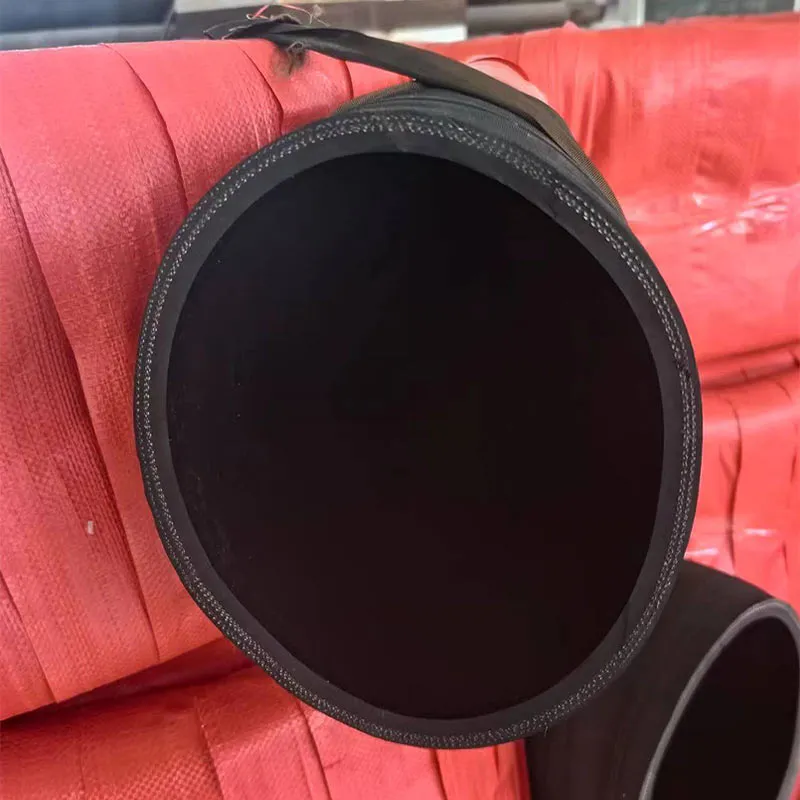
Trustworthiness: FAQ, Lead Time, Warranty & Support
Frequently Asked Questions (FAQ):
Q: What factors determine the service life of a Slurry Hose?
A: Service life is primarily influenced by the abrasiveness and velocity of the slurry, operating pressure, temperature, chemical compatibility, bend radius during installation, and frequency of internal rotation to evenly distribute wear.
Q: Can Slurry Hoses be repaired?
A: Minor external damage to the cover can often be repaired. However, if the inner liner or reinforcement layers are compromised, the hose should be replaced. Repairing internal damage is usually not economically viable or safe for high-pressure slurry applications.
Q: How do I select the correct end fittings?
A: End fittings are selected based on the mating connections of your existing pipeline, pressure rating, and installation environment. Common types include ANSI B16.5 flanges (Class 150/300), DIN flanges, quick couplings, or custom solutions. Our engineering team can assist in selecting the optimal fitting.
Q: What is the lead time for custom Slurry Hoses?
A: Standard hoses often have shorter lead times (e.g., 4-6 weeks). Custom-designed hoses, depending on complexity and material sourcing, typically range from 8-16 weeks. Expedited options may be available upon request. Specific lead times are provided with each quotation.
Lead Time and Fulfillment Details:
We maintain a robust manufacturing infrastructure and strategic raw material partnerships to ensure efficient production and timely delivery. Standard Slurry Hose configurations are often available with shorter lead times, while highly customized orders are managed through a transparent project timeline. We provide clear communication on production progress and shipping schedules to align with client project timelines. Global logistics capabilities ensure worldwide delivery.
Warranty Commitments:
All our Slurry Hose products are backed by a comprehensive warranty against manufacturing defects, typically ranging from 12 to 24 months from the date of installation or shipment, whichever comes first. Specific warranty terms are provided with each product quotation and are designed to ensure client confidence in product quality and reliability.
Dedicated Customer Support and After-Sales Service:
Our commitment extends beyond product delivery. We offer extensive after-sales support, including installation guidance, operational best practices, and troubleshooting assistance. Our team of experienced technical professionals is available to provide on-site support or remote consultation to ensure the optimal performance and longevity of your slurry hose systems. We prioritize rapid response to inquiries and provide expert advice to resolve any operational challenges efficiently.
References
- ISO. (2014). ISO 1307: Rubber and plastics hoses – Hose sizes, minimum and maximum inside diameters, and tolerances on cut-to-length hoses. International Organization for Standardization.
- ASTM International. (2018). ASTM D380 / D380M: Standard Test Methods for Rubber Hose. ASTM International.
- Schroeder, J. A. (2009). Advances in rubber hose technology for abrasive applications. Rubber World Magazine, 240(4), 28-32.
- Mining Technology. (2023). Tailings management in the mining industry: Best practices and challenges. Retrieved from example_authoritative_mining_journal_or_website.
Latest News
Steel Wire Reinforced Hydraulic Hose SAE 100 R1 / EN853 1SN S
NewsOct.17,2024
Two Layers Steel Wire Reinforced Hydraulic Hose SAE 100 R2 / EN853 2SN
NewsSep.03,2024
Textile Braid Reinforced Hydraulic Hose SAE100 R3+R6
NewsSep.03,2024
Textile Reinforced Hydraulic oil Suction Hose with embedded Steel Wire SAE 100 R4
NewsSep.03,2024
Single Wire Braid and Textile Covered Hydraulic Hose SAE 100 R5
NewsSep.03,2024
High Pressure Thermoplastic Hydraulic Hose SAE 100 R7 / EN855 R7 - SAE 100 R8 / EN855 R8
NewsSep.03,2024
Heavy Duty Four-layer Steel Wire Spiral Reinforced Hydraulic Hose SAE100R9+R10+R12
NewsSep.03,2024
Heavy Duty Multi-layer Steel Wire Reinforced Hydraulic Hose SAE100R13 SAE100R15
NewsSep.03,2024
Latest Products
-
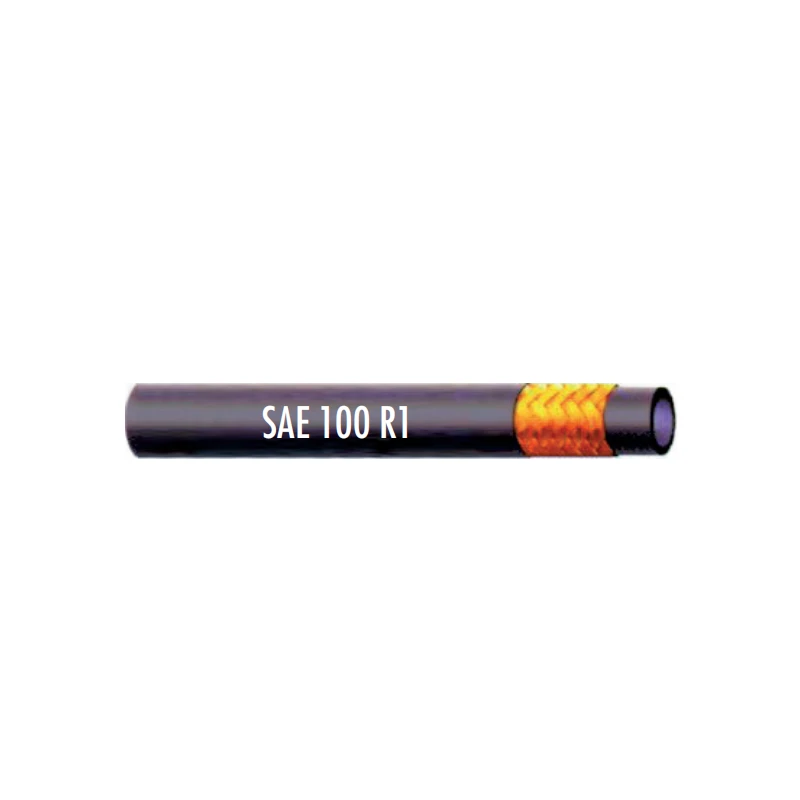
Steel Wire Reinforced Hydraulic Hose SAE 100 R1 / EN853 1SN S
-
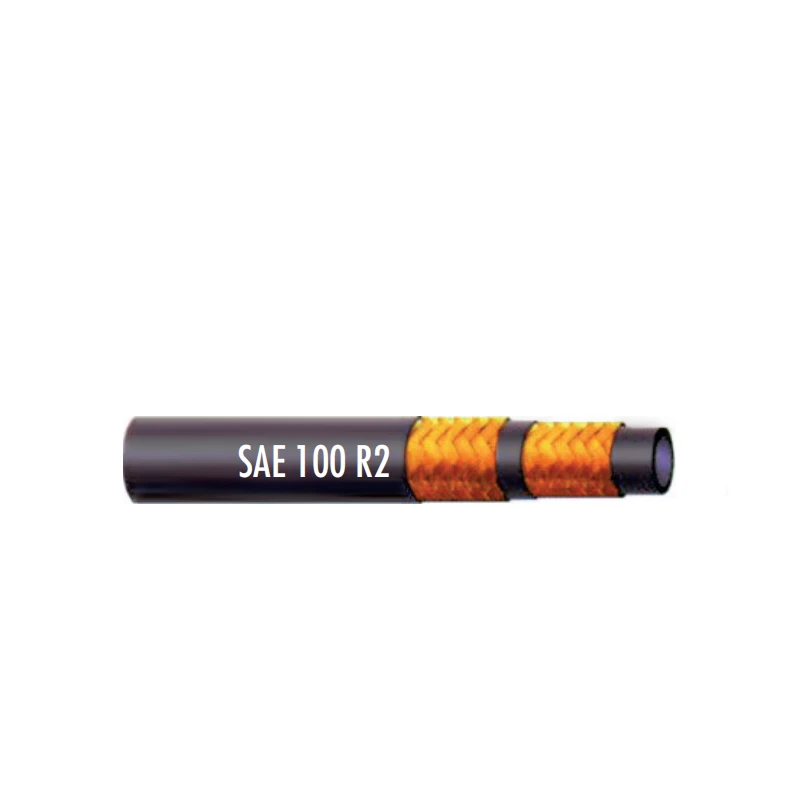
Two Layers Steel Wire Reinforced Hydraulic Hose SAE 100 R2 / EN853 2SN
-
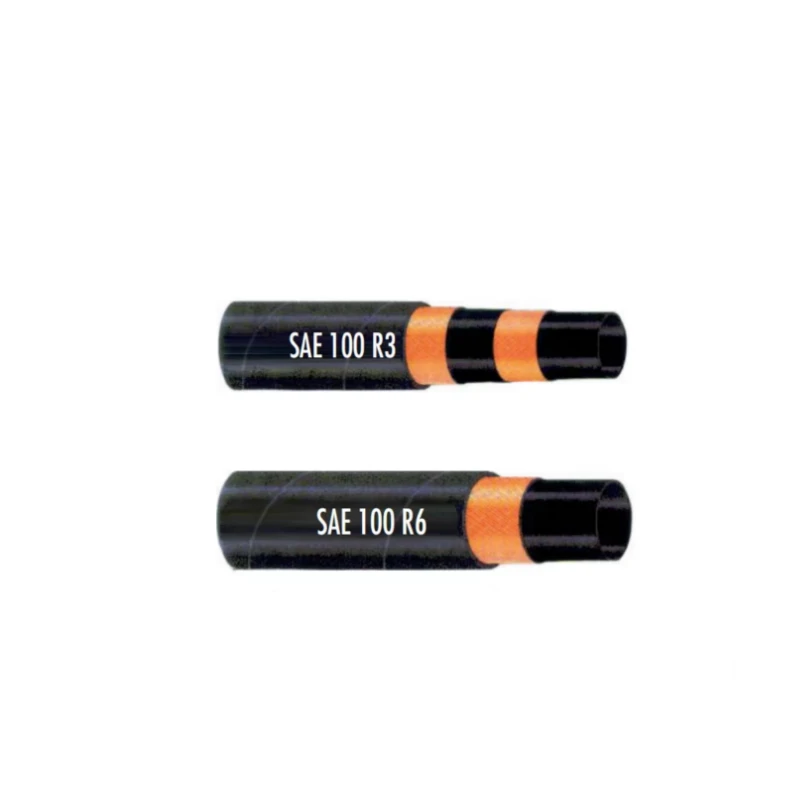
-
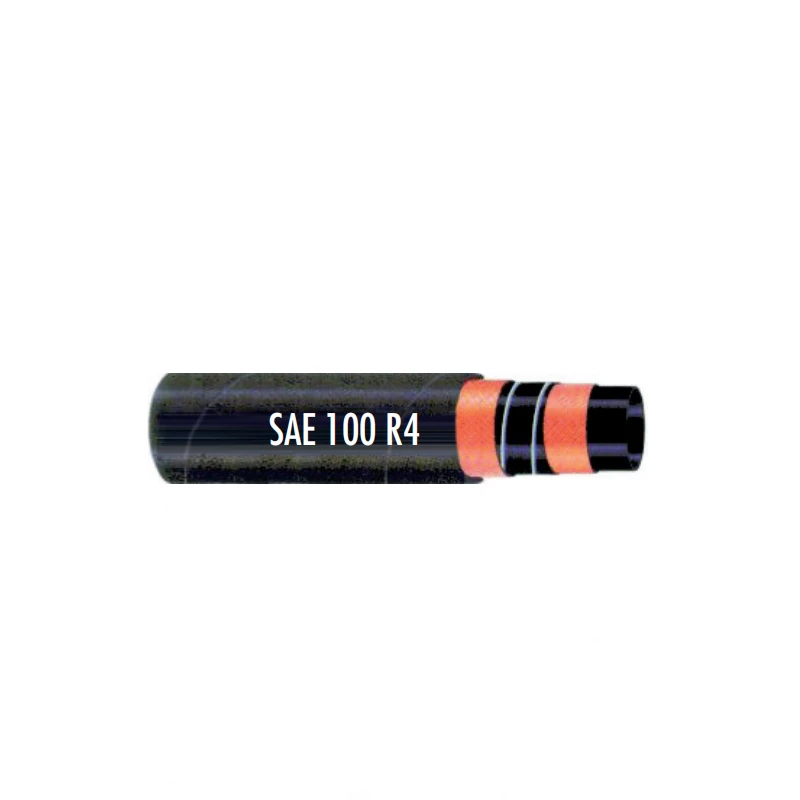
Textile Reinforced Hydraulic oil Suction Hose with embedded Steel Wire SAE 100 R4
-
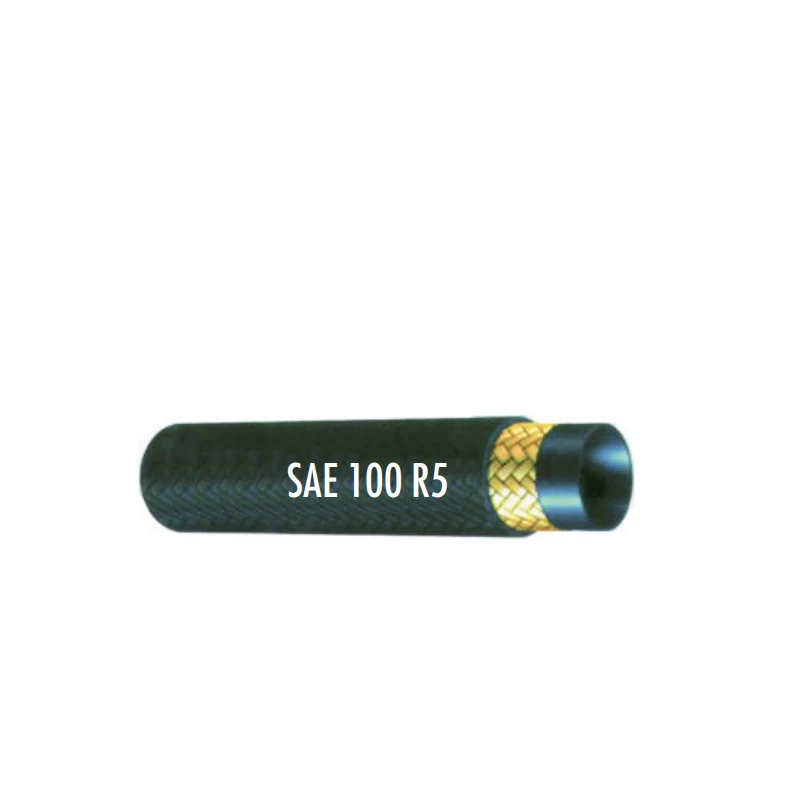
Single Wire Braid and Textile Covered Hydraulic Hose SAE 100 R5
-
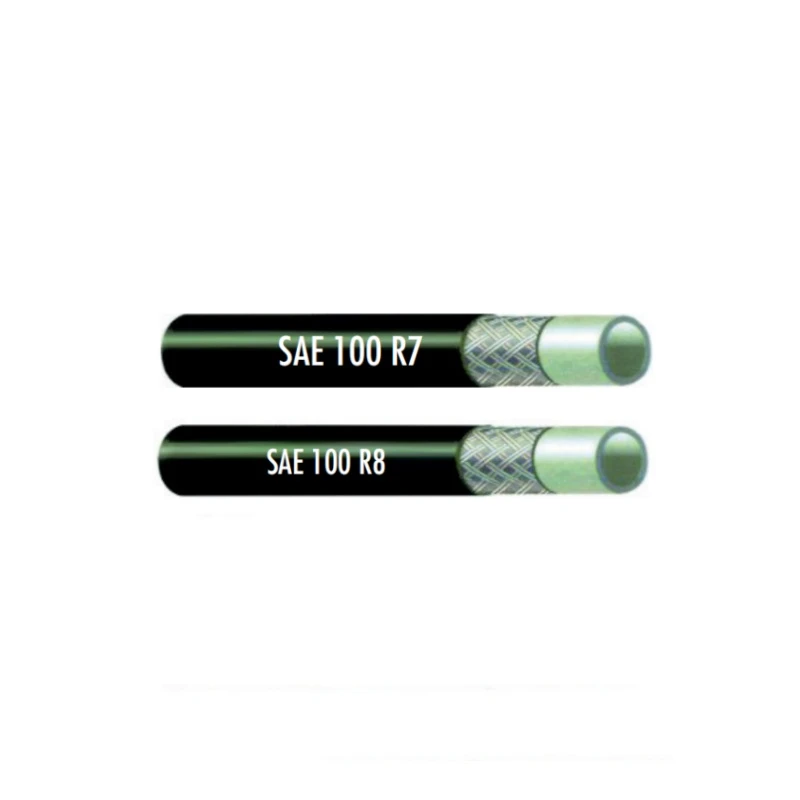
High Pressure Thermoplastic Hydraulic Hose SAE 100 R7 / EN855 R7 - SAE 100 R8 / EN855 R8
-
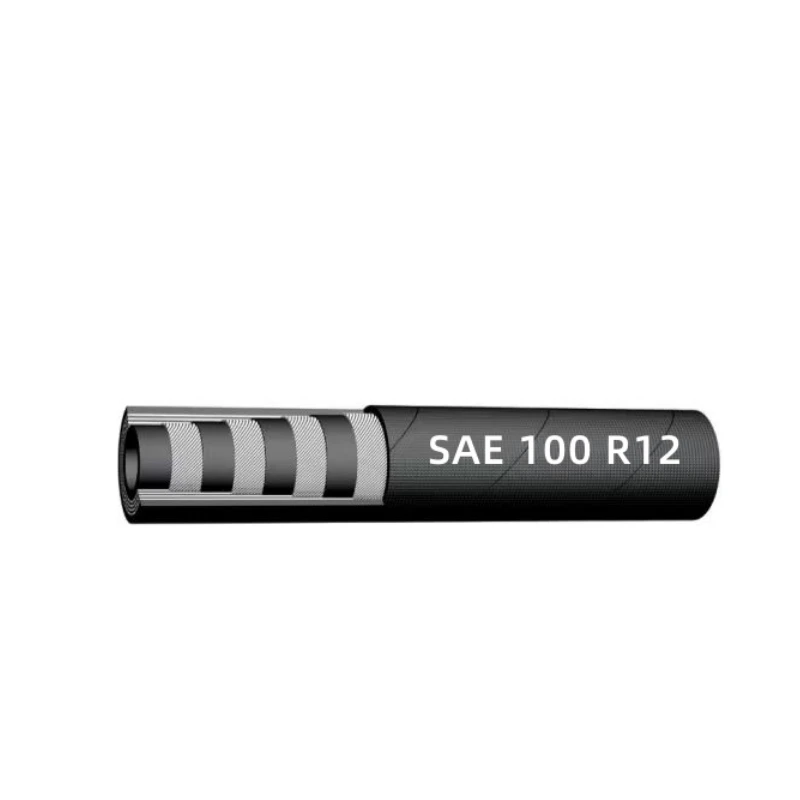
Heavy Duty Four-layer Steel Wire Spiral Reinforced Hydraulic Hose SAE100R9+R10+R12
-
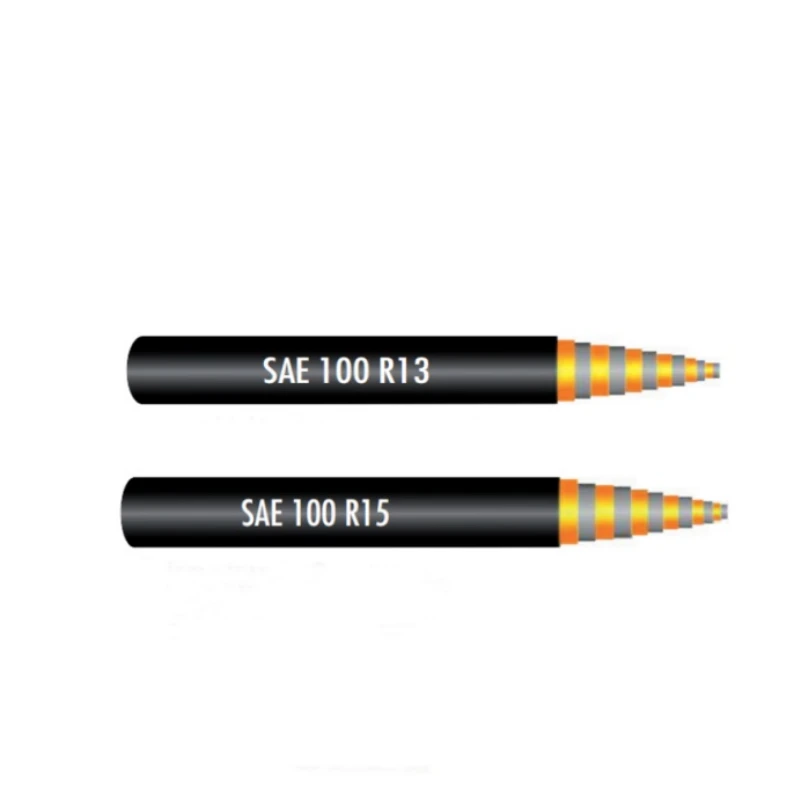
Heavy Duty Multi-layer Steel Wire Reinforced Hydraulic Hose SAE100R13 SAE100R15


