When operating heavy machinery in abrasive environments, the failure of a hydraulic line can lead to catastrophic downtime and expensive repairs. The primary challenge lies in finding a balance between high-pressure containment and external wear resistance, especially in sectors like mining or construction where grit and slurry are constant. This is where the technical specifications of a specialized hose, such as the china abrasion resistant hydraulic hose 4sh4sp, become critical for maintaining system integrity.
The distinction between a standard hydraulic line and an abrasion-resistant version is not merely cosmetic; it involves a fundamental shift in material science. In the broader context of rubber and plastic manufacturing, these hoses must integrate with other critical components like industrial hoses and oil/fuel/gas hoses to create a seamless fluid power circuit. For engineers, the focus is often on the "outer skin" of the hose, ensuring it can withstand constant friction without compromising the high-pressure reinforced core.
Understanding the mechanical properties of these components allows procurement managers to reduce the total cost of ownership by extending replacement intervals. By analyzing the synergy between rubber elasticity and wear-resistant coatings, businesses can optimize their equipment's lifespan. This guide explores the technical depth of china abrasion resistant hydraulic hose 4sh4sp and provides a framework for selecting the right specifications for severe duty applications.


The structure of an abrasion-resistant hose is designed to handle dual stresses: internal hydraulic pressure and external physical erosion. At its core, the hose utilizes a high-strength reinforcement layer—often spiral or braided wire—to ensure the 4SH or 4SP rating is maintained. This core provides the necessary structural rigidity to prevent burst failures under extreme pressure spikes, ensuring the safety of the operator and the machinery.
The outer layer is where the specialized abrasion resistance is concentrated. Unlike standard hoses, these are often coated with wear-resistant paint or high-density rubber compounds that resist cutting and rubbing. This external barrier is formulated to be lightweight yet possess a solid wall thickness, preventing the internal reinforcement from being exposed to the environment, which would otherwise lead to rapid corrosion and failure.
Material composition is the most significant driver of hose longevity. The use of high-rubber content in the cover ensures that the hose can be folded or squeezed without cracking. This elasticity is vital for hoses that undergo constant movement or are subjected to external impacts, as it allows the material to absorb energy rather than fracture under pressure.
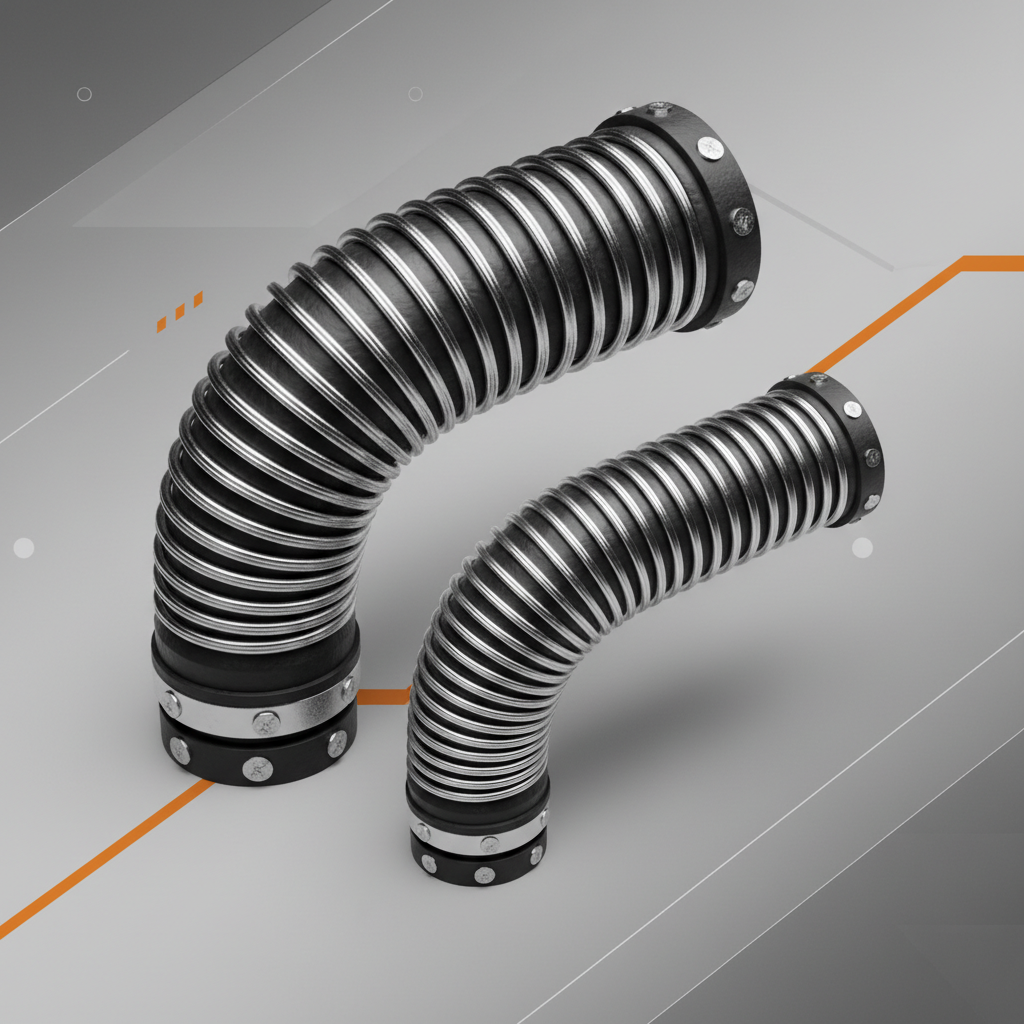
High curvature and strong resilience are the defining metrics for success; a hose that maintains its shape without distortion under severe working conditions significantly reduces the risk of localized stress concentrations and premature leakage.
Furthermore, the integration of specific wear-resistant coatings determines how the hose interacts with external particulates. In slurry discharge or mining applications, the coating must be hard enough to resist the "sandpaper effect" of abrasive particles but flexible enough to follow the bending angle of the hydraulic system without peeling or delaminating from the rubber substrate.
The primary value of utilizing abrasion-resistant hydraulics is the dramatic reduction in unplanned downtime. In environments where hoses are dragged across rocky terrain or exposed to chemical slurry, a standard hose might fail in days, whereas a reinforced version can operate for months. This stability ensures that fluid power delivery remains constant, preventing pressure drops that can affect the precision of heavy equipment.
The ability to withstand high impact forces from both internal and external sources means that the hose is not easily broken when squeezed hard, which is a critical safety feature in tight-clearance industrial installations.
From a lifecycle perspective, the higher initial investment in high-grade rubber is offset by the lower frequency of replacements. When considering the cost of labor and the lost production value during a hose change, the ROI of abrasion-resistant components becomes evident, particularly for companies managing large fleets of hydraulic machinery.
When evaluating different hose specifications, it is essential to look at the relative resilience of the outer cover. Different grades of rubber compounds react differently to friction and abrasion. For instance, high-rubber content covers generally exhibit better flexibility and impact absorption compared to low-cost synthetic blends, which may be harder but more prone to cracking over time.
The following data represents a relative performance comparison based on common industry benchmarks for cover durability and flexibility. These values illustrate the trade-off between hardness (resistance to cutting) and resilience (resistance to cracking under bending), highlighting why a balanced, high-rubber compound is preferred for dynamic applications.
Slurry discharge systems are among the most demanding environments for hydraulic hoses. These systems require a hose that can handle the flow of abrasive minerals while remaining flexible enough to accommodate the required bending angle. The ability to work under severe conditions without distortion makes these hoses indispensable for mining and dredging operations where the equipment is constantly shifting.
Beyond slurry, these hoses are critical in construction machinery, such as excavators and cranes, where the hydraulic lines are frequently exposed to rubble and grit. In these scenarios, the high rubber content and wear-resistant paint prevent the hose from being punctured by sharp debris, ensuring that the hydraulic fluid remains contained and the machinery continues to operate at peak efficiency.
The transition from domestic trade to international standards has pushed manufacturers to adopt more scientific quality management systems. Modern reinforcement focuses on the synergy between the internal tube, the steel wire reinforcement, and the outer cover. By optimizing the bond between these layers, manufacturers can produce hoses that are lightweight yet possess a solid wall thickness capable of withstanding extreme external pressure.
Innovations in rubber compounding have led to the development of materials that are less susceptible to temperature fluctuations and chemical degradation. This is particularly important for hoses used in conjunction with other industrial products like oil/fuel/gas hoses, where compatibility with various fluids is mandatory to prevent the rubber from softening or becoming brittle.
The focus is now shifting toward customized, special-shaped rubber hoses that can fit specific machinery geometries. This customization reduces the need for excessive bending or tight loops, which further decreases the stress on the hose and extends the overall service life of the hydraulic system.
One of the most common challenges in the field is the incorrect selection of bending angles, which can lead to premature failure even in high-quality hoses. To prevent this, engineers must ensure that the built-in length is acceptable for the specific installation, avoiding any excessive tension or "kinking" that could compromise the inner wall of the hose.
Another significant issue is the interaction between the hose and its mounting hardware. Using the wrong hose clamps or lacking adequate protection sleeves can create friction points that wear through the abrasion-resistant cover faster than the material's rated lifespan. A holistic approach to installation is required to maximize the benefits of the material's properties.
Ultimately, the choice of supplier is as important as the technical specification. A manufacturer with integrated production and marketing can often provide a more direct path from the factory to the customer, reducing procurement costs while guaranteeing that the quality management system has been applied to every meter of the hose.
| Performance Metric | Standard Grade | Abrasion Resistant | Severe Duty Grade |
|---|---|---|---|
| Cover Material | Basic Rubber | High-Rubber Blend | Polyurethane Coated |
| Friction Resistance | Low | Medium-High | Very High |
| Flexibility | Medium | High | Medium-High |
| Impact Tolerance | Basic | Strong | Excellent |
| Service Life | Short | Extended | Maximum |
| Cost Factor | Low | Moderate | High |
The primary difference lies in the outer cover composition. Abrasion-resistant hoses feature a higher rubber content and often a specialized wear-resistant paint or coating. While standard hoses focus on pressure containment, abrasion-resistant versions are specifically engineered to prevent external erosion, cuts, and friction-induced wear from grit or slurry, ensuring the internal reinforcement remains protected.
Yes, they are specifically designed for slurry discharge. Because they feature high curvature and strong resilience, they can operate under the severe conditions typical of slurry movement without distortion. Their ability to be folded and squeezed without breaking makes them ideal for the dynamic environments found in mining and dredging.
The correct bending angle is determined by the inner diameter of the hose and the specific layout of your machinery. You should ensure the built-in length is sufficient to allow a natural curve without putting excessive tension on the fittings. Exceeding the manufacturer's recommended bend radius can lead to localized stress and premature failure of the outer cover.
No, the pressure rating is primarily determined by the reinforcement layer (such as the 4SH or 4SP steel wire construction), not the outer cover. The high rubber content in the cover enhances external durability and flexibility, while the internal steel structure continues to provide the necessary burst pressure resistance required for hydraulic systems.
The first sign is typically "cover wear," where the outer paint or rubber is worn thin, exposing the reinforcement wires. Once the steel wire is exposed, it can corrode rapidly. Other signs include localized bulging, stiffness due to UV degradation, or small leaks at the crimp points, all of which indicate the hose has reached the end of its operational life.
Procuring directly from the factory reduces the number of intermediaries, which typically lowers the final price for the customer. More importantly, it allows for better quality guarantee and customization options. A direct relationship ensures that the scientific quality management system applied during production is communicated clearly to the end-user.
Maintaining hydraulic efficiency in abrasive environments requires a shift from generic components to specialized, high-resilience solutions. The integration of a high-rubber cover and a robust reinforcement core allows the china abrasion resistant hydraulic hose 4sh4sp to survive conditions that would destroy standard lines. By prioritizing the balance between curvature, wall thickness, and wear-resistant coatings, operators can significantly reduce downtime and enhance the safety of their industrial operations.
Selecting a partner with a proven track record in rubber and plastic manufacturing ensures that the technical specifications translate into real-world performance. For those seeking to optimize their fluid power systems with customized and high-quality hose solutions, exploring the capabilities at www.jyhose.com can provide the necessary technical support and product reliability to meet demanding industrial standards.