

Dec . 31, 2025 06:55 Back to list
High-Quality Hydraulic Hose 1/2 Inch – Durable & Reliable
Choosing the Right Hydraulic Hose 1/2 Inch for Your Industrial Needs
After spending a good chunk of my career around industrial equipment—welding floors, assembly lines, you name it—I can honestly say the hydraulic hose 1/2 inch is one of those unsung heroes. You don't often hear it celebrated, but it literally keeps machinery moving smoothly.
When I first got into hydraulics, I underestimated how critical the right hose dimensions and material composition are. A 1/2 inch hose might sound small and straightforward, but in real terms, the specifics really matter. Oddly enough, I remember a customer who had chronic leaks on their 1/2 inch line. Turns out a subtle variation in the rubber compound was to blame.
Let’s talk specs because, frankly, that’s where the magic happens for this product type. The ideal hydraulic hose combines durability (you want one that won’t crack under pressure), flexibility, and excellent resistance to abrasion and heat. Whether you’re dealing with standard SAE 100R2 type construction or a specialty composite design, keep in mind the working pressure ratings and burst pressure are critical safety aspects.
| Specification | Detail |
|---|---|
| Inner Diameter | 1/2 inch (12.7 mm) |
| Material | Synthetic rubber tube with braided steel reinforcement |
| Working Pressure | Up to 4000 psi (approx. 275 bar) |
| Temperature Range | -40°C to +100°C (-40°F to +212°F) |
| Standards | SAE 100R2, ISO 1436 |
You know, many engineers often ask about vendor reliability. I’ve seen equipment operators swap brands on short notice due to supply issues, and each brand’s hose quality can feel a bit different in day-to-day use. Some hoses resist kinking better, while others handle hydraulic fluid compatibility with a bit more grace.
| Vendor | Pressure Rating (psi) | Warranty | Lead Time | Customization Options |
|---|---|---|---|---|
| JY Hose | 4000 psi | 2 years | 1-2 weeks | Color, length, fittings |
| Competitor A | 3500 psi | 1 year | 3-4 weeks | Limited to length only |
| Competitor B | 4200 psi | 3 years | 2 weeks | Length and fitting types |
Customization, by the way, is not just about matching your machine’s connections but also about ensuring the hose's external sheath suits the environment — whether it’s oily, gritty, or exposed to direct sunlight for hours on end. I once worked with a plant that switched to hoses with UV-protected covers, and they saw a decrease in failures that frankly saved them thousands in downtime.
Testing is another side people don’t always see. Every good hydraulic hose (especially a 1/2 inch) goes through pressure testing beyond its rated psi and is checked for burst strength. The integrity of these tests is something I trust only from well-established vendors. The last thing anyone wants is a hose bursting mid-operation and causing injury or costly damage.
Looking ahead, we’re starting to see more environmentally-friendly materials creeping into designs, which is exciting. Plus, integrated smart sensors in hoses—yes, you heard that right—could soon alert operators about pressure anomalies before a real issue occurs. The future of hydraulic hoses might not just be about rubber and steel but data as well.
To wrap up, whether you’re maintaining an existing setup or spec’ing new equipment, having reliable hydraulic hose 1/2 inch on hand (and knowing its specs inside out) feels like insurance for peace of mind. I’ve seen firsthand how skipping on this small component can lead to big headaches, so trust me—it pays off to invest in quality.
Takeaway: In the world of hydraulics, it’s often the smallest parts—like the 1/2 inch hose—that keep the complex machinery humming without a hiccup.
- SAE International, Hydraulic Hose Standards, 2022.
- Industrial Hose Manufacturers Association, Material and Testing Guidelines, 2023.
- JY Hose, Product Datasheets and Testing Reports, accessed 2024.
Latest News
Steel Wire Reinforced Hydraulic Hose SAE 100 R1 / EN853 1SN S
NewsOct.17,2024
Two Layers Steel Wire Reinforced Hydraulic Hose SAE 100 R2 / EN853 2SN
NewsSep.03,2024
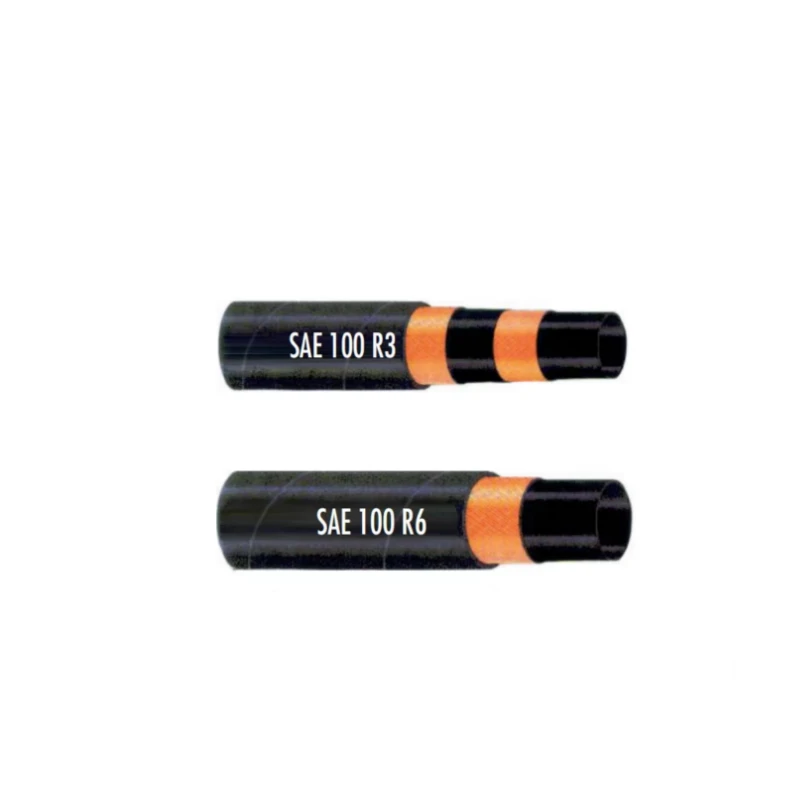
Textile Braid Reinforced Hydraulic Hose SAE100 R3+R6
NewsSep.03,2024
Textile Reinforced Hydraulic oil Suction Hose with embedded Steel Wire SAE 100 R4
NewsSep.03,2024
Single Wire Braid and Textile Covered Hydraulic Hose SAE 100 R5
NewsSep.03,2024
High Pressure Thermoplastic Hydraulic Hose SAE 100 R7 / EN855 R7 - SAE 100 R8 / EN855 R8
NewsSep.03,2024
Heavy Duty Four-layer Steel Wire Spiral Reinforced Hydraulic Hose SAE100R9+R10+R12
NewsSep.03,2024
Heavy Duty Multi-layer Steel Wire Reinforced Hydraulic Hose SAE100R13 SAE100R15
NewsSep.03,2024
Latest Products
-
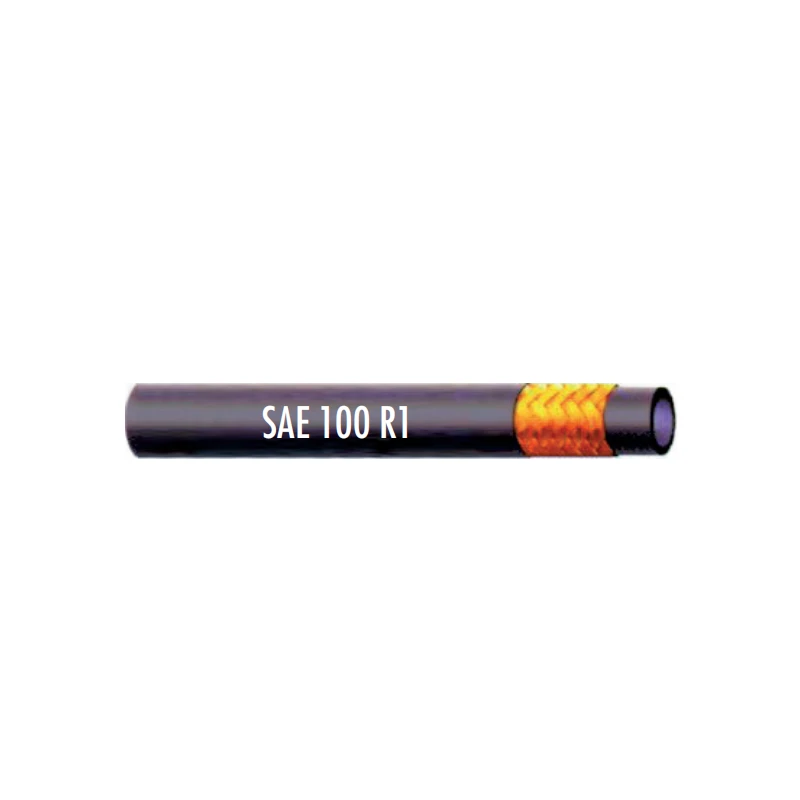
Steel Wire Reinforced Hydraulic Hose SAE 100 R1 / EN853 1SN S
-
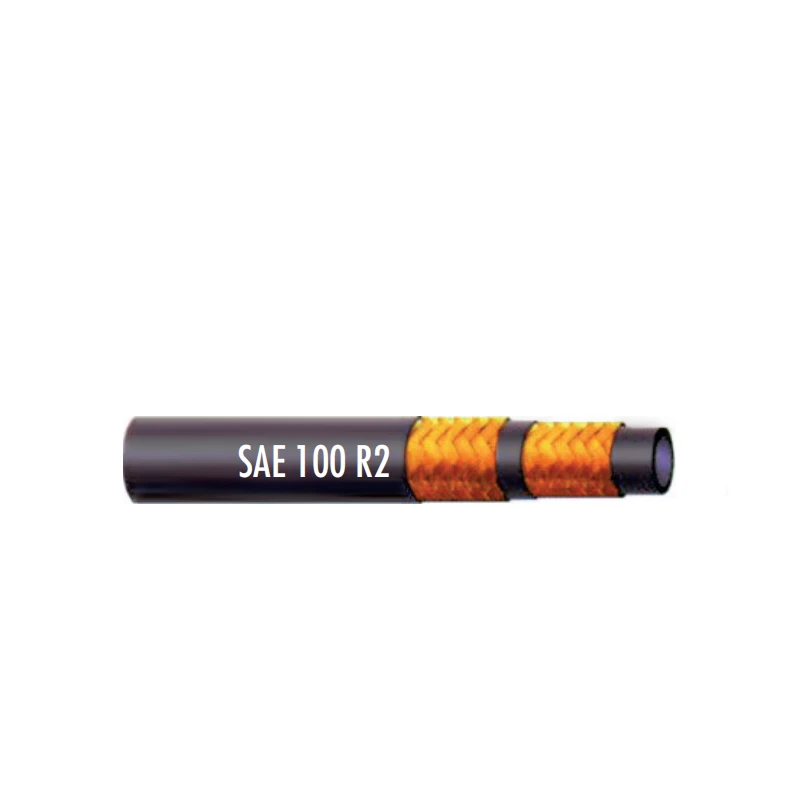
Two Layers Steel Wire Reinforced Hydraulic Hose SAE 100 R2 / EN853 2SN
-
-
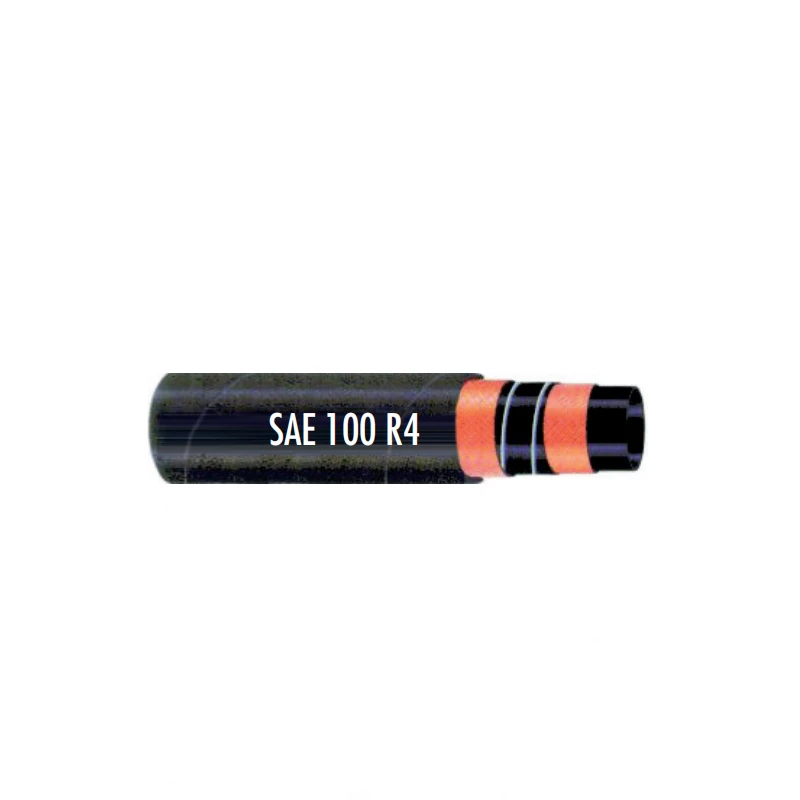
Textile Reinforced Hydraulic oil Suction Hose with embedded Steel Wire SAE 100 R4
-
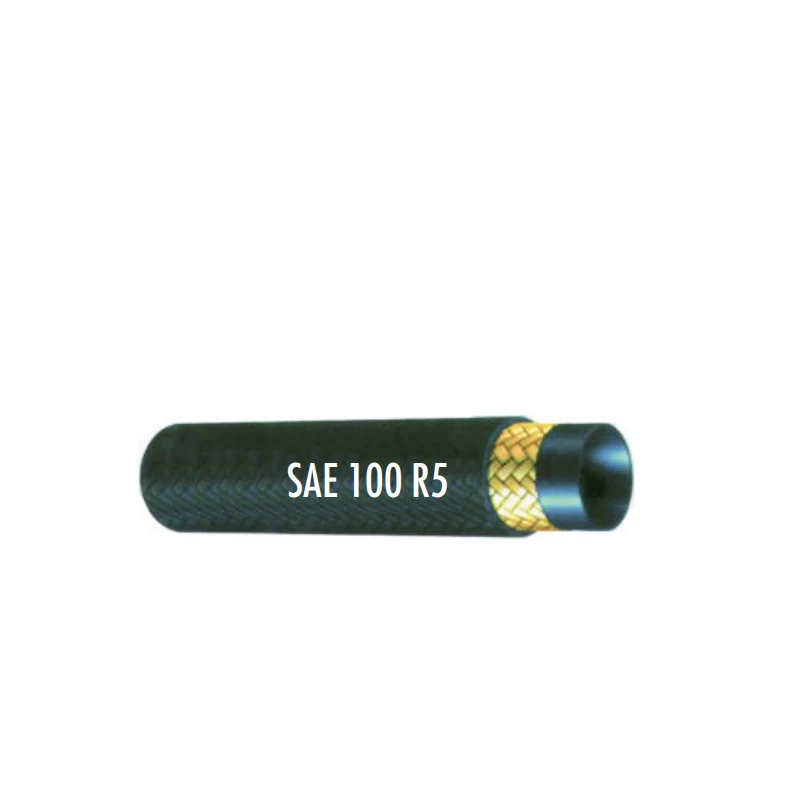
Single Wire Braid and Textile Covered Hydraulic Hose SAE 100 R5
-
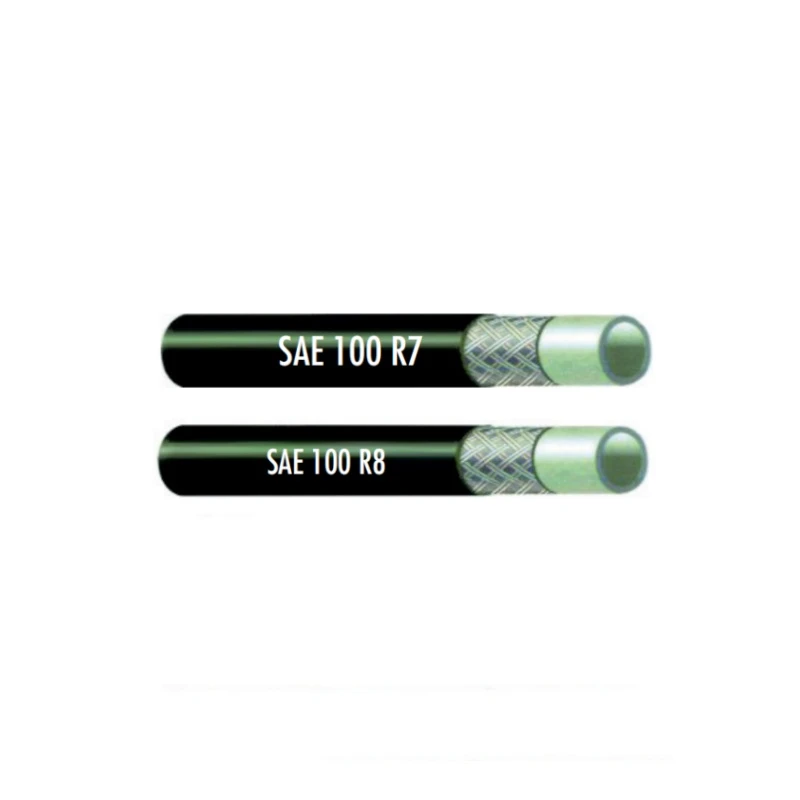
High Pressure Thermoplastic Hydraulic Hose SAE 100 R7 / EN855 R7 - SAE 100 R8 / EN855 R8
-
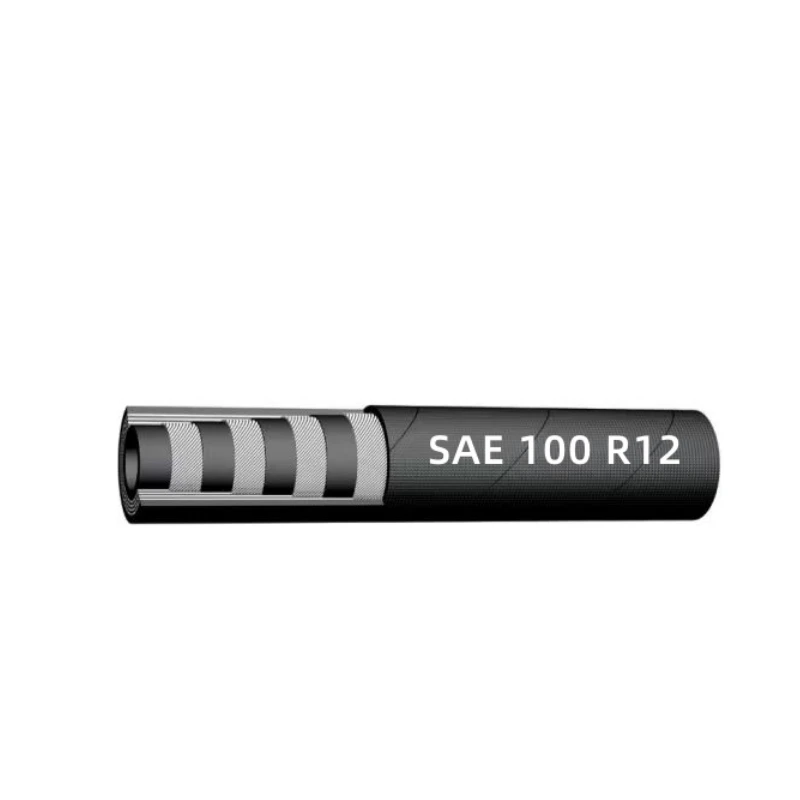
Heavy Duty Four-layer Steel Wire Spiral Reinforced Hydraulic Hose SAE100R9+R10+R12
-
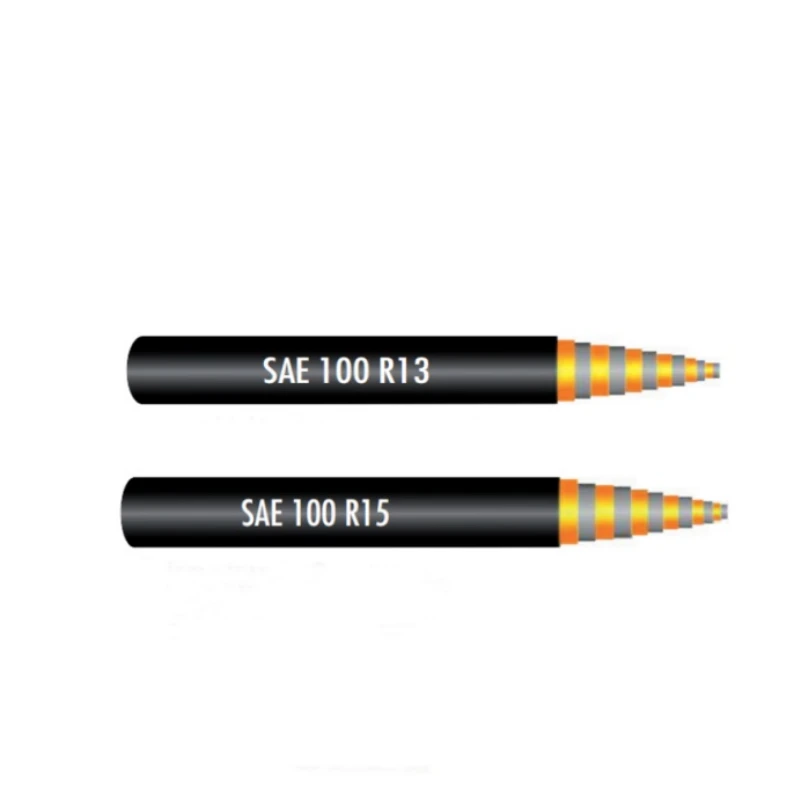
Heavy Duty Multi-layer Steel Wire Reinforced Hydraulic Hose SAE100R13 SAE100R15


