

Sep . 19, 2025 15:20 Back to list
Installation Guide for SAE 100 R6
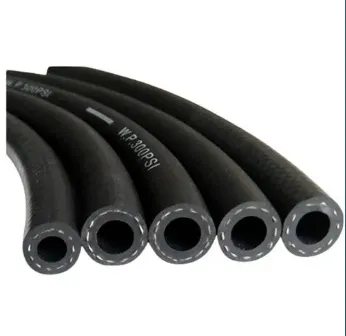
Proper installation of SAE 100 R6 - compliant hoses, including SAE 100 R6 hose and SAE 100 R6 fuel hose, is fundamental to ensuring their optimal performance, reliability, and safety. Whether in automotive, industrial, or other applications, incorrect installation can lead to issues such as leaks, reduced efficiency and even catastrophic failures. This installation guide provides detailed steps and important considerations for installing SAE 100 R6 hoses, helping users avoid common mistakes and achieve successful installations.
Preparation Before Installing SAE 100 R6
Before starting the installation of SAE 100 R6 hoses, thorough preparation is essential. First, carefully select the appropriate SAE 100 R6 hose or SAE 100 R6 fuel hose for the specific application. Ensure that the hose's specifications, such as size, pressure rating, and chemical compatibility, match the requirements of the system. Check the hose for any visible damage, cracks, or deformations that could affect its performance during installation or operation.
Gather all the necessary tools and materials, including hose clamps, cutters, wrenches, and lubricants if required. Clean the connection points and fittings on the equipment where the hose will be installed. Remove any debris, dirt or old sealants to ensure a clean and tight connection. Additionally, familiarize yourself with the installation instructions provided by the hose manufacturer, as different models may have specific requirements.
Cutting and Preparing SAE 100 R6 Hose
When installing SAE 100 R6 hose or SAE 100 R6 fuel hose, accurate cutting is crucial. Use a sharp hose cutter to ensure a clean, square cut. Avoid crushing or deforming the hose during the cutting process, as this can compromise its structural integrity and sealing ability. Measure the required length of the hose carefully, allowing for some extra length to account for any movement or expansion of the system.
After cutting, inspect the cut end of the hose for any rough edges or burrs. If present, smooth them out using sandpaper or a deburring tool. For SAE 100 R6 fuel hose, it's especially important to ensure a clean cut to prevent fuel leaks. Some hoses may require the application of a suitable lubricant on the inner surface to facilitate the insertion of fittings and improve the seal.
Installing Fittings and Clamps on SAE 100 R6
The next step in installing SAE 100 R6 hoses is attaching the fittings and clamps. Slide the appropriate hose clamps onto the hose before inserting the fittings. Make sure the clamps are positioned correctly, typically about 1/4 to 1/2 inch from the end of the hose. Insert the fittings into the hose firmly, ensuring a snug fit. For SAE 100 R6 fuel hose, ensure that the fuel - compatible fittings are used and inserted properly to prevent fuel seepage.
Tighten the hose clamps using the appropriate tools, such as a screwdriver or socket wrench. Do not overtighten the clamps, as this can damage the hose. Instead, tighten them gradually until they provide a secure seal without deforming the hose. Check the tightness of the clamps after installation and during operation, especially in applications where vibrations or pressure fluctuations are common.
Final Checks and Testing of SAE 100 R6 Installation
After installing the SAE 100 R6 hose or SAE 100 R6 fuel hose, perform a final inspection. Check for any signs of misalignment, kinks, or excessive bends in the hose. Ensure that the hose is not in contact with any sharp edges or moving parts that could cause abrasion or damage over time. Also, verify that all connections are secure and that there are no visible gaps or leaks.
Conduct a pressure test if possible, especially for applications involving high - pressure systems. Gradually increase the pressure to the rated level of the SAE 100 R6 hose and monitor for any signs of leakage. In the case of SAE 100 R6 fuel hose, perform a leak - check using appropriate methods to ensure the safety of the fuel system. If any issues are detected during the checks or testing, immediately address them before putting the system into operation.
About Installation Guide for SAE 100 R6 FAQS
What tools are essential for installing SAE 100 R6 hose?
Essential tools for installing SAE 100 R6 hose include a sharp hose cutter for making clean cuts, wrenches or screwdrivers to tighten hose clamps, and pliers for handling fittings. A deburring tool may also be needed to smooth the cut ends of the hose. For more precise installations, especially in hard - to - reach areas, specialized tools like angle wrenches or torque wrenches can be useful to ensure proper tightening of clamps without over - or under - tightening.
How can I ensure a leak - free installation of SAE 100 R6 fuel hose?
To ensure a leak - free installation of SAE 100 R6 fuel hose, start by using fuel - compatible fittings and hose clamps. Make sure the hose and fittings are clean before installation. Cut the hose to the correct length with a clean, square cut. Insert the fittings fully into the hose and position the hose clamps properly. Tighten the clamps gradually to the recommended torque specification, which can usually be found in the manufacturer's guidelines. After installation, perform a thorough leak check using approved methods, such as a fuel pressure test or visual inspection with the system pressurized.
Can I install SAE 100 R6 hose by myself, or do I need professional help?
Many users can install SAE 100 R6 hose by themselves with the right tools and following the proper installation guide. However, the complexity of the installation may vary depending on the application. For simple automotive or household plumbing applications, DIY installation is feasible. But for complex industrial systems or high - pressure applications, it's advisable to seek professional help. Professionals have the expertise and experience to handle potential challenges, ensure compliance with safety standards, and perform pressure testing accurately, reducing the risk of installation - related issues.
What should I do if the SAE 100 R6 hose is too long or too short during installation?
If the SAE 100 R6 hose is too long, use a hose cutter to trim it to the correct length, making sure to create a clean, square cut. If it's too short, you may need to obtain a new hose of the appropriate length. Avoid stretching or over - bending a too - short hose to fit, as this can compromise its performance and lead to premature failure. In some cases, if a small adjustment in length is needed, you can use reducers or adapters, but ensure they are compatible with SAE 100 R6 standards and the specific application requirements.
How often should I check the installation of SAE 100 R6 hose after it's installed?
After installing SAE 100 R6 hose, it's recommended to perform an initial check shortly after the installation and operation begins to ensure everything is secure. For applications with regular use, such as in automotive engines or industrial machinery, periodic checks every few months are advisable. In more demanding environments, like high - vibration or high - temperature settings, or for SAE 100 R6 fuel hose where safety is critical, more frequent inspections, perhaps monthly, may be necessary. Look for signs of wear, looseness of clamps or leaks during these checks to maintain the integrity of the installation.
Latest News
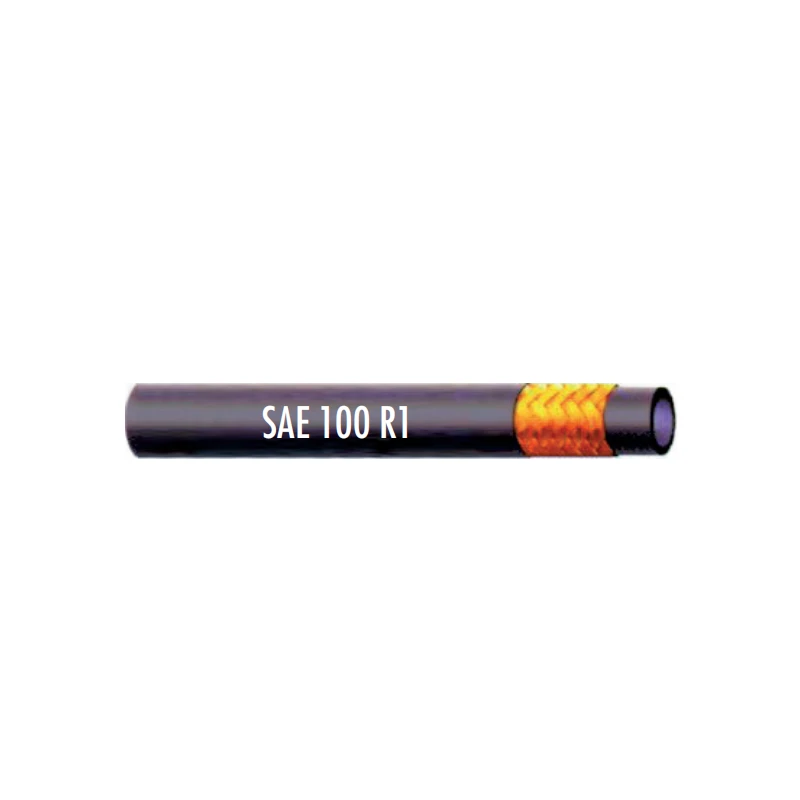
Steel Wire Reinforced Hydraulic Hose SAE 100 R1 / EN853 1SN S
NewsOct.17,2024
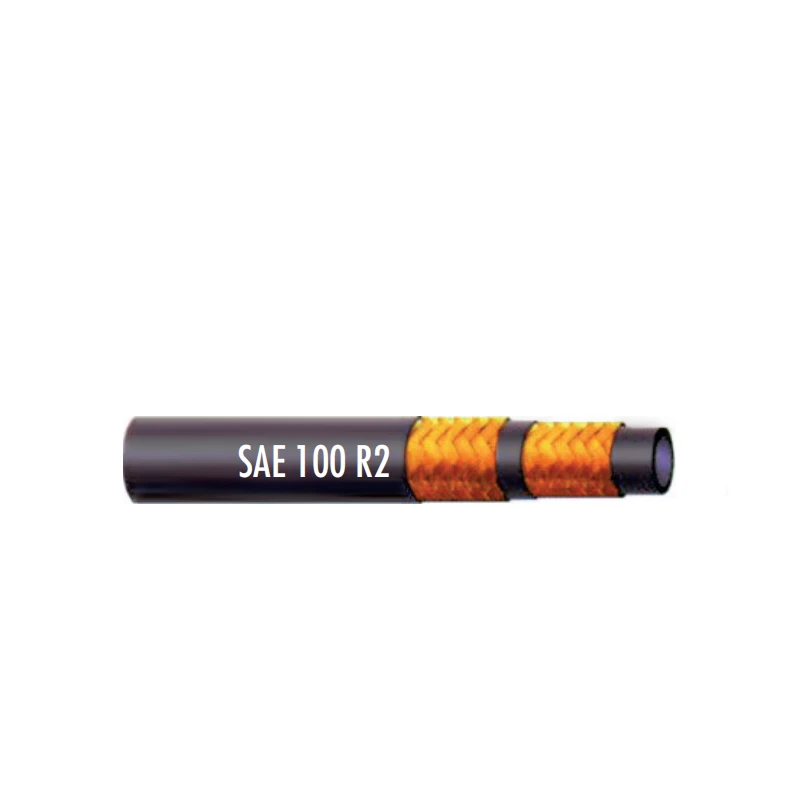
Two Layers Steel Wire Reinforced Hydraulic Hose SAE 100 R2 / EN853 2SN
NewsSep.03,2024
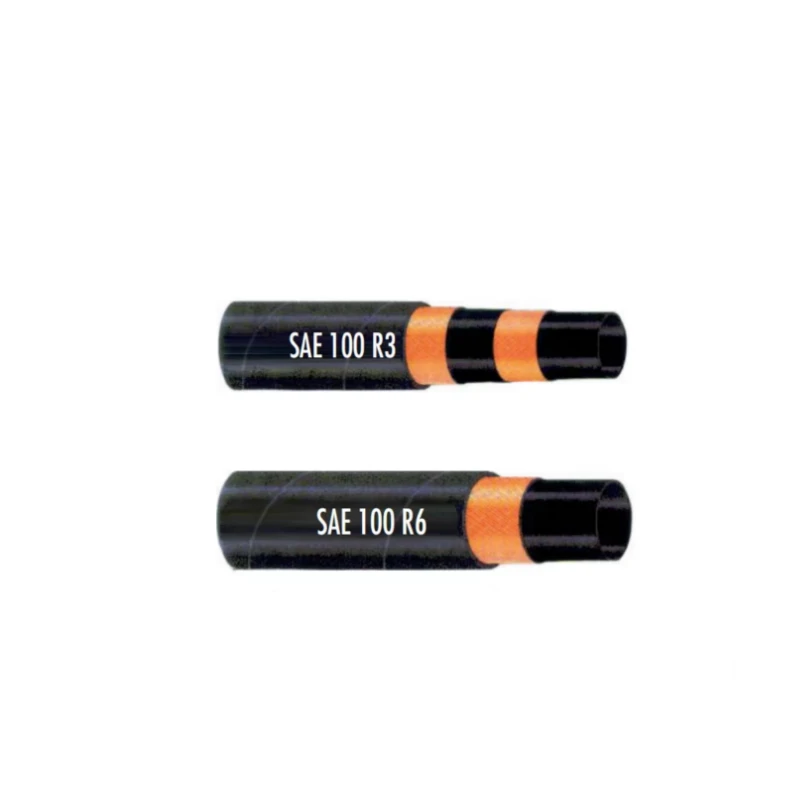
Textile Braid Reinforced Hydraulic Hose SAE100 R3+R6
NewsSep.03,2024
Textile Reinforced Hydraulic oil Suction Hose with embedded Steel Wire SAE 100 R4
NewsSep.03,2024
Single Wire Braid and Textile Covered Hydraulic Hose SAE 100 R5
NewsSep.03,2024
High Pressure Thermoplastic Hydraulic Hose SAE 100 R7 / EN855 R7 - SAE 100 R8 / EN855 R8
NewsSep.03,2024
Heavy Duty Four-layer Steel Wire Spiral Reinforced Hydraulic Hose SAE100R9+R10+R12
NewsSep.03,2024
Heavy Duty Multi-layer Steel Wire Reinforced Hydraulic Hose SAE100R13 SAE100R15
NewsSep.03,2024
Latest Products
-
Steel Wire Reinforced Hydraulic Hose SAE 100 R1 / EN853 1SN S
-
Two Layers Steel Wire Reinforced Hydraulic Hose SAE 100 R2 / EN853 2SN
-
-
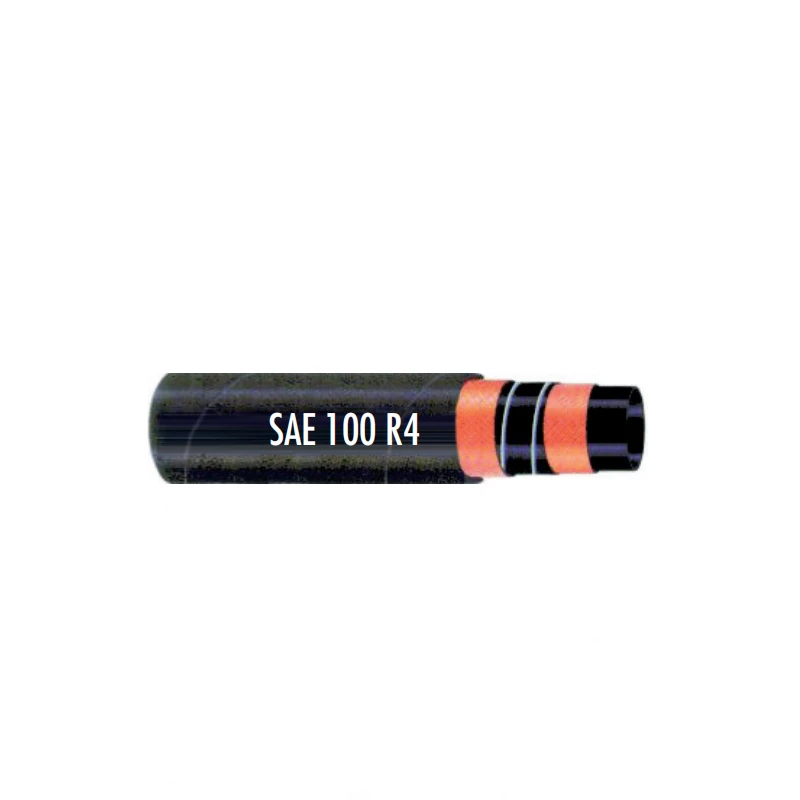
Textile Reinforced Hydraulic oil Suction Hose with embedded Steel Wire SAE 100 R4
-
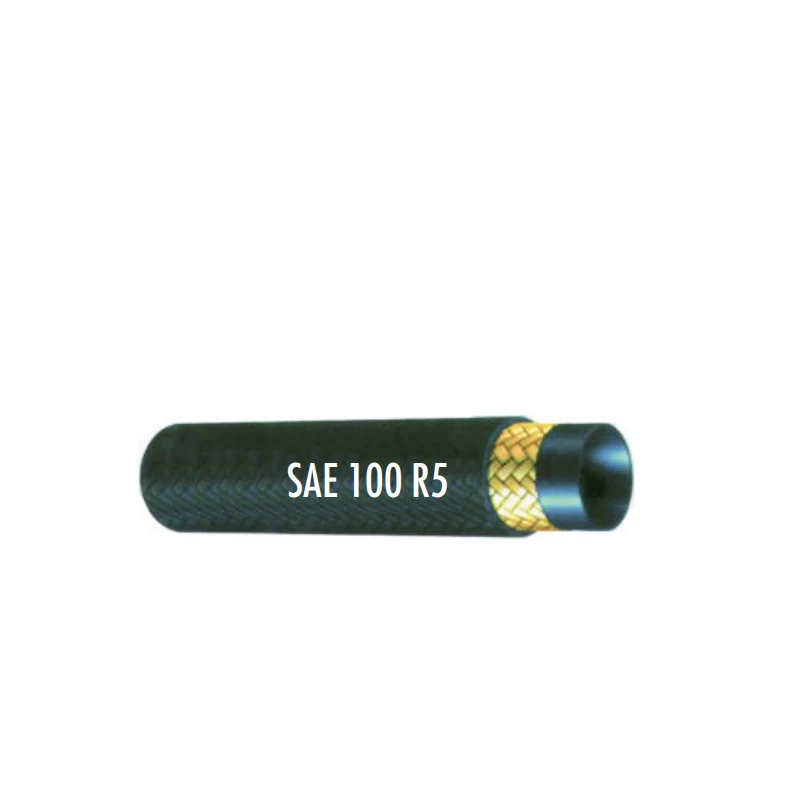
Single Wire Braid and Textile Covered Hydraulic Hose SAE 100 R5
-
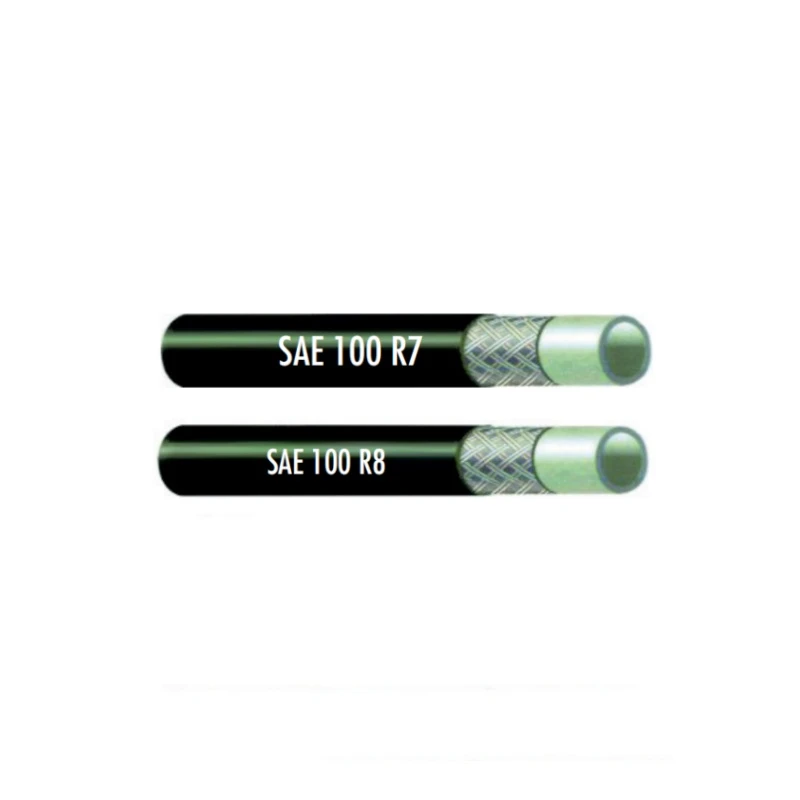
High Pressure Thermoplastic Hydraulic Hose SAE 100 R7 / EN855 R7 - SAE 100 R8 / EN855 R8
-
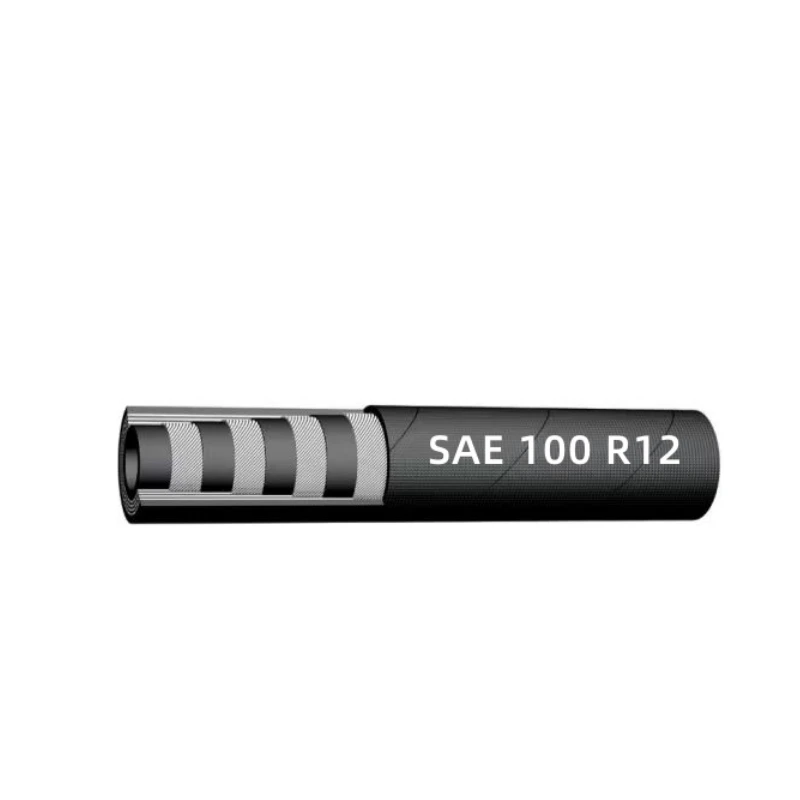
Heavy Duty Four-layer Steel Wire Spiral Reinforced Hydraulic Hose SAE100R9+R10+R12
-
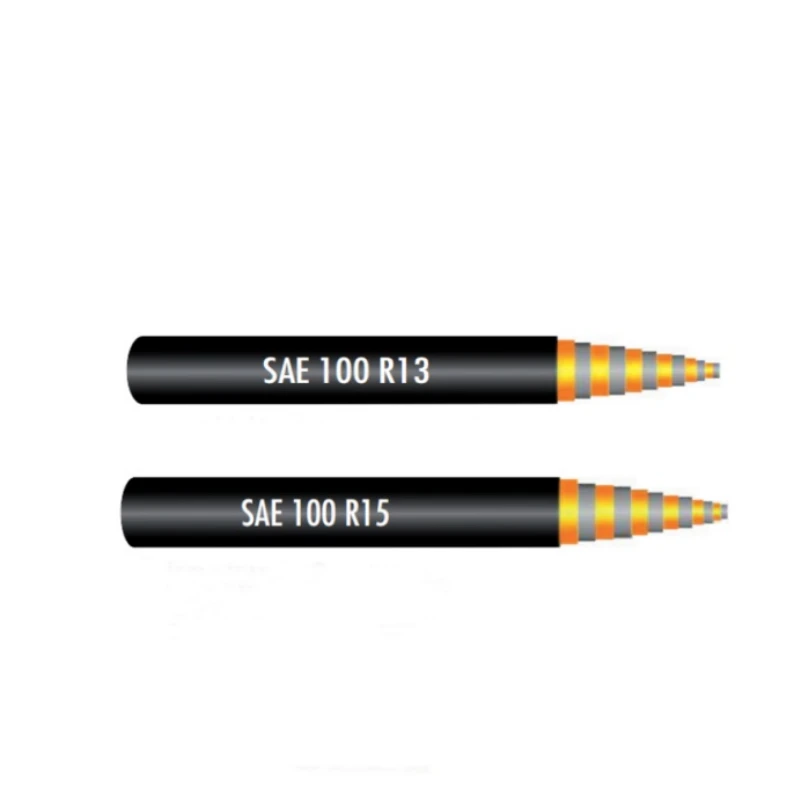
Heavy Duty Multi-layer Steel Wire Reinforced Hydraulic Hose SAE100R13 SAE100R15


