

Nov . 18, 2025 12:30 Back to list
Lightweight Hose: The Smart Solution for Efficient Fluid Transfer
Why Understanding Lightweight Hose Matters in Today's World
If you’re unfamiliar, a lightweight hose might sound like a niche technical product, but its importance stretches surprisingly far. Whether you're working in humanitarian aid, industrial maintenance, or landscaping, lightweight hoses solve a universal problem: moving fluids efficiently with less hassle. Globally, the demand for compact, durable, and easy-to-maneuver hose systems is growing fast — driven by everything from emergency water supply needs to green industry solutions.
The benefits? Lighter weight means easier transportation and installation, reduced labor costs, and fewer injuries. It also improves operational agility, especially in places where infrastructure is lacking or conditions are tough. Simply put, knowing your lightweight hose options can influence how effectively you respond — whether that’s after a hurricane, in a remote mining camp, or inside advanced factories.
The Global Context: Why Lightweight Hose Is Gaining Ground
Across the world, infrastructure and logistics systems are under pressure to become more sustainable and resilient. According to the United Nations, over 2 billion people lack access to safely managed drinking water services, and solutions need to be mobile, cost-effective, and scalable. Here’s where lightweight hoses come into play — they enable quick deployment of clean water lines during crises or for remote communities.
In heavy industries like oil extraction, mining, and agriculture, workers have long struggled with bulky, rigid hoses that are slow to install and prone to damage. Lightweight hoses help lower downtime and maintenance costs. The International Standards Organization (ISO) has also set new guidelines encouraging the use of more flexible, less physically demanding fluid-transfer equipment.
Yet despite these advantages, many operations still rely on older, heavier hose designs — a problem for efficiency, safety, and environmental impact.
Mini Takeaway:
- Lightweight hoses offer practical solutions for global water and industry challenges by improving supply chain flexibility and reducing physical strain.
- International bodies recognize their importance in building resilient infrastructure.
What Exactly Is a Lightweight Hose?
At its core, a lightweight hose is simply a fluid conveyance tube designed to be easier to handle and transport than traditional heavy-duty hoses. Usually made from advanced polymers, synthetic fibers, or rubber composites, these hoses maintain strength and durability while shedding unnecessary pounds. Imagine a garden hose that won’t kink or wear out quickly — but engineered for far tougher jobs.
Their modern design supports applications needing portability without sacrificing reliability. They’re widely used in fields like firefighting, pharmaceuticals, food processing, and emergency relief.
Mini Takeaway:
- A lightweight hose balances strength and ease, enabling fluid movement in environments that challenge heavier alternatives.
- Materials and construction techniques matter a lot in determining functional endurance.
Core Components That Make Lightweight Hoses Work
1. Material Composition
Materials range from polyurethane and PVC blends to reinforced synthetic fabrics, each chosen for flexibility, abrasion resistance, and chemical compatibility. Selecting the right compound can mean the difference between a hose that lasts one season versus one that outperforms in extreme conditions.
2. Durability & Flexibility
While lightweight hoses are easier to move, many engineers emphasize that durability cannot be compromised. Innovations in multi-layer weaving and coatings have made hoses that bend without cracking, resist UV exposure, and endure extreme temperatures, resulting in longer service life.
3. Chemical & Temperature Resistance
Industry applications often require hoses to withstand corrosive substances or high-pressure steam. Lightweight hoses filtered through advanced manufacturing can now meet these demands without thick, heavy walls.
4. Size and Scalability
Hose diameters and lengths vary widely depending on purpose—from tiny tubes used in medical setups to large diameter lines deployed in firefighting. Lightweight options simplify scalability without adding operational drag.
5. Ease of Use & Ergonomics
By reducing weight and improving flexibility, lightweight hoses reduce labor fatigue and safety risks, which in many settings translates to better workflow and cost efficiency.
Mini Takeaway:
- Material science and ergonomic design come together to enhance performance.
- Finding a hose suited to chemical, mechanical, and environmental factors is key.
Real-World Applications: Where Lightweight Hoses Make a Difference
Lightweight hoses have proven indispensable in a variety of contexts:
- Emergency relief and disaster zones: Rapid deployment of clean water or fuel delivery lines where every pound counts.
- Remote industrial operations: Mining and oil fields that require frequent hose repositioning without large crews.
- Agriculture and irrigation: Farmers use lightweight hoses to reduce manual labor and improve efficient water delivery.
- Firefighting: Lighter hoses means firefighters handle equipment more effectively, improving safety and response times.
- Pharmaceutical & food industries: Compliance with sanitary standards is easier with lighter hoses that are easier to clean and move.
For example, after the 2019 cyclone in Mozambique, aid organizations deployed lightweight hoses to quickly restore water access to thousands. Similarly, mining companies in Western Australia have replaced heavy rubber hoses with polymer-based lightweight versions, reducing workplace injuries.
Mini Takeaway:
- Lightweight hoses aren’t just convenient; they’re often critical to mission success in high-pressure scenarios.
- Industries that demand agility and reliability have trusted these solutions for years.
Advantages & Lasting Value of Lightweight Hose
The benefits aren’t just “lightness.” Consider:
- Cost Savings: Less weight means cheaper shipping and faster installation.
- Sustainability: Many are made with recyclable materials or designed for a longer lifecycle, reducing waste.
- Safety & Dignity: Reducing physical strain safeguards workers’ health while improving operational dignity.
- Innovation: Brands stay ahead by integrating smart coatings or sensors with hoses to detect wear and leaks.
- Trust & Reliability: When hoses don’t fail mid-operation, people trust the entire system more — from farmers to first responders.
Oddly enough, a lighter hose can make a big difference not only logistically but emotionally—think of how much ease it brings in a chaotic disaster site or a fast-paced factory floor.
Product Specifications: Lightweight Hose Model Comparison
| Feature | Model A | Model B | Model C |
|---|---|---|---|
| Material | Polyurethane blend | Reinforced PVC | Thermoplastic elastomer |
| Weight (per meter) | 0.45 kg | 0.52 kg | 0.40 kg |
| Max operating pressure | 150 psi | 175 psi | 140 psi |
| Chemical resistance | Moderate | High | Moderate to High |
| Flexibility rating | Excellent | Good | Excellent |
Comparing Leading Lightweight Hose Vendors
| Vendor | Product Range | Price Range | Key Strength | Global Reach |
|---|---|---|---|---|
| JY Hose Co. | Lightweight polymers, custom promo hoses | $$ | Innovative, durable materials | Asia, Americas, Europe |
| UltraFlex Solutions | Heavy-duty and lightweight blends | $$$ | High pressure and chemical resistance | Europe, North America |
| EcoHose Ltd. | Recycled & biodegradable hoses | $ | Sustainability focus | Global (select markets) |
Future Trends and Innovations in Lightweight Hose Design
The manufacturing landscape is evolving fast. Green energy push means hoses made from bio-based polymers or recycled plastics are trending, cutting carbon footprints significantly. Digitally integrated hoses with built-in sensors to monitor pressure, temperature, and wear in real time are no longer sci-fi but gradually commercialized tech. Automation in production lines has also sped up tailor-made hose production, giving companies flexibility to adapt quickly.
One fascinating trend is the rise of “smart hoses” linked wirelessly to central control systems — easing predictive maintenance and drastically reducing downtime. It feels like the industry is on the cusp of a small revolution where the humble hose becomes an information node, not just a conduit.
Mini Takeaway:
- Eco-materials and smart tech are reshaping lightweight hoses for future-ready applications.
- Customization and digital monitoring will enhance safety and efficiency.
Challenges & Solutions When Working With Lightweight Hose
Certainly, lightweight hoses aren’t without issues. Their thinner walls sometimes risk punctures or abrasion. Also, some cheaper plastics degrade faster under UV. Moreover, compatibility with certain chemicals or extreme temperatures can limit use.
But experts recommend robust testing procedures and selecting hoses tailored to specific environments to reduce these risks. Innovations like reinforced inner liners or UV stabilizers are helping—many vendors now offer customizable solutions ensuring you don’t just get lightweight but also tough products.
- Pro Tip: Always verify hose specifications against your application’s pressure and chemical exposure.
- Consider partnering with vendors offering technical support and pre-deployment testing.
FAQ: Your Questions on Lightweight Hose Answered
Q1: What makes a lightweight hose better than traditional hoses for fieldwork?
A1: Lightweight hoses are easier to carry, install, and maneuver in challenging environments, reducing labor time and physical strain. They often use advanced materials that maintain strength without the bulk of traditional rubber hoses, enabling faster deployment and less risk of fatigue or injury.
Q2: How long can a lightweight hose last under industrial usage?
A2: Depending on material and environment, a quality lightweight hose can last anywhere from 3 to 7 years. Exposure to chemicals, UV, and mechanical abrasion impact lifespan, so regular inspection and appropriate selection are important.
Q3: Are lightweight hoses suitable for chemical transport?
A3: Yes, many lightweight hoses are designed with chemical-resistant linings suitable for transporting various fluids, including acids, solvents, and fuels. Always confirm the hose complies with relevant safety standards for your specific chemicals.
Q4: Can lightweight hoses be used in cold climates?
A4: Absolutely. Some lightweight hoses are manufactured with flexible elastomers that remain pliable at low temperatures without cracking. Check the temperature rating before selecting one for freezing or near-freezing conditions.
Q5: Where can I find reliable suppliers of lightweight hoses?
A5: Companies like JY Hose Co. specialize in lightweight hoses for industrial and commercial applications, offering global shipping and personalized service to ensure you get a fit-for-purpose product.
Wrapping It Up: The Long-Term Gains of Embracing Lightweight Hose
If you’ve read this far, you probably realize the humble hose’s potential to reshape workflows, safety, and sustainability across many industries. Lightweight hoses strip away cumbersome weight, empower faster, smarter fluid management, and embody the quiet evolution of industrial tech.
Whether your interest is in mining, agriculture, firefighting, or emergency water supply, investing a little time to understand lightweight hoses pays big dividends. For all your hose needs, consider taking a look at lightweight hose options tailored for high performance and easy handling.
Thanks for sticking with me. Now, if this hose world ever crosses your path in a warehouse or disaster zone, hopefully it’ll feel a bit less mysterious.
References
Latest News
Steel Wire Reinforced Hydraulic Hose SAE 100 R1 / EN853 1SN S
NewsOct.17,2024
Two Layers Steel Wire Reinforced Hydraulic Hose SAE 100 R2 / EN853 2SN
NewsSep.03,2024
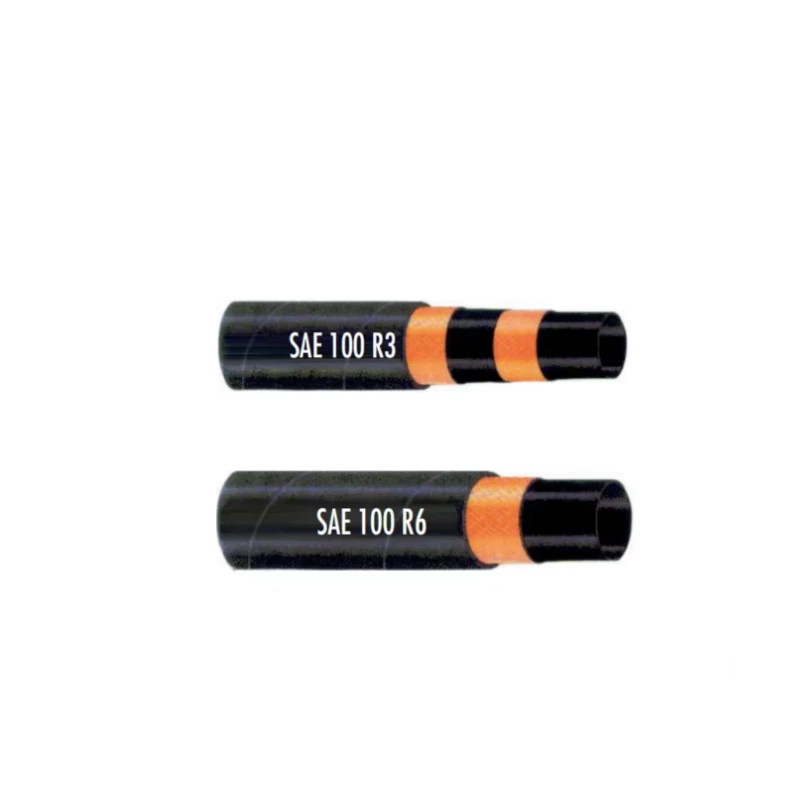
Textile Braid Reinforced Hydraulic Hose SAE100 R3+R6
NewsSep.03,2024
Textile Reinforced Hydraulic oil Suction Hose with embedded Steel Wire SAE 100 R4
NewsSep.03,2024
Single Wire Braid and Textile Covered Hydraulic Hose SAE 100 R5
NewsSep.03,2024
High Pressure Thermoplastic Hydraulic Hose SAE 100 R7 / EN855 R7 - SAE 100 R8 / EN855 R8
NewsSep.03,2024
Heavy Duty Four-layer Steel Wire Spiral Reinforced Hydraulic Hose SAE100R9+R10+R12
NewsSep.03,2024
Heavy Duty Multi-layer Steel Wire Reinforced Hydraulic Hose SAE100R13 SAE100R15
NewsSep.03,2024
Latest Products
-
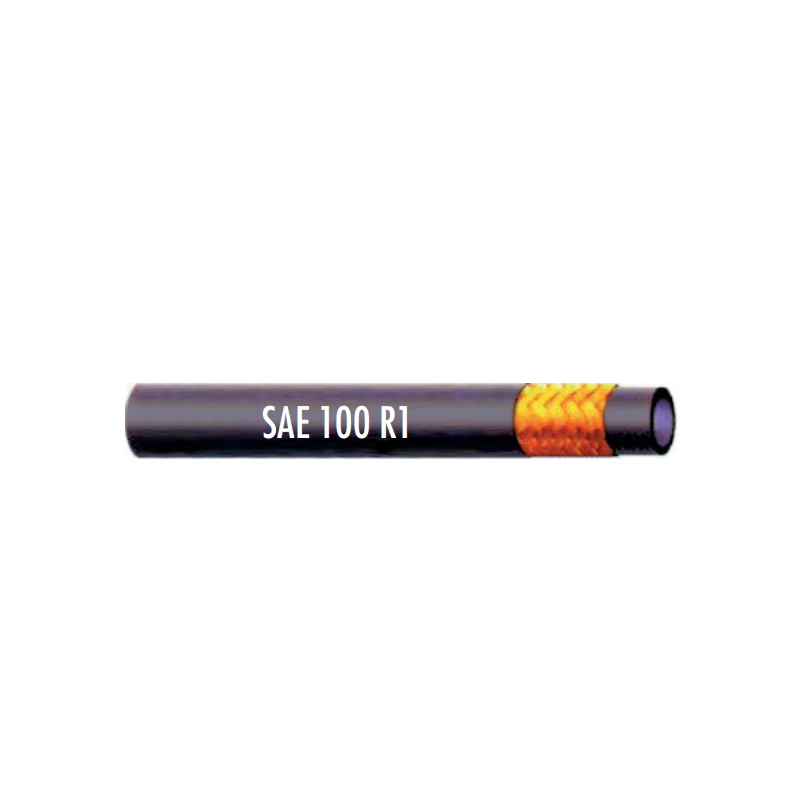
Steel Wire Reinforced Hydraulic Hose SAE 100 R1 / EN853 1SN S
-
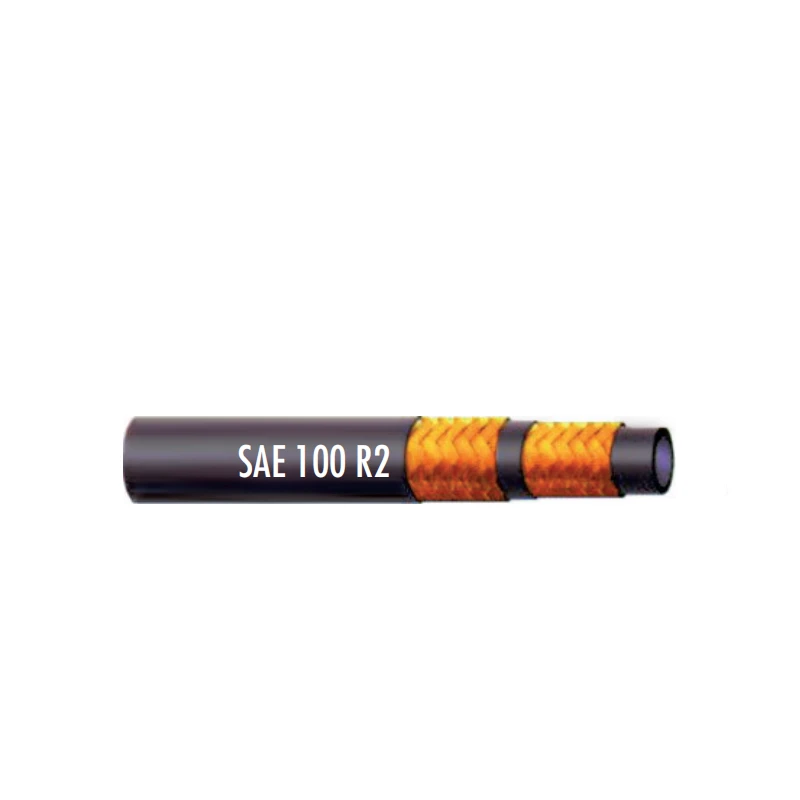
Two Layers Steel Wire Reinforced Hydraulic Hose SAE 100 R2 / EN853 2SN
-
-
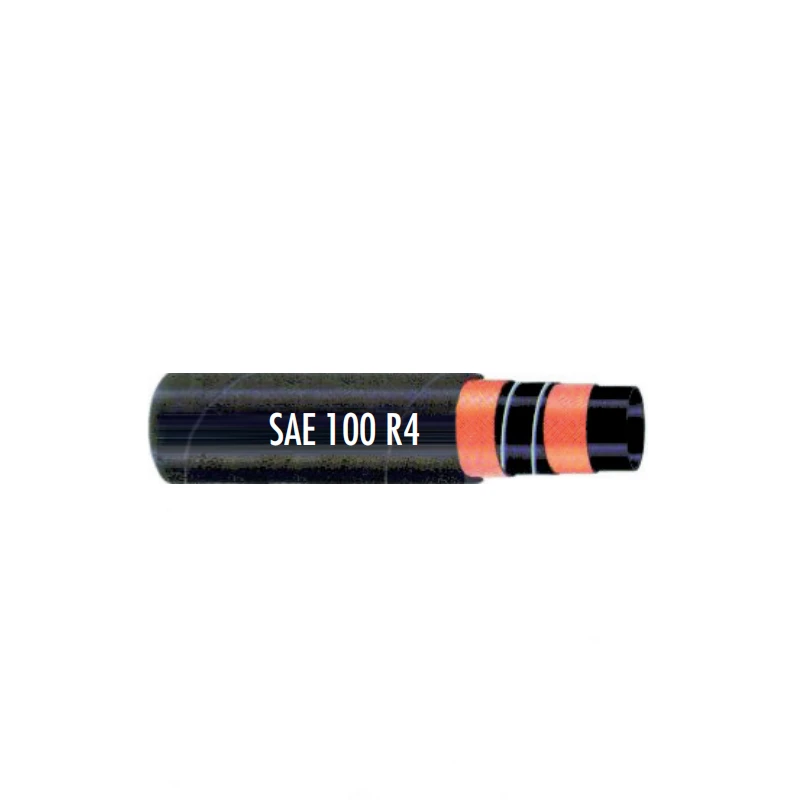
Textile Reinforced Hydraulic oil Suction Hose with embedded Steel Wire SAE 100 R4
-
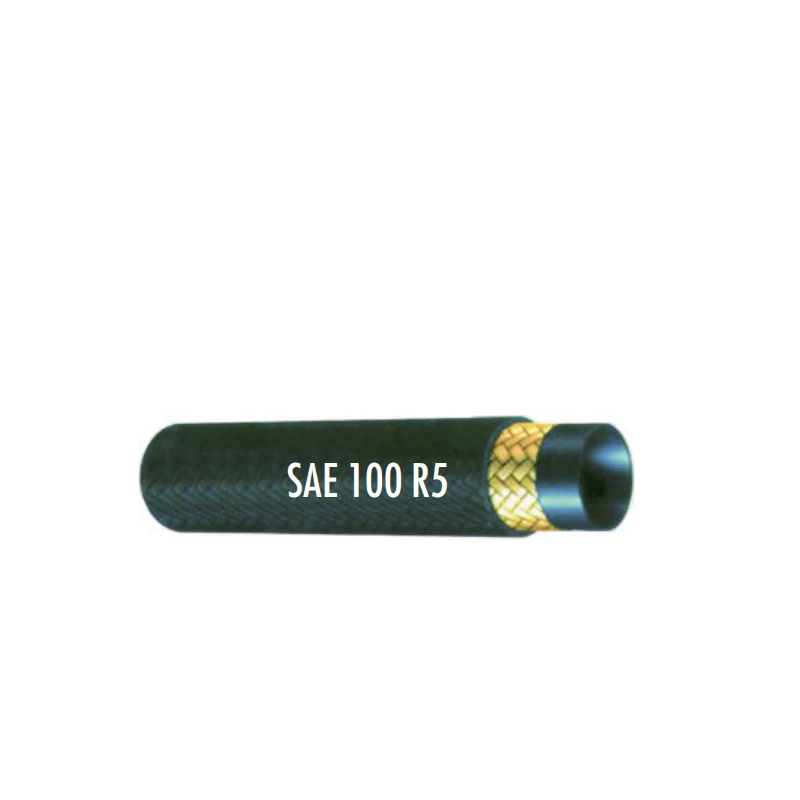
Single Wire Braid and Textile Covered Hydraulic Hose SAE 100 R5
-
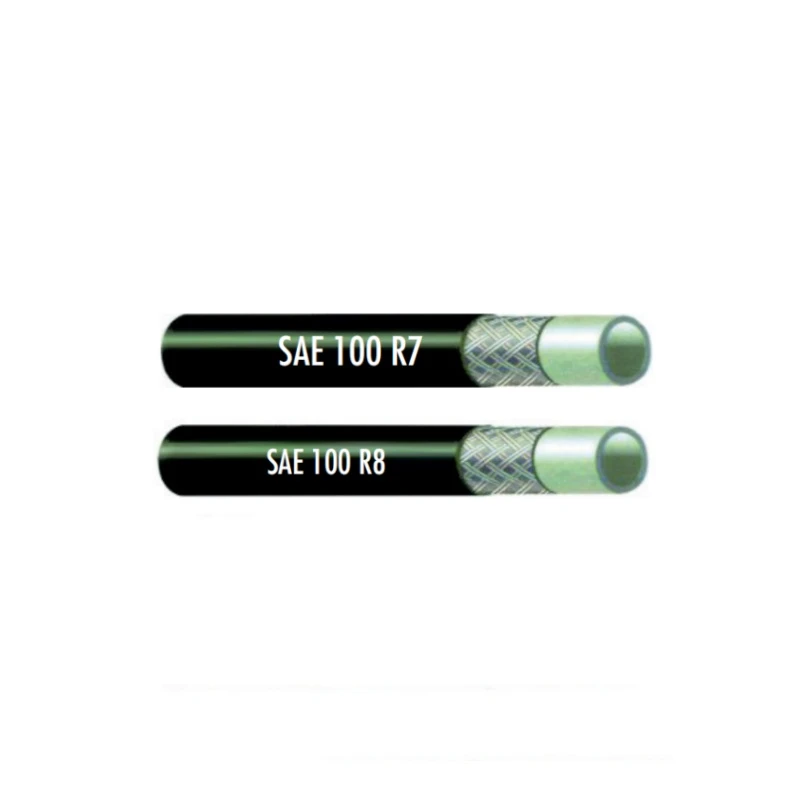
High Pressure Thermoplastic Hydraulic Hose SAE 100 R7 / EN855 R7 - SAE 100 R8 / EN855 R8
-
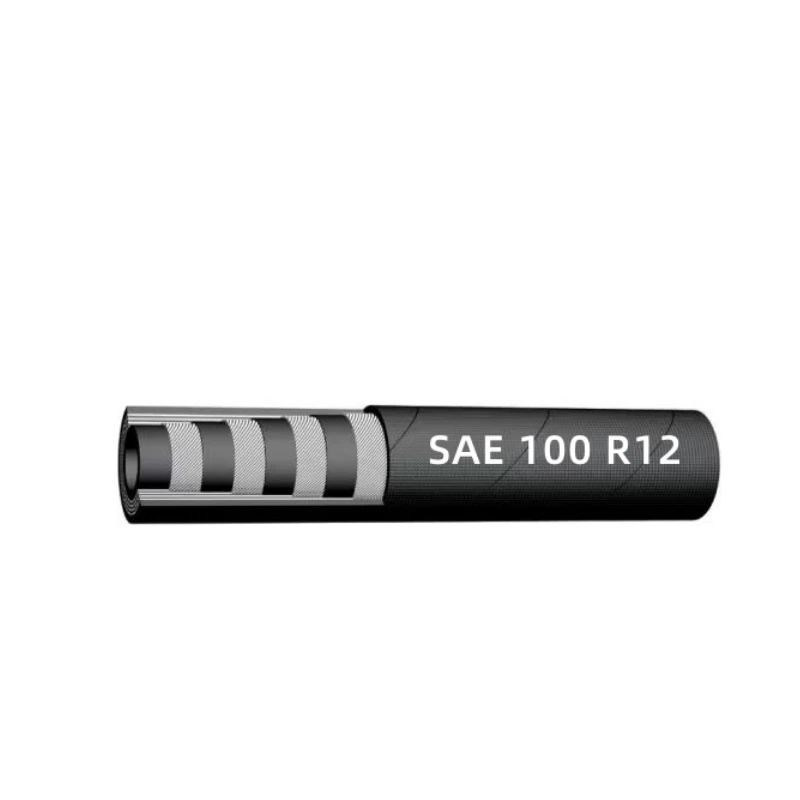
Heavy Duty Four-layer Steel Wire Spiral Reinforced Hydraulic Hose SAE100R9+R10+R12
-
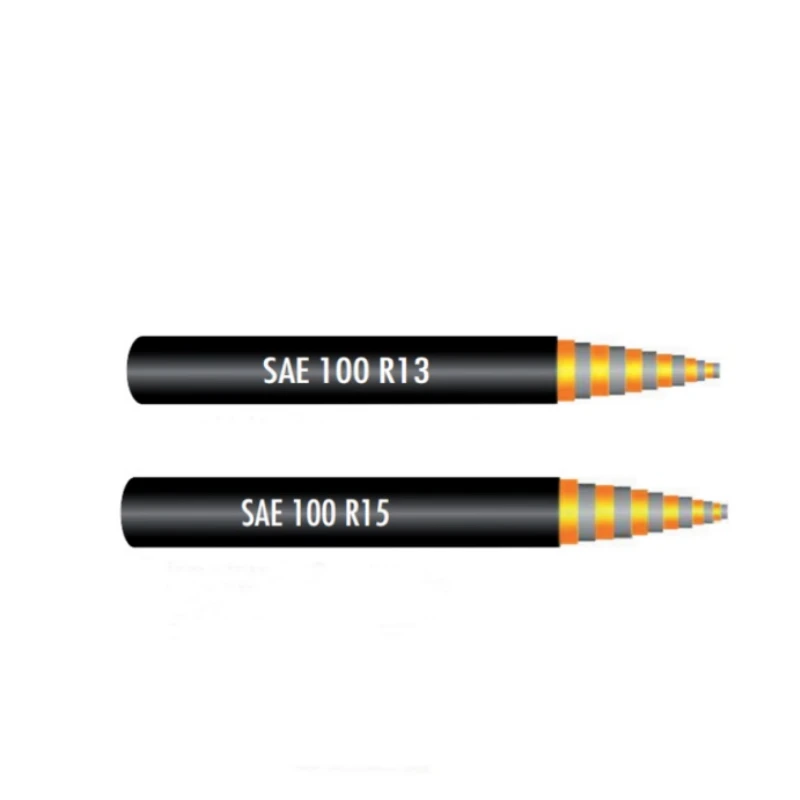
Heavy Duty Multi-layer Steel Wire Reinforced Hydraulic Hose SAE100R13 SAE100R15


