

Oct . 14, 2025 14:50 Back to list
Need a Silicone Fiberglass Fire Sleeve for Extreme Heat?
Silicone Fire Sleeve: field notes from the heat
If you’ve ever watched a hydraulic hose glow cherry-red near a furnace and still keep working, you’ve likely seen a silicone fiberglass fire sleeve in action. In fact, this humble sleeve is doing VIP duty in foundries, glass plants, ship engine rooms, even EV battery lines. I’ve tested and specified more of them than I care to admit—and, to be honest, the newer coatings are noticeably tougher than what we had five years ago.
What it is and where it’s trending
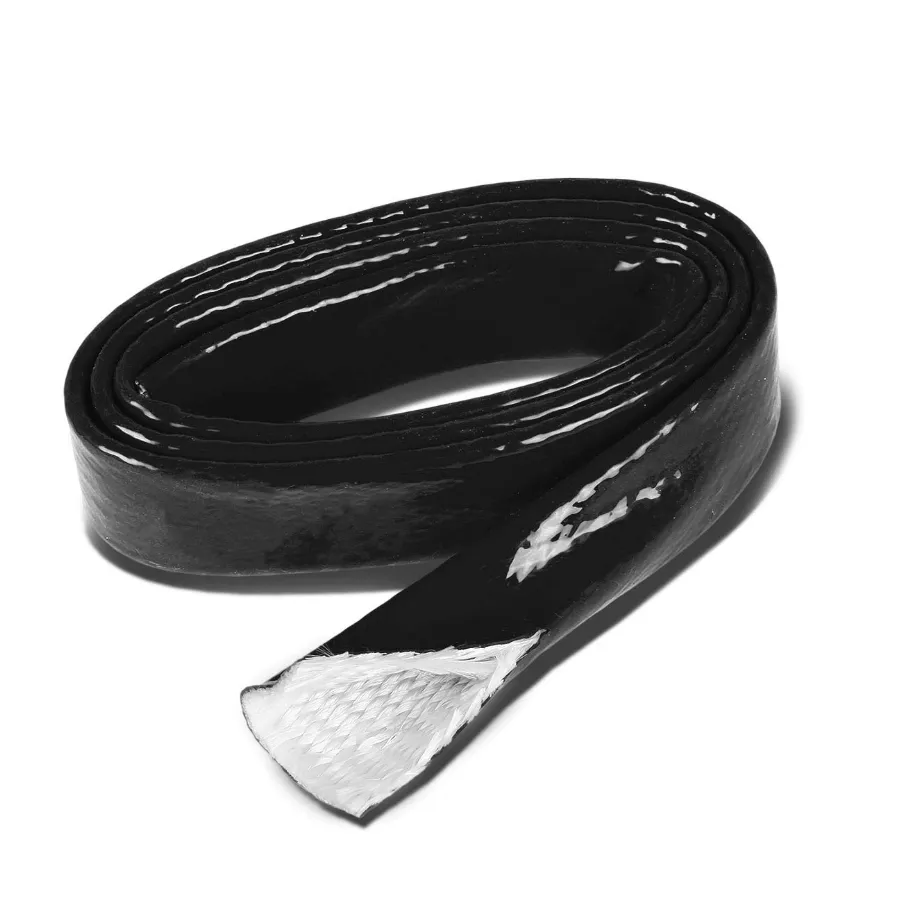
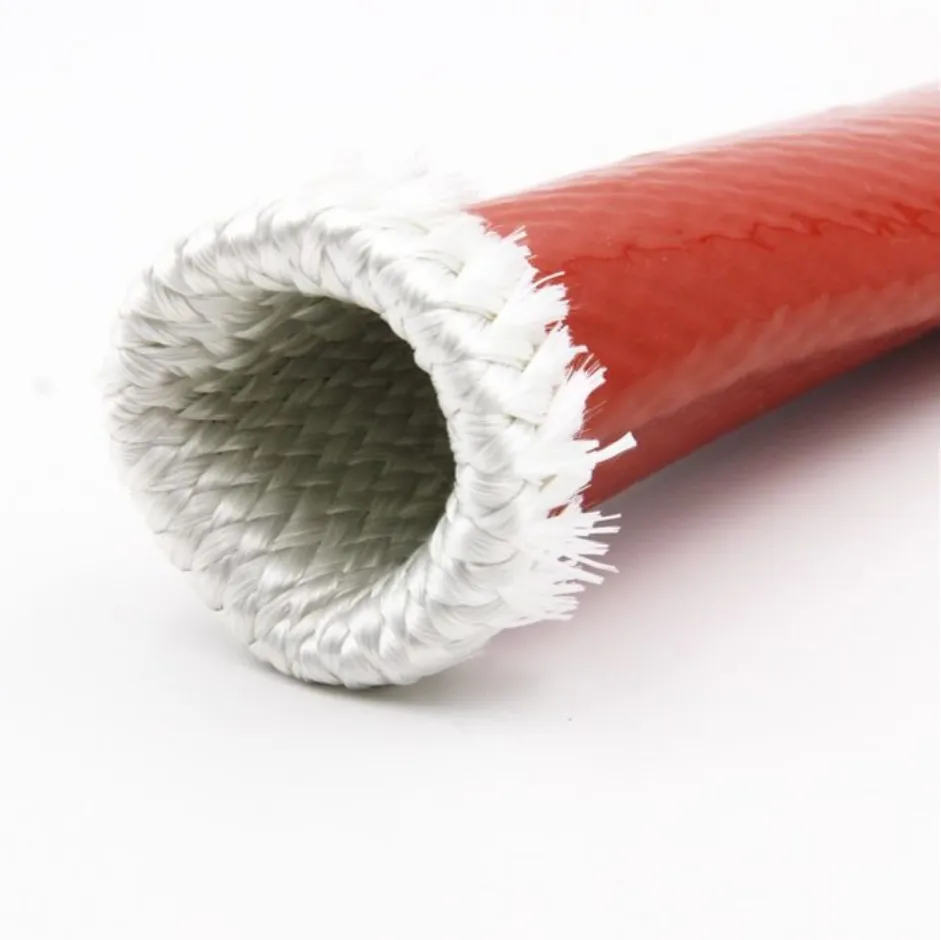
A silicone fiberglass fire sleeve is a knitted or braided fiber glass substrate coated with high-temperature silicone rubber. The direction of travel is clear: more EV and robotics lines (tight bends, splash risk), more offshore retrofits (salt + flame), and a resurgence of rail and tunnel projects demanding low-smoke, halogen-free materials. Surprisingly, many customers say their priority isn’t just “don’t burn”—it’s abrasion life and faster installs on crowded manifolds.
How it’s made (quick process flow)
- Materials: E-glass yarn (≈600–1200 tex) → braided sleeve; addition-cure silicone (iron-oxide red common; black/blue optional)
- Coating: immersion or calendared coating, then oven cure (multi-pass for thicker skins)
- Finish: cut-to-length; optional slit-and-closure (Velcro/steel clips) for retrofit
- Testing: flame exposure, thermal aging, abrasion, fluid splash, and bend/flex cycles
- Pack & trace: lot codes, RoHS/REACH statements, and dimensional checks
Standards, test data, and real-world limits
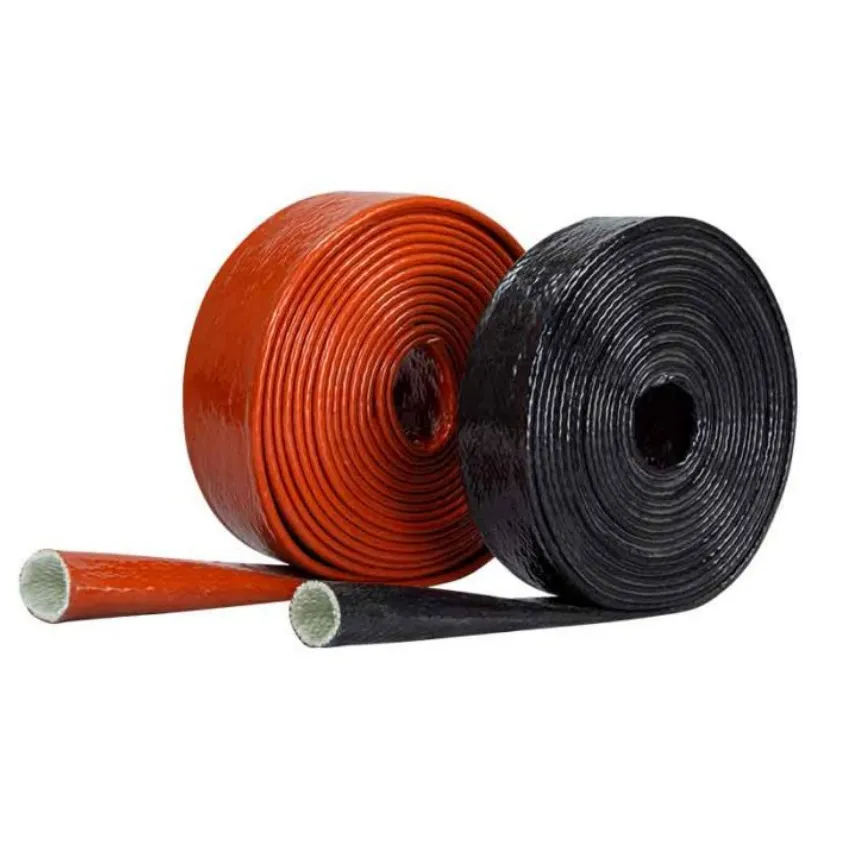
Common references include SAE AS1072 (aerospace firesleeve), ISO 15540/15541 (hose assembly fire resistance), and UL 94 for material flammability. In practical terms, expect continuous service around −60 to +260 °C and short-term flame or molten splash up to ≈1090 °C. In ISO 15540-type setups, we’ve seen 15–30 min survivability with internal line temps kept within spec—real-world use may vary with clamp spacing, airflow, and hose build. Service life? Around 5–10 years if you respect bend radius, UV exposure, and keep oils off the hot spots.
Product specifications (typical)
| Parameter | Spec (≈) |
|---|---|
| ID range | 6 mm – 152 mm (1/4"–6") |
| Wall (glass + silicone) | 1.5 – 6.0 mm total |
| Continuous temp | up to 260 °C |
| Short exposure | ≈1090 °C flame/splash |
| Colors | Red, black, blue; custom on request |
| Certs (materials) | RoHS, REACH; factory ISO 9001 |
Where it’s used (and why it works)
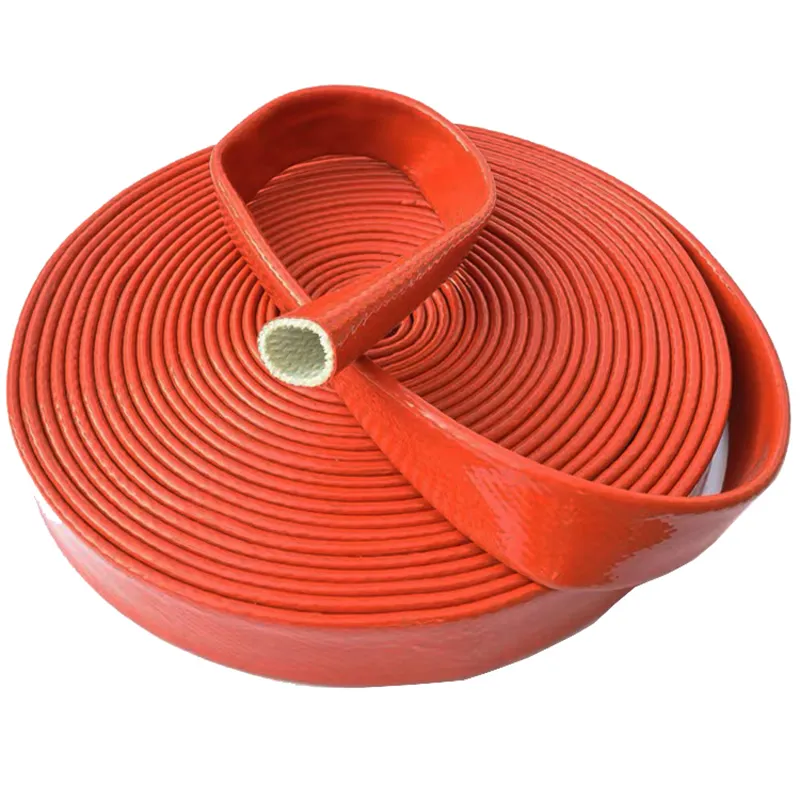
Foundry hydraulics, steel mill oxygen lines, glass plants, welding robots, aerospace hydraulics, marine engine rooms, rail undercarriage looms, and EV battery harnesses. Benefits include thermal shielding, molten splash deflection, abrasion resistance, and a smoother surface that wipes clean. Many maintenance teams say slit sleeves with closures cut install time in half during shutdowns.
Customization and origin
Custom ID, wall, color, printed legends, pre-cut lengths, and slit/closure builds are available. Manufactured in Daowang Town, Guangrao County, Dongying City, Shandong Province 257335.
Vendor snapshot (indicative)
| Vendor | MOQ | Lead time | Standards focus | Notes |
|---|---|---|---|---|
| JYHose (Silicone Fire Sleeve) | Low–medium | 2–4 weeks | AS1072, ISO 15540 | Strong customization, responsive sampling |
| Generic Importer A | Medium | 4–6 weeks | Basic UL 94 | Cost-first; limited colors |
| Premium EU Brand | Low | Stock–2 weeks | Rail EN 45545 options | Top abrasion, higher price |
Mini case notes
Steel mill retrofit: Swapped cloth wrap for silicone fiberglass fire sleeve on 1.5" hydraulic lines near a caster; saw fewer splash blisters and extended hose change intervals from monthly to quarterly. Operators liked the wipe-clean surface—small win, big uptime.
Offshore skids: Added slit sleeves with stainless clips on hot glycol loops; installation during a short weather window was the deciding factor. After six months, abrasion on contact points was visibly lower than on unprotected jumpers.
If you’re speccing a silicone fiberglass fire sleeve, match ID to maximum hose OD, leave expansion allowance, and don’t ignore clamp spacing. Actually, airflow around the sleeve is your hidden friend in flame tests.
Citations
Latest News
Steel Wire Reinforced Hydraulic Hose SAE 100 R1 / EN853 1SN S
NewsOct.17,2024
Two Layers Steel Wire Reinforced Hydraulic Hose SAE 100 R2 / EN853 2SN
NewsSep.03,2024
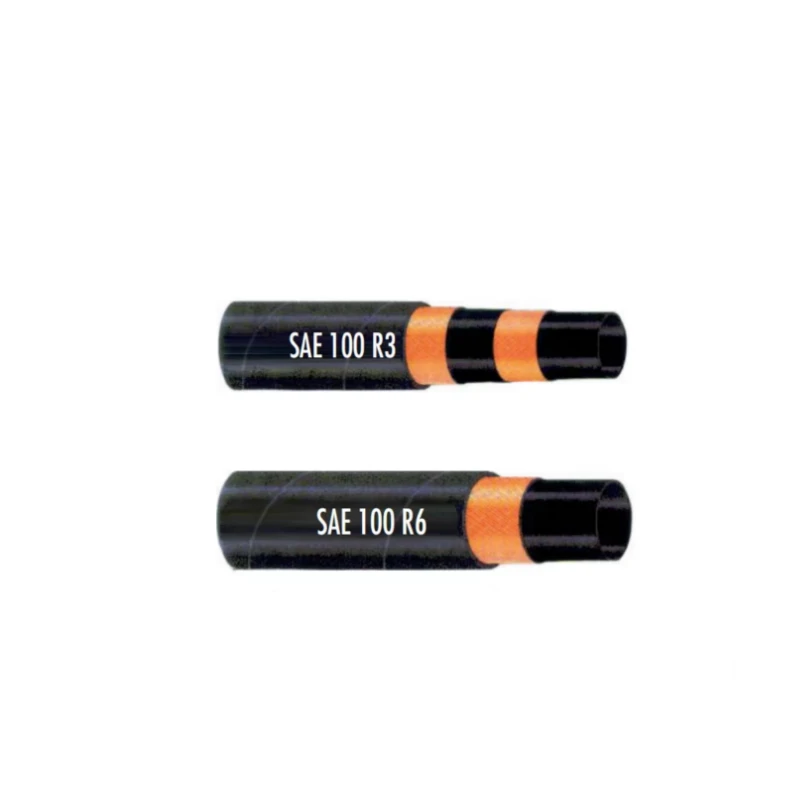
Textile Braid Reinforced Hydraulic Hose SAE100 R3+R6
NewsSep.03,2024
Textile Reinforced Hydraulic oil Suction Hose with embedded Steel Wire SAE 100 R4
NewsSep.03,2024
Single Wire Braid and Textile Covered Hydraulic Hose SAE 100 R5
NewsSep.03,2024
High Pressure Thermoplastic Hydraulic Hose SAE 100 R7 / EN855 R7 - SAE 100 R8 / EN855 R8
NewsSep.03,2024
Heavy Duty Four-layer Steel Wire Spiral Reinforced Hydraulic Hose SAE100R9+R10+R12
NewsSep.03,2024
Heavy Duty Multi-layer Steel Wire Reinforced Hydraulic Hose SAE100R13 SAE100R15
NewsSep.03,2024
Latest Products
-
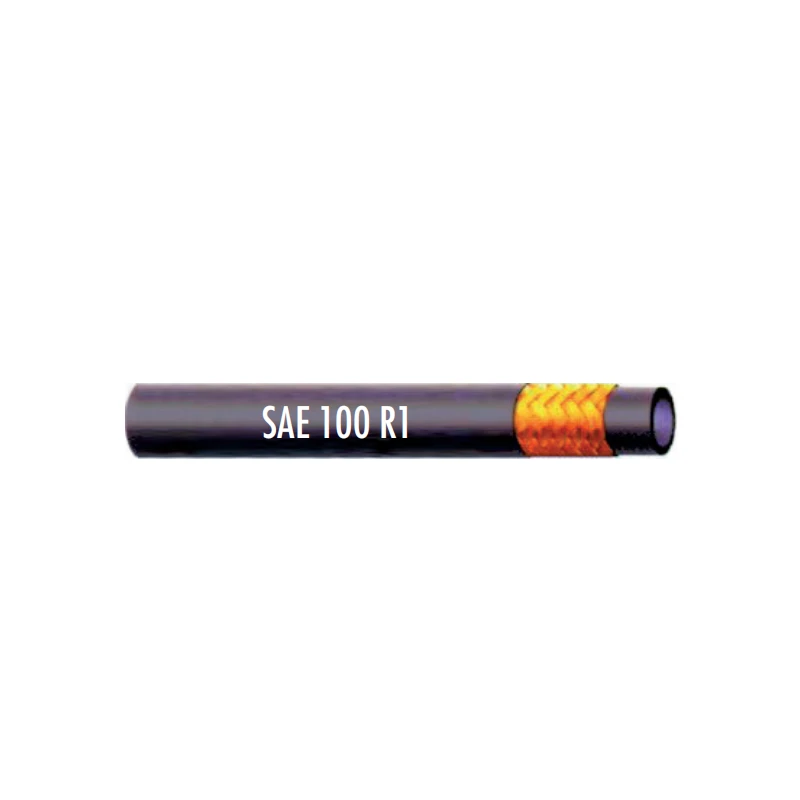
Steel Wire Reinforced Hydraulic Hose SAE 100 R1 / EN853 1SN S
-
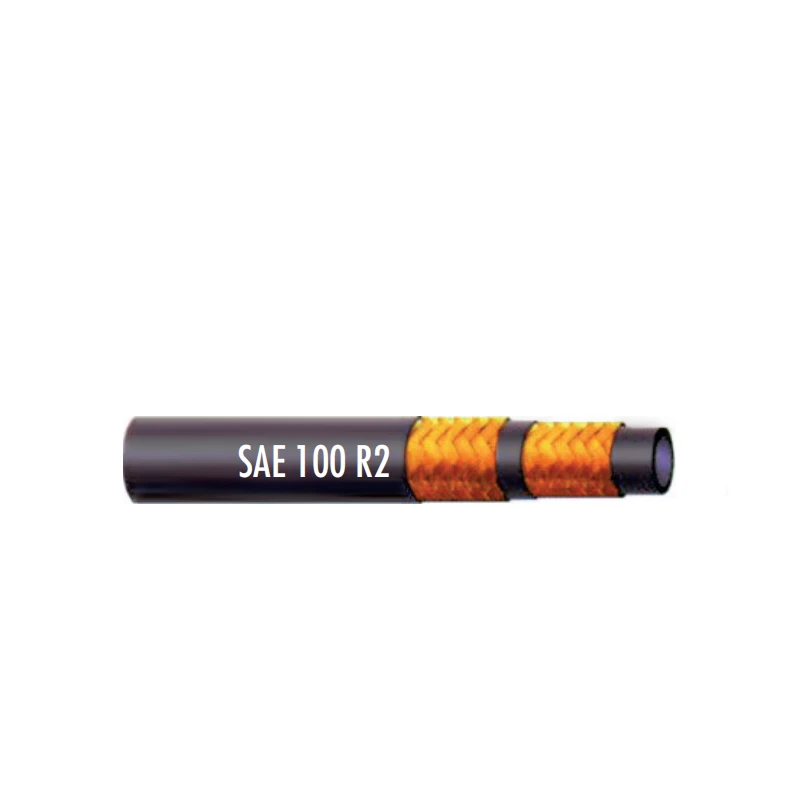
Two Layers Steel Wire Reinforced Hydraulic Hose SAE 100 R2 / EN853 2SN
-
-
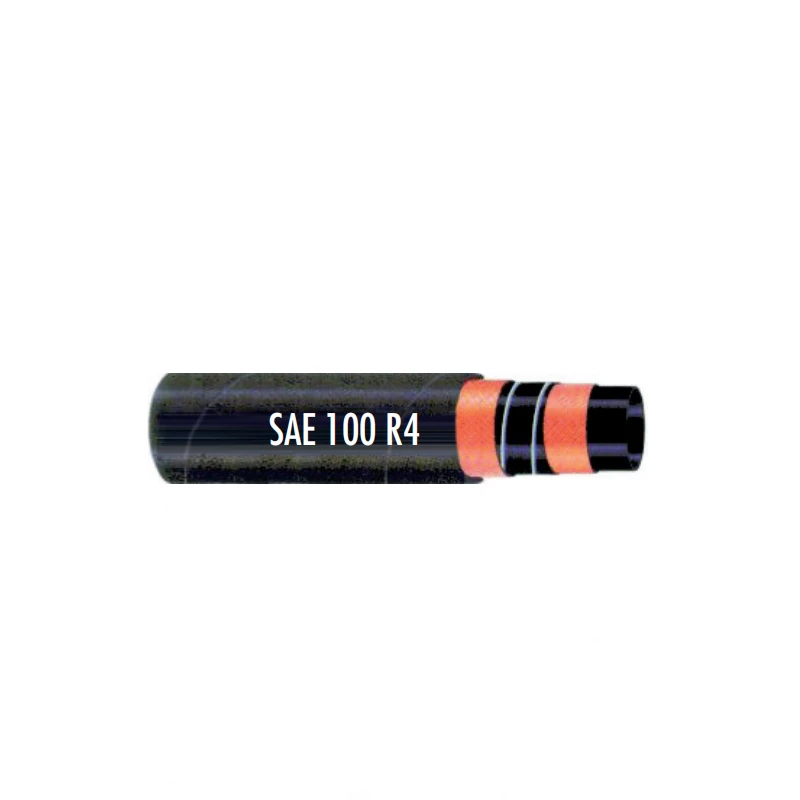
Textile Reinforced Hydraulic oil Suction Hose with embedded Steel Wire SAE 100 R4
-
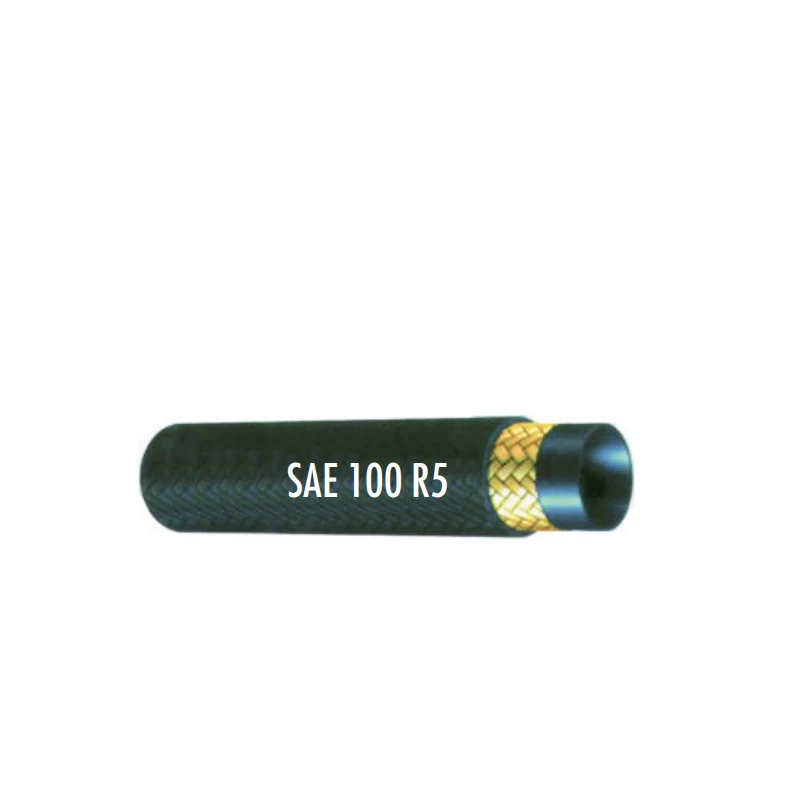
Single Wire Braid and Textile Covered Hydraulic Hose SAE 100 R5
-
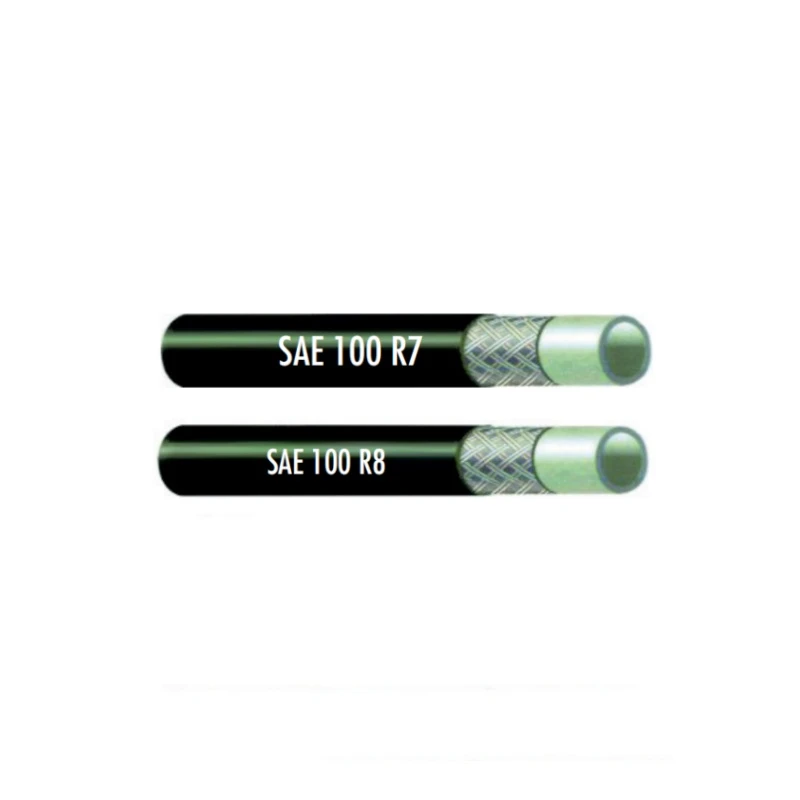
High Pressure Thermoplastic Hydraulic Hose SAE 100 R7 / EN855 R7 - SAE 100 R8 / EN855 R8
-
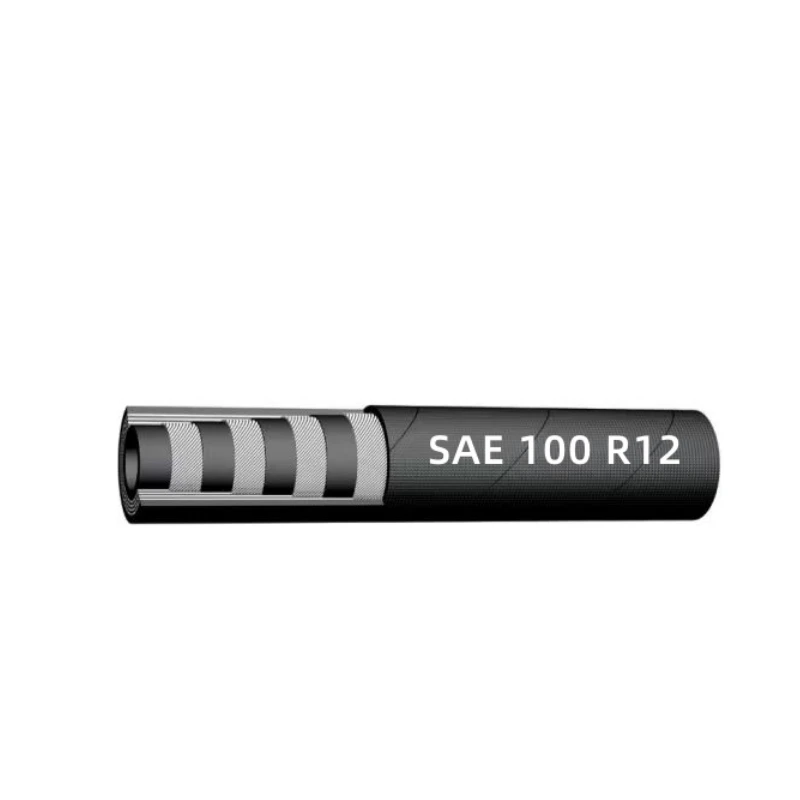
Heavy Duty Four-layer Steel Wire Spiral Reinforced Hydraulic Hose SAE100R9+R10+R12
-
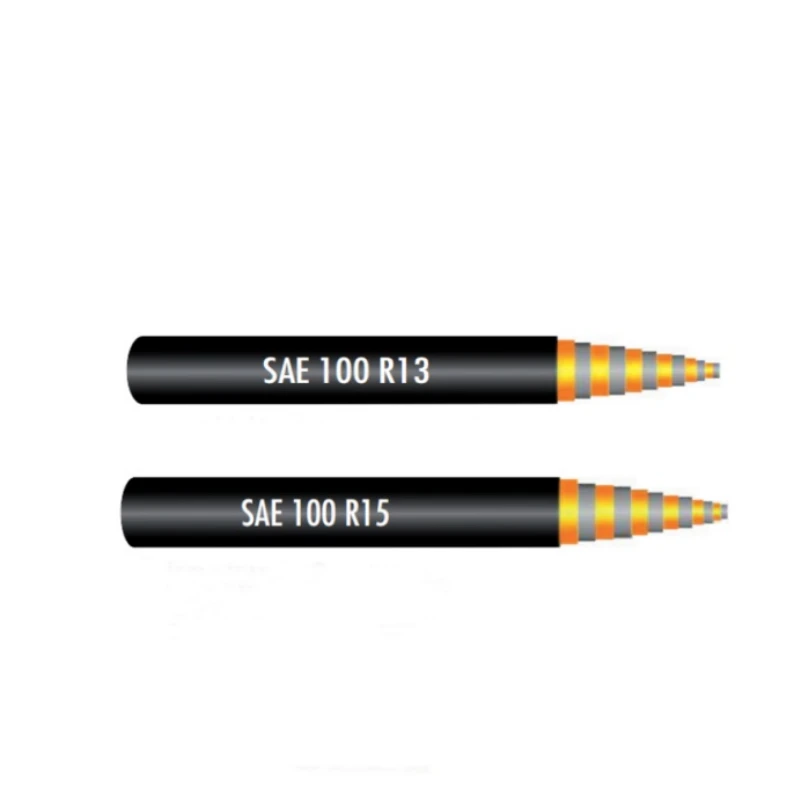
Heavy Duty Multi-layer Steel Wire Reinforced Hydraulic Hose SAE100R13 SAE100R15


