

Dec . 15, 2025 10:20 Back to list
Reliable 3/8 Hydraulic Hose Guide | Industrial Equipment Insights
Why a 3/8 Hydraulic Hose is Often the Go-To Choice in Industrial Settings
Having spent quite a few years knee-deep in industrial equipment – some might say I’ve waded through more hose and fittings than most – I’d be lying if I said the 3/8 hydraulic hose ever lost its significance in the field. It’s like that reliable colleague who never misses a beat when things get tough. Whether it’s on a heavy-duty excavator or that humble forklift in a dusty warehouse, the 3/8 inch hose balances size and strength with remarkable finesse.
Now, I suppose one reason for this is its perfect cross-section – not too thick, not too flimsy. Oddly enough, the 3/8 size offers just enough flow to keep hydraulic systems responsive yet doesn’t hog too much space or become unwieldy. Frankly, in real terms, it’s a kind of sweet spot for maneuverability and power delivery.
Most of the 3/8 hydraulic hoses out there kick off with a multi-layered construction: an inner tube designed for oil resistance, typically synthetic rubber or thermoplastic, wrapped with braided steel wire reinforcement, and finished off with an abrasion-resistant outer cover. In practice, this layering is what protects the hose from the kind of abuse it’ll see — sharp bends, pressurized jolts, and sometimes even nasty exposure to chemicals or weather extremes.
Let me share a little anecdote. A longtime client in the construction sector once switched hose suppliers to one offering a ‘better-sealed’ 3/8 hydraulic hose. They told me that downtime due to hose failures dropped by nearly half over six months — which, for them, meant serious cutbacks on maintenance costs. I think it boils down to the quality of materials and tight manufacturing controls.
| Specification | Details |
|---|---|
| Inner Diameter | 3/8 inch (0.375in / 9.5mm) |
| Working Pressure | Up to 4000 psi (varies by type) |
| Temperature Range | -40°C to +100°C (-40°F to +212°F) |
| Reinforcement | One or two braided steel wire layers |
| Outer Cover Material | Oil, abrasion, and weather resistant synthetic rubber |
| Common Uses | Mobile equipment, industrial hydraulics, agricultural machinery |
Speaking of uses, you’d notice many engineers say that 3/8 hydraulic hoses also offer flexibility without compromising strength. That's crucial in tight engine bays or robotic arms where every millimeter counts. They’re not just pipes carrying fluid; in many ways, they’re integral components ensuring machine responsiveness.
One trend I’ve spotted recently is customization becoming a bit of a buzzword. Manufacturers like JY Hose (linked above for those curious) don’t just offer off-the-shelf items — they tailor hose assembly lengths, fittings, and pressure ratings to fit specific project needs. This bespoke approach actually saves time and money downstream, because you avoid the usual guesswork and mismatches.
| Vendor | Product Range | Quality & Certification | Customization Options | Price Level |
|---|---|---|---|---|
| JY Hose | Wide (3/8" to 2") including fittings & assembly | ISO 9001 certified; SAE & EN 853 compliance | Full bespoke assembly and fitting selection | Mid-range (good balance of cost & quality) |
| Vendor B | Niche, focused on high-pressure lines | API certified, limited ISO | Custom lengths, less fitting variety | Higher price point |
| Vendor C | Basic industrial hose lines, limited fittings | Meets basic SAE standards | Limited customization | Lower price |
When it comes to reliability, regular testing can’t be overstated. Burst pressure, flex testing, and sometimes hydrostatic tests are standard. In practice, this means you’re less likely to face unexpected leaks, which, in my experience, is both a safety and productivity issue. You know how a sudden hose failure can bring an entire operation to a halt? It feels a bit like having a small chain lose a crucial link.
In conclusion, the humble 3/8 hydraulic hose really is the unsung hero of industrial hydraulics. Its versatility and toughness, combined with advances in manufacturing and customization, make it a cornerstone of modern equipment. If you’re sourcing hoses, it’s always worth considering the specs, certifications, and a vendor’s customization capabilities. After all, that hose could be the difference between smooth operation and costly downtime.
So the next time you’re reaching for a hose in the shop or assessing suppliers, keep in mind the story behind that 3/8 inch diameter – decades of reliability, real-world testing, and adaptability packed into a compact tube. It's kind of fascinating when you think about it.
Takeaway: In the world of hydraulics, size matters – but it’s how that size is engineered and tested that really counts.
References:
1. SAE International Standards for Hydraulic Hoses
2. JY Hose Certification Documents (Available on supplier website)
3. Industry Case Studies on Hydraulic Maintenance and Downtime
Latest News
Steel Wire Reinforced Hydraulic Hose SAE 100 R1 / EN853 1SN S
NewsOct.17,2024
Two Layers Steel Wire Reinforced Hydraulic Hose SAE 100 R2 / EN853 2SN
NewsSep.03,2024
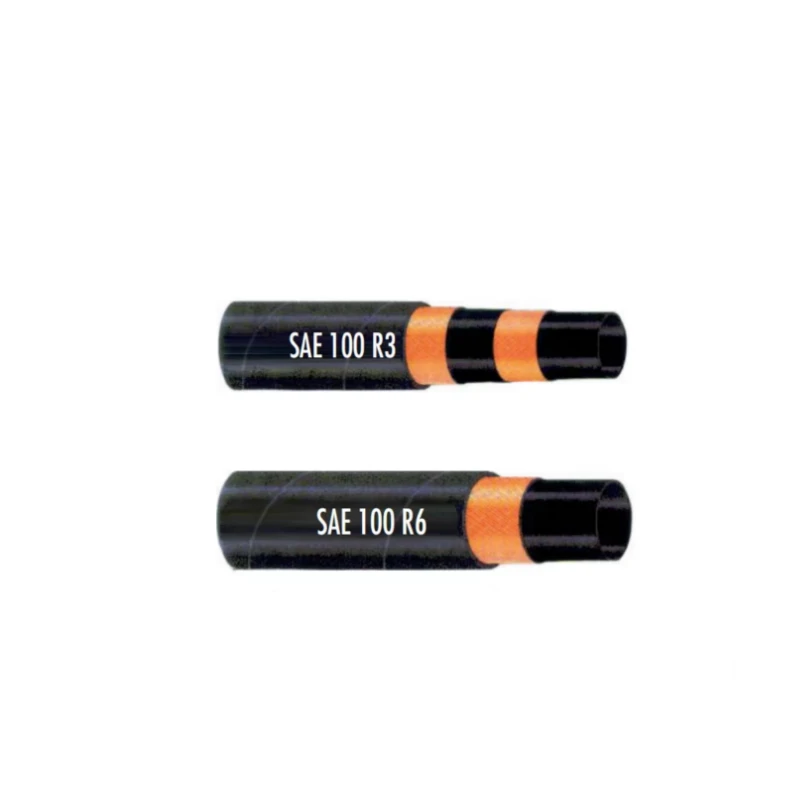
Textile Braid Reinforced Hydraulic Hose SAE100 R3+R6
NewsSep.03,2024
Textile Reinforced Hydraulic oil Suction Hose with embedded Steel Wire SAE 100 R4
NewsSep.03,2024
Single Wire Braid and Textile Covered Hydraulic Hose SAE 100 R5
NewsSep.03,2024
High Pressure Thermoplastic Hydraulic Hose SAE 100 R7 / EN855 R7 - SAE 100 R8 / EN855 R8
NewsSep.03,2024
Heavy Duty Four-layer Steel Wire Spiral Reinforced Hydraulic Hose SAE100R9+R10+R12
NewsSep.03,2024
Heavy Duty Multi-layer Steel Wire Reinforced Hydraulic Hose SAE100R13 SAE100R15
NewsSep.03,2024
Latest Products
-
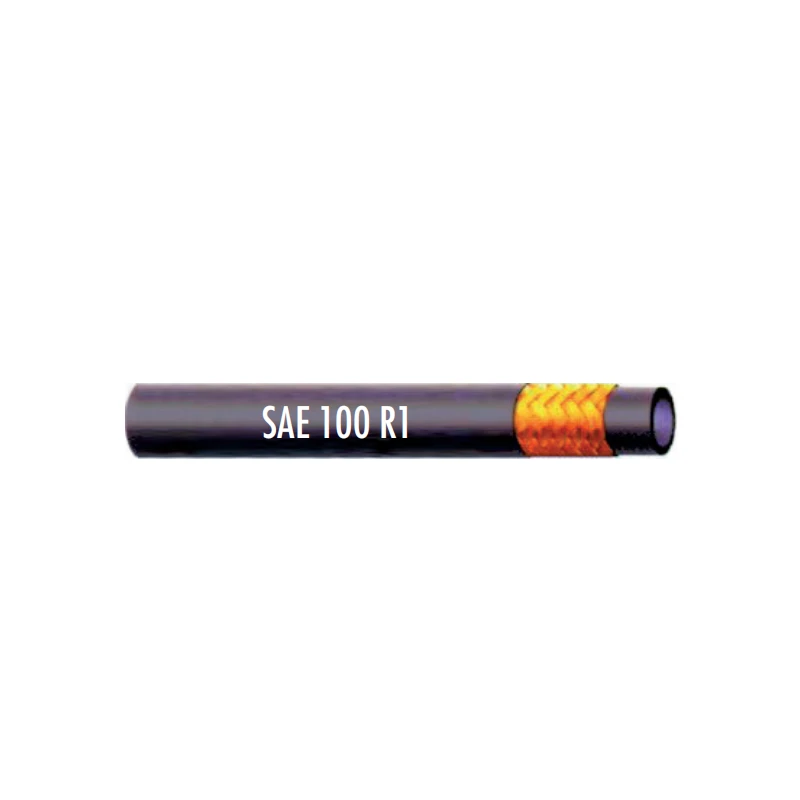
Steel Wire Reinforced Hydraulic Hose SAE 100 R1 / EN853 1SN S
-
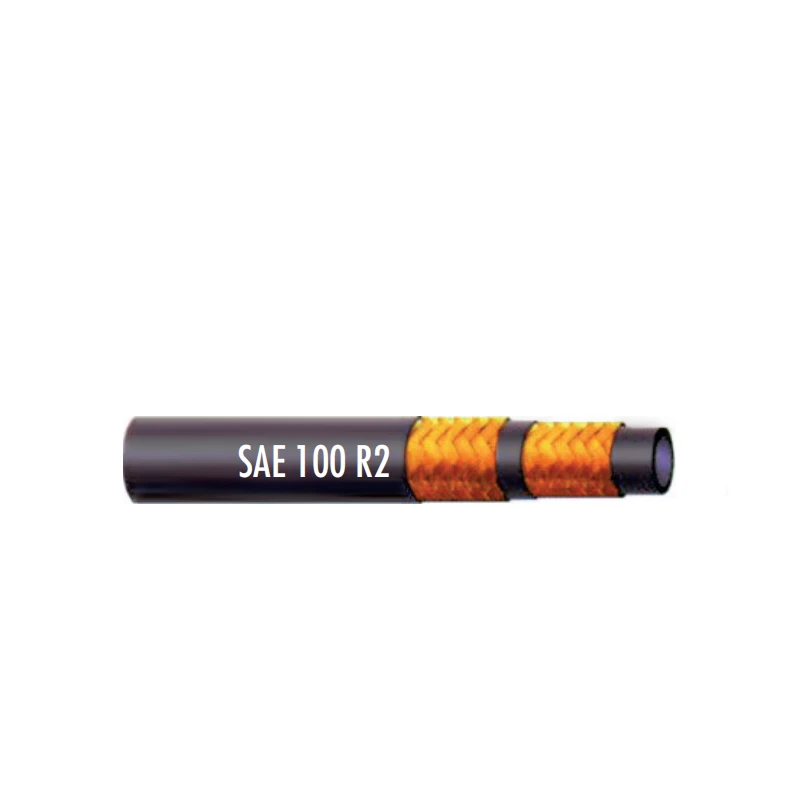
Two Layers Steel Wire Reinforced Hydraulic Hose SAE 100 R2 / EN853 2SN
-
-
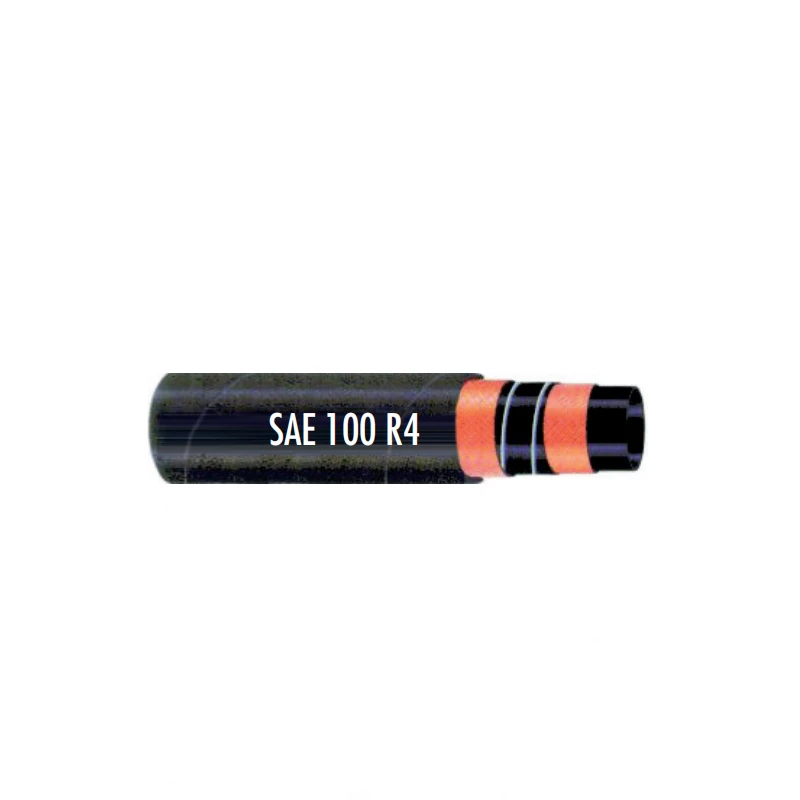
Textile Reinforced Hydraulic oil Suction Hose with embedded Steel Wire SAE 100 R4
-
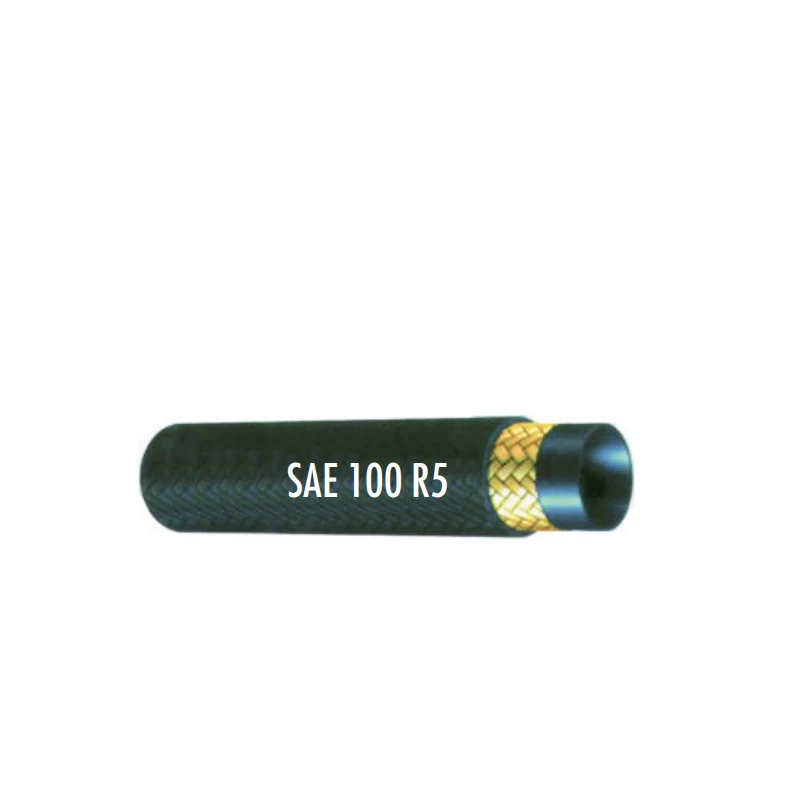
Single Wire Braid and Textile Covered Hydraulic Hose SAE 100 R5
-
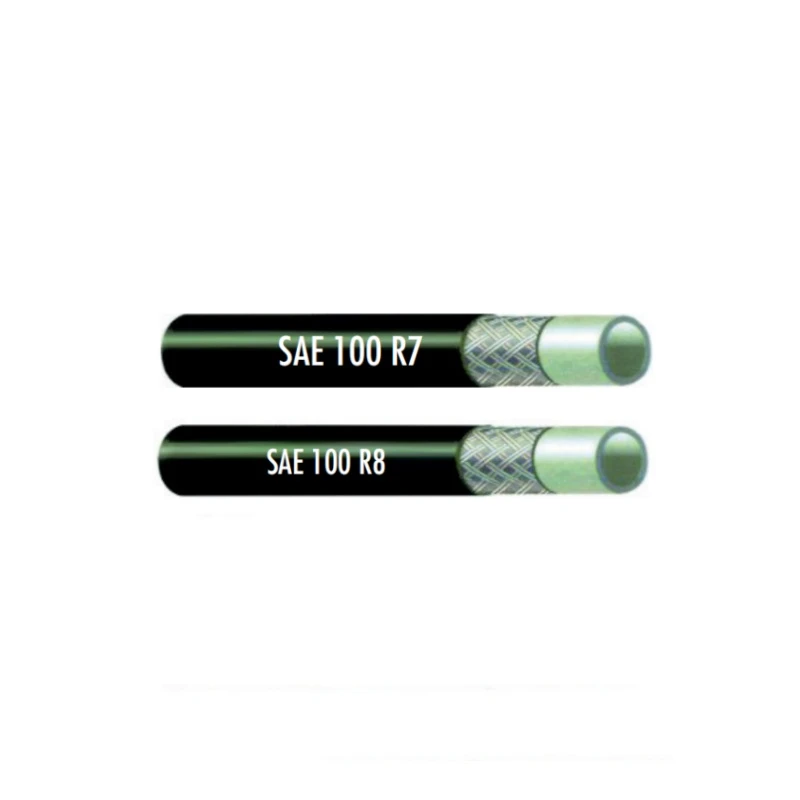
High Pressure Thermoplastic Hydraulic Hose SAE 100 R7 / EN855 R7 - SAE 100 R8 / EN855 R8
-
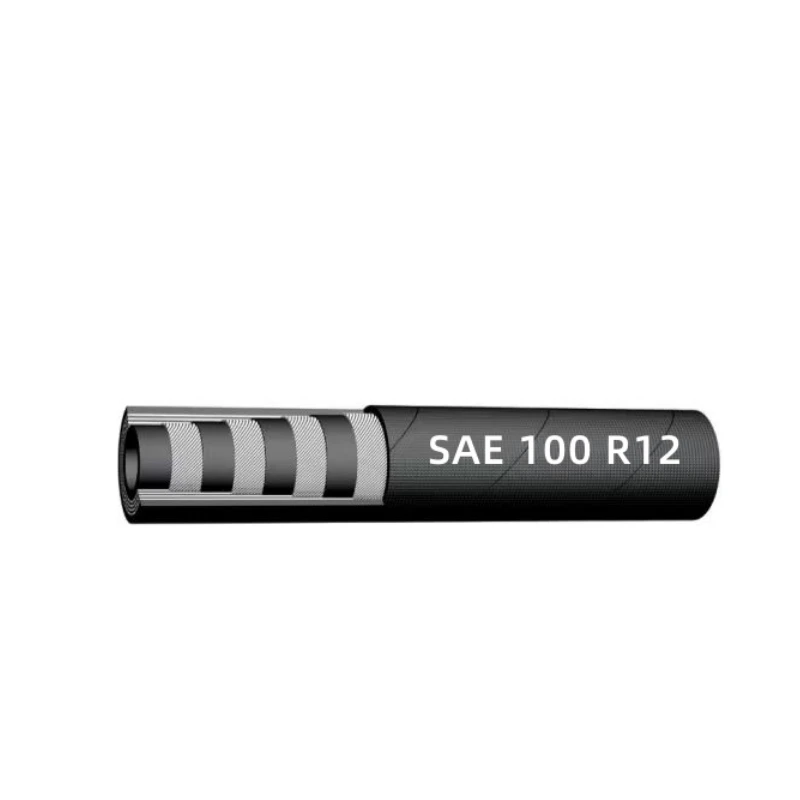
Heavy Duty Four-layer Steel Wire Spiral Reinforced Hydraulic Hose SAE100R9+R10+R12
-
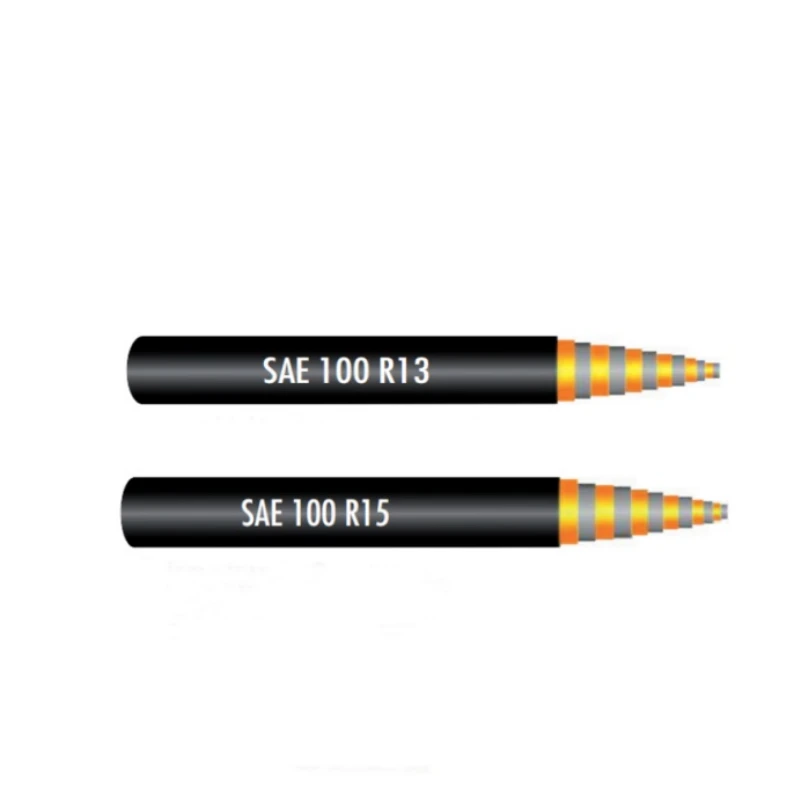
Heavy Duty Multi-layer Steel Wire Reinforced Hydraulic Hose SAE100R13 SAE100R15


