

Nov . 24, 2025 15:06 Back to list
Reliable Hyd Hose Solutions for Industrial Applications
Why Choosing the Right Hyd Hose Matters More Than You Think
Having spent a fair chunk of my career wrangling all sorts of industrial gear, I can tell you one thing: the humble hyd hose is often a quiet hero on the factory floor. You rarely think about it—until it fails. And in real terms, a hose failure in high-pressure hydraulic systems can bring a whole operation to a grinding halt, or even worse, cause a safety hazard.
What’s striking is how much engineering goes into what looks like a simple tube. It’s not just rubber and metal; these hoses have to endure brutal environments—from scorching heat to chemical exposure, not to mention constant flexing and occasional abuse from rough handling. I’ve seen hoses last decades and others fail within months. The difference always boils down to quality and design.
Understanding Key Hyd Hose Specifications
Out in the field, engineers often ask about working pressure, temperature range, and size compatibility. But there’s always something under the hood — like the hose's reinforcement layers and the materials used — that’s just as critical. And oddly enough, material science has made leaps, with innovations in synthetic rubbers and steel braiding making hoses both lighter and tougher than before.
| Specification | Typical Range | Why It Matters |
|---|---|---|
| Inner Tube Material | Nitrile, EPDM, PTFE | Chemical compatibility & fluid resistance |
| Reinforcement | One to four steel wire braids | Strength & pressure rating |
| Cover Material | Synthetic rubber, polyurethane | Abrasion & environmental resistance |
| Operating Pressure | 1,000 - 6,000 psi | Safety & system integrity |
| Temperature Range | -40°C to +121°C (-40°F to +250°F) | Adaptability to environment |
Comparing Hyd Hose Vendors: What Sets Them Apart?
There’s no shortage of suppliers out there, which honestly complicates the buying process. But it tends to boil down to a few things: product range, customization options, quality certifications, price, and of course, delivery lead times. Some vendors pride themselves on standard stock at competitive costs. Others go all-in on custom builds, testing every hose with proprietary pressure cycles.
| Vendor | Customization | Lead Time | Certifications | Price Level |
|---|---|---|---|---|
| JY Hose | Wide range, including custom assemblies | 2-4 weeks | ISO 9001, SAE, CE | Moderate |
| Vendor A | Limited to stock sizes | 1-2 weeks | ISO 9001 | Low |
| Vendor B | Custom but long lead times | 4-6 weeks | SAE, CE | High |
In one memorable case, I worked with a mid-size manufacturer whose older hyd hoses were failing under increasing pressure demands. After switching to a supplier offering reinforced four-wire braid hoses custom-fitted with robust fittings, their downtime dropped almost overnight. It’s a reminder that sometimes the simplest components deserve the smartest choices—and that true value is about reliability over sticker price.
Final Thoughts on Hyd Hose Selection
In the end, picking the right hyd hose means balancing specs, supplier trustworthiness, and your specific application needs. I guess that’s why many engineers say it’s as much an art as a science. If you’re sourcing for heavy machinery or highly critical systems, don’t skimp. Get to know the product inside out, ask about testing protocols, and if possible, try before you buy.
Maybe next time you see those hoses looping around giant machines, you’ll think twice about what goes into making them last—and maybe appreciate the quiet complexity a bit more. And that’s what keeps the industrial wheels turning, frankly.
References & notes:
- Experience with large-scale hydraulic systems maintenance and supplier audits (2010-2023)
- Industry standards overview: SAE J517 and ISO 1436 hose specifications
- Conversations with field engineers and hose manufacturers about trends in hose technology
Latest News
Steel Wire Reinforced Hydraulic Hose SAE 100 R1 / EN853 1SN S
NewsOct.17,2024
Two Layers Steel Wire Reinforced Hydraulic Hose SAE 100 R2 / EN853 2SN
NewsSep.03,2024
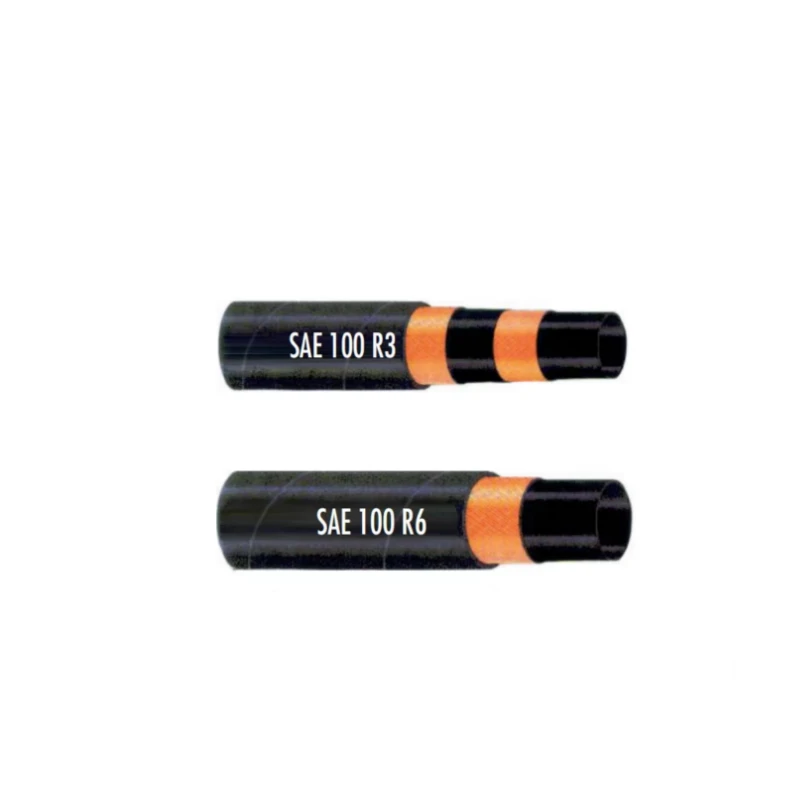
Textile Braid Reinforced Hydraulic Hose SAE100 R3+R6
NewsSep.03,2024
Textile Reinforced Hydraulic oil Suction Hose with embedded Steel Wire SAE 100 R4
NewsSep.03,2024
Single Wire Braid and Textile Covered Hydraulic Hose SAE 100 R5
NewsSep.03,2024
High Pressure Thermoplastic Hydraulic Hose SAE 100 R7 / EN855 R7 - SAE 100 R8 / EN855 R8
NewsSep.03,2024
Heavy Duty Four-layer Steel Wire Spiral Reinforced Hydraulic Hose SAE100R9+R10+R12
NewsSep.03,2024
Heavy Duty Multi-layer Steel Wire Reinforced Hydraulic Hose SAE100R13 SAE100R15
NewsSep.03,2024
Latest Products
-
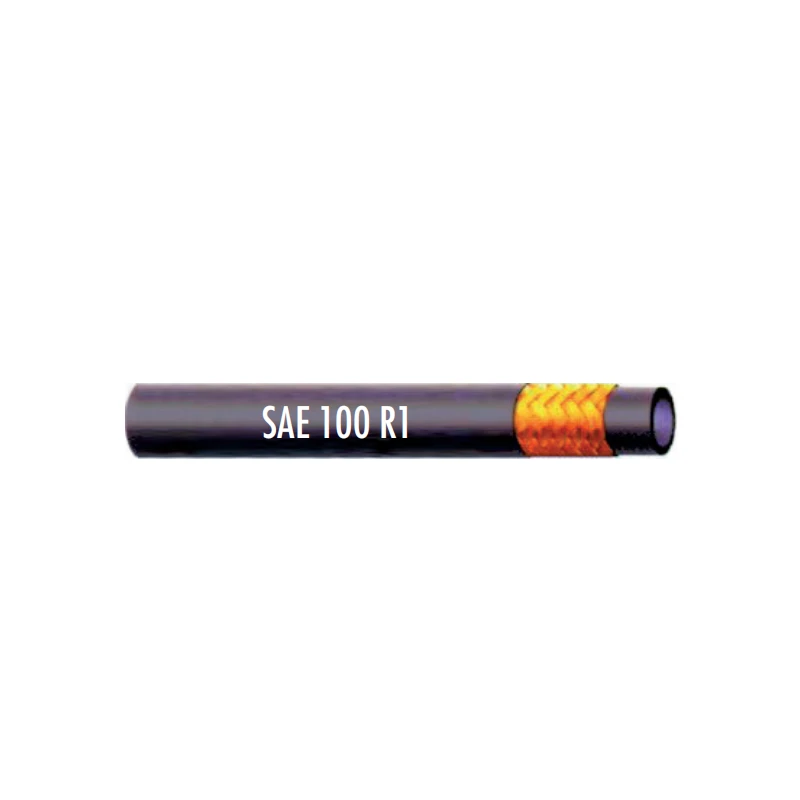
Steel Wire Reinforced Hydraulic Hose SAE 100 R1 / EN853 1SN S
-
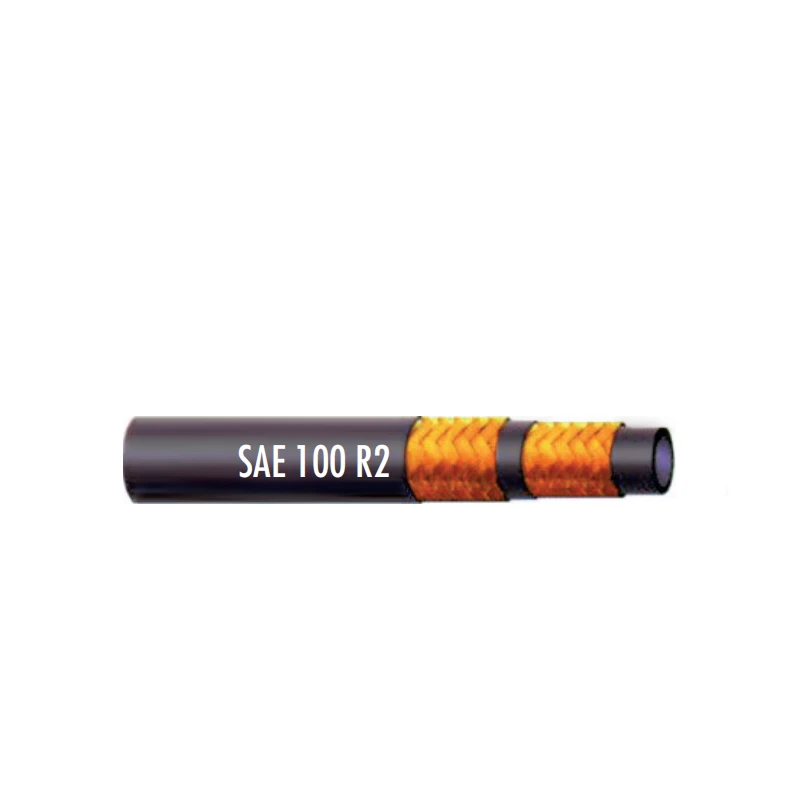
Two Layers Steel Wire Reinforced Hydraulic Hose SAE 100 R2 / EN853 2SN
-
-
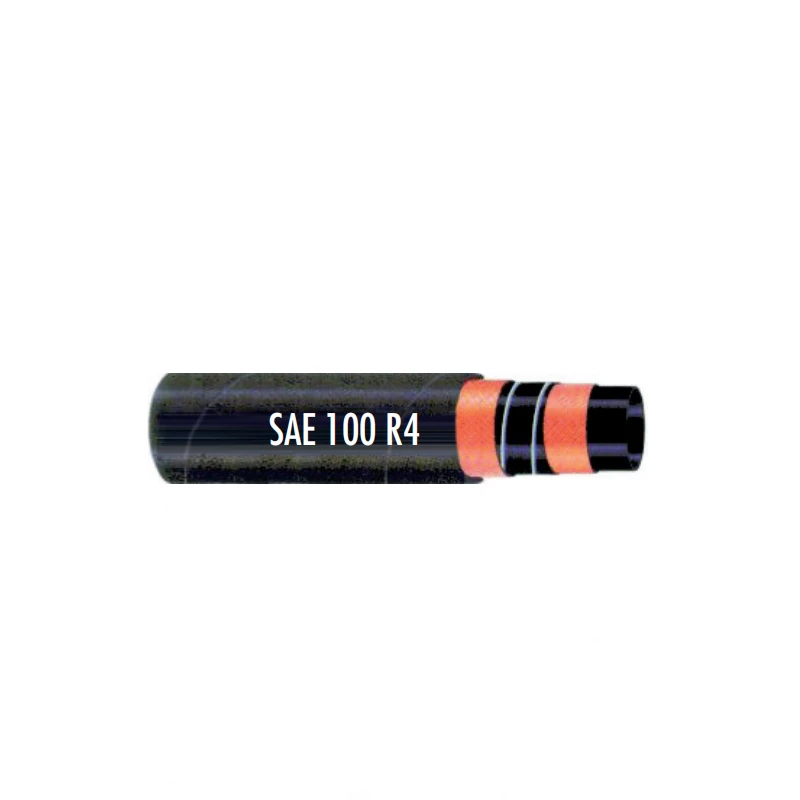
Textile Reinforced Hydraulic oil Suction Hose with embedded Steel Wire SAE 100 R4
-
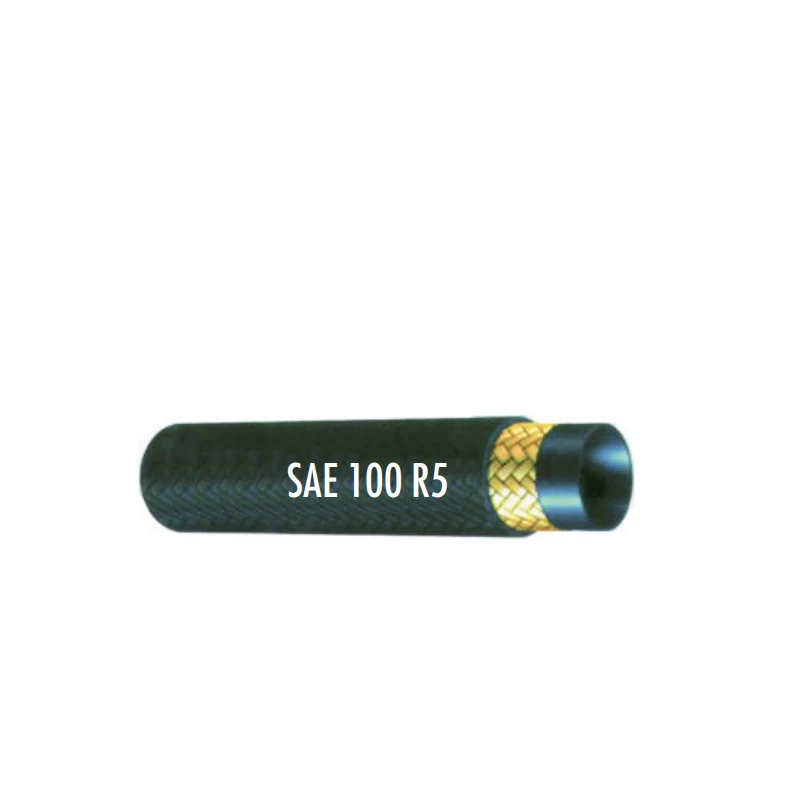
Single Wire Braid and Textile Covered Hydraulic Hose SAE 100 R5
-
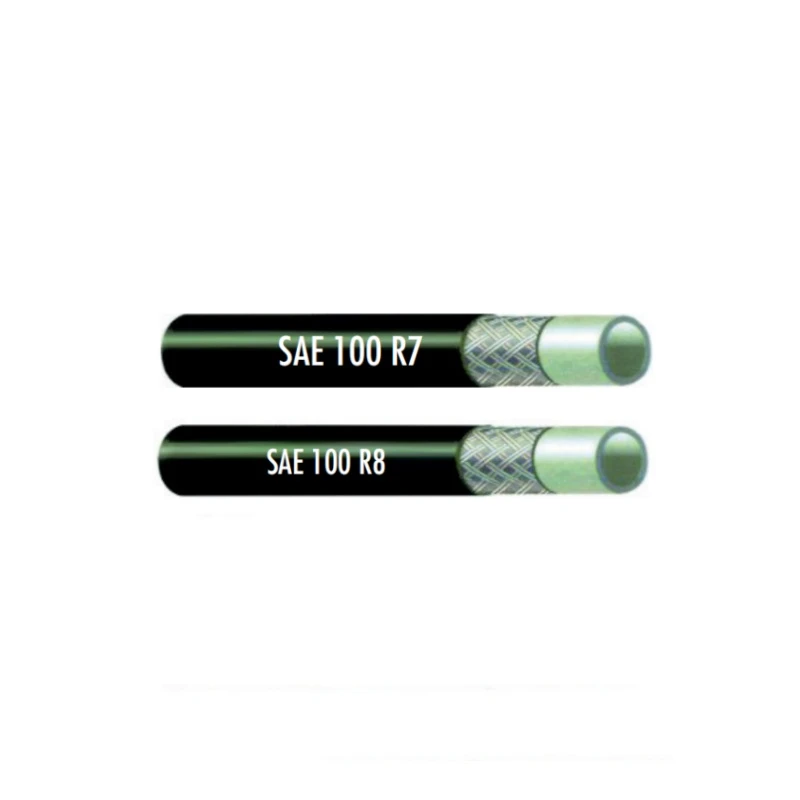
High Pressure Thermoplastic Hydraulic Hose SAE 100 R7 / EN855 R7 - SAE 100 R8 / EN855 R8
-
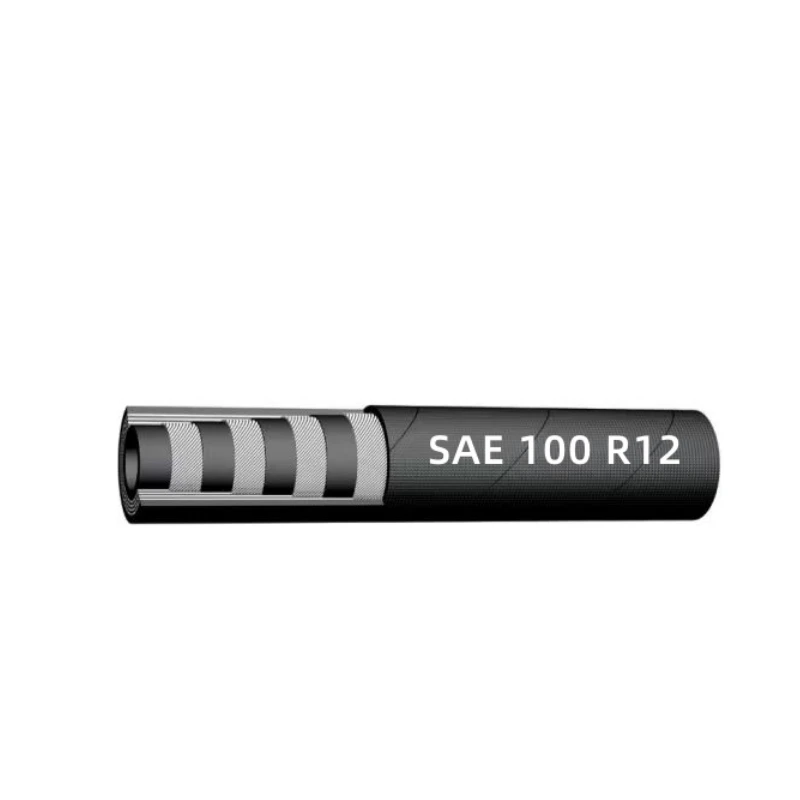
Heavy Duty Four-layer Steel Wire Spiral Reinforced Hydraulic Hose SAE100R9+R10+R12
-
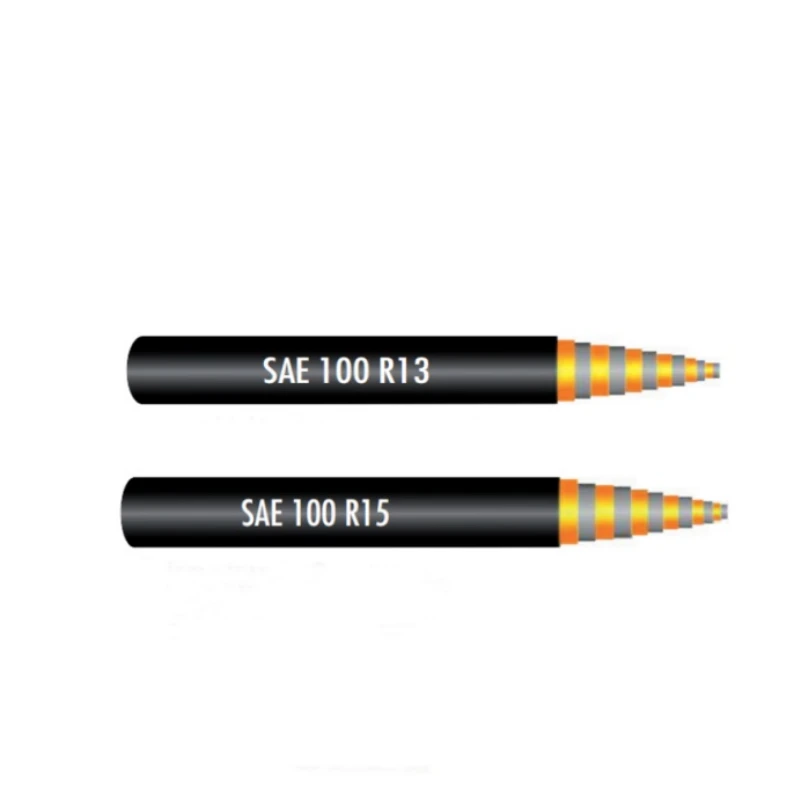
Heavy Duty Multi-layer Steel Wire Reinforced Hydraulic Hose SAE100R13 SAE100R15


