

Jan . 06, 2026 09:30 Back to list
Reliable Hydraulic Hose Repairs | Trusted Industrial Solutions
Hydraulic Hose Repairs: Insights from the Industrial Trenches
If you've ever worked around heavy machinery or industrial setups, you know that hydraulic hoses are the unsung heroes keeping everything moving smoothly — until they’re not. Hydraulic hose repairs can be straightforward, but with years spent in the field, I’ve come to appreciate the nuances behind them. There’s more than just swapping out a worn hose; it’s about understanding materials, safety standards, and—frankly—working smart to reduce downtime.
One thing I noticed early on is that not all hoses are created equal. Depending on the application—whether it’s mining, agriculture, or manufacturing—the hose specs can vary wildly. As a rule of thumb, the quality of the hose’s reinforcement layers and the compatibility of inner tube materials with the fluids being pumped are critical. You don’t want to patch a hose only to have it fail in a few weeks because the materials weren’t right for your oil or fluid type.
Speaking of specifications, here’s a quick rundown of typical hose specs that matter most when considering repairs or replacements:
| Specification | Common Range | Notes |
|---|---|---|
| Inner Tube Material | Nitrile, EPDM, PVC | Depends on fluid compatibility |
| Reinforcement | Textile, Steel Wire Spiral | Affects pressure rating & flex |
| Operating Pressure | 3000 to 6000 PSI | Match with equipment specs |
| Temperature Range | -40°F to 212°F (-40°C to 100°C) | Check extremes on site |
| Hose Length | Varies (customizable) | Always measure installed length |
In my experience, the real difference-maker is the vendor you choose for these hoses and repair kits. I once had a situation where a cheaper, off-brand hose failed spectacularly mid-shift, leaking hydraulic fluid everywhere and delaying a project by almost a day. Lesson learned: sometimes it's worth paying a bit more to get reliable parts.
To help you weigh options, here’s a quick vendor comparison highlighting some typical traits and what you might expect from each:
| Vendor | Product Quality | Customization Options | Lead Time | Price Range |
|---|---|---|---|---|
| Vendor A | High (ISO certified) | Extensive | 1–2 weeks | $$$ |
| Vendor B | Medium | Limited | 3–5 days | $$ |
| Vendor C (our pick) | High | Custom lengths & fittings | 2–3 days | $$$ |
Oddly enough, it’s often not the biggest or most expensive supplier that comes through fastest, but the vendor with strong communication and willingness to tailor parts quickly. It’s also wise to keep an eye on the testing methods vendors use. Pressure testing to standards like SAE J1942 can save you from early failures, and honestly, you want proof that a hose can last under real-world conditions before committing.
One memorable repair job was at a construction site with limited downtime tolerance. We had to source a hydraulic hose repair kit in a jiffy. The right hose replacement, paired with a solid crimp and quality fittings, kept the operation humming without further delay. It felt good having the right supplier and materials on hand — you know, it’s kind of like having a trusty toolkit that never lets you down.
Summing up, hydraulic hose repairs demand a blend of technical know-how, good supplier relationships, and an eye for quality. Skimp here, and you risk leaks, machine downtime, or worse, safety hazards.
Thanks for sticking with me through this—hydraulics may not be the flashiest field, but when the gears grind and the hoses hold, it all makes sense. And if you’re in need of dependable parts, I’d say look closely at suppliers who back their products and take customization seriously. That’s where the real value lies.
References:
- SAE J1942 - Test methods for hydraulic hose standards
- Industry reports on hose failures and downtime impact (2022)
- JYhose product literature and quality certifications
Latest News
Steel Wire Reinforced Hydraulic Hose SAE 100 R1 / EN853 1SN S
NewsOct.17,2024
Two Layers Steel Wire Reinforced Hydraulic Hose SAE 100 R2 / EN853 2SN
NewsSep.03,2024
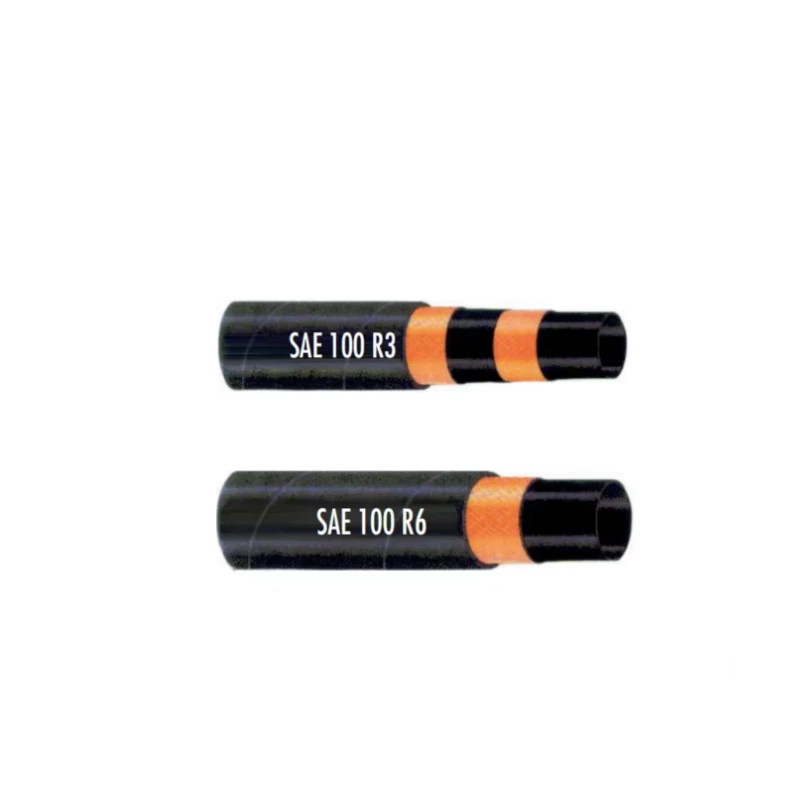
Textile Braid Reinforced Hydraulic Hose SAE100 R3+R6
NewsSep.03,2024
Textile Reinforced Hydraulic oil Suction Hose with embedded Steel Wire SAE 100 R4
NewsSep.03,2024
Single Wire Braid and Textile Covered Hydraulic Hose SAE 100 R5
NewsSep.03,2024
High Pressure Thermoplastic Hydraulic Hose SAE 100 R7 / EN855 R7 - SAE 100 R8 / EN855 R8
NewsSep.03,2024
Heavy Duty Four-layer Steel Wire Spiral Reinforced Hydraulic Hose SAE100R9+R10+R12
NewsSep.03,2024
Heavy Duty Multi-layer Steel Wire Reinforced Hydraulic Hose SAE100R13 SAE100R15
NewsSep.03,2024
Latest Products
-
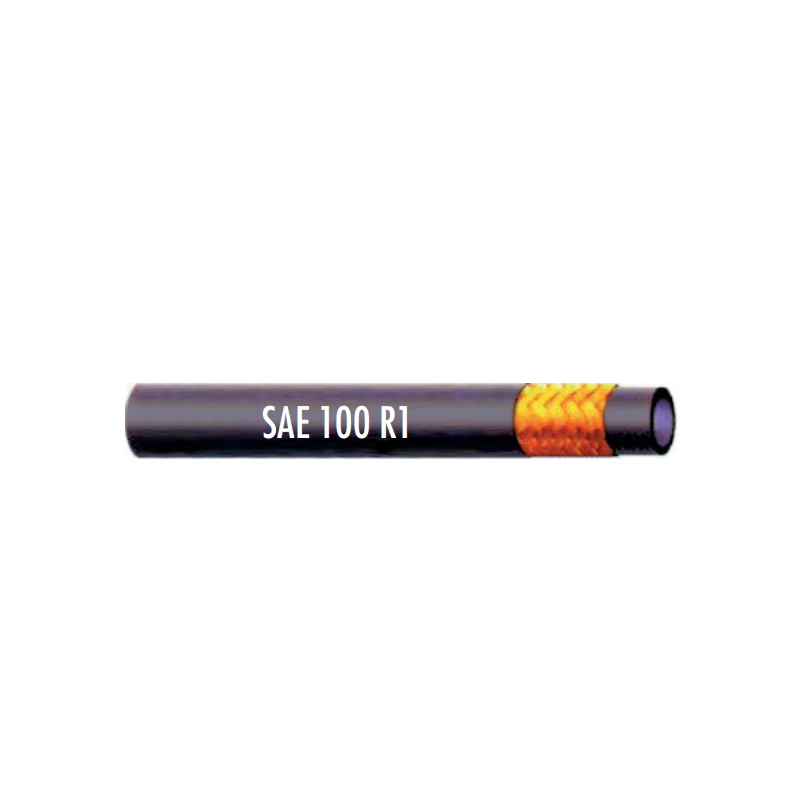
Steel Wire Reinforced Hydraulic Hose SAE 100 R1 / EN853 1SN S
-
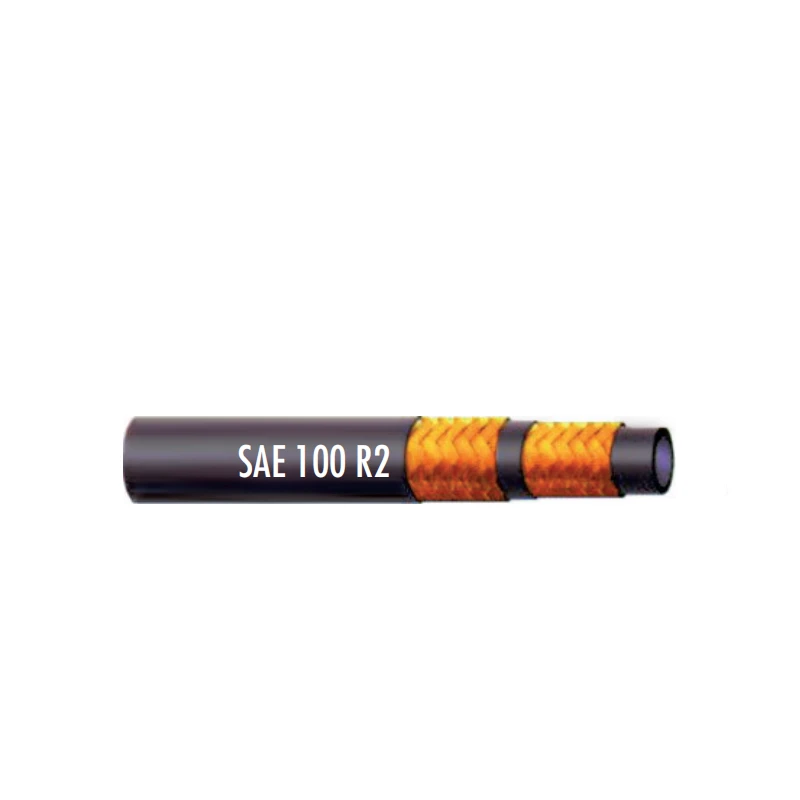
Two Layers Steel Wire Reinforced Hydraulic Hose SAE 100 R2 / EN853 2SN
-
-
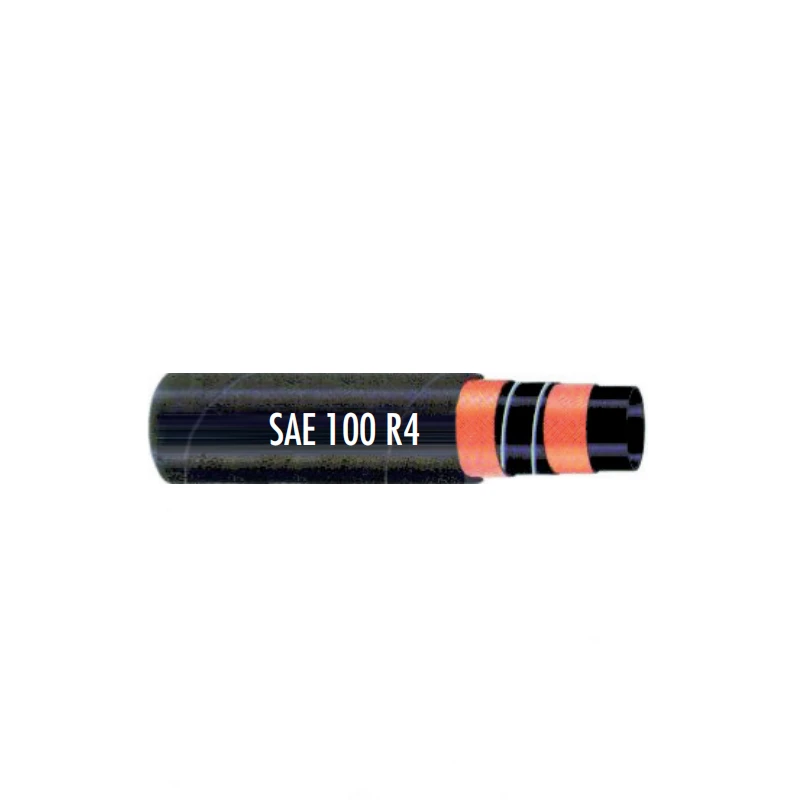
Textile Reinforced Hydraulic oil Suction Hose with embedded Steel Wire SAE 100 R4
-
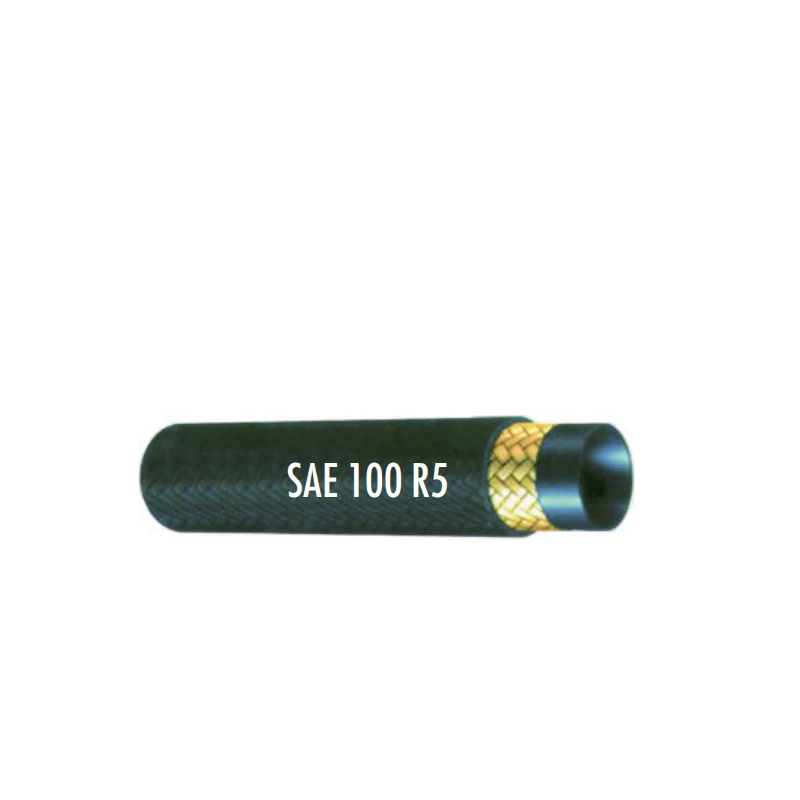
Single Wire Braid and Textile Covered Hydraulic Hose SAE 100 R5
-
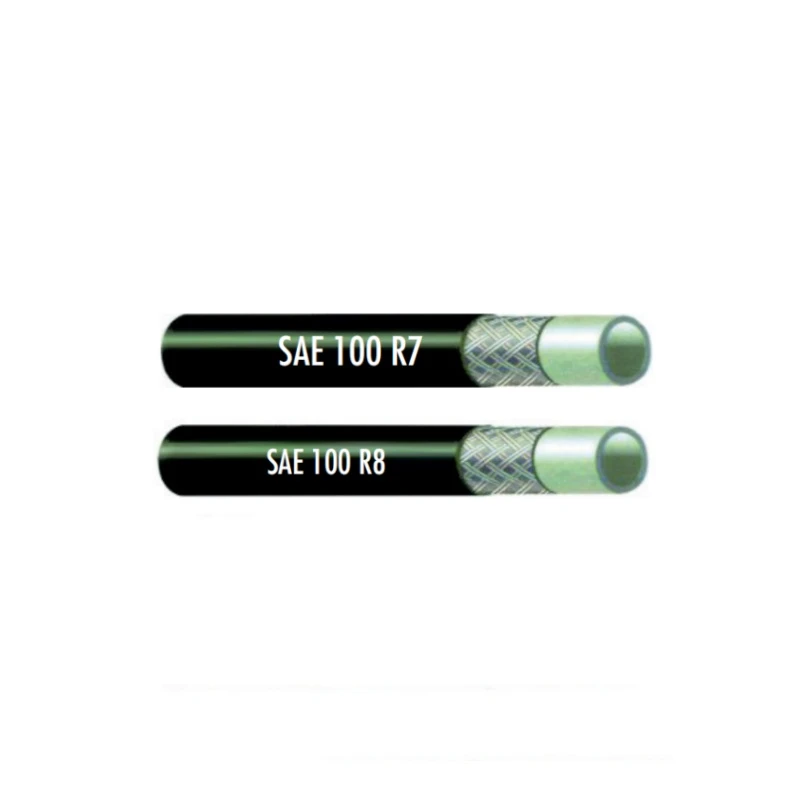
High Pressure Thermoplastic Hydraulic Hose SAE 100 R7 / EN855 R7 - SAE 100 R8 / EN855 R8
-
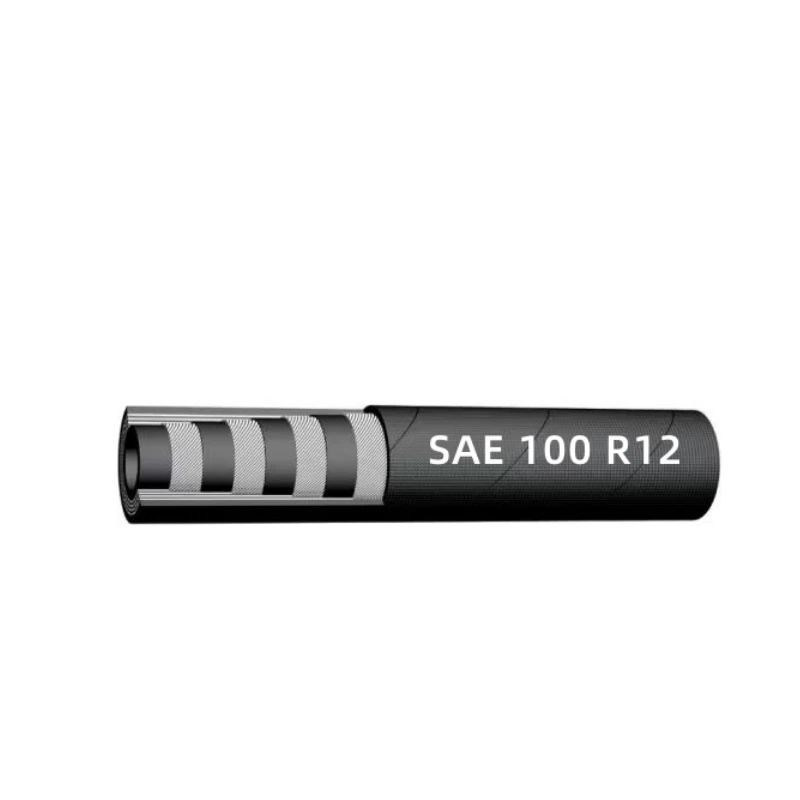
Heavy Duty Four-layer Steel Wire Spiral Reinforced Hydraulic Hose SAE100R9+R10+R12
-
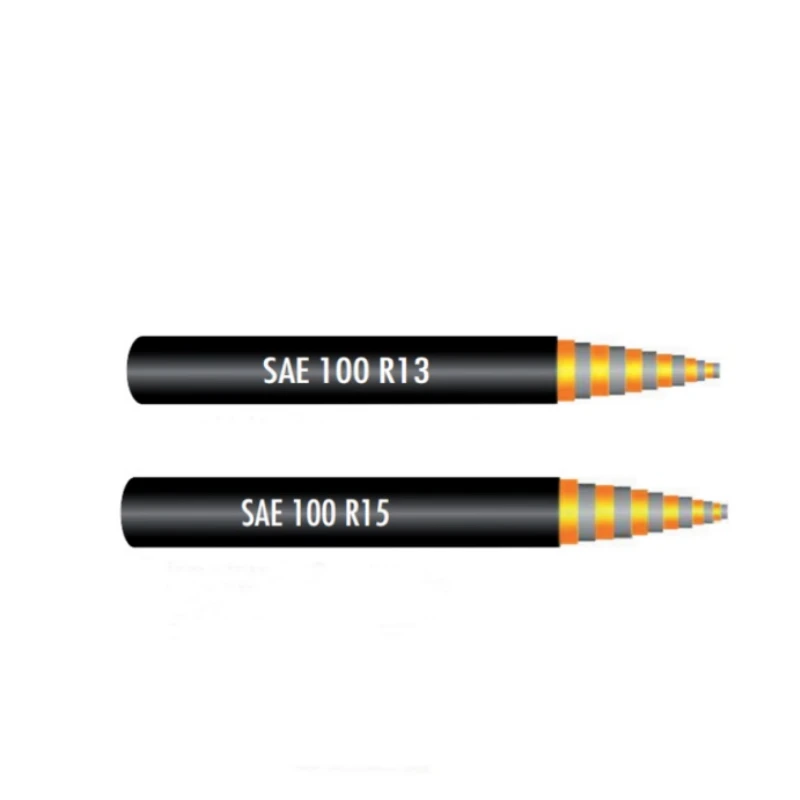
Heavy Duty Multi-layer Steel Wire Reinforced Hydraulic Hose SAE100R13 SAE100R15


