

Nov . 24, 2025 15:08 Back to list
Reliable Inlet Hose Solutions for Industrial Equipment
Why the Right Inlet Hose Matters More Than You Think
Having spent years in the nitty-gritty of industrial equipment maintenance, I've seen my fair share of hoses — some that could probably outlast a diesel engine’s lifetime and others that, frankly, left me wondering how they even passed initial inspection. The inlet hose might sound like one of those mundane parts nobody gives a second thought to, but in real terms, it’s the lifeline feeding your machinery with whatever fluid or gas it needs.
Oddly enough, the performance and longevity often hinge on selecting the right materials, having a flexible yet resilient design, and the quality of manufacturing standards. It's not just rubber and clamps — it’s about how well the hose adapts to pressure changes, temperature swings, and sometimes downright harsh chemicals.
Design and Materials: What Makes an Inlet Hose Tick
Many engineers I know tend to favor hoses with multilayered constructions: a tough inner tube, braided reinforcements, and protective outer layers to resist abrasion or UV exposure. I remember one project where a customer needed a hose that could handle extremely high pressures without kinking — a braided stainless steel hose with PTFE lining did the trick.
The selection of materials largely dictates flexibility. Some applications need hoses that can bend around tight corners without stressing the connectors. Others require chemical resistance because the fluids passing through are... well, corrosive to say the least.
A Snapshot of Typical Inlet Hose Specifications
| Specification | Typical Range | Notes |
|---|---|---|
| Inner Diameter | 6mm to 150mm | Depends on flow rate needed |
| Pressure Rating | 5 to 50 bar (or higher custom) | Critical for safety and longevity |
| Temperature Range | -40°C to +150°C | Material specific, some reach 200°C |
| Material | Rubber, PVC, PTFE, Stainless Steel | Often multilayered |
| Length | Custom, typically 1–10 meters | Tailored for each setup |
Choosing the Best Supplier: Comparing Key Vendors
| Vendor | Product Range | Customization Options | Quality Certifications | Lead Time |
|---|---|---|---|---|
| JyHose | Wide (Rubber, PVC, PTFE) | Full custom specs | ISO 9001, CE | 2-3 weeks |
| Vendor B | Medium (Rubber, PVC) | Limited options | ISO 9001 | 4-6 weeks |
| Vendor C | Niche (Specialty materials) | Highly customizable | CE, RoHS | 3-5 weeks |
A Real-World Takeaway
I recall one factory retrofit where the inlet hoses were constantly failing due to underestimated operating pressures and poor chemical resistance. Switching to a high-grade multilayer inlet hose from a vendor with solid quality certifications changed the game entirely. Downtime slashed, maintenance crews happier — you get the picture.
In a line as crucial as the inlet flow, skimping isn’t an option. If you want durability, reliability, and flexibility, the right hose — carefully specified and professionally sourced — makes all the difference. It feels like a small part but plays a starring role.
Thanks for joining me in this hose talk. Hopefully, it’s saved you some hassle or at least added something to your industrial toolkit.
References & Reflections:
- Industrial Hose Handbook, 7th Edition, 2022
- Conversations with maintenance engineers at regional factories, 2018–2023
- JyHose product specs & certifications, official website (2024)
Latest News
Steel Wire Reinforced Hydraulic Hose SAE 100 R1 / EN853 1SN S
NewsOct.17,2024
Two Layers Steel Wire Reinforced Hydraulic Hose SAE 100 R2 / EN853 2SN
NewsSep.03,2024
Textile Braid Reinforced Hydraulic Hose SAE100 R3+R6
NewsSep.03,2024
Textile Reinforced Hydraulic oil Suction Hose with embedded Steel Wire SAE 100 R4
NewsSep.03,2024
Single Wire Braid and Textile Covered Hydraulic Hose SAE 100 R5
NewsSep.03,2024
High Pressure Thermoplastic Hydraulic Hose SAE 100 R7 / EN855 R7 - SAE 100 R8 / EN855 R8
NewsSep.03,2024
Heavy Duty Four-layer Steel Wire Spiral Reinforced Hydraulic Hose SAE100R9+R10+R12
NewsSep.03,2024
Heavy Duty Multi-layer Steel Wire Reinforced Hydraulic Hose SAE100R13 SAE100R15
NewsSep.03,2024
Latest Products
-
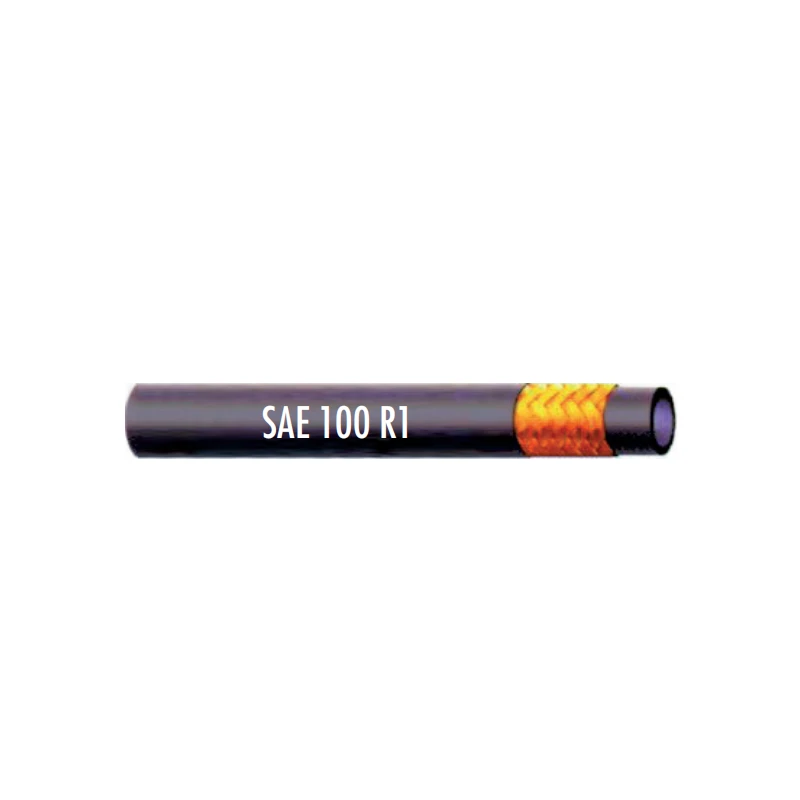
Steel Wire Reinforced Hydraulic Hose SAE 100 R1 / EN853 1SN S
-
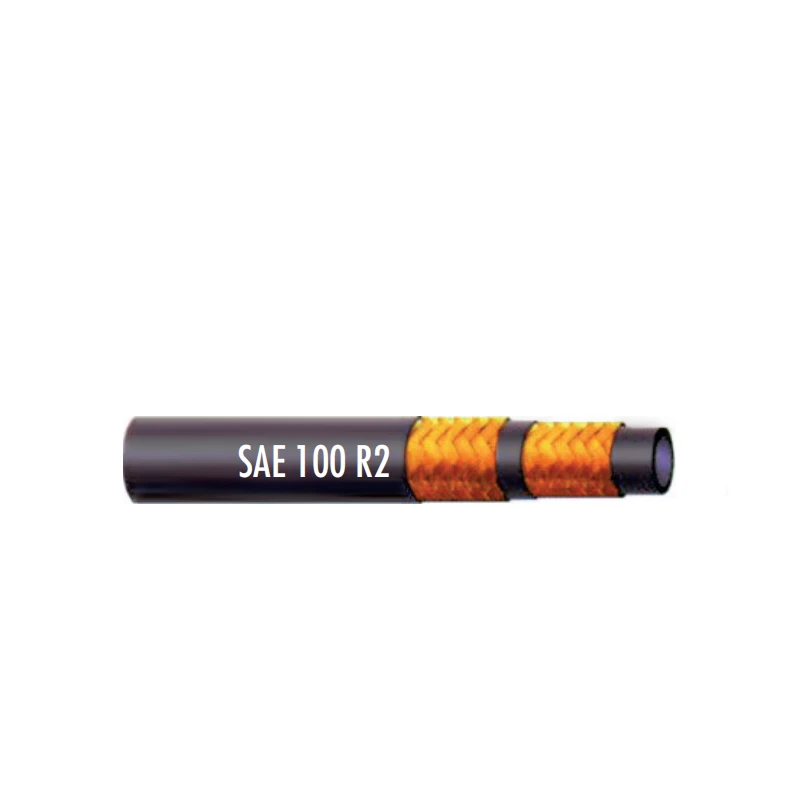
Two Layers Steel Wire Reinforced Hydraulic Hose SAE 100 R2 / EN853 2SN
-
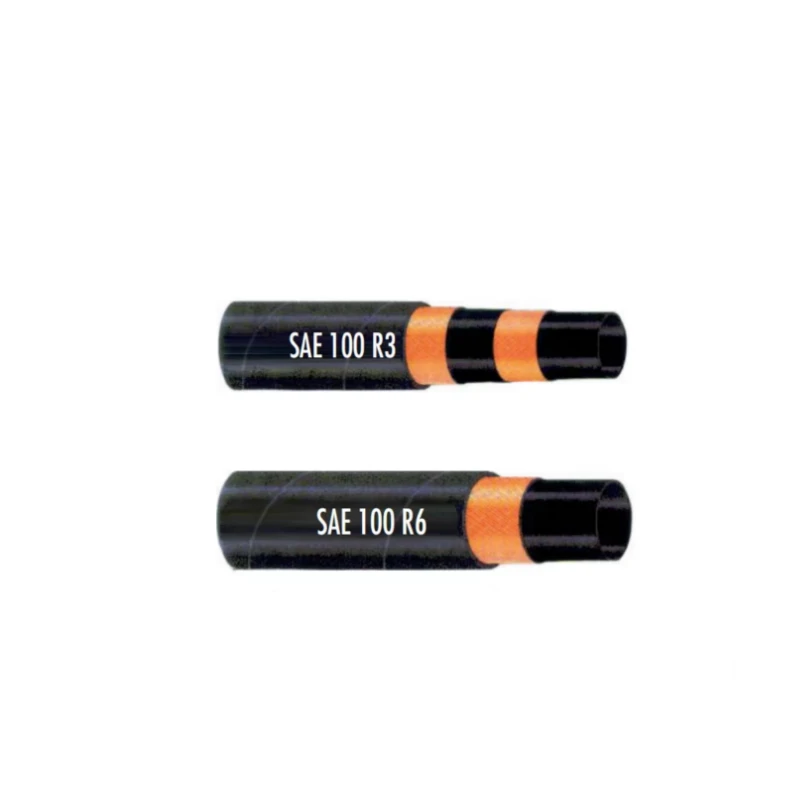
-
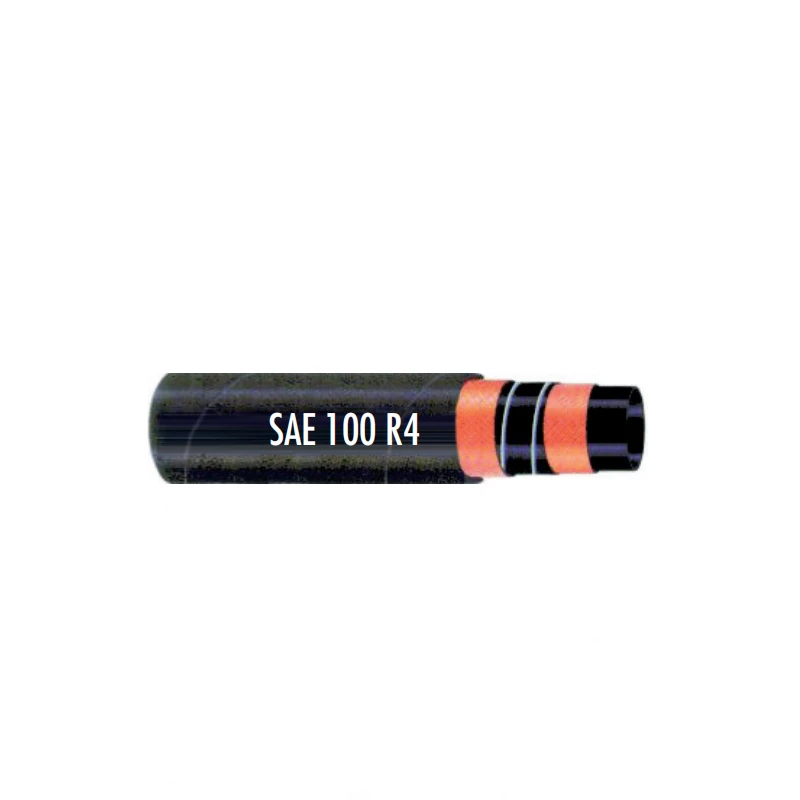
Textile Reinforced Hydraulic oil Suction Hose with embedded Steel Wire SAE 100 R4
-
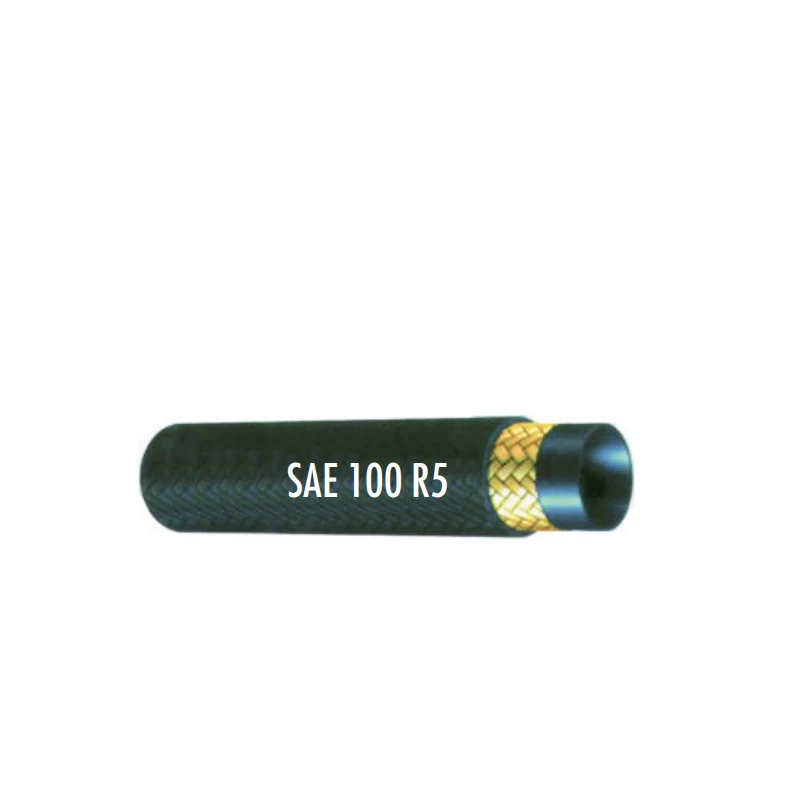
Single Wire Braid and Textile Covered Hydraulic Hose SAE 100 R5
-
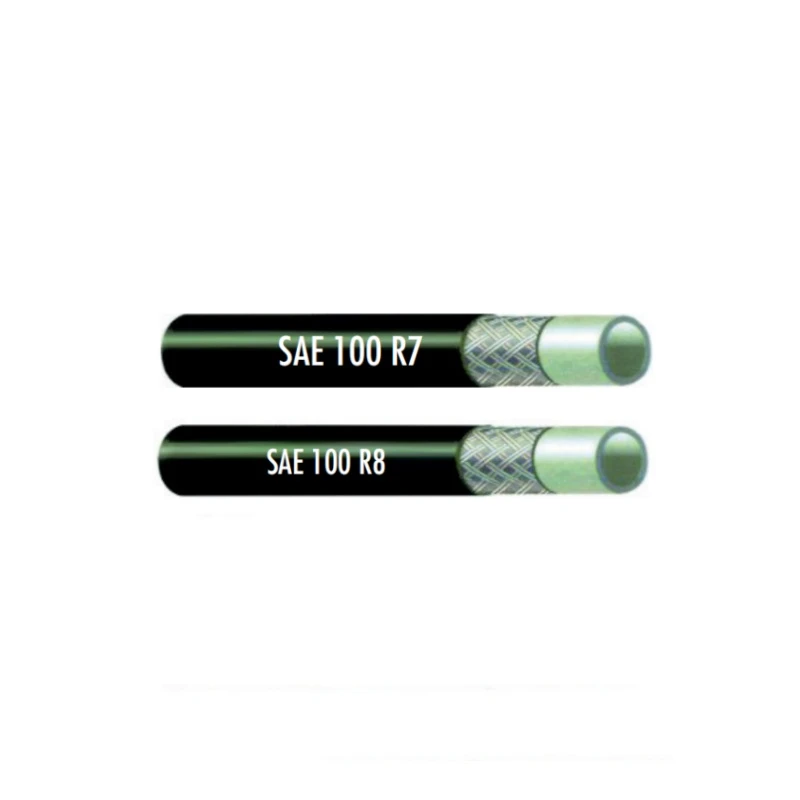
High Pressure Thermoplastic Hydraulic Hose SAE 100 R7 / EN855 R7 - SAE 100 R8 / EN855 R8
-
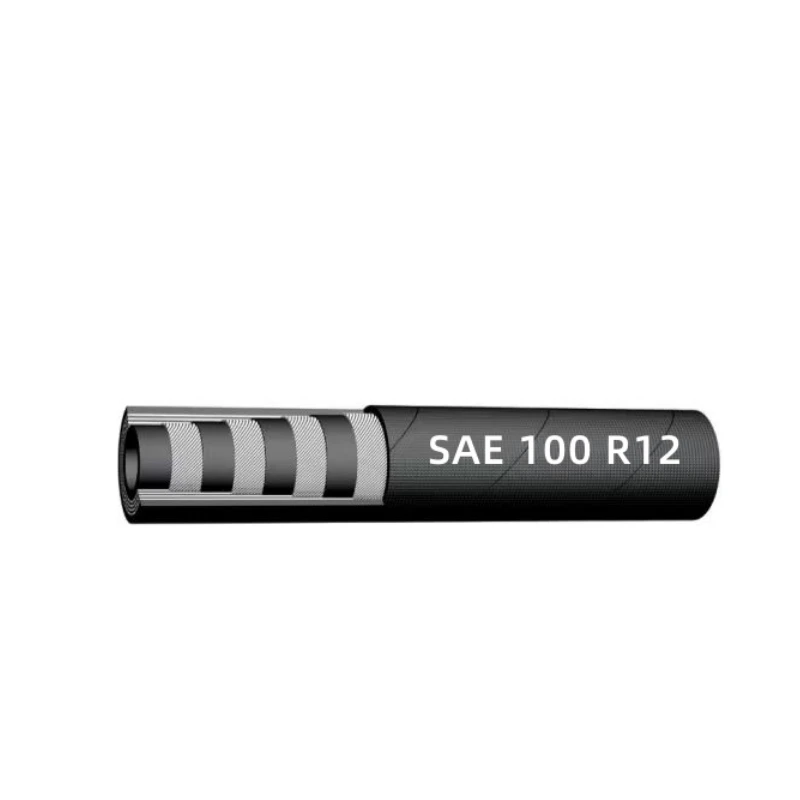
Heavy Duty Four-layer Steel Wire Spiral Reinforced Hydraulic Hose SAE100R9+R10+R12
-
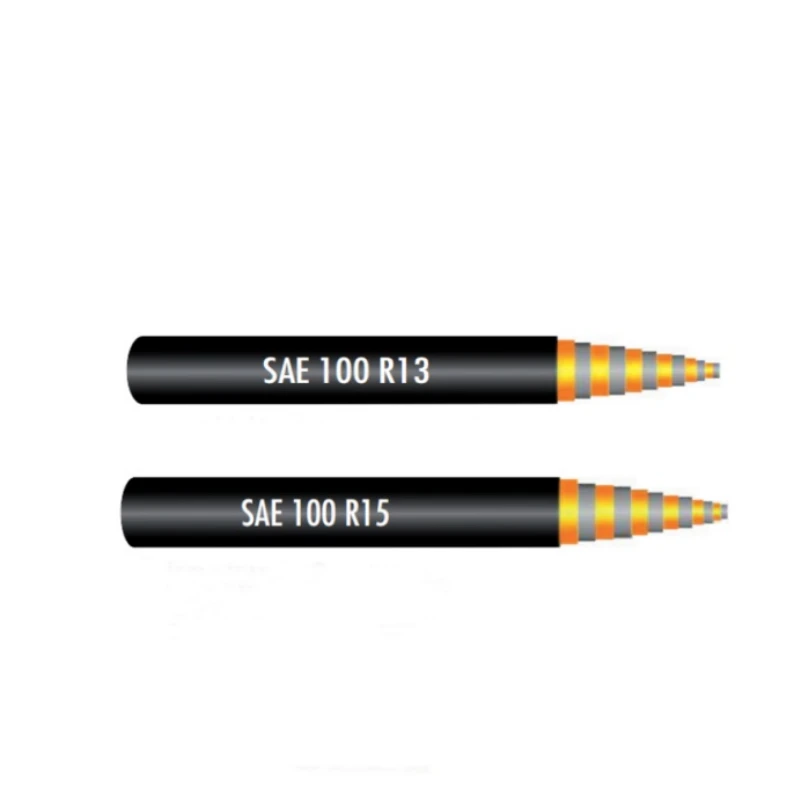
Heavy Duty Multi-layer Steel Wire Reinforced Hydraulic Hose SAE100R13 SAE100R15


