

Apr . 04, 2026 02:25 Back to list
Find High Quality Rubber Pipes for Sale and Expert Guidance
Rubber Pipes for Sale: Your Comprehensive Guide
When sourcing rubber pipes for industrial, agricultural, or commercial applications, finding a reliable supplier is crucial. This article provides a detailed overview of rubber pipes, their diverse applications, key considerations when purchasing, and why JY Hose stands out as a leading provider. We'll cover everything from materials and specifications to ensuring you get the right pipe for your specific needs. Choosing the right rubber pipe can significantly impact efficiency and safety in your operations.
Understanding the Different Types of Rubber Pipes
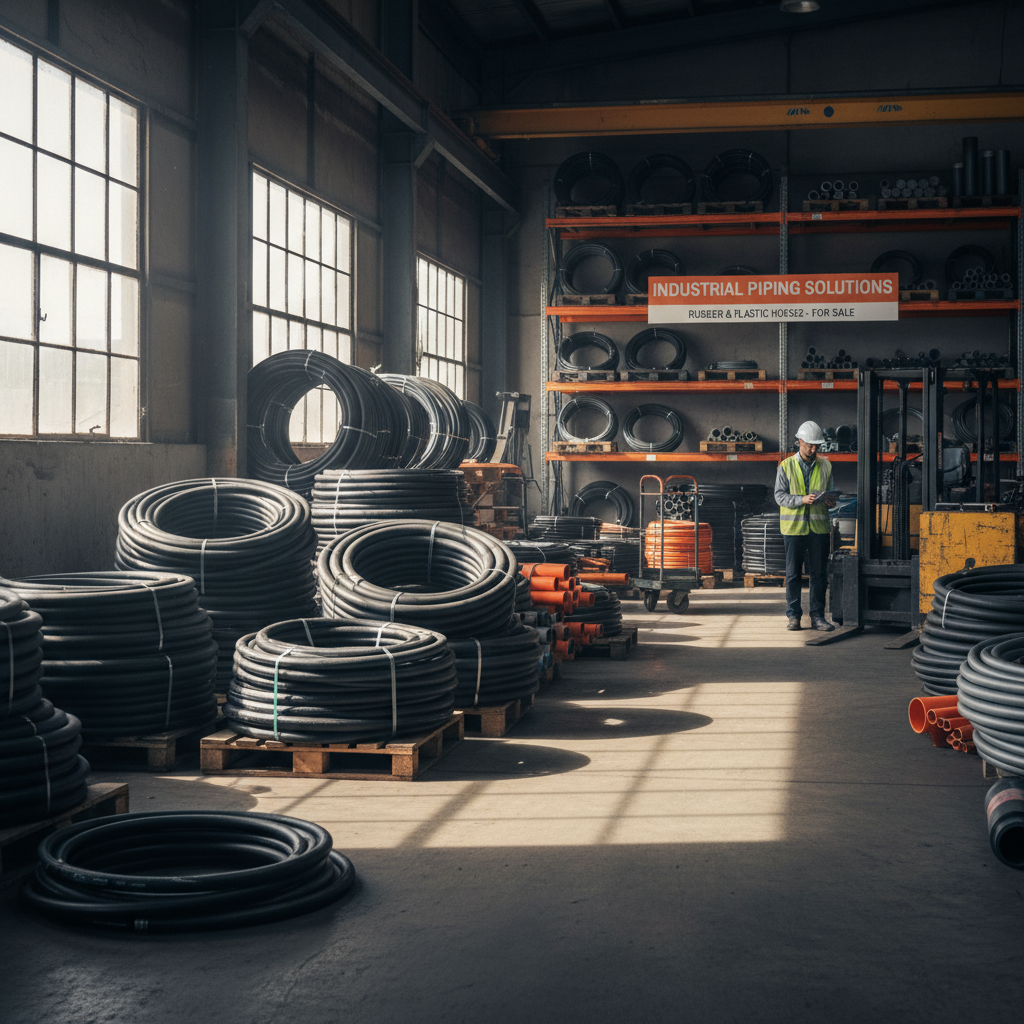
Rubber pipes aren't one-size-fits-all. They come in various materials, each with unique properties suited for specific applications. Common types include Natural Rubber, SBR (Styrene-Butadiene Rubber), EPDM (Ethylene Propylene Diene Monomer), and NBR (Nitrile Butadiene Rubber). Natural rubber offers excellent elasticity and abrasion resistance, while SBR provides good resistance to water and weathering. EPDM excels in outdoor applications due to its resistance to ozone, UV radiation, and heat. NBR is ideal for applications involving oils and fuels. Selecting the right material is crucial for ensuring longevity and performance.
Key Takeaway: The choice of rubber material should align with the specific fluid or substance the pipe will be conveying, as well as the environmental conditions it will be exposed to.
Applications of Rubber Pipes
Rubber pipes serve a wide array of industries and applications. In agriculture, they are commonly used for irrigation and water transfer. Industrial settings utilize them for conveying chemicals, abrasive slurries, and compressed air. Construction projects rely on them for dewatering and material handling. Furthermore, rubber pipes are essential in the food and beverage industry for transferring liquids and in the mining sector for transporting solids. Understanding these varied uses highlights the importance of choosing the right specifications.
Common Applications:
• Agricultural Irrigation
• Industrial Chemical Transfer
• Construction Dewatering
• Food and Beverage Processing
Rubber Pipes for Sale: Key Specifications to Consider
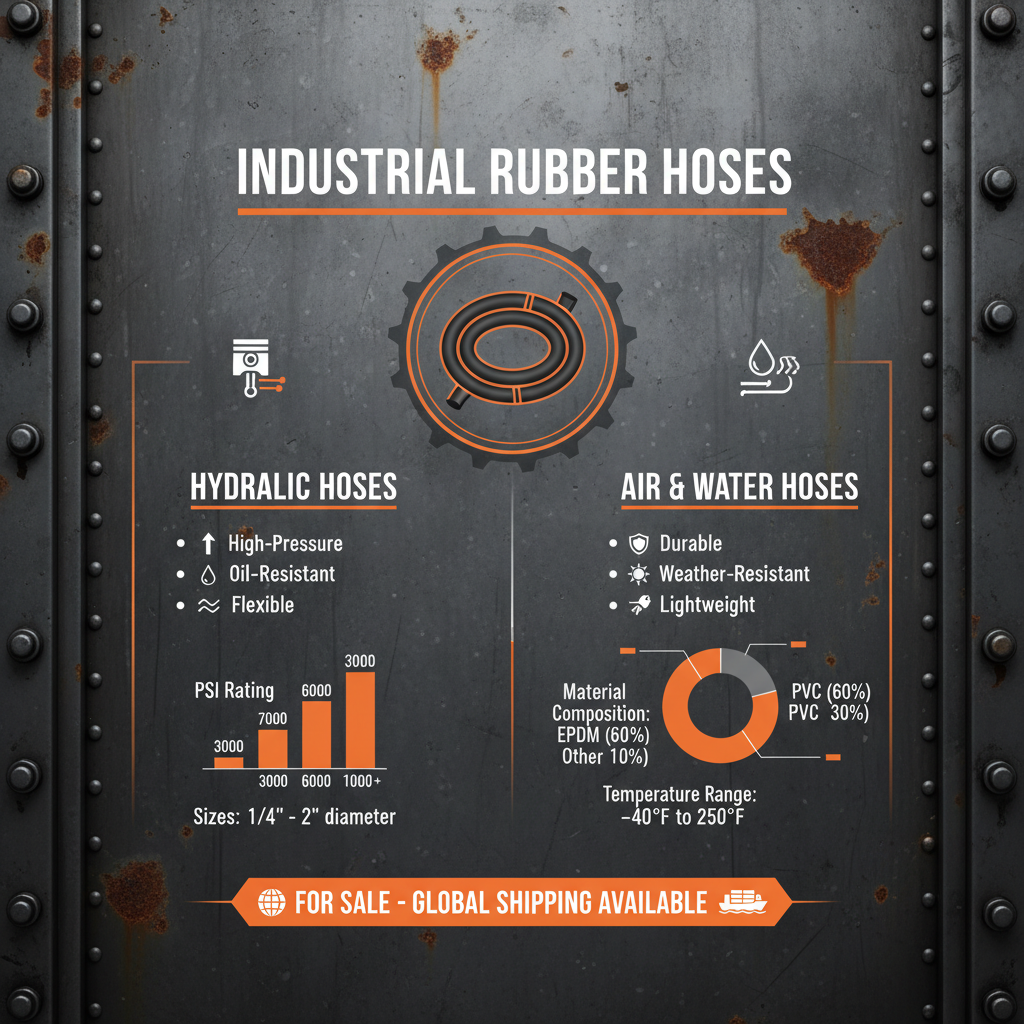
When purchasing rubber pipes, several specifications are paramount. These include diameter, pressure rating, temperature range, and reinforcement type (e.g., textile braid, steel wire helix). Diameter determines the flow rate, while pressure rating indicates the maximum pressure the pipe can withstand. The temperature range defines the operating limits, and reinforcement adds strength and prevents bursting. It’s critical to consult with a supplier like JY Hose to determine the optimal specifications for your application.
Why Choose JY Hose for Your Rubber Pipe Needs?
JY Hose is a leading manufacturer and supplier of high-quality rubber pipes. We offer a wide range of materials and specifications to meet diverse application requirements. Our commitment to quality, competitive pricing, and excellent customer service sets us apart. We also provide customized solutions to address unique challenges. With a global reach, we can efficiently serve customers worldwide.
Ensuring Longevity and Proper Maintenance of Rubber Pipes
To maximize the lifespan of your rubber pipes, proper maintenance is essential. Avoid exceeding the pressure and temperature limits specified by the manufacturer. Protect the pipes from direct sunlight, ozone exposure, and harsh chemicals. Regularly inspect for cracks, abrasions, and leaks. Proper storage when not in use is also crucial. Implementing these simple practices will significantly extend the life of your investment. Contact JY Hose for expert advice on maintaining your rubber pipe systems.
Conclusion: Partner with JY Hose for Reliable Rubber Pipe Solutions
Choosing the right rubber pipes is a critical decision for many industries. JY Hose provides the expertise, quality products, and dedicated support you need to ensure success. From initial consultation to ongoing maintenance, we are committed to delivering superior value. Don't settle for less – choose JY Hose for your rubber pipe requirements.
Frequently Asked Questions (FAQs)
What is the typical lifespan of a rubber pipe?
The lifespan of a rubber pipe depends heavily on the application, operating conditions, and the quality of the material. Generally, a properly maintained rubber pipe can last between 5 to 10 years. However, exposure to extreme temperatures, corrosive chemicals, or high pressures can significantly shorten its lifespan. Regular inspections are vital to identify signs of wear and tear, such as cracks, swelling, or loss of elasticity. JY Hose offers a range of durable rubber pipes designed for longevity, even in challenging environments.
How do I determine the correct diameter of rubber pipe for my application?
Determining the correct diameter involves calculating the required flow rate and considering the fluid's viscosity. A larger diameter allows for higher flow rates but can also increase costs. Using a pipe that’s too small will create excessive friction and reduce efficiency. It’s recommended to consult with a fluid dynamics expert or a supplier like JY Hose. We can provide guidance based on your specific needs and ensure you select the optimal diameter for your application. Providing details about the fluid, flow rate, and distance will allow for a precise calculation.
Are rubber pipes suitable for potable water applications?
Not all rubber pipes are suitable for potable water. It’s crucial to choose pipes specifically designed and certified for drinking water applications. These pipes are manufactured using materials that comply with relevant health and safety standards (e.g., NSF/ANSI 61). JY Hose offers a range of rubber pipes that meet these requirements, ensuring the water remains safe and uncontaminated. Always verify the certifications before using a rubber pipe for potable water.
What is the benefit of reinforced rubber pipes?
Reinforcement, typically with textile braid or steel wire helix, significantly enhances the pressure handling capabilities and burst strength of rubber pipes. This is especially important for applications involving high pressures or pulsating flows. Reinforced pipes are less prone to failure and provide a longer service life. JY Hose offers a variety of reinforced rubber pipe options to meet demanding application requirements. The type of reinforcement chosen depends on the specific pressure and temperature needs.
Latest News
Steel Wire Reinforced Hydraulic Hose SAE 100 R1 / EN853 1SN S
NewsOct.17,2024
Two Layers Steel Wire Reinforced Hydraulic Hose SAE 100 R2 / EN853 2SN
NewsSep.03,2024
Textile Braid Reinforced Hydraulic Hose SAE100 R3+R6
NewsSep.03,2024
Textile Reinforced Hydraulic oil Suction Hose with embedded Steel Wire SAE 100 R4
NewsSep.03,2024
Single Wire Braid and Textile Covered Hydraulic Hose SAE 100 R5
NewsSep.03,2024
High Pressure Thermoplastic Hydraulic Hose SAE 100 R7 / EN855 R7 - SAE 100 R8 / EN855 R8
NewsSep.03,2024
Heavy Duty Four-layer Steel Wire Spiral Reinforced Hydraulic Hose SAE100R9+R10+R12
NewsSep.03,2024
Heavy Duty Multi-layer Steel Wire Reinforced Hydraulic Hose SAE100R13 SAE100R15
NewsSep.03,2024
Latest Products
-
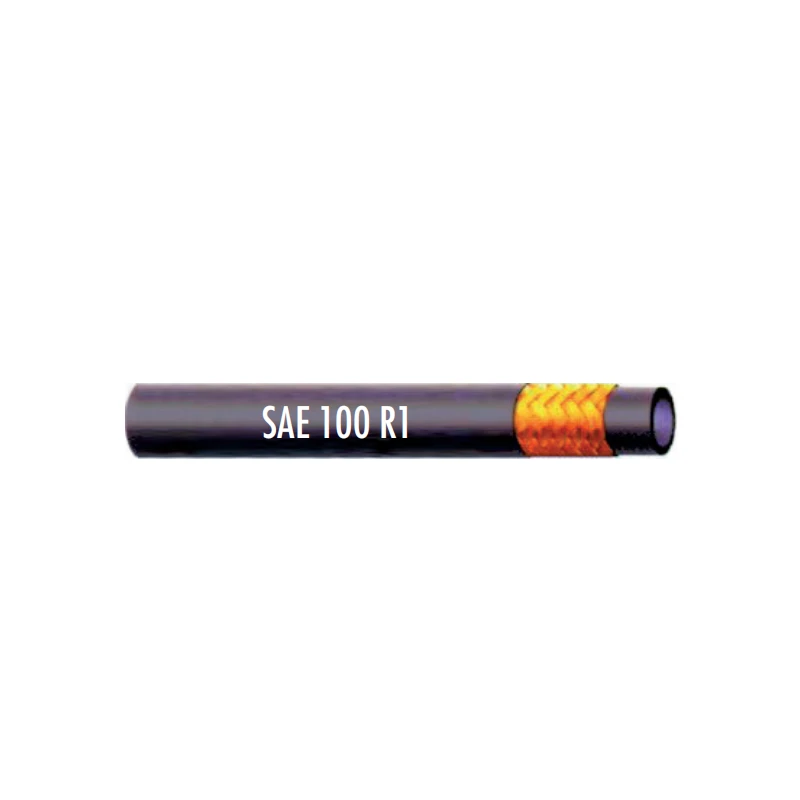
Steel Wire Reinforced Hydraulic Hose SAE 100 R1 / EN853 1SN S
-
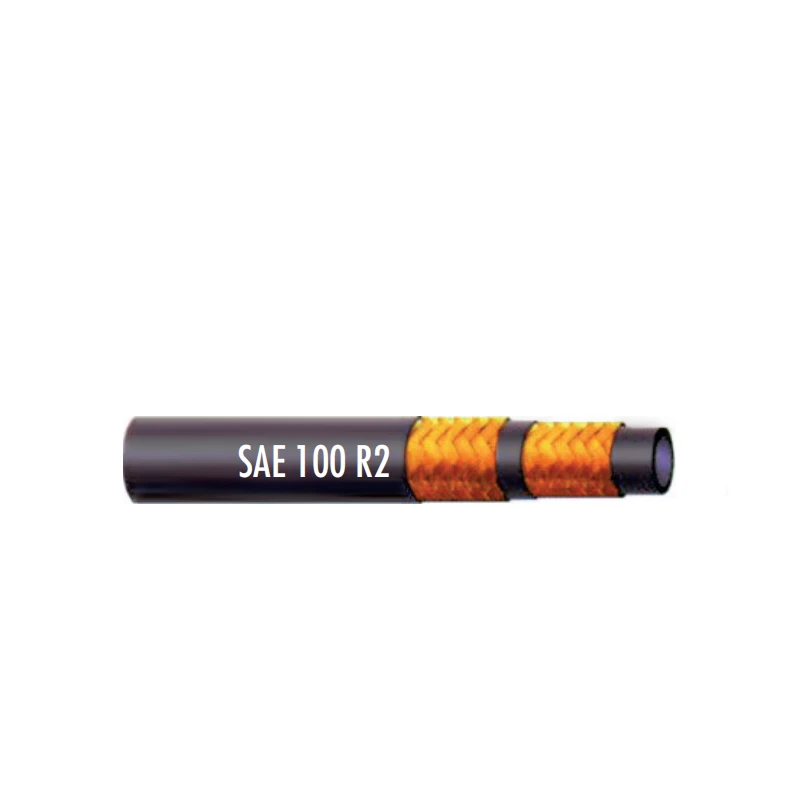
Two Layers Steel Wire Reinforced Hydraulic Hose SAE 100 R2 / EN853 2SN
-
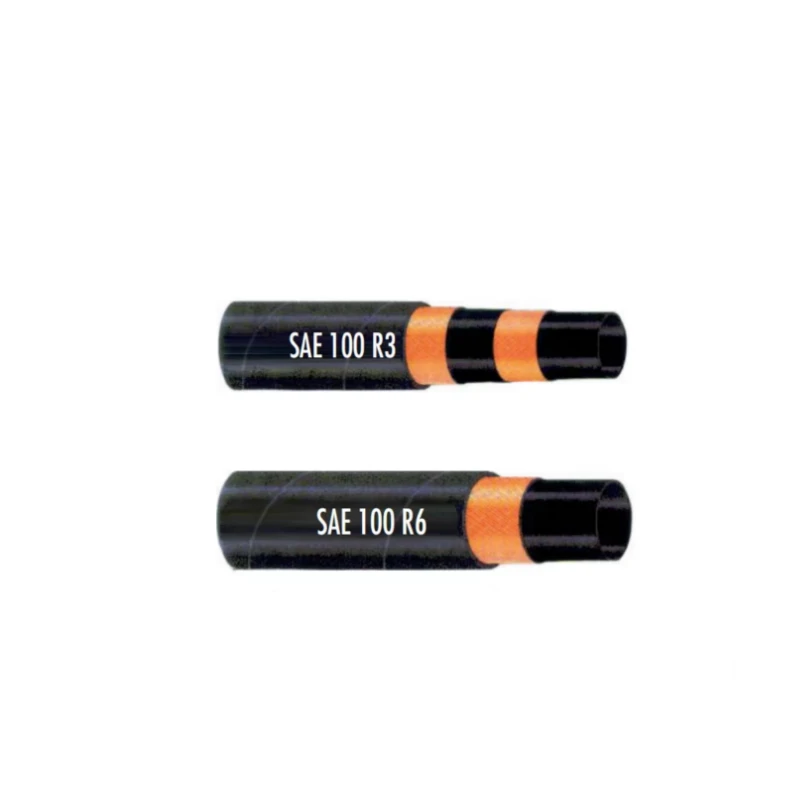
-
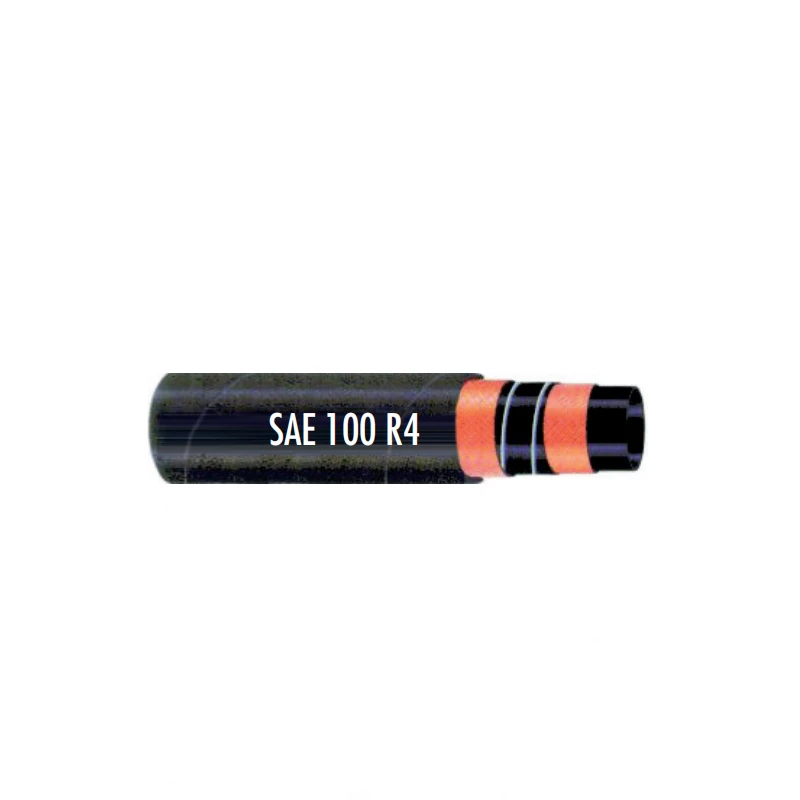
Textile Reinforced Hydraulic oil Suction Hose with embedded Steel Wire SAE 100 R4
-
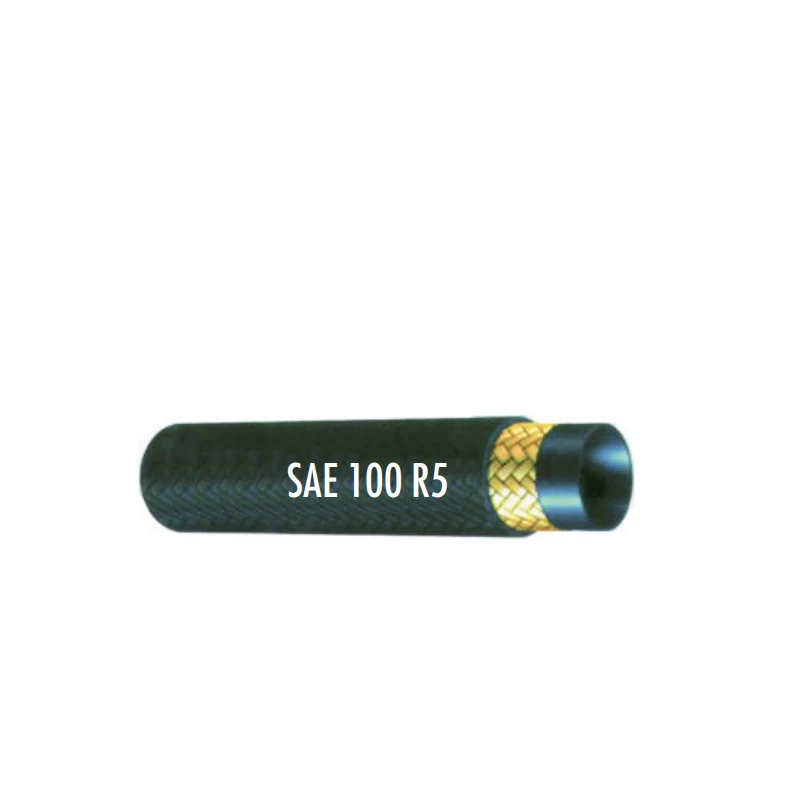
Single Wire Braid and Textile Covered Hydraulic Hose SAE 100 R5
-
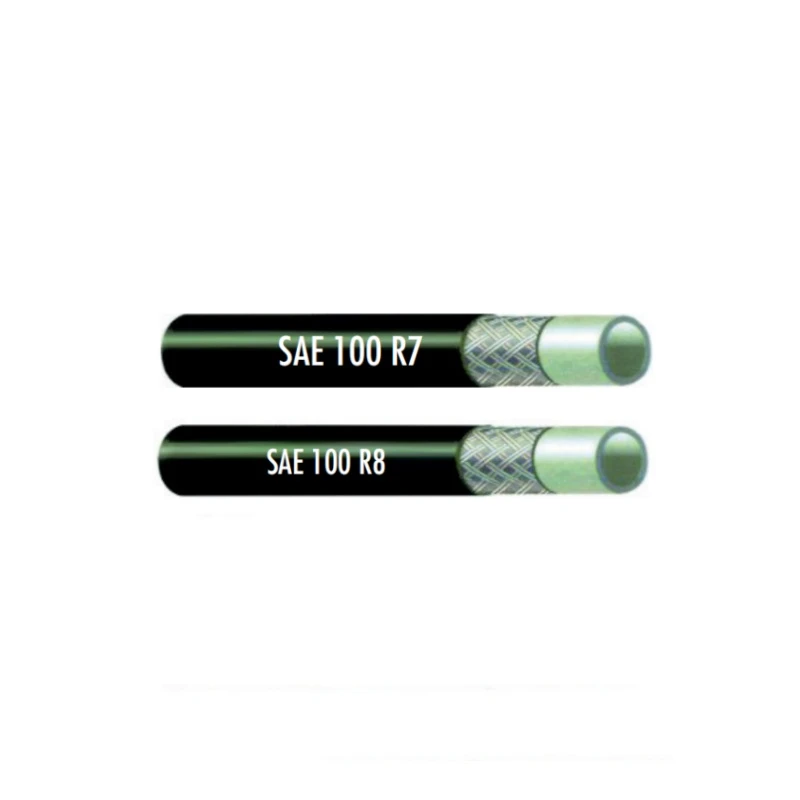
High Pressure Thermoplastic Hydraulic Hose SAE 100 R7 / EN855 R7 - SAE 100 R8 / EN855 R8
-
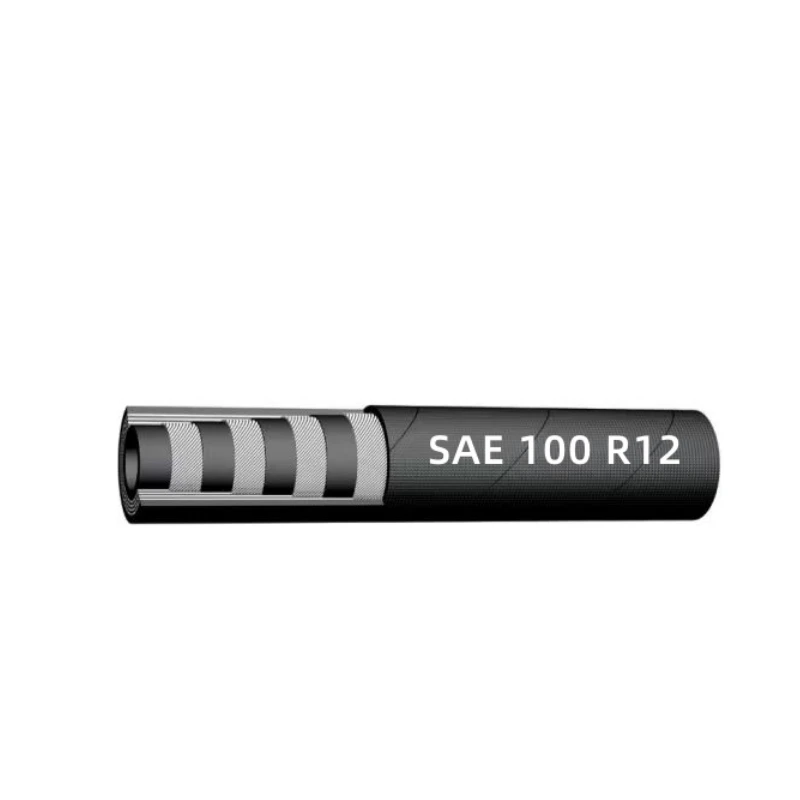
Heavy Duty Four-layer Steel Wire Spiral Reinforced Hydraulic Hose SAE100R9+R10+R12
-
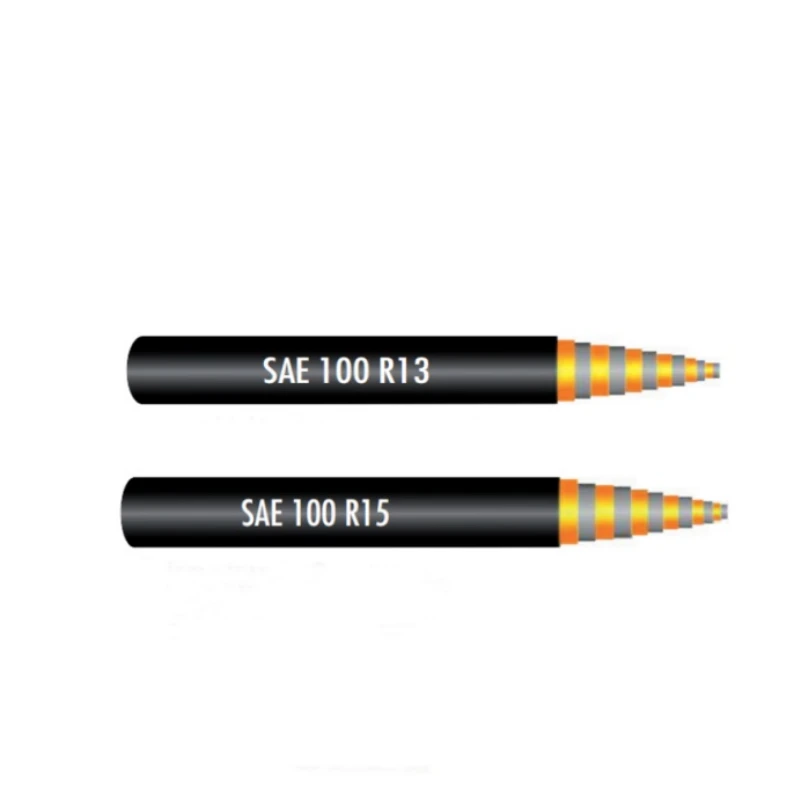
Heavy Duty Multi-layer Steel Wire Reinforced Hydraulic Hose SAE100R13 SAE100R15


