

Aug . 29, 2025 04:20 Back to list
Anti Static Vacuum Hose: Safe, Durable Dust & Ash Collection
The Critical Role of anti static vacuum hose in Industrial Safety and Efficiency
In industrial environments where the handling of combustible dusts, gases, or powders is commonplace, the risk of electrostatic discharge is a significant safety concern. An anti static vacuum hose is not merely a component; it is a critical safety device designed to mitigate this risk. By preventing the build-up of static electricity during the conveyance of materials, these specialized hoses ensure operational continuity and, more importantly, safeguard personnel and assets from potential explosions or fires. This comprehensive overview delves into the technical intricacies, application diversity, and strategic importance of advanced static-dissipating hose solutions.
Modern industrial operations demand materials that not only perform under extreme conditions but also adhere to stringent safety regulations. The choice of vacuum hose, including specific types like an ash vacuum hose or a carpet cleaning vacuum hose, must consider the conveyed material's properties and the operational environment. For sensitive or hazardous applications, a specialized black vacuum hose or blue vacuum hose with anti-static properties becomes indispensable, significantly enhancing the safety profile of the entire system.
Industry Trends and Market Dynamics for Industrial Hoses
The market for industrial hoses, particularly those with specialized properties like static dissipation, is experiencing robust growth driven by several key trends. Increasing automation in manufacturing, stricter environmental and safety regulations (e.g., ATEX directives, NFPA standards), and the continuous demand for enhanced operational efficiency are primary catalysts. There's a noticeable shift towards high-performance materials such as advanced polyurethanes (PU) and thermoplastics, which offer superior abrasion resistance, chemical compatibility, and longer service life compared to traditional rubber or PVC options. Furthermore, the push for sustainable practices is encouraging manufacturers to develop hoses with improved energy efficiency and recyclability. The integration of IoT sensors for real-time monitoring of hose integrity and performance represents an emerging trend, promising predictive maintenance capabilities and further reductions in downtime.
The demand for specialized vacuum hose solutions extends beyond standard applications. Industries are seeking big blue vacuum hoses for heavy-duty applications, cheap vacuum hose options for less critical tasks, and specific emission vacuum hose designs for environmental control systems, all while maintaining a strong focus on safety, particularly when combustible materials are present.
Manufacturing Process of an Anti Static Vacuum Hose
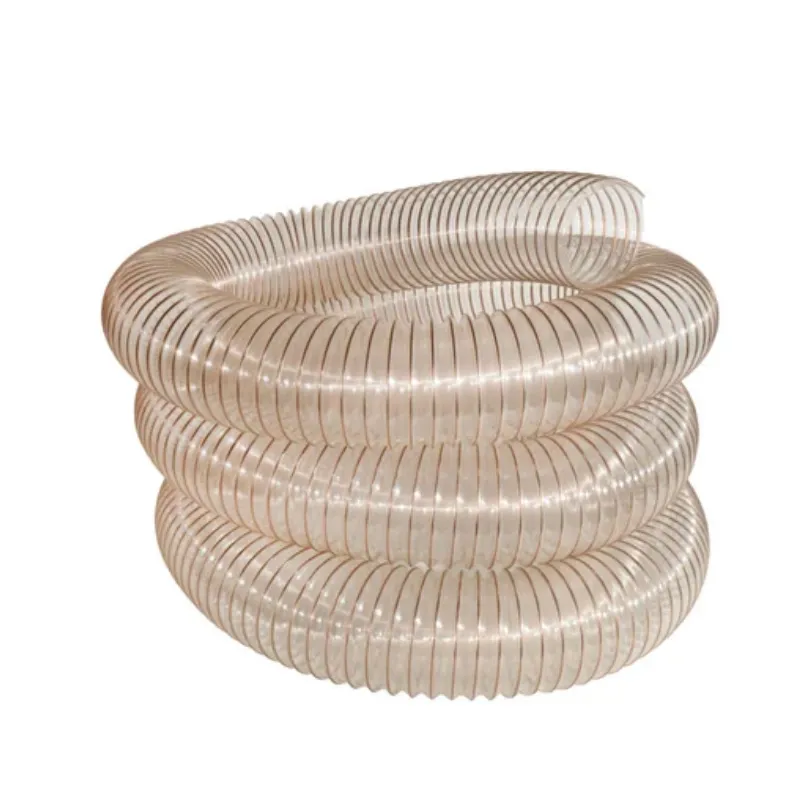
The production of a high-quality anti static vacuum hose is a sophisticated process, emphasizing material science and precision engineering. The core objective is to create a hose that combines excellent material conveyance properties with reliable static dissipation. Our PU Air Duct Hoses are exemplary of this advanced manufacturing.
Detailed Process Flow:
- Material Selection and Preparation: The primary material for many advanced static-dissipating hoses is Polyurethane (PU) due to its superior abrasion resistance, chemical resistance, and flexibility. Crucially, conductive additives (e.g., carbon black, conductive fillers) are precisely blended with the PU granules to achieve the desired surface resistivity (typically
- Extrusion of Hose Wall: The prepared PU compound is fed into an extruder. Through heat and pressure, it is melted and pushed through a die to form the continuous hose wall. This casting process ensures a consistent wall thickness and material distribution, which is vital for uniform anti-static properties and mechanical strength.
- Helix Integration (if applicable): For hoses requiring enhanced structural integrity and crush resistance, a steel wire helix is incorporated. This can be done either by co-extruding the wire into the hose wall or by winding it externally and then bonding it. The helix also serves as a robust grounding path when connected properly.
- Cooling and Shaping: The extruded hose is rapidly cooled in a water bath to stabilize its shape and material properties. This step is critical for maintaining dimensional accuracy and preventing deformation.
- Curing and Finishing: Depending on the PU formulation, the hose may undergo a curing process to achieve its final strength and flexibility. It is then cut to specified lengths.
- Testing and Quality Control: Each batch undergoes rigorous testing. Key standards include ISO 8031 for rubber and plastic hoses – methods of test for resistance to electrical conductivity, and sometimes DIN 26055-3 which specifies requirements for hoses used in potentially explosive atmospheres (ATEX compliant). Tests include surface resistivity measurement, burst pressure testing, vacuum resistance, abrasion resistance, and flexibility tests. This ensures every length of anti static vacuum hose meets its specified technical parameters and safety certifications.
Target Industries and Advantages:
- Target Industries: Petrochemical, Pharmaceutical, Food Processing, Woodworking, Plastics, Agriculture, Chemical, Electronics, Automotive (especially painting booths and material handling).
- Service Life: With proper maintenance and within specified operating parameters, these hoses can offer a service life of 5-10 years, significantly reducing replacement costs and downtime.
- Advantages:
- Energy Saving: Smooth internal bore reduces friction, leading to lower pressure drops and thus less energy consumption for conveying materials.
- Corrosion Resistance: PU materials are highly resistant to many chemicals, oils, and greases, ensuring longevity in aggressive environments.
- Explosion Prevention: The primary advantage, reliably dissipating static charges to prevent sparks in explosive atmospheres, crucial for ATEX compliance.
- Abrasion Resistance: Excellent wear resistance, particularly important for abrasive media like granules, powders, and chips.
Technical Specifications and Parameters
Understanding the precise technical parameters of an anti static vacuum hose is crucial for selecting the appropriate product for specific applications. These parameters dictate performance, safety, and longevity.
Product Specification Table: PU Anti-Static Air Duct Hose
| Parameter | Typical Value/Range | Unit/Standard |
|---|---|---|
| Material | Polyurethane (PU) with Conductive Additives & Spring Steel Wire Helix | N/A |
| Wall Thickness | 0.6 - 1.5 | mm |
| Inner Diameter (ID) | 25 - 500 | mm |
| Temperature Range (Operating) | -40 to +90 (short term +120) | °C |
| Working Pressure | 0.5 - 10 (varies with ID) | Bar |
| Vacuum Pressure | 0.05 - 0.8 (varies with ID) | Bar |
| Bend Radius | Typically 0.8 - 1.5 x ID | mm |
| Electrical Surface Resistance | < 10^9 | Ohm (according to ISO 8031) |
| Compliance | ATEX 2014/34/EU (if properly grounded), RoHS, REACH | N/A |
These parameters underscore the importance of precise engineering in manufacturing a reliable anti static vacuum hose. Surface resistivity, measured in Ohms, is a critical indicator of static dissipation capability. A value below 10^9 Ohm is generally considered anti-static, sufficient for preventing charge build-up in most applications involving combustible dusts and preventing ignition. For highly explosive gases, even lower resistivity (e.g.,
Diverse Application Scenarios
The versatility of the anti static vacuum hose makes it indispensable across a multitude of industries, especially where material conveyance poses static electricity risks. From fine powders to abrasive granules, these hoses ensure safe and efficient transfer.
- Pharmaceutical and Food Processing: Transporting powders, granules, and tablets where cleanliness and static control are paramount to prevent product contamination and ignition of organic dusts. A specialized ash vacuum hose for cleaning industrial ovens or a general vacuum hose for production areas benefit greatly from anti-static properties.
- Woodworking and Furniture Industry: Extraction of sawdust, wood chips, and fine sanding dust. These materials are highly combustible, and static discharge can easily ignite them. The abrasion resistance of PU also handles the sharp edges of wood waste effectively.
- Plastics Processing: Conveying plastic pellets, granulates, and regrind. Static electricity can cause blockages and impact material flow. An anti static vacuum hose ensures smooth, uninterrupted transfer and prevents material degradation.
- Chemical Industry: Suction and transport of chemical fumes, powders, and aggressive media, where both chemical resistance and static dissipation are essential for safety and equipment longevity.
- Electronics Manufacturing: In cleanroom environments, the transfer of electronic components or removal of fine debris requires a non-contaminating, static-dissipating solution to protect sensitive equipment and products from ESD (Electrostatic Discharge) damage.
- Automotive (especially Paint Shops): Removal of sanding dust and overspray, where flammable solvents and fine dust particles create an explosive atmosphere. A robust and anti-static vacuum hose, potentially a big blue vacuum hoses variant for heavy use, is critical.
Technical Advantages and Performance Metrics
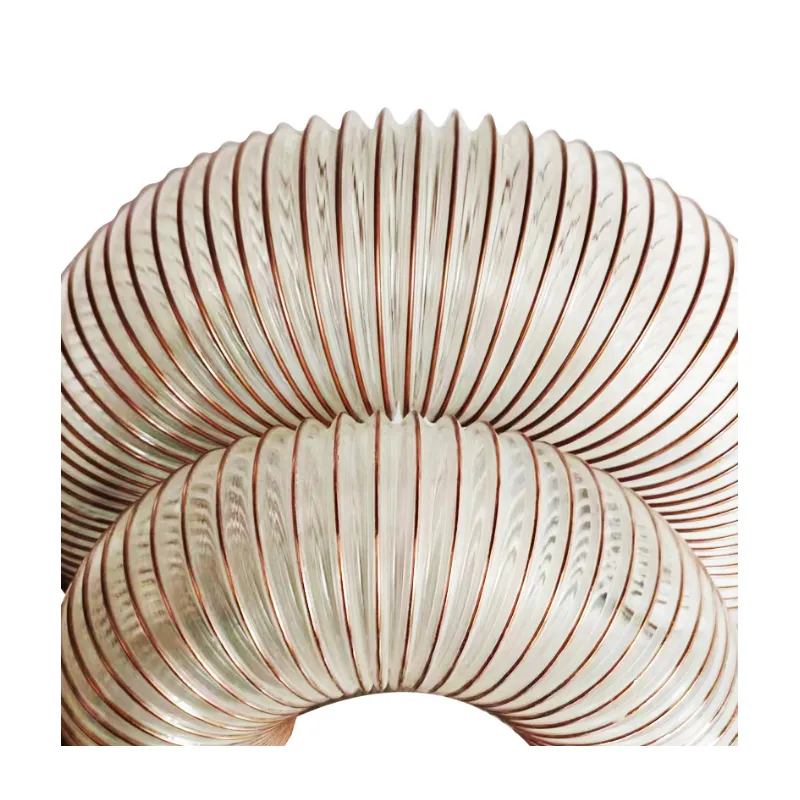
The inherent technical advantages of a well-engineered anti static vacuum hose stem from its material composition and design, offering superior performance over conventional alternatives.
- Superior Electrical Conductivity/Static Dissipation: The incorporation of conductive additives or wire reinforcement ensures that static charges generated by friction during material flow are safely dissipated to ground, preventing hazardous build-up. This direct prevention of ignition sources is a primary safety feature, especially in environments classified under ATEX Zones.
- Exceptional Abrasion Resistance: High-grade polyurethane (PU) offers significantly better abrasion resistance than PVC or rubber, extending the hose's lifespan when conveying abrasive materials like sand, gravel, wood chips, or metallic dusts. This reduces maintenance costs and operational interruptions.
- High Flexibility and Lightweight Design: Despite their robust construction, PU hoses maintain excellent flexibility and are often lighter than comparable rubber hoses. This facilitates easier handling, installation, and maneuverability, particularly in dynamic applications or confined spaces, enhancing operator comfort and efficiency. This also applies to general purpose vacuum hose and other flexible hose types.
- Broad Chemical Resistance: PU materials are resistant to a wide range of oils, greases, solvents, and dilute acids/alkalis, making them suitable for diverse chemical processing and industrial cleaning tasks, including scenarios where a specific black vacuum hose or blue vacuum hose is required for chemical compatibility.
- Excellent Pressure and Vacuum Ratings: Reinforced designs with steel wire helices provide high burst pressure ratings and robust vacuum resistance, preventing collapse under suction, crucial for efficient material transfer systems.
- Temperature Versatility: Capable of operating across a wide temperature range, from sub-zero conditions to elevated industrial temperatures, ensuring reliability in various climatic and operational settings.
Vendor Comparison: Choosing the Right Supplier
Selecting a vendor for an anti static vacuum hose involves evaluating more than just price. Reliability, material quality, certification, and after-sales support are paramount for B2B decision-makers. A structured comparison highlights key differentiation points.
Industrial Hose Vendor Comparison Criteria:
| Criterion | Premium Supplier (e.g., JY Hose) | Standard Supplier |
|---|---|---|
| Material Quality & Origin | Virgin, high-grade PU, rigorously tested raw materials for optimal performance and longevity. | Varies, potentially recycled or lower-grade compounds affecting durability and static properties. |
| Certifications & Compliance | ISO 9001, ATEX compliance (for relevant products), RoHS, REACH. Detailed test reports available. | Basic or limited certifications; compliance claims may lack robust documentation. |
| Customization Capabilities | Extensive options for diameter, length, wall thickness, special material blends, end fittings, and specific resistivity levels. | Limited customization, primarily standard sizes and materials. |
| Technical Support & Expertise | Dedicated engineering team, application specialists, deep product knowledge, installation guidance. | Basic sales support, limited technical advice. |
| Lead Time & Reliability | Streamlined production, reliable delivery schedules, clear communication on lead times. | Variable lead times, potential for delays, less transparent communication. |
| Price vs. Value | Competitive pricing reflecting superior quality, longer lifespan, reduced safety risks, and lower total cost of ownership. | Lower upfront cost, but potentially higher long-term costs due to frequent replacement and safety compromises. |
Customized Solutions for Unique Industrial Needs
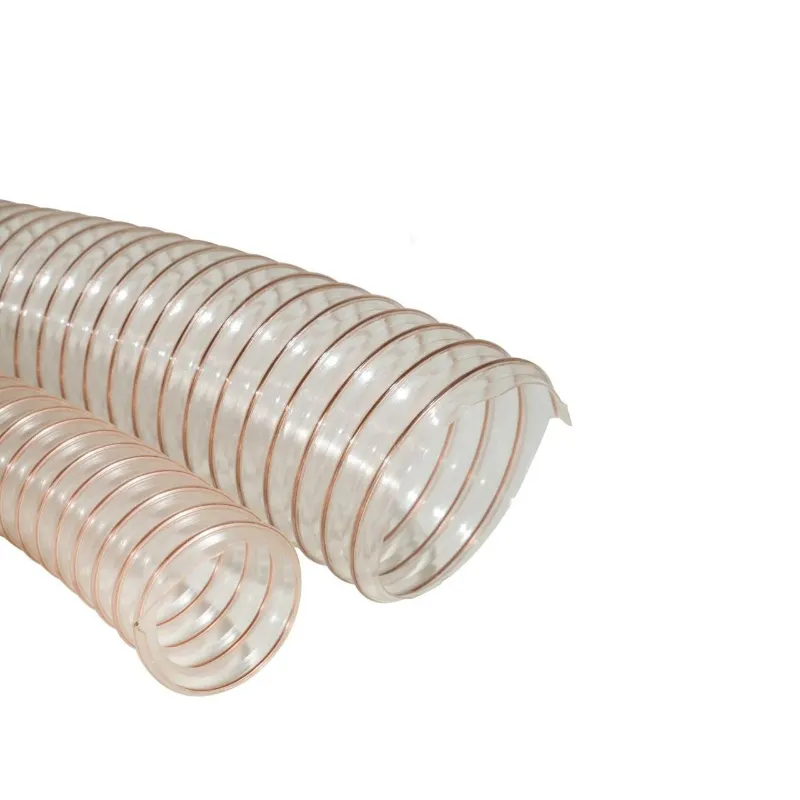
Standard off-the-shelf hoses may not always meet the exacting requirements of specialized industrial processes. Recognizing this, leading manufacturers offer bespoke solutions for anti static vacuum hose design and fabrication.
Customization options can include:
- Specific Diameters and Lengths: Tailoring hoses to exact system requirements, optimizing airflow and reducing installation complexities.
- Variable Wall Thicknesses: Adjusting wall thickness to balance flexibility, abrasion resistance, and pressure rating for specific media and operational demands. This is especially relevant for a durable vacuum hose used in high-wear applications.
- Special Material Blends: Engineering PU variants with enhanced chemical resistance for aggressive media, or increased temperature resistance for high-heat applications.
- Integrated End Fittings: Factory-installed, custom-designed end fittings and connectors to ensure a perfect, leak-free, and grounded connection to machinery.
- Targeted Surface Resistivity: Fine-tuning the conductive properties to meet specific ATEX zone requirements or other hazardous environment classifications, beyond a typical anti static vacuum hose.
- Color Customization: While a black vacuum hose is common, options for blue vacuum hose or other colors for branding or process identification can be provided.
This level of customization ensures that the hose acts as an integral, optimized component of the overall system, rather than a generic add-on, leading to superior performance, safety, and cost-effectiveness.
Application Case Studies: Real-World Impact
Case Study 1: Pharmaceutical Powder Conveyance
Client: Leading European Pharmaceutical Manufacturer
Challenge: The client faced recurring issues with static electricity build-up during the pneumatic transfer of fine pharmaceutical powders, leading to occasional minor arcing and concerns about potential ignition in an ATEX Zone 21 classified area. Existing conventional vacuum hose solutions were insufficient in reliably dissipating charges.
Solution: We provided a customized PU anti static vacuum hose with an embedded copper-coated steel wire helix and a specified surface resistivity of
Result: Post-installation, comprehensive testing confirmed zero static charge build-up during operations. The client reported a significant increase in operational safety and compliance confidence, eliminating previous concerns about ignition risks. The durability of the PU material also led to a 30% reduction in hose replacement frequency compared to previous setups.
Case Study 2: High-Abrasive Wood Dust Extraction
Client: Large-Scale Wood Processing Plant, North America
Challenge: The plant's dust collection system, which used standard vacuum hose, was prone to frequent hose wear-through due to highly abrasive wood chips and dust, leading to air leaks, reduced suction efficiency, and potential static ignition hazards. Downtime for hose replacement was a major operational cost.
Solution: We recommended a heavy-duty, thicker-walled PU anti static vacuum hose (1.5mm wall thickness) with enhanced abrasion resistance and a highly conductive internal surface. The hose was supplied in larger diameters, comparable to big blue vacuum hoses, to optimize airflow.
Result: The new hoses demonstrated a five-fold increase in service life compared to the previous hoses. The plant experienced a measurable improvement in vacuum efficiency (up to 15% due to reduced leaks) and a complete elimination of static-related issues, leading to significant savings in maintenance and energy costs.
Ensuring Quality, Trust, and Support
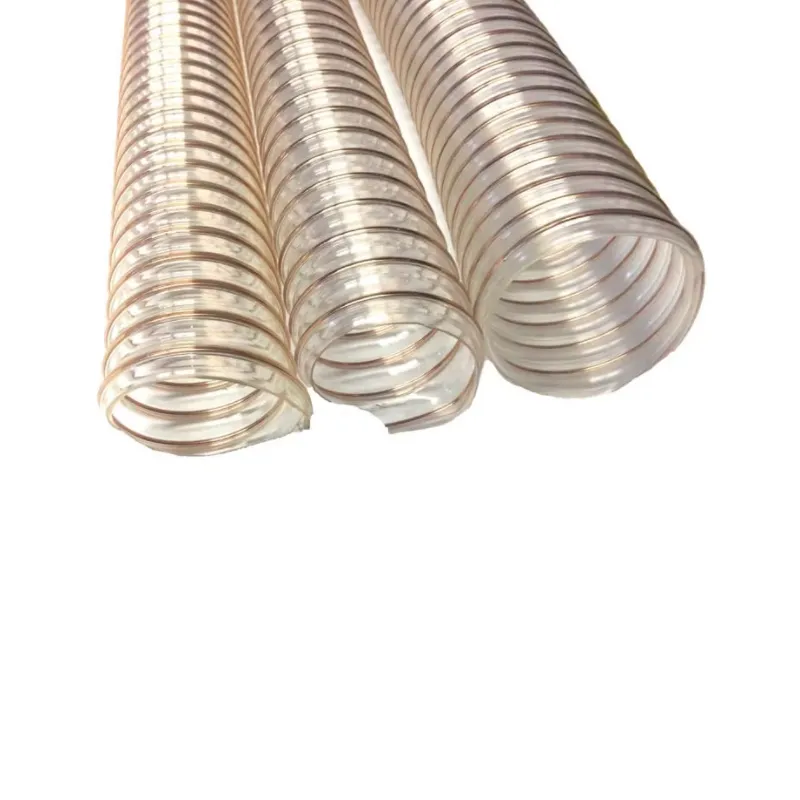
Our commitment to excellence extends beyond product manufacturing to encompass every aspect of client engagement, reinforcing trust and reliability.
Certifications and Authoritative References:
- ISO 9001:2015 Certified: Our quality management system adheres to international standards, ensuring consistent product quality and continuous improvement.
- ATEX Compliance: Many of our anti static vacuum hose products are designed and tested to meet the stringent requirements of ATEX Directive 2014/34/EU, making them suitable for use in potentially explosive atmospheres.
- RoHS & REACH Compliance: Adherence to environmental and health safety regulations, ensuring our products are free from harmful substances.
- Rigorous Testing: Each batch undergoes comprehensive testing, including electrical surface resistance (ISO 8031), burst pressure, and abrasion tests, with verifiable test data available upon request.
Frequently Asked Questions (FAQ):
- Q: How does an anti static vacuum hose prevent explosions?
- A: It prevents the build-up of static electricity generated by the friction of conveyed materials. Conductive elements within the hose dissipate these charges safely to ground, eliminating the potential for electrostatic discharge (sparks) that could ignite flammable dusts or gases.
- Q: What is the typical service life of your PU anti static vacuum hose?
- A: With proper selection, installation, and maintenance, our PU hoses typically last 5-10 years, depending on the application severity, conveyed media, and operational parameters.
- Q: Can these hoses be used with various types of vacuum systems, including a carpet cleaning vacuum hose or an ash vacuum hose?
- A: While primarily designed for industrial material conveyance and dust extraction, our base PU materials are highly adaptable. Specialized versions can certainly be used, but for domestic carpet cleaning or non-hazardous ash, simpler and cheaper vacuum hose alternatives might suffice. For industrial ash or specific carpet cleaning applications involving combustible residues, our anti-static versions offer superior safety.
- Q: What is the lead time for custom anti static vacuum hose orders?
- A: Standard product lead times typically range from 2-4 weeks. For highly customized solutions, lead times can vary from 4-8 weeks, depending on complexity and material availability. We prioritize clear communication regarding fulfillment details from order placement to delivery.
Warranty Commitments:
We stand by the quality of our products. All our industrial hoses, including the anti static vacuum hose, come with a standard 12-month limited warranty from the date of purchase, covering manufacturing defects and material failures under normal operating conditions as specified in our product documentation. Extended warranty options are available for specific projects.
Customer Support and After-Sales Service:
Our dedicated technical support team is available to assist with product selection, installation guidance, troubleshooting, and maintenance advice. We offer comprehensive after-sales support to ensure optimal performance and longevity of our hoses, reflecting our commitment to long-term client partnerships.
Conclusion: Investing in Safety and Performance
The strategic deployment of a high-quality anti static vacuum hose is an investment that transcends mere operational efficiency, fundamentally enhancing safety in environments prone to electrostatic hazards. By meticulously addressing material science, manufacturing precision, and adherence to global safety standards, advanced anti-static hoses provide a reliable solution for dust extraction and material conveyance across diverse industries. Opting for a reputable supplier ensures not only a superior product but also comprehensive support and the peace of mind that comes with proven compliance and robust performance.
References
- International Organization for Standardization. ISO 8031:2020. Rubber and plastics hoses and hose assemblies — Methods of test for electrical resistance.
- European Parliament and Council. Directive 2014/34/EU on the harmonisation of the laws of the Member States relating to equipment and protective systems intended for use in potentially explosive atmospheres (ATEX).
- National Fire Protection Association (NFPA). NFPA 652: Standard on Fundamentals of Combustible Dust.
- European Chemicals Agency (ECHA). REACH Regulation (EC) No 1907/2006.
Latest News
Steel Wire Reinforced Hydraulic Hose SAE 100 R1 / EN853 1SN S
NewsOct.17,2024
Two Layers Steel Wire Reinforced Hydraulic Hose SAE 100 R2 / EN853 2SN
NewsSep.03,2024
Textile Braid Reinforced Hydraulic Hose SAE100 R3+R6
NewsSep.03,2024
Textile Reinforced Hydraulic oil Suction Hose with embedded Steel Wire SAE 100 R4
NewsSep.03,2024
Single Wire Braid and Textile Covered Hydraulic Hose SAE 100 R5
NewsSep.03,2024
High Pressure Thermoplastic Hydraulic Hose SAE 100 R7 / EN855 R7 - SAE 100 R8 / EN855 R8
NewsSep.03,2024
Heavy Duty Four-layer Steel Wire Spiral Reinforced Hydraulic Hose SAE100R9+R10+R12
NewsSep.03,2024
Heavy Duty Multi-layer Steel Wire Reinforced Hydraulic Hose SAE100R13 SAE100R15
NewsSep.03,2024
Latest Products
-
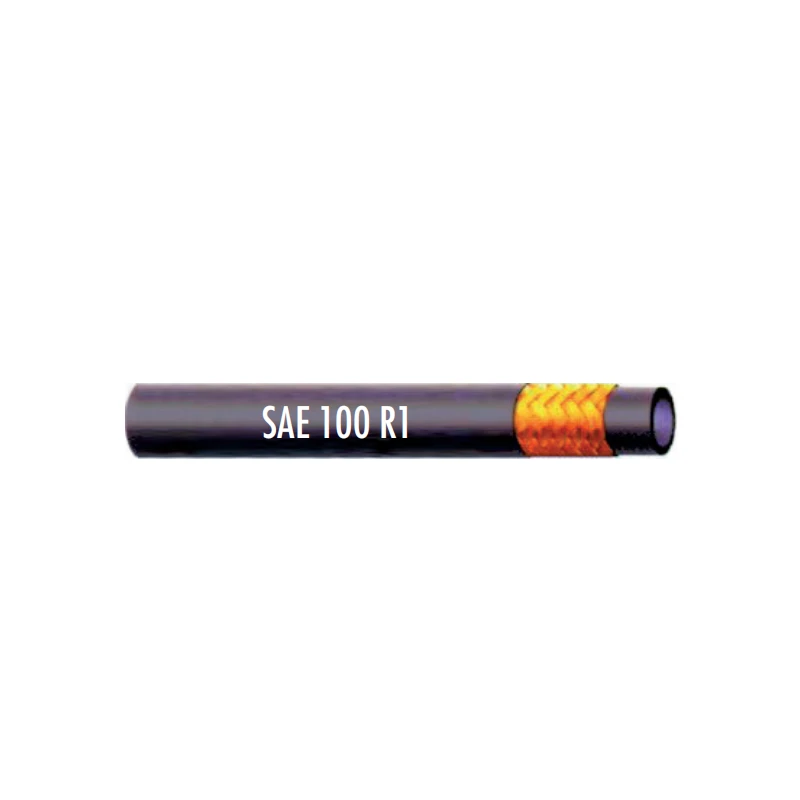
Steel Wire Reinforced Hydraulic Hose SAE 100 R1 / EN853 1SN S
-
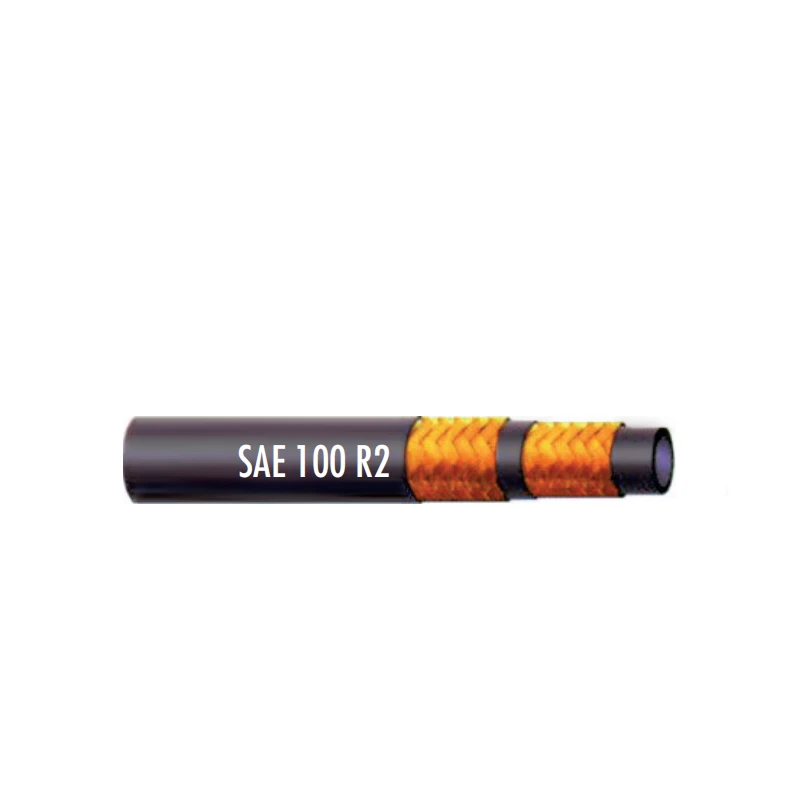
Two Layers Steel Wire Reinforced Hydraulic Hose SAE 100 R2 / EN853 2SN
-
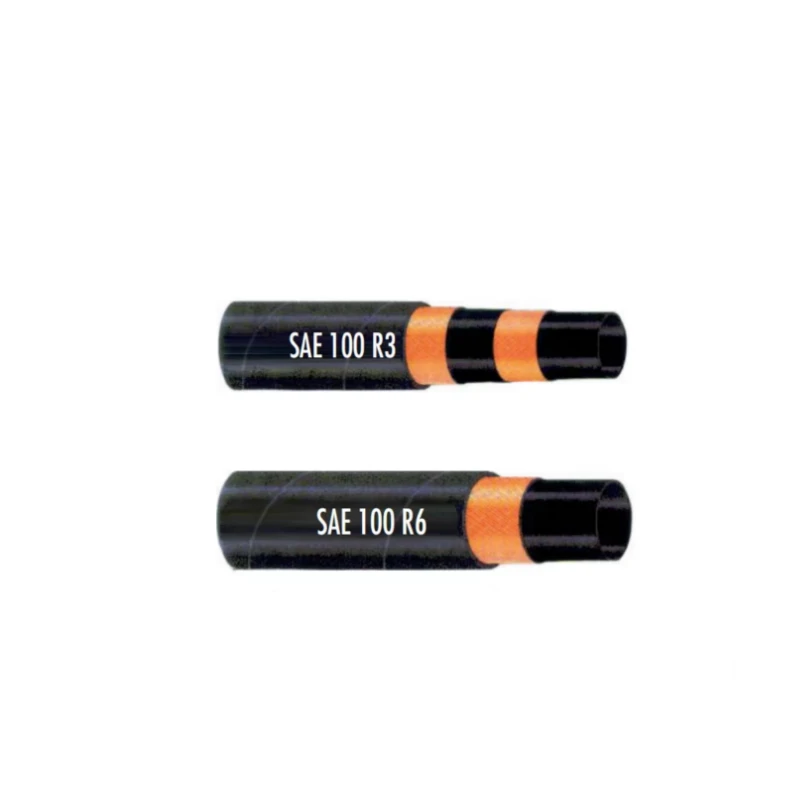
-
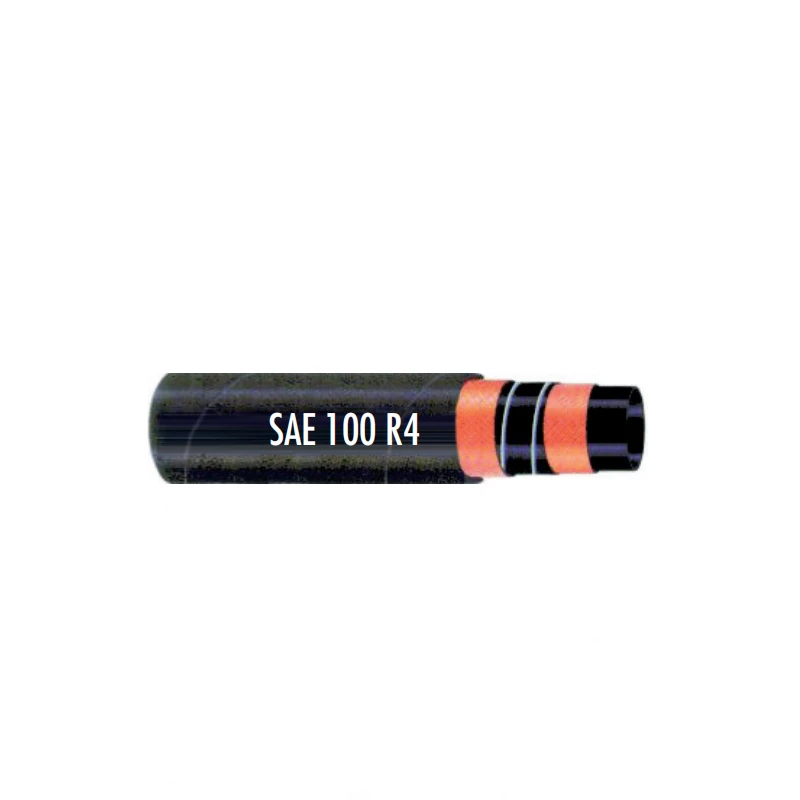
Textile Reinforced Hydraulic oil Suction Hose with embedded Steel Wire SAE 100 R4
-
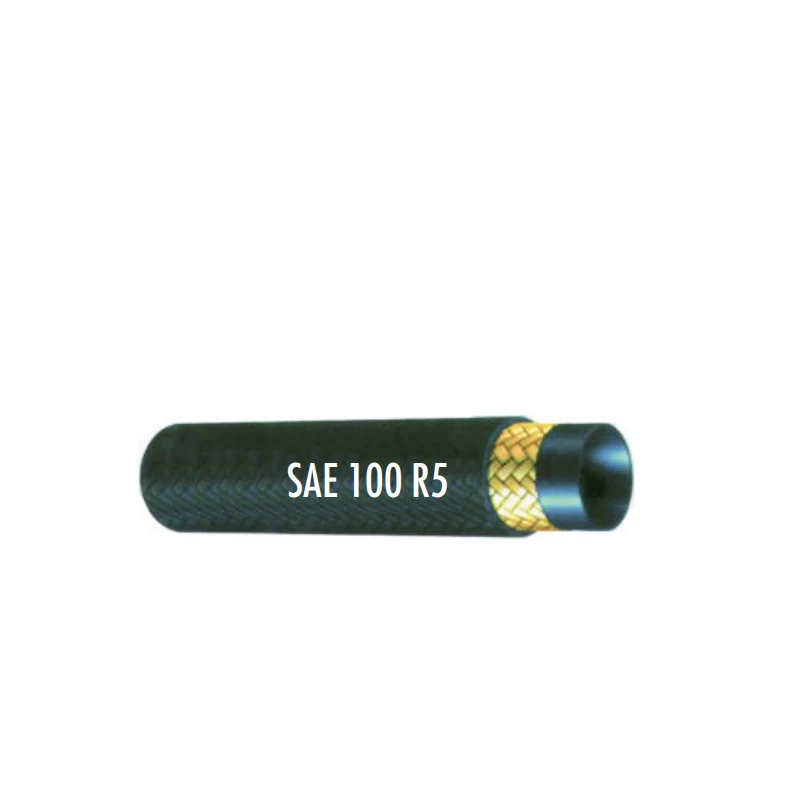
Single Wire Braid and Textile Covered Hydraulic Hose SAE 100 R5
-
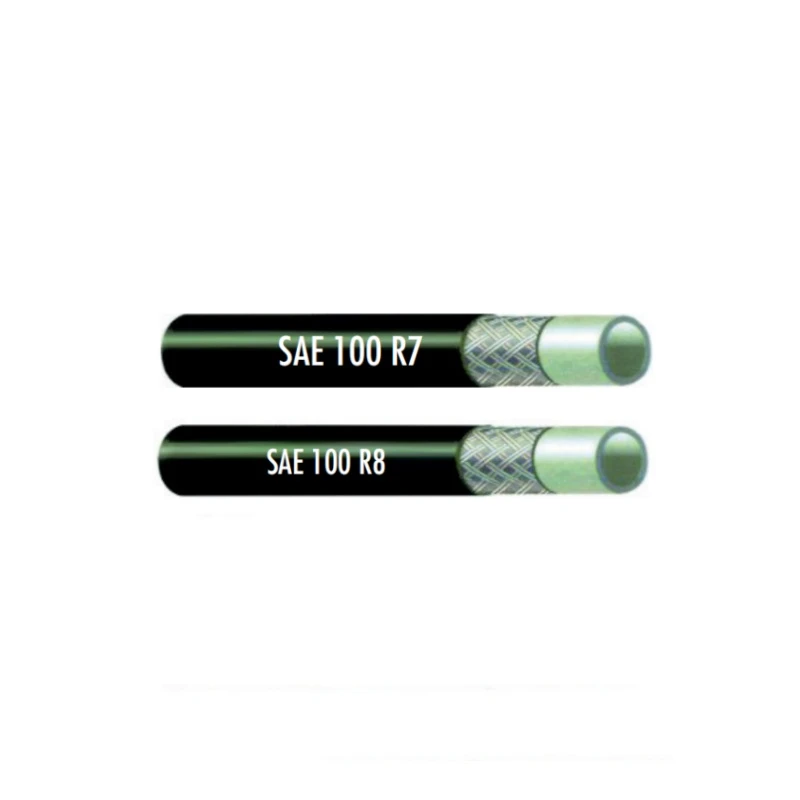
High Pressure Thermoplastic Hydraulic Hose SAE 100 R7 / EN855 R7 - SAE 100 R8 / EN855 R8
-
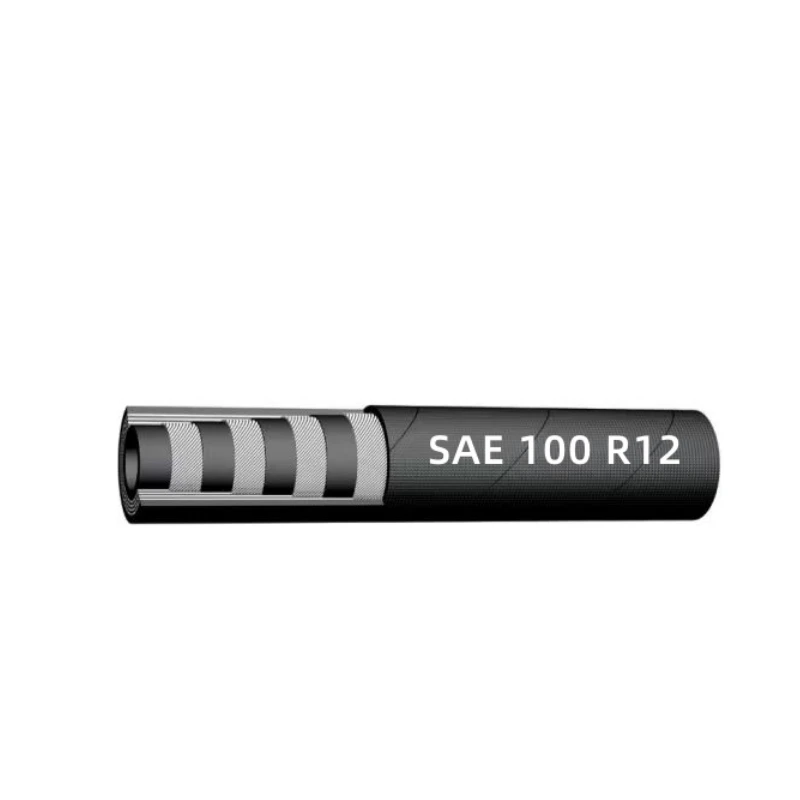
Heavy Duty Four-layer Steel Wire Spiral Reinforced Hydraulic Hose SAE100R9+R10+R12
-
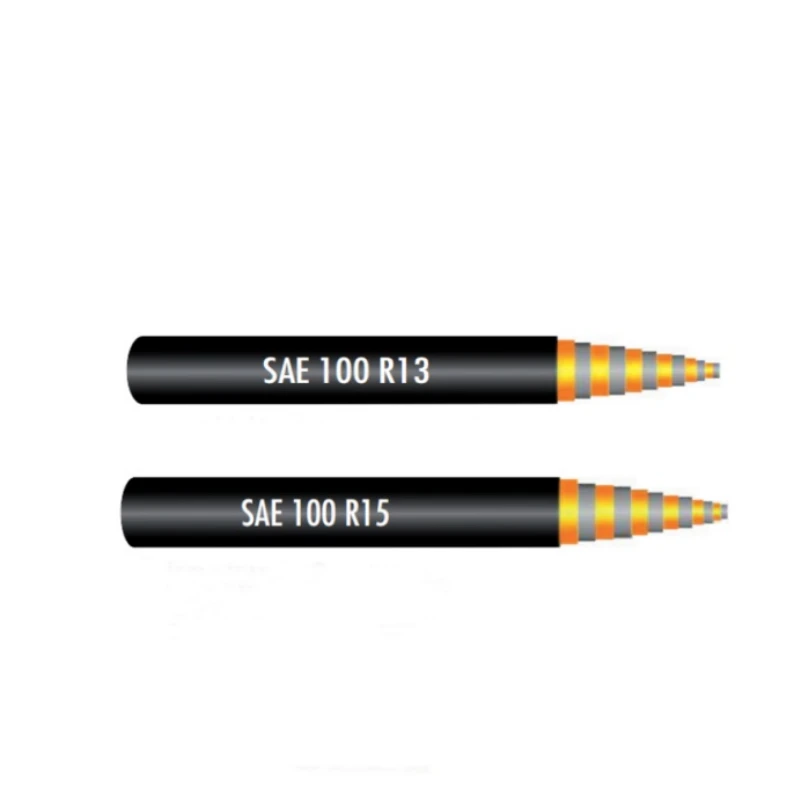
Heavy Duty Multi-layer Steel Wire Reinforced Hydraulic Hose SAE100R13 SAE100R15


