

Jan . 12, 2026 18:05 Back to list
Can Hydraulic Hose Be Used for Gasoline? Expert Insights
Can Hydraulic Hose Be Used for Gasoline? A Practical Look
Having worked over a decade in the industrial equipment world, I keep getting asked: Is it okay to run gasoline through a hydraulic hose? It seems like a straightforward question, but the answer, frankly, needs some nuance. There’s a lot to unpack—from hose materials to safety concerns, and even regulatory compliance. In real terms, it’s really about matching the hose’s chemical compatibility with gasoline, plus considering pressure, temperature, and longevity requirements.
First off, let’s clarify what a hydraulic hose typically is. We’re usually talking about multi-layered hoses made to withstand high pressures, used mostly for oil-based fluids in machinery — think excavators, forklifts, or factory presses. These hoses typically have a synthetic rubber lining, reinforcement layers (like braided steel wire), and a tough outer cover. The design prioritizes durability and resistance to hydraulic fluid, which is often petroleum-based, but not identical to gasoline.
Now, gasoline is a tough customer. It’s a volatile hydrocarbon mix with lots of additives and solvents. Many standard hydraulic hoses simply aren’t designed for it — the inner lining might degrade quickly if exposed. A few manufacturers make specialized hydraulic hoses rated for fuel, often called fuel or gasoline hoses, but they’re different beasts. For example, a typical NBR (nitrile butadiene rubber) lining common in many hydraulic hoses can swell, crack, or lose integrity when in contact with gasoline.
Oddly enough, the pressure rating of hydraulic hoses is seldom the limiting factor; it’s the chemical compatibility that usually calls the shots. Gasoline can break down certain elastomers quickly, leading to leaks or failures that are both hazardous and expensive.
From my experience, especially when sourcing hoses from reliable vendors like hydraulic hose specialists, it’s crucial to ask for material data sheets or test certifications showing compatibility with fuels. Many vendors will specify if their hose linings are designed for petroleum fuels, including gasoline and diesel.
Fuel-Resistant Hydraulic Hose: What to Look For
| Feature | Typical Hydraulic Hose | Fuel-Resistant Hose |
|---|---|---|
| Inner Lining | NBR (hydraulic oil compatible) | FKM (Viton) or special fuel-resistant rubber |
| Temperature Range | -40°C to 100°C | -40°C to 125°C+ |
| Pressure Rating | Up to 400 bar | Similar or slightly lower |
| Durability in Gasoline | Low, rapid degradation | High, designed for prolonged exposure |
I recall a project a few years back where a team tried repurposing standard hydraulic hoses for fueling small engines — the hoses swelled and failed in less than a week. That was a hard lesson about not assuming hoses are interchangeable. The cost of a hose is trivial compared to the risk of fire or expensive downtime…
Comparing Leading Vendors for Fuel-Compatible Hose
| Vendor | Fuel Hose Series | Max Pressure | Fuel Compatibility | Typical Certifications |
|---|---|---|---|---|
| JY Hose | JY-RF Series | 350 bar | Gasoline, Diesel, Ethanol blends | ISO 9001, SAE J30 R9 |
| Vendor B | FuelMaster 500 | 300 bar | Gasoline, Diesel | SAE J30 R9 |
| Vendor C | EcoFuel Hose | 250 bar | Gasoline, Biofuels | ISO 7840 Type A |
As you can see, not all hydraulic hoses are created equal. When it comes to gasoline, you want that special grade of hydraulic hose that the manufacturer explicitly rates for fuel. Often these use FKM linings (also known by the brand name Viton) or other fluoroelastomer compounds, which resist swelling and cracking from fuel exposure. This also ties into temperature ratings because fuel hoses often need to handle a wider temperature range without degrading.
I’ve noticed many engineers underestimate how corrosive and solvent-rich gasoline is to hose materials. So it pays off to choose the right hose, test regularly, and maintain strict replacement schedules. It’s not glamorous, but it keeps operations safe and smooth.
In short: if you’re thinking about using hydraulic hose for gasoline, double-check the specs and certifications. Often, it’s safer and more cost-effective to use a hose designed specifically for fuel.
References:
1. SAE J30 Fuel Hose Standards
2. Manufacturer material data sheets
3. Personal field experience in industrial maintenance
Latest News
Steel Wire Reinforced Hydraulic Hose SAE 100 R1 / EN853 1SN S
NewsOct.17,2024
Two Layers Steel Wire Reinforced Hydraulic Hose SAE 100 R2 / EN853 2SN
NewsSep.03,2024
Textile Braid Reinforced Hydraulic Hose SAE100 R3+R6
NewsSep.03,2024
Textile Reinforced Hydraulic oil Suction Hose with embedded Steel Wire SAE 100 R4
NewsSep.03,2024
Single Wire Braid and Textile Covered Hydraulic Hose SAE 100 R5
NewsSep.03,2024
High Pressure Thermoplastic Hydraulic Hose SAE 100 R7 / EN855 R7 - SAE 100 R8 / EN855 R8
NewsSep.03,2024
Heavy Duty Four-layer Steel Wire Spiral Reinforced Hydraulic Hose SAE100R9+R10+R12
NewsSep.03,2024
Heavy Duty Multi-layer Steel Wire Reinforced Hydraulic Hose SAE100R13 SAE100R15
NewsSep.03,2024
Latest Products
-
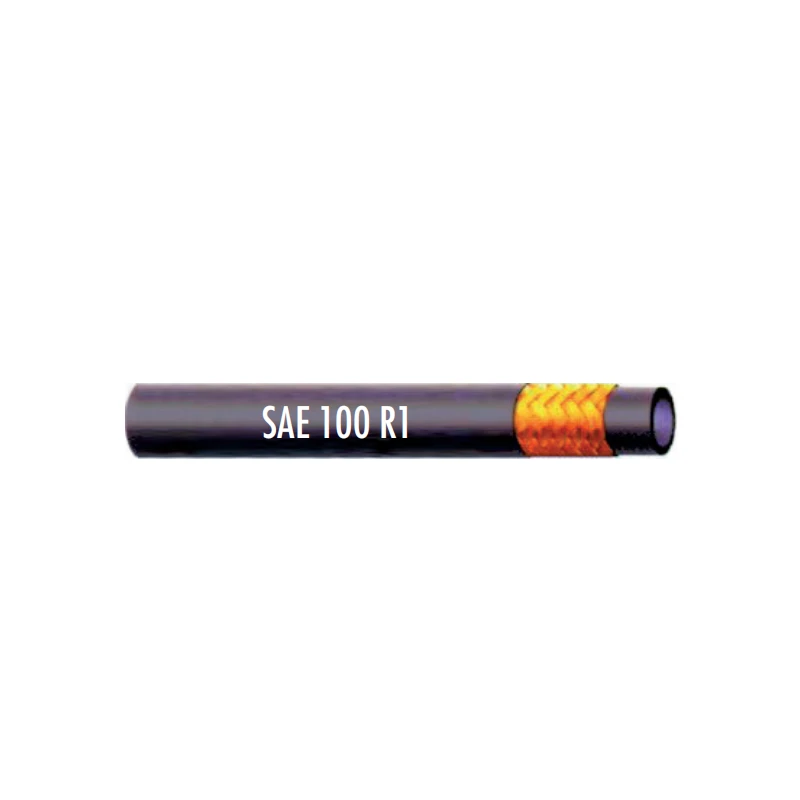
Steel Wire Reinforced Hydraulic Hose SAE 100 R1 / EN853 1SN S
-
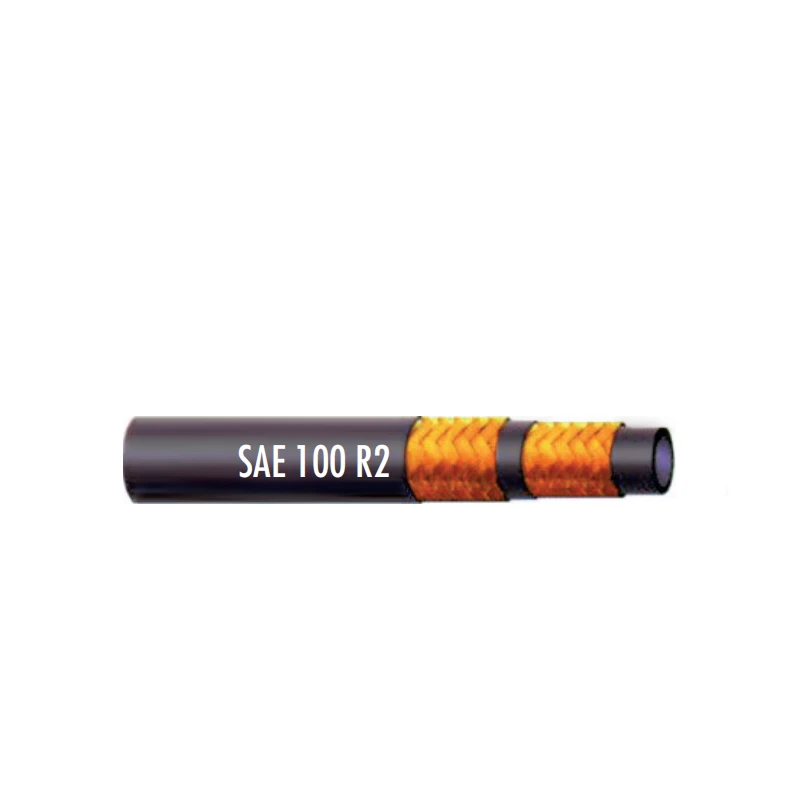
Two Layers Steel Wire Reinforced Hydraulic Hose SAE 100 R2 / EN853 2SN
-
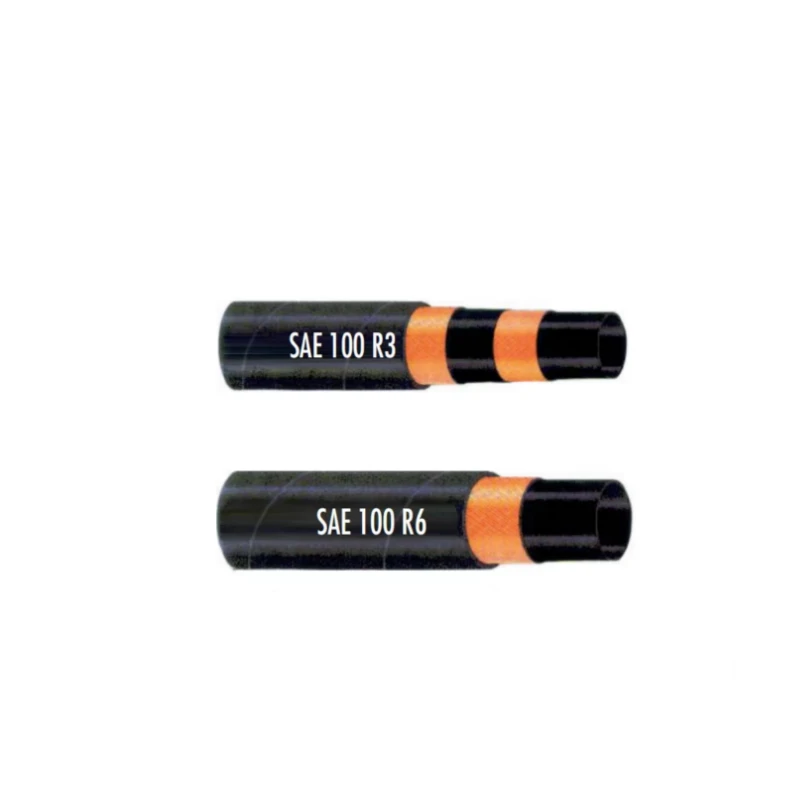
-
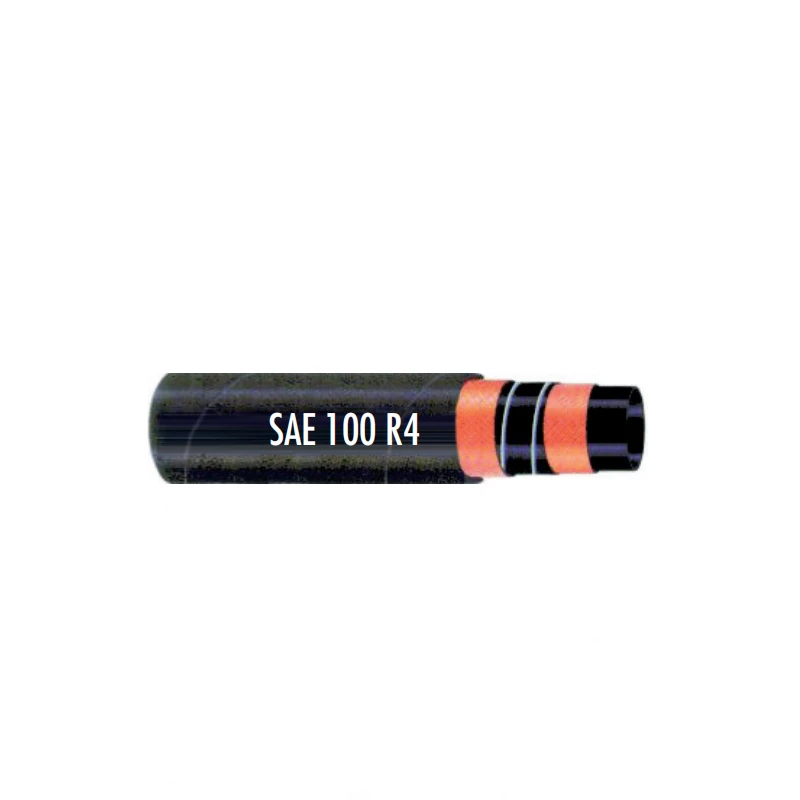
Textile Reinforced Hydraulic oil Suction Hose with embedded Steel Wire SAE 100 R4
-
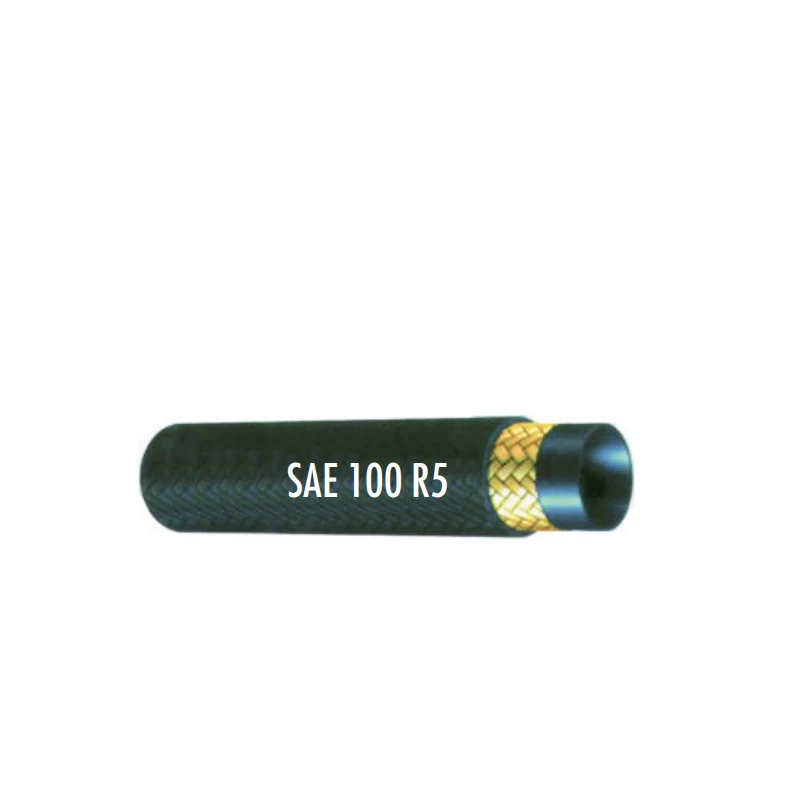
Single Wire Braid and Textile Covered Hydraulic Hose SAE 100 R5
-
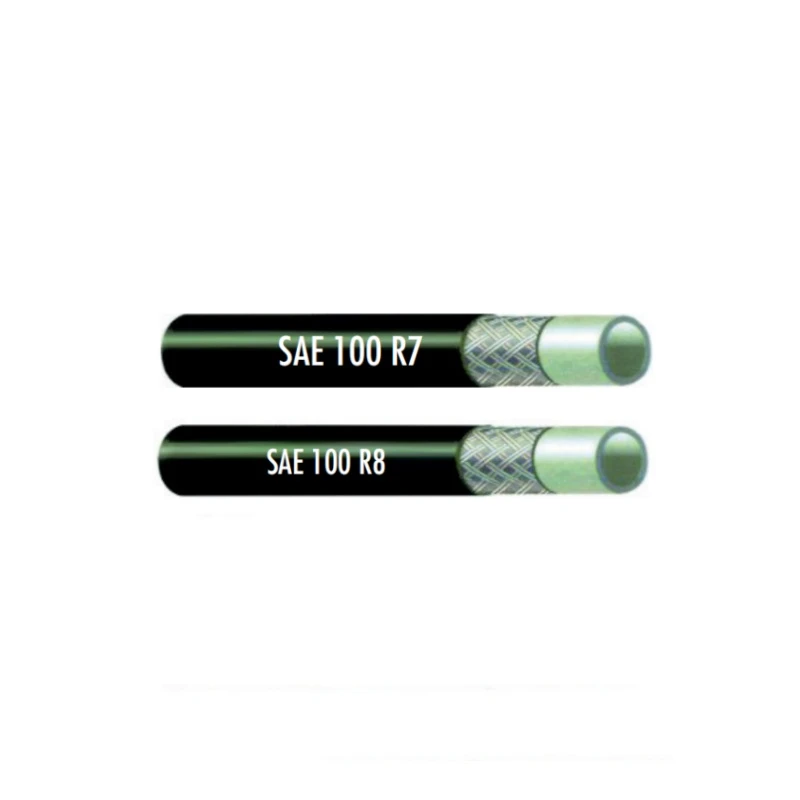
High Pressure Thermoplastic Hydraulic Hose SAE 100 R7 / EN855 R7 - SAE 100 R8 / EN855 R8
-
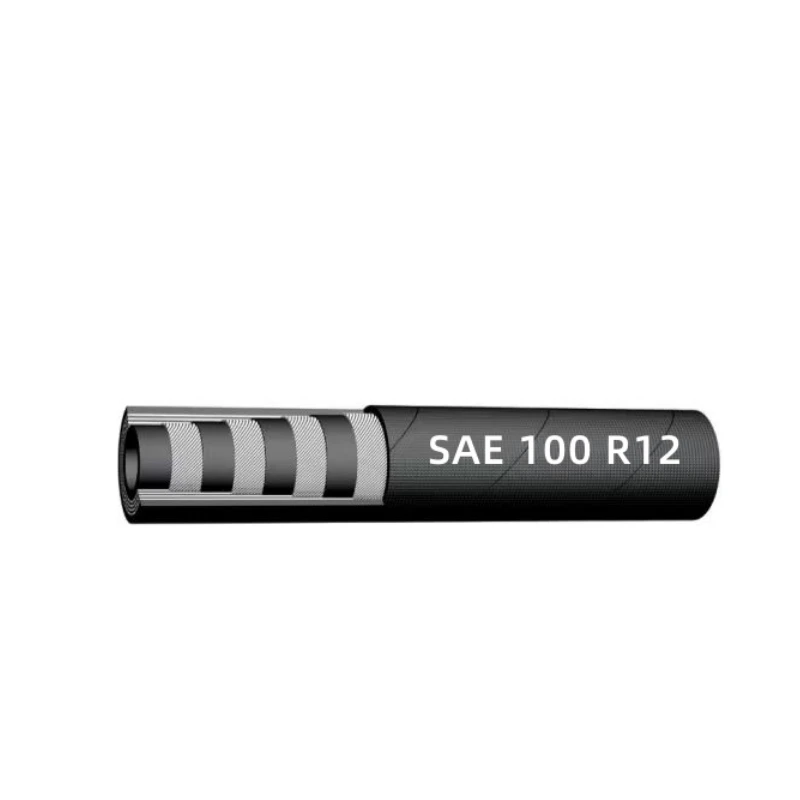
Heavy Duty Four-layer Steel Wire Spiral Reinforced Hydraulic Hose SAE100R9+R10+R12
-
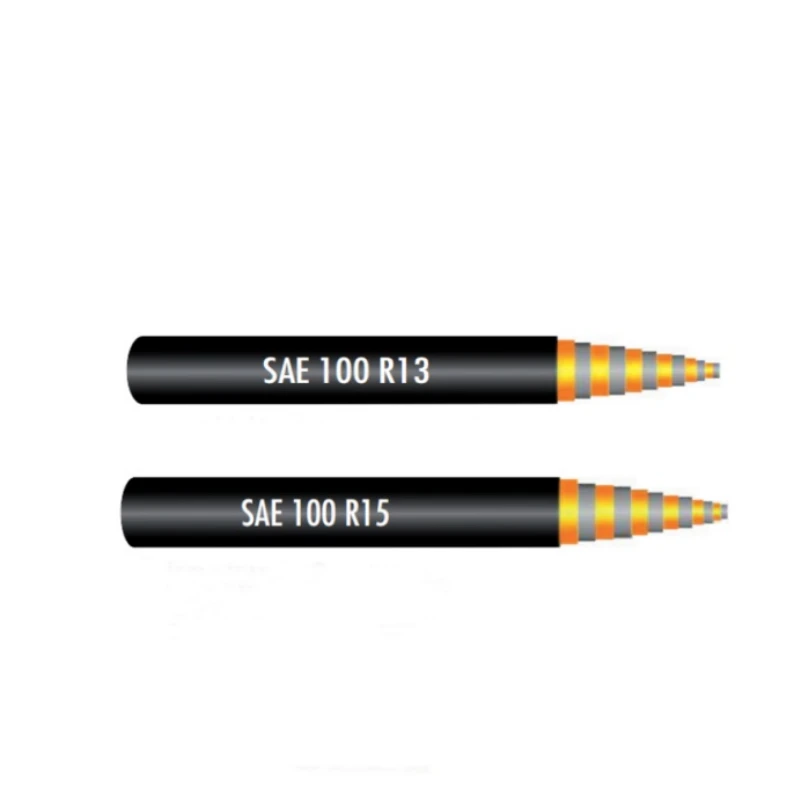
Heavy Duty Multi-layer Steel Wire Reinforced Hydraulic Hose SAE100R13 SAE100R15


