

Dec . 14, 2025 03:05 Back to list
Comprehensive Guide to Overflow Hose: Applications, Benefits & Innovations
Understanding Overflow Hose: Why It Matters in a Global Context
In the vast and interconnected world of fluid transfer solutions, the overflow hose might sound like a humble component. Yet, it plays a critical role across industries, infrastructure, and humanitarian efforts worldwide. From preventing costly spillage in chemical plants to ensuring safety in stormwater management across cities, these hoses are unsung heroes of fluid control. Understanding overflow hoses helps businesses and organizations reduce waste, improve safety, and enhance sustainability—objectives that resonate globally in an era where resources and environmental concerns dominate the industrial narrative.
Frankly, it's easy to overlook the overflow hose until something goes wrong, like a spill or system failure. But that’s precisely why industry specialists and infrastructure planners care so much about choosing the right product — its durability, suitability, and compliance with standards matter for both immediate and long-term success.
Global Relevance: Plumbing the Depths of Overflow Hose Applications
Data from the United Nations highlights that water infrastructure failure causes millions in damages annually. Overflow hoses help mitigate some of this risk by safely diverting excess liquids away from sensitive equipment or populated areas. Around 60% of industrial fluid transfer equipment shows improved safety records when equipped with reliable overflow hoses according to ISO compliance reports.
In regions with flood risks or coastal vulnerabilities, managing overflow waters with proper hose systems reduces contamination and helps protect communities. Oddly enough, even remote mining operations or offshore oil rigs rely heavily on specialized overflow hoses that meet rigorous standards—meaning these hoses get tested under extreme pressures and temperatures.
Mini Takeaway:
Globally, overflow hoses are a small piece in a huge puzzle that keeps industrial processes, public safety, and environmental protection humming efficiently.
What Exactly Is an Overflow Hose?
At its core, an overflow hose is a flexible conduit designed to safely channel surplus liquid from tanks, pipes, or drainage systems to a designated safe area. Think of it as a safety valve expressed in rubber or synthetic fibers — ready to handle surges and prevent leaks or floods.
In industrial settings, they’re often part of broader emergency containment systems. In humanitarian aid, overflow hoses are crucial during disaster relief for handling contaminated waters, preventing backflow, and maintaining sanitary conditions. They’re rarely fancy but always functional, designed to be robust, easy to install, and adaptable.
Core Components of an Overflow Hose
Durability
Many engineers say the single most critical characteristic is durability. These hoses must withstand pressure, abrasion, chemicals, weather changes, and even UV exposure depending on the application. Materials like reinforced PVC, nitrile rubber, or specialized silicone blends are commonly used.
Flexibility & Scalability
An overflow hose often needs to snake around tight corners or stretch to considerable lengths, so flexibility is non-negotiable. Scalability refers to the hose’s ability to serve small-scale residential needs or rugged industrial setups without compromising performance.
Cost Efficiency
It sounds dry, but budget matters, especially in large infrastructure or NGO projects. Durable hoses that last longer and require less maintenance translate directly into cost savings.
Compatibility & Safety Standards
ISO and EN standards dictate many design criteria – chemical resistance, pressure ratings, and connection fittings. Ensuring compatibility avoids hazardous leaks or system failures.
Ease of Installation & Maintenance
Technicians appreciate hoses that are lightweight, come with universal connectors, and require minimal upkeep — particularly in remote or disaster-prone locations.
Environmental Resistance
Weatherproof and corrosion resistance keep these hoses functional outdoors or in harsh climates for years. It’s a subtle but vital factor across continents.
Mini Takeaway:
Choosing the right overflow hose isn’t guesswork; it’s about balancing these core features against the specific demands of each use case.
Overflow Hose in Action: Global Applications & Use Cases
Ever heard of an offshore oil platform shutting down for weeks because of a simple hose failure? Not the rarest story, and why laws now demand certified overflow hoses.
In the U.S., wastewater treatment plants utilize massive overflow hose systems to prevent flood damage during heavy rainstorms. In Southeast Asia, NGOs distributing potable water after typhoons rely heavily on collapsible, lightweight overflow hoses for rapid setup.
Mining operations in Australia use high-grade overflow hoses to divert tailings and prevent toxic spillage. Even small urban buildings have overflow hosing integrated into their drainage to avoid property damage and maintain hygiene.
Mini Takeaway:
The diversity of applications proves overflow hoses aren’t one-size-fits-all; regional needs and industry specifics dictate design and materials.
Advantages & Long-Term Value of Quality Overflow Hoses
- Cost Savings: Less leakage means fewer losses and lower cleanup or repair expenses.
- Sustainability: Environmentally responsible materials and reduced spillage help maintain ecosystems.
- Reliability: Trusted hoses breed confidence in industrial safety protocols.
- Social Impact: Maintaining sanitary conditions and preventing floods protect communities and worker health.
- Innovation: Advances in hose materials improve performance and reduce waste.
It's encouraging to know that, in a way, investment in good overflow hoses means investing in safety and dignity — sometimes in situations where lives depend on it.
Product Specification Table
| Specification | Typical Value | Unit |
|---|---|---|
| Inner Diameter | 25 - 150 | mm |
| Maximum Operating Pressure | 10 - 20 | bar |
| Temperature Range | -40 to +90 | °C |
| Material | Reinforced PVC / Nitrile | N/A |
| Length per Roll | 20 - 100 | meters |
| Weight | 0.8 - 1.5 | kg/m |
Vendor Comparison: Overflow Hose Suppliers
| Vendor | Material Options | Pricing | Customization | Lead Time |
|---|---|---|---|---|
| JY Hose Co. | PVC, Nitrile, Silicone | $$ | High | 2-3 weeks |
| GlobalFlow | PVC, Rubber | $ | Medium | 3-4 weeks |
| Eco-Hose Ltd. | Recycled PVC, Bio-Rubber | $$$ | High | 4-5 weeks |
Looking Ahead: Future Trends & Innovations in Overflow Hose Technology
The next generation of overflow hoses is shaped by sustainability and smart tech. Manufacturers are experimenting with bio-based polymers to reduce plastic waste. Others are embedding sensors for real-time pressure, temperature, and flow monitoring — feeding data into predictive maintenance systems.
Digitally integrated hoses might sound futuristic but engineers are already testing prototypes that connect with IoT platforms to warn operators before failures occur. Meanwhile, green energy initiatives promote materials with lower carbon footprints, pushing companies to rethink traditional rubber-based products.
Mini Takeaway:
It’s a field where chemistry meets data science, for hoses that do more than just carry fluids—they communicate, protect, and innovate.
Challenges & Practical Solutions
No product is perfect. Overflow hoses face common challenges such as premature abrasion, unexpected chemical incompatibility, or issues with connector fittings — especially when sourced from different vendors.
Expert recommendations include thorough application assessments before purchase, specifying hose types with exact chemical resistance, and conducting routine inspections. For NGOs or industrial users, modular hose systems with quick-connect features simplify repair and adaptation in the field.
Partnering with trusted suppliers, such as overflow hose manufacturers who offer tailored solutions, also minimizes risk and downtime.
Frequently Asked Questions About Overflow Hose
- What should I consider when selecting overflow hoses for chemical industries?
- Focus on chemical resistance, temperature range, and pressure rating. Not all hoses tolerate corrosive fluids, so check manufacturer specs carefully, ensuring compliance with ISO and industry regulations.
- Can overflow hoses be used in extreme cold climates?
- Yes, but the hose material must be rated for low temperatures to avoid brittleness. Silicone and nitrile hoses typically perform better in Arctic environments compared to standard PVC.
- How often should overflow hoses be inspected or replaced?
- It depends on usage and environment, but a quarterly visual check is recommended. Replace hoses immediately upon signs of cracking, leaks, or pressure loss to ensure safety and reliability.
- Are there eco-friendly overflow hose options?
- Yes, vendors now offer hoses made with recycled or bio-based materials. While these may come at a premium, they help reduce environmental impact without sacrificing performance.
- Is it possible to customize overflow hoses for unique applications?
- Definitely. Many suppliers, including overflow hose manufacturers, offer customized lengths, diameters, fittings, and material blends tailored to specific operational needs.
Conclusion: Why the Right Overflow Hose Makes All the Difference
Whether you’re managing a municipal water treatment facility or responding to disaster relief emergencies, the overflow hose is a linchpin of system safety and efficiency. Investing in a high-quality, well-selected hose means preventing costly spills, preserving environments, and ensuring human safety.
If you’re curious to explore how these vital components can optimize your operations, I recommend checking out https://www.jyhose.com for some of the latest and most reliable overflow hose options on the market.
In the end, it feels like the overflow hose quietly upholds so much of modern industry and humanitarian care — and that shouldn’t be underestimated.
References
Latest News
Steel Wire Reinforced Hydraulic Hose SAE 100 R1 / EN853 1SN S
NewsOct.17,2024
Two Layers Steel Wire Reinforced Hydraulic Hose SAE 100 R2 / EN853 2SN
NewsSep.03,2024
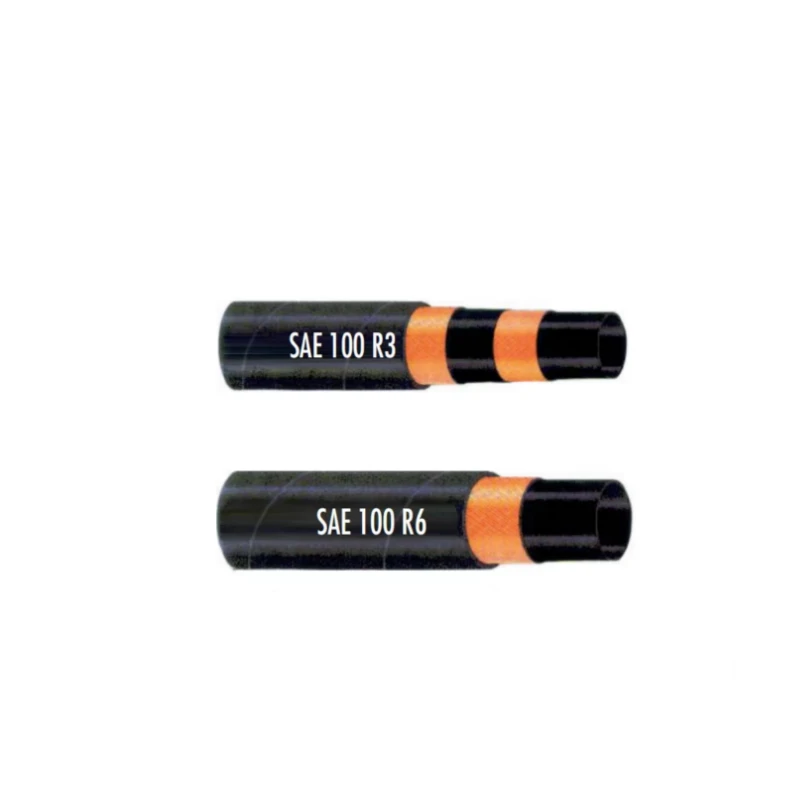
Textile Braid Reinforced Hydraulic Hose SAE100 R3+R6
NewsSep.03,2024
Textile Reinforced Hydraulic oil Suction Hose with embedded Steel Wire SAE 100 R4
NewsSep.03,2024
Single Wire Braid and Textile Covered Hydraulic Hose SAE 100 R5
NewsSep.03,2024
High Pressure Thermoplastic Hydraulic Hose SAE 100 R7 / EN855 R7 - SAE 100 R8 / EN855 R8
NewsSep.03,2024
Heavy Duty Four-layer Steel Wire Spiral Reinforced Hydraulic Hose SAE100R9+R10+R12
NewsSep.03,2024
Heavy Duty Multi-layer Steel Wire Reinforced Hydraulic Hose SAE100R13 SAE100R15
NewsSep.03,2024
Latest Products
-
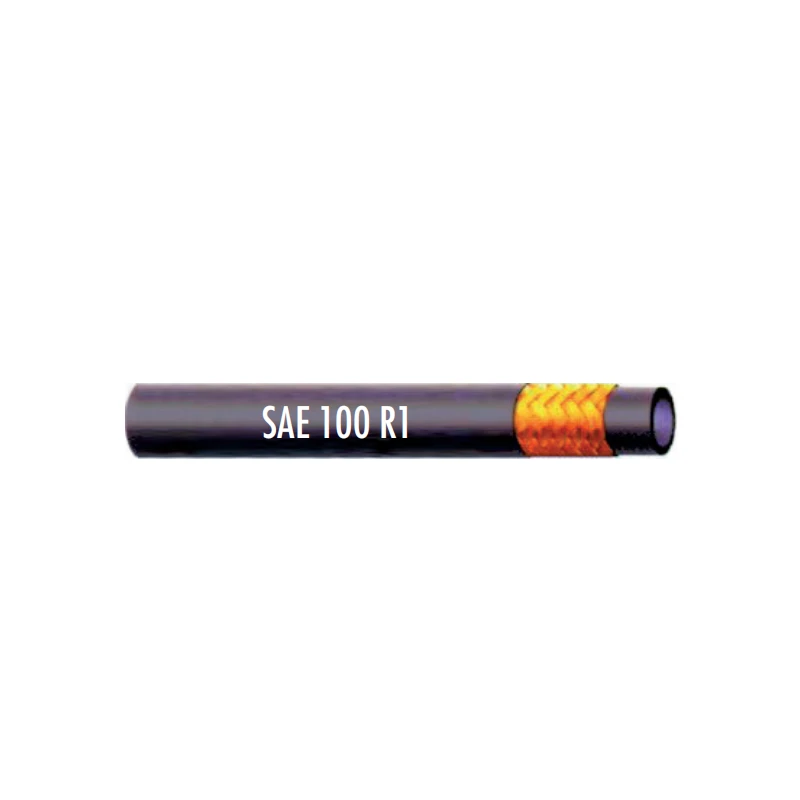
Steel Wire Reinforced Hydraulic Hose SAE 100 R1 / EN853 1SN S
-
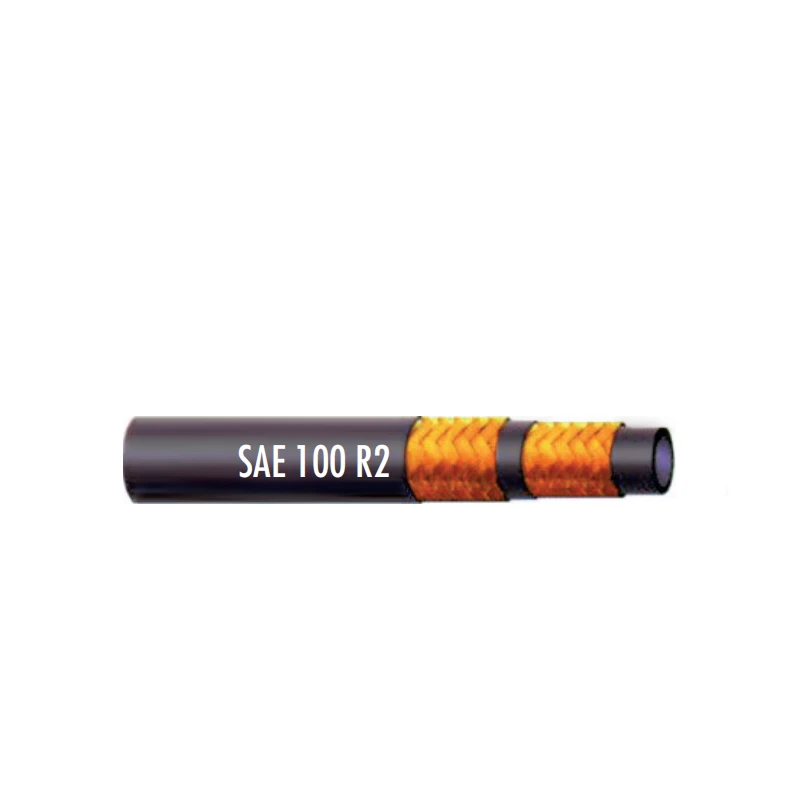
Two Layers Steel Wire Reinforced Hydraulic Hose SAE 100 R2 / EN853 2SN
-
-
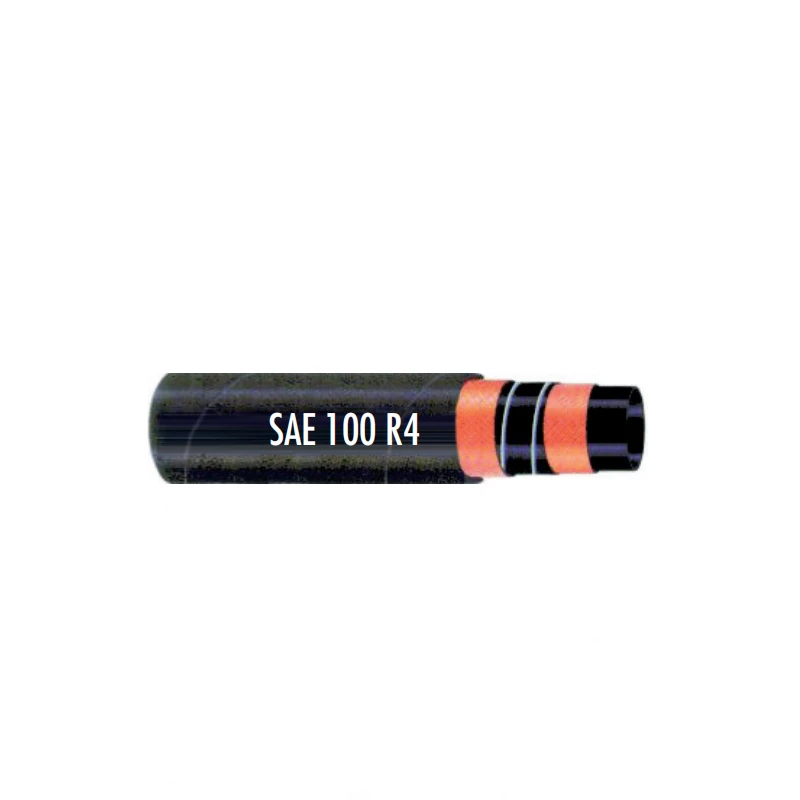
Textile Reinforced Hydraulic oil Suction Hose with embedded Steel Wire SAE 100 R4
-
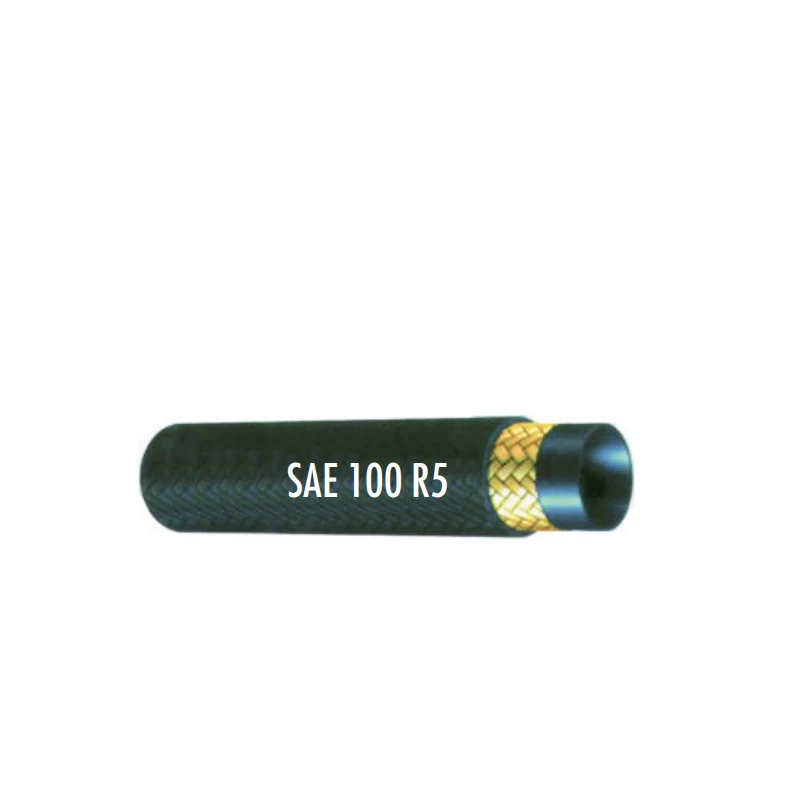
Single Wire Braid and Textile Covered Hydraulic Hose SAE 100 R5
-
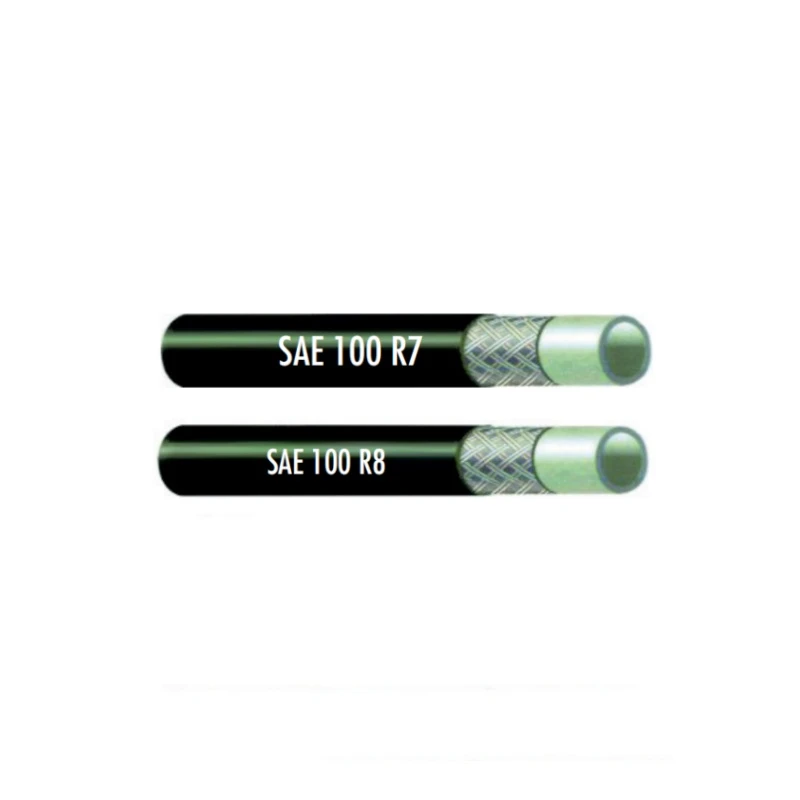
High Pressure Thermoplastic Hydraulic Hose SAE 100 R7 / EN855 R7 - SAE 100 R8 / EN855 R8
-
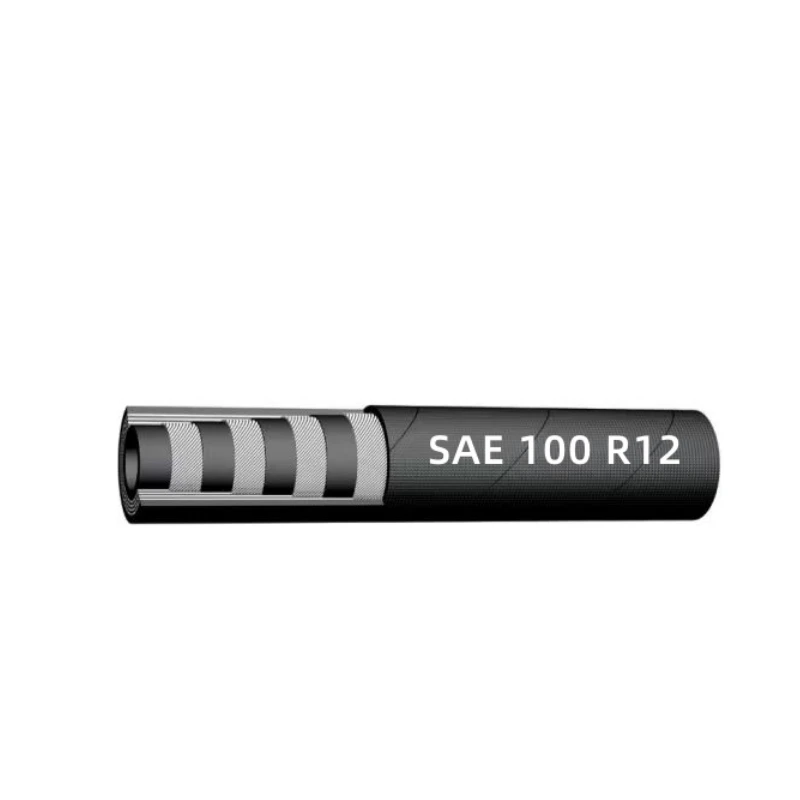
Heavy Duty Four-layer Steel Wire Spiral Reinforced Hydraulic Hose SAE100R9+R10+R12
-
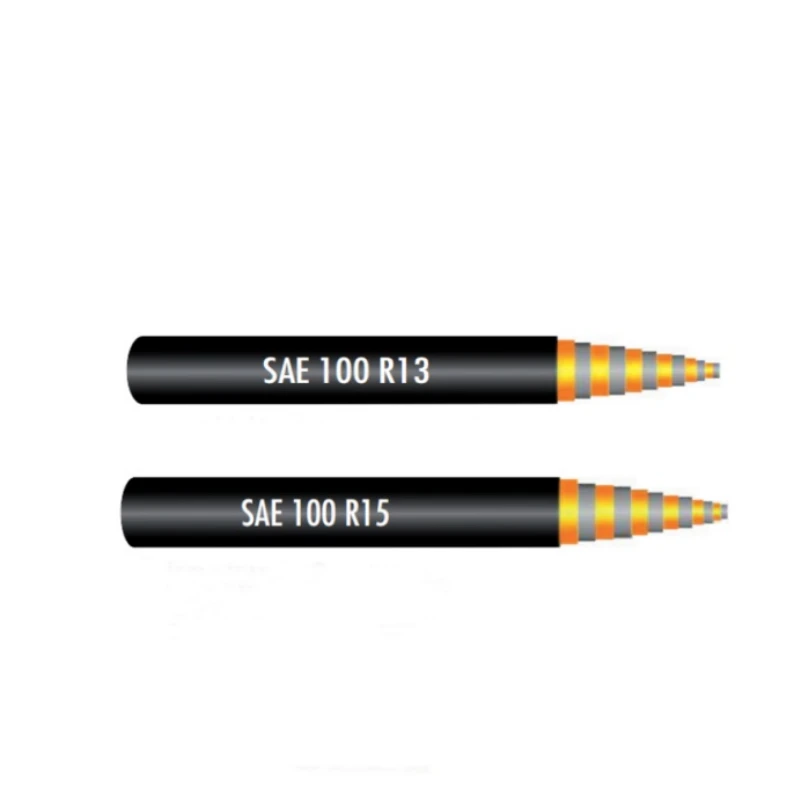
Heavy Duty Multi-layer Steel Wire Reinforced Hydraulic Hose SAE100R13 SAE100R15


