

Dec . 14, 2025 02:35 Back to list
Durable and Versatile Nylon Tube Solutions for Industry and Humanitarian Use
Understanding Nylon Tube: Why It Matters in Our Modern World
At first glance, when you hear nylon tube, you might picture a simple plastic hose or a cable protector. But zoom out a bit, and you’ll see that this seemingly plain component is actually a linchpin in global infrastructure—from manufacturing lines in Asia to humanitarian water projects in Africa.
Why this matters? Because nylon tubes combine durability, chemical resistance, and flexibility in a way few materials can. In a world increasingly reliant on both industrial innovation and sustainable solutions, grasping the benefits of nylon tubes isn’t just niche knowledge—it’s essential.
The Global Context of Nylon Tube Usage
Worldwide, flexible tubing solutions are in ever-growing demand. The International Organization for Standardization (ISO) estimates that the global plastic tubing market grows by roughly 6.5% annually, with the automotive, medical, and water treatment sectors leading the charge (1). Nylon tube specifically is prized for outperforming many rivals — thanks to its chemical resistance and strength-to-weight ratio.
One major challenge the nylon tube helps solve? Reliable fluid or gas transport in environmentally challenging areas. Picture remote industrial zones in Siberia or post-disaster regions in Southeast Asia—they need resilient tubing to keep critical systems operational while allowing rapid deployment.
What Is a Nylon Tube, Really?
Simply put, a nylon tube is a cylindrical conduit made from polyamide polymers (which is what nylon basically is). This synthetic polymer’s main superpowers include impact resistance and low friction. The tubes themselves are used to carry liquids, gasses, or protect wiring and fiber optics.
In modern industry, these tubes find home in everything from pneumatic machinery to automotive fuel lines. For humanitarian applications, imagine tubes bringing potable water through rugged terrains, or flexible, lightweight ducts in rapidly deployable tents and shelters.
Core Components That Make Nylon Tubes Special
Durability and Strength
Nylon’s resistance to wear, chemicals, and even UV light often outperforms alternatives like PVC or rubber tubing. This robustness means fewer replacements and less downtime—a massive plus in continuous production lines.
Flexibility
Oddly enough, nylon strikes a neat balance between stiffness and bendability. This makes routing tubing around tight spaces or moving joints smoother without risking kinks.
Cost Efficiency
While not always the cheapest, nylon tubes tend to offer the lowest cost over time due to longevity and resistance. Maintenance crews often note fewer leaks and failures.
Thermal Resistance
Nylon's ability to handle temperatures from -40°C up to 120°C is critical in environments with extreme weather or machinery heat.
Environmental Sustainability
Many manufacturers now favor recyclable nylon compositions, reducing environmental footprints while maintaining performance.
Mini Takeaway:
Nylon tubes blend strength, adaptability, and lifespan, making them a go-to for diverse applications worldwide.
Global Applications & Use Cases: Where Nylon Tubes Shine
Nylon tubes aren’t limited to factories or labs. You’ll find them:
- In automotive manufacturing: Fuel injection and brake systems rely on precise tubing.
- Medical devices: Durable yet biocompatible nylon tubes convey fluids safely.
- Agriculture irrigation: Thanks to UV resistance, these tubes deliver water across sun-beaten fields.
- Post-disaster relief: NGOs use nylon tubes for swift water filtration setups in crises.
- Industrial automation: Pneumatic systems rely heavily on reliable nylon tubing.
For instance, during the 2020 floods in South Asia, emergency shelters equipped with lightweight, collapsible water tubing (made of nylon) provided safe hydration quickly and efficiently.
Mini Takeaway:
Nylon tubes support industries and communities by ensuring critical transport of fluids or gases in demanding conditions.
The Advantages & Long-Term Value of Using Nylon Tubes
It’s not just about durability, really. The emotional and social value of a reliable nylon tube translates to safety, innovation, and trust. For engineers, knowing their systems are less likely to fail means peace of mind. For humanitarian workers, dependable supplies mean dignity and security for vulnerable populations.
In terms of raw performance:
- Lower overall lifecycle costs compared to rubber or metal alternatives
- Reduced environmental impact thanks to recyclability and chemical inertness
- Improved safety margins thanks to thermal and pressure resistance
Product Specification Table
| Specification | Typical Nylon Tube Range |
|---|---|
| Inner Diameter | 1 mm – 25 mm |
| Outer Diameter | 2 mm – 30 mm |
| Operating Temperature | -40°C to +120°C |
| Maximum Working Pressure | Up to 20 bar (varies by diameter) |
| Material | Nylon 6 or Nylon 12 |
| Color Options | Natural, Black, Blue, Red, Custom |
Vendor Comparison: Choosing the Right Nylon Tube Supplier
| Vendor | Product Range | Price Level | Customization | Delivery Speed |
|---|---|---|---|---|
| JY Hose | Wide (Nylon 6 & 12 tubes, various diameters) | Mid-range | High (colors and sizes) | Fast (2-3 weeks) |
| Global Tubing Co. | Broad (focus on industrial grades) | Premium | Moderate | Standard (4-6 weeks) |
| EcoFlex Tubes | Niche (focus on recyclable, eco materials) | Variable | Custom orders only | Slower (6+ weeks) |
Looking Ahead: Future Trends & Innovations in Nylon Tubing
The demand for greener technologies and smarter materials keeps pushing manufacturers to innovate. I noticed a surge in bio-based nylon variants that promise reduced carbon footprints while keeping the signature mechanical strengths intact. Digitally enhanced supply chains and automated quality testing are also becoming standard, cutting errors and speeding deliveries.
Imagine nylon tubes with embedded sensors to monitor pressure or leaks in real time—that’s not sci-fi anymore. These trends align well with Industry 4.0 and sustainability goals worldwide.
Challenges & How to Overcome Them
Of course, nylon tubes aren’t flawless. They can absorb moisture, which may affect dimensional stability. Also, severe exposure to UV light might degrade some grades over time. But that’s where additives and improved formulations come into play. Plus, partnering with vendors who understand your specific use case can make all the difference.
FAQ: Frequently Asked Questions About Nylon Tubes
1. What industries benefit most from nylon tubing?
Industries like automotive, aerospace, medical devices, agriculture, and industrial automation heavily rely on nylon tubes due to their strength, flexibility, and chemical resistance.
2. How does water absorption impact nylon tubes?
Nylon can absorb moisture which might cause slight dimensional changes. However, modern formulations and proper coatings minimize these effects for most applications.
3. Are nylon tubes recyclable?
Yes, many nylon tubes today are made from recyclable materials, supporting environmental sustainability. Check with your vendor for certification and recycling programs.
4. Can nylon tubes handle high temperature fluids?
Ordinary nylon tubes typically operate safely up to 120°C. For higher temperatures, specialized grades or other materials might be recommended.
5. How do I pick the best nylon tube for my project?
Consider factors like pressure requirements, chemical exposure, temperature range, and flexibility needs. Consulting with suppliers like JY Hose helps streamline this selection.
Conclusion: Why Nylon Tubes Are an Investment in Reliability
All things considered, the nylon tube sits quietly at the center of many vital operations worldwide—its combination of durability, flexibility, and sustainability having real long-term value. Whether you’re a manufacturer looking for reliable componentry or a humanitarian seeking fast water delivery methods, nylon tubing delivers.
Curious to learn more or ready to source quality nylon tubes? Visit JY Hose to explore custom options and expert support today.
References
Latest News
Steel Wire Reinforced Hydraulic Hose SAE 100 R1 / EN853 1SN S
NewsOct.17,2024
Two Layers Steel Wire Reinforced Hydraulic Hose SAE 100 R2 / EN853 2SN
NewsSep.03,2024
Textile Braid Reinforced Hydraulic Hose SAE100 R3+R6
NewsSep.03,2024
Textile Reinforced Hydraulic oil Suction Hose with embedded Steel Wire SAE 100 R4
NewsSep.03,2024
Single Wire Braid and Textile Covered Hydraulic Hose SAE 100 R5
NewsSep.03,2024
High Pressure Thermoplastic Hydraulic Hose SAE 100 R7 / EN855 R7 - SAE 100 R8 / EN855 R8
NewsSep.03,2024
Heavy Duty Four-layer Steel Wire Spiral Reinforced Hydraulic Hose SAE100R9+R10+R12
NewsSep.03,2024
Heavy Duty Multi-layer Steel Wire Reinforced Hydraulic Hose SAE100R13 SAE100R15
NewsSep.03,2024
Latest Products
-
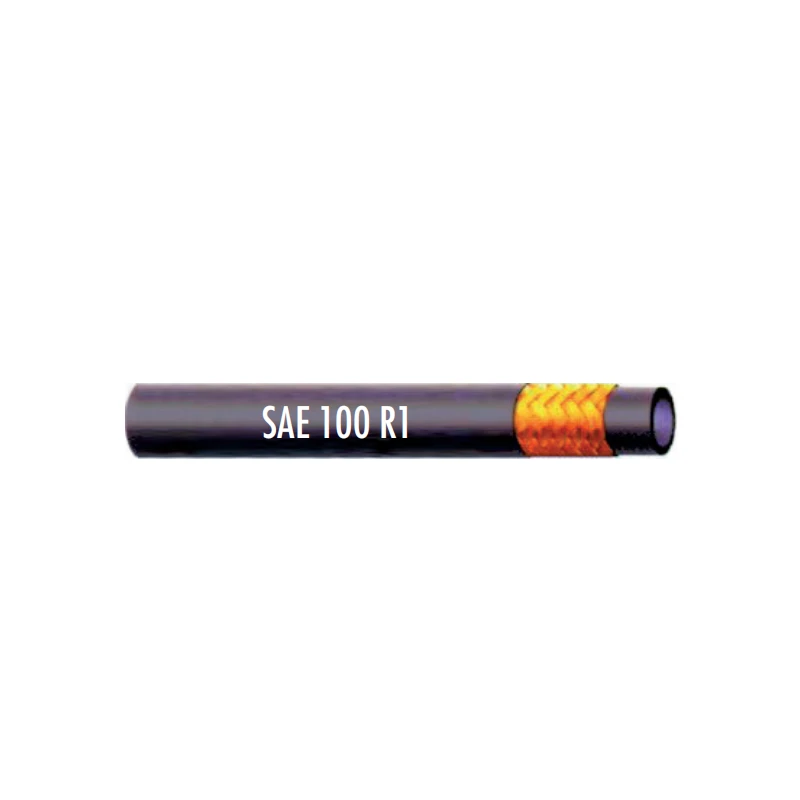
Steel Wire Reinforced Hydraulic Hose SAE 100 R1 / EN853 1SN S
-
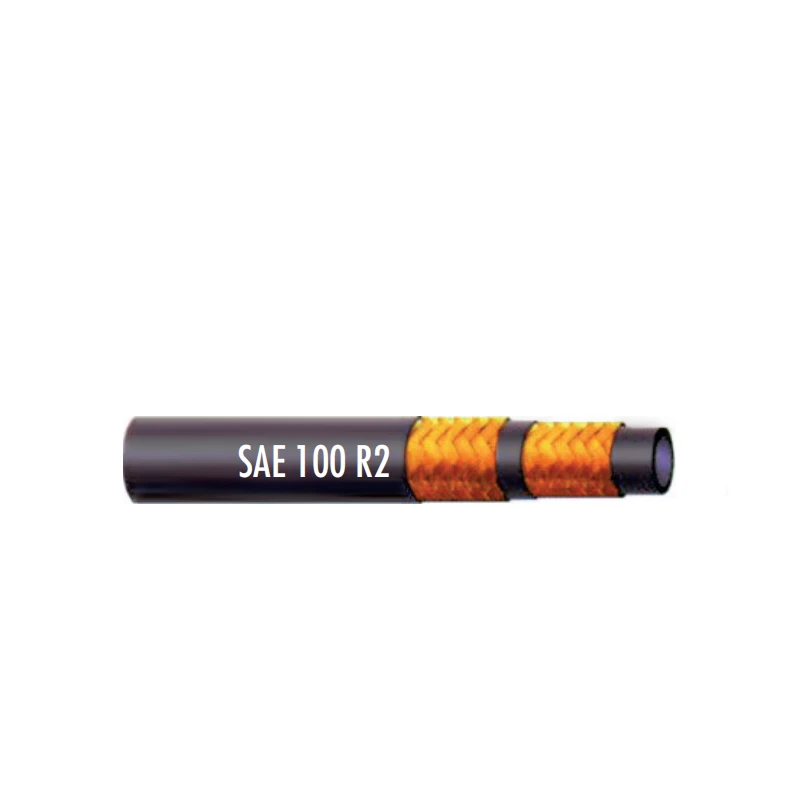
Two Layers Steel Wire Reinforced Hydraulic Hose SAE 100 R2 / EN853 2SN
-
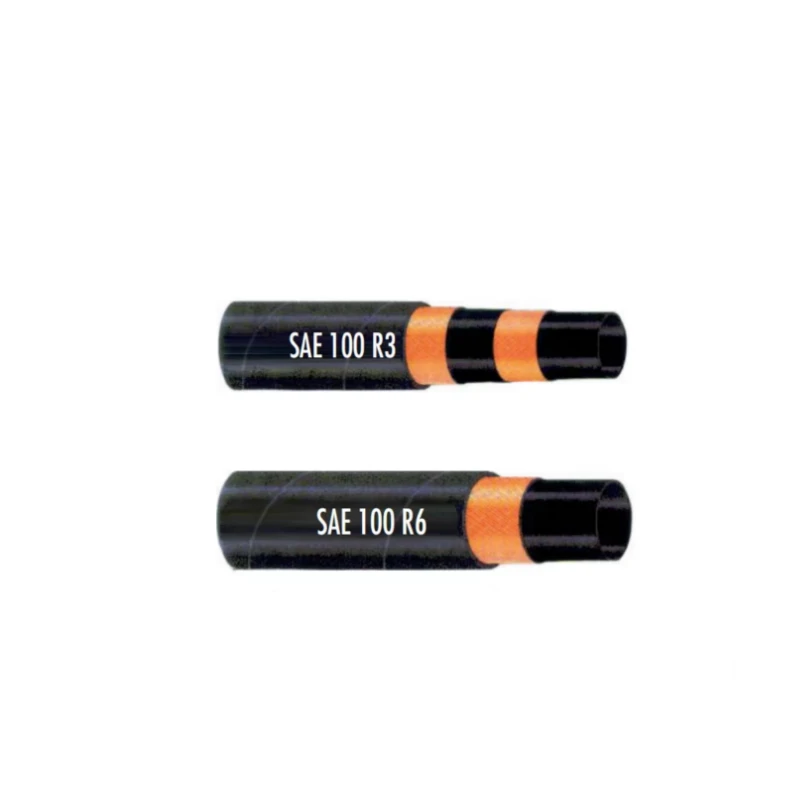
-
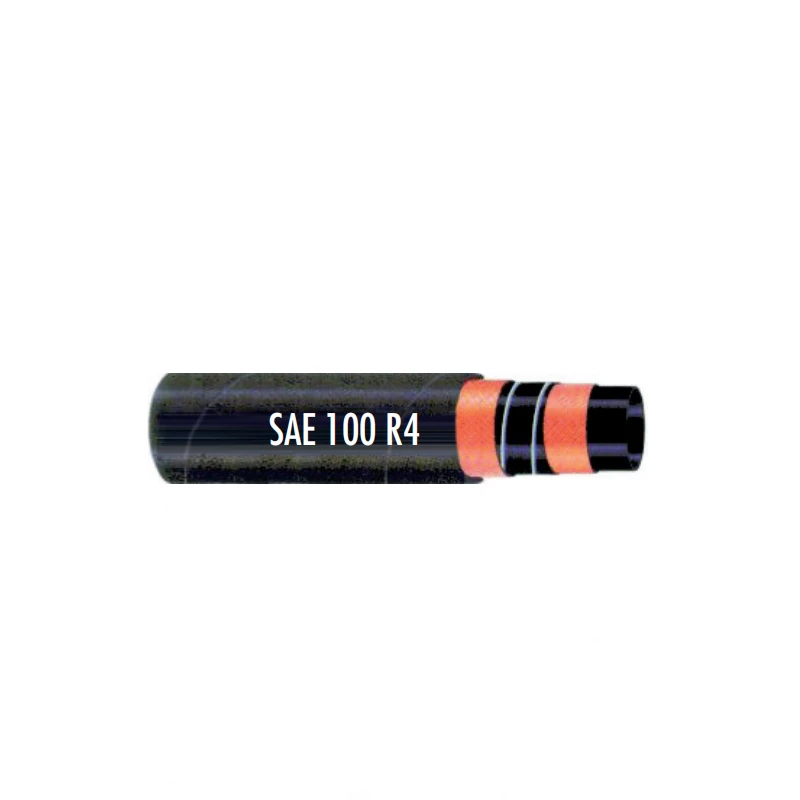
Textile Reinforced Hydraulic oil Suction Hose with embedded Steel Wire SAE 100 R4
-
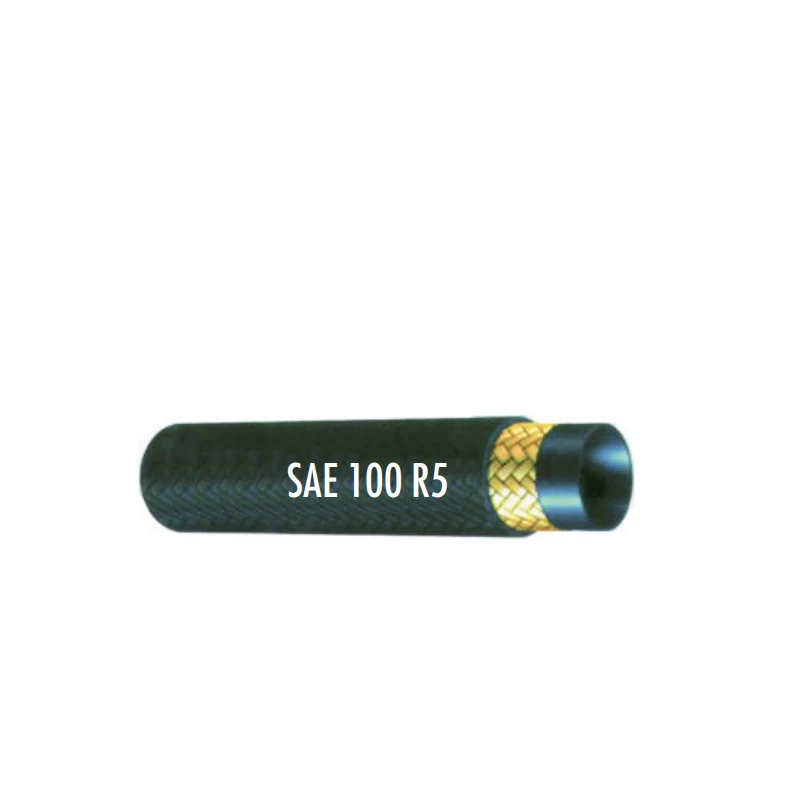
Single Wire Braid and Textile Covered Hydraulic Hose SAE 100 R5
-
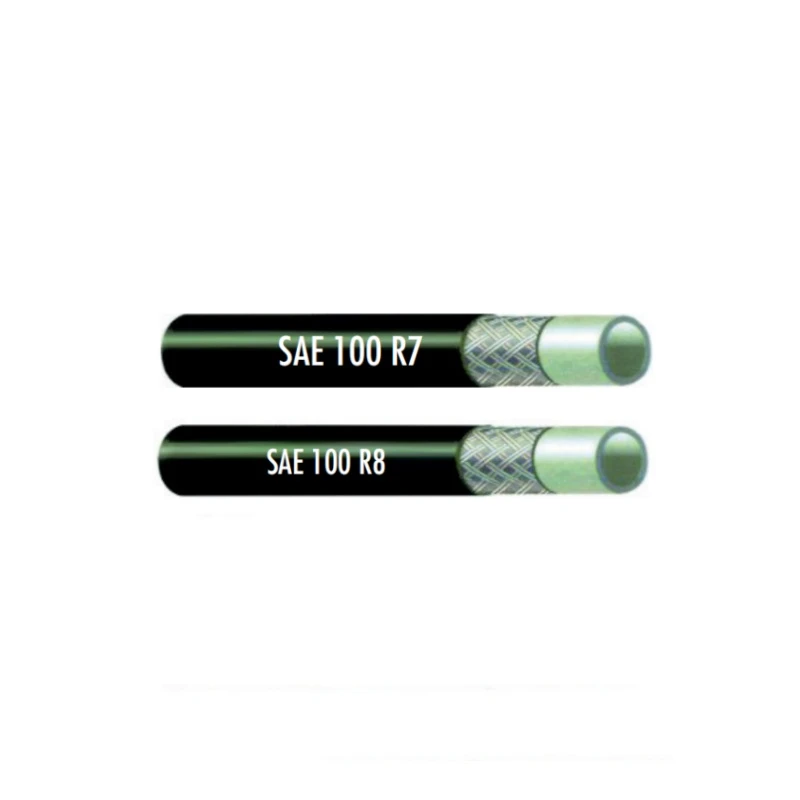
High Pressure Thermoplastic Hydraulic Hose SAE 100 R7 / EN855 R7 - SAE 100 R8 / EN855 R8
-
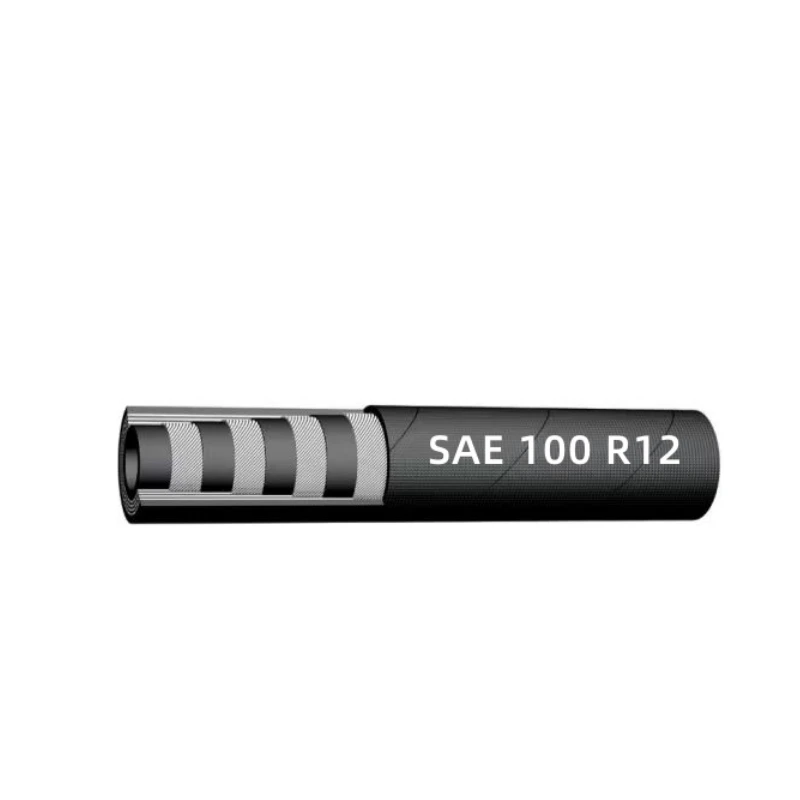
Heavy Duty Four-layer Steel Wire Spiral Reinforced Hydraulic Hose SAE100R9+R10+R12
-
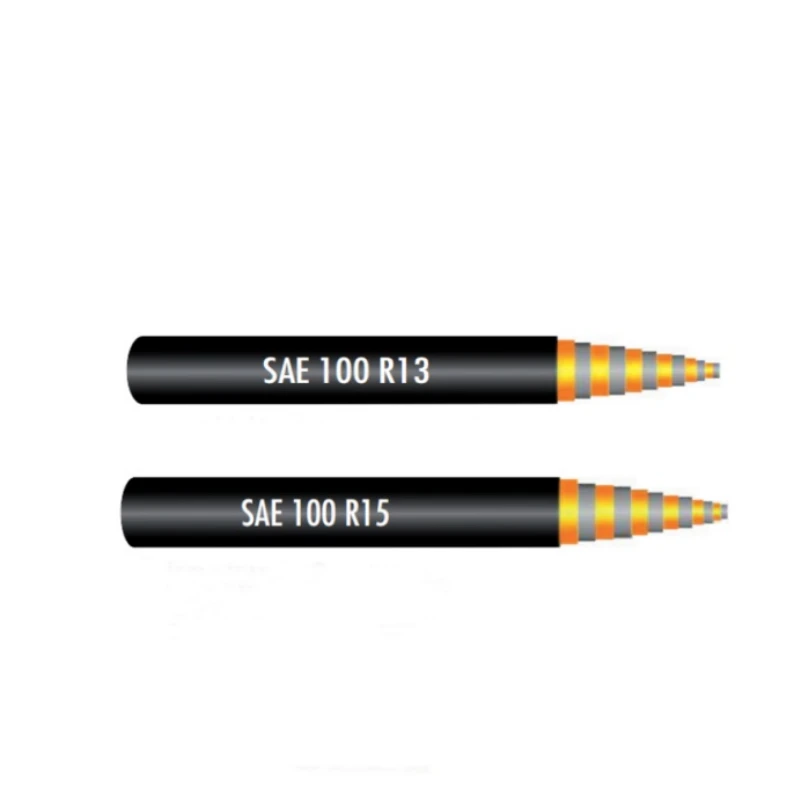
Heavy Duty Multi-layer Steel Wire Reinforced Hydraulic Hose SAE100R13 SAE100R15


