

Jan . 27, 2026 17:55 Back to list
Comprehensive Guide to SAE 100R7 Hydraulic Hose Standards and Applications
Understanding SAE100R7: A Comprehensive Guide to Hydraulic Hose Standards
In the world of hydraulic systems, the integrity of the hoses is paramount for safe and efficient operation. The SAE 100R7 hose standard is a widely recognized specification for non-synthetic hydraulic hoses. This article will provide a thorough overview of SAE 100R7, covering its key characteristics, applications, testing parameters, and how it compares to other relevant standards. Understanding this standard is crucial for anyone involved in the selection, installation, or maintenance of hydraulic hose systems. We will also discuss where to source high-quality SAE 100R7 hoses from a trusted supplier like JY Hose.
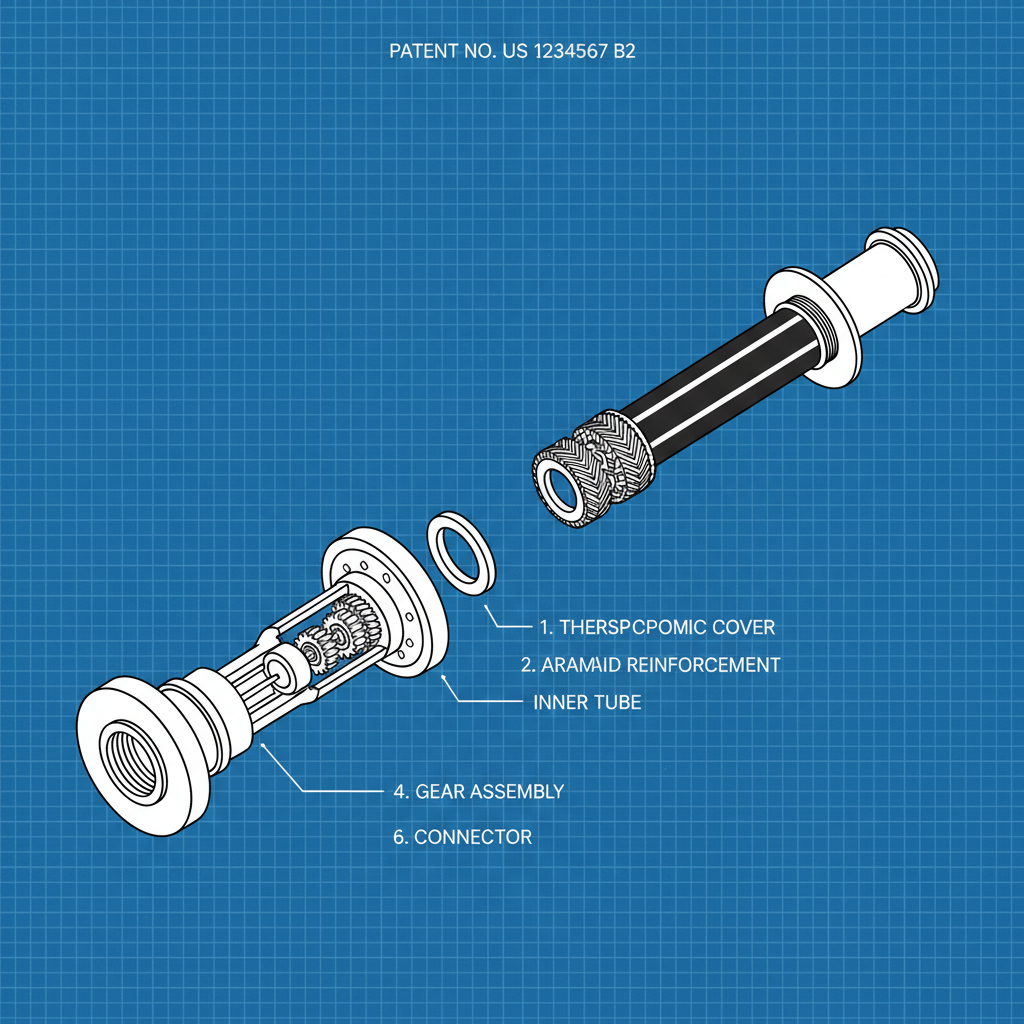
What is the SAE 100R7 Standard?
SAE 100R7 is a Society of Automotive Engineers (SAE) standard defining the performance requirements for non-synthetic, rubber hydraulic hoses with a steel wire reinforcement. These hoses are designed for medium-pressure applications and are commonly used in a variety of industries. The standard specifies dimensions, materials, construction, and performance characteristics to ensure the hose can reliably withstand the pressures and temperatures encountered in typical hydraulic systems. It's crucial to remember that this standard focuses on non-synthetic hoses, differing from other SAE standards in this aspect. Compliance with SAE 100R7 ensures a level of quality and interchangeability for hydraulic hoses across different manufacturers.
Key Characteristics: Non-synthetic rubber, steel wire reinforcement, medium pressure applications, dimensional specifications, material requirements.
Applications of SAE 100R7 Hydraulic Hoses
SAE 100R7 hoses find widespread use in diverse applications, including: construction equipment (excavators, loaders, bulldozers), agricultural machinery (tractors, harvesters), industrial machinery (presses, lifts, injection molding machines), and mobile hydraulics (truck mounted equipment, aerial lifts). They’re well-suited for conveying hydraulic fluid in systems operating within their specified pressure and temperature ranges. Because of their robust construction and relatively straightforward design, they provide a cost-effective solution for many medium-pressure hydraulic applications. Choosing the right hose for your specific application is essential for longevity and safety.
Common Application Areas:
• Construction Equipment
• Agricultural Machinery
• Industrial Hydraulics
• Mobile Hydraulics
SAE 100R7 vs. Other Hydraulic Hose Standards
Several SAE standards govern hydraulic hoses, each with its specific characteristics and applications. SAE 100R1AT is a popular standard offering higher pressure ratings and synthetic rubber construction. SAE 100R2AT provides even greater pressure capabilities and is also synthetic. SAE 100R6 is a lightweight hose for lower-pressure applications. The key difference with SAE 100R7 lies in its non-synthetic rubber construction, making it suitable for applications where synthetic materials are undesirable or incompatible with the hydraulic fluid. Understanding these differences is crucial for selecting the right hose for optimal performance and safety.
Testing and Performance Requirements
SAE 100R7 hoses undergo rigorous testing to ensure they meet the specified performance criteria. These tests include pressure testing (to verify burst strength), impulse testing (to assess resistance to pulsating pressure), and temperature testing (to evaluate performance across a range of temperatures). The standard also dictates requirements for dimensional accuracy, material composition, and resistance to fluid degradation. Manufacturers must demonstrate compliance through independent testing and certification. JY Hose, for example, provides detailed test reports and certifications for all its SAE 100R7 hoses.
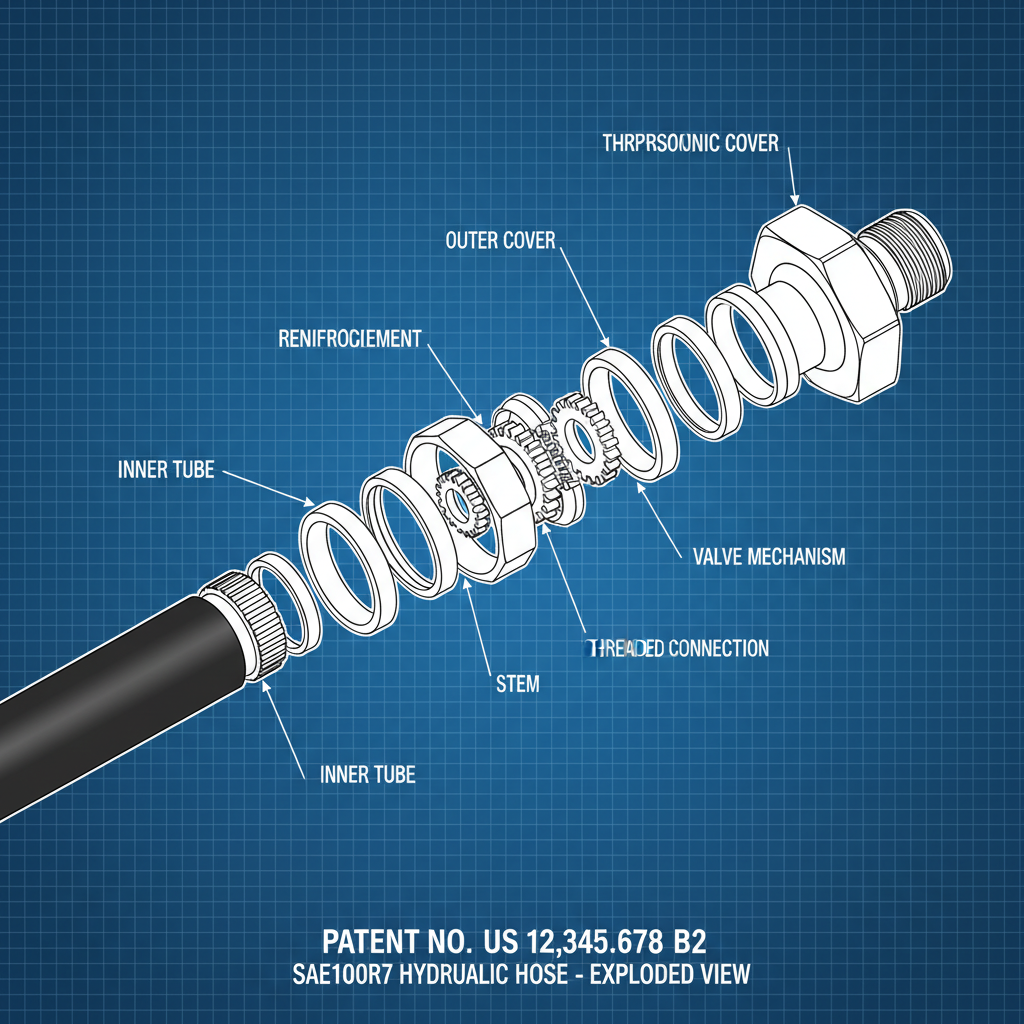
Sourcing High-Quality SAE 100R7 Hoses
When selecting SAE 100R7 hoses, it's essential to choose a reputable supplier who can guarantee compliance with the standard. Look for suppliers that provide certifications and test reports, ensuring the hoses have been rigorously tested. Consider factors such as hose length, diameter, and end fitting options to meet your specific application requirements. JY Hose is a leading manufacturer and supplier of hydraulic hoses, including SAE 100R7, offering a wide range of sizes, fittings, and custom solutions.
Conclusion: Ensuring Hydraulic System Reliability with SAE 100R7
Understanding the SAE 100R7 standard is crucial for maintaining the safety and efficiency of your hydraulic systems. By selecting hoses that meet this standard from a trusted supplier like JY Hose, you can ensure reliable performance and minimize the risk of costly failures. Investing in quality hoses is a proactive approach to protecting your equipment and personnel.
Frequently Asked Questions (FAQs)
What is the temperature range for SAE 100R7 hoses?
Typically, SAE 100R7 hoses are designed to operate within a temperature range of -40°C to +100°C (-40°F to +212°F). However, it's crucial to consult the manufacturer's specifications, as specific temperature limits can vary slightly depending on the hose construction and materials used. Operating outside the recommended temperature range can compromise the hose's integrity and lead to premature failure. Proper consideration of the operating temperature is vital for ensuring reliable performance.
Are SAE 100R7 hoses suitable for flammable fluids?
SAE 100R7 hoses are generally not recommended for use with highly flammable fluids unless specifically designed and marked for that purpose. While they can handle many hydraulic fluids, they lack the specialized construction required to prevent fluid leakage and ignition in the event of a fire. For flammable fluids, you should use hoses specifically designated as “fire-resistant” or “fire-rated” that meet relevant safety standards. Always prioritize safety when handling flammable fluids and choose hoses accordingly.
How often should SAE 100R7 hoses be inspected?
Regular inspection is essential for maintaining the safety and reliability of SAE 100R7 hoses. It is recommended to inspect hoses before each use for signs of wear, damage, or leakage. This includes checking for cracks, abrasions, kinks, bulges, and loose fittings. A more thorough inspection should be performed at least annually, or more frequently in harsh operating environments. Documenting inspection results can help track hose condition and identify potential problems before they escalate.
Where can I find certified SAE 100R7 hoses?
You can find certified SAE 100R7 hoses from reputable manufacturers and distributors. JY Hose is a trusted source for high-quality, certified SAE 100R7 hoses. Ensure the supplier provides documentation confirming compliance with the standard, such as test reports and certifications. Look for hoses with clear markings indicating SAE 100R7 compliance.
Latest News
Steel Wire Reinforced Hydraulic Hose SAE 100 R1 / EN853 1SN S
NewsOct.17,2024
Two Layers Steel Wire Reinforced Hydraulic Hose SAE 100 R2 / EN853 2SN
NewsSep.03,2024
Textile Braid Reinforced Hydraulic Hose SAE100 R3+R6
NewsSep.03,2024
Textile Reinforced Hydraulic oil Suction Hose with embedded Steel Wire SAE 100 R4
NewsSep.03,2024
Single Wire Braid and Textile Covered Hydraulic Hose SAE 100 R5
NewsSep.03,2024
High Pressure Thermoplastic Hydraulic Hose SAE 100 R7 / EN855 R7 - SAE 100 R8 / EN855 R8
NewsSep.03,2024
Heavy Duty Four-layer Steel Wire Spiral Reinforced Hydraulic Hose SAE100R9+R10+R12
NewsSep.03,2024
Heavy Duty Multi-layer Steel Wire Reinforced Hydraulic Hose SAE100R13 SAE100R15
NewsSep.03,2024
Latest Products
-
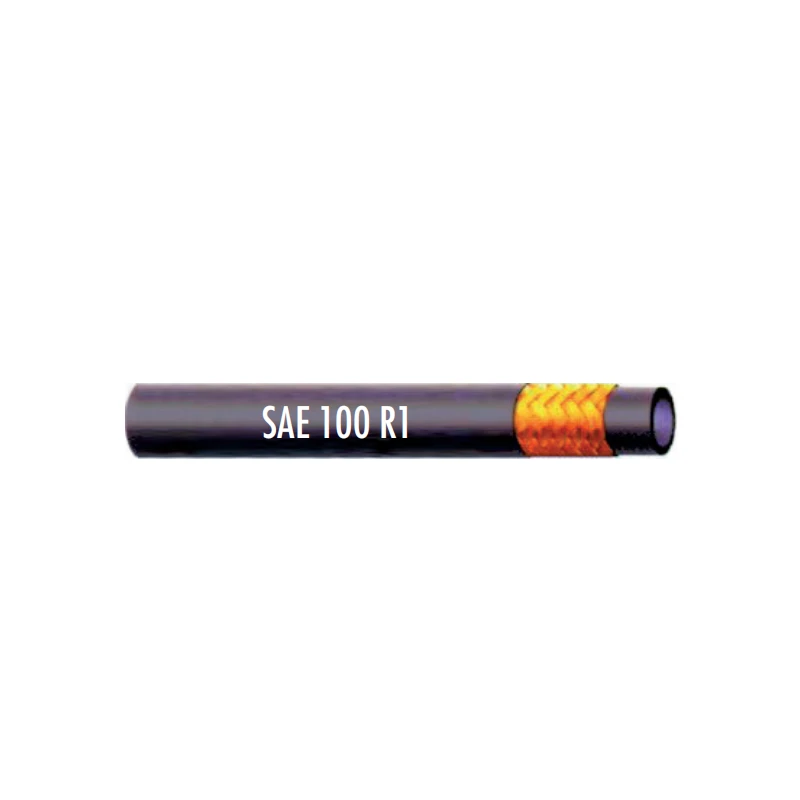
Steel Wire Reinforced Hydraulic Hose SAE 100 R1 / EN853 1SN S
-
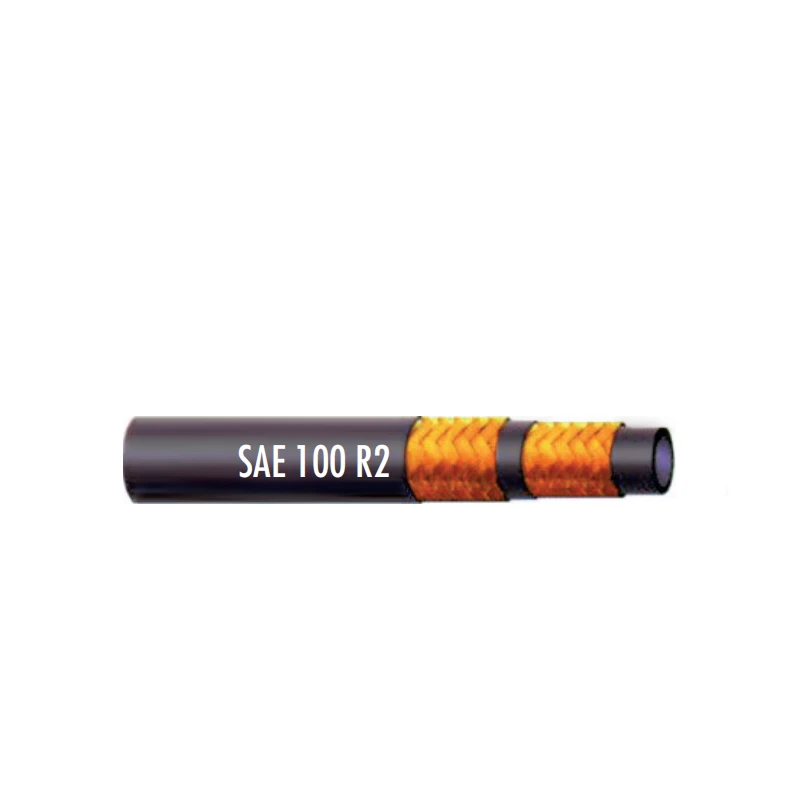
Two Layers Steel Wire Reinforced Hydraulic Hose SAE 100 R2 / EN853 2SN
-
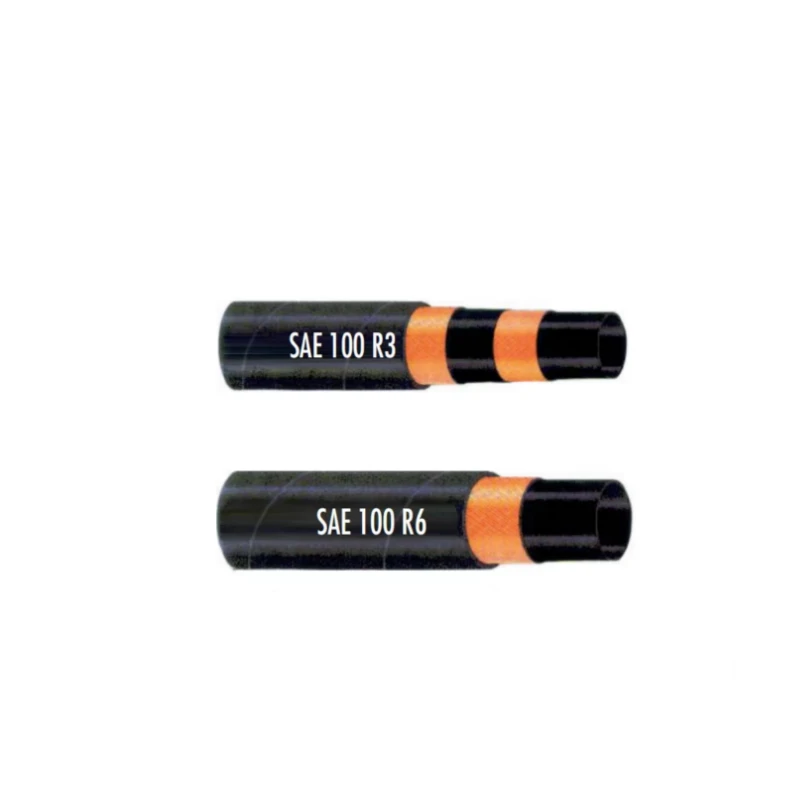
-
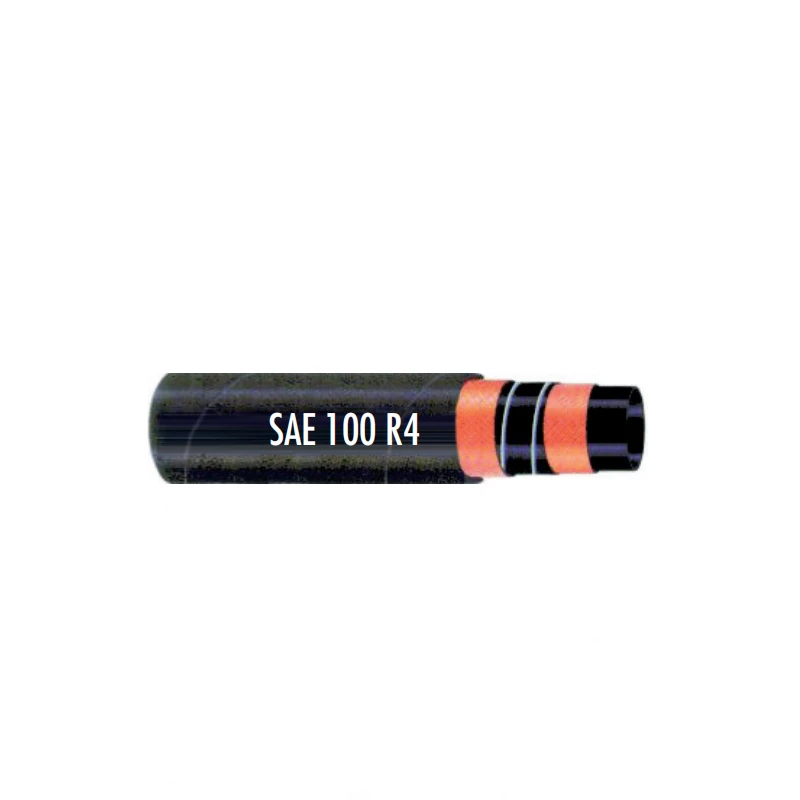
Textile Reinforced Hydraulic oil Suction Hose with embedded Steel Wire SAE 100 R4
-
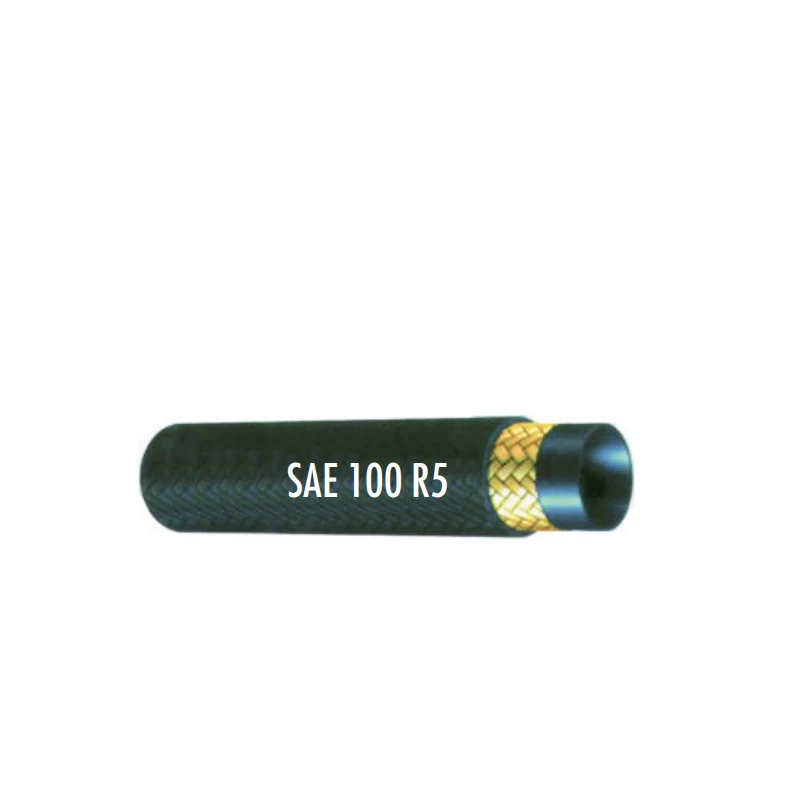
Single Wire Braid and Textile Covered Hydraulic Hose SAE 100 R5
-
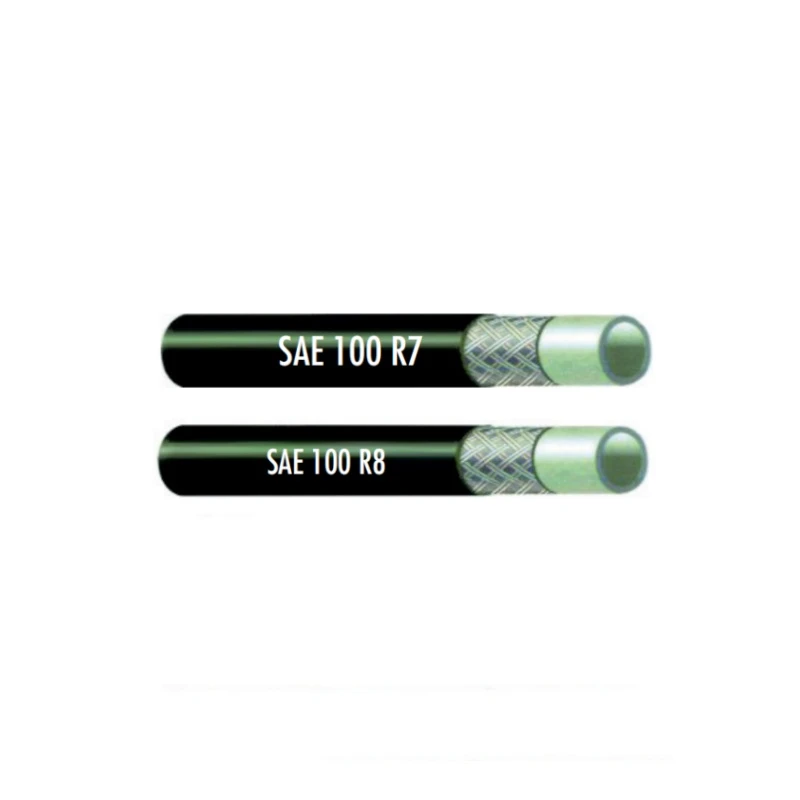
High Pressure Thermoplastic Hydraulic Hose SAE 100 R7 / EN855 R7 - SAE 100 R8 / EN855 R8
-
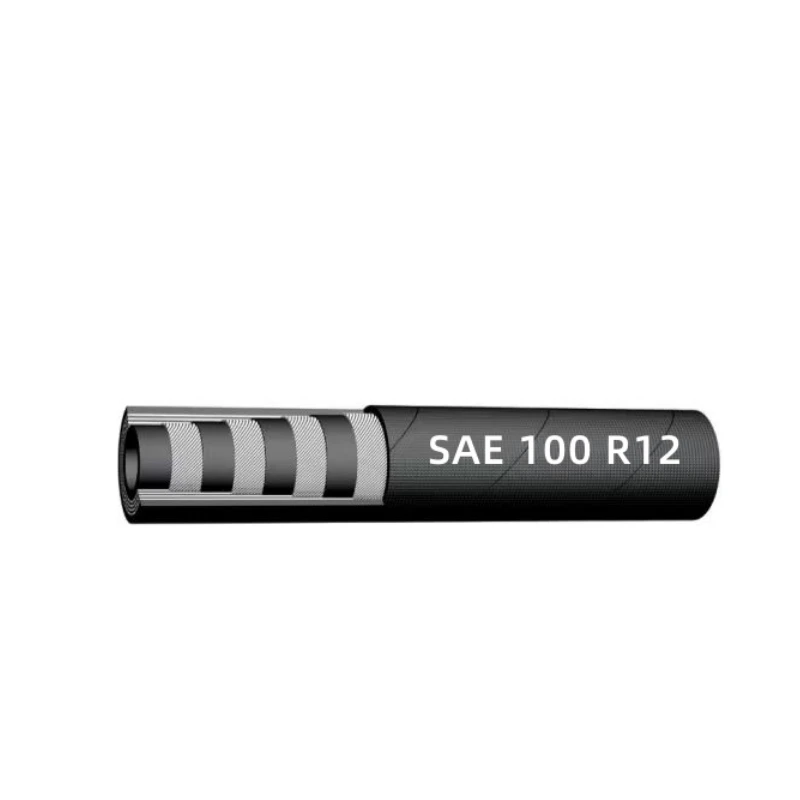
Heavy Duty Four-layer Steel Wire Spiral Reinforced Hydraulic Hose SAE100R9+R10+R12
-
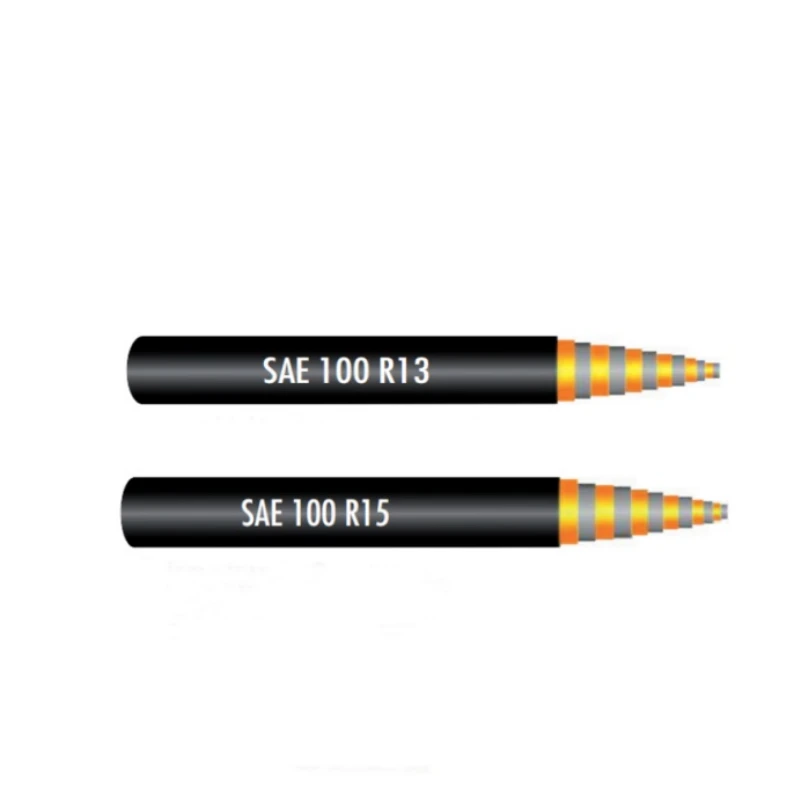
Heavy Duty Multi-layer Steel Wire Reinforced Hydraulic Hose SAE100R13 SAE100R15


