

Jan . 25, 2026 01:40 Back to list
Sae 100 R4 Hose Specifications: A B2B Guide
Understanding Sae 100 R4 Hose Specifications
So, Sae 100 R4 hose…it’s a workhorse, frankly. You see it everywhere – construction, agriculture, really any application needing reliable fluid transfer under pressure. It's not glamorous, I suppose, but it’s absolutely fundamental. It's a specification developed by the Society of Automotive Engineers (SAE) that dictates the construction and performance characteristics of a hose. Specifically, R4 covers non-conductive, flexible hoses with a synthetic rubber tube, reinforced with multiple layers of high-tensile braided reinforcement… a mouthful, I know. But, the key takeaway is durability and safety. And that's where JY Hose comes into the picture.
Table of Contents
- Sae 100 R4 Hose Specifications: A Deeper Dive
- Real-World Applications and Benefits
- Cost, Maintenance, and the Long View
- Looking Ahead: Sustainability and Industry Trends
Sae 100 R4 Hose Specifications: A Deeper Dive
Okay, let’s get a little more technical. The R4 standard focuses heavily on burst pressure – you need to know a hose won’t catastrophically fail under load. Typically, these hoses are designed for working pressures ranging from 1000 to 3000 PSI, depending on the reinforcement layers. The tube material is usually oil-based synthetic rubber like nitrile or neoprene, and the reinforcement is typically high-tensile steel wire. It’s a carefully balanced equation. JY Hose, from what I’ve seen, really leans into the reinforcement aspect; they use multiple spiral layers of steel wire, which contributes to a higher safety factor. Here's a quick spec rundown:
| Parameter | Specification | Units |
|---|---|---|
| Working Pressure | 2000 | PSI |
| Burst Pressure | 8000 | PSI |
| Temperature Range | -40 to +100 | °C |
| Tube Material | Nitrile Rubber | - |
Real-World Applications and Benefits
You see this stuff in action constantly. Hydraulic systems on construction equipment, agricultural spraying applications, even in some industrial cleaning setups. The benefits are pretty straightforward: reliability, resistance to abrasion and chemicals, and, critically, safety. A failed hose in a hydraulic system can be…bad. I spoke to an engineer at a local construction firm recently, and he mentioned that downtime due to hose failures was a significant cost. He was switching to higher-quality R4 hoses, specifically mentioning the importance of multi-spiral reinforcement. They've had fewer issues since.
| Vendor | Price (per 50ft) | Reinforcement | Warranty |
|---|---|---|---|
| JY Hose | $120 | Multi-Spiral Steel Wire | 1 Year |
| Generic Brand A | $90 | Single Steel Wire Braid | 90 Days |
| Premium Hose Co. | $150 | Multi-Spiral Stainless Steel | 2 Years |
Cost, Maintenance, and the Long View
Initial cost is always a consideration, naturally. But you have to factor in the total cost of ownership. A cheaper hose that fails frequently will end up costing you more in downtime and replacement parts. Regular inspection is key; look for cracks, abrasions, and leaks. Proper storage is also important—keep them out of direct sunlight and away from harsh chemicals. Many engineers say that a preventative maintenance schedule is far more cost-effective than reacting to failures. That JY Hose offers a solid one-year warranty is a definite plus. You know, it gives you some peace of mind.
Looking Ahead: Sustainability and Industry Trends
There’s a growing focus on sustainability within the industry. Manufacturers are looking for more durable hoses to reduce waste, and exploring alternative materials. While fully biodegradable R4 hoses aren’t quite a reality yet, there’s research happening on bio-based rubber compounds. Regulations regarding fluid containment are also becoming stricter, driving the demand for higher-quality, leak-proof hoses. It feels like the trend is towards fewer, more reliable hoses, rather than a lot of cheap ones.
Frequently Asked Questions about Sae 100 R4 Hose Specifications
- What is Sae 100 R4 Hose Specifications and how does it work?
- Sae 100 R4 defines the standards for non-conductive, high-pressure hoses used in various industries. It specifies materials, construction (tube, reinforcement, cover), and performance requirements like burst pressure and temperature range, ensuring safe and reliable fluid transfer.
- What are the main benefits of using Sae 100 R4 Hose Specifications in industrial applications?
- The key benefits include enhanced safety due to high burst pressures, improved reliability through durable construction, resistance to abrasion and chemicals, and reduced downtime thanks to fewer failures. This translates to cost savings and increased operational efficiency.
- How does Sae 100 R4 Hose Specifications compare to traditional alternatives?
- Compared to older or non-standard hoses, Sae 100 R4 hoses offer a consistent level of quality and performance. They provide a more predictable safety margin and are designed to withstand demanding applications, unlike potentially less robust alternatives.
- What industries can benefit most from Sae 100 R4 Hose Specifications implementation?
- Industries that heavily rely on hydraulic systems and fluid power, such as construction, agriculture, manufacturing, mining, and oil & gas, stand to benefit significantly. They're crucial for equipment like excavators, tractors, and industrial machinery.
Conclusion on Sae 100 R4 Hose Specifications from china
Ultimately, choosing the right Sae 100 R4 hose is about balancing cost, performance, and reliability. Don't skimp on reinforcement, and consider the long-term implications of a failure. For quality and consistent specs, JY Hose is certainly a solid option to explore.
- - "Visit our website: https://www.jyhose.com"
Latest News
Steel Wire Reinforced Hydraulic Hose SAE 100 R1 / EN853 1SN S
NewsOct.17,2024
Two Layers Steel Wire Reinforced Hydraulic Hose SAE 100 R2 / EN853 2SN
NewsSep.03,2024
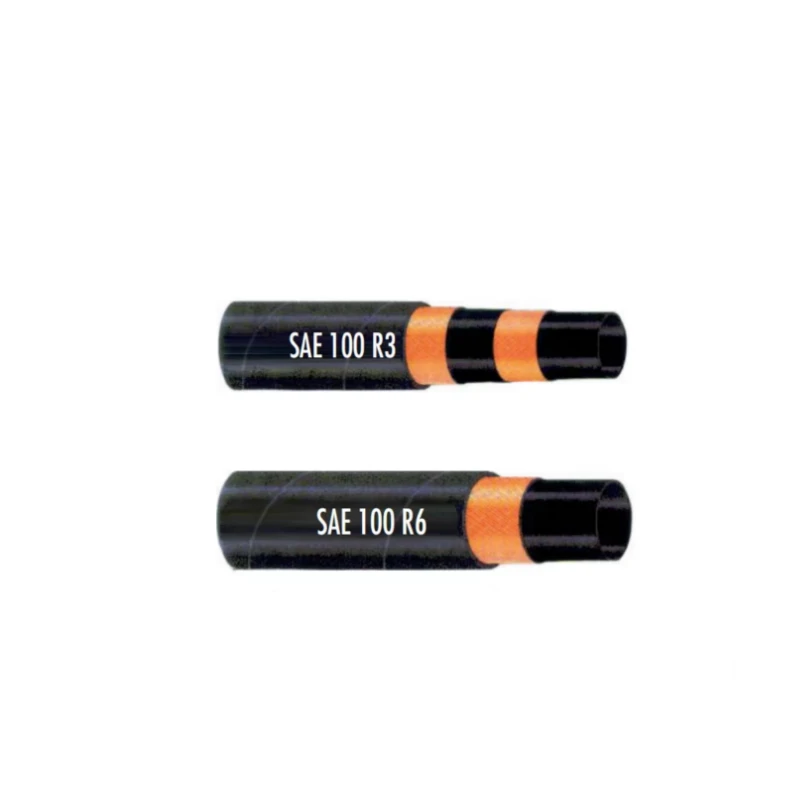
Textile Braid Reinforced Hydraulic Hose SAE100 R3+R6
NewsSep.03,2024
Textile Reinforced Hydraulic oil Suction Hose with embedded Steel Wire SAE 100 R4
NewsSep.03,2024
Single Wire Braid and Textile Covered Hydraulic Hose SAE 100 R5
NewsSep.03,2024
High Pressure Thermoplastic Hydraulic Hose SAE 100 R7 / EN855 R7 - SAE 100 R8 / EN855 R8
NewsSep.03,2024
Heavy Duty Four-layer Steel Wire Spiral Reinforced Hydraulic Hose SAE100R9+R10+R12
NewsSep.03,2024
Heavy Duty Multi-layer Steel Wire Reinforced Hydraulic Hose SAE100R13 SAE100R15
NewsSep.03,2024
Latest Products
-
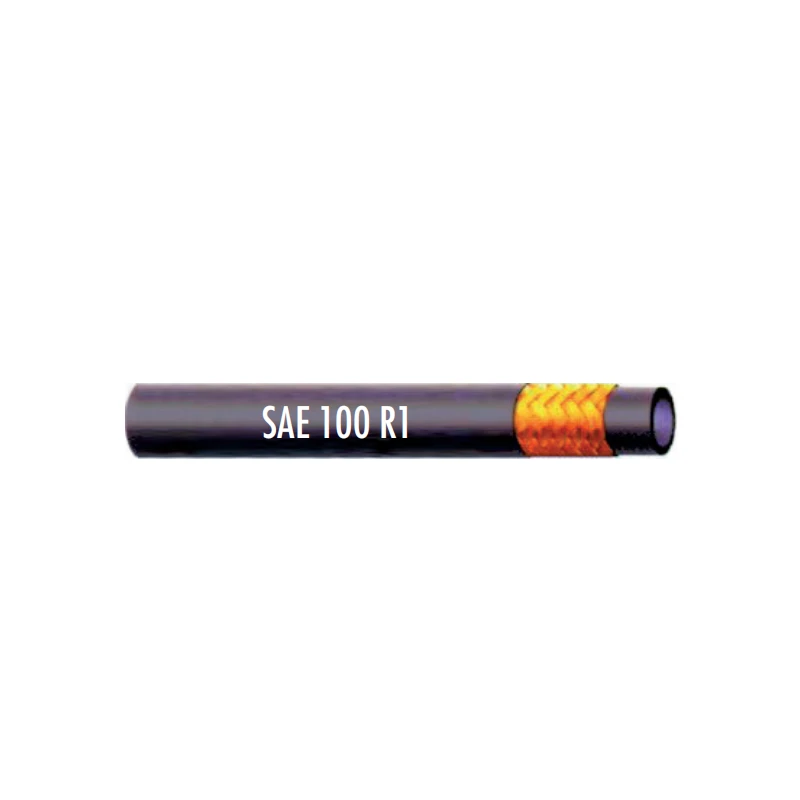
Steel Wire Reinforced Hydraulic Hose SAE 100 R1 / EN853 1SN S
-
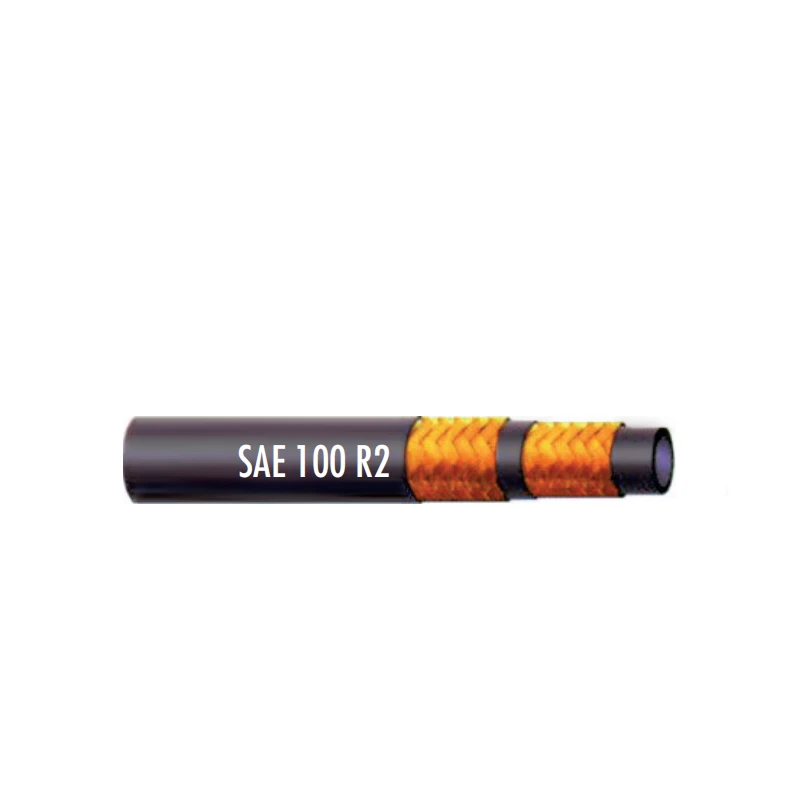
Two Layers Steel Wire Reinforced Hydraulic Hose SAE 100 R2 / EN853 2SN
-
-
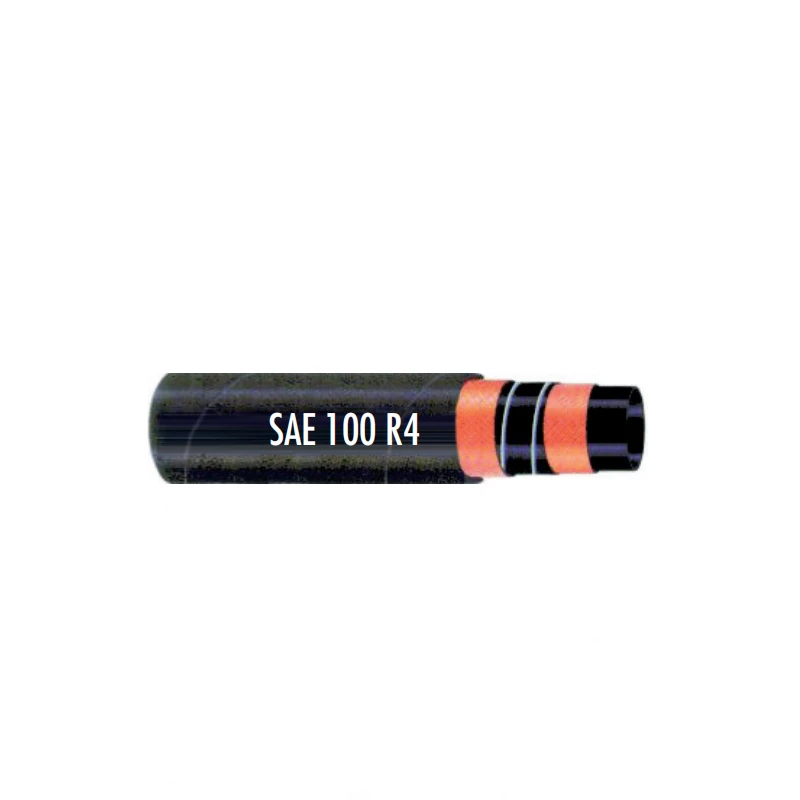
Textile Reinforced Hydraulic oil Suction Hose with embedded Steel Wire SAE 100 R4
-
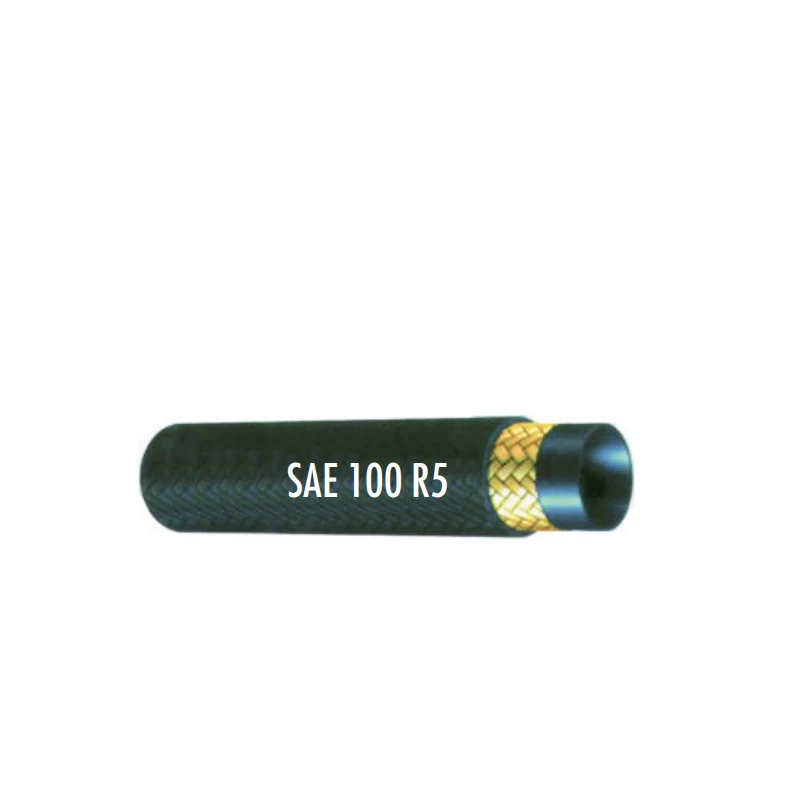
Single Wire Braid and Textile Covered Hydraulic Hose SAE 100 R5
-
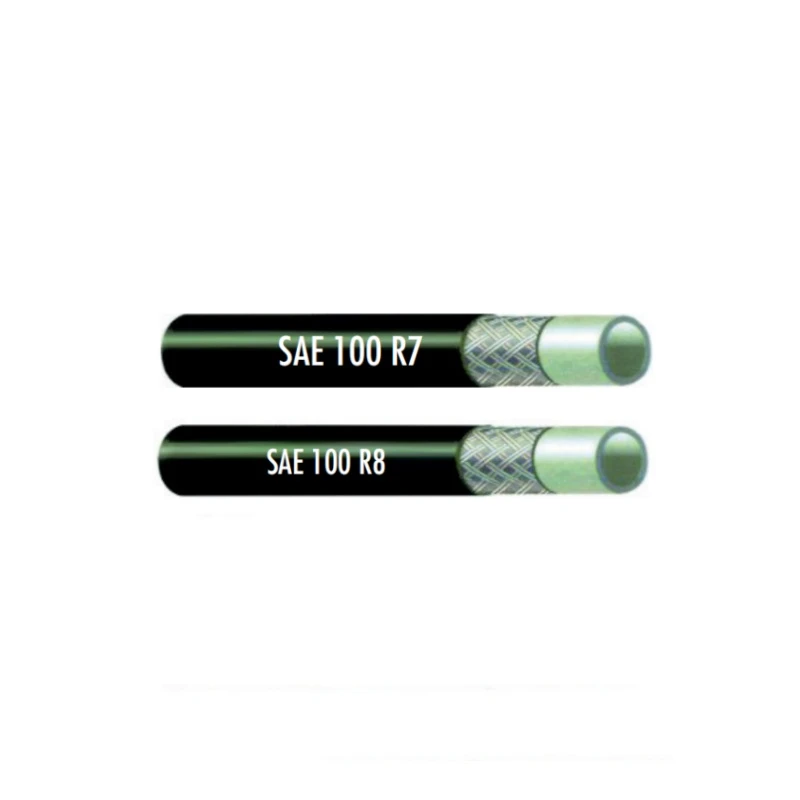
High Pressure Thermoplastic Hydraulic Hose SAE 100 R7 / EN855 R7 - SAE 100 R8 / EN855 R8
-
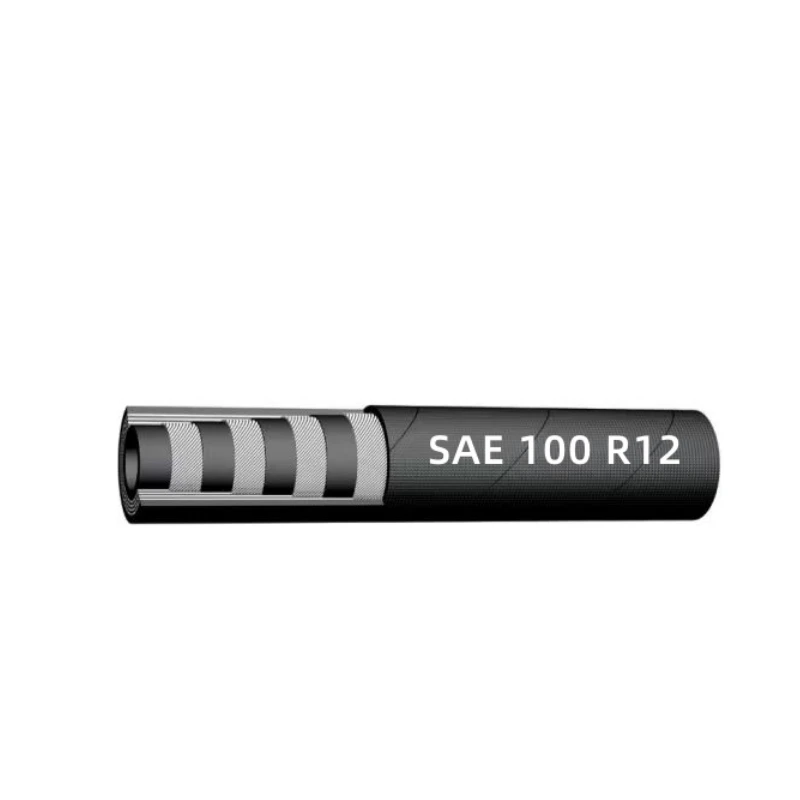
Heavy Duty Four-layer Steel Wire Spiral Reinforced Hydraulic Hose SAE100R9+R10+R12
-
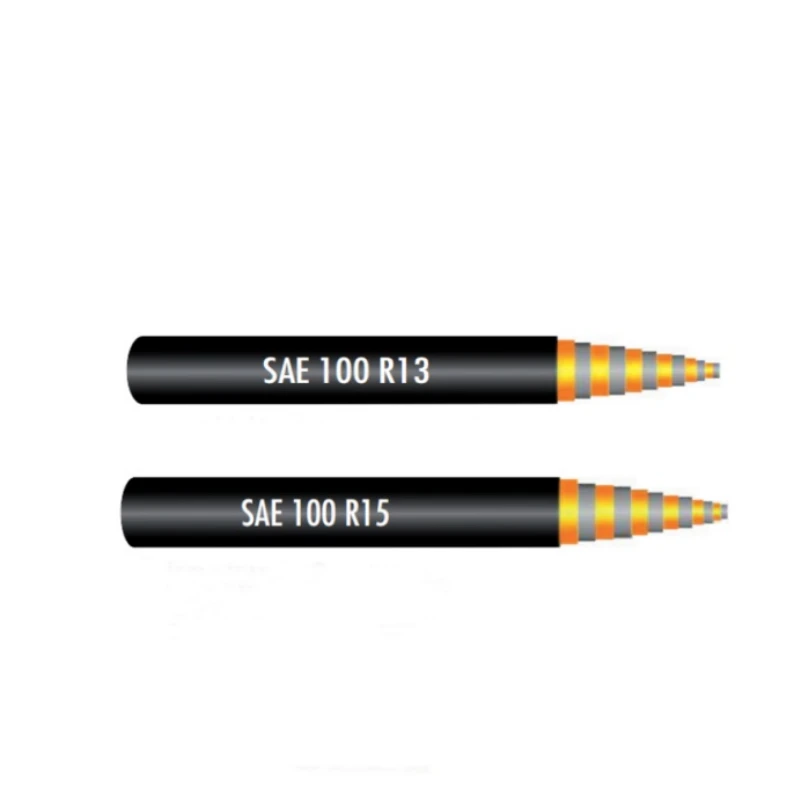
Heavy Duty Multi-layer Steel Wire Reinforced Hydraulic Hose SAE100R13 SAE100R15


