

Sep . 19, 2025 15:12 Back to list
Dredge Pipe for Industrial Dredging
Dredge pipe plays a pivotal role in industrial dredging operations, serving as the lifeline for transporting dredged materials. Whether it's clearing sediment from industrial waterways, excavating materials for construction projects, or managing waste in industrial facilities, the right dredge pipe can significantly impact the efficiency and success of the project. In contrast to offshore dredging, which often operates in vast marine environments with unique challenges, industrial dredging has its own set of requirements. While dredge hose offers flexibility in some applications, dredge pipe stands out for its durability and ability to handle heavy - duty tasks. This article delves into the characteristics, applications and maintenance of dredge pipe in industrial dredging, highlighting its importance in various industrial settings.
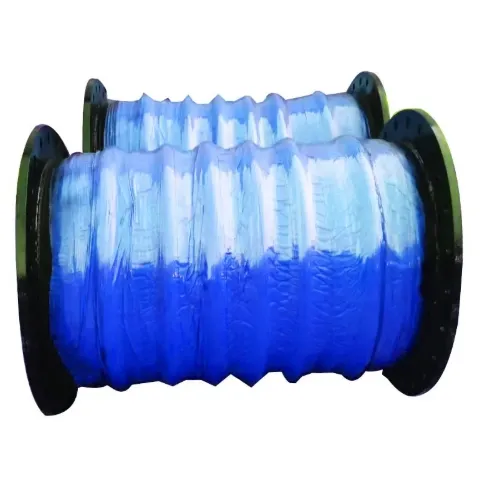
Key Characteristics of Dredge Pipe for Industrial Dredging
Dredge pipe used in industrial dredging is engineered with specific characteristics to meet the demanding nature of the work. One of the primary features is its high - strength construction. These pipes are typically made from robust materials such as steel or high - density polyethylene (HDPE). Steel dredge pipe offers exceptional durability and can withstand the abrasive forces exerted by the dredged materials, including sand, gravel and sludge. HDPE dredge pipe, on the other hand, provides excellent corrosion resistance, making it suitable for environments where chemicals or moisture may be present.
Another crucial characteristic is the pipe's internal smoothness. A smooth inner surface of the dredge pipe reduces friction, allowing for efficient flow of the dredged materials. This minimizes the risk of blockages and ensures a consistent transfer rate. Additionally, dredge pipe for industrial dredging often has a large diameter to accommodate the high volume of materials being transported. The diameter can range from several inches to several feet, depending on the scale and requirements of the industrial dredging project.
Applications of Dredge Pipe in Industrial Dredging
The applications of dredge pipe in industrial dredging are diverse. In industrial water treatment plants, dredge pipe is used to remove accumulated sludge and debris from settling tanks and clarifiers. The pipe's ability to handle thick and viscous materials ensures effective cleaning, maintaining the efficiency of the water treatment processes.
In construction - related industrial dredging, dredge pipe is essential for excavating materials for building foundations, channels and ports. It can transport large quantities of soil, rock, and other materials from the dredging site to the disposal or reuse location. Moreover, in industries such as mining and quarrying, dredge pipe is employed to move ore, gravel, and other mined materials, facilitating the extraction and processing operations. These applications highlight the versatility of dredge pipe in different industrial settings, enabling various industrial activities to proceed smoothly.
Comparison with Dredge Hose and Offshore Dredging Applications
When compared to dredge hose, dredge pipe has distinct advantages and disadvantages in industrial dredging. Dredge hose offers greater flexibility, which can be beneficial in situations where maneuverability is required, such as navigating around obstacles in a confined industrial area. However, dredge pipe provides higher strength and durability, making it more suitable for handling heavy - duty and abrasive materials over long distances. In industrial dredging, where large volumes of tough materials need to be transported continuously, dredge pipe often proves to be the more reliable option.
In contrast to offshore dredging, industrial dredging using dredge pipe typically occurs in more controlled environments. Offshore dredging faces challenges such as strong ocean currents, high waves, and saltwater corrosion, which require specialized dredge pipe designs. Industrial dredging, on the other hand, focuses on meeting the specific needs of industrial facilities, with considerations such as proximity to equipment, ease of installation, and compatibility with existing industrial systems being more prominent.
Maintenance and Long - term Use of Dredge Pipe in Industrial Dredging
Proper maintenance is crucial for the long - term use of dredge pipe in industrial dredging. Regular inspection of the dredge pipe is necessary to detect signs of wear, corrosion, or damage. Check for cracks, leaks and thinning of the pipe walls, especially at joints and bends where stress is concentrated. Cleaning the dredge pipe after each use helps prevent the buildup of residues that can cause blockages or accelerate corrosion.
For steel dredge pipe, applying anti - corrosion coatings can extend its lifespan, protecting it from the elements and the corrosive effects of the dredged materials. When it comes to replacement, it's important to choose a dredge pipe that meets the same specifications and quality standards as the original. By following these maintenance practices, the dredge pipe can continue to perform reliably in industrial dredging operations, reducing downtime and ensuring the efficiency of industrial projects.
About Dredge Pipe for Industrial Dredging FAQS
What materials are commonly used for dredge pipe in industrial dredging?
In industrial dredging, dredge pipe is commonly made from materials like steel and high - density polyethylene (HDPE). Steel dredge pipe is favored for its high strength and durability, enabling it to withstand the abrasive forces of dredged materials. HDPE dredge pipe, meanwhile, offers excellent corrosion resistance, making it suitable for environments where chemicals or moisture are present. These materials ensure the dredge pipe can perform effectively in various industrial dredging conditions.
How does dredge pipe in industrial dredging differ from that used in offshore dredging?
Dredge pipe in industrial dredging differs from that in offshore dredging in several ways. Industrial dredge pipe is often designed for more controlled environments, with considerations focused on proximity to industrial equipment and compatibility with existing systems. It may not need to withstand extreme oceanic forces like strong currents and high waves. In contrast, offshore dredging dredge pipe must be built to endure harsh marine conditions, including saltwater corrosion and dynamic ocean movements, requiring more specialized and robust designs.
Can dredge hose be a substitute for dredge pipe in industrial dredging?
While dredge hose has its advantages, it cannot always be a substitute for dredge pipe in industrial dredging. Dredge hose offers flexibility, which can be useful in some situations, but dredge pipe provides greater strength and durability, essential for handling heavy - duty and abrasive materials over long distances. In industrial dredging, where large volumes of tough materials need continuous transportation, dredge pipe is generally more reliable. However, in scenarios where flexibility and maneuverability are prioritized, such as in tight spaces, dredge hose might be used in combination with dredge pipe or for specific tasks.
How often should dredge pipe in industrial dredging be inspected?
Dredge pipe in industrial dredging should be inspected regularly. A pre - and post - operation inspection is recommended to check for any visible signs of damage, wear, or leaks. Additionally, a more comprehensive inspection at least once a month is advisable, especially for pipes used in continuous or heavy - duty operations. Frequent inspections help identify potential issues early, allowing for timely repairs or replacements, and ensuring the safe and efficient operation of industrial dredging projects.
What are the key factors to consider when choosing dredge pipe for industrial dredging?
When choosing dredge pipe for industrial dredging, key factors include the type of materials to be dredged, as this determines the required strength and abrasion resistance. The diameter of the pipe should be selected based on the volume of materials to be transported. Corrosion resistance is important, especially in environments with chemicals or moisture. Additionally, consider the installation requirements, such as the length, flexibility needed, and compatibility with existing equipment. Cost - effectiveness and the reputation of the manufacturer also play a role in making the right choice for dredge pipe in industrial dredging.
Latest News
Steel Wire Reinforced Hydraulic Hose SAE 100 R1 / EN853 1SN S
NewsOct.17,2024
Two Layers Steel Wire Reinforced Hydraulic Hose SAE 100 R2 / EN853 2SN
NewsSep.03,2024
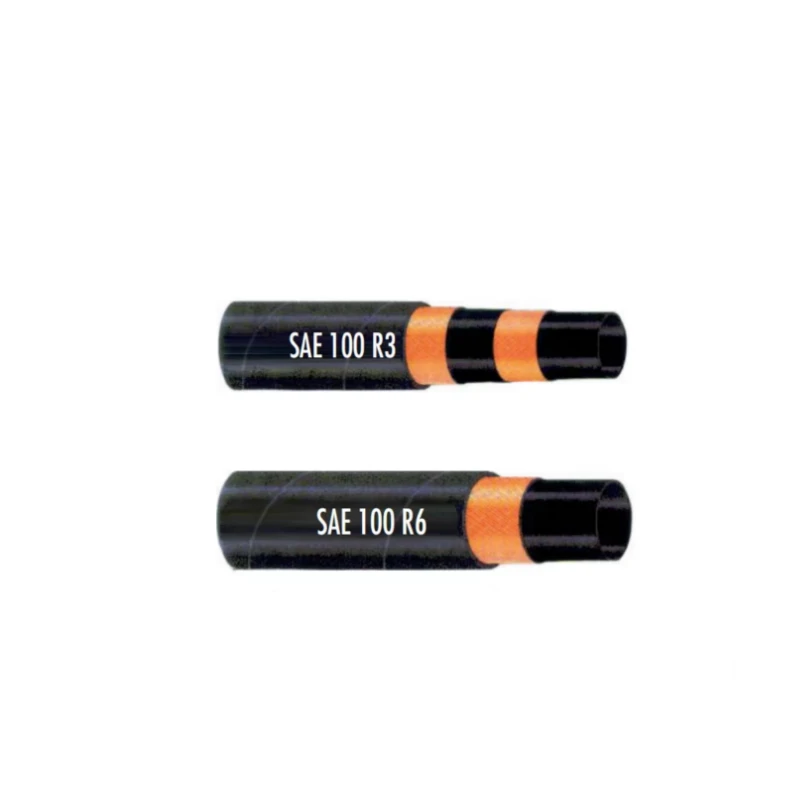
Textile Braid Reinforced Hydraulic Hose SAE100 R3+R6
NewsSep.03,2024
Textile Reinforced Hydraulic oil Suction Hose with embedded Steel Wire SAE 100 R4
NewsSep.03,2024
Single Wire Braid and Textile Covered Hydraulic Hose SAE 100 R5
NewsSep.03,2024
High Pressure Thermoplastic Hydraulic Hose SAE 100 R7 / EN855 R7 - SAE 100 R8 / EN855 R8
NewsSep.03,2024
Heavy Duty Four-layer Steel Wire Spiral Reinforced Hydraulic Hose SAE100R9+R10+R12
NewsSep.03,2024
Heavy Duty Multi-layer Steel Wire Reinforced Hydraulic Hose SAE100R13 SAE100R15
NewsSep.03,2024
Latest Products
-
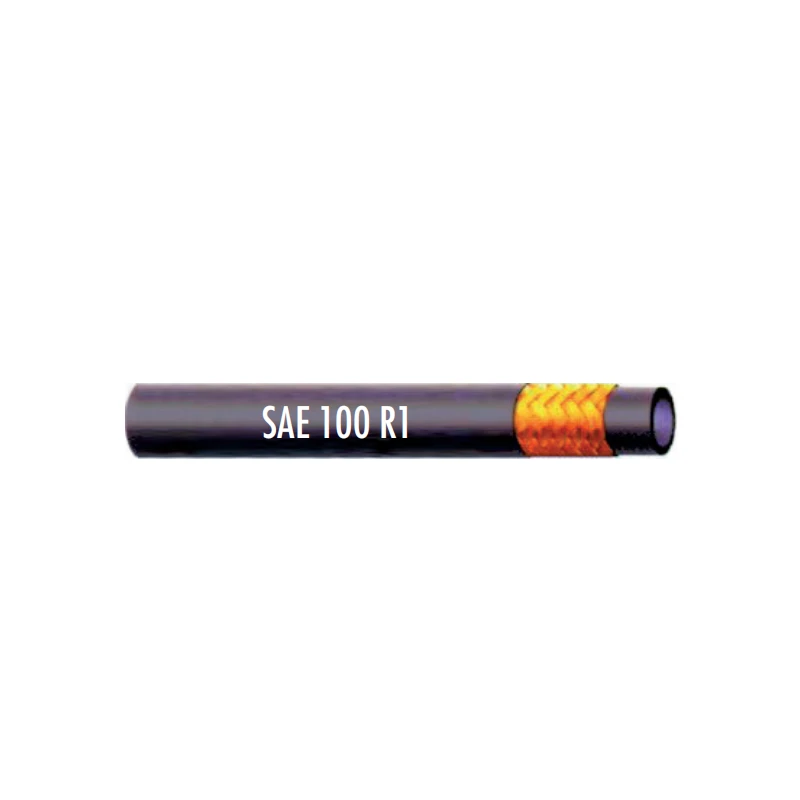
Steel Wire Reinforced Hydraulic Hose SAE 100 R1 / EN853 1SN S
-
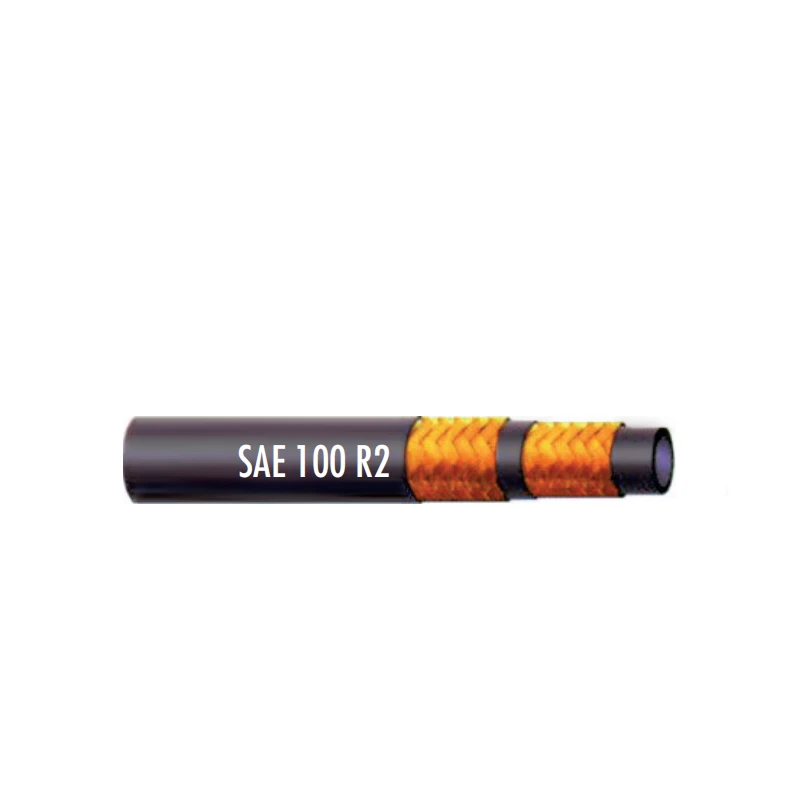
Two Layers Steel Wire Reinforced Hydraulic Hose SAE 100 R2 / EN853 2SN
-
-
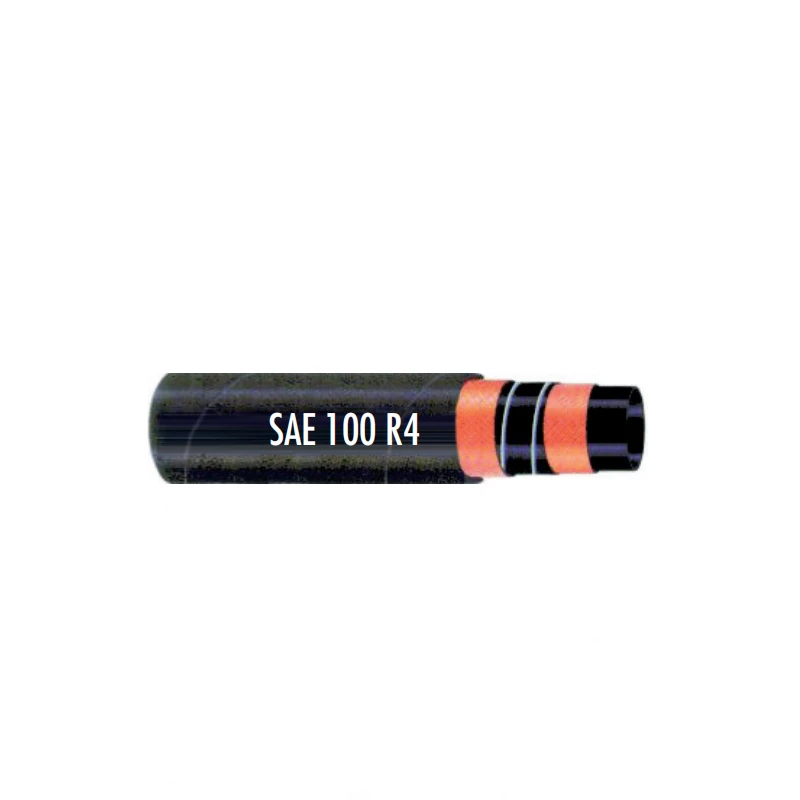
Textile Reinforced Hydraulic oil Suction Hose with embedded Steel Wire SAE 100 R4
-
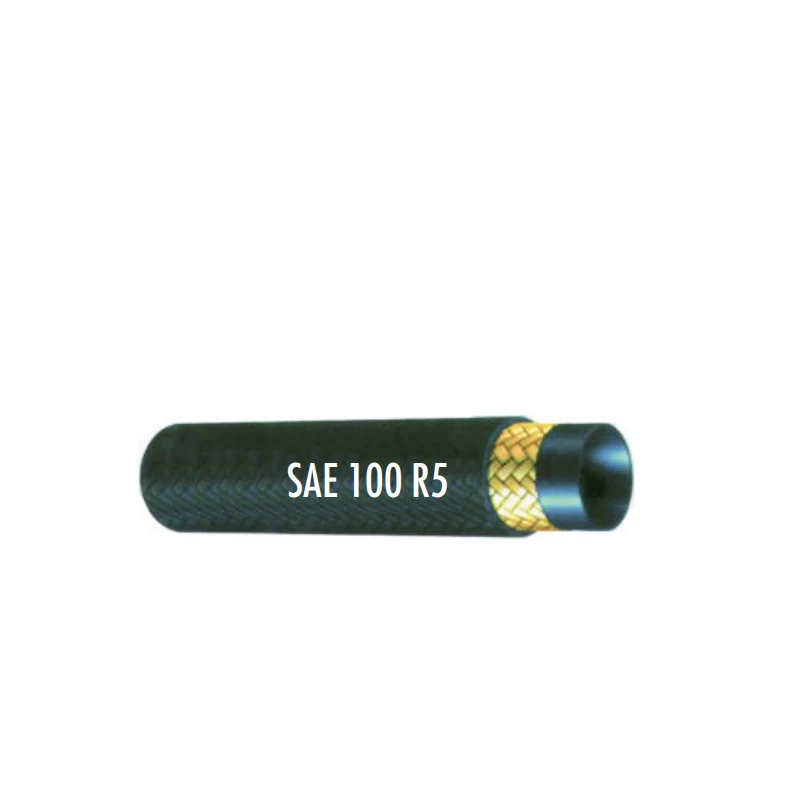
Single Wire Braid and Textile Covered Hydraulic Hose SAE 100 R5
-
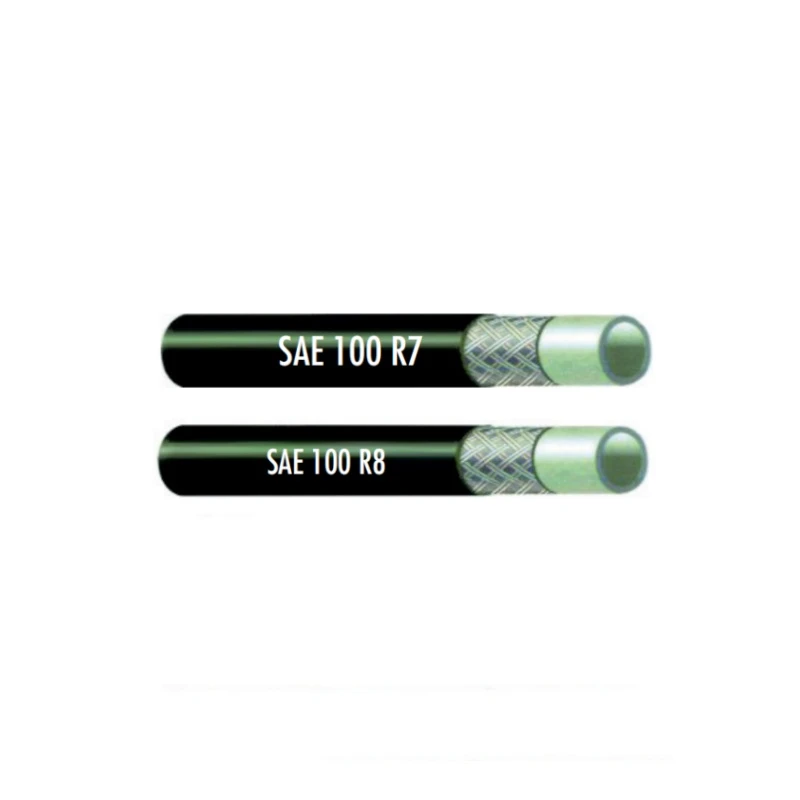
High Pressure Thermoplastic Hydraulic Hose SAE 100 R7 / EN855 R7 - SAE 100 R8 / EN855 R8
-
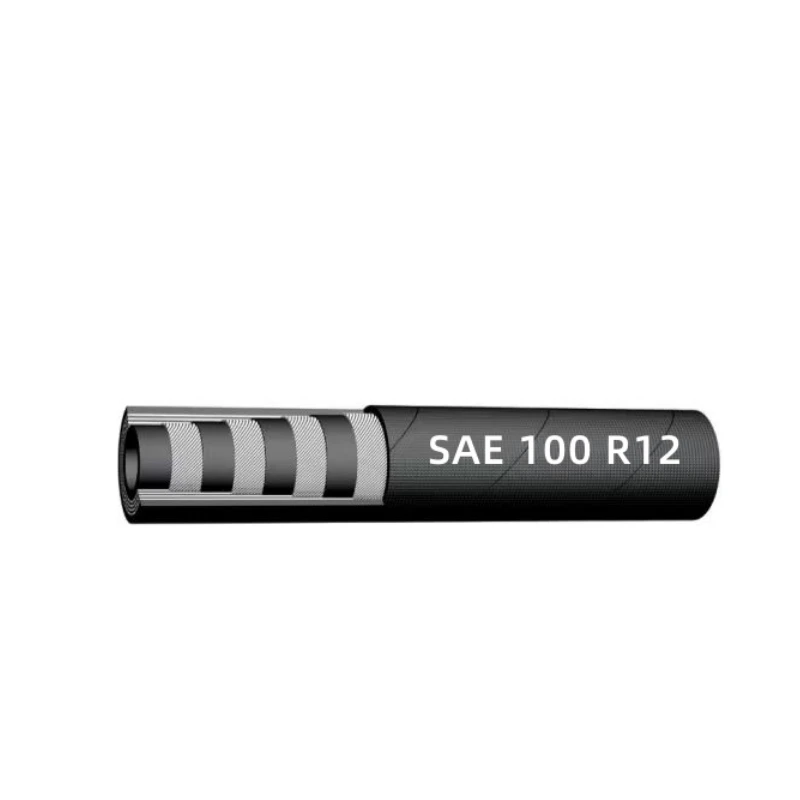
Heavy Duty Four-layer Steel Wire Spiral Reinforced Hydraulic Hose SAE100R9+R10+R12
-
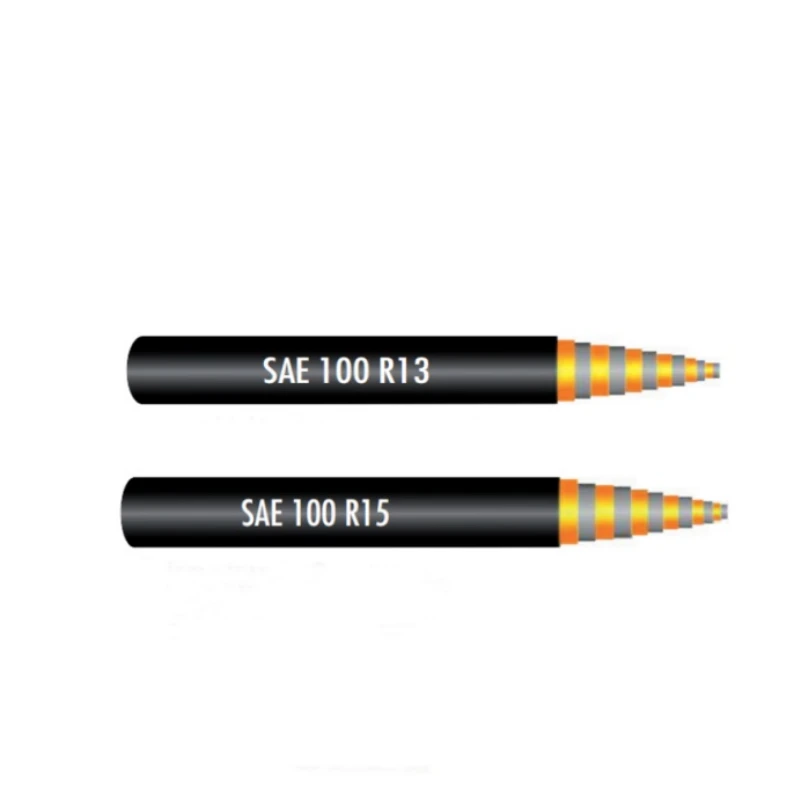
Heavy Duty Multi-layer Steel Wire Reinforced Hydraulic Hose SAE100R13 SAE100R15


