

Sep . 19, 2025 15:16 Back to list
Function of Sandblaster Hose
In the intricate world of sandblasting operations, the sandblaster hose plays a pivotal and multifaceted role. As an essential component of sandblasting equipment, it serves as the conduit that enables the effective delivery of abrasive materials, typically sand or other gritty substances, to the blast nozzle. This function is not only crucial for the successful execution of surface preparation tasks but also for maintaining the overall efficiency and safety of the sandblasting process. Alongside sand blast hose and sand blaster hose, the sandblaster hose forms an integral part of the sandblasting system, each with its own characteristics yet all contributing to the overarching goal of surface treatment. This article delves deep into the various functions of the sandblaster hose, exploring how it operates and why it is indispensable in a wide range of industrial, construction and restoration applications.
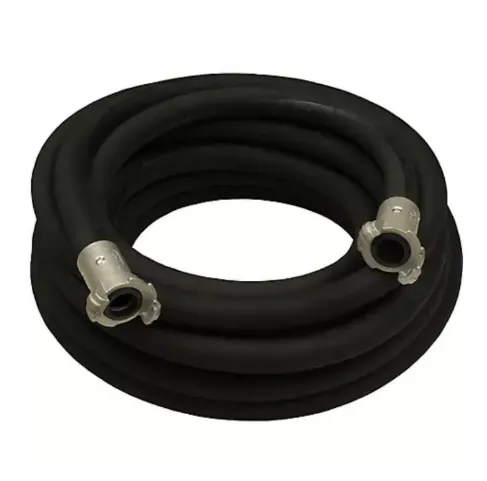
Material Conveyance of Sand Blast Hose
The primary function of the sand blast hose is to convey abrasive materials from the storage hopper or container to the sandblasting gun or nozzle. This conveyance process requires the hose to withstand the high - velocity flow of abrasive particles, which can be extremely abrasive themselves. Sand blast hose is constructed with robust materials that offer excellent abrasion resistance, such as rubber compounds reinforced with synthetic fibers or layers of high - strength polymers.
The inner surface of the sand blast hose is designed to be smooth, minimizing friction and ensuring a consistent and efficient flow of the abrasive material. This smoothness prevents clogging and allows for a steady stream of sand or other abrasives to reach the blasting tip, enabling operators to maintain a uniform blasting pattern on the target surface. Whether it's stripping paint from metal surfaces, cleaning concrete structures, or preparing surfaces for coating applications, the reliable material conveyance function of the sand blast hose is fundamental to achieving the desired results.
Pressure and Flow Management of Sandblaster Hose
In addition to material conveyance, the sandblaster hose is responsible for managing the pressure and flow of the abrasive - laden stream. Sandblasting operations often require a specific amount of pressure to propel the abrasive particles at the right velocity for effective surface treatment. The sandblaster hose must be able to withstand the internal pressure generated by the sandblasting equipment, which can vary depending on the application and the type of abrasive used.
Moreover, the hose helps regulate the flow rate of the abrasive material. By controlling the diameter and length of the sandblaster hose, operators can adjust the volume of abrasives delivered to the blasting area. This is crucial for tasks that require different levels of aggression, such as gentle surface cleaning versus more aggressive material removal. A well - designed sandblaster hose ensures that the pressure and flow remain stable throughout the operation, preventing fluctuations that could lead to inconsistent blasting results or damage to the equipment.
Flexibility and Maneuverability in Sandblaster Hose
The flexibility and maneuverability of the sandblaster hose are also key functions that contribute to the effectiveness of sandblasting operations. In many sandblasting scenarios, operators need to access hard - to - reach areas or work in confined spaces. The sandblaster hose's flexibility allows it to be bent and shaped without kinking, enabling operators to direct the blast stream precisely where it's needed.
This flexibility is especially important when working on complex geometries or irregular surfaces. For example, when sandblasting the interior of pipes, the sandblaster hose can be easily threaded through the pipe to reach the desired location. Additionally, the lightweight nature of many sandblaster hose models enhances maneuverability, reducing operator fatigue during long - duration sandblasting tasks. The combination of flexibility and maneuverability makes the sandblaster hose a versatile tool that can adapt to a wide variety of sandblasting applications.
Protection and Safety with Sandblaster Hose
The sandblaster hose also serves a vital protective and safety function. It acts as a barrier between the high - pressure, abrasive - filled stream and the operator and surrounding environment. By containing the abrasive particles within the hose, it prevents them from escaping and causing potential harm to the operator, such as eye injuries or skin abrasions.
Many sandblaster hose models are designed with additional safety features, such as anti - static properties to prevent the buildup of static electricity, which could ignite flammable materials in the vicinity. The hose's durability and resistance to wear also contribute to safety, as a damaged hose could lead to leaks or bursts, posing a significant risk. Regular inspection and maintenance of the sandblaster hose are essential to ensure that it continues to provide this critical protection and safety function throughout its service life.
About Function of Sandblaster Hose FAQS
How does the sandblaster hose ensure consistent material conveyance?
The sandblaster hose ensures consistent material conveyance through its design and construction. Its smooth inner surface reduces friction, allowing abrasive materials to flow freely without getting stuck or causing blockages. The hose is made from abrasion - resistant materials that can withstand the high - velocity impact of the sand or other gritty substances. Additionally, the hose's diameter and length are carefully selected to match the requirements of the sandblasting equipment, ensuring a steady and uniform flow of the abrasive material from the storage hopper to the blast nozzle.
What role does the sandblaster hose play in pressure regulation?
The sandblaster hose plays a crucial role in pressure regulation. It is engineered to withstand the internal pressure generated by the sandblasting machine. By maintaining its structural integrity under pressure, it helps keep the pressure of the abrasive - laden stream stable. The hose's flexibility and internal diameter also influence pressure distribution. A properly sized sandblaster hose ensures that the pressure is evenly distributed, preventing pressure surges that could damage the equipment or affect the quality of the sandblasting operation.
Why is the flexibility of sandblaster hose important for sandblasting?
The flexibility of the sandblaster hose is important because it allows operators to reach difficult - to - access areas and work on complex surfaces. In sandblasting, the ability to maneuver the hose around obstacles and into tight spaces is essential for achieving complete and even surface treatment. Without flexibility, the operator would be limited in where they could direct the blast stream, resulting in incomplete or uneven sandblasting. The hose's flexibility also reduces the risk of kinking, which could disrupt the flow of abrasive materials and lead to inefficiencies in the sandblasting process.
Can a damaged sandblaster hose affect the safety of sandblasting operations?
Yes, a damaged sandblaster hose can significantly affect the safety of sandblasting operations. A damaged hose may develop leaks, allowing abrasive particles to escape under high pressure. These particles can cause serious injuries to the operator, such as eye damage or cuts. Additionally, a damaged hose may not be able to withstand the internal pressure, increasing the risk of a hose burst, which can create a dangerous situation. Regular inspection and timely replacement of a damaged sandblaster hose are necessary to maintain a safe working environment during sandblasting.
How does the sandblaster hose compare to sand blast hose and sand blaster hose in terms of function?
In terms of function, sandblaster hose, sand blast hose, and sand blaster hose are often used interchangeably and share similar core functions, such as conveying abrasive materials and managing pressure. However, slight differences may exist depending on regional language variations or specific product designs. Some manufacturers might differentiate them based on specific features like enhanced abrasion resistance in sand blast hose for heavy - duty applications, or unique flexibility in sand blaster hose for more intricate sandblasting tasks. Overall, all three are integral to the sandblasting process, working to ensure the effective delivery of abrasives and the successful completion of surface treatment operations.
Latest News
Steel Wire Reinforced Hydraulic Hose SAE 100 R1 / EN853 1SN S
NewsOct.17,2024
Two Layers Steel Wire Reinforced Hydraulic Hose SAE 100 R2 / EN853 2SN
NewsSep.03,2024
Textile Braid Reinforced Hydraulic Hose SAE100 R3+R6
NewsSep.03,2024
Textile Reinforced Hydraulic oil Suction Hose with embedded Steel Wire SAE 100 R4
NewsSep.03,2024
Single Wire Braid and Textile Covered Hydraulic Hose SAE 100 R5
NewsSep.03,2024
High Pressure Thermoplastic Hydraulic Hose SAE 100 R7 / EN855 R7 - SAE 100 R8 / EN855 R8
NewsSep.03,2024
Heavy Duty Four-layer Steel Wire Spiral Reinforced Hydraulic Hose SAE100R9+R10+R12
NewsSep.03,2024
Heavy Duty Multi-layer Steel Wire Reinforced Hydraulic Hose SAE100R13 SAE100R15
NewsSep.03,2024
Latest Products
-
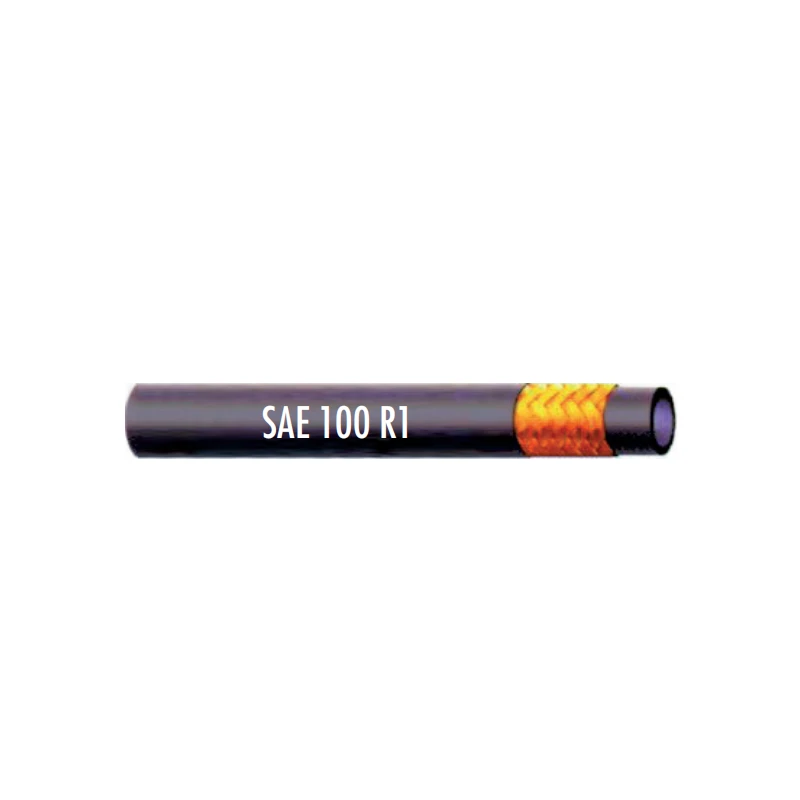
Steel Wire Reinforced Hydraulic Hose SAE 100 R1 / EN853 1SN S
-
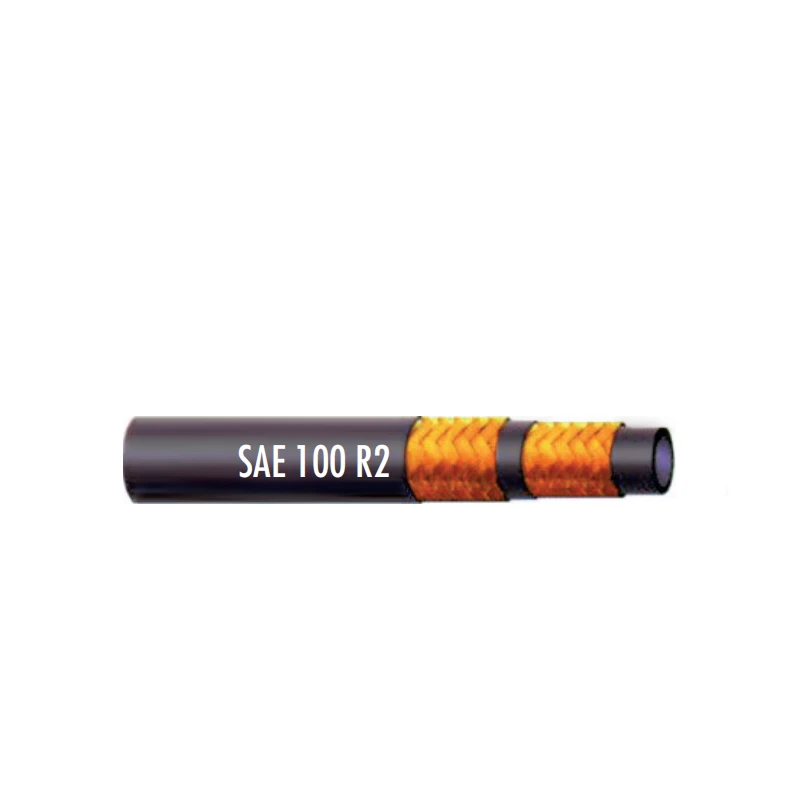
Two Layers Steel Wire Reinforced Hydraulic Hose SAE 100 R2 / EN853 2SN
-
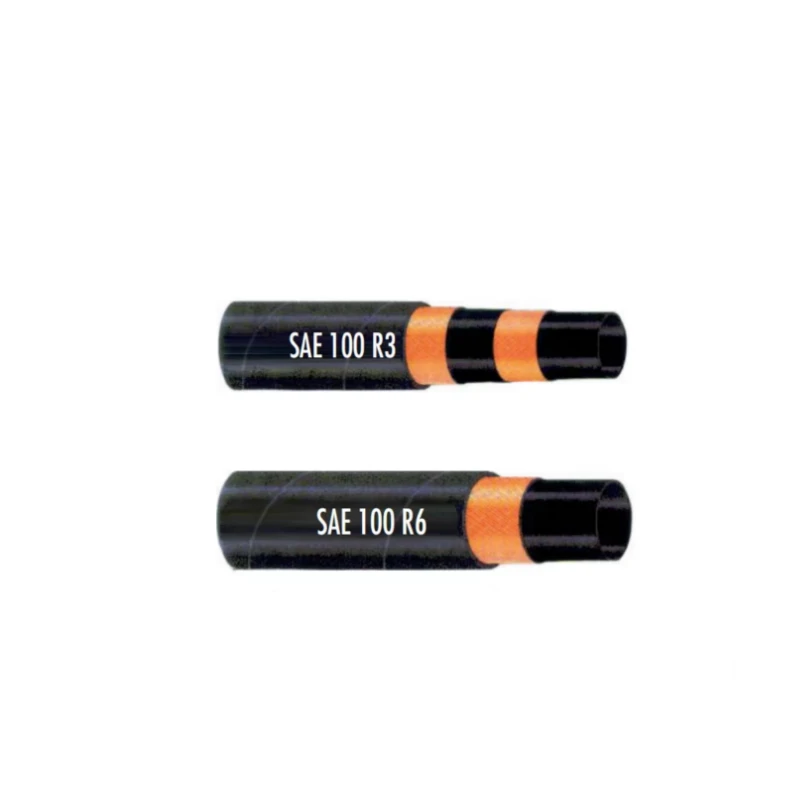
-
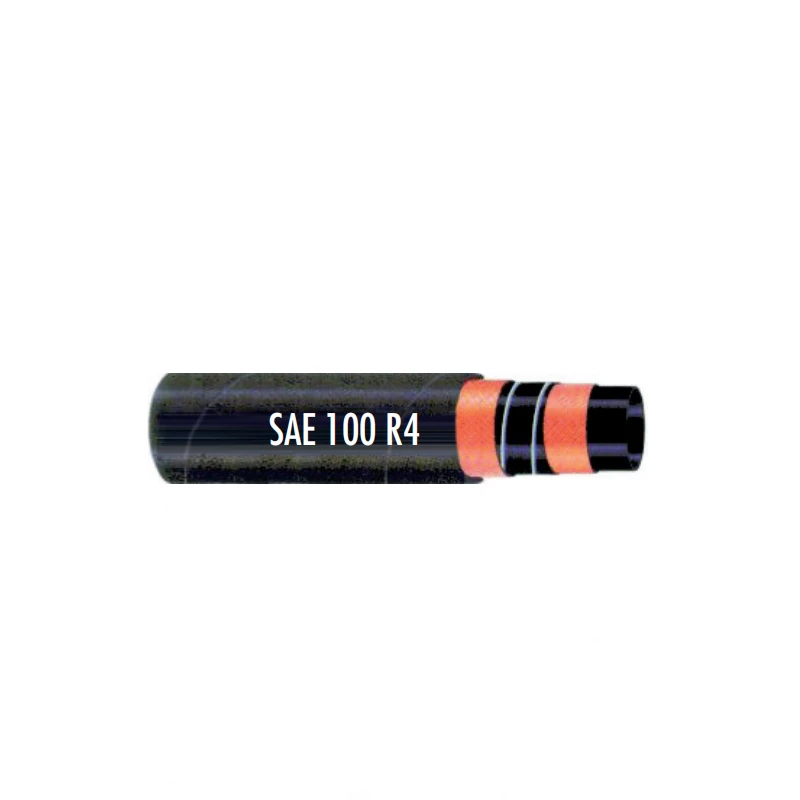
Textile Reinforced Hydraulic oil Suction Hose with embedded Steel Wire SAE 100 R4
-
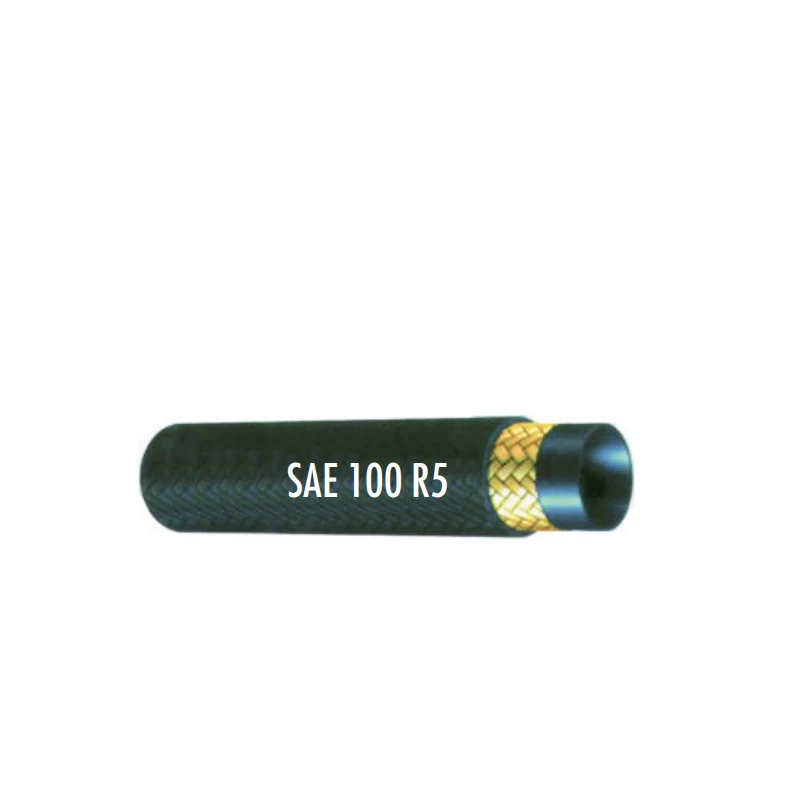
Single Wire Braid and Textile Covered Hydraulic Hose SAE 100 R5
-
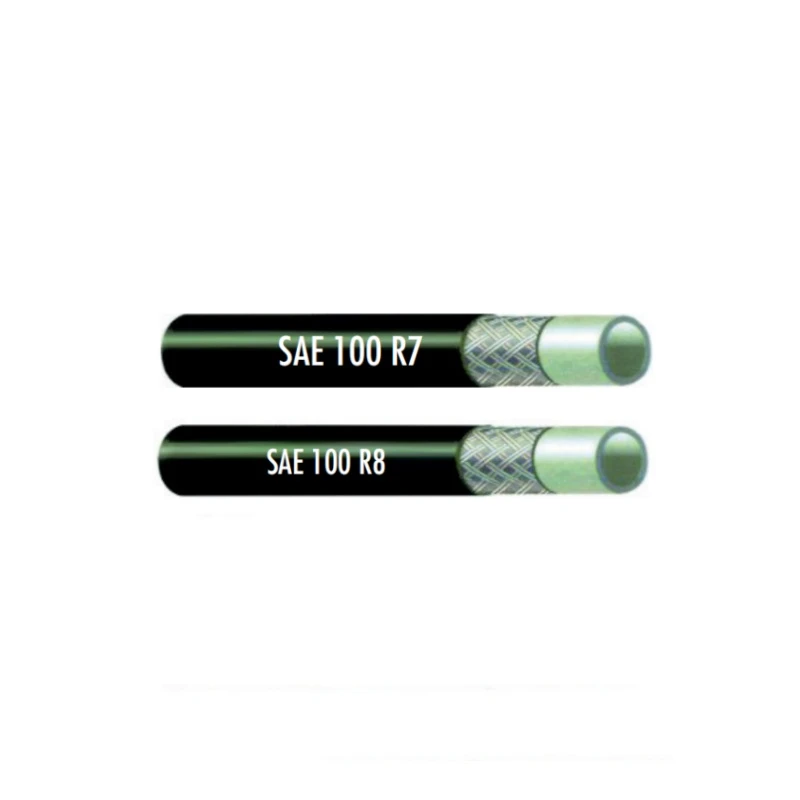
High Pressure Thermoplastic Hydraulic Hose SAE 100 R7 / EN855 R7 - SAE 100 R8 / EN855 R8
-
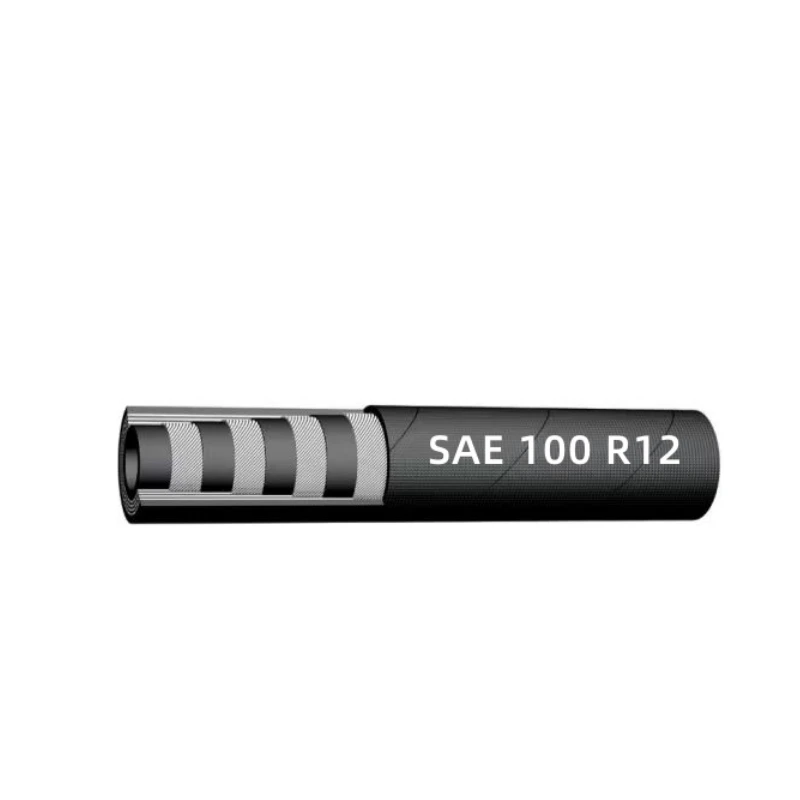
Heavy Duty Four-layer Steel Wire Spiral Reinforced Hydraulic Hose SAE100R9+R10+R12
-
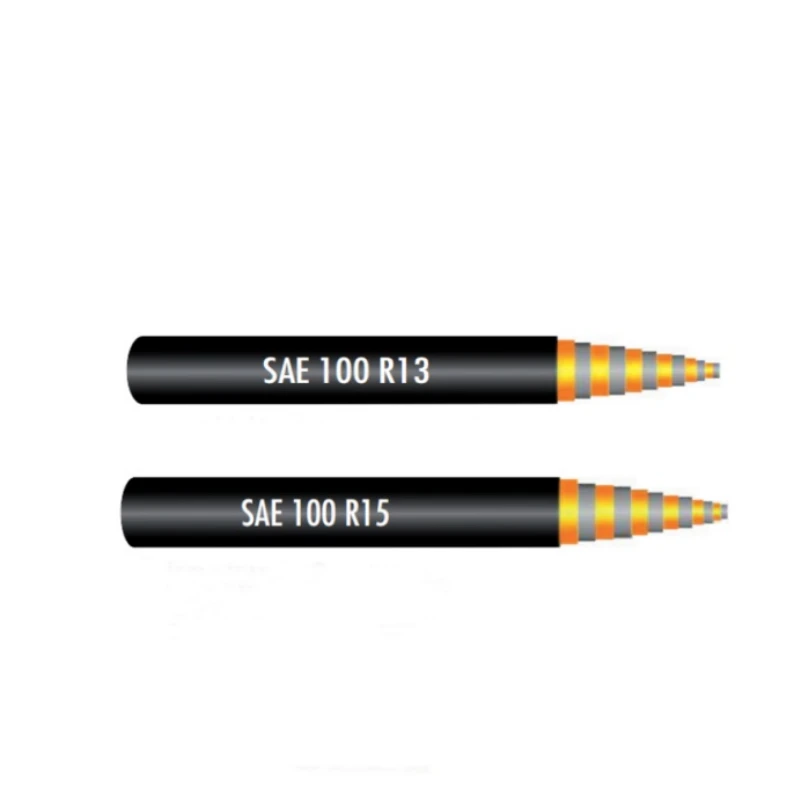
Heavy Duty Multi-layer Steel Wire Reinforced Hydraulic Hose SAE100R13 SAE100R15


