

Nov . 23, 2025 12:00 Back to list
Durable and Flexible Neoprene Tubing Explained | Global Use & Benefits
Understanding Neoprene Tubing: A Small Component with Big Global Impact
Neoprene tubing might sound niche, but it’s actually one of those quietly essential materials that keep industries running around the world. From water management systems in remote villages to medical equipment in bustling hospitals, these flexible rubber tubes make a huge difference. As global challenges like climate change and infrastructure demands escalate, knowing what neoprene tubing is and how it’s used becomes surprisingly important—not just for engineers or suppliers, but anyone interested in how materials shape our daily lives.
In a nutshell: neoprene tubing offers durability, flexibility, and resistance to harsh environments, which means it plays a key role wherever reliable fluid transport or protection is required. Read on for a friendly deep-dive into what neoprene tubing really is and why it is such a handy tool on a planetary scale.
The Global Relevance of Neoprene Tubing
Globally, industries from automotive to healthcare rely on materials that can endure tough environments without breaking the bank. According to ISO data, flexible polymer tubing like neoprene contributes significantly to reducing downtime in critical systems. The United Nations’ Sustainable Development Goals even highlight infrastructure resilience as a key factor for economic growth, and that’s where neoprene tubing quietly steps in.
Take, for example, rural water sanitation programs in Southeast Asia or Africa. Neoprene tubing is often chosen over other materials because its resistance to weather, chemicals, and aging ensures clean water delivery for years. But you’d be surprised how many engineers mention corruption or poor quality substitutes actually clog critical water systems when suppliers cut corners—it’s a real problem. Reliable tubing is one small piece of fixing that chain.
Defining Neoprene Tubing
So what exactly is neoprene tubing? Simply put, it’s a hollow, flexible tube made from neoprene—a type of synthetic rubber invented in the 1930s by DuPont that combines flexibility with chemical and temperature resistance. Imagine a rubber elastomer that doesn’t crack in the cold, won’t degrade from oil exposure, and can stretch or bend repeatedly. Neoprene tubing is widely used for transporting liquids, gases, and even protecting wiring or cables.
Its versatility means neoprene tubing spans many sectors: automotive fuel and coolant lines; medical devices like catheters and respirators; industrial machinery; even outdoor adventure gear. It’s kind of the unsung hero—you rarely notice it until it’s missing or fails.
Core Attributes of Neoprene Tubing
Durability & Weather Resistance
Neoprene’s real strength is its durability. Unlike natural rubber, it resists degradation from UV rays, ozone, and a huge temperature range—from roughly -40°C up to +120°C. That means it can survive outdoors in desert heat or Arctic chill without cracking or crumbling.
Chemical & Oil Resistance
Many industries benefit from neoprene tubing’s resistance to oils, greases, fuels, and solvents. This is especially crucial in automotive or manufacturing settings where exposure to harsh chemicals can wreck inferior tubing in months.
Flexibility & Scalability
The tubing remains flexible over time, enabling easy installation in complex systems. Plus, manufacturers can produce it in various diameters and thicknesses, tailoring to lightweight medical tubing or heavy-duty hydraulic hoses.
Cost Efficiency
Compared to specialized polymers or metal tubing, neoprene offers an attractive balance of price and performance—a big deal when equipping large-scale projects that can run thousands of meters of tubing.
Safety & Compliance
Medical-grade neoprene tubing often complies with international standards like ISO 10993 for biocompatibility, making it safe for patient contact. This compliance extends its reach into sensitive applications.
Typical Uses and Global Impact
If you blink in a hospital or factory, you’re likely near neoprene tubing—even if you don’t see it. The automotive industry in Europe and North America uses it extensively for fuel and coolant lines due to stringent durability requirements. Meanwhile, NGOs in Southeast Asia rely on neoprene tubing for reliable water conveyance in flood-prone areas.
In post-disaster relief operations, quick-deploy water filtration units often use neoprene tubing to ensure rugged, reusable connections. Oddly enough, a tiny tear or degraded hose can mean the difference between safe water and illness, so quality is crucial.
Across industries, from aerospace ventures to small-scale agriculture systems in Africa, neoprene tubing helps protect and transport fluids reliably over time.
Mini Takeaway:
Whether it’s harsh weather durability or non-toxic medical compliance, neoprene tubing’s adaptability means it punches well above its weight in the global materials ecosystem.
Product Specification Table
| Specification | Typical Range | Notes |
|---|---|---|
| Inner Diameter | 1 mm – 50 mm | Custom sizes widely available |
| Wall Thickness | 0.5 mm – 5 mm | Impacts pressure rating |
| Operating Temperature | -40°C to 120°C | Suitable for most climates |
| Chemical Resistance | Good | Resistant to oils, fuels, mild acids |
| Tensile Strength | 5–10 MPa | Durable under pressure |
Vendor Comparison: Leading Neoprene Tubing Suppliers
| Vendor | Product Range | Custom Sizes | Global Reach | Certification |
|---|---|---|---|---|
| JY Hose | Extensive (1mm–50mm diam.) | Yes | Worldwide | ISO 9001, FDA Compliant |
| ABC Tubing | Medium (5mm–30mm) | Limited | Asia and Europe | ISO 13485 |
| Global Elastics | Wide (2mm–40mm) | Yes | North America, Middle East | RoHS, REACH |
Advantages and Long-Term Benefits of Neoprene Tubing
It’s not just about durability; neoprene tubing offers tangible financial and social benefits. For companies, fewer replacements mean cutting down on maintenance costs and unexpected downtime, which can be the difference between profit and loss on big projects. For communities, especially in developing regions, having reliable tubing means safe water access, improved hygiene, and better health outcomes.
Emotionally, there’s trust in proven materials. It’s reassuring to engineers and consumers alike knowing that the parts won’t suddenly fail. When lives depend on stable oxygen lines or clean water supply, that trust isn’t just comforting—it’s vital.
Emerging Innovations and Market Trends
The world is pushing hard for sustainability, and neoprene tubing hasn’t escaped innovation. Researchers are experimenting with bio-based neoprene alternatives and recyclable components to reduce environmental impact. It’s slow but promising. There’s also automation in custom tubing production, enabling faster delivery with less waste.
Interestingly, in digital transformation trends, companies utilize IoT sensors embedded with tubing systems to detect wear or leaks before failure happens. It’s like giving neoprene tubing a heartbeat, so maintenance can be predictively managed.
Facing Challenges Head-On
Despite many strengths, neoprene tubing isn’t perfect. Chemical resistance has limits—strong acids or alkalis can degrade it. Another challenge is variability in quality from some low-cost suppliers, leading to premature failures. Luckily, stringent quality standards and certifications help buyers avoid bad batches.
Experts recommend sourcing from established vendors with transparent testing data and following best practice installation guidelines to overcome these problems. If a project depends on longevity and safety, cutting corners on tubing quality just isn’t worth it. Oddly enough, a $1 saving upfront can cost thousands down the line.
FAQs About Neoprene Tubing
Q1: What makes neoprene tubing better than other rubber tubing?
A1: Neoprene offers a unique balance of chemical, temperature, and weather resistance along with flexibility, making it ideal for varied environments like factories, medical devices, or outdoor applications. It lasts longer and resists cracking or stiffening, which is common with natural rubber.
Q2: How do I ensure I’m selecting the right neoprene tubing for my project?
A2: First, identify your needed internal diameter, pressure ratings, and environmental exposures. Check certifications and ask for product testing data. Consider consulting with your supplier about custom options to meet specific requirements.
Q3: Can neoprene tubing be used for potable water systems?
A3: Yes, but ensure the tubing is FDA compliant and certified safe for drinking water. Not all neoprene tubing is suitable for potable water; always verify material specifications with your vendor.
Q4: How long does neoprene tubing typically last in industrial settings?
A4: With proper installation and use within specified operating conditions, neoprene tubing can last 5 to 10 years or more. Regular inspection extends this lifespan by catching wear early.
Q5: Is it easy to customize neoprene tubing sizes and colors?
A5: Yes, most reputable manufacturers offer a wide range of sizes and color options. Customization is relatively straightforward, especially when ordering in volume.
Wrapping It Up: Why Neoprene Tubing Is Worth Knowing
At first glance, neoprene tubing might seem just a simple piece of rubber, but as we’ve seen, it’s a versatile, durable lifeline in countless fields worldwide. From driving innovation in more sustainable materials to safeguarding public health in remote regions, its importance only grows.
If your projects demand reliability without breaking budgets—and you care about longevity and safety—then understanding neoprene tubing is a good place to start. Curious to explore technical details or request samples? Visit neoprene tubing to dive deeper or to chat with experts.
Keep in mind, small parts often play the biggest roles.
References:
Latest News
Steel Wire Reinforced Hydraulic Hose SAE 100 R1 / EN853 1SN S
NewsOct.17,2024
Two Layers Steel Wire Reinforced Hydraulic Hose SAE 100 R2 / EN853 2SN
NewsSep.03,2024
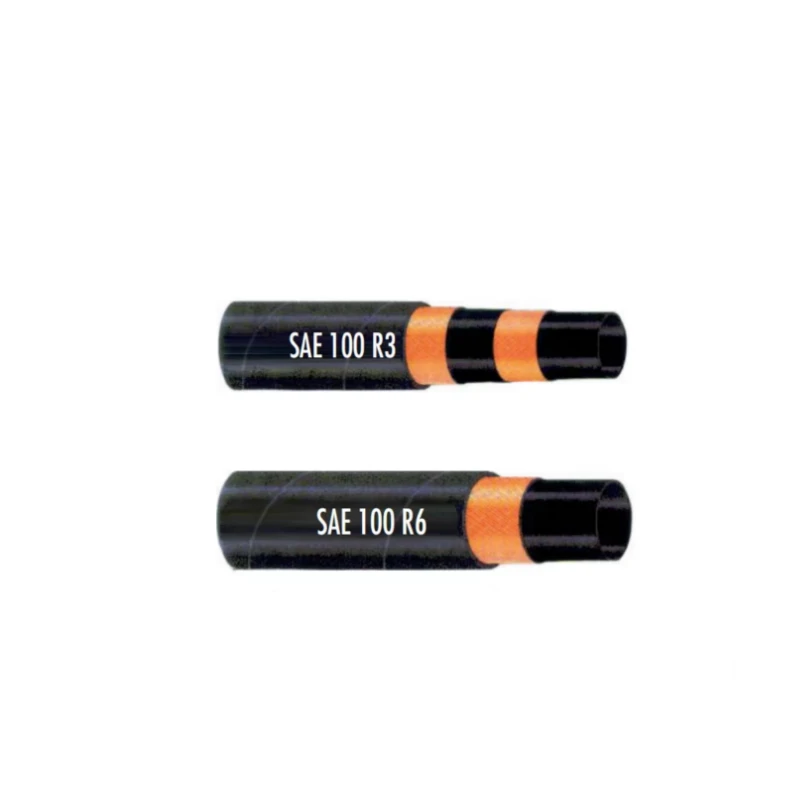
Textile Braid Reinforced Hydraulic Hose SAE100 R3+R6
NewsSep.03,2024
Textile Reinforced Hydraulic oil Suction Hose with embedded Steel Wire SAE 100 R4
NewsSep.03,2024
Single Wire Braid and Textile Covered Hydraulic Hose SAE 100 R5
NewsSep.03,2024
High Pressure Thermoplastic Hydraulic Hose SAE 100 R7 / EN855 R7 - SAE 100 R8 / EN855 R8
NewsSep.03,2024
Heavy Duty Four-layer Steel Wire Spiral Reinforced Hydraulic Hose SAE100R9+R10+R12
NewsSep.03,2024
Heavy Duty Multi-layer Steel Wire Reinforced Hydraulic Hose SAE100R13 SAE100R15
NewsSep.03,2024
Latest Products
-
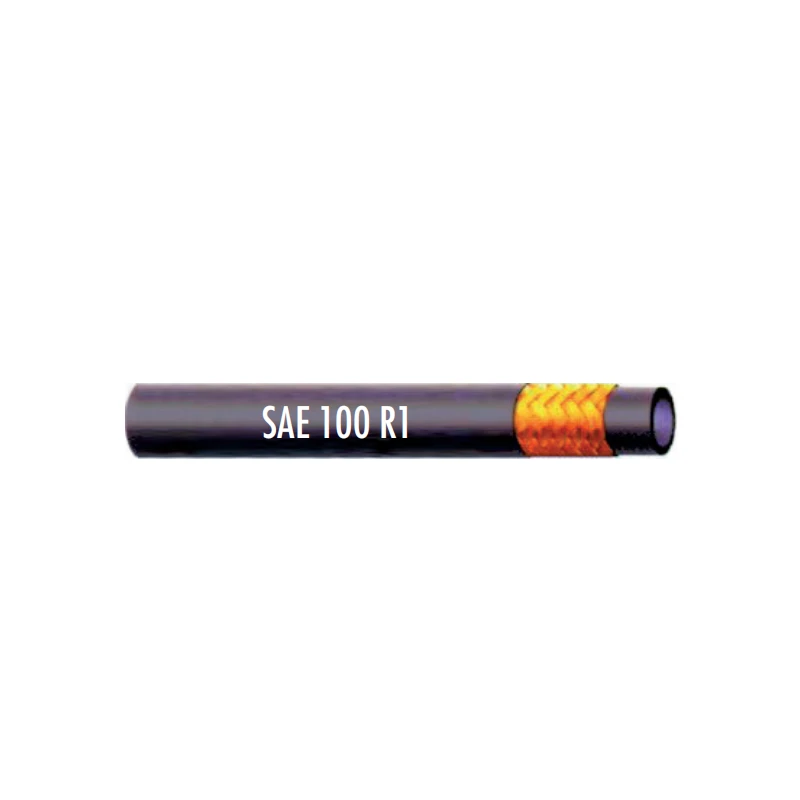
Steel Wire Reinforced Hydraulic Hose SAE 100 R1 / EN853 1SN S
-
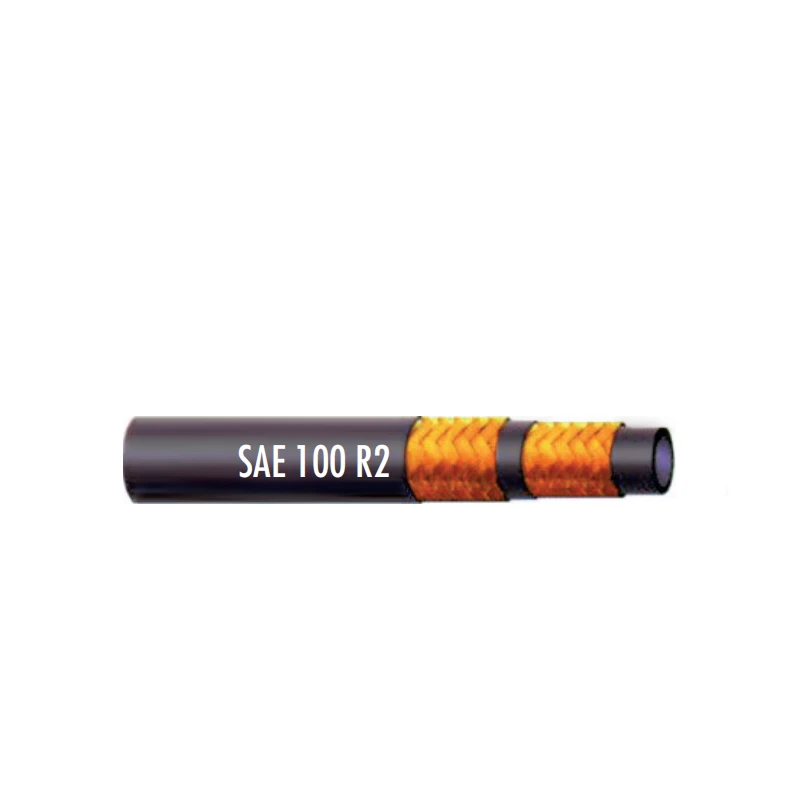
Two Layers Steel Wire Reinforced Hydraulic Hose SAE 100 R2 / EN853 2SN
-
-
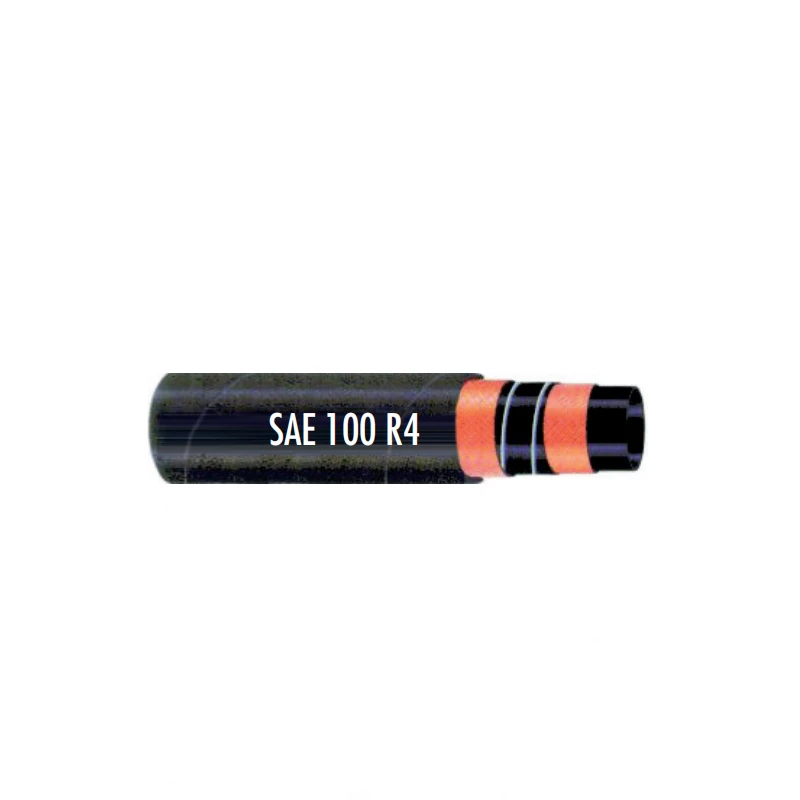
Textile Reinforced Hydraulic oil Suction Hose with embedded Steel Wire SAE 100 R4
-
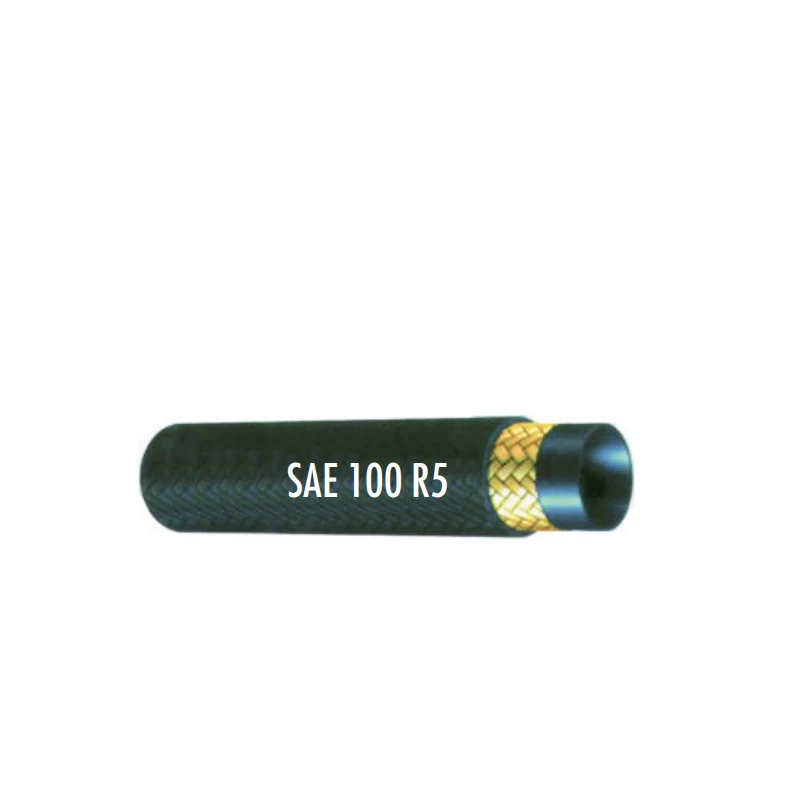
Single Wire Braid and Textile Covered Hydraulic Hose SAE 100 R5
-
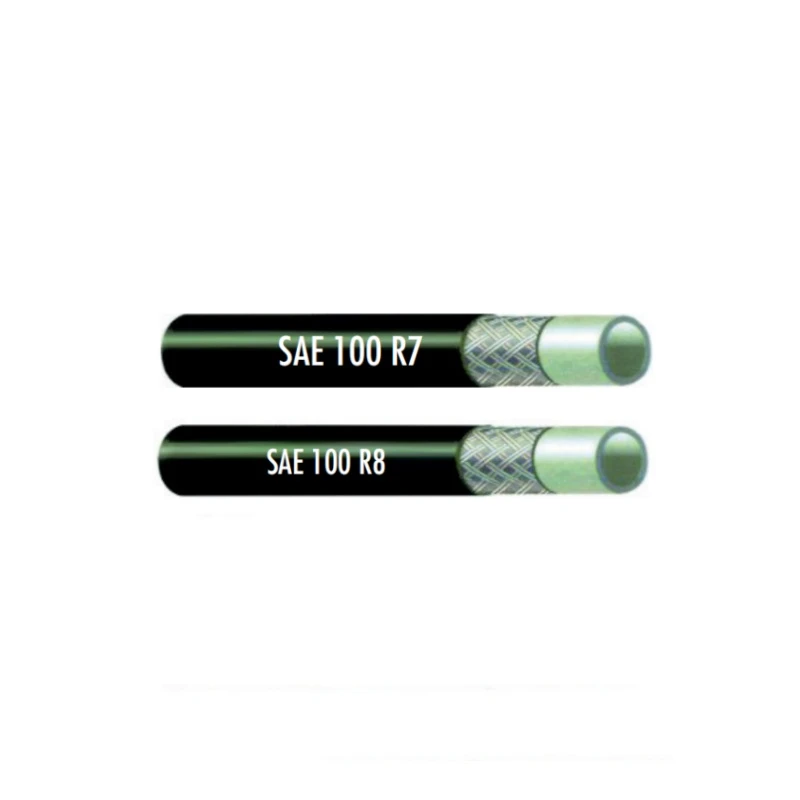
High Pressure Thermoplastic Hydraulic Hose SAE 100 R7 / EN855 R7 - SAE 100 R8 / EN855 R8
-
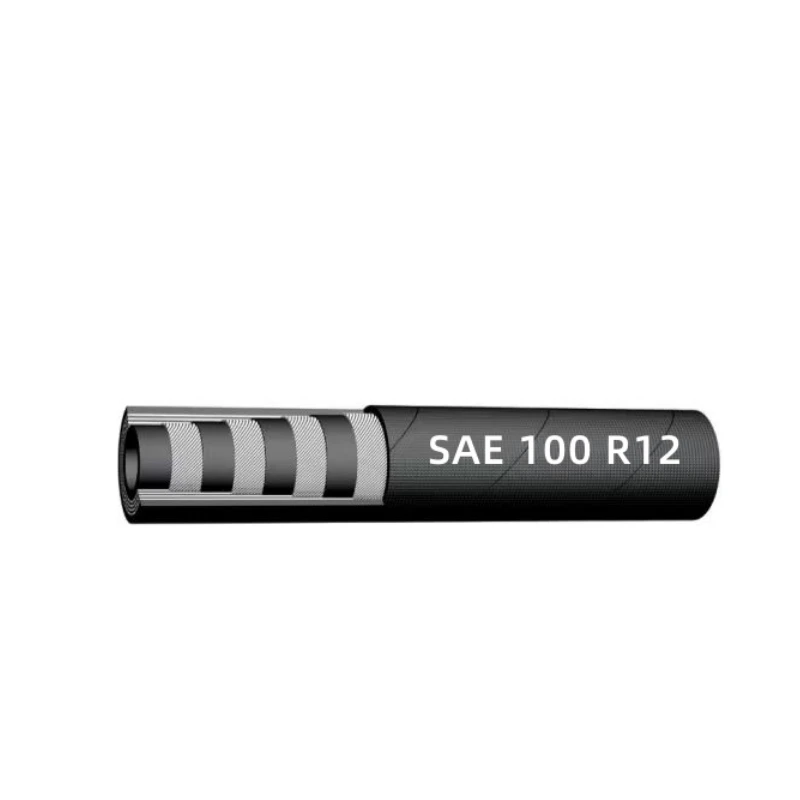
Heavy Duty Four-layer Steel Wire Spiral Reinforced Hydraulic Hose SAE100R9+R10+R12
-
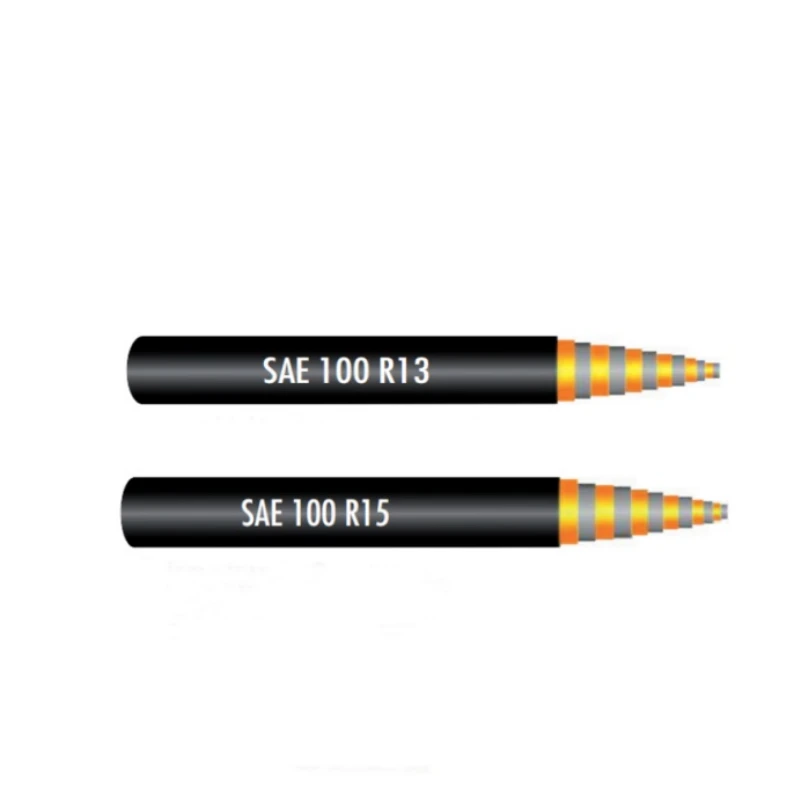
Heavy Duty Multi-layer Steel Wire Reinforced Hydraulic Hose SAE100R13 SAE100R15


