

Nov . 23, 2025 22:00 Back to list
High-Quality Nitrogen Hose Solutions for Safe Industrial Gas Transfer
Understanding Nitrogen Hose: What It Is and Why It Matters
If you’re not knee-deep in industrial piping or specialized gas delivery, the term nitrogen hose might seem a bit niche. But trust me, its impact spreads far wider than you’d imagine. In simple terms, this is a hose designed specifically for the safe and efficient transfer of nitrogen gas—an element that quietly keeps everything from food packaging to rocket engines ticking globally.
Why is nitrogen hose essential, you ask? Because nitrogen is an inert gas widely used in industries to create protective atmospheres or fuel various processes safely. Without the right kind of hose that can withstand high pressure, temperature variances, and avoid contamination, modern manufacturing and transport could face major setbacks.
On a broader scale, the reliability of nitrogen hose links directly to global supply chains, safety protocols, and economic efficiency—a pretty big deal when you think about it.
The Global Scope: Nitrogen Hose’s Industrial Footprint
The demand for nitrogen isn’t just local; it’s a worldwide phenomenon. According to the International Organization for Standardization (ISO) and World Bank industrial reports, nitrogen production and handling have increased by nearly 5% annually over the past decade, especially in developing economies pushing heavy manufacturing and food preservation technologies.
Yet, one major challenge remains: transporting and delivering nitrogen without losses, leaks, or degradation requires specialized equipment, namely, the nitrogen hose. The wrong type can lead to safety hazards or costly downtime.
Incidentally, industries like pharmaceuticals, electronics manufacturing, food packaging, petrochemicals, and laboratories all rely heavily on reliable nitrogen hose systems. This makes it no exaggeration to say that a good nitrogen hose can be the unsung hero behind some of the most critical processes worldwide.
What Exactly Is a Nitrogen Hose?
Put simply, a nitrogen hose is a flexible, highly durable tube designed to transport nitrogen gas safely under pressure. Typically made from materials resistant to chemical corrosion and pressure fluctuations, these hoses can handle nitrogen in its gaseous or sometimes liquid state.
In practical terms, you’ll find them connecting nitrogen tanks to equipment, facilitating gas purging, or managing inert atmospheres where oxygen presence could cause spoilage or combustion.
The connection to modern industry? Without these hoses, maintaining safe environments or controlling processes where nitrogen acts as a shield, coolant, or key reactant would get seriously complicated.
Key Characteristics of High-Quality Nitrogen Hoses
Durability & Pressure Resistance
A nitrogen hose must resist not just pressure but wear and tear from repeated movement and environmental stress. Most premium hoses are reinforced with braided stainless steel or synthetic fibers to handle pressures from 150 up to 300 bar.
Chemical Inertness
Nitrogen is inert, but the hose material cannot react with it or degrade under its flow conditions. Manufacturers often use nitrile rubber or other specialized polymers with inner linings that prevent contamination or gas diffusion.
Temperature Handling
Because nitrogen applications range from cryogenic states (liquid nitrogen at −196°C) to warmer industrial environments, the hose must maintain flexibility and integrity across a wide temperature spectrum.
Safety & Compliance
Meeting international safety standards (like ISO 10380 or EN 10204) is a must. These ensure leak-proof joints, burst pressure safety margins, and non-toxic materials — all crucial to user safety.
Customization & Length Flexibility
Depending on the industry, hoses need tailoring — varying diameters, lengths, fittings, and sometimes integrated monitoring sensors.
Mini takeaway: In short, when you’re investing in nitrogen hose, it’s not just about grabbing the longest or cheapest tube but considering durability, safety, and compliance to fit your exact needs.
Where in the World Are Nitrogen Hoses Most Vital?
Across the globe, nitrogen hoses play starring roles in valuable, sometimes life-critical sectors. Examples include:
- Food Preservation: In Europe and North America, nitrogen hoses help inject inert gas in packaging lines to prevent spoilage.
- Pharmaceutical Industry: In Asia, laboratories use nitrogen hoses to create sterile environments for drug manufacturing.
- Oil & Gas Fields: Africa and the Middle East deploy nitrogen hoses for purging pipelines and maintaining non-combustible atmospheres.
- Disaster Relief: Organizations running mobile medical clinics in remote zones rely on nitrogen hose setups for safe gas delivery.
Strikingly, nitrogen hoses also support aerospace testing centers in the US and Europe, where precise gas handling is critical for engine performance tests.
Benefits of Using the Right Nitrogen Hose
Choosing the proper nitrogen hose brings a mix of practical and emotional advantages:
- Cost Efficiency: Reduced downtime due to fewer leaks or hose failures saves money.
- Safety Assurance: Preventing hazardous leaks keeps workers and environments safer, a non-negotiable factor.
- Longevity & Reliability: High-quality hoses reduce replacement frequency, making for stable long-term operations.
- Environmental Impact: Durable hoses help reduce nitrogen losses, which, while inert, contribute to operational footprint.
- User Confidence: Knowing the hose won’t suddenly fail boosts trust in your processes and products.
It’s the kind of safety net you barely notice — until it’s not there.
Upcoming Innovations in Nitrogen Hose Technology
The industry is buzzing with developments:
- Smart Hoses: Embedded sensors now monitor pressure and leakage in real-time, offering digital feedback through IoT systems.
- Advanced Materials: Research into bio-based polymers and nanocomposites could raise durability while lowering environmental impact.
- Cryogenic Design Enhancements: New flexible hoses handle liquid nitrogen without brittleness, expanding usability in labs and medical settings.
- Recycling & Sustainability: Vendor initiatives are pushing for hoses made from recyclable elements and longer service lifespans.
Oddly enough, this niche area is becoming a hotbed of digital and material science crossover.
Common Roadblocks and How Experts Tackle Them
Even the best nitrogen hoses face challenges:
- Leakage Concerns: Tiny microfractures can go unnoticed. Experts now recommend routine ultrasonic or infrared scanning.
- Material Fatigue: Repeated flexing can weaken hoses—selecting the right reinforcement and scheduling replacements is key.
- Compatibility Issues: Some industrial chemicals or extreme temps cause degradation. Advanced polymer blends often provide a fix.
- Supply Chain Delays: Specialty hoses can get stuck especially during high demand; keeping vendor relations tight helps avoid downtime.
Just like in any safety-critical system, planning and proactive maintenance make all the difference.
FAQ: Common Questions About Nitrogen Hose
Q: What should I look for when choosing a nitrogen hose?
A: Consider pressure rating, temperature compatibility, material resistance, and hose length. Also, check certifications like ISO or EN relevant to your industry.
Q: How often should nitrogen hoses be replaced?
A: Typically every 3–5 years, but factors like usage intensity, temperature exposure, and pressure cycles can shorten or extend this. Regular inspections help decide.
Q: Can nitrogen hoses be used for other gases?
A: Generally, no. These hoses are designed specifically for nitrogen’s chemical and physical properties. Using for other gases might compromise safety or integrity.
Q: Are there eco-friendly nitrogen hoses available?
A: Yes, some manufacturers now offer hoses made with more sustainable materials or that are recyclable, aligning with green manufacturing goals.
Q: How do I integrate a nitrogen hose system in a remote industrial zone?
A: Plan for custom lengths and fittings, invest in durable hoses rated for harsh climates, and consider remote monitoring sensors to minimize onsite maintenance.
Nitrogen Hose Product Specification Table
| Specification | Details |
|---|---|
| Inner Diameter | 6mm – 25mm (custom sizes available) |
| Maximum Pressure | Up to 300 bar (4350 psi) |
| Temperature Range | -196°C to +120°C |
| Material | Nitrile rubber inner lining, stainless steel braided reinforcement |
| Certifications | ISO 10380, EN 10204 |
| Fittings | Customizable: Brass, stainless steel, quick connect |
Vendor Comparison: Top Nitrogen Hose Suppliers
| Feature | JY Hose | NitroFlex | SafeGas Tech |
|---|---|---|---|
| Pressure Rating | Up to 300 bar | Up to 280 bar | Up to 250 bar |
| Temperature Range | -196°C to +120°C | -170°C to +100°C | -150°C to +110°C |
| Customization Options | Extensive: sizes, fittings, sensors | Moderate | Limited |
| Certifications | ISO 10380, EN 10204 | ISO 9001 | ASTM Standards |
| Price Range | $$ | $$$ | $ |
Wrapping Up: Why the Right Nitrogen Hose Makes a Difference
At the end of the day, the humble nitrogen hose is more than just tubing—it’s a vital safety guardian, a guarantor of efficiency, and often an unsung ally in industries that literally keep the world moving. Whether you’re managing a large-scale manufacturing plant, a critical lab, or a remote site needing reliable gas transfer, the quality and specification of your nitrogen hose can’t be overlooked.
So, if this has piqued your interest or you’re on the lookout for dependable nitrogen hose solutions, consider exploring the offerings at nitrogen hose. They combine robust manufacturing with customization that suits diverse industrial demands.
Because in cases like this, safety and efficiency really shouldn’t be left to chance.
References
Latest News
Steel Wire Reinforced Hydraulic Hose SAE 100 R1 / EN853 1SN S
NewsOct.17,2024
Two Layers Steel Wire Reinforced Hydraulic Hose SAE 100 R2 / EN853 2SN
NewsSep.03,2024
Textile Braid Reinforced Hydraulic Hose SAE100 R3+R6
NewsSep.03,2024
Textile Reinforced Hydraulic oil Suction Hose with embedded Steel Wire SAE 100 R4
NewsSep.03,2024
Single Wire Braid and Textile Covered Hydraulic Hose SAE 100 R5
NewsSep.03,2024
High Pressure Thermoplastic Hydraulic Hose SAE 100 R7 / EN855 R7 - SAE 100 R8 / EN855 R8
NewsSep.03,2024
Heavy Duty Four-layer Steel Wire Spiral Reinforced Hydraulic Hose SAE100R9+R10+R12
NewsSep.03,2024
Heavy Duty Multi-layer Steel Wire Reinforced Hydraulic Hose SAE100R13 SAE100R15
NewsSep.03,2024
Latest Products
-
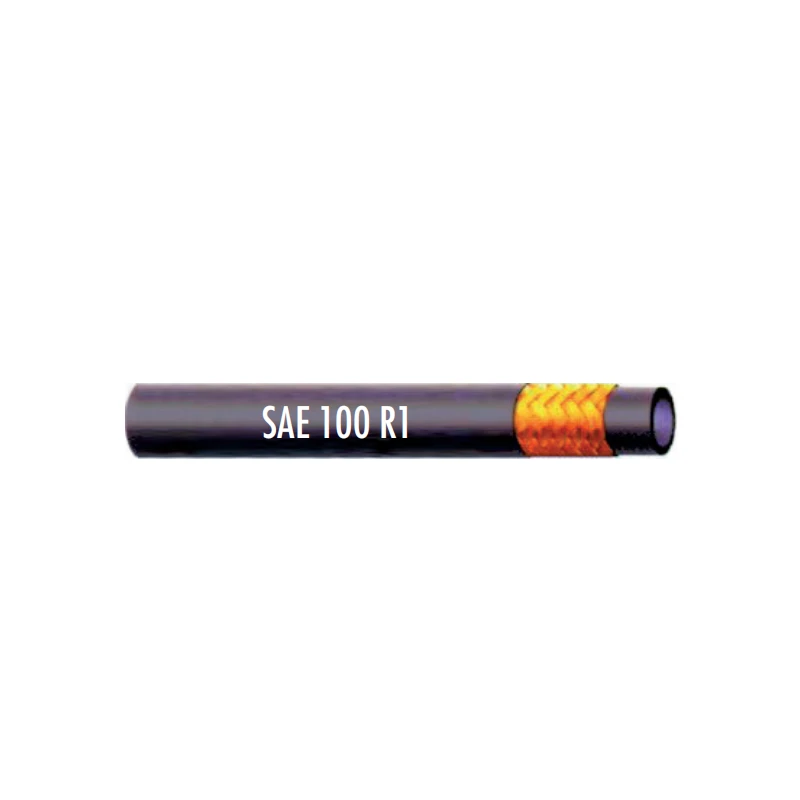
Steel Wire Reinforced Hydraulic Hose SAE 100 R1 / EN853 1SN S
-
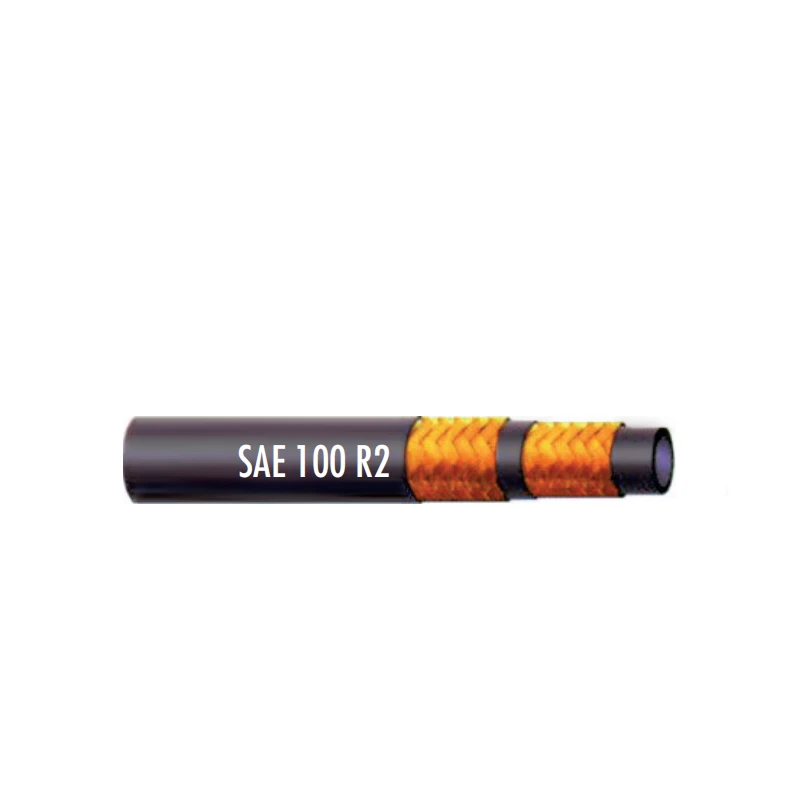
Two Layers Steel Wire Reinforced Hydraulic Hose SAE 100 R2 / EN853 2SN
-
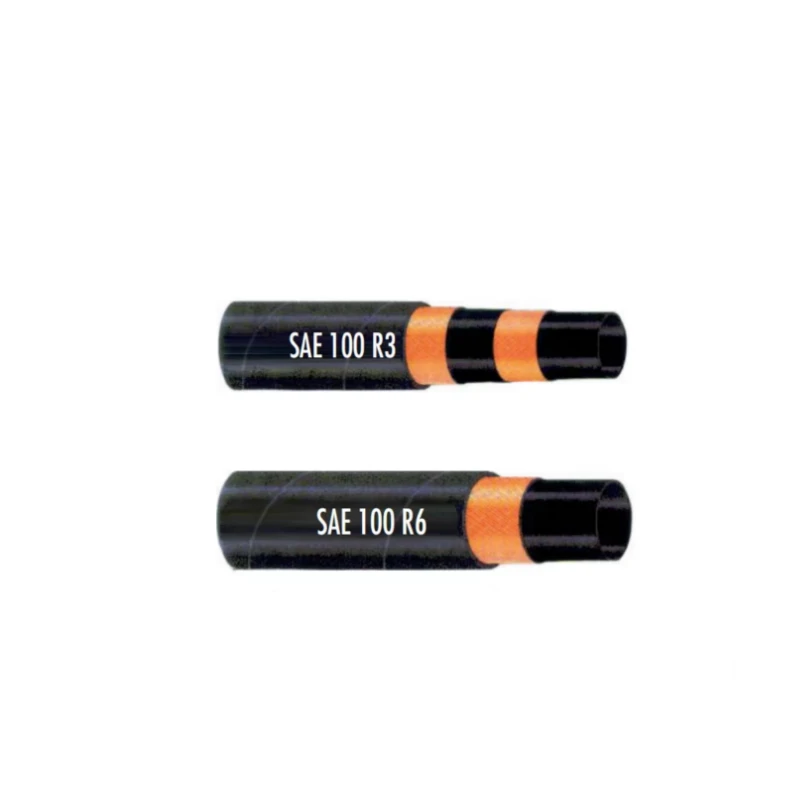
-
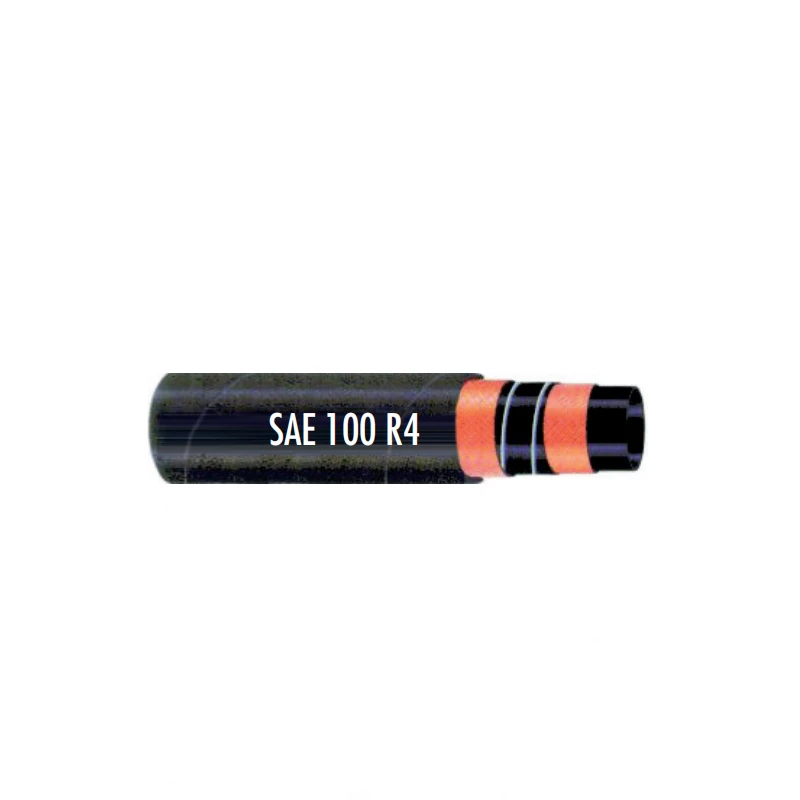
Textile Reinforced Hydraulic oil Suction Hose with embedded Steel Wire SAE 100 R4
-
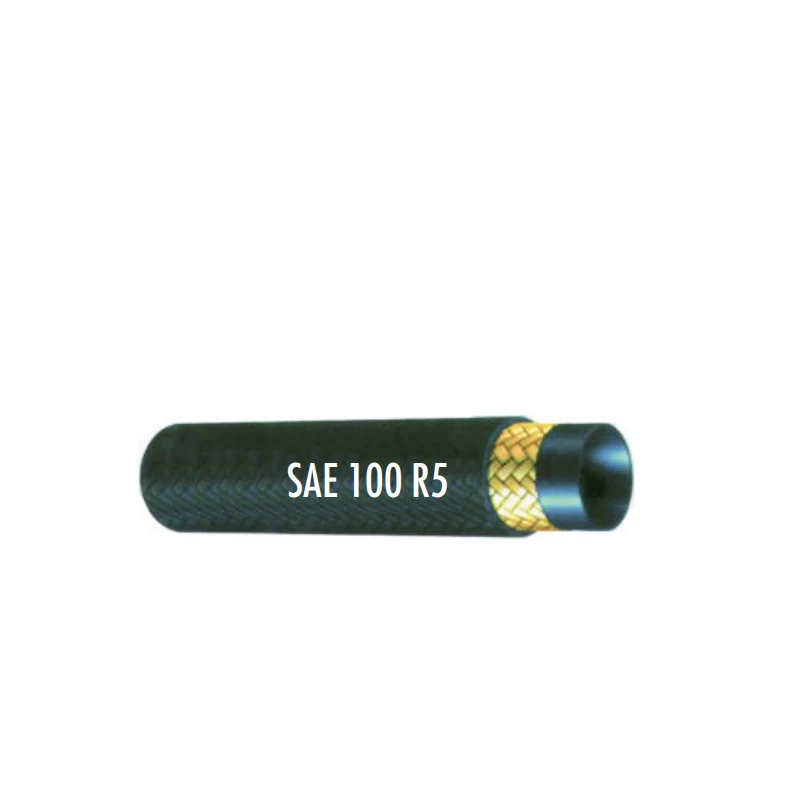
Single Wire Braid and Textile Covered Hydraulic Hose SAE 100 R5
-
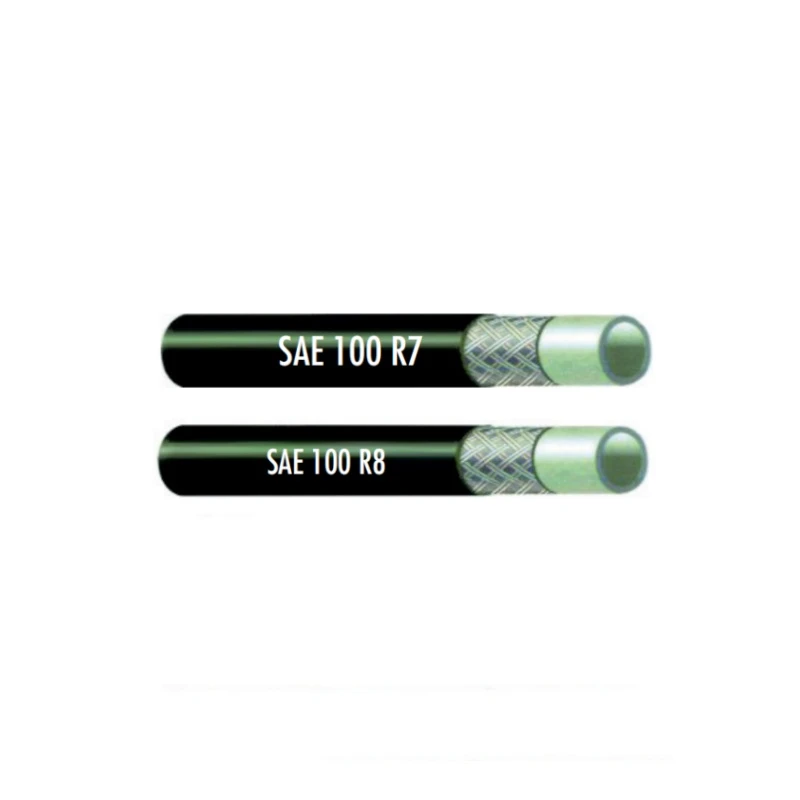
High Pressure Thermoplastic Hydraulic Hose SAE 100 R7 / EN855 R7 - SAE 100 R8 / EN855 R8
-
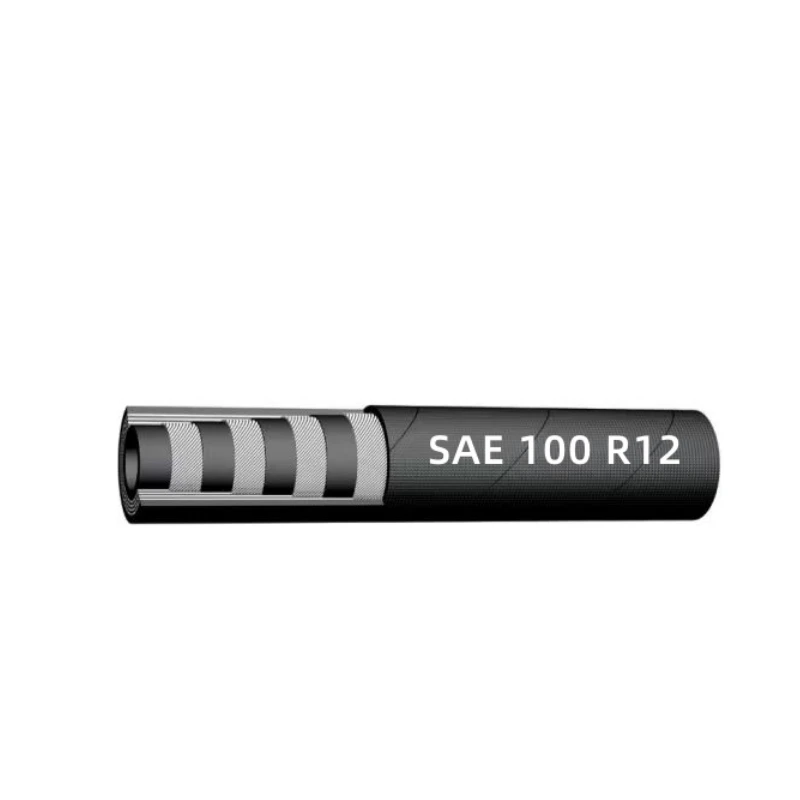
Heavy Duty Four-layer Steel Wire Spiral Reinforced Hydraulic Hose SAE100R9+R10+R12
-
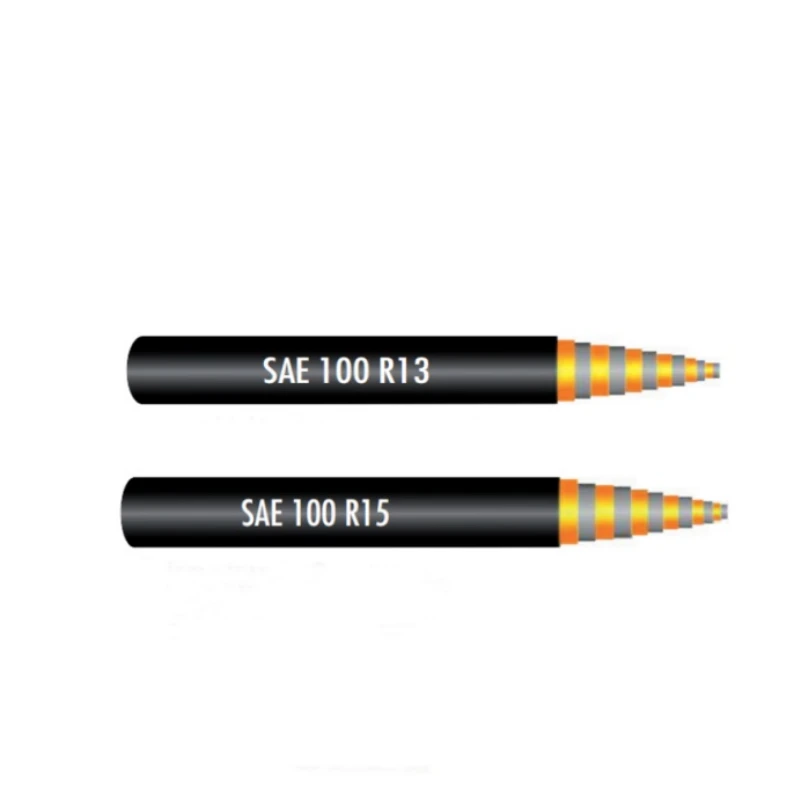
Heavy Duty Multi-layer Steel Wire Reinforced Hydraulic Hose SAE100R13 SAE100R15


