

Dec . 14, 2025 02:30 Back to list
Durable, Flexible Nylon Braided Hose for Industry and Relief – JY Hose
Understanding Nylon Braided Hose: The Unsung Hero of Fluid Transport
When you hear nylon braided hose, you might picture some sort of industrial tubing tucked away in a factory corner. Yet, this quietly brilliant component has a large global role that's not always obvious at first glance. From irrigation systems feeding billions worldwide to post-disaster water distribution, knowing the ins and outs of these hoses helps industries and humanitarian orgs do more with less headache and more reliability.
The Big Picture: Why Nylon Braided Hose Matters Globally
Nylon braided hoses have found their way into countless industrial, agricultural, and emergency setups globally, thanks to their blend of strength, flexibility, and cost-effectiveness. According to UN statistics, access to clean water remains a massive challenge for 2.2 billion people worldwide (1). That's where durable water transportation infrastructure like nylon braided hoses often steps in—helping to build scalable, rapid-deployment water systems.
From the sprawling farms of California, where precision irrigation is vital to maintaining crop yields, to disaster zones in Southeast Asia requiring fast water supply setups, these hoses address a tangible challenge: reliable fluid transport that withstands harsh conditions without breaking the bank.
Mini takeaway:
- Nylon braided hoses play a critical, if underrated, global role in fluid transport.
- They help bridge infrastructure gaps, particularly in water delivery and industrial settings.
What Exactly Is a Nylon Braided Hose?
Simply put, a nylon braided hose is a flexible tube reinforced with woven nylon fibers wrapped around a synthetic rubber or plastic interior. This braid adds tensile strength and abrasion resistance, preventing kinks and ruptures under pressure. Think of it as the difference between a flimsy string and a climbing rope—both flexible, but only one can hold a person's weight safely.
Industrial-wise, they're everywhere: automotive brake lines, chemical transfer pipes, and, crucially, irrigation and water supply networks. Humanitarian groups also leverage them for rugged water distribution in remote or disaster-stricken areas where quick setup and durability can mean the difference between relief and ongoing crisis.
Mini takeaway:
- Nylon braided hoses combine flexibility with strength via a woven nylon sheath.
- This makes them reliable in tough environments like construction sites, farms, or emergency zones.
Core Components That Define a High-Quality Nylon Braided Hose
1. Durability
Nylon braiding dramatically improves a hose's ability to resist wear and tear. Unlike plain rubber hoses that degrade quickly under sunlight or abrasion, these hold strong, even when dragged over rough terrain.
2. Flexibility
The braided design keeps the hose supple, allowing easy bending and routing around obstacles without collapsing, which matters in cramped industrial sites or uneven agricultural fields.
3. Pressure Resistance
The nylon layers increase burst pressure capacity, supporting higher flow rates or transporting aggressive fluids safely—a top concern for chemical industries.
4. Chemical Compatibility
Manufacturers often match inner liners to the fluid type: water, oils, gases, or chemicals, ensuring longevity and preventing contamination.
5. Cost Efficiency
Bringing all these features together doesn’t bloat the price massively. In fact, many engineers say the long service life offsets upfront costs, making these hoses a sound investment.
Mini takeaway:
- Durability and flexibility are key to nylon braided hose performance.
- Pressure and chemical resistance tailor the hose to specific industrial needs.
Global Applications & Real-World Use Cases for Nylon Braided Hose
Oddly enough, these hoses show up in some of the most critical operations around the world:
- In agriculture: Large-scale irrigation systems in Latin America rely on braided hoses to maintain stable water supply across fields, essential for food security.
- Emergency response: NGOs deploying quick water infrastructure post-natural disasters, like typhoons in the Philippines, use these hoses for their rapid deployment and ruggedness.
- Industrial manufacturing: Chemical plants in Europe utilize customized nylon hoses to safely transport corrosive fluids.
- Automotive and aerospace: Hydraulic and brake systems depend on nylon braided hoses for reliability under intense pressure and varying temperatures.
Mini takeaway:
- Nylon braided hoses support critical global sectors from agriculture to aerospace.
- Their adaptability to diverse environments makes them invaluable for emergency and industrial needs alike.
Product Specification Table for a Typical Nylon Braided Hose
| Specification | Typical Value | Notes |
|---|---|---|
| Inner Diameter | 1/4" to 2" | Varies per application |
| Working Pressure | 150 - 300 psi | Dependent on braiding density |
| Temperature Range | -40°C to 100°C | Depends on inner liner material |
| Material - Braiding | Nylon 6 or Nylon 66 | High tensile strength |
| Inner Liner Material | EPDM / PVC / Silicone | Fluid compatibility choices |
| End Fittings | Threaded / Flanged | Customizable for systems |
Comparing Leading Nylon Braided Hose Vendors
| Vendor | Product Range | Price Range (USD/meter) | Customization | Lead Time |
|---|---|---|---|---|
| JY Hose Co. | Wide (1/4" to 3") | $5 - $15 | Custom lengths & fittings | 1-2 weeks |
| FlexiTubes Ltd. | Specialized (up to 1.5") | $8 - $20 | High customization available | 3-4 weeks |
| Global Hose Corp. | Industrial focus | $7 - $12 | Standard options | 2 weeks |
Advantages and Long-Term Value of Nylon Braided Hose
It’s not just about the specs on paper. Nylon braided hoses bring some pretty emotional and logical benefits that resonate on and off the field. Take safety, for example. A hose bursting in a chemical plant or during firefighting operations can cause massive hazards. These hoses stand up better under pressure and heat, increasing trust and decreasing downtime.
From an environmental perspective, their longevity means less replacement and waste — a small but meaningful step toward sustainable manufacturing which aligns with ISO 14001 standards (2). Additionally, their adaptability fosters innovation, allowing engineers to reduce system complexity or make rapid repairs when uptime counts.
What the Future Holds: Trends and Innovations With Nylon Braided Hose
Looking ahead, manufacturers are experimenting with bio-based nylon fibers and liners made from recycled materials to further reduce carbon footprint. Smart hoses embedded with sensors are also gaining traction—imagine a nylon braided hose that could alert you to pressure anomalies or early wear signs via IoT integration.
This digital transformation dovetails nicely with industry 4.0 trends, making fluid transport not just tougher but smarter, safer, and more efficient.
Challenges and How Experts Are Tackling Them
Despite lots of benefits, challenges remain. Field technicians often complain about weight — braided hoses can be heavier than traditional plastic tubing. Also, while nylon braiding improves strength, cutting or UV degradation still happen if not properly protected.
Experts suggest surface coatings and hybrid materials to extend service life. Some vendors now add UV-stabilizing jackets or develop composite braids (nylon + polyester blends) for better weather resistance without sacrificing flexibility.
FAQ: Your Burning Questions on Nylon Braided Hose
- How long can a typical nylon braided hose last in industrial applications?
- A good quality nylon braided hose typically lasts 5 to 7 years under normal industrial conditions, though lifespan depends heavily on exposure to chemicals, UV, and mechanical stress.
- Are nylon braided hoses suitable for food-grade applications?
- Yes, if fitted with FDA-approved inner liners like food-grade silicone or EPDM, these hoses can be used safely in food and beverage processing.
- Can I customize hose lengths and fittings to suit my specific system?
- Absolutely. Most vendors, including JY Hose, offer bespoke lengths and various end fittings (threaded, flanged, quick connect) based on client needs.
- What maintenance does a nylon braided hose require?
- Regular inspections for abrasion, leaks, or stiffening are recommended. Cleaning depends on fluid type but often involves flushing to prevent clogging or contamination.
- Why choose nylon braided hoses over metal tubing for pressure lines?
- They offer greater flexibility, lower weight, and easier installation, while still sustaining high pressure. Plus, nylon braided hoses resist corrosion better in many chemical or outdoor environments.
Wrapping Up: Why Investing in Nylon Braided Hose Pays Off
To sum it up, nylon braided hoses blend strength, flexibility, and affordability into a package that fits diverse global challenges—from cultivating food crops to dispensing emergency aid. Their adaptability and durability make them a cornerstone of modern fluid transport solutions.
Interested in exploring high-quality nylon braided hoses? Visit https://www.jyhose.com for product info, customization options, and expert support tailored to your needs.
Final thought:
Sometimes, the simplest components quietly empower the biggest systems. Understanding them feels a little like uncovering a backstage pass to global infrastructure.
References:
Latest News
Steel Wire Reinforced Hydraulic Hose SAE 100 R1 / EN853 1SN S
NewsOct.17,2024
Two Layers Steel Wire Reinforced Hydraulic Hose SAE 100 R2 / EN853 2SN
NewsSep.03,2024
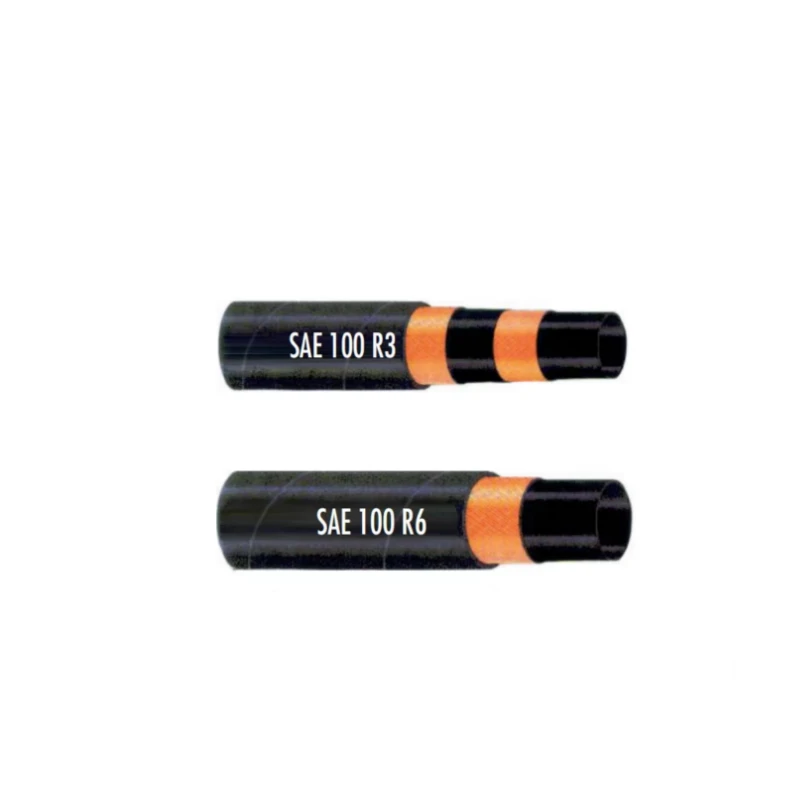
Textile Braid Reinforced Hydraulic Hose SAE100 R3+R6
NewsSep.03,2024
Textile Reinforced Hydraulic oil Suction Hose with embedded Steel Wire SAE 100 R4
NewsSep.03,2024
Single Wire Braid and Textile Covered Hydraulic Hose SAE 100 R5
NewsSep.03,2024
High Pressure Thermoplastic Hydraulic Hose SAE 100 R7 / EN855 R7 - SAE 100 R8 / EN855 R8
NewsSep.03,2024
Heavy Duty Four-layer Steel Wire Spiral Reinforced Hydraulic Hose SAE100R9+R10+R12
NewsSep.03,2024
Heavy Duty Multi-layer Steel Wire Reinforced Hydraulic Hose SAE100R13 SAE100R15
NewsSep.03,2024
Latest Products
-
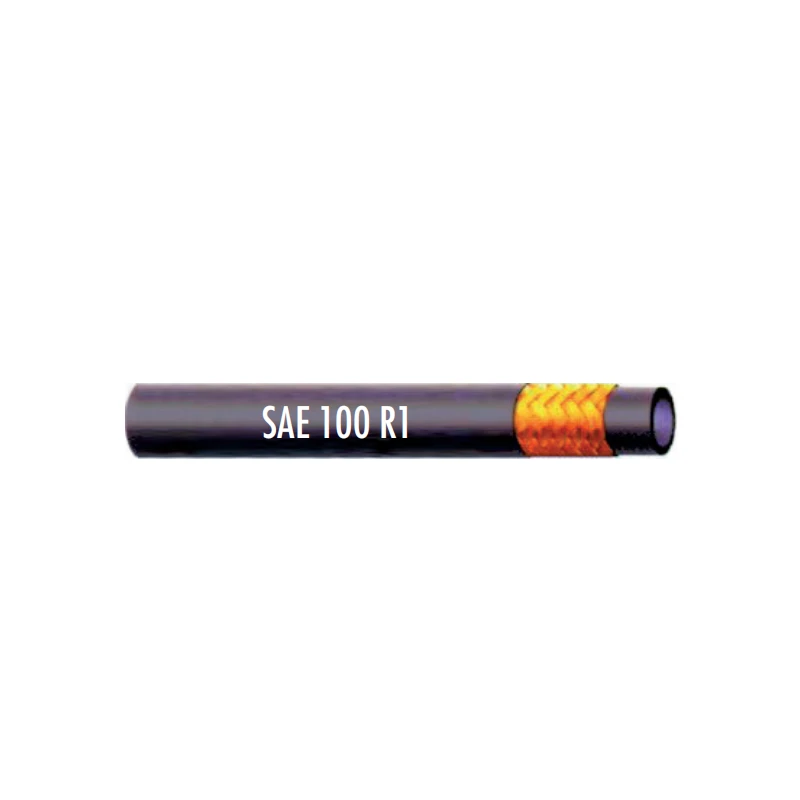
Steel Wire Reinforced Hydraulic Hose SAE 100 R1 / EN853 1SN S
-
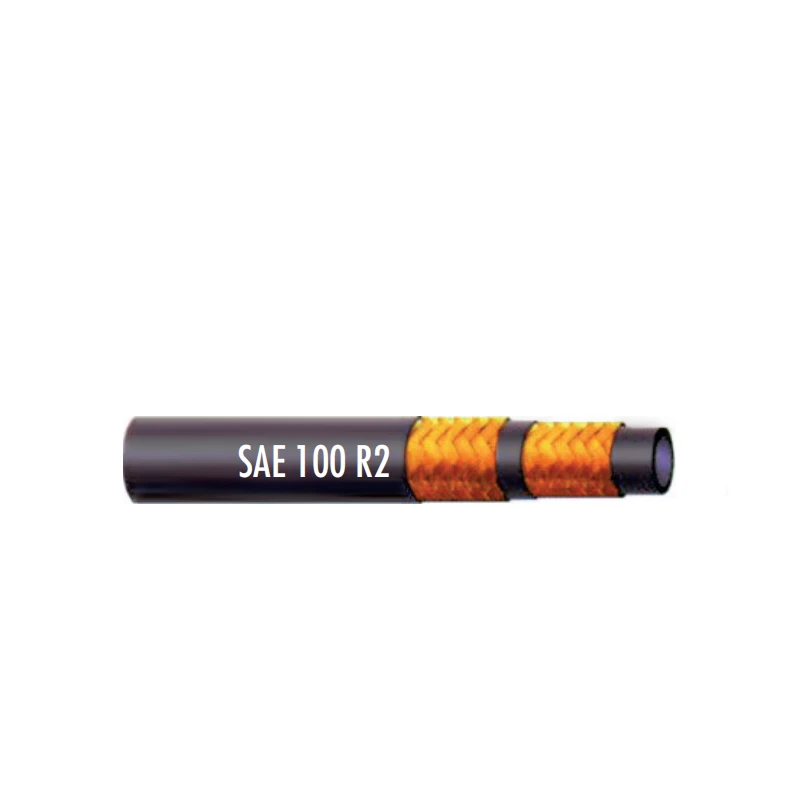
Two Layers Steel Wire Reinforced Hydraulic Hose SAE 100 R2 / EN853 2SN
-
-
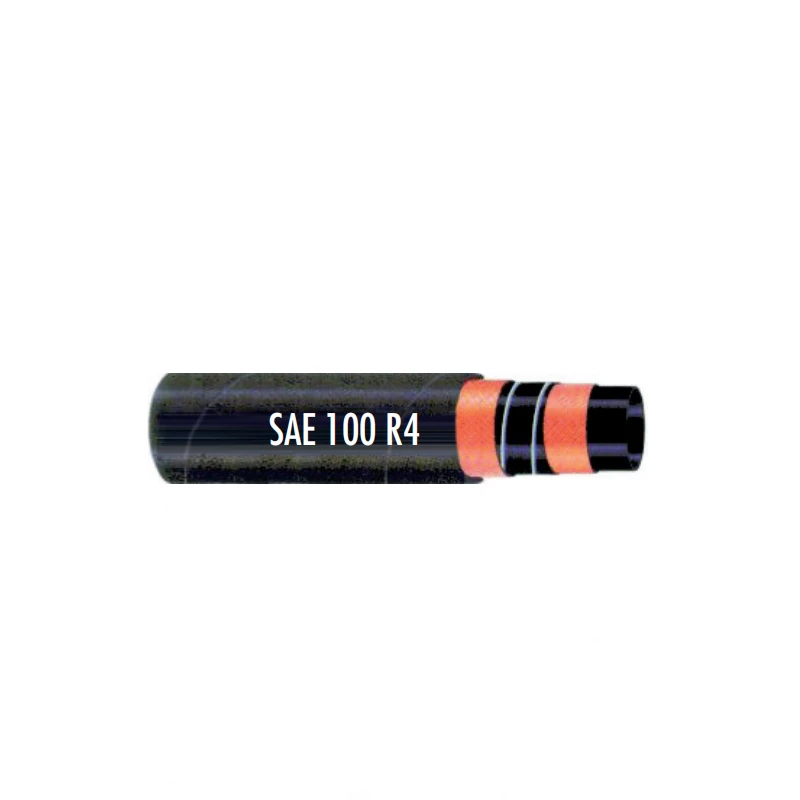
Textile Reinforced Hydraulic oil Suction Hose with embedded Steel Wire SAE 100 R4
-
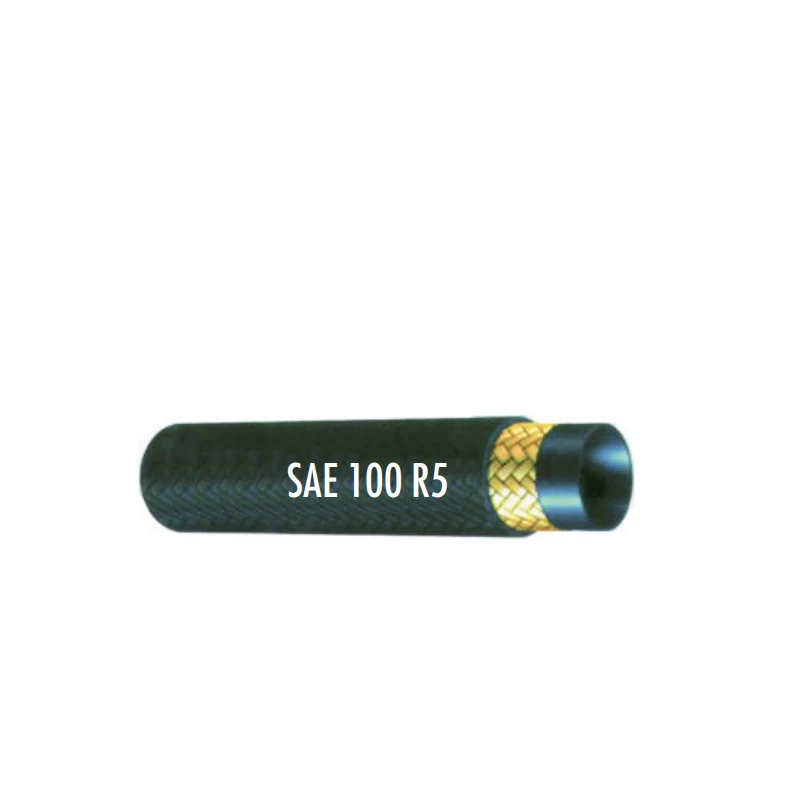
Single Wire Braid and Textile Covered Hydraulic Hose SAE 100 R5
-
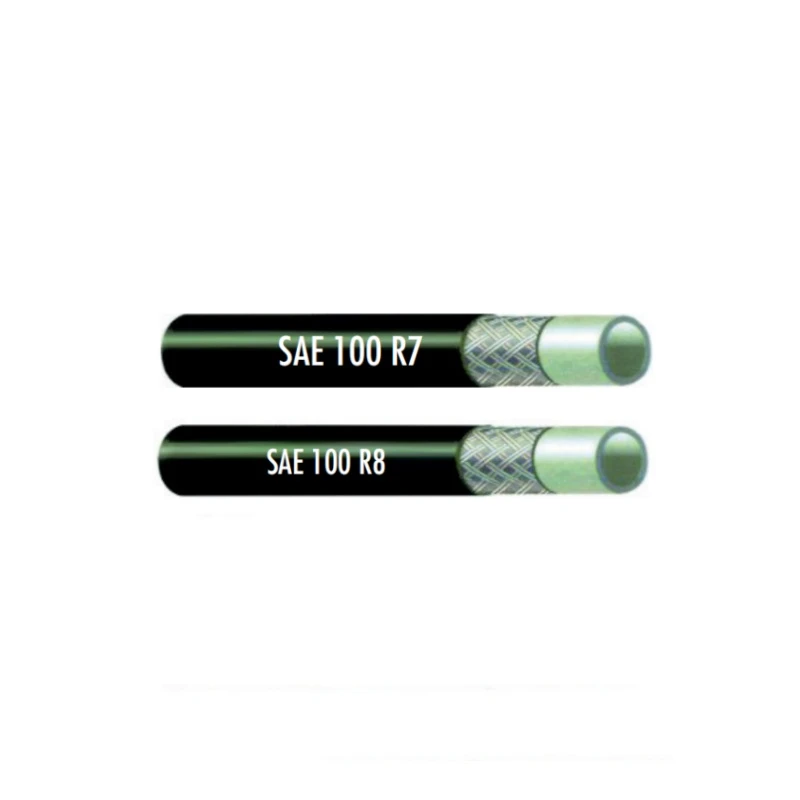
High Pressure Thermoplastic Hydraulic Hose SAE 100 R7 / EN855 R7 - SAE 100 R8 / EN855 R8
-
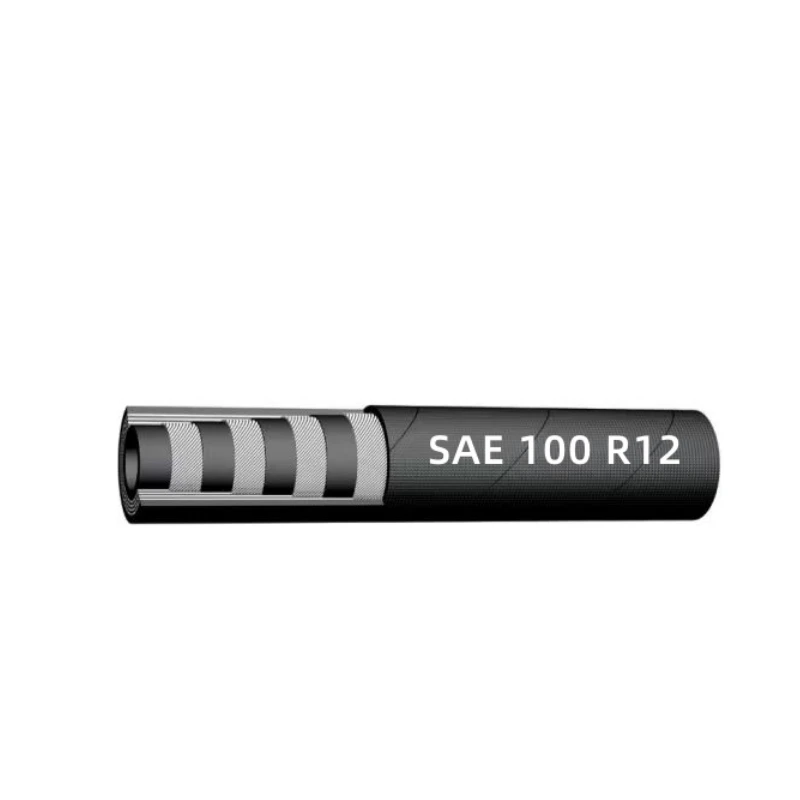
Heavy Duty Four-layer Steel Wire Spiral Reinforced Hydraulic Hose SAE100R9+R10+R12
-
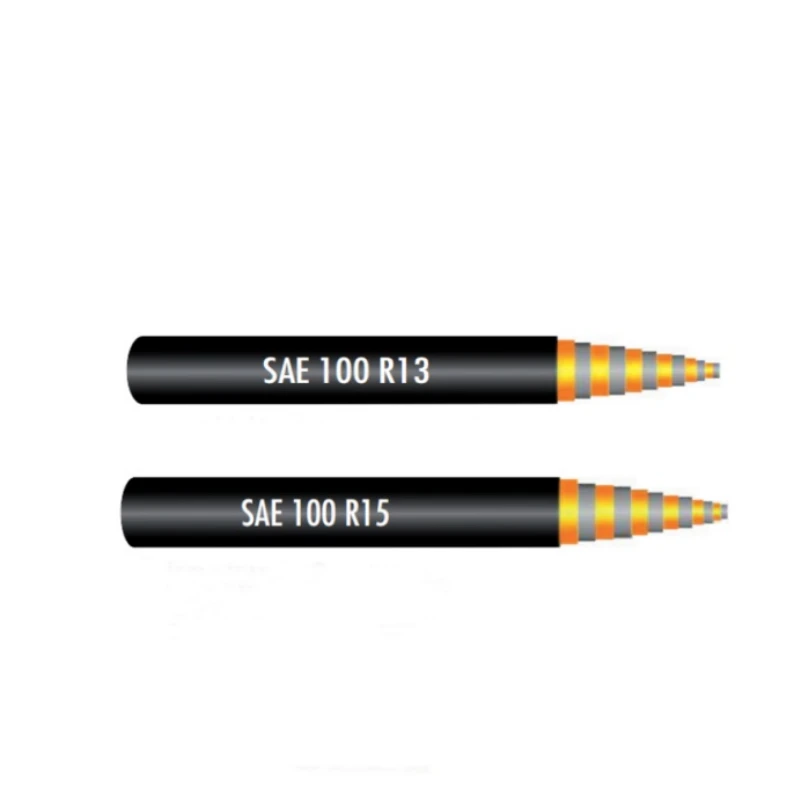
Heavy Duty Multi-layer Steel Wire Reinforced Hydraulic Hose SAE100R13 SAE100R15


