

Jan . 12, 2026 17:50 Back to list
Durable Hydraulic Hose 1/4 | Precision & Strength in Small Diameter
Hydraulic Hose 1/4: A Small Diameter with Big Importance
Having worked in the industrial equipment field for over a decade, I can say with some certainty that the humble hydraulic hose 1/4 often gets overlooked in conversations about hydraulic systems — despite being a vital component. At first glance, its small 1/4 inch size doesn’t make it seem like much, but this hose quietly handles a surprising amount of pressure and complexity in real-world applications.
Oddly enough, when I first encountered these hoses on a factory floor, I underestimated their significance. I suppose that’s because I was used to seeing thick, beefy hoses handle the heavy lifting. But the 1/4 inch hoses are precisely what many precision machines need to perform efficiently, especially when space is tight and flexibility is critical.
From an engineering perspective, this hose size is favored in scenarios requiring precise control of hydraulic fluid flow. Typically made from layered synthetic rubber reinforced with braided steel wire, the hydraulic hose 1/4 is designed to balance strength and flexibility. You’ll find them in forklifts, agricultural machinery, and even automotive systems where durability and leak resistance matter.
What I appreciate about these hoses—beyond their solid construction—is how manufacturers rigorously test each batch. Pressure testing, abrasion resistance, temperature tolerance—the works. It feels like an art form combined with science. That said, one must ensure the hose matches the system’s pressure requirements, or else you invite premature failure.
| Spec | Details |
|---|---|
| Inner Diameter | 0.25 inch (6.35 mm) |
| Working Pressure | Typically 3000 - 6000 PSI |
| Temperature Range | -40°F to +212°F (-40°C to +100°C) |
| Material | Multi-layer synthetic rubber, steel braid reinforcement |
| Cover | Abrasion-resistant rubber |
| Common Fittings | JIC, NPT, BSP |
Now, choosing the right vendor for hydraulic hoses can feel a bit like navigating a maze. From my experience, a few suppliers stand out not just for product specs but for after-sale support and customization options. You might find yourself needing a hose with a unique length, special fitting, or a cover rating for harsh environments. The right partner can save you headaches down the line.
| Vendor | Customization | Delivery Speed | Pricing | Support |
|---|---|---|---|---|
| JY Hose | High (custom lengths & fittings) | Fast (2-3 days) | Competitive | Responsive, technical advice available |
| Vendor B | Medium (limited fittings) | Standard (5-7 days) | Moderate | Basic support |
| Vendor C | Low (standard products only) | Slow (10+ days) | Low-cost | Minimal support |
A quick anecdote: once, a client had a hydraulic system malfunction repeatedly due to an improper hose replacement. The original hose was a 1/4 inch specialized type with braided steel reinforcement. They opted for a cheaper, generic one-inch hose — thinking bigger was better, which it isn’t! Needless to say, after switching back to the right hydraulic hose 1/4, reliability improved drastically. It just goes to show how critical the correct spec—and good quality—can be.
In real terms, these hoses blend engineering precision with practical durability. Whether you’re retrofitting machinery or designing new systems, don’t underestimate the importance of selecting the right hydraulic hose 1/4 inch. Trust me, the right hose can mean the difference between downtime and smooth operation.
So if you’re looking for a dependable, customizable option, I’ve seen JY Hose hold up well in the field—and that kind of reliability always wins over time.
References:
1. Parker Hannifin, Hydraulic Hose Technical Guide, 2023.
2. ISO 1436:2017, Rubber hoses and hose assemblies for hydraulic systems.
3. Industry interviews, 2020-2023.
Latest News
Steel Wire Reinforced Hydraulic Hose SAE 100 R1 / EN853 1SN S
NewsOct.17,2024
Two Layers Steel Wire Reinforced Hydraulic Hose SAE 100 R2 / EN853 2SN
NewsSep.03,2024
Textile Braid Reinforced Hydraulic Hose SAE100 R3+R6
NewsSep.03,2024
Textile Reinforced Hydraulic oil Suction Hose with embedded Steel Wire SAE 100 R4
NewsSep.03,2024
Single Wire Braid and Textile Covered Hydraulic Hose SAE 100 R5
NewsSep.03,2024
High Pressure Thermoplastic Hydraulic Hose SAE 100 R7 / EN855 R7 - SAE 100 R8 / EN855 R8
NewsSep.03,2024
Heavy Duty Four-layer Steel Wire Spiral Reinforced Hydraulic Hose SAE100R9+R10+R12
NewsSep.03,2024
Heavy Duty Multi-layer Steel Wire Reinforced Hydraulic Hose SAE100R13 SAE100R15
NewsSep.03,2024
Latest Products
-
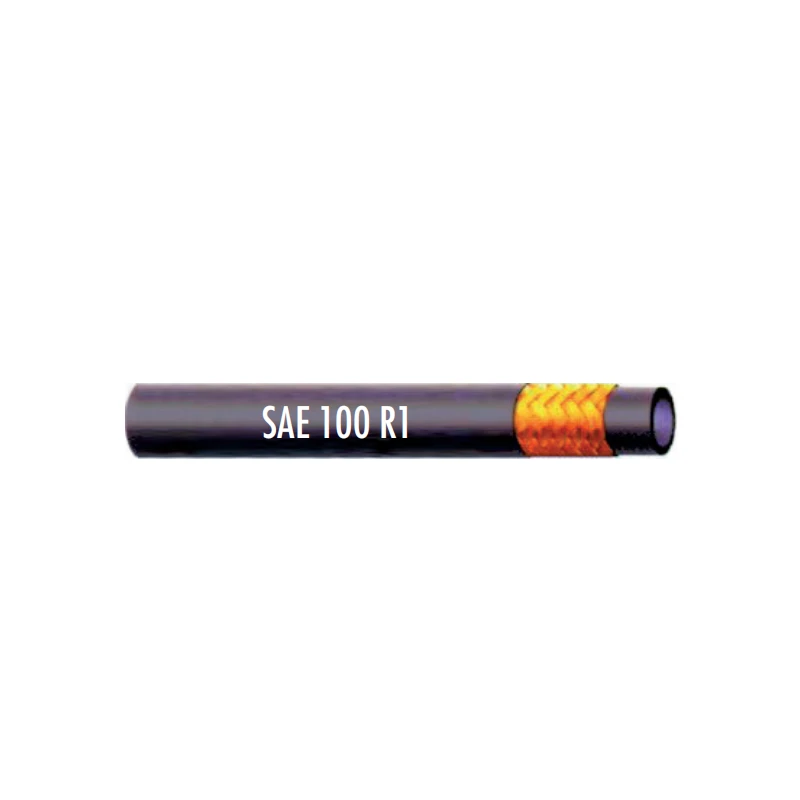
Steel Wire Reinforced Hydraulic Hose SAE 100 R1 / EN853 1SN S
-
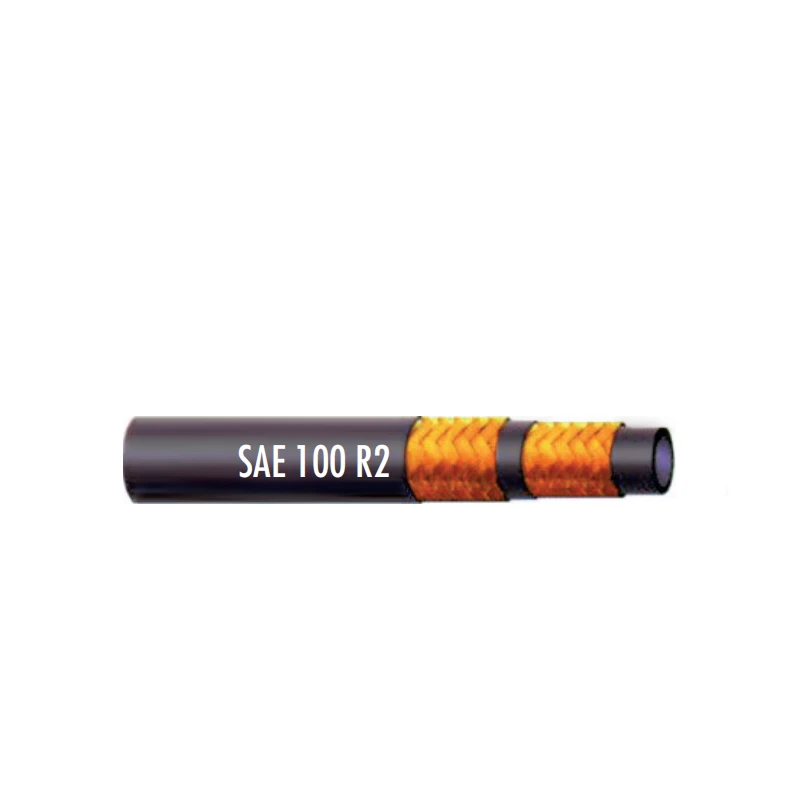
Two Layers Steel Wire Reinforced Hydraulic Hose SAE 100 R2 / EN853 2SN
-
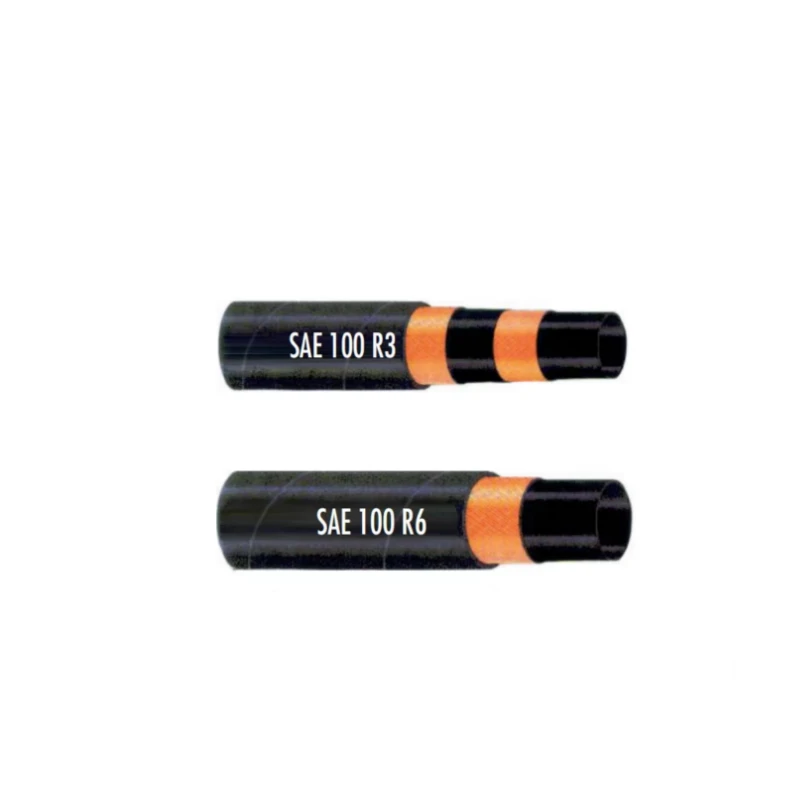
-
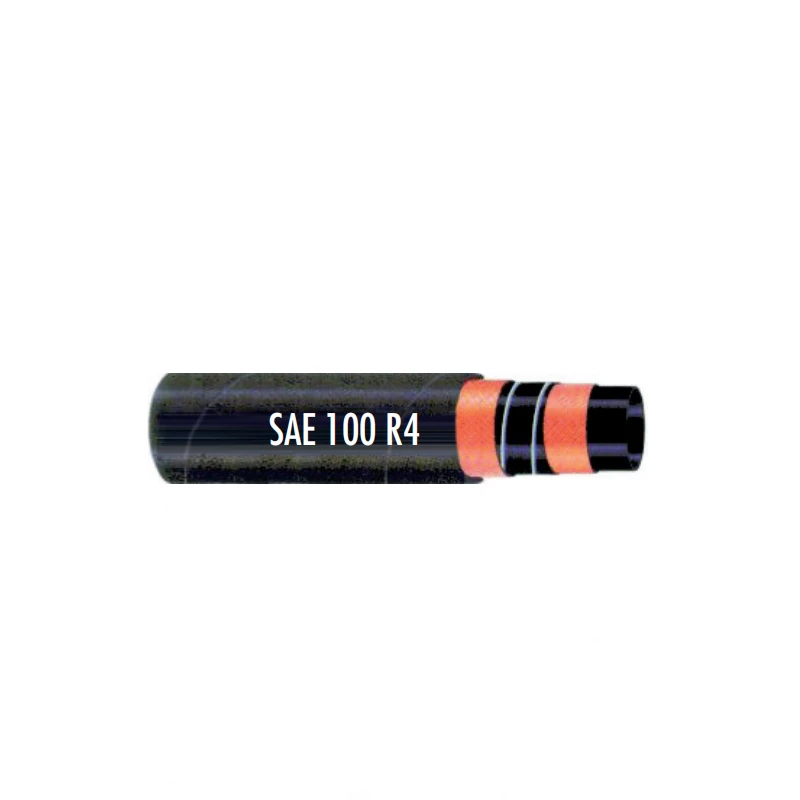
Textile Reinforced Hydraulic oil Suction Hose with embedded Steel Wire SAE 100 R4
-
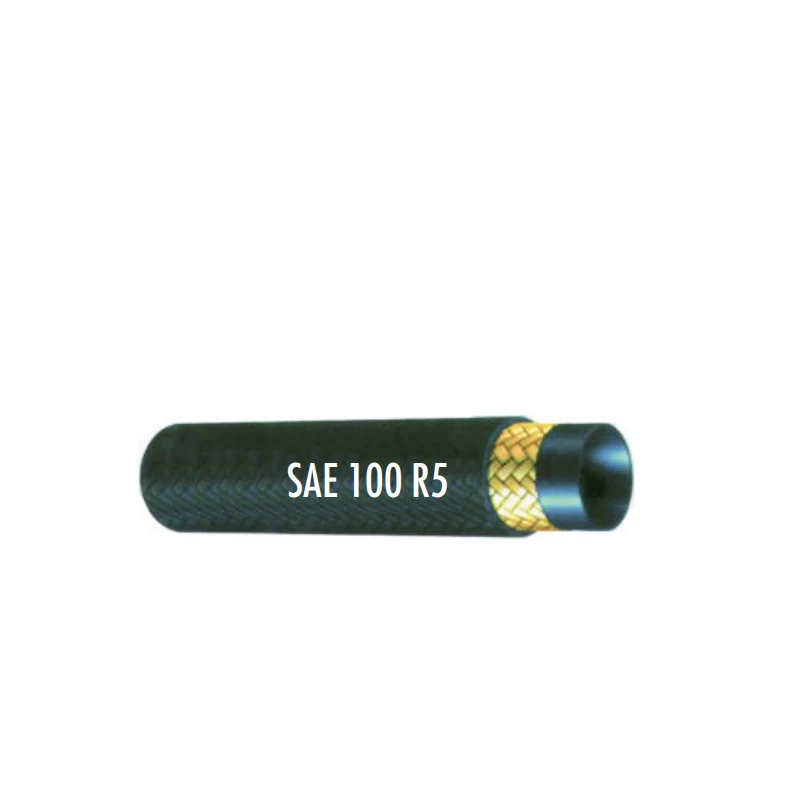
Single Wire Braid and Textile Covered Hydraulic Hose SAE 100 R5
-
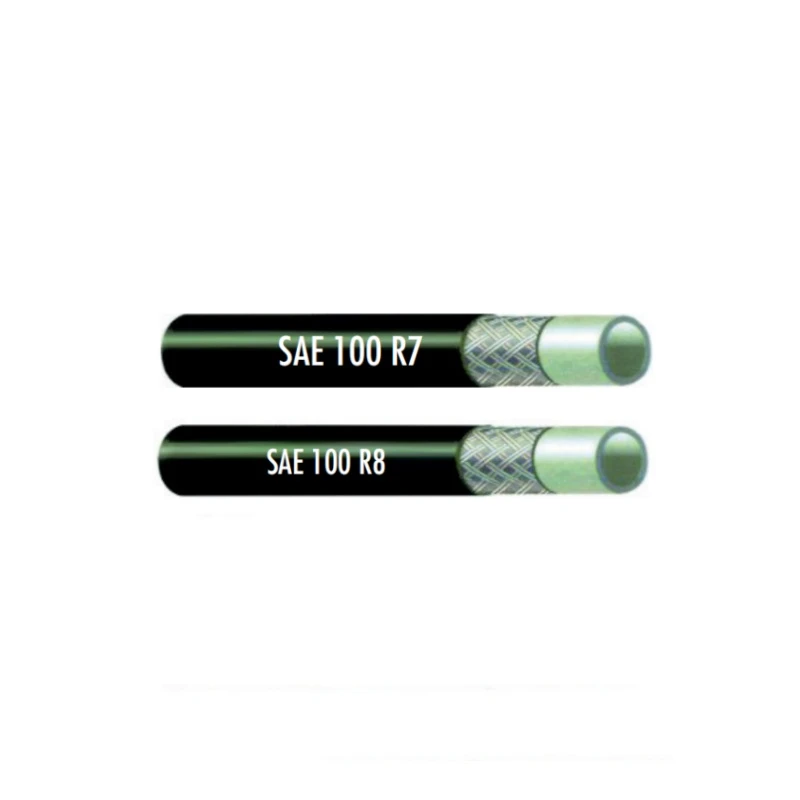
High Pressure Thermoplastic Hydraulic Hose SAE 100 R7 / EN855 R7 - SAE 100 R8 / EN855 R8
-
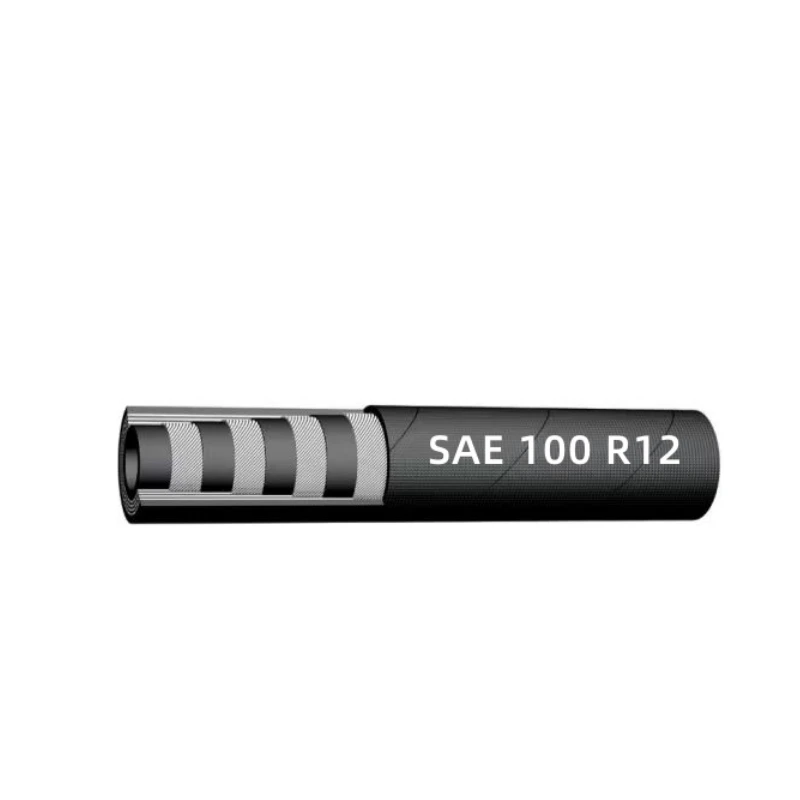
Heavy Duty Four-layer Steel Wire Spiral Reinforced Hydraulic Hose SAE100R9+R10+R12
-
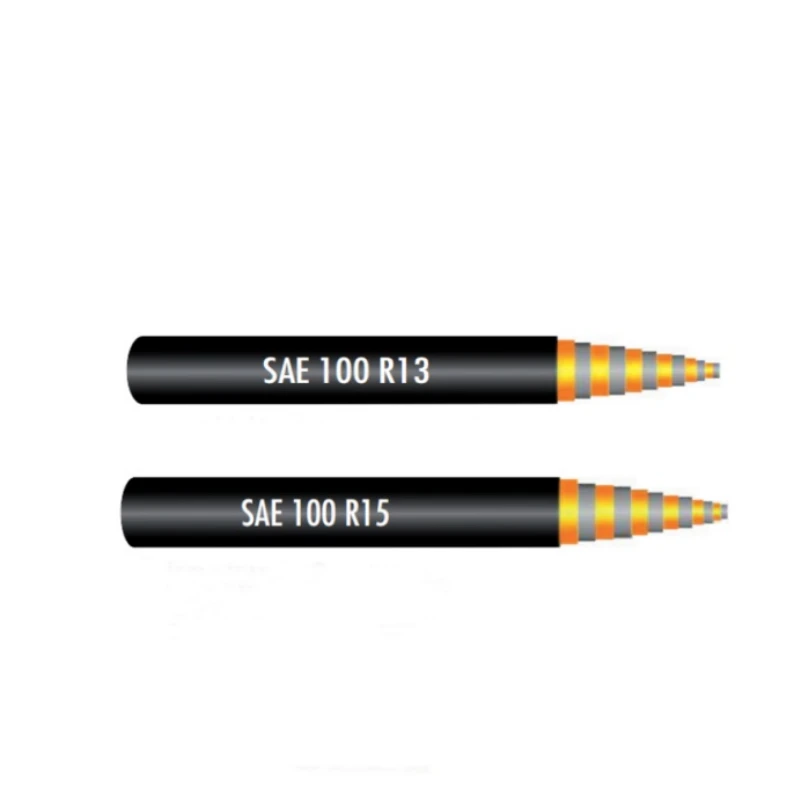
Heavy Duty Multi-layer Steel Wire Reinforced Hydraulic Hose SAE100R13 SAE100R15


