

Jan . 07, 2026 04:00 Back to list
Hydraulic Hose Pipe Manufacturing Process Explained – Durable & Reliable
Hydraulic Hose Pipe Manufacturing Process
Having spent some years knee-deep in the industrial equipment sector, I can tell you there’s often more to manufacturing hydraulic hose pipes than what meets the eye. Frankly, these seemingly straightforward components are the unsung heroes keeping tough machinery running smoothly — transport, mining, agriculture, you name it.
What fascinates me most is how manufacturers combine raw materials with precision techniques to deliver durability and safety. The process, though standard in many ways, also leaves room for custom adjustments depending on the application. I remember chatting with a seasoned engineer once—he called it “the lifeline of fluid power” – and strangely enough, that stuck with me.
From Raw Materials to Final Product
Everything starts with selecting the right materials. Usually, inner tubes are made of high-quality synthetic rubber, chosen for their resistance to hydraulic fluids. Surrounding that is one or more braided or spiral layers of wire reinforcement — this is critical, you know, because it controls the hose's pressure rating and flexibility. On the outside, weather- and abrasion-resistant rubber covers are applied to keep the hose protected — frankly, it’s those details that extend hose life on a dusty construction site or oily factory floor.
Next comes extrusion. A special machine deposits the inner rubber tube evenly along the hose path. After molding, the reinforcement layers are added, sometimes spiral-wrapped to improve pressure handling, sometimes braided for flexibility. This layering — like a protective armor — determines the hose’s performance specs.
Then, curing or vulcanizing takes place. The step where heat and pressure bond the materials, giving the hose its integrity. I suppose it’s akin to baking a cake—the right conditions are critical to avoid defects or weaknesses.
Once cured, hoses undergo rigorous testing—burst pressure, impulse tests, bending cycles—to ensure they meet both manufacturer and industry standards. In practice, some manufacturers even do custom testing tailored to client needs, which can really make a difference when you’re dealing with high-risk hydraulics.
Product Specifications at a Glance
| Specification | Details |
|---|---|
| Inner Tube Material | Oil-resistant synthetic rubber |
| Reinforcement Layer | Braided or spiral steel wire |
| Cover Material | Abrasion & weather resistant rubber |
| Operating Pressure | Up to 7000 psi (depending on model) |
| Temperature Range | -40°C to +120°C |
Choosing Your Manufacturer: Quick Vendor Comparison
| Vendor | Customization Options | Quality Certifications | Typical Lead Time | Pricing |
|---|---|---|---|---|
| JY Hose | High (custom diameters, lengths, fittings) | ISO 9001, CE | 2-4 weeks | Competitive |
| Vendor A | Moderate | ISO 9001 | 3-6 weeks | Mid-range |
| Vendor B | Low | None specified | 1-2 weeks | Low |
Now, here’s a little nugget from my own experience: not long ago, I worked with a client who needed a hydraulic hose that could handle extreme temperatures and sustained cyclic pressure — not the average task, right? The vendor we picked had to go beyond off-the-shelf solutions. It felt like they became partners instead of mere suppliers. The result? Zero downtime during a hectic harvest season, which frankly felt like a win for everybody involved.
Hydraulic hose pipe manufacturing is a blend of art, science, and, dare I say, a bit of industrial magic. Even as automation increases, I find the human element—the expertise guiding each step—still crucial. You can’t just produce hoses and hope for the best when lives and heavy investments are on the line. That’s why understanding this process helps engineers and buyers make smarter, safer choices.
So, if you're diving into hydraulic hose selection or just curious about the often-overlooked backbone of hydraulic systems, a closer look at the manufacturing process really pays off. It makes you appreciate a little more what keeps all that heavy machinery humming along day after day.
In real terms, quality matters as much as price — and sometimes even more.
References:
- Hydraulic Hose Standard Specifications, International Standards Organization
- Industry Insights: Material Science for Hydraulic Hoses, Journal of Industrial Equipment
- JY Hose Official Website, Product and Quality Certifications
Latest News
Steel Wire Reinforced Hydraulic Hose SAE 100 R1 / EN853 1SN S
NewsOct.17,2024
Two Layers Steel Wire Reinforced Hydraulic Hose SAE 100 R2 / EN853 2SN
NewsSep.03,2024
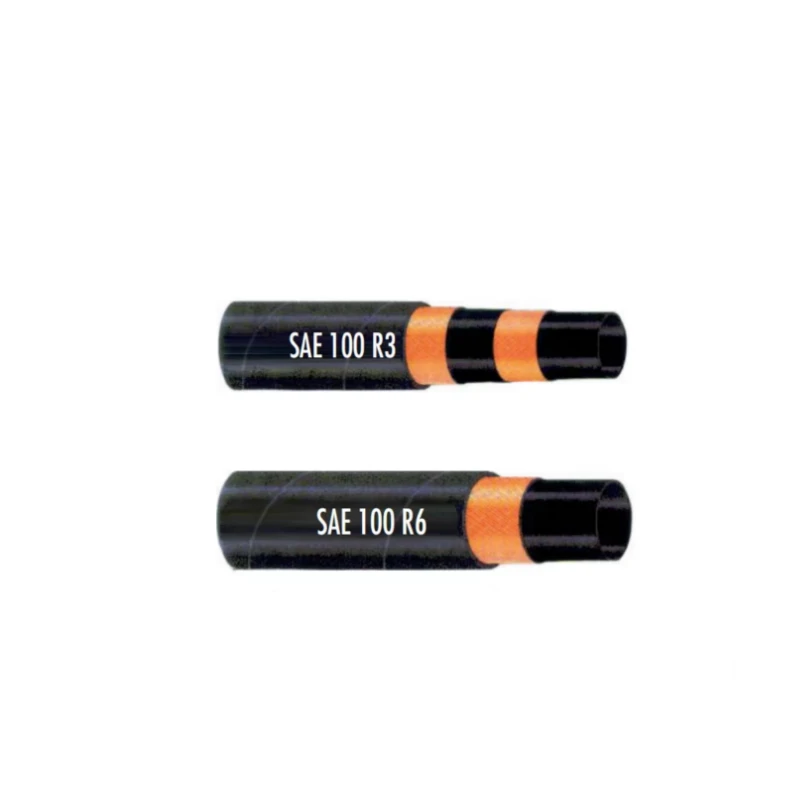
Textile Braid Reinforced Hydraulic Hose SAE100 R3+R6
NewsSep.03,2024
Textile Reinforced Hydraulic oil Suction Hose with embedded Steel Wire SAE 100 R4
NewsSep.03,2024
Single Wire Braid and Textile Covered Hydraulic Hose SAE 100 R5
NewsSep.03,2024
High Pressure Thermoplastic Hydraulic Hose SAE 100 R7 / EN855 R7 - SAE 100 R8 / EN855 R8
NewsSep.03,2024
Heavy Duty Four-layer Steel Wire Spiral Reinforced Hydraulic Hose SAE100R9+R10+R12
NewsSep.03,2024
Heavy Duty Multi-layer Steel Wire Reinforced Hydraulic Hose SAE100R13 SAE100R15
NewsSep.03,2024
Latest Products
-
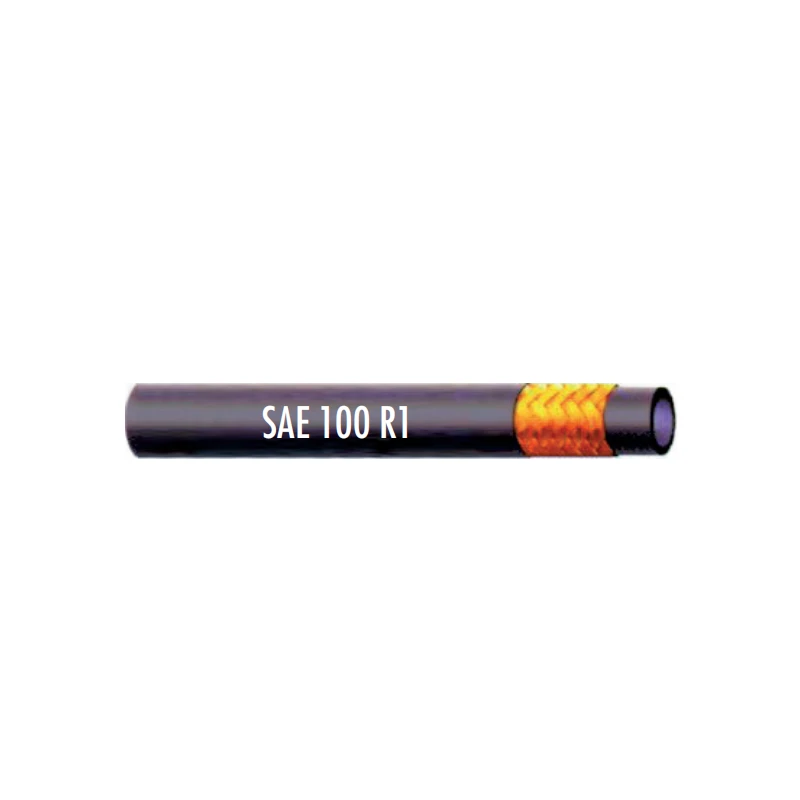
Steel Wire Reinforced Hydraulic Hose SAE 100 R1 / EN853 1SN S
-
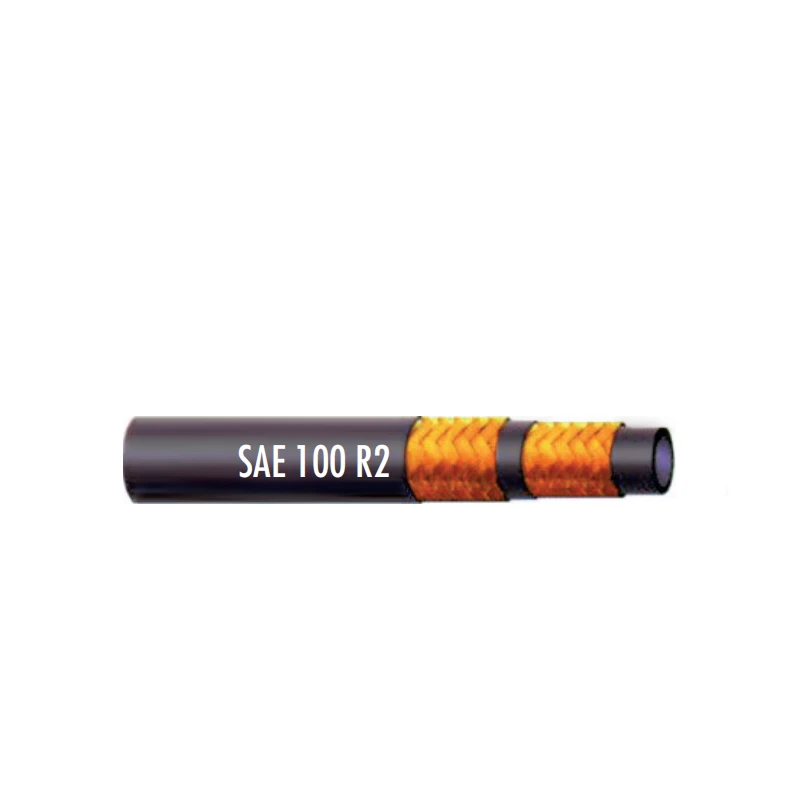
Two Layers Steel Wire Reinforced Hydraulic Hose SAE 100 R2 / EN853 2SN
-
-
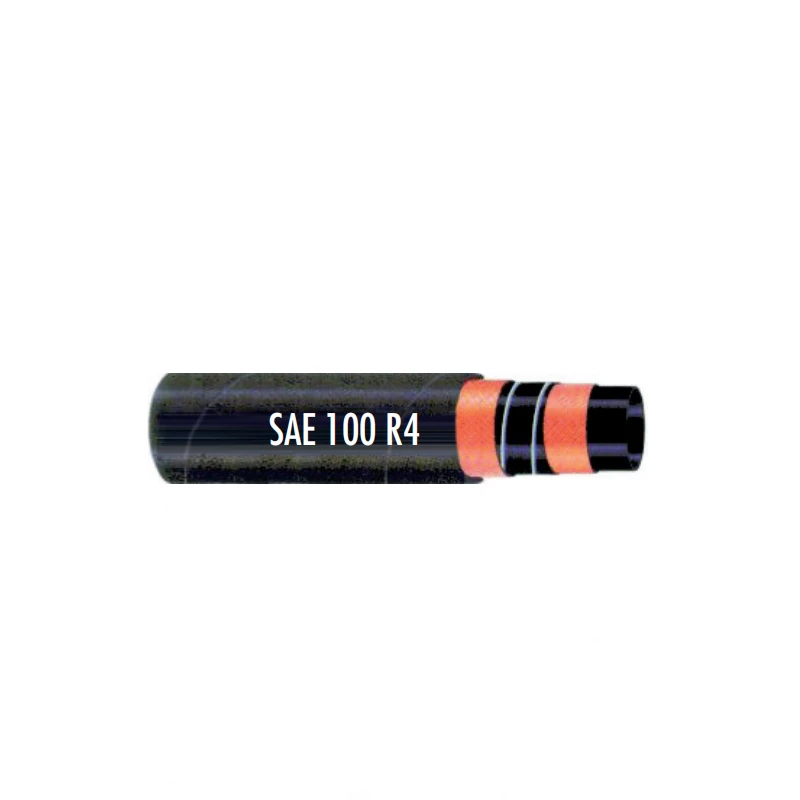
Textile Reinforced Hydraulic oil Suction Hose with embedded Steel Wire SAE 100 R4
-
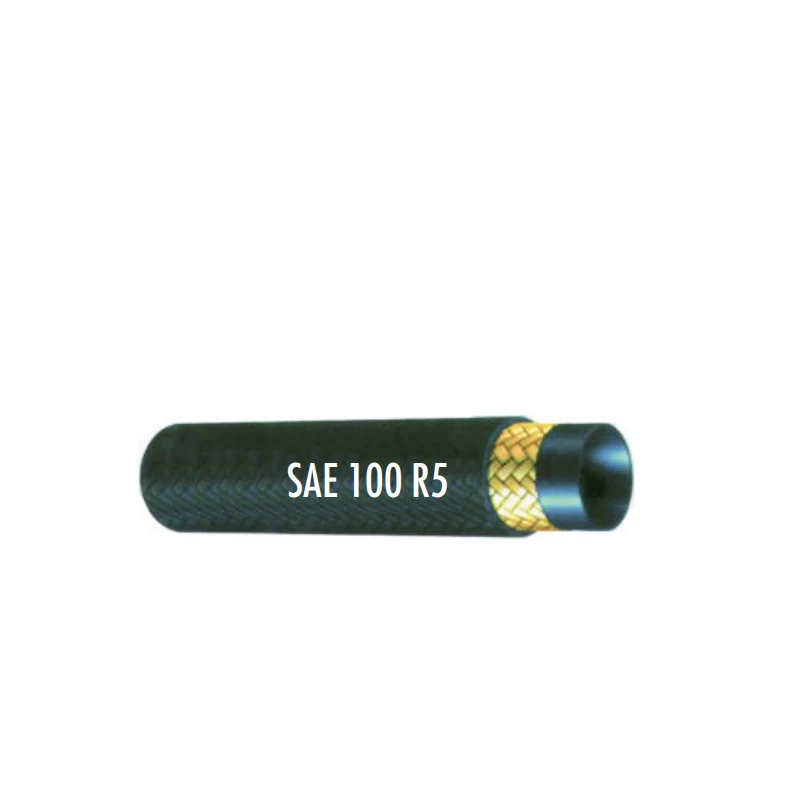
Single Wire Braid and Textile Covered Hydraulic Hose SAE 100 R5
-
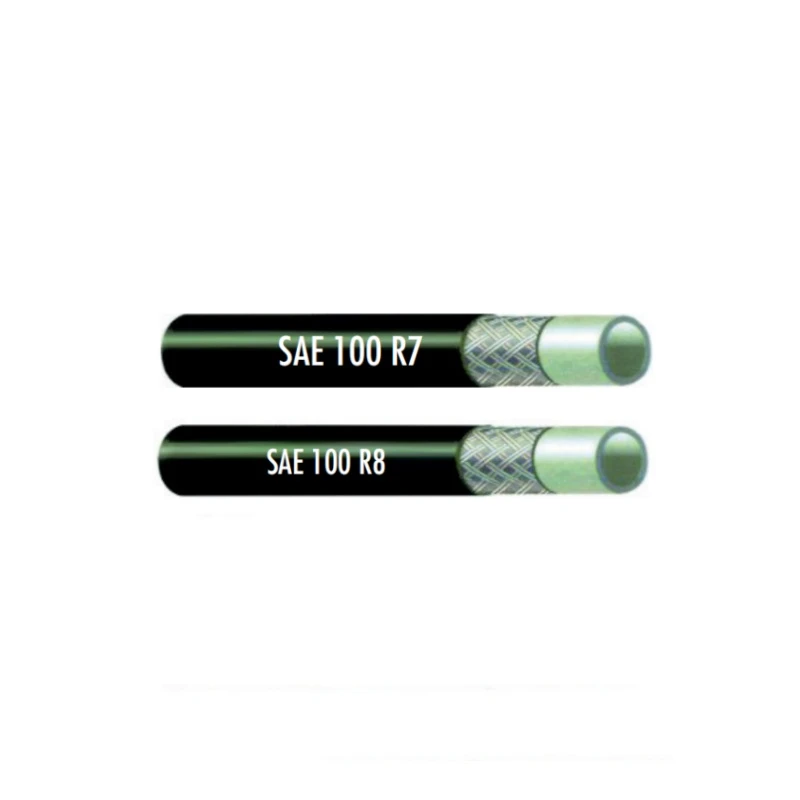
High Pressure Thermoplastic Hydraulic Hose SAE 100 R7 / EN855 R7 - SAE 100 R8 / EN855 R8
-
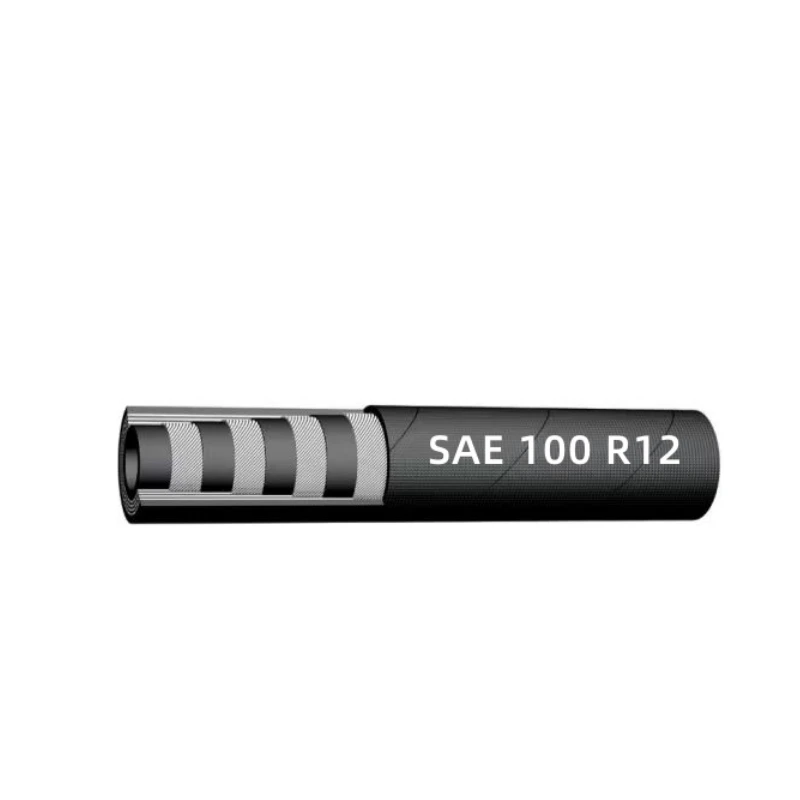
Heavy Duty Four-layer Steel Wire Spiral Reinforced Hydraulic Hose SAE100R9+R10+R12
-
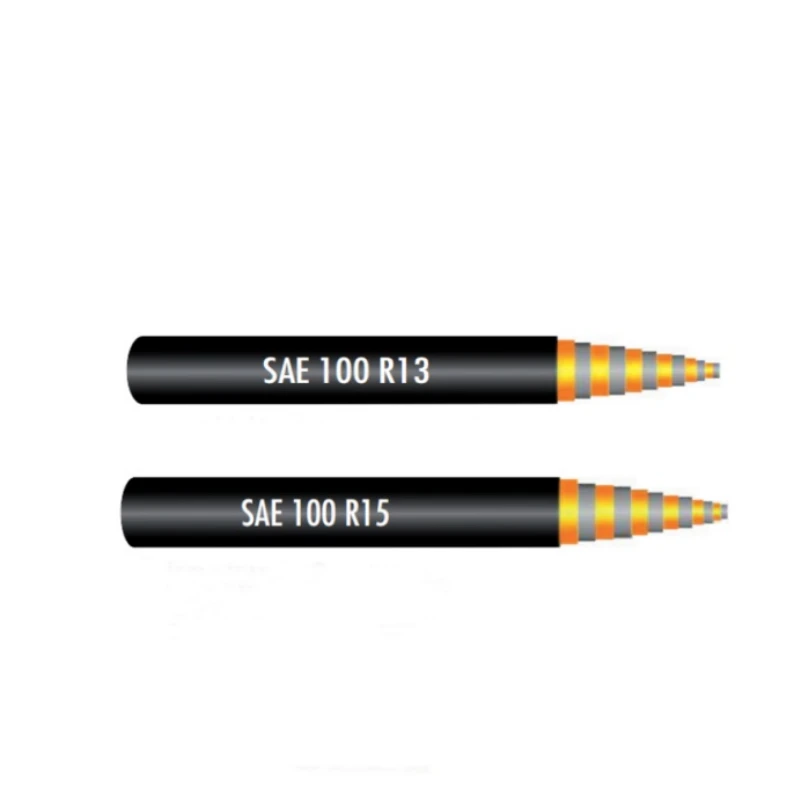
Heavy Duty Multi-layer Steel Wire Reinforced Hydraulic Hose SAE100R13 SAE100R15


