

Nov . 13, 2025 20:00 Back to list
Durable Insulated Hose Solutions for Industrial Use | JY Hose
Insulated Hose is a key solution in the industry, specifically within sectors needing reliable thermal protection and fluid safety. Whether it’s oil, chemicals, or air transport, industries lean heavily on insulated hoses to maintain temperature and prevent contamination. This article explores how https://www.jyhose.com supports professionals with durable, high-performance products and explains why this product is an ideal choice for businesses in these sectors.
Table of Contents
- Insulated Hose Overview
- Benefits & Use Cases of Insulated Hose
- Cost, Maintenance & User Experience
- Sustainability & Market Trends
Insulated Hose Overview
In the simplest terms, an insulated hose is a flexible conduit specifically engineered to transport fluids or gases at controlled temperatures. The insulation layer reduces heat loss or gain, essential in maintaining operational efficiency and safety. In industries from petrochemical plants to food processing, maintaining temperature integrity can mean the difference between a smooth run or costly downtime.
These hoses typically feature a multi-layer construction: a fluid-resistant inner tube, thermal insulation (often foam or fiber), and a rugged outer jacket designed to resist abrasion and environmental hazards. Thickness, materials, and temperature ratings vary, tailored for specific tasks. For example, JY Hose offers models rated up to 200°C and beyond, including UV and chemical-resistant coatings.
| Specification | Details |
|---|---|
| Inner Diameter | 10mm to 100mm |
| Temperature Range | -40°C to +200°C |
| Pressure Rating | Up to 30 bar |
| Outer Jacket Material | Thermoplastic / Reinforced Rubber |
| Certifications | ISO 9001, CE, RoHS |
It’s worth noting that the real-world application shapes how these specs translate into performance. Recently, a heavy equipment manufacturer noted up to 20% efficiency gains when switching to JY Hose insulated hoses, ostensibly due to reduced heat loss in hydraulic lines.
Benefits & Use Cases of Insulated Hose
Insulated hoses bring a handful of advantages that resonate deeply with industrial users. By significantly reducing thermal exchange, they safeguard product integrity — be it hot asphalt during roadwork or chilled liquids in food processing. In practice, this translates to fewer rejects, less spoilage, and lower energy costs for heating or cooling.
Industries like chemical processing rely heavily on these hoses to transport volatile or temperature-sensitive fluids safely. Oddly enough, in sectors like aerospace ground support, the hoses help maintain system pressures without fluctuations that could cause malfunctions. The adaptability of insulated hoses means they often replace rigid piping where flexibility and vibration damping matter.
What sets JY Hose apart? Their hoses come with kill switches for flame retardance and optional LINER materials that resist aggressive chemicals. Plus, custom sizes and lengths mean they don’t expect customers to fit a square peg in a round hole — a common complaint in this sector.
- High thermal resistance reduces heat loss/gain
- Enhanced durability under harsh environments
- Flexible design for tight spaces or moving equipment
Cost, Maintenance & User Experience
From a cost perspective, insulated hoses might seem like an upfront investment, but many engineers and plant managers note a swift ROI thanks to their longer lifespan. The layered design isn’t just theoretical robustness — it withstands abrasion, UV, and chemical exposure far better than traditional rubber hoses.
Maintenance is pretty straightforward. Many clients report minimal downtime for hose replacement, thanks in part to the durable outer jackets and easy-to-clean surfaces. It’s a bit like buying shoes with reinforced soles — a little pricier at the start but less frequent replacement means less headache overall.
Customer experiences often highlight the ease of installation and the significant cut in heat-related equipment failures. There’s also the quieter operation on some models — odd, but true. Compared to bare hoses, the insulated varieties dampen vibration and noise, which can be a real boon in large setups.
| Feature | Traditional Hose | JY Hose Insulated Hose |
|---|---|---|
| Durability | Standard abrasion resistance | Enhanced abrasion & UV resistance |
| Thermal Insulation | None | Up to +200°C rating |
| Maintenance Frequency | Moderate to High | Low |
| Installation | Rigid and space-consuming | Flexible and customizable length |
Sustainability & Market Trends
Sustainability is becoming more than a buzzword in the industrial hose sector. There’s a growing push for materials that are recyclable or less environmentally taxing in production. Suppliers like JY Hose are ahead of the curve, incorporating eco-friendly polymers and energy-efficient manufacturing methods.
Regulatory bodies worldwide are tightening standards around chemical contamination and energy waste. Insulated hoses help businesses comply with these evolving mandates thanks to their thermal efficiency and chemical resistance. It’s oddly satisfying to see something as “small” as hoses playing a big role in greener operations.
Market trends also indicate a shift towards customizable, modular hose solutions. Clients want more tailored fits, faster delivery, and smart features — like embedded temperature sensors for monitoring in real time. I suspect the next generation of insulated hose tech will be less about just keeping temps stable and more about integrating with digital industrial ecosystems.
Frequently Asked Questions about Insulated Hose
- What is Insulated Hose and how does it work?
- An insulated hose is designed to transport fluids or gases while minimizing heat loss or gain, using specialized insulation layers surrounding the inner tubing. This ensures fluid temperature and quality are maintained throughout transfer.
- What are the main benefits of using Insulated Hose in industrial applications?
- Key benefits include improved thermal management, reduced energy consumption, enhanced product safety, and longer hose life under extreme conditions.
- How does Insulated Hose compare to traditional alternatives?
- Compared to traditional hoses, insulated variants offer superior temperature control, better durability, and flexibility, often translating into lower total cost of ownership.
- What industries can benefit most from Insulated Hose implementation?
- Industries such as petrochemical, food & beverage, pharmaceuticals, construction, and aerospace find insulated hoses crucial for maintaining strict process conditions and safety standards.
Conclusion on Insulated Hose from China
In summary, insulated hoses offered by JY Hose provide a vital solution for industries where temperature control, durability, and safety can’t be compromised. Their proven performance and ability to customize make them a trusted partner for businesses aiming for operational excellence. Interested decision-makers should definitely consider how these hoses can streamline their processes and cut costs in the long run.
- Robust insulation and tailored designs ensure fit-for-purpose solutions.
- Visit our website: https://www.jyhose.com for more details and inquiries.
Reflections:
- Industrial choice increasingly favors hoses with tailored insulation for efficiency.
- The value of durable hoses often goes unnoticed until unexpected heat loss or failure occurs.
- Emerging tech and sustainability pressures will keep raising the bar on hose innovation.
Latest News
Steel Wire Reinforced Hydraulic Hose SAE 100 R1 / EN853 1SN S
NewsOct.17,2024
Two Layers Steel Wire Reinforced Hydraulic Hose SAE 100 R2 / EN853 2SN
NewsSep.03,2024
Textile Braid Reinforced Hydraulic Hose SAE100 R3+R6
NewsSep.03,2024
Textile Reinforced Hydraulic oil Suction Hose with embedded Steel Wire SAE 100 R4
NewsSep.03,2024
Single Wire Braid and Textile Covered Hydraulic Hose SAE 100 R5
NewsSep.03,2024
High Pressure Thermoplastic Hydraulic Hose SAE 100 R7 / EN855 R7 - SAE 100 R8 / EN855 R8
NewsSep.03,2024
Heavy Duty Four-layer Steel Wire Spiral Reinforced Hydraulic Hose SAE100R9+R10+R12
NewsSep.03,2024
Heavy Duty Multi-layer Steel Wire Reinforced Hydraulic Hose SAE100R13 SAE100R15
NewsSep.03,2024
Latest Products
-
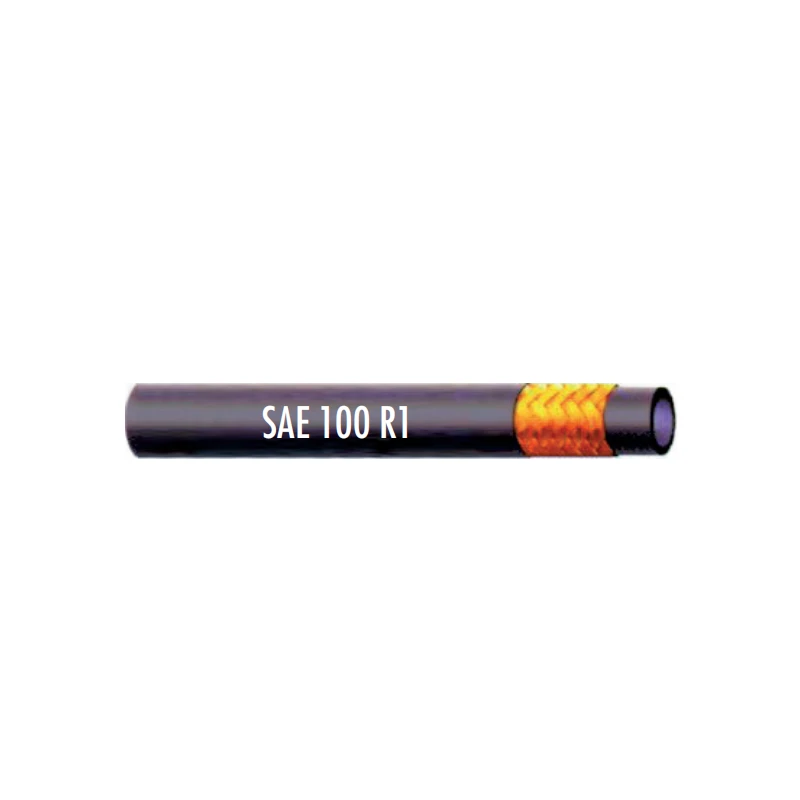
Steel Wire Reinforced Hydraulic Hose SAE 100 R1 / EN853 1SN S
-
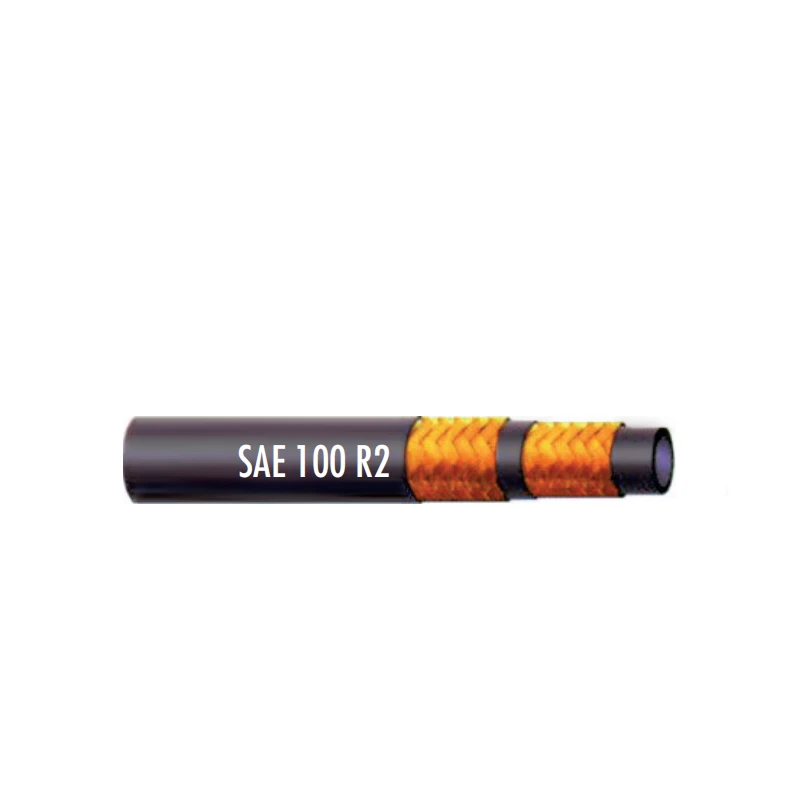
Two Layers Steel Wire Reinforced Hydraulic Hose SAE 100 R2 / EN853 2SN
-
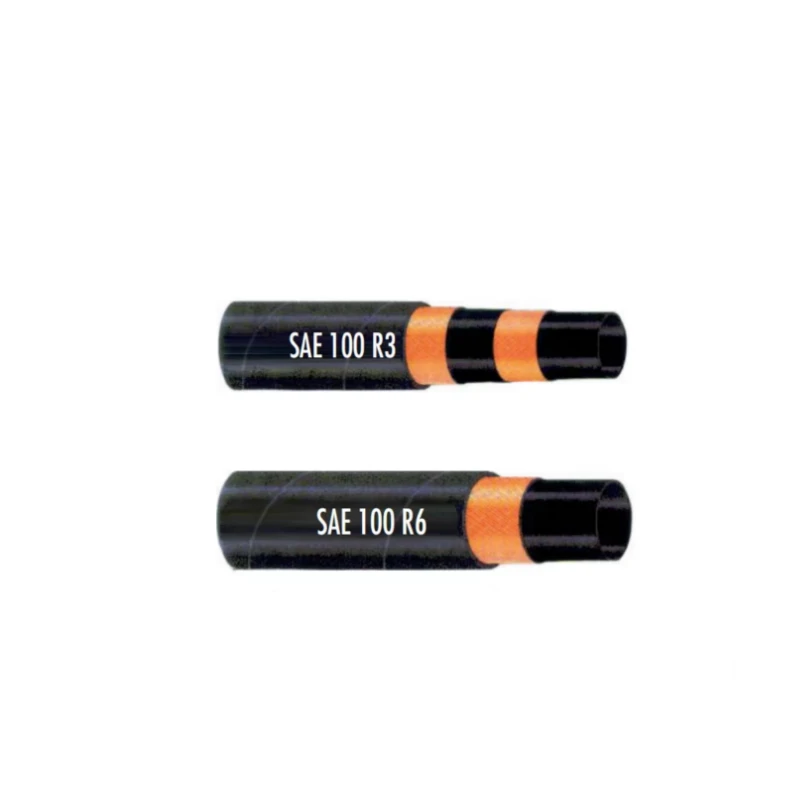
-
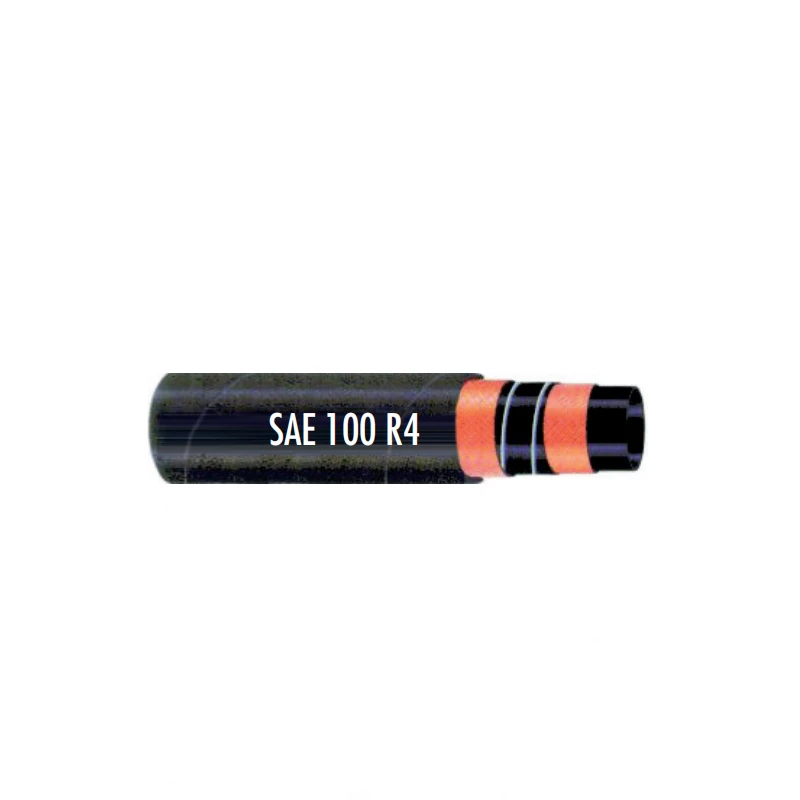
Textile Reinforced Hydraulic oil Suction Hose with embedded Steel Wire SAE 100 R4
-
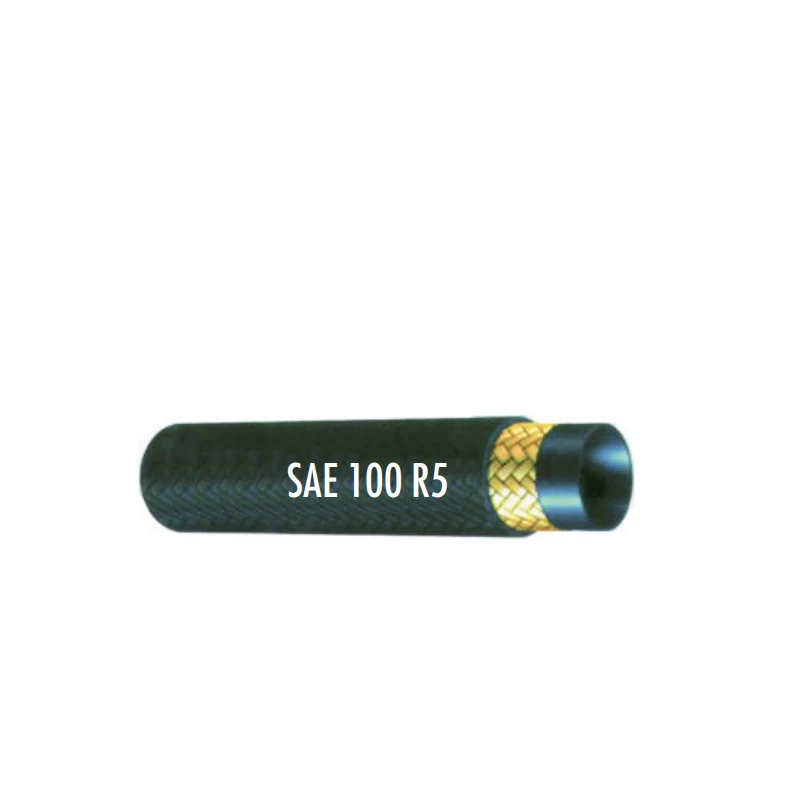
Single Wire Braid and Textile Covered Hydraulic Hose SAE 100 R5
-
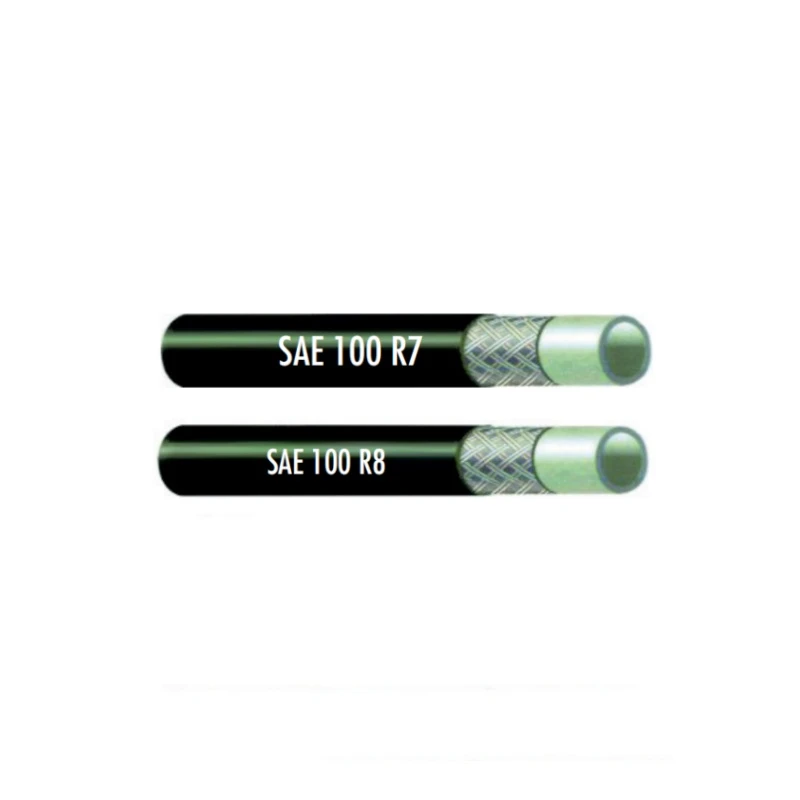
High Pressure Thermoplastic Hydraulic Hose SAE 100 R7 / EN855 R7 - SAE 100 R8 / EN855 R8
-
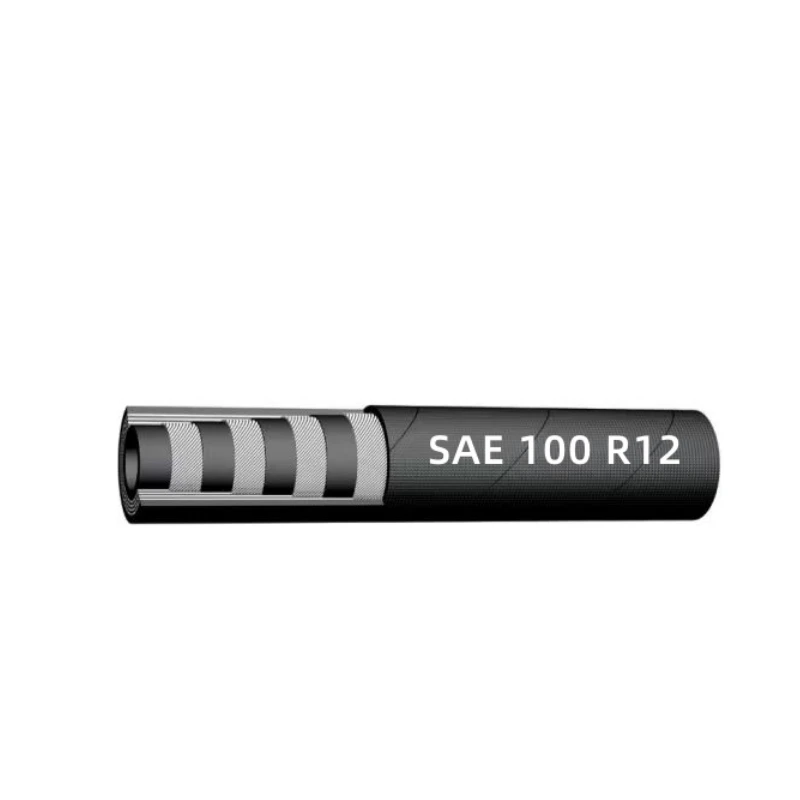
Heavy Duty Four-layer Steel Wire Spiral Reinforced Hydraulic Hose SAE100R9+R10+R12
-
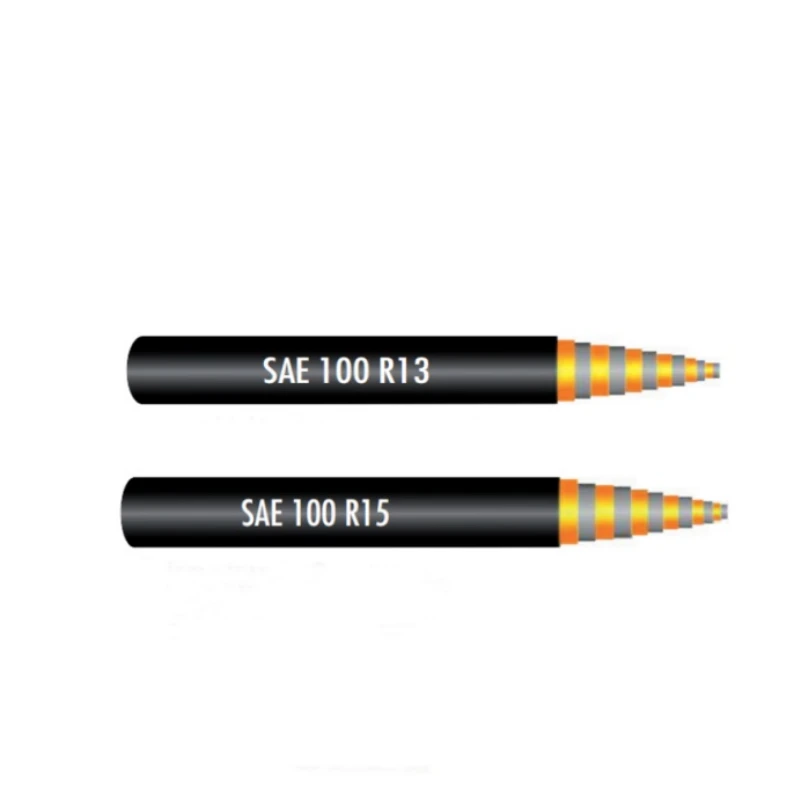
Heavy Duty Multi-layer Steel Wire Reinforced Hydraulic Hose SAE100R13 SAE100R15


