

Nov . 13, 2025 11:00 Back to list
Inlet Pipe Insights: Materials, Design & Choosing the Right One
How to Pick the Right Inlet Pipe for Your Industrial Needs
Having worked around industrial machinery and their countless components for more than a decade, I’ve come to appreciate just how crucial something as seemingly simple as an inlet pipe really is. It might be just a pipe, sure, but it’s the lifeline where fluids or gases make their entry — and if that connection isn’t spot-on, it can derail whole systems downstream. I remember a plant upgrade where switching to a better material inlet pipe saved an entire conveyor’s operation from downtime. A small change, huge impact.
So if you’re scratching your head over what makes a dependable inlet pipe, or wondering how to balance cost versus durability, here’s some practical insight — from designs and materials to vendor choices.
The Anatomy and Evolution of Inlet Pipe Design
Inlet pipes take all shapes and sizes, tailored to meet specific flow rates and pressure requirements. The key is the right diameter and wall thickness, ensuring smooth flow without turbulence or leaks. In some modern systems, you’ll find inlet pipes with integrated flanges or connectors that minimize installation time and improve sealing reliability. Interestingly, some manufacturers are even experimenting with anti-corrosion coatings directly applied during production — this wasn’t really a thing back when I started.
Oddly enough, many experienced engineers emphasize the subtle differences in bend radius. Sharp bends can cause pressure drops or wear spots — pretty critical when you’re dealing with abrasive fluids. I always recommend requesting a design review alongside your specs to catch these nuances before things go live.
Material Matters: Durability and Suitability in Real Terms
Steel, stainless steel, copper, and flexible composites all have their place. Stainless steel, for example, gets the nod for corrosive or sanitary environments. When I was working at a wastewater treatment plant, a switch to stainless inlet pipes cut maintenance headaches by over 30%. On the other hand, flexible rubber or composite pipes are popular for vibration absorption and ease of replacement. Both types can be customized, but keep in mind that flexibility often trades off pressure tolerance.
One thing I’ve learned: specification sheets can look neat, but always ask about real-life testing. Things like burst pressure tests and UV exposure resistance aren’t always prominently advertised but make a huge difference, especially for outdoor setups.
| Specification | Description |
|---|---|
| Diameter Range | 15mm to 150mm (custom sizes available) |
| Material Options | Stainless Steel, Carbon Steel, Rubber Composite, PVC |
| Max Operating Pressure | Up to 25 bar depending on model |
| Temperature Range | -40°C to 200°C |
| Installation Type | Flanged, Butt-welded, or Threaded |
| Certifications | ISO 9001, ASTM Standards, Pressure Tested |
Choosing Your Vendor: What to Look For in Inlet Pipe Suppliers
Vendor choice isn’t just about price. After dealing with a few disappointing deliveries over the years—pipes that arrived with unseen defects or delayed beyond critical installation windows—I became a bit picky. You’ll want vendors who are transparent about their testing regimes, offer a solid warranty, and provide customization without astronomical lead times.
| Vendor | Testing & Quality | Customization Options | Delivery Time | Warranty |
|---|---|---|---|---|
| JY Hose | Burst pressure & UV tested | Full customization, quick turnaround | 2-3 weeks | |
| PipeCo International | Standard pressure tests only | Limited customization | 4-6 weeks | |
| FlexPipes Ltd. | Extensive material testing | Good flexible pipe options | 3-4 weeks |
For instance, I recall a logistics center that faced leaks causing costly downtime. The shift to a particular vendor specializing in inlet pipes with rigorous quality standards — including the kind inlet pipe I mentioned earlier — made all the difference. No more leaks, better flow, and the crew swears by the hassle-free installation.
In the end, the right inlet pipe fits quietly into your system but carries the weight of keeping it flowing smoothly. I suppose it’s one of those things you don’t think about — until it fails. That’s why careful selection, solid specs, and a trustworthy vendor make all the difference.
So, take a look at the options, consider testing standards carefully, and remember even small piping decisions ripple through your whole operation.
References:
- Industrial Piping Solutions Handbook, 2022 Edition.
- Conversations with field engineers at Midwest processing plants (2018-2023).
- JY Hose product brochures and testing protocols.
Latest News
Steel Wire Reinforced Hydraulic Hose SAE 100 R1 / EN853 1SN S
NewsOct.17,2024
Two Layers Steel Wire Reinforced Hydraulic Hose SAE 100 R2 / EN853 2SN
NewsSep.03,2024
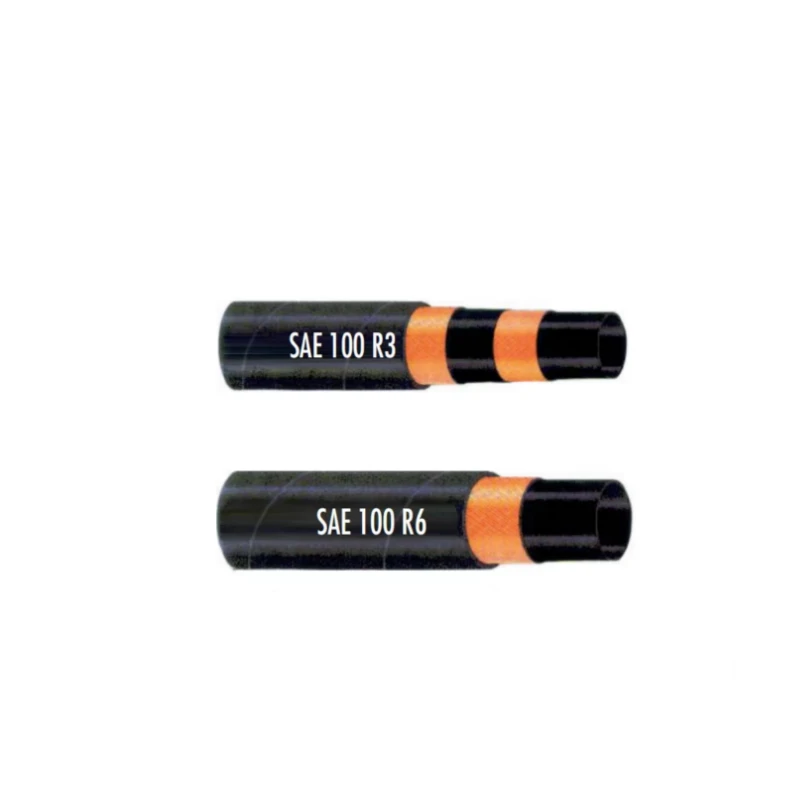
Textile Braid Reinforced Hydraulic Hose SAE100 R3+R6
NewsSep.03,2024
Textile Reinforced Hydraulic oil Suction Hose with embedded Steel Wire SAE 100 R4
NewsSep.03,2024
Single Wire Braid and Textile Covered Hydraulic Hose SAE 100 R5
NewsSep.03,2024
High Pressure Thermoplastic Hydraulic Hose SAE 100 R7 / EN855 R7 - SAE 100 R8 / EN855 R8
NewsSep.03,2024
Heavy Duty Four-layer Steel Wire Spiral Reinforced Hydraulic Hose SAE100R9+R10+R12
NewsSep.03,2024
Heavy Duty Multi-layer Steel Wire Reinforced Hydraulic Hose SAE100R13 SAE100R15
NewsSep.03,2024
Latest Products
-
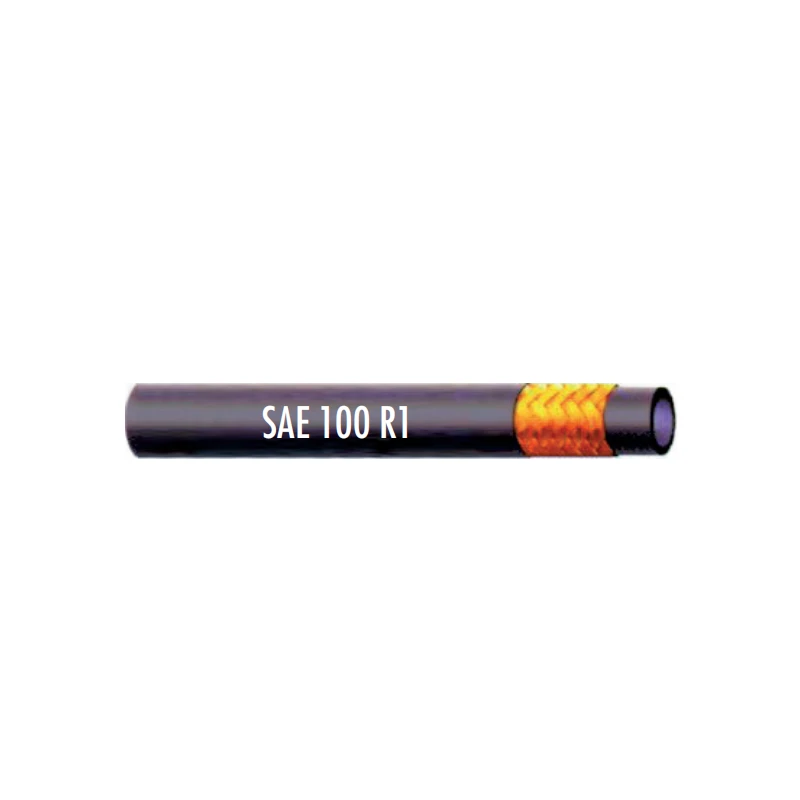
Steel Wire Reinforced Hydraulic Hose SAE 100 R1 / EN853 1SN S
-
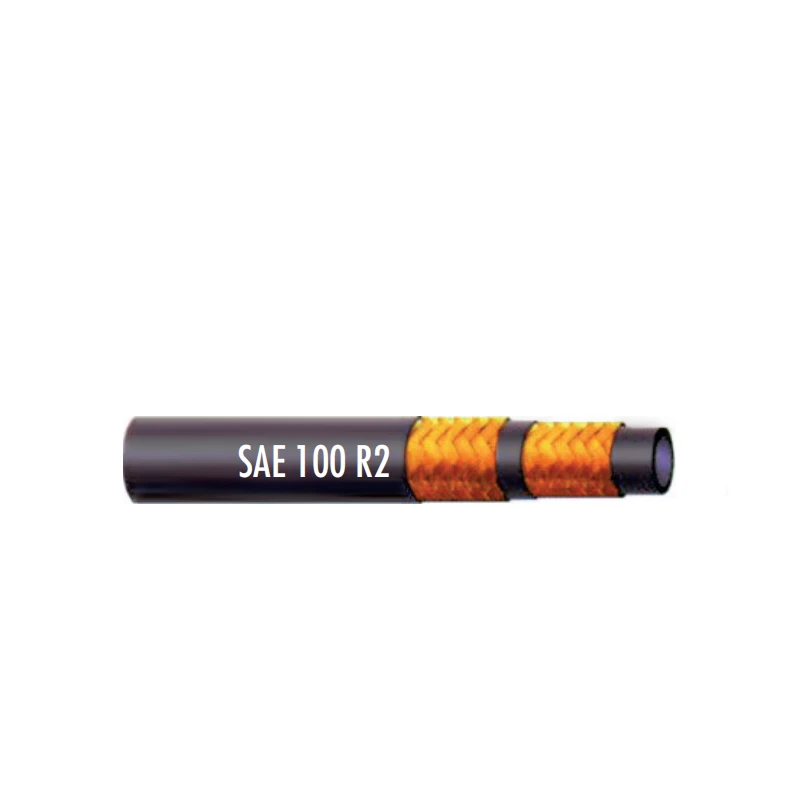
Two Layers Steel Wire Reinforced Hydraulic Hose SAE 100 R2 / EN853 2SN
-
-
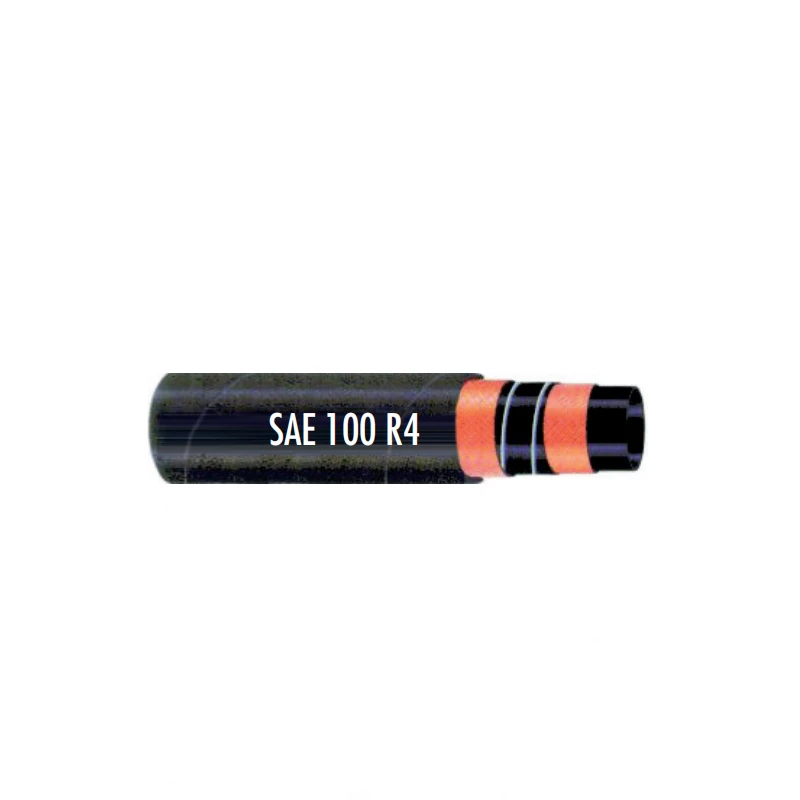
Textile Reinforced Hydraulic oil Suction Hose with embedded Steel Wire SAE 100 R4
-
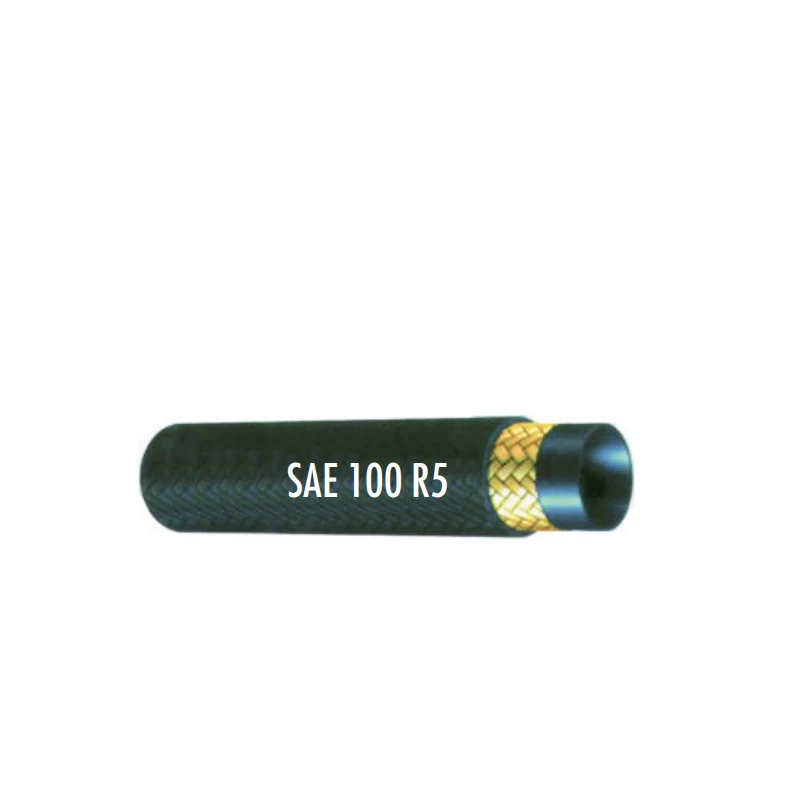
Single Wire Braid and Textile Covered Hydraulic Hose SAE 100 R5
-
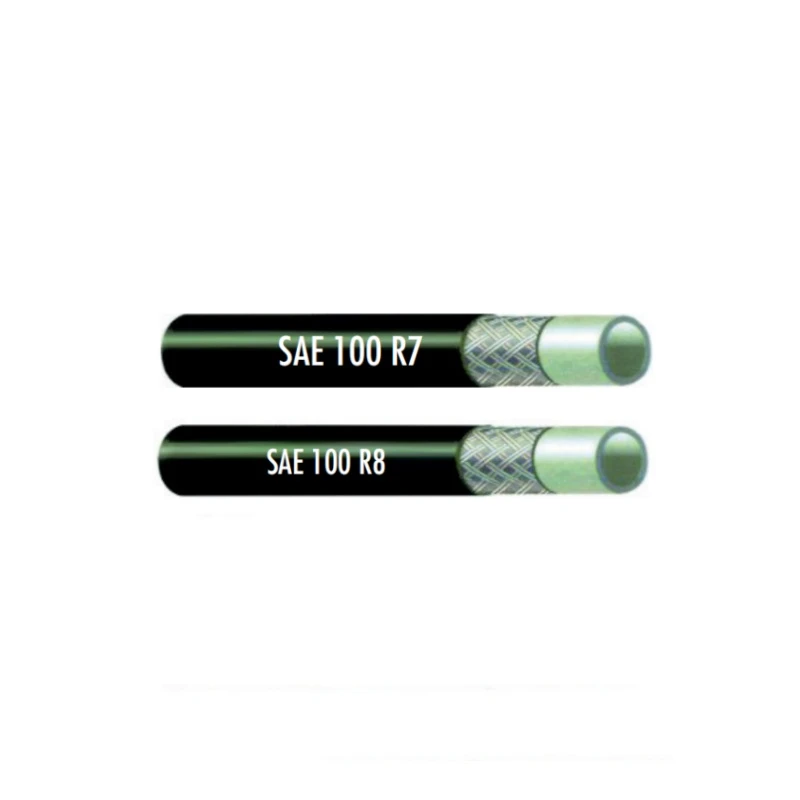
High Pressure Thermoplastic Hydraulic Hose SAE 100 R7 / EN855 R7 - SAE 100 R8 / EN855 R8
-
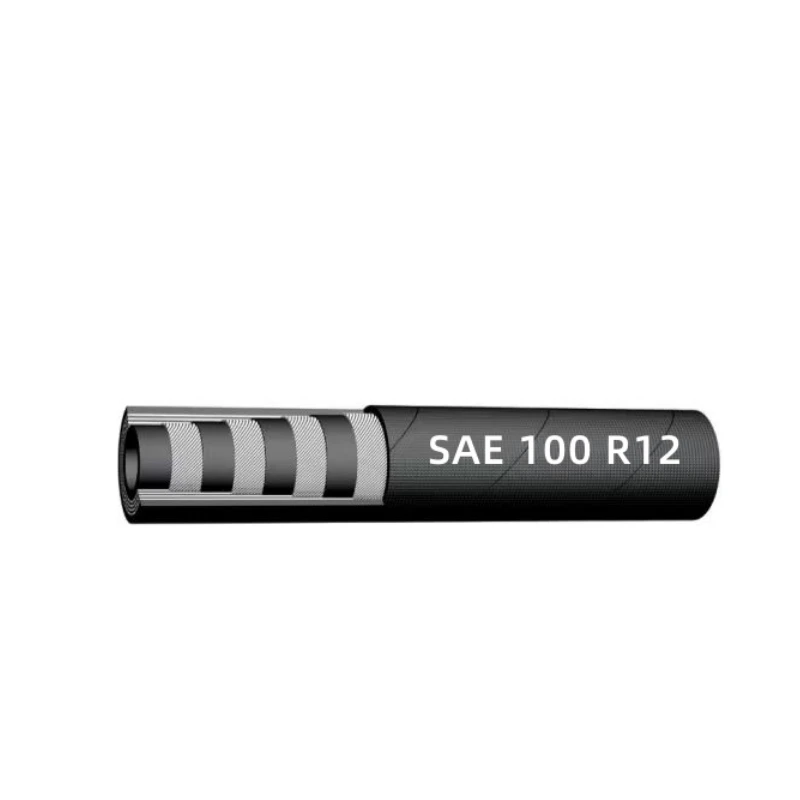
Heavy Duty Four-layer Steel Wire Spiral Reinforced Hydraulic Hose SAE100R9+R10+R12
-
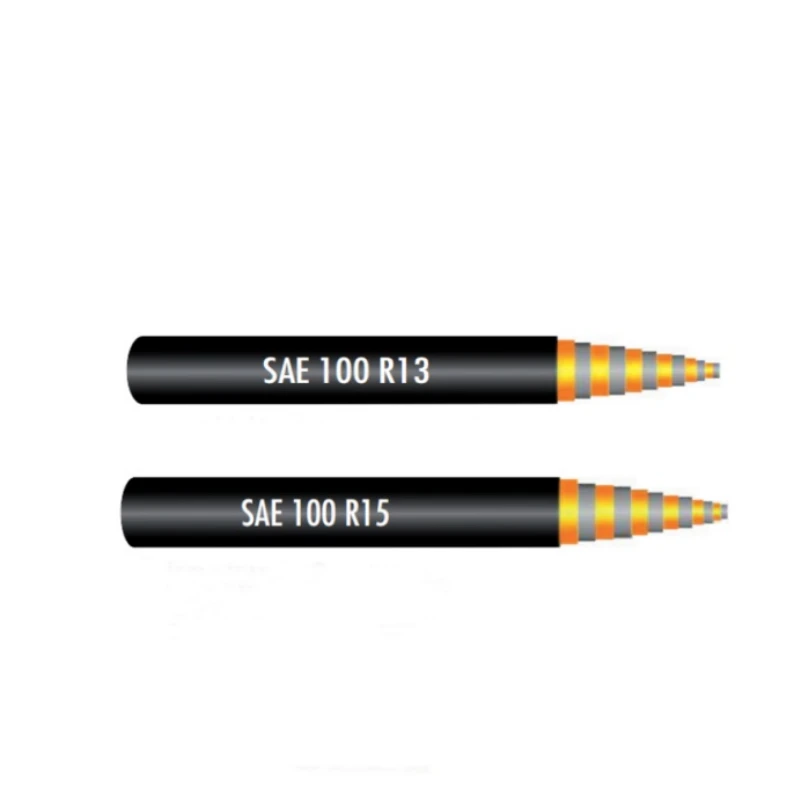
Heavy Duty Multi-layer Steel Wire Reinforced Hydraulic Hose SAE100R13 SAE100R15


