

Nov . 24, 2025 15:09 Back to list
Essential Guide to Hoses: Types, Uses, and Advantages for Global Industries
Understanding Hoses: More Than Just Flexible Tubes
When you hear the word hoses, you might picture the garden ones in your backyard or maybe something from a movie scene – firefighting, water spraying in lush gardens, industrial sites... But hoses really are an essential, often understated, part of many global industries, from agriculture to oil and gas, emergency relief to complex manufacturing processes. Getting to grips with what hoses actually do and why they matter can give you insight into smoother operations, cost efficiency, and even environmental sustainability across countless fields worldwide.
The Global Importance of Hoses: Beyond the Obvious
It might surprise you, but hoses are a global staple. According to recent industry reports and trade data tracked by ISO and the World Bank, the global hose market continues growing steadily at about 5% annually, hitting a value north of $15 billion in 2023. This growth reflects the increasing need for agencies and industries to transport fluids and gases safely and efficiently, be it in densely populated cities or remote mining camps.
However, challenges like extreme weather conditions, chemical compatibility, and quick deployment in emergency scenarios remain significant. Hoses aren’t just pipes; they’re lifelines that must be flexible, strong, and reliable under all circumstances. Their failure can cause costly downtime, spills, or even environmental disasters. So the innovation in hose technology isn’t just a luxury — it’s a necessity.
Mini takeaway: Hoses are quietly pivotal worldwide, enabling everything from agriculture irrigation to disaster relief, with their versatility shaping many sectors’ future.
What Exactly Are Hoses?
Simply put, hoses are flexible hollow tubes designed to transport fluids or gases from one point to another. Unlike rigid pipes, hoses allow bending, extension, and movement, which makes them invaluable where flexibility or temporary setups are required. You might say they’re the go-between of fluid transfer — sort of the "veins" routing vital supplies in industrial bodies or remote systems.
They play a key role in modern industry — whether delivering chemicals on a refinery site, pumping water in agricultural farms, or even assisting humanitarian efforts by providing essential water and fuel supply in post-disaster zones. The right hose design ensures safety, durability, and optimized flow, often under high pressure or corrosive conditions.
Mini takeaway: Hoses are flexible fluid conduits essential to industries and emergency services alike, connecting systems where rigid pipes can’t.
Core Components That Make Hoses Effective
1. Material Composition
The type of material — rubber, PVC, polyurethane, or reinforced composites — influences the hose’s strength, flexibility, and compatibility with fluids. For example, chemical hoses need to resist corrosive substances, while air hoses focus on pressure resistance and flexibility.
2. Reinforcement Layers
Many hoses include fabric or wire braids to handle internal pressure or external abrasion. This reinforcement extends lifespan and prevents bursting under harsh operating conditions.
3. Size and Length
Choosing the right diameter affects flow rate and pressure drop, while the length must suit operational needs without excessive slack or tension.
4. Connection Types
Ends equipped with couplings, quick connects, or flanges ensure sealing and ease of installation, again tailored to industry needs.
5. Temperature and Pressure Ratings
Every hose has its limits, influenced by material and reinforcement. As many engineers say, knowing these parameters is critical before deployment to avoid costly failure.
6. Durability and Maintenance
Some hoses are intended for single-use or short-term applications, while others are designed for years, resisting UV, oil, or mechanical wear.
Mini takeaway: The perfect hose balances materials, reinforcement, sizing, and connectors to meet specific pressure and environmental demands.
Global Applications & Real-World Examples
- Agriculture: In irrigation systems from California's Central Valley to India’s farms, hoses help conserve water precisely.
- Industrial Manufacturing: Chemical plants in Germany use specialized hoses to safely transfer aggressive fluids.
- Disaster Relief: Organizations like the UN’s humanitarian agencies deploy flexible water hoses rapidly during floods or after earthquakes to restore essential services.
- Oil & Gas: Remote offshore platforms rely on durable hoses for fuel transfer and hydraulic controls under harsh conditions.
- Firefighting: City fire brigades in New York or Tokyo prefer hoses that combine lightweight flexibility with high-pressure tolerance.
For instance, after the 2010 Haiti earthquake, relief teams used modular hose systems to supply potable water to millions. In such post-disaster contexts, the speed of deployment and reliability literally meant life or death.
Mini takeaway: Across continents and industries, hoses are quietly performing critical tasks — from precision irrigation to lifesaving emergency water delivery.
Why Investing in the Right Hoses Pays Off
It’s not just about moving liquids. Quality hoses bring real benefits:
- Cost Efficiency – Durable hoses reduce replacement frequency and downtime.
- Sustainability – Some modern hoses are recyclable or made with eco-friendly materials.
- Safety & Trust – Reliable hoses prevent leaks and accidents, ensuring worker and environmental protection.
- Operational Flexibility – Lightweight, flexible hoses enable quick setup and easier handling.
Emotionally, industries and workers alike gain peace of mind — knowing the hose won’t give out just when it’s most critical. It’s an often-overlooked factor but trust in equipment can’t be overstated.
Product Specification Table
| Feature | Standard Garden Hose | Industrial Chemical Hose | Fire Hose |
|---|---|---|---|
| Material | PVC | Reinforced Rubber & Nylon | Synthetic Rubber, Polyester Fabric |
| Diameter | 1/2" - 3/4" | 1" - 6" | 1.5" - 2.5" |
| Max Pressure | 80 psi | 300 - 1500 psi | 300 psi |
| Temperature Range | 23°F to 140°F | -40°F to 212°F | -30°F to 150°F |
| Typical Uses | Home, Garden | Chemical Transport, Industrial | Firefighting, Emergency |
Comparing Top Hose Vendors
| Vendor | Product Range | Global Reach | Special Features | Pricing |
|---|---|---|---|---|
| HoseTech Inc. | Industrial, Agricultural, Custom | Europe, Asia | High-pressure, abrasion resistant | Premium |
| Global Hose Solutions | Fire, Water, Chemical | North & South America | Smart hose tech, quick connect | Mid-range |
| EcoFlow Hoses | Eco-friendly, Solar Resistant | Global | Recycled materials, biodegradable | Competitive |
The Road Ahead: Innovations and Trends in Hose Technology
Looking forward, hoses are entering a pretty exciting phase. We're seeing more investment in sustainable materials — recyclable composites and biodegradable polymers that could dramatically reduce landfill waste. Digital sensors embedded within hoses for real-time pressure & leak monitoring are becoming a reality, enabling predictive maintenance rather than emergency fix-it jobs.
Automation in industrial setups means hoses need to be more adaptable, hybridized with smart connectors and quick-release features tailored for robotic handling. And as green energy grows, hoses designed specifically for hydrogen and biofuel conveyance are gaining traction.
Biggest Challenges—and How Experts Are Tackling Them
Hose failures, often caused by abrasion, chemical fatigue, or unexpected pressure spikes, still disrupt operations. Many experts emphasize proper selection based on accurate specs rather than going for the cheapest option. Manufacturers also focus on improving testing standards, like ISO 9001 certifications, and developing coatings that resist wear better.
Another challenge is compatibility: not every hose fits every fluid type or temperature range. Solutions include modular hose systems that can be quickly adapted on-site, which NGOs and field operators value highly.
Frequently Asked Questions About Hoses
- What types of hoses are best for high-pressure applications?
- For high-pressure needs, reinforced rubber or steel-wire braided hoses are preferred. Their braiding provides strength to withstand pressures up to 1500 psi or more, making them ideal for hydraulic systems or chemical transport.
- How can I ensure hose longevity in harsh outdoor environments?
- Look for hoses with UV-resistant coatings and abrasion-proof outer layers. Regular inspections and storing hoses properly when not in use also extend life considerably.
- Are eco-friendly hoses as durable as traditional ones?
- While developing, eco-friendly hoses made from recycled or biodegradable materials are quickly catching up in durability. They often feature added reinforcements to meet or exceed traditional specs.
- How quickly can hoses be deployed in disaster relief situations?
- Special modular and lightweight hoses can be set up in hours, enabling fast water or fuel distribution. Their flexibility is critical during emergencies where infrastructure may be damaged.
- Where can I buy industrial-grade hoses with custom specifications?
- Vendors like hoses suppliers specialize in custom solutions tailored to your needs, offering consultation to get exactly the right fit for pressure, size, and chemical compatibility.
Wrapping Up: Why Hoses Remain Vital
To sum it all up — hoses might seem simple on the surface, but their role is layered with complexity and importance. In factories, farms, emergency zones, and even your backyard, the right hose delivers more than water or gas; it delivers efficiency, safety, and peace of mind.
The world keeps moving, and hoses keep flowing. If you want to explore more about top-quality, customizable hose solutions, don’t hesitate to visit hoses — think of it as your one-stop for connecting the dots in fluid management.
References:
Latest News
Steel Wire Reinforced Hydraulic Hose SAE 100 R1 / EN853 1SN S
NewsOct.17,2024
Two Layers Steel Wire Reinforced Hydraulic Hose SAE 100 R2 / EN853 2SN
NewsSep.03,2024
Textile Braid Reinforced Hydraulic Hose SAE100 R3+R6
NewsSep.03,2024
Textile Reinforced Hydraulic oil Suction Hose with embedded Steel Wire SAE 100 R4
NewsSep.03,2024
Single Wire Braid and Textile Covered Hydraulic Hose SAE 100 R5
NewsSep.03,2024
High Pressure Thermoplastic Hydraulic Hose SAE 100 R7 / EN855 R7 - SAE 100 R8 / EN855 R8
NewsSep.03,2024
Heavy Duty Four-layer Steel Wire Spiral Reinforced Hydraulic Hose SAE100R9+R10+R12
NewsSep.03,2024
Heavy Duty Multi-layer Steel Wire Reinforced Hydraulic Hose SAE100R13 SAE100R15
NewsSep.03,2024
Latest Products
-
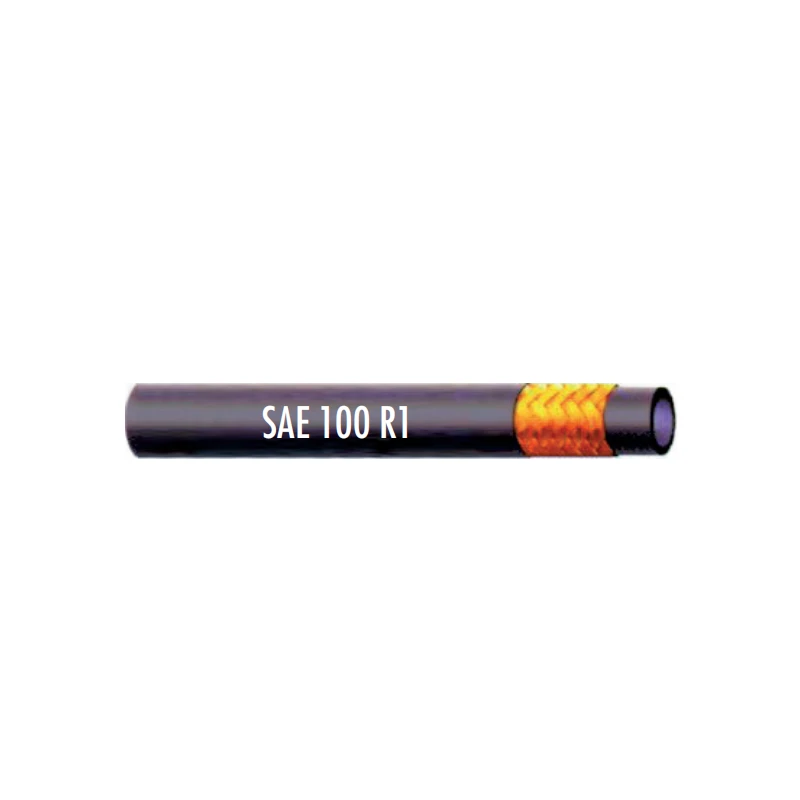
Steel Wire Reinforced Hydraulic Hose SAE 100 R1 / EN853 1SN S
-
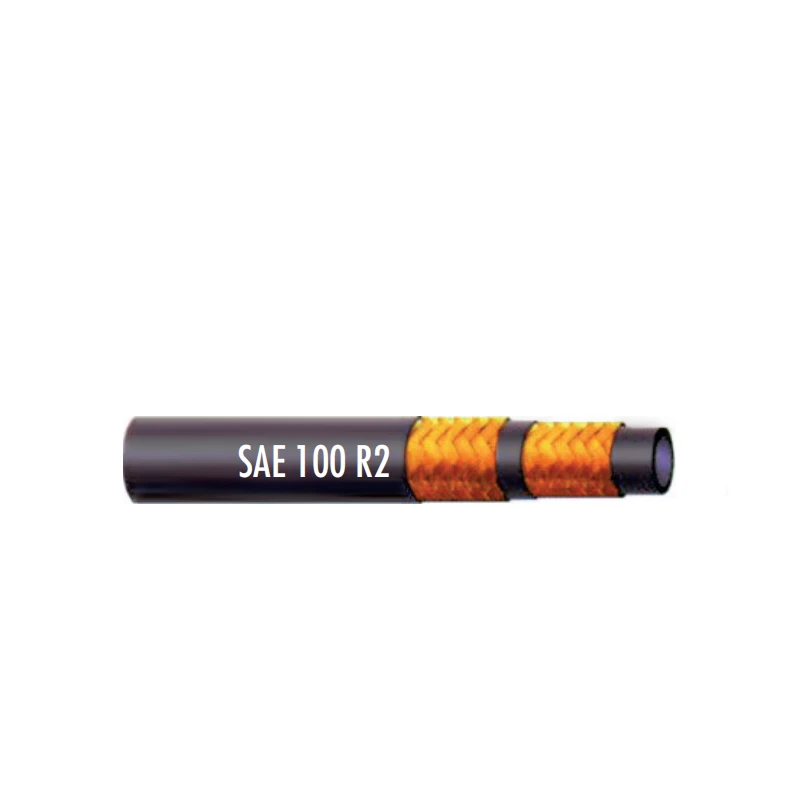
Two Layers Steel Wire Reinforced Hydraulic Hose SAE 100 R2 / EN853 2SN
-
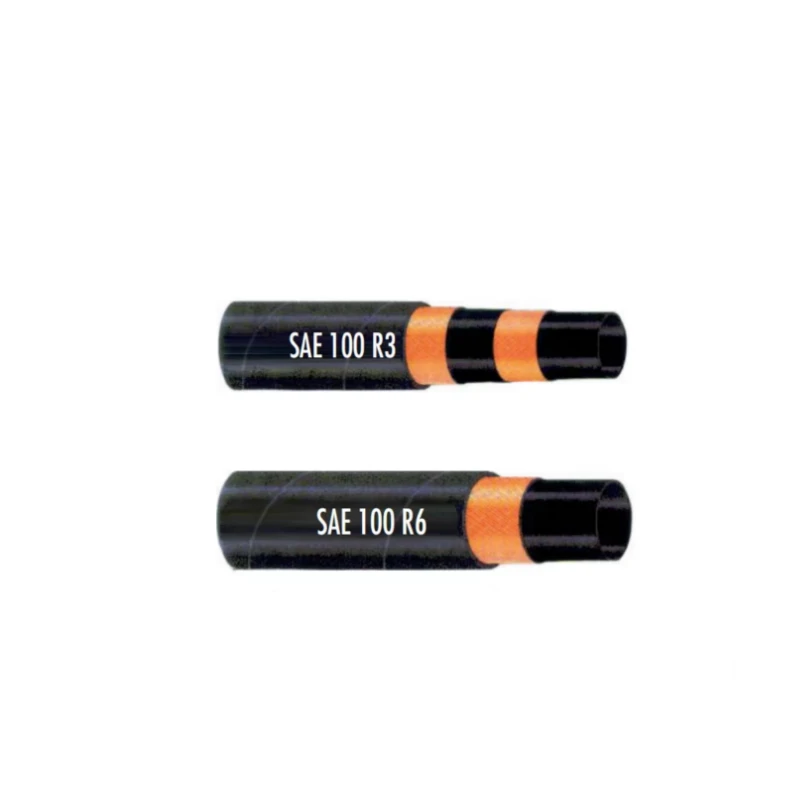
-
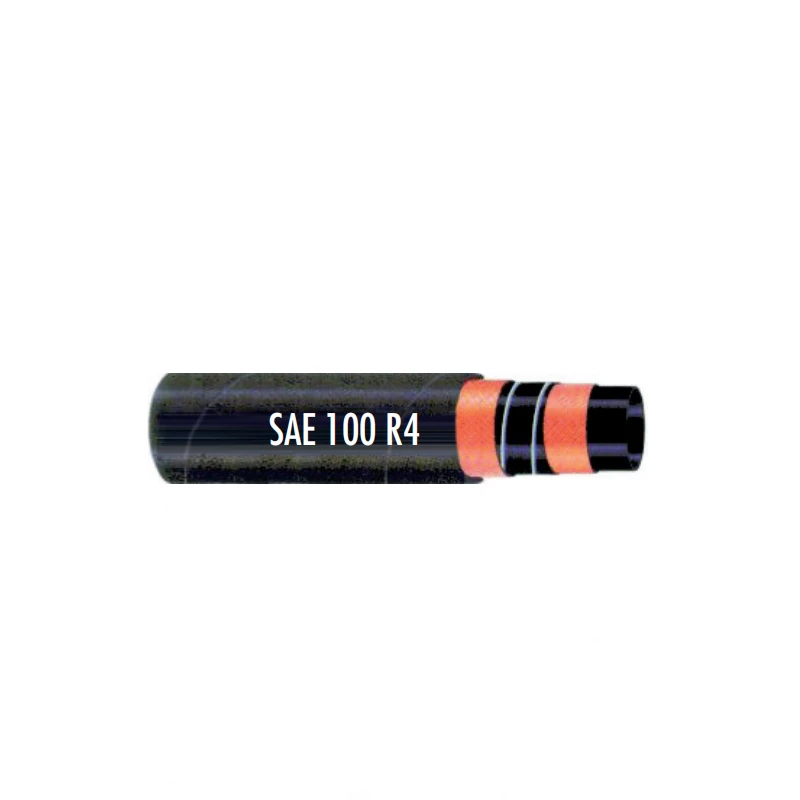
Textile Reinforced Hydraulic oil Suction Hose with embedded Steel Wire SAE 100 R4
-
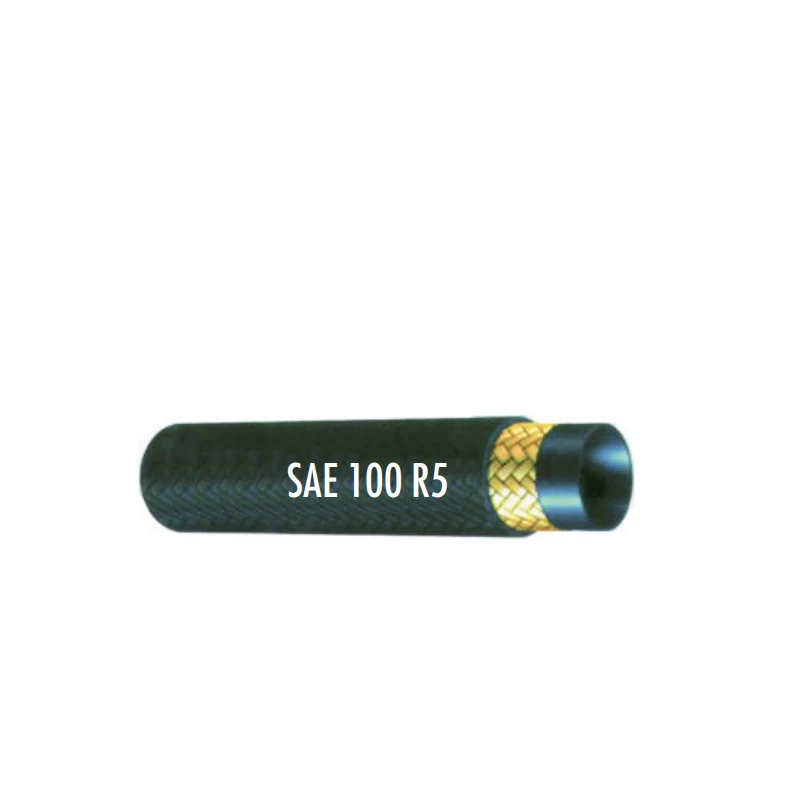
Single Wire Braid and Textile Covered Hydraulic Hose SAE 100 R5
-
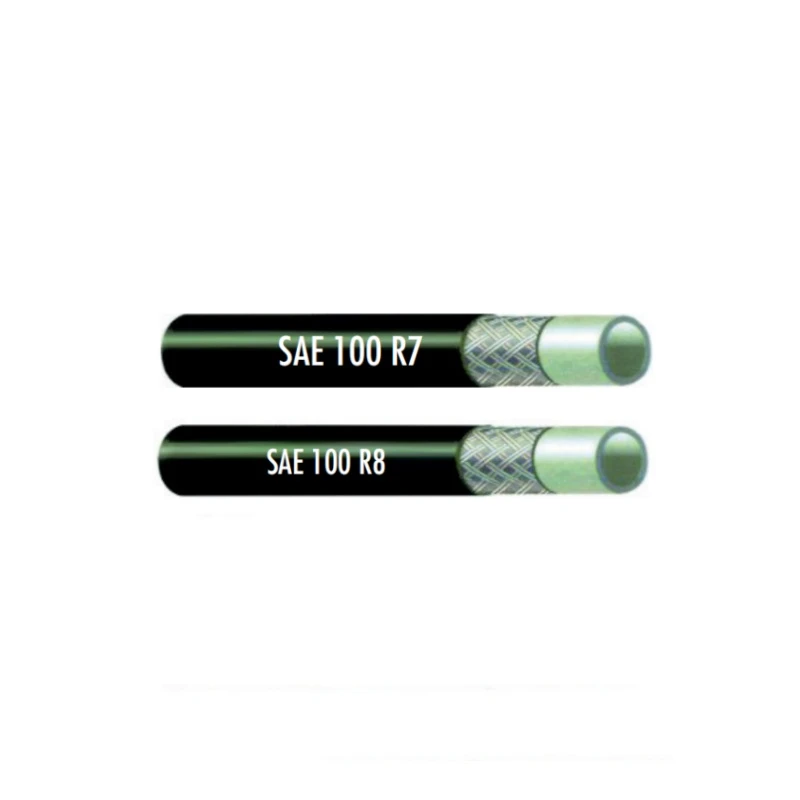
High Pressure Thermoplastic Hydraulic Hose SAE 100 R7 / EN855 R7 - SAE 100 R8 / EN855 R8
-
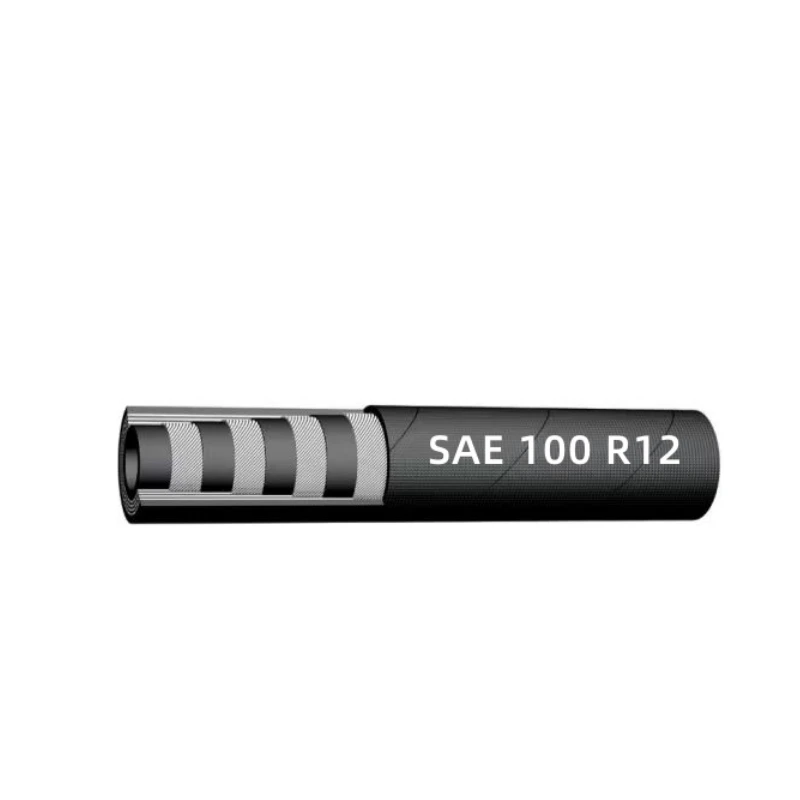
Heavy Duty Four-layer Steel Wire Spiral Reinforced Hydraulic Hose SAE100R9+R10+R12
-
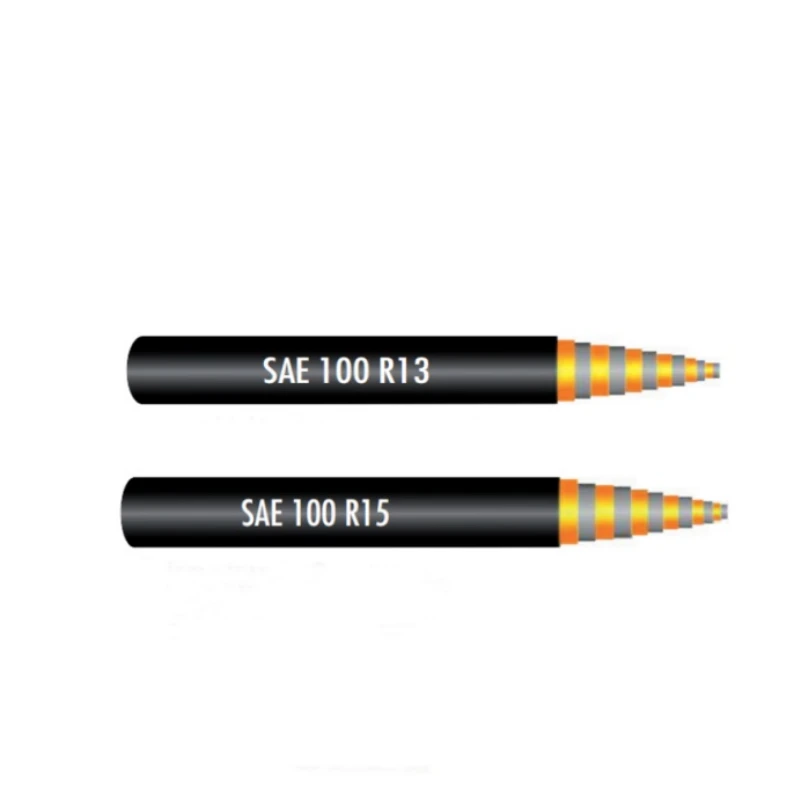
Heavy Duty Multi-layer Steel Wire Reinforced Hydraulic Hose SAE100R13 SAE100R15


