

Nov . 24, 2025 15:09 Back to list
Hosepipes: Essential Tools for Water, Industry & Sustainability
Hosepipes: The Unsung Heroes of Global Water & Industrial Flow
If you’ve ever watered your garden, washed a car, or watched irrigation systems in action, you’ve indirectly encountered hosepipes — those versatile, flexible tubes that quietly keep economies and ecosystems humming. Beyond everyday chores, hosepipes underpin crucial industrial processes, agricultural yields, disaster relief operations, and even humanitarian water distribution worldwide. Yet despite their ubiquitous presence, these simple products often escape detailed consideration.
Understanding hosepipes isn’t just a niche topic for engineers or gardeners — it's a global conversation about water management, sustainability, and efficiency in both developed and developing sectors. Whether it’s delivering clean water in drought-prone areas or channeling fuels and chemicals safely in factories, hosepipes hold an outsized role in modern infrastructure that few stop to appreciate.
The Global Importance of Hosepipes in Today’s Economy
Remarkably, the world’s consumption of flexible hosepipes is expected to grow steadily in the next decade, driven largely by agriculture, manufacturing, and construction industries in emerging markets. According to the Food and Agriculture Organization (FAO), irrigation covers nearly 20% of global cropland, responsible for almost 40% of food production. Hosepipes are pivotal to these irrigation systems, reducing water loss and improving crop yields—critical as climate change stresses water supplies.
Meanwhile, the International Standards Organization (ISO) has set rigorous quality benchmarks ensuring that hosepipes used in industrial and humanitarian contexts remain safe, durable, and fit for purpose. Despite this progress, challenges like degradation from UV exposure, contamination risks, or lack of access in remote regions remain substantial bottlenecks.
So why does this matter globally? Put simply: hosepipes are fiddly, flexible lifelines ensuring waste doesn’t happen and resources reach their destinations — whether that’s irrigation water in Kenya or fuel transfer in German factories.
What Exactly Are Hosepipes?
Put simply, hosepipes are flexible tubes designed to convey liquids or gases from one point to another. Often made from rubber, PVC, or composite polymer blends, they vary hugely by diameter, length, flexibility, and pressure capacity. Unlike rigid pipes, these hoses can bend around obstacles, making them indispensable in dynamic environments.
In humanitarian aid, for instance, hosepipes are critical for deploying water quickly in disaster zones—think temporary water supply lines after an earthquake. In industrial settings, they transport fluids while accommodating machinery vibrations and movements without bursting or leaking.
Mini takeaway:
Hosepipes may look simple, but their design and material complexity are quite sophisticated—a perfect match for diverse, demanding applications worldwide.
Key Factors in Choosing the Right Hosepipe
Durability & Material Compatibility
Durability is paramount. Hosepipes made from reinforced rubber can resist abrasion, chemical corrosion, and extreme temperatures, which prolongs service life. For example, synthetic rubber hoses handle fuels well, whereas PVC variants might be ideal for potable water due to non-toxicity.
Flexibility & Weight
Flexibility usually balances with strength. Lightweight hoses enhance maneuverability especially in agriculture or fire-fighting applications. But sometimes heaver-duty hoses are needed on industrial sites to resist crushing or kinks.
Pressure Rating
Each hosepipe has a maximum working pressure rating, ensuring safety and functionality during operation. An industrial hydraulic hose, for example, must endure thousands of PSI without failure.
Length & Diameter Variations
Diameter impacts flow rate profoundly. For irrigation, wider hosepipes mean faster watering. Another factor is overall length—longer hoses reduce the need for connectors but can lose pressure.
Cost Efficiency
Of course, budget considerations remain real. Higher upfront costs for durable hoses might be offset by reduced maintenance and replacement frequency. Investment in quality pays off over time.
Mini takeaway:
- The right hosepipe is a balancing act across durability, flexibility, pressure, and cost — tailored to specific uses.
Global Applications: Where Hosepipes Come to Life
Hosepipes play starring roles worldwide, across sectors:
- Agriculture: From drip irrigation in Indian farms to watering vineyards in France, hosepipes facilitate precise water delivery.
- Disaster Relief: Organizations like UNICEF depend on hosepipes to rapidly set up safe water distribution after floods or earthquakes.
- Industrial Manufacturing: Chemical plants in South Korea rely on specialized hosepipes to safely transfer corrosive liquids.
- Firefighting: Hosepipes must be reliable under severe pressure and extreme heat — a fundamental tool in urban and rural fire services.
- Construction: From water-supply lines at remote sites to concrete pumping hoses, their adaptability shines.
Oddly enough, even in places like the Arctic, heated hosepipes maintain fluid flow in freezing conditions, highlighting their global reach.
Hosepipe Specification Table
| Specification | Typical Range | Common Application |
|---|---|---|
| Diameter | 6 mm – 150 mm | Garden watering to industrial fluid transfer |
| Working Pressure | 1 bar – 300 bar | Irrigation to hydraulic systems |
| Material | PVC, rubber, polyurethane, silicone | Chemical conveyance, food-grade or industrial use |
| Temperature Range | -40°C to 120°C | Cold climate irrigation to hot fluid handling |
| Length | 5 meters – 100 meters | Flexible deployment in fields or factories |
Advantages of Hosepipes: Why They’re Worth the Investment
On a practical level, hosepipes save water by targeted irrigation, avoid fluid contamination, and reduce infrastructure costs by eliminating rigid piping in many setups. Emotionally? Think about the reassurance an emergency water line provides to a flood-affected family — it’s not just water; it’s safety, dignity, and a spark of hope.
- Cost-effective and adaptable
- Enhances sustainability through reduced wastage
- Supports critical industries contributing to livelihoods worldwide
- Enables quick deployment and modular setups in emergencies
- Trusted for safe conveyance of hazardous and potable fluids
Emerging Trends Shaping the Hosepipe Industry
Innovations in materials science are allowing manufacturers to develop hoses that resist microbial growth, reduce plasticizer migration, and offer greater UV and ozone resistance. Smart hoses embedded with sensors to monitor pressure and flow in real time sound like sci-fi—but they're becoming a reality. Green manufacturing initiatives aim to reduce the carbon footprint of production, while regulatory frameworks push for higher safety standards globally.
Also, digital marketplaces and platforms streamline ordering custom hosepipes, enabling rapid response in disaster zones and industrial expansions alike.
Challenges & Solutions in Hosepipe Deployment
Common issues include premature wear from incorrect usage, bursting due to improper pressure ratings, and storage damage (UV exposure or kinking). Sometimes inadequate training in handling hosepipes leads to costly replacements.
Experts recommend:
- Opting for ISO-certified hoses tailored to your industry
- Implementing regular inspection and maintenance routines
- Using dedicated storage solutions to protect hoses from environmental damage
- Educating users on proper pressure limits and connection methods
FAQ: Quick Answers About Hosepipes
- Q: How do I choose the right hosepipe for agricultural irrigation?
- A: Consider the required diameter for water volume, pressure rating, UV resistance for outdoor use, and flexibility to navigate terrain. Materials like PVC and reinforced rubber are common for durability and cost-effectiveness.
- Q: Can hosepipes be used to transport drinking water safely?
- A: Yes, but ensure that hoses are certified food-grade, free of harmful plasticizers, and comply with health standards to avoid contamination risks.
- Q: What maintenance practices extend the lifespan of hosepipes?
- A: Store hoses away from direct sunlight, avoid sharp bends or kinks, flush out debris regularly, and check for cracks or leaks before each use.
- Q: Are there eco-friendly hosepipe options?
- A: Yes, green hoses made with biodegradable materials and low-impact manufacturing processes are gaining traction, aligning with sustainability goals.
Vendor Comparison: Popular Hosepipe Manufacturers
| Vendor | Product Range | Special Features | Typical Cost Range |
|---|---|---|---|
| FlexiHose Inc. | Garden, Industrial, Food-grade | Anti-kink tech, UV resistant | $15 - $150 |
| HydroLine Solutions | High-pressure, Hydraulic, Chemical | Reinforced multi-layer design | $50 - $300 |
| EcoFlow Hoses | Sustainable, Smarthose tech | Biodegradable, sensor-enabled hoses | $40 - $250 |
Conclusion: Why Hosepipes Matter More Than You Think
Far from just garden accessories, hosepipes are vital tech, quietly driving sustainability, safety, and productivity across the globe. Their ability to adapt across industries, climates, and crises means investing in quality, innovation, and responsible practices pays dividends — possibly in ways few realize. So next time you reach for a hosepipe, remember it’s more than water flowing through flexible tubing: it’s a small but mighty thread in the fabric of modern life.
For more info and the latest products, check out our reliable hosepipes and accessories.
Reflection and References
In the end, hosepipes blend old technology with emerging innovations. Modern materials and smart monitoring systems are shaping a greener, smarter future — one bendy tube at a time. Oddly satisfying, isn’t it?
Latest News
Steel Wire Reinforced Hydraulic Hose SAE 100 R1 / EN853 1SN S
NewsOct.17,2024
Two Layers Steel Wire Reinforced Hydraulic Hose SAE 100 R2 / EN853 2SN
NewsSep.03,2024
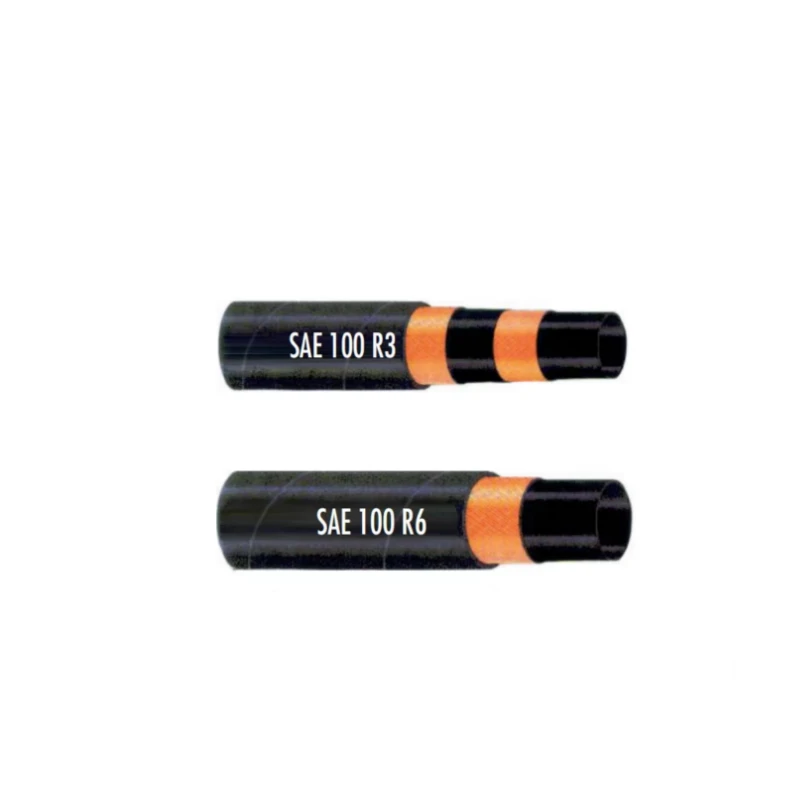
Textile Braid Reinforced Hydraulic Hose SAE100 R3+R6
NewsSep.03,2024
Textile Reinforced Hydraulic oil Suction Hose with embedded Steel Wire SAE 100 R4
NewsSep.03,2024
Single Wire Braid and Textile Covered Hydraulic Hose SAE 100 R5
NewsSep.03,2024
High Pressure Thermoplastic Hydraulic Hose SAE 100 R7 / EN855 R7 - SAE 100 R8 / EN855 R8
NewsSep.03,2024
Heavy Duty Four-layer Steel Wire Spiral Reinforced Hydraulic Hose SAE100R9+R10+R12
NewsSep.03,2024
Heavy Duty Multi-layer Steel Wire Reinforced Hydraulic Hose SAE100R13 SAE100R15
NewsSep.03,2024
Latest Products
-
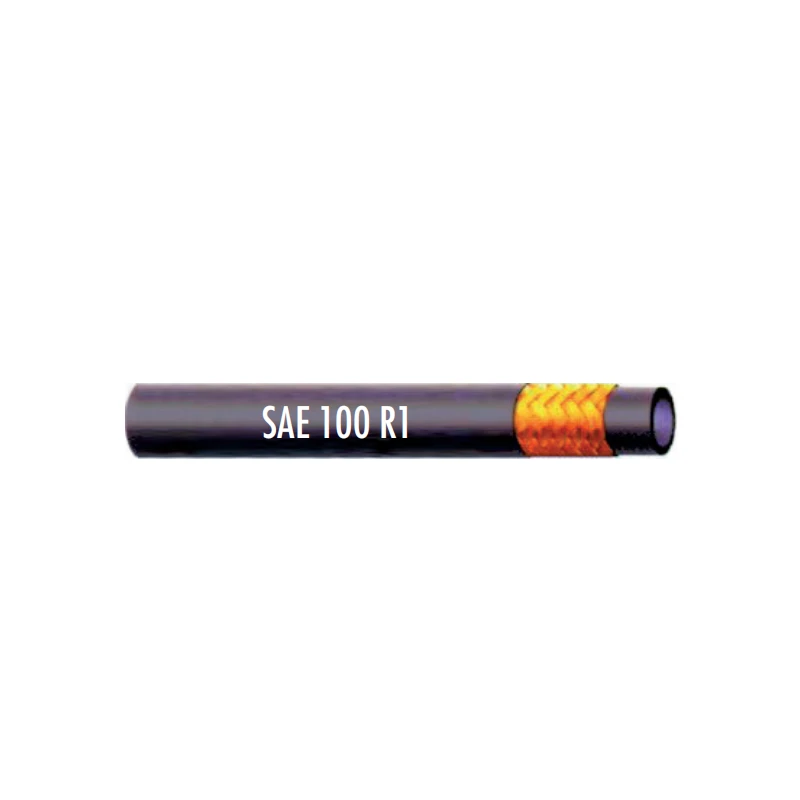
Steel Wire Reinforced Hydraulic Hose SAE 100 R1 / EN853 1SN S
-
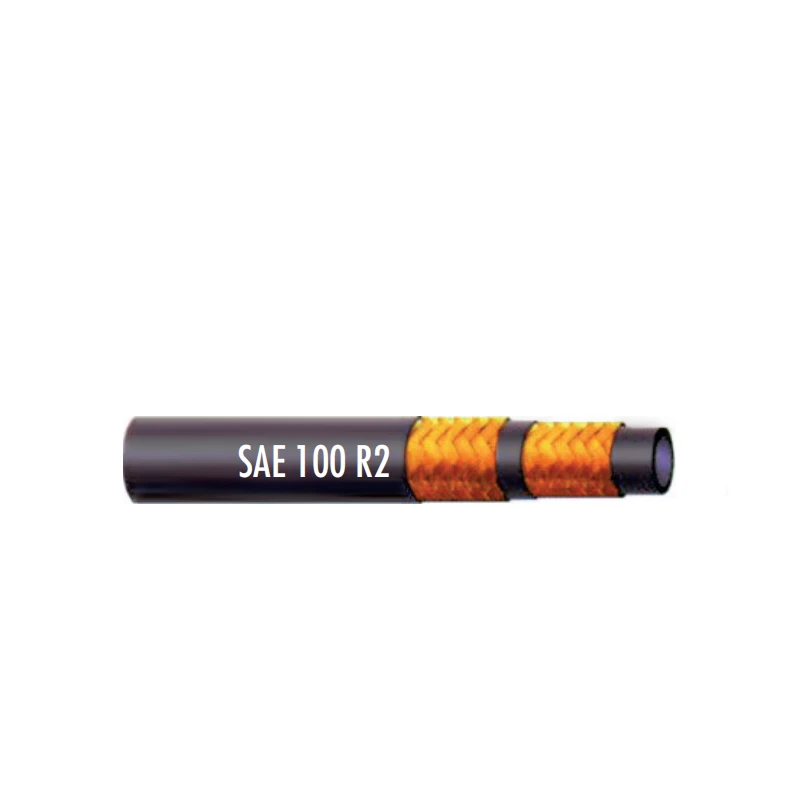
Two Layers Steel Wire Reinforced Hydraulic Hose SAE 100 R2 / EN853 2SN
-
-
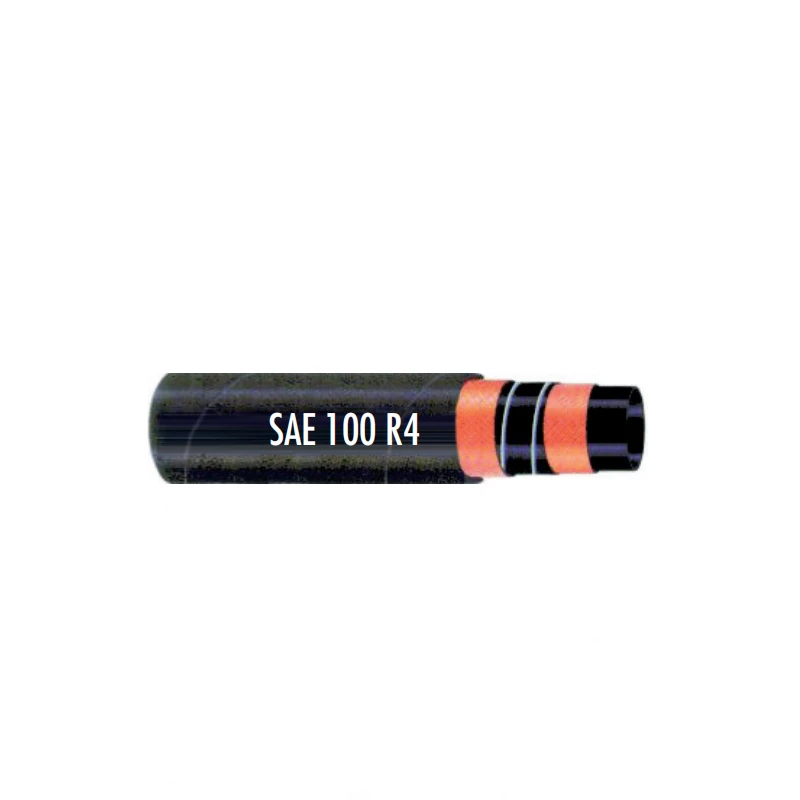
Textile Reinforced Hydraulic oil Suction Hose with embedded Steel Wire SAE 100 R4
-
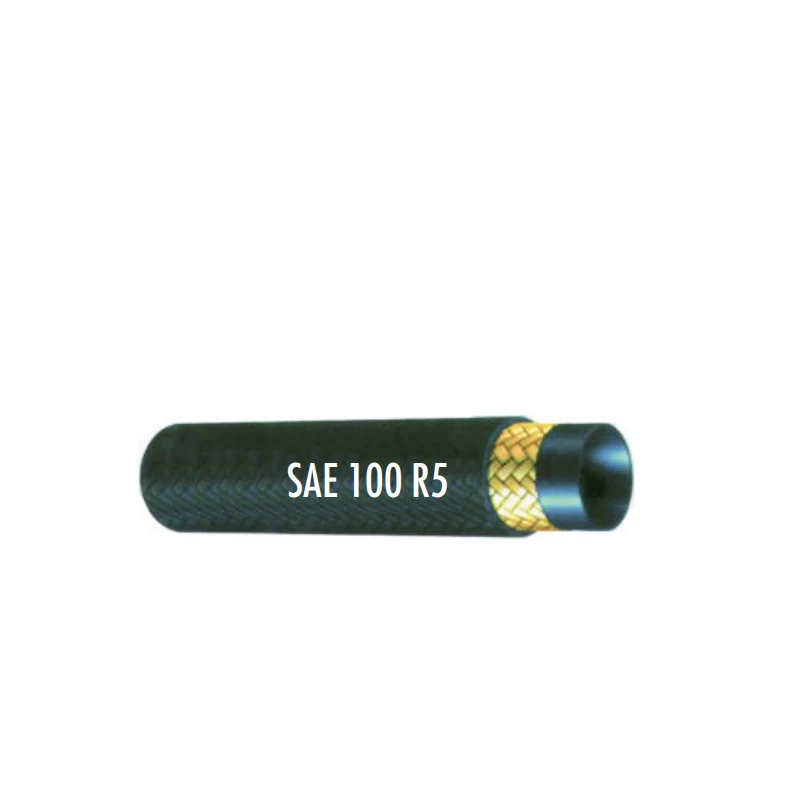
Single Wire Braid and Textile Covered Hydraulic Hose SAE 100 R5
-
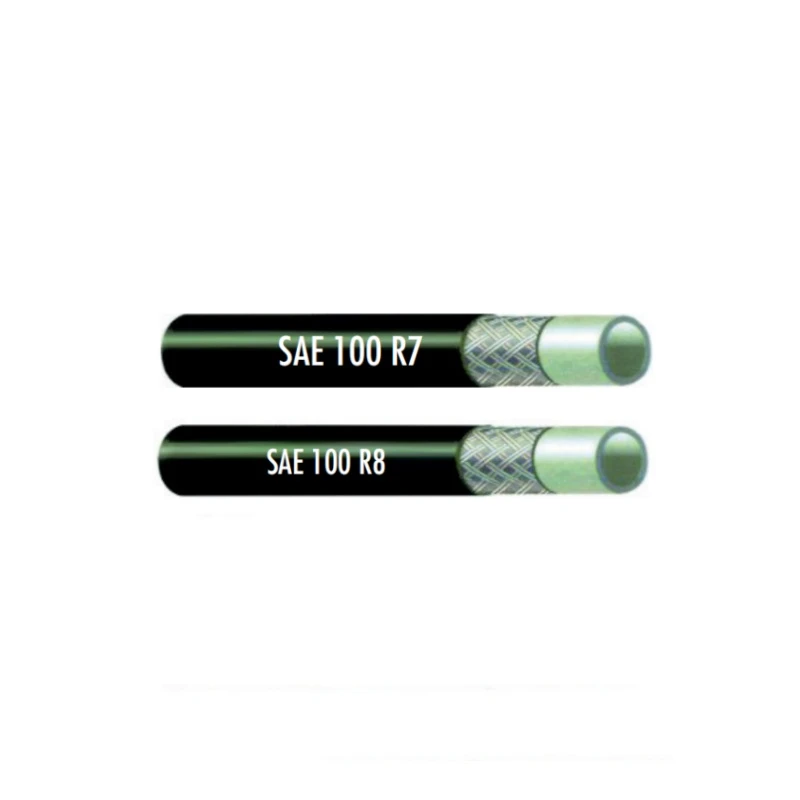
High Pressure Thermoplastic Hydraulic Hose SAE 100 R7 / EN855 R7 - SAE 100 R8 / EN855 R8
-
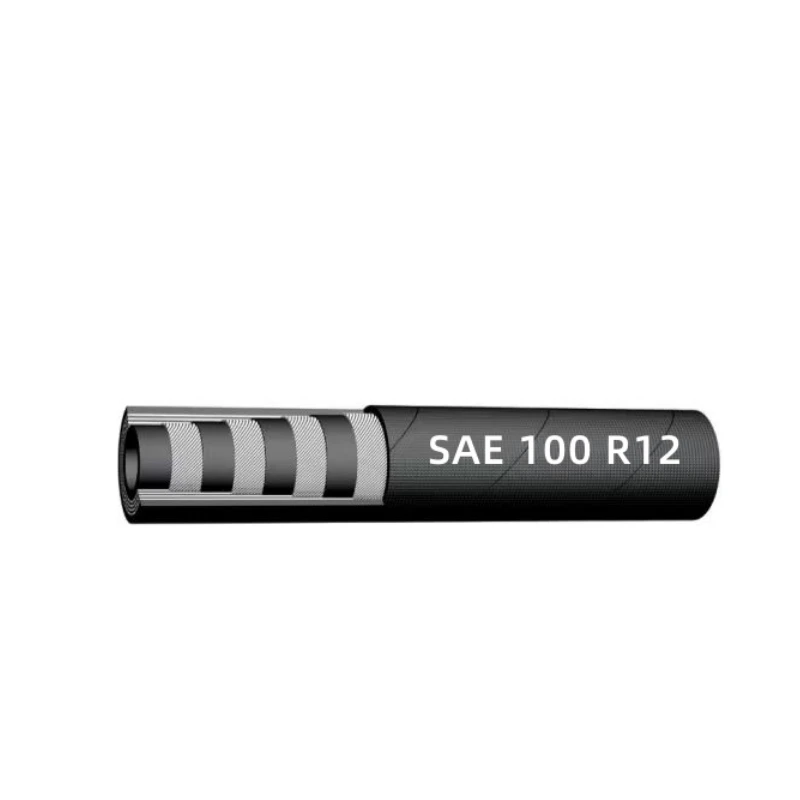
Heavy Duty Four-layer Steel Wire Spiral Reinforced Hydraulic Hose SAE100R9+R10+R12
-
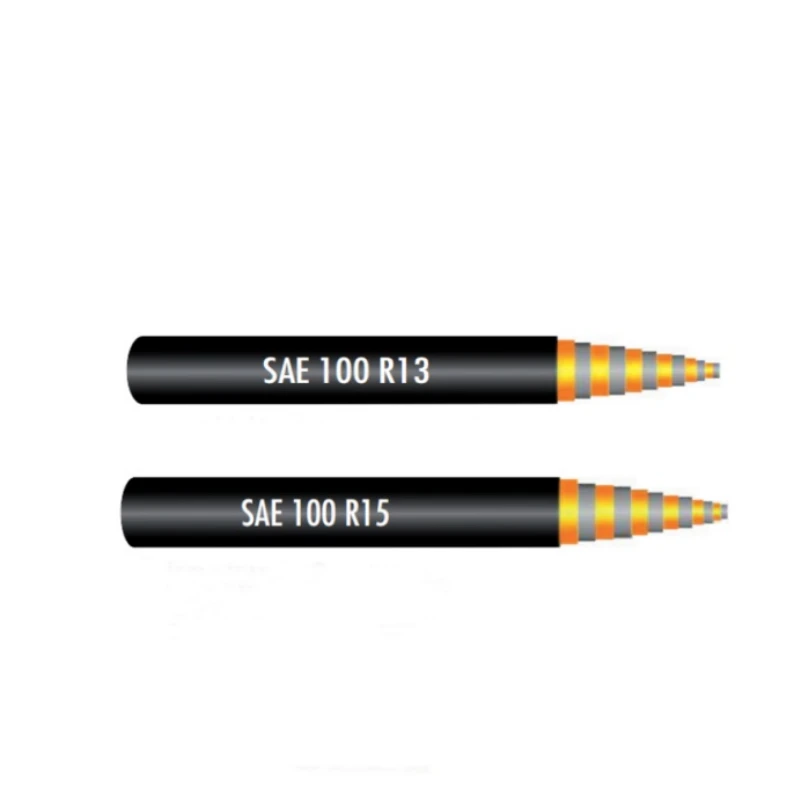
Heavy Duty Multi-layer Steel Wire Reinforced Hydraulic Hose SAE100R13 SAE100R15


