

Nov . 24, 2025 15:08 Back to list
Essential Guide to Intake Hose: Function, Applications, and Trends
Understanding the Intake Hose: Why It Matters Globally
At first glance, an intake hose might seem like just another component tucked away in machinery or vehicles, but it plays a surprisingly vital role in numerous industries worldwide. From automotive engines to factory equipment, these hoses facilitate the controlled flow of air or fluids, ensuring efficiency and safety. Recognizing how they work and why they're critical can transform how engineers, buyers, or even curious professionals approach machinery maintenance and innovation.
Globally, the demand for reliable intake hoses is rising due to accelerating industrial activity and stricter environmental regulations. The intake hose is not just a pipe but the lifeline connecting systems to their necessary inputs. So whether you’re working in automotive manufacturing or in agricultural irrigation, understanding intake hoses pays off.
Mini takeaway:
Intake hoses are tiny but mighty elements that ensure machines breathe and operate smoothly, which has a ripple effect worldwide in productivity and sustainability.
Global Context: The Expanding Reach of Intake Hose Solutions
Industries across the globe have a voracious appetite for flexible and durable intake hoses. SIPRI data estimates that industrial output surged by 3.8% annually over the past decade, with automotive and manufacturing industries leading demand for high-quality hoses. From China’s burgeoning industrial zones to Germany’s precision automotive sectors, intake hoses are a cornerstone in maintaining operational flow.
Yet, challenges remain: many factories in emerging markets still depend on poorly made hoses that wear out quickly, leading to costly downtime and environmental risks. Regulations from organizations like ISO mandate specific standards for materials and safety to raise global quality benchmarks. In this light, intake hoses become the unsung heroes of compliance and efficiency.
Mini takeaway:
The worldwide industrial landscape increasingly depends on well-built intake hoses to overcome operational risks and meet international quality standards.
What Exactly Is an Intake Hose?
Simply put, an intake hose is a tube or conduit designed for drawing in air, fluids, or gasses into a system. Think of it as the "breathing apparatus" for engines, pumps, or machinery. Typically flexible yet strong, these hoses connect air filters to engine intakes in cars or pump in water on farms and factories. They come in various sizes and materials tailored to withstand heat, pressure, and chemicals.
The intake hose acts as an intermediary ensuring that whatever medium is drawn in—be it air, water, or oil—is clean, timely, and precisely controlled. This connection makes it essential for everything from emissions control in vehicles to irrigation in agricultural setups, underlining its humanitarian and industrial significance.
Mini takeaway:
An intake hose is more than a pipe: it’s a mission-critical component enabling machines and systems to ‘inhale’ the elements they need to function safely and efficiently.
Key Characteristics of a Quality Intake Hose
Durability
Many engineers say durability is non-negotiable. Intake hoses often face harsh environments—heat around engines can reach 200°C or more, while industrial chemicals can corrode common materials. High-grade intake hoses employ reinforced layers, like braided fabric or metal inserts, to extend their lifespan significantly.
Flexibility & Fit
Flexibility isn’t just a nice-to-have; it’s often the difference between easy installation and a nightmare. Good intake hoses bend and twist without kinking, adapting to tight engine bays or machinery corners. This flexibility also helps absorb vibrations, preventing premature failure.
Heat and Chemical Resistance
Intake hoses must hold up against fluctuating temperatures and substance exposure. Silicone and EPDM rubber are favorites in automotive intake hoses because they resist heat and oil, while PVC variants find more use in water or dust-laden environments.
Cost Efficiency
In real terms, cost isn’t just price per meter. It’s the total expense of ownership: replacement frequency, downtime impact, and maintenance. Investing in premium hoses often pays off with fewer breakdowns and safer operations.
Customization
Many industries need intake hoses tailored by length, diameter, or fittings to fit unique systems. Customization means better performance and fewer leaks or mismatches—a win-win for engineers and operators.
Product Specification Table
| Feature | Description | Typical Application |
|---|---|---|
| Material | Silicone, EPDM rubber, PVC | Automotive, Industrial, Agricultural |
| Temperature Range | -40°C to +200°C | Engine intakes, HVAC |
| Diameter Range | 20mm to 150mm (customizable) | Custom machinery |
| Pressure Resistance | Up to 1.5 bar (varies) | Pumping systems, automotive |
Mini takeaway:
Choosing the right intake hose is a careful balance of durability, size, material, and application needs to ensure long-lasting and reliable performance.
Intake Hose in Action: Real-World Global Applications
Look around, and you’ll find intake hoses everywhere—but their role varies dramatically by sector and region:
- Automotive Industry (Germany, Japan, USA): Intake hoses deliver air to combustion engines, optimizing fuel mix and emissions control.
- Industrial Manufacturing (China, India): Factories depend on hoses to channel air and fluids through assembly lines and cooling systems.
- Agriculture (Brazil, Africa): Irrigation pumps and water treatment plants use intake hoses to boost crop yields and safeguard communities.
- Emergency Relief (Global NGOs): Portable water intake hoses help provide safe drinking water post-disaster.
For example, in flood-affected zones, NGOs often deploy intake hose systems that resist tangled debris and maintain clean water flow, critical to humanitarian relief.
Mini takeaway:
Across continents and industries, intake hoses quietly connect critical systems to their vital ‘breath’ of air or fluid, enabling everything from safe cars to clean water.
Advantages of Investing in High-Quality Intake Hose Solutions
The benefits go well beyond just connectivity—in real life, they matter economically, environmentally, and socially.
- Cost Savings: Fewer replacements and less downtime equals tangible financial wins.
- Safety and Trust: Reliable intake hoses prevent leaks or hazardous failures, safeguarding workers and equipment.
- Sustainability: Using ozone-resistant, recyclable materials fits global eco-standards and cuts waste.
- Operational Efficiency: Smooth air or fluid flow boosts machine performance and lowers emissions.
It’s also kinda reassuring. Knowing your hose won’t suddenly crack can feel like a small, silent promise that everything else is under control. For people who rely on machines daily, that peace of mind counts.
Mini takeaway:
A quality intake hose is an investment in safety, savings, and sustainability—qualities that feed directly into long-term industrial success.
Looking Ahead: Innovations and Future Trends in Intake Hose Technology
The market isn’t sitting still. Expect an influx of new materials like thermoplastic elastomers enabling lighter, tougher hoses. Smart sensors embedded in hoses are beginning to alert maintenance before cracks or leaks appear, part of the digital transformation sweeping factories globally.
Environmental pressures motivate the use of bio-based materials, offering eco-friendly alternatives that break traditional durability barriers. Meanwhile, additive manufacturing—3D printing of custom hose fittings—speeds up custom designs with unmatched precision.
Mini takeaway:
From smart diagnostics to green materials, intake hose technologies are evolving to meet future industrial demands while reducing environmental footprints.
Common Challenges and How to Overcome Them
Of course, not all is smooth sailing. Premature hose failure from abrasion, improper sizing, or chemical attack can cost industries dearly. Many engineers wrestle with compatibility issues—finding the right hose for unusual compounds or extreme temperatures.
Solutions? Collaborative design between manufacturers and users helps customize hoses pre-emptively. Modern testing standards (like ISO 1746) are forcing more rigorous quality checks, and advances in coatings offer better protection.
Mini takeaway:
Challenges exist, but ongoing collaboration and innovation are pushing intake hoses to new heights of reliability and suitability.
FAQ: Frequently Asked Questions About Intake Hose
- 1. How do I know which intake hose material suits my machinery?
- The choice depends on temperature, pressure, and exposure to chemicals. For automotive engines, silicone and EPDM are common. For chemical transfer, specialized rubber or reinforced hoses may be better. Consulting a supplier with specifics about your use case helps.
- 2. Can intake hoses be customized for non-standard machines?
- Absolutely. Many manufacturers offer custom lengths, diameters, and fittings. This ensures optimal performance, reduces leaks, and simplifies installation.
- 3. How often should intake hoses be inspected or replaced?
- Routine inspections every 6-12 months are recommended, especially in harsh environments. Replacement intervals depend on usage and wear signs like cracks, brittleness, or leaks.
- 4. Are eco-friendly intake hoses available?
- Yes, bio-based and recyclable materials are emerging rapidly. While sometimes pricier upfront, they offer long-term sustainability benefits without sacrificing performance.
Conclusion: Why Intake Hoses Will Always Matter
In the grand tapestry of industrial and automotive components, intake hoses might be easy to overlook. But that would be a mistake. They’re indispensable for smooth operations, safety, and compliance. Investing in the right hoses today means less downtime tomorrow, less environmental harm, and a happier workforce.
If you're curious or ready to upgrade your equipment, check out intake hose solutions adaptable to various industries and needs. Quality, innovation, and reliability are just a click away.
References and additional reading:
Latest News
Steel Wire Reinforced Hydraulic Hose SAE 100 R1 / EN853 1SN S
NewsOct.17,2024
Two Layers Steel Wire Reinforced Hydraulic Hose SAE 100 R2 / EN853 2SN
NewsSep.03,2024
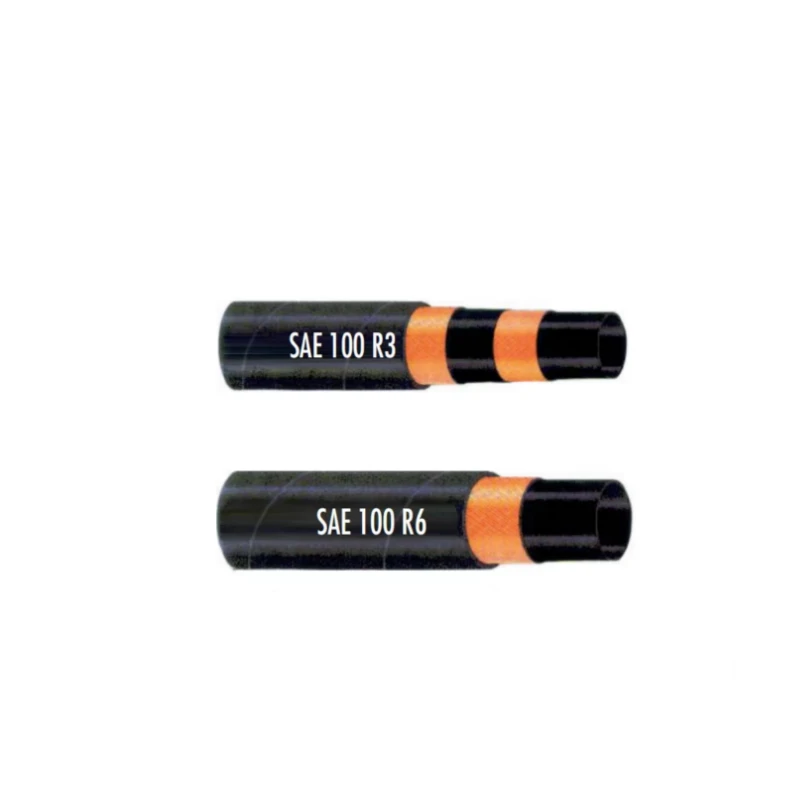
Textile Braid Reinforced Hydraulic Hose SAE100 R3+R6
NewsSep.03,2024
Textile Reinforced Hydraulic oil Suction Hose with embedded Steel Wire SAE 100 R4
NewsSep.03,2024
Single Wire Braid and Textile Covered Hydraulic Hose SAE 100 R5
NewsSep.03,2024
High Pressure Thermoplastic Hydraulic Hose SAE 100 R7 / EN855 R7 - SAE 100 R8 / EN855 R8
NewsSep.03,2024
Heavy Duty Four-layer Steel Wire Spiral Reinforced Hydraulic Hose SAE100R9+R10+R12
NewsSep.03,2024
Heavy Duty Multi-layer Steel Wire Reinforced Hydraulic Hose SAE100R13 SAE100R15
NewsSep.03,2024
Latest Products
-
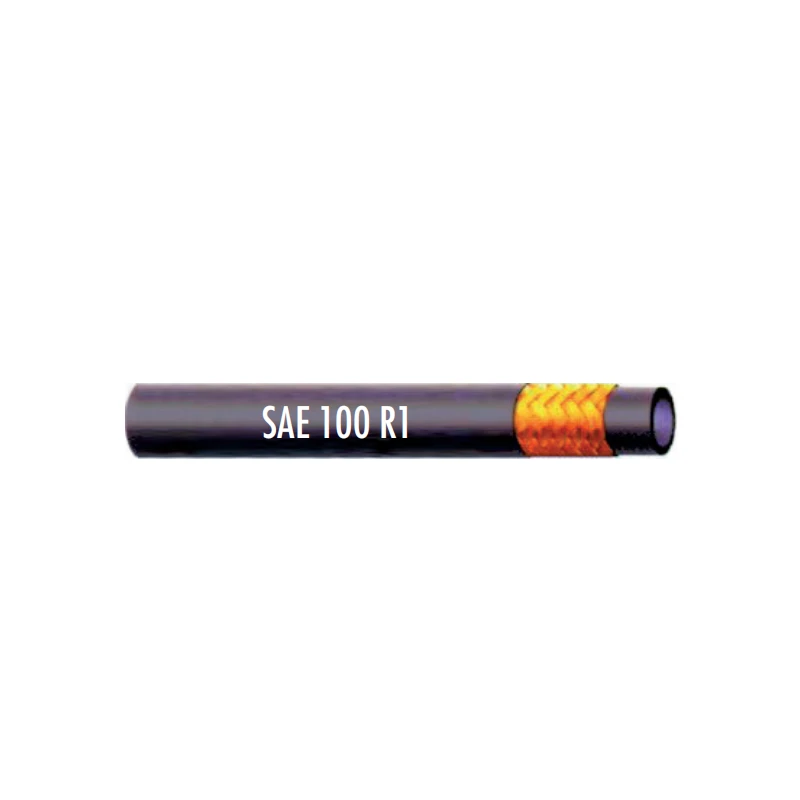
Steel Wire Reinforced Hydraulic Hose SAE 100 R1 / EN853 1SN S
-
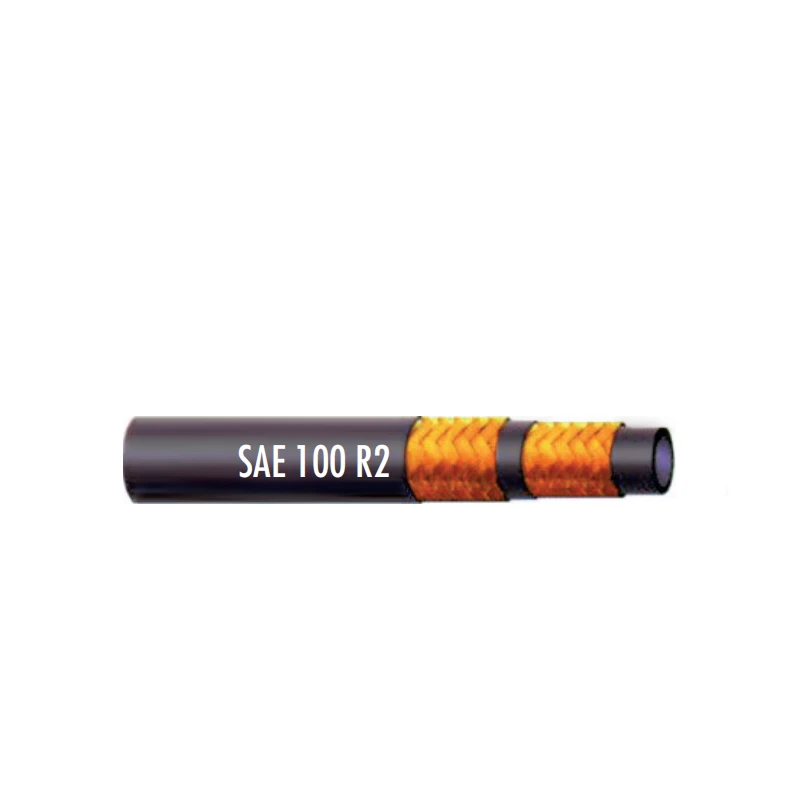
Two Layers Steel Wire Reinforced Hydraulic Hose SAE 100 R2 / EN853 2SN
-
-
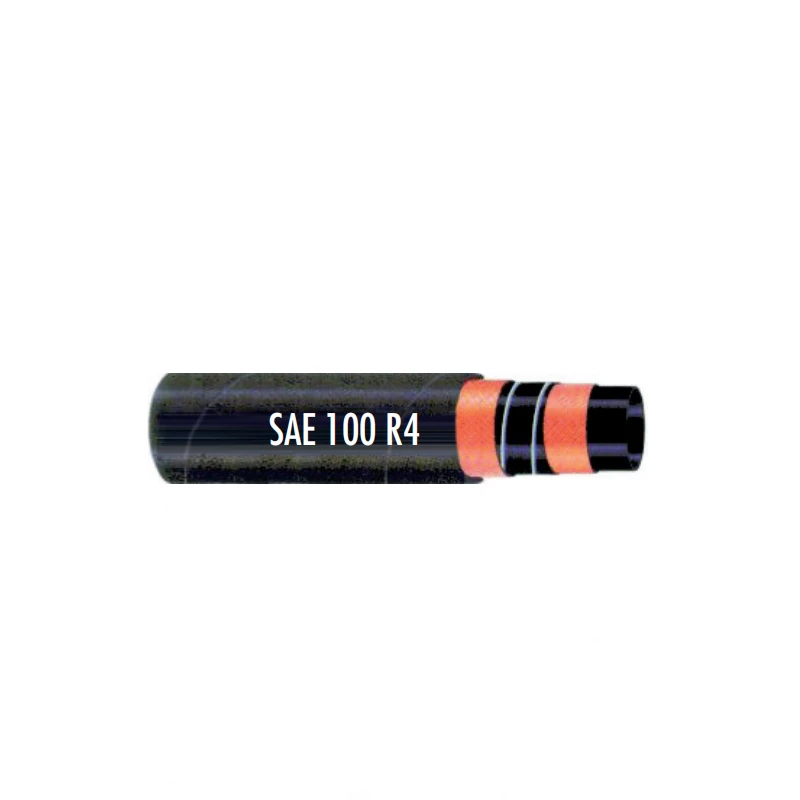
Textile Reinforced Hydraulic oil Suction Hose with embedded Steel Wire SAE 100 R4
-
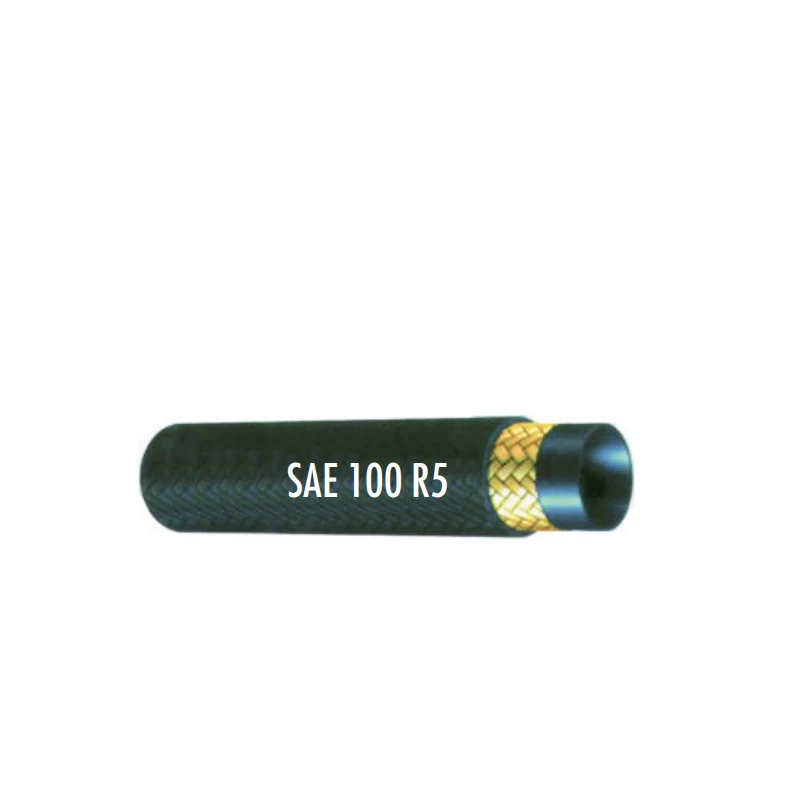
Single Wire Braid and Textile Covered Hydraulic Hose SAE 100 R5
-
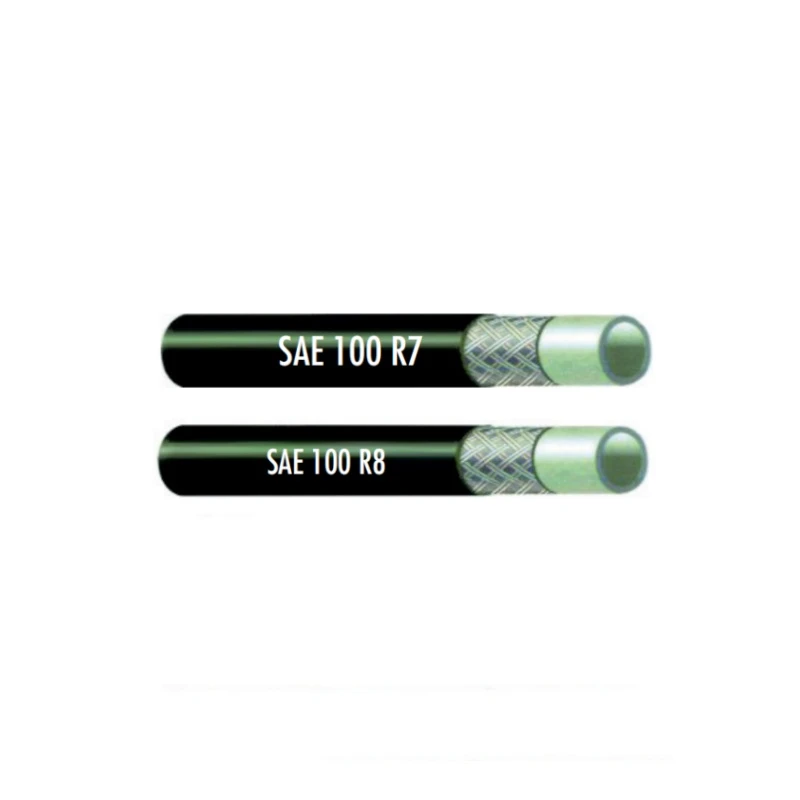
High Pressure Thermoplastic Hydraulic Hose SAE 100 R7 / EN855 R7 - SAE 100 R8 / EN855 R8
-
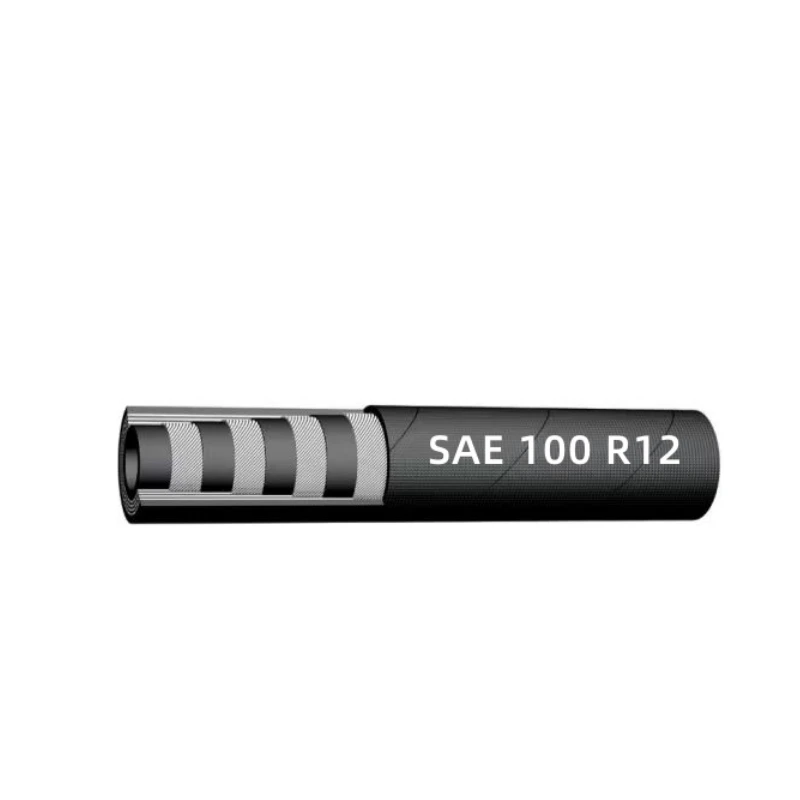
Heavy Duty Four-layer Steel Wire Spiral Reinforced Hydraulic Hose SAE100R9+R10+R12
-
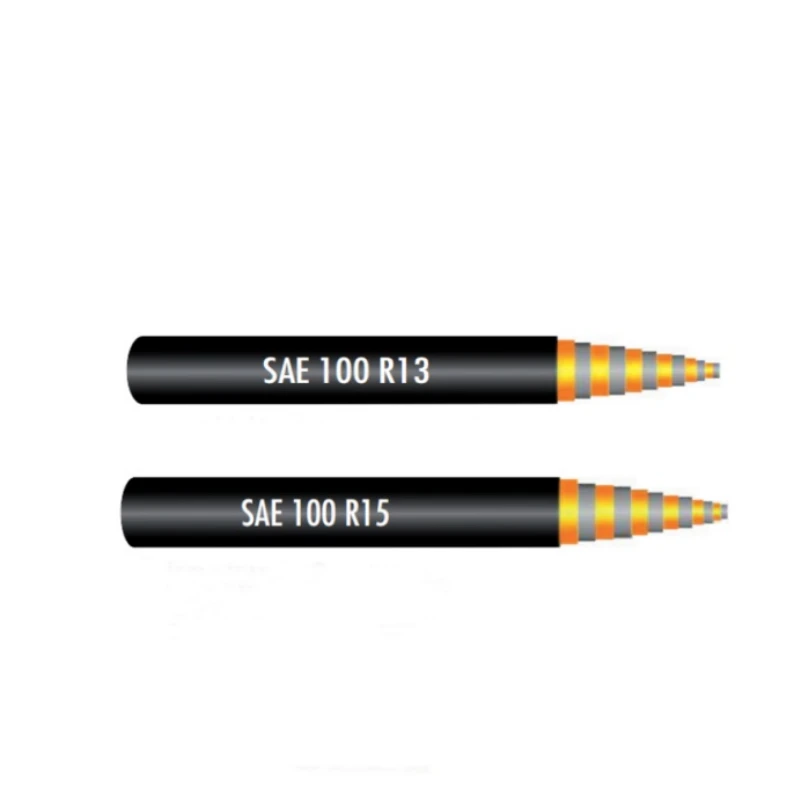
Heavy Duty Multi-layer Steel Wire Reinforced Hydraulic Hose SAE100R13 SAE100R15


