

Nov . 24, 2025 15:09 Back to list
Durable and Flexible Laundry Hose Solutions for Every Need | JY Hose
Understanding Laundry Hose: Global Relevance and Why It Matters
At first glance, a laundry hose might seem like a simple accessory — just a flexible tube for water flow, right? But when you zoom out, laundry hoses play a surprisingly critical role in industries worldwide. These hoses facilitate safe water discharge, support efficient laundromat setups, and are indispensable in disaster relief and remote industrial zones.
Globally, with increasing urbanization and hygiene standards changing rapidly, understanding laundry hoses and their specifications is no longer trivial. From sustainable materials to cost-effective options, knowing what to look for impacts everything from your local laundry shop to NGOs running emergency camps.
Oddly enough, this humble component often flies under the radar, yet it seamlessly connects so many international efforts in sanitation and water management. So why should you care? Because a well-designed laundry hose can save time, money, and even lives when implemented smartly.
Global Context: Why Laundry Hoses Are More Important Than You Think
According to the United Nations Water for Life Decade initiative, water management and sanitation directly influence health outcomes worldwide. The global market for flexible hoses, including laundry hoses, is projected to hit $6 billion by 2027, spurred by urban growth and the demand for reliable water handling systems.
But here’s the kicker: many developing regions face chronic shortages of appropriate laundry equipment and accessories. When traditional plumbing isn’t feasible, or during rapid deployments for disaster relief, the laundry hose becomes a lifeline. It ensures clean water evacuation, prevents overflow, and maintains hygiene standards without complex infrastructure.
What is a Laundry Hose Anyway?
In simple terms, a laundry hose is a flexible, water-resistant tube designed to carry wastewater away from washing machines, laundry tubs, and other laundry equipment. Typically crafted from reinforced PVC, rubber, or similar polymers, these hoses provide flexibility and durability needed for frequent handling and connection adjustments.
Beyond the household, laundry hoses are integral in commercial laundromats, hospitals, remote camps, and industrial laundries. They combine ease of installation with resistance to kinks, abrasions, and temperature fluctuations, making them modern industry staples and humanitarian essentials.
Core Components and Characteristics of a Reliable Laundry Hose
1. Durability and Material Quality
Not all laundry hoses are created equal. Many engineers emphasize the importance of materials like reinforced PVC or EPDM rubber. These materials resist cracking due to cold water exposure and last longer under constant flexing — critical features when you’re setting up long-term or mobile laundry stations.
2. Flexibility and Length
Flexibility helps in tight spaces and makes installation easier. Standard lengths vary from 1 to 3 meters, but customization options exist for specific setups. Oddly enough, an overly rigid hose can cause stress on connection points, leading to leaks — a detail many overlook.
3. Diameter and Compatibility
Typical inner diameters range between 19mm (¾”) to 25mm (1”). Compatibility with washing machines and drainage setups is key to avoiding awkward adapters or costly replacements. Always check specs to match your appliance’s outlet.
4. Temperature and Pressure Resistance
Some hoses handle hot water better than others. Whether you install in a domestic or commercial laundry room, temperature resistance (up to roughly 60°C) ensures safe operation without deformation or damage over time.
5. Safety and Environmental Considerations
Recent attention to environmentally safer materials means many manufacturers now offer BPA-free or recyclable laundry hoses. This aligns with global efforts to reduce plastic waste. And frankly, using a quality hose also prevents leaks that can cause water damage or contamination.
Mini takeaway:
Picking the right laundry hose boils down to balancing durability, flexibility, and compatibility — all factors that ensure your laundry setup runs smoothly, whether at home or industrially.
Real-World Use Cases Around the World
In post-disaster relief operations, for instance, organizations like the UNICEF WASH program deploy modular laundry units with heavy-duty hoses to maintain hygiene standards quickly.
In remote mining or construction camps across Australia or Canada, durable laundry hoses withstand harsh environmental conditions where traditional plumbing is impractical. Similarly, urban laundromats in Asia invest in premium hoses to reduce maintenance downtime and customer complaints — tiny improvements that add up.
Laundry hose choices vary depending on the industry, but the principles hold: easy installation, reliable function, and minimal maintenance.
Benefits You Can Count On
- Cost efficiency: Replacing a faulty hose costs less than extensive water damage repairs.
- Sustainability: New eco-friendly materials reduce environmental footprints.
- Safety and Hygiene: Prevents wastewater leaks, protecting users and the environment.
- Trust and Reliability: Professionals report improved workflow consistency when using high-grade hoses.
Emerging Trends in Laundry Hose Technology
The push for sustainable materials is driving innovation: biodegradable polymers and recycled plastics are making their way into hose production lines. Automation is also entering the picture, with smart sensors embedded in hoses to detect leaks or pressure changes early.
Digital inventory management tied to RFID tags helps commercial laundries track hose life cycles, planning replacements before failures occur. All these reflect a broader movement toward smarter, greener, and more efficient water management solutions.
Common Challenges and Practical Solutions
One persistent issue is hose kinking and premature wear, especially in cramped installations. Solution? Hoses with internal coil reinforcement, which many vendors now offer. Also, improper diameter selection often leads to leaks. Buying from trusted suppliers and confirming specs helps avoid this headache.
Another challenge is regulatory compliance in different countries — some require specific certifications for hoses in commercial contexts. Companies increasingly partner with local experts to navigate these waters.
Frequently Asked Questions About Laundry Hoses
Q1: How do I know which laundry hose fits my washing machine?
A: Check the washing machine's outlet diameter—commonly ¾” or 1”. Verify hose compatibility specs against the appliance manual to ensure a snug, leak-free fit.
Q2: Can laundry hoses handle hot water safely?
A: Most quality laundry hoses are rated up to about 60°C (140°F). For higher temps, seek hoses specifically labeled as heat-resistant to avoid material degradation.
Q3: How often should I replace my laundry hose?
A: Typically, every 3-5 years or sooner if signs of wear, cracking, or leaks appear. Regular inspections prevent unexpected water damage.
Q4: Are eco-friendly laundry hoses more durable?
A: Emerging eco-friendly hoses offer good durability, but it depends on material technology. Consult vendor specs and certifications to confirm.
Q5: Can laundry hoses be used in temporary or mobile laundry units?
A: Absolutely. Flexible, durable hoses designed for quick connect/disconnect are ideal for mobile laundry setups used in relief or industrial contexts.
Specification Table: Typical Laundry Hose Features
| Feature | Typical Value | Notes |
|---|---|---|
| Material | Reinforced PVC / EPDM rubber | Flexible and durable |
| Inner Diameter | 19 mm (¾”) or 25 mm (1”) | Depends on appliance compatibility |
| Length | 1–3 meters standard | Custom lengths available |
| Temperature Resistance | Up to 60°C (140°F) | Suitable for typical laundry use |
| Reinforcement | Coil or fiber braid | Prevents kinking and collapse |
Vendor Comparison: Leading Laundry Hose Manufacturers
| Vendor | Material Quality | Customization Options | Price Range | Sustainability Focus |
|---|---|---|---|---|
| JY Hose Co. | Premium reinforced PVC | Lengths, diameters, colors | $$$ | Recyclable materials available |
| HydroFlex Ltd. | EPDM rubber blends | Standard sizes only | $$ | Limited eco-friendly lines |
| FlexiWash Corp. | Mixed polymer with reinforcement | Custom diameters and fittings | $$$ | BPA-free certified |
Wrapping It Up: Why Your Laundry Hose Choice Matters
It’s a funny thing how something as simple as a laundry hose carries so much weight in global sanitation efforts and everyday convenience. Whether you’re outfitting a small laundromat, supporting disaster relief washing stations, or just keeping your home dry and tidy, choosing the right hose pays dividends.
Think of it as the unsung hero in the plumbing chain — it’s got to be flexible, tough, and reliable. And with new technology and sustainability pushing forward, it’s exciting to imagine what innovations lie ahead.
So, if you’re considering an upgrade or starting fresh, it’s worth getting the specs right and maybe having a look at what top suppliers offer. Your laundry setup will thank you for it.
Visit https://www.jyhose.com to explore quality options that blend durability and environmental responsibility.
References
Latest News
Steel Wire Reinforced Hydraulic Hose SAE 100 R1 / EN853 1SN S
NewsOct.17,2024
Two Layers Steel Wire Reinforced Hydraulic Hose SAE 100 R2 / EN853 2SN
NewsSep.03,2024
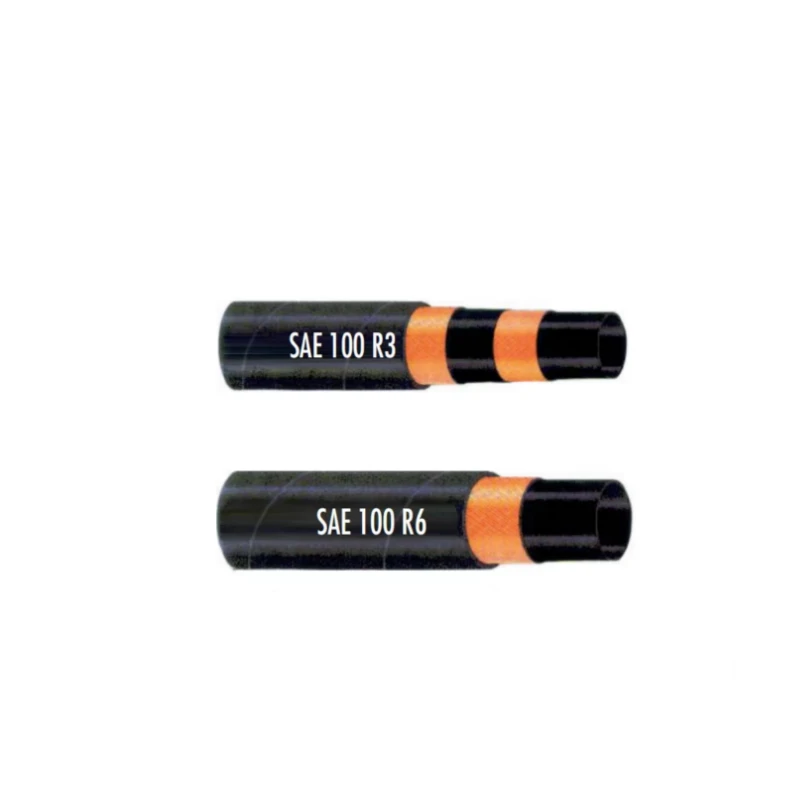
Textile Braid Reinforced Hydraulic Hose SAE100 R3+R6
NewsSep.03,2024
Textile Reinforced Hydraulic oil Suction Hose with embedded Steel Wire SAE 100 R4
NewsSep.03,2024
Single Wire Braid and Textile Covered Hydraulic Hose SAE 100 R5
NewsSep.03,2024
High Pressure Thermoplastic Hydraulic Hose SAE 100 R7 / EN855 R7 - SAE 100 R8 / EN855 R8
NewsSep.03,2024
Heavy Duty Four-layer Steel Wire Spiral Reinforced Hydraulic Hose SAE100R9+R10+R12
NewsSep.03,2024
Heavy Duty Multi-layer Steel Wire Reinforced Hydraulic Hose SAE100R13 SAE100R15
NewsSep.03,2024
Latest Products
-
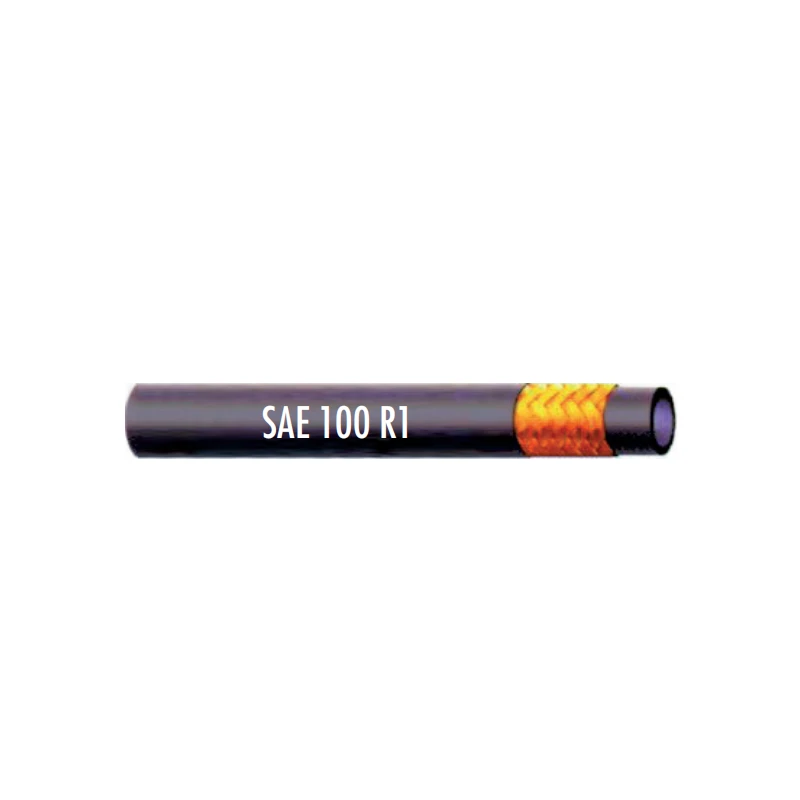
Steel Wire Reinforced Hydraulic Hose SAE 100 R1 / EN853 1SN S
-
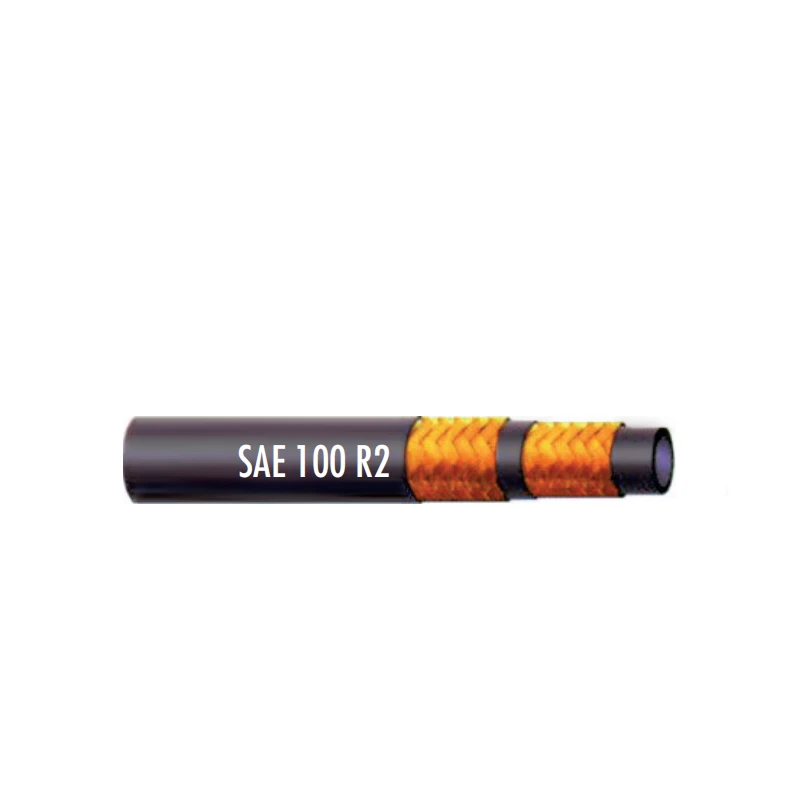
Two Layers Steel Wire Reinforced Hydraulic Hose SAE 100 R2 / EN853 2SN
-
-
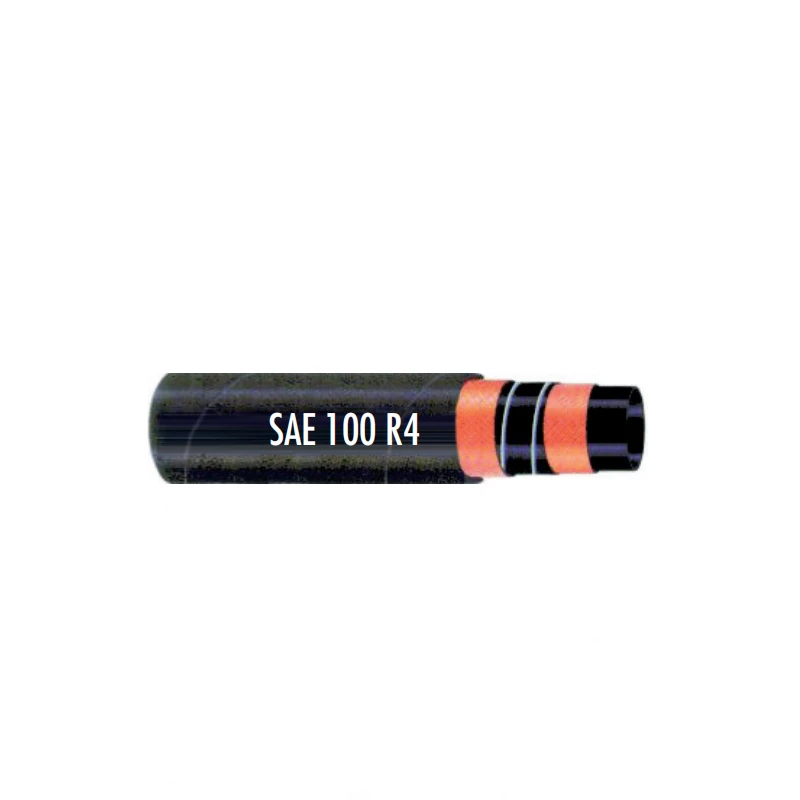
Textile Reinforced Hydraulic oil Suction Hose with embedded Steel Wire SAE 100 R4
-
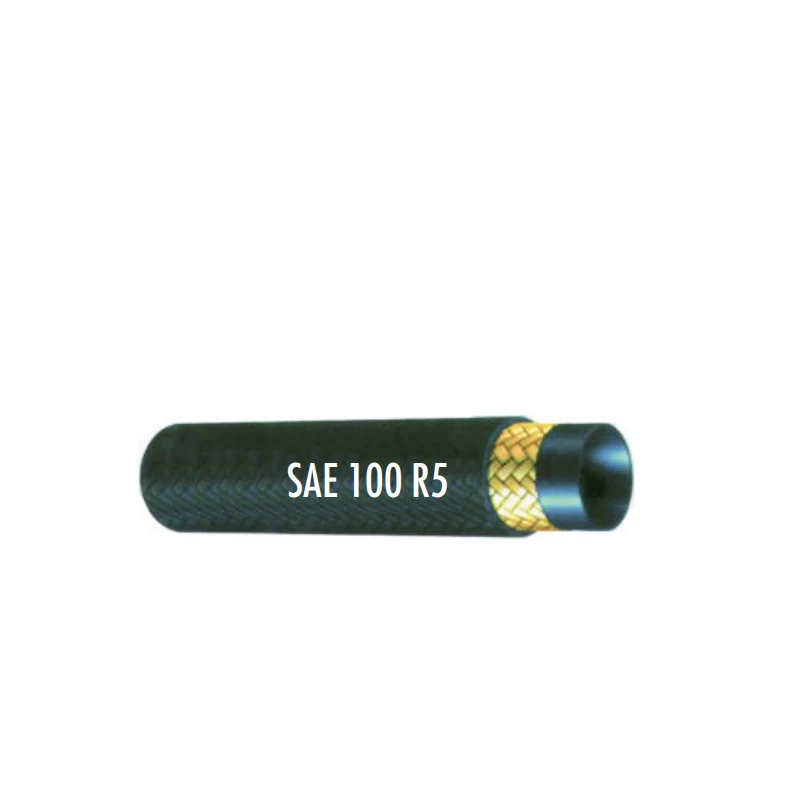
Single Wire Braid and Textile Covered Hydraulic Hose SAE 100 R5
-
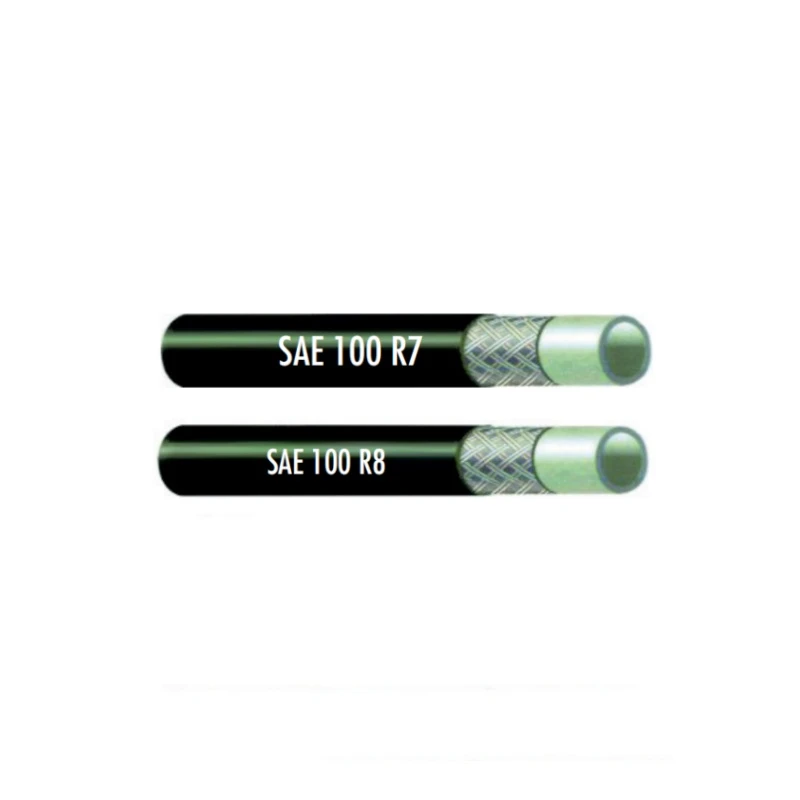
High Pressure Thermoplastic Hydraulic Hose SAE 100 R7 / EN855 R7 - SAE 100 R8 / EN855 R8
-
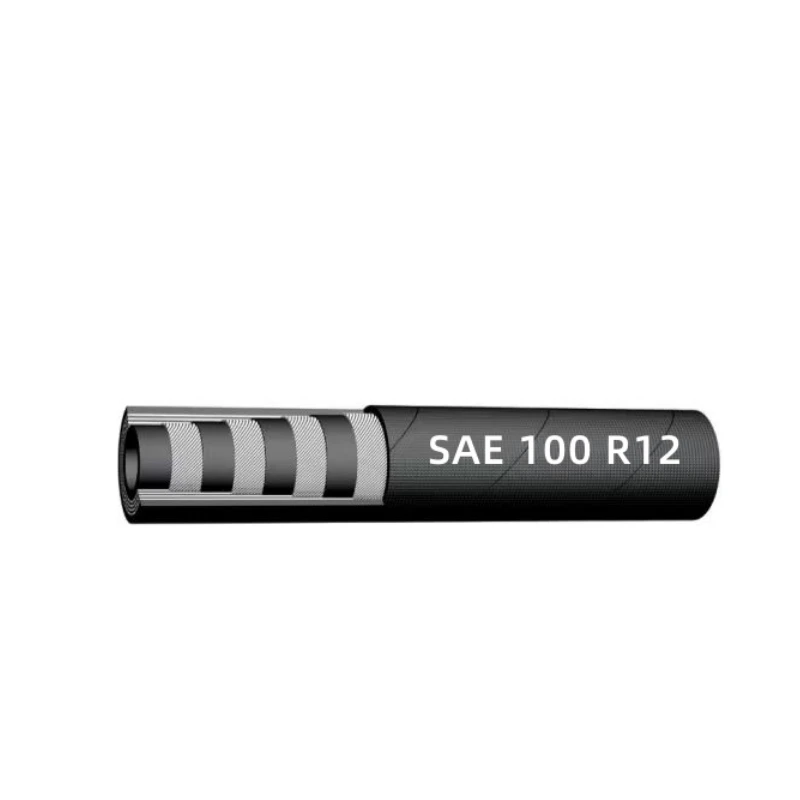
Heavy Duty Four-layer Steel Wire Spiral Reinforced Hydraulic Hose SAE100R9+R10+R12
-
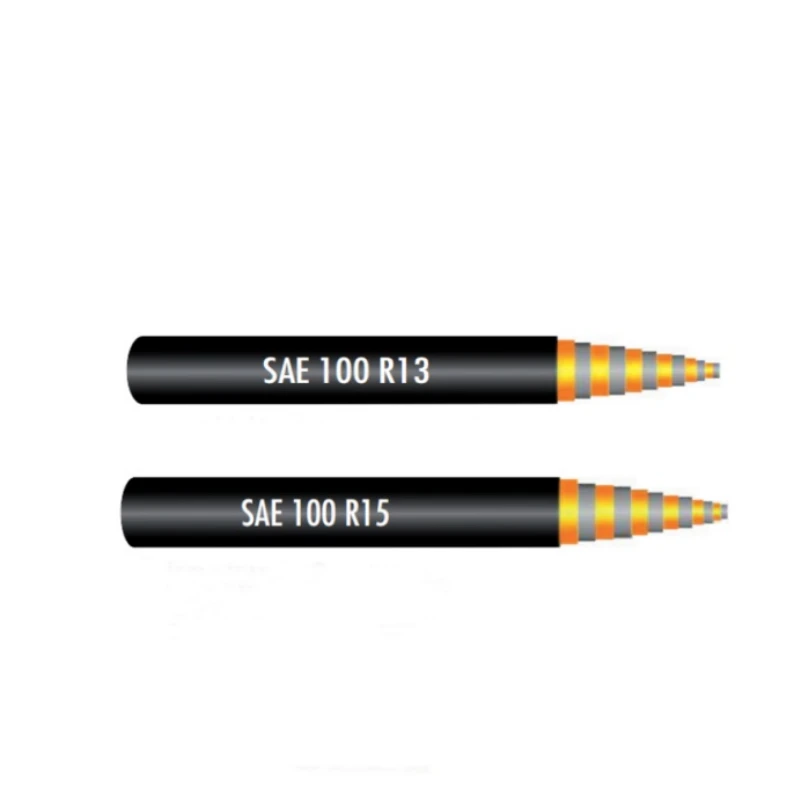
Heavy Duty Multi-layer Steel Wire Reinforced Hydraulic Hose SAE100R13 SAE100R15


