

Nov . 24, 2025 15:09 Back to list
Long Hose Solutions for Industry and Disaster Relief | Durable & Flexible Hoses
Understanding the Long Hose: A Modern Essential with Global Impact
At first glance, a long hose might seem like a simple, everyday object—just a flexible tube to carry water, air, or other fluids. But when you zoom out, it becomes clear how crucial these long hoses are worldwide, powering industries from disaster relief to remote construction sites. Their length, flexibility, and durability open doors to solutions we often take for granted—be it delivering clean water after floods or providing firefighting support in remote forests.
Why care? Well, with the global population expanding and climate change fueling more frequent crises, the ability to deploy effective water and fluid transport systems quickly is more vital than ever. Understanding the nuts and bolts of long hoses lets engineers, NGOs, and companies design smarter interventions that save lives, reduce costs, and protect the environment.
(In a pinch, that humble hose can mean the difference between chaos and calm.)
The Global Context: Why Long Hoses Matter
The United Nations reports that nearly 2.2 billion people lack safe drinking water globally — around 29% of the world’s population (UNICEF/WHO, 2023). In disaster zones or rural communities, getting clean water or fuel quickly can be a logistical nightmare. That’s where long hoses, sometimes extending hundreds of meters, come into play.
ISO standards for flexible hoses have improved quality globally, ensuring compatibility and safety across borders. Industries such as oil & gas, agriculture, and firefighting also rely heavily on these long hoses to maintain continuous operations across challenging terrains or large-scale farms.
Yet, challenges persist in durability, deployment speed, and cost. So, the race continues to innovate for longer, tougher, and lighter hoses.
Defining the Long Hose
Simply put, a long hose is an extended flexible pipe designed to transport liquids or gases over considerable distances without leakage or performance drop-off. They vary in diameter, material, and pressure rating based on application.
Modern long hoses aren’t just about length; they represent a vital link in infrastructure chains – whether pumping fresh water to a firefighting crew atop a mountain or connecting fuel supply pipelines for remote generators.
In humanitarian contexts, these hoses enable rapid response—as seen in flood relief efforts where temporally extended hoses facilitate safe water transfer without the need for permanent pipelines.
Key Characteristics of Modern Long Hoses
1. Durability
It’s no use having a super long hose if it tears on the first snag. Durability is a top priority, involving UV resistance, abrasion protection, and chemical inertness. Many hoses now incorporate woven synthetic fibers or multilayer composite designs, striking a balance between flexibility and strength.
2. Flexibility & Scalability
The ability to coil, bend, and extend without kinking is crucial. Even with hundreds of meters, hoses must maintain constant flow. Scalability comes into play when multiple hose sections connect seamlessly using compatible couplings, adapting to varying distances.
3. Pressure Handling
Depending on the fluid—whether water under low pressure or hazardous chemicals under high pressure—hoses are engineered to handle specific PSI ratings. Knowing your pressure requirements ensures safety and longevity.
4. Cost Efficiency
Because large-scale operations can require kilometers of hose, cost per meter evaluated against lifespan and maintenance needs can make or break a project budget. More durable hoses, while pricier upfront, often yield savings in the long run.
5. Environmental Resistance
Resistance to weathering, microbes, and temperature extremes ensures the hose performs well outdoors and in harsh conditions. This translates to fewer replacements and less downtime, proving crucial in disaster-prone or tropical areas.
6. Compatibility & Customization
Every job is unique: hoses must fit with existing fittings or be customized to match flow requirements and chemical compatibility. Many suppliers offer tailor-made solutions, including short lead times for urgent deployments.
Mini Takeaway:
Durability, flexibility, pressure tolerance, and cost form the foundation of a successful long hose. Balancing these factors is an art influenced by specific real-world demands.
How Long Hoses Shape Global Applications
In post-disaster relief—take the 2018 Kerala floods—long hoses were deployed to pump clean water from uncontaminated sources into makeshift water tanks, enabling safe drinking water delivery to thousands within days.
Industrial zones in Australia’s outback rely on long hoses to connect fossil fuel lines across uneven terrain, minimizing excavation and cutting costs.
Forestry departments in Canada routinely use lengthy fire hoses—some exceeding 150 meters—to battle wildfires, mobilizing water from lakes to distant fire points with remarkable speed.
Plus, agricultural irrigation systems in South America benefit from durable hoses that can be repositioned seasonally, coping with sunlight, soil, and water quality variations.
And if you think it’s just outdoor work: chemical processing plants across Europe require hoses resistant to aggressive solvents, often custom-engineered to just the right diameter and wall thickness.
Mini Takeaway:
- Long hoses adapt across sectors—from humanitarian relief to industry, agriculture to emergency services—showing unparalleled versatility.
- They enable infrastructure where permanent pipes simply aren’t feasible.
Product Specification Table: Typical Industrial Long Hose Features
| Specification | Details |
|---|---|
| Material | Reinforced PVC, EPDM Rubber, or Polyurethane |
| Length | Typically from 30m to 300m per segment |
| Diameter | 25 mm to 100 mm standard, customizable |
| Max Pressure | Up to 20 bar (290 psi) depending on type |
| Temperature Range | -20°C to +70°C (EPDM), higher for specialty hoses |
| Couplings | Stainless steel quick-connect or thread type |
Comparing Leading Long Hose Vendors
| Vendor | Material Options | Max Length per Section | Pressure Rating | Lead Time | Customization |
|---|---|---|---|---|---|
| AlphaHose Ltd. | PVC, EPDM | 200m | 15 bar | 4 weeks | Standard sizes, limited custom |
| BetaFlex International | PU, Rubber Blends | 300m | 20 bar | 6 weeks | Full customization, quick-connect fittings |
| GammaTubing Corp. | EPDM, Specialty Mixes | 150m | 18 bar | 3 weeks | Moderate customization |
Advantages and Long-Term Value of Using Quality Long Hoses
Let’s be honest: investing in quality long hoses pays off—not just financially but morally. Reliable hoses reduce downtime risks, meaning no unexpected leaks or ruptures that delay urgent deliveries, whether fuel or water.
Suppose you’re supplying a remote village or fighting a wildfire miles away. That trust in your hose’s performance brings peace of mind, which, frankly, can be priceless.
Better hoses last longer and require fewer replacements—good news for the environment and your budget. And ergonomics matter, too: lightweight, easy-to-handle hoses reduce worker fatigue and injury.
From a social perspective, properly functioning equipment gives communities faith in aid efforts or industrial safety. Innovation around materials and coupling tech keeps improving performance, which is frankly exciting.
Future Trends: Where Are Long Hoses Heading?
As sustainability steals the spotlight, expect greener materials like bio-based polymers to appear more often in hose manufacturing. Smart hoses equipped with sensors monitoring pressure, flow, and temperature in real-time could soon become standard, enabling predictive maintenance and rapid response.
Automation and robotic deployment systems are also emerging—allowing hoses to be unrolled or connected without human risk in hazardous environments.
Furthermore, modular hose systems designed for quick assembly and disassembly fit neatly into the evolving landscape of temporary infrastructure worldwide.
Challenges in Long Hose Deployment & How to Tackle Them
Of course, long hoses come with their own baggage:
- Weight and Handling: Heavier hoses become cumbersome at longer lengths. Solution? Use advanced composites to reduce weight without losing strength.
- Leak Points: More joints mean more potential leaks. Better sealing technology and fewer couplings help tackle this.
- Cost Constraints: High-grade materials cost more. Bulk purchasing and longer service life offset initial expenses.
- Storage and Logistics: Transporting and storing long hoses requires space and care. Modular designs aid portability.
Many engineers I’ve spoken with suggest focusing on integration between hose and coupling manufacturers to streamline solutions for specific industries.
FAQ: Common Questions About Long Hoses
Q1: How do I choose the right material for my long hose?
Consider the fluid type, pressure range, temperature exposure, and environmental conditions. For water, PVC or EPDM works well, while chemical transport may require specialized blends resistant to corrosion.
Q2: Can long hoses be used for potable water?
Yes! Many hoses are certified for drinking water standards (NSF/ANSI 61). Always verify the manufacturer’s certification especially for emergency or humanitarian use.
Q3: How are long hoses typically stored and transported?
Most are coiled onto reels or folded carefully to prevent kinks. Custom storage solutions like protective covers or temperature-controlled containers prolong lifespan during transport.
Q4: Are long hoses reusable or disposable?
Generally reusable if maintained properly. Cleaning, timely inspections, and proper storage keep them functional over multiple deployments.
Q5: What coupling types work best for quickly assembling long hose systems?
Quick-connect couplings with secure locking mechanisms save time in the field and reduce leak risk. Threaded connections offer durability but take longer to assemble.
Wrapping Up: Why Long Hoses Matter More Than Ever
In essence, the humble long hose is a silent hero in industries and crises worldwide. Its role in connecting resources to needs—be it fuel, water, or air flow—continues to evolve and expand as materials improve and global demands increase.
For anyone considering their next procurement or engineering design, taking a closer look at long hoses will uncover opportunities for efficiency, safety, and innovation. If you want to explore the latest in high-quality long hoses, check out their range here. It’s worth it.
After all, behind every effective project there’s often a hose quietly doing the heavy lifting.
References:
1. UNICEF/WHO Joint Monitoring Program (2023) for Water and Sanitation
2. ISO 18674 – Hose and Hose Assemblies Standards
3. UN Water (2022) – Water for Sustainable Development
Latest News
Steel Wire Reinforced Hydraulic Hose SAE 100 R1 / EN853 1SN S
NewsOct.17,2024
Two Layers Steel Wire Reinforced Hydraulic Hose SAE 100 R2 / EN853 2SN
NewsSep.03,2024
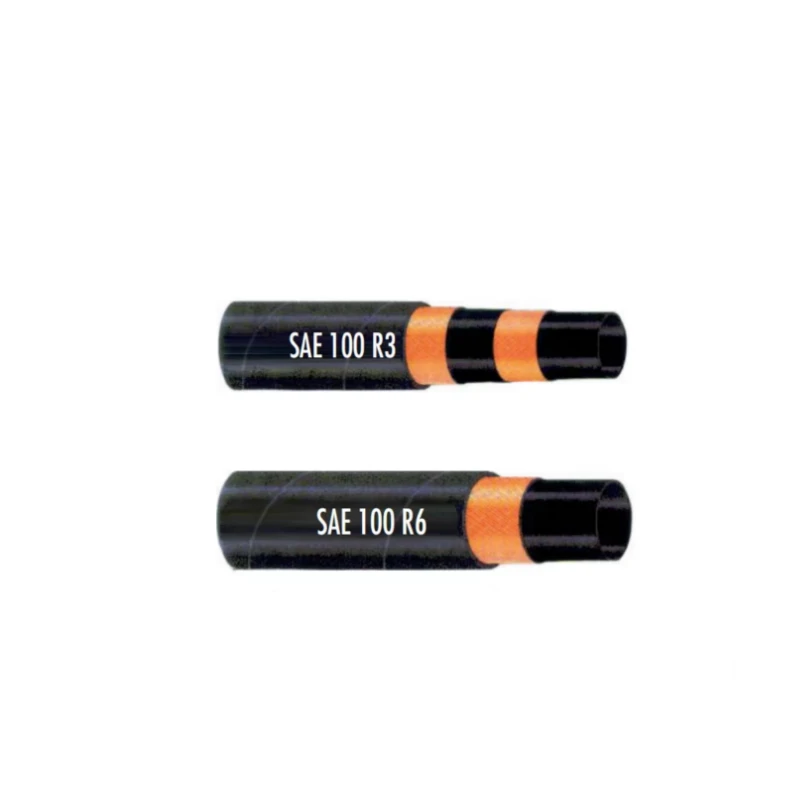
Textile Braid Reinforced Hydraulic Hose SAE100 R3+R6
NewsSep.03,2024
Textile Reinforced Hydraulic oil Suction Hose with embedded Steel Wire SAE 100 R4
NewsSep.03,2024
Single Wire Braid and Textile Covered Hydraulic Hose SAE 100 R5
NewsSep.03,2024
High Pressure Thermoplastic Hydraulic Hose SAE 100 R7 / EN855 R7 - SAE 100 R8 / EN855 R8
NewsSep.03,2024
Heavy Duty Four-layer Steel Wire Spiral Reinforced Hydraulic Hose SAE100R9+R10+R12
NewsSep.03,2024
Heavy Duty Multi-layer Steel Wire Reinforced Hydraulic Hose SAE100R13 SAE100R15
NewsSep.03,2024
Latest Products
-
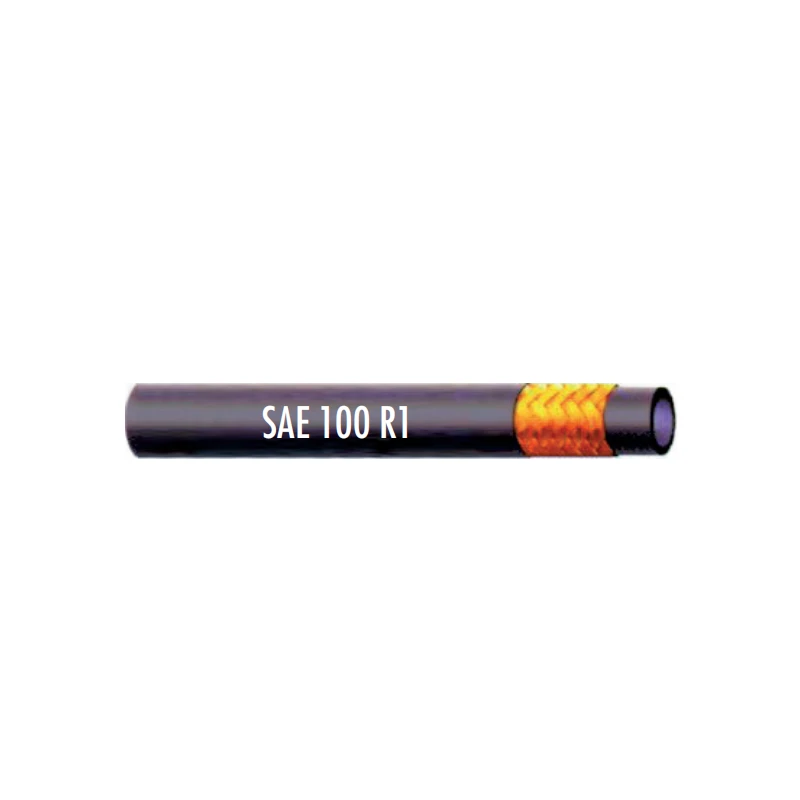
Steel Wire Reinforced Hydraulic Hose SAE 100 R1 / EN853 1SN S
-
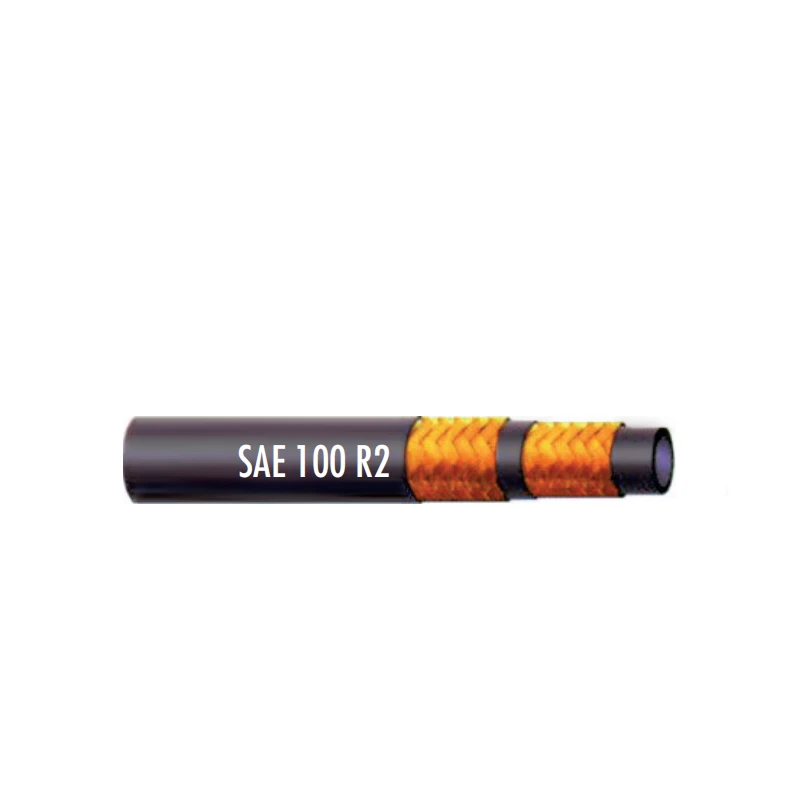
Two Layers Steel Wire Reinforced Hydraulic Hose SAE 100 R2 / EN853 2SN
-
-
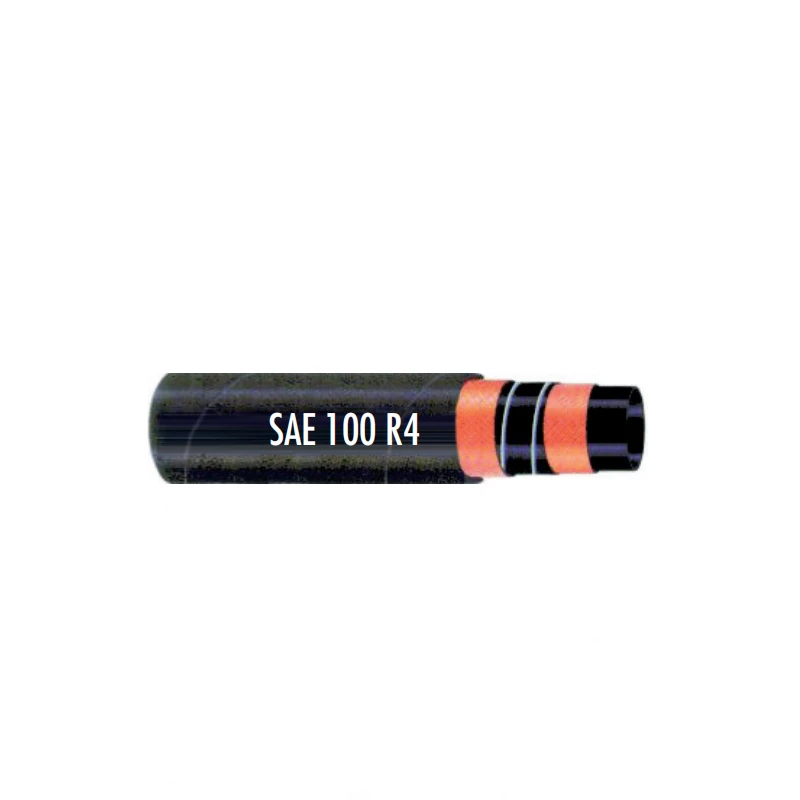
Textile Reinforced Hydraulic oil Suction Hose with embedded Steel Wire SAE 100 R4
-
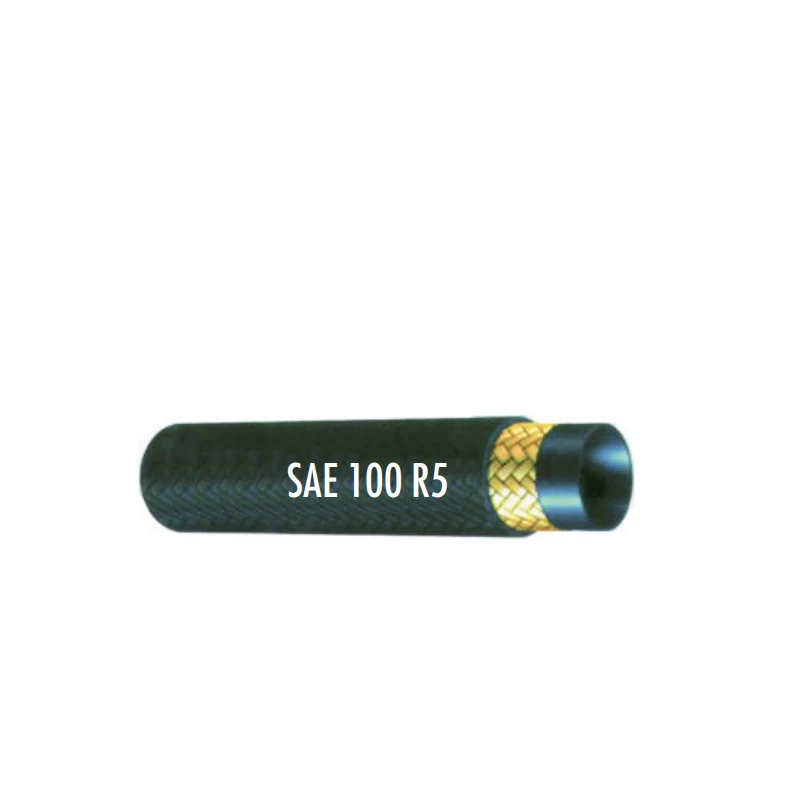
Single Wire Braid and Textile Covered Hydraulic Hose SAE 100 R5
-
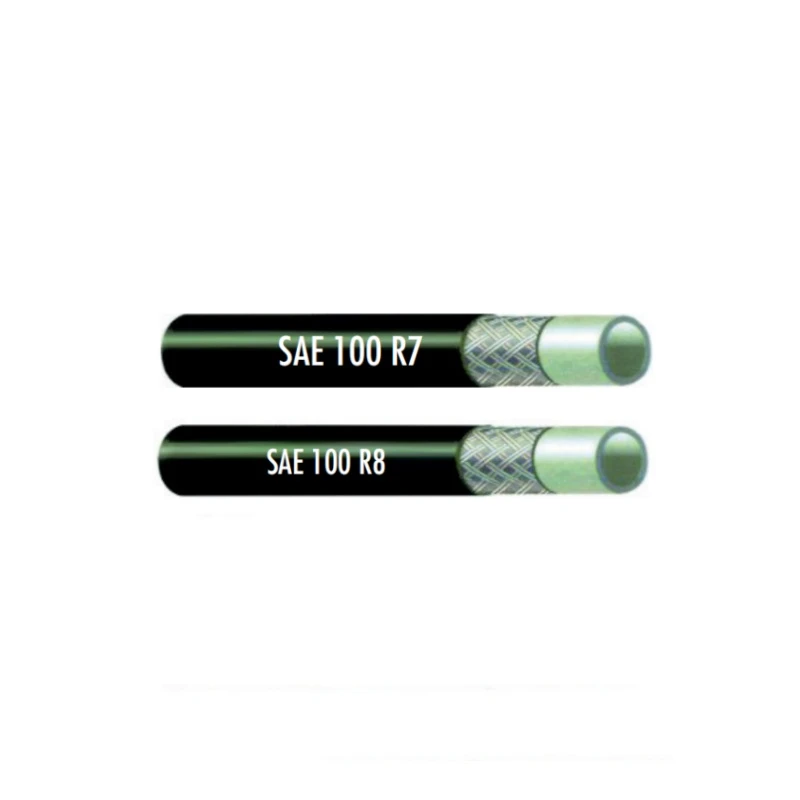
High Pressure Thermoplastic Hydraulic Hose SAE 100 R7 / EN855 R7 - SAE 100 R8 / EN855 R8
-
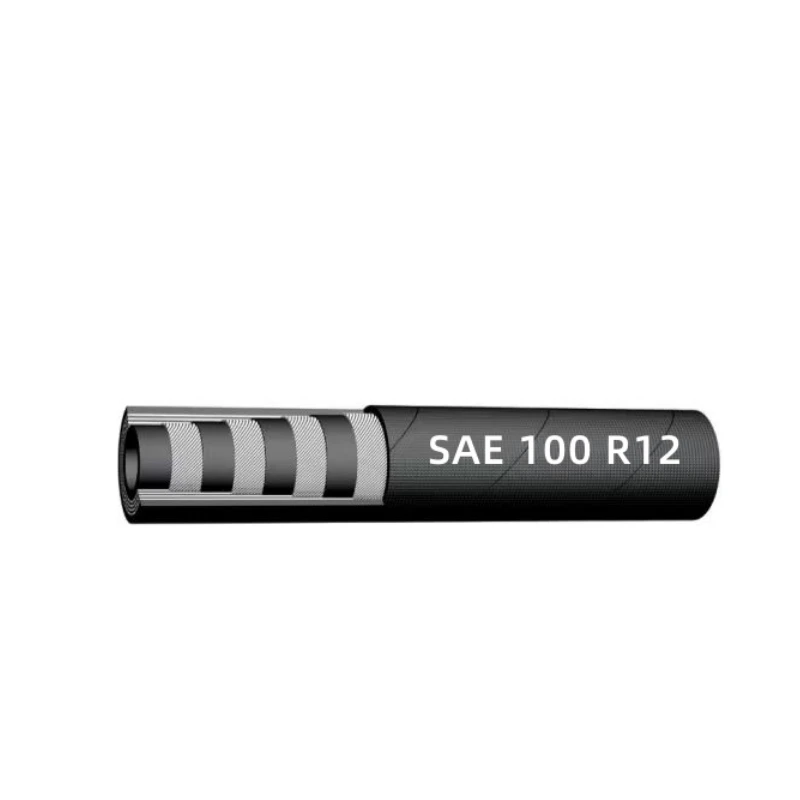
Heavy Duty Four-layer Steel Wire Spiral Reinforced Hydraulic Hose SAE100R9+R10+R12
-
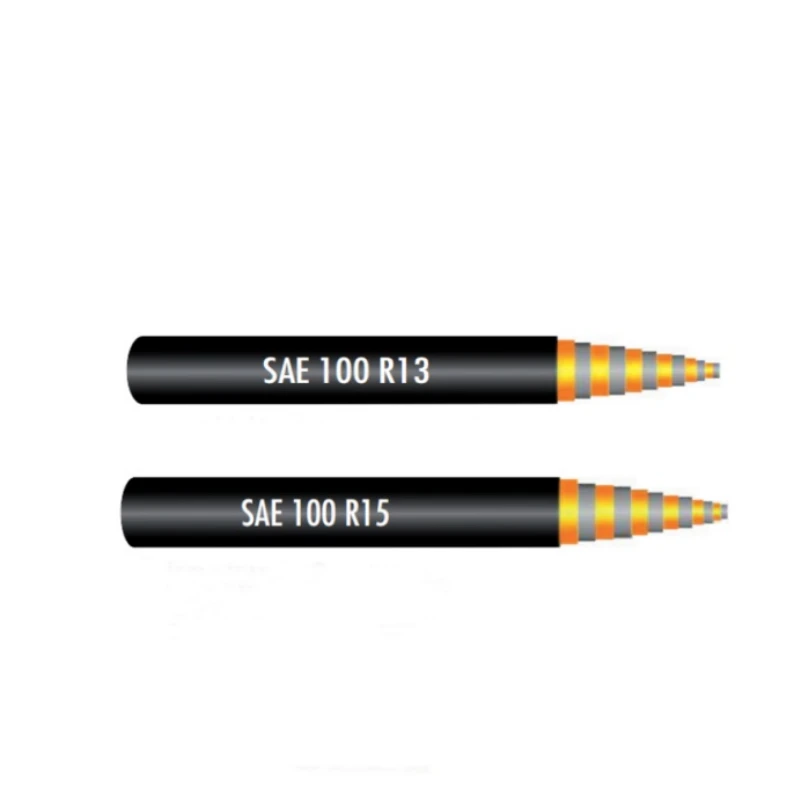
Heavy Duty Multi-layer Steel Wire Reinforced Hydraulic Hose SAE100R13 SAE100R15


